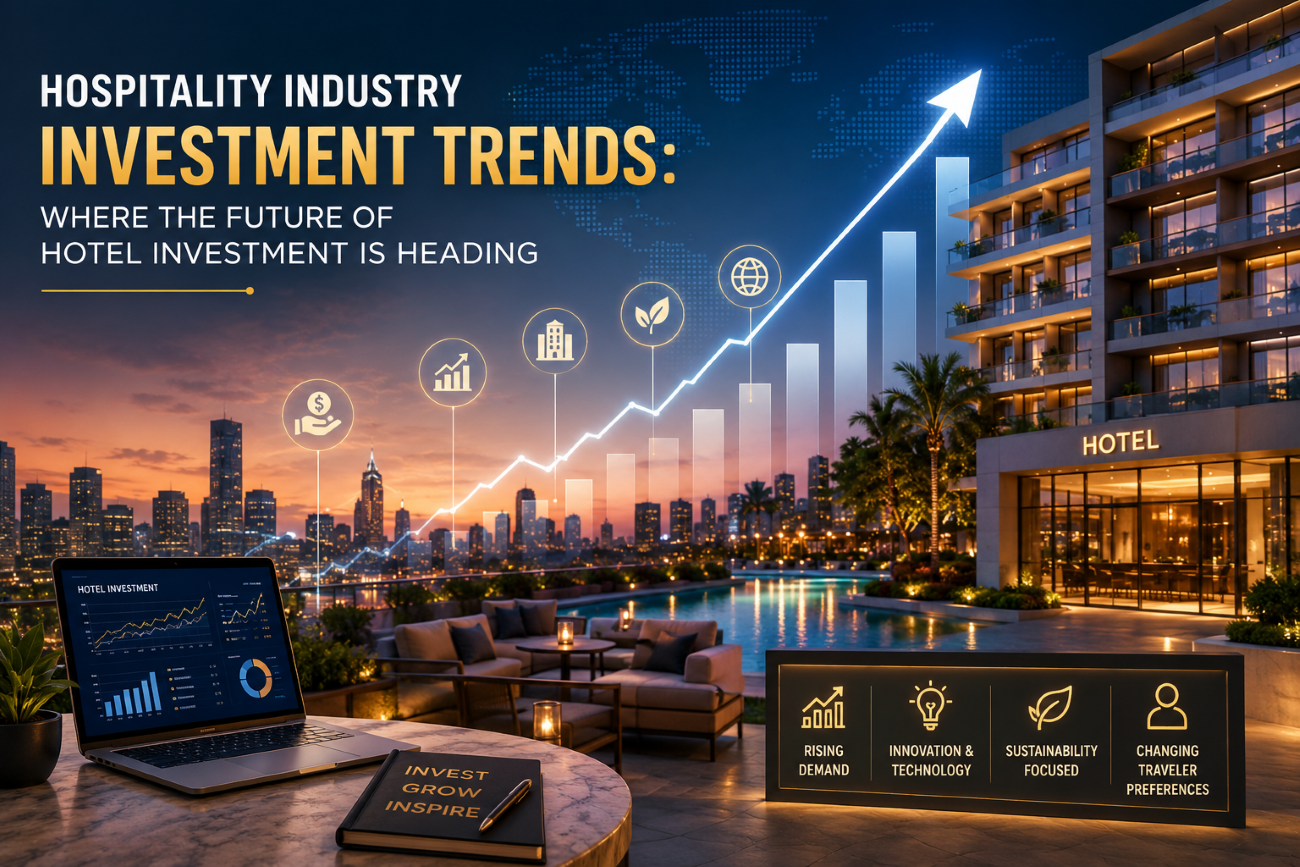
The hospitality industry continues to attract investors from around the world as travel demand evolves, technology advances, and consumer preferences create new opportunities. Hotels, resorts, serviced apartments, boutique properties, and alternative accommodation businesses are all becoming part of a broader investment landscape that is changing rapidly.
Investing in hospitality is no longer simply about acquiring a hotel property and generating revenue from room bookings. Today’s investors are looking at technology, sustainability, guest experience, location strategy, operational efficiency, and new accommodation concepts when evaluating opportunities. The rise of digital platforms, artificial intelligence, changing travel behavior, and growing demand for personalized experiences is reshaping where and how capital is being invested.
At BookSmart, we believe that understanding emerging hospitality investment trends is essential for hotel owners, investors, developers, and hospitality professionals who want to make informed decisions and identify opportunities for long-term growth.
The Growing Importance of Hospitality Investments
Hospitality remains closely connected to global tourism, business travel, leisure activities, and consumer spending. As travel patterns continue to evolve, investors are increasingly looking for hotel assets that can adapt to changing market conditions.
Investors are paying greater attention to properties that combine strong locations with efficient operations and differentiated guest experiences. Hotels that can attract multiple customer segments—such as leisure travelers, business professionals, families, digital nomads, and long-stay guests—may have greater resilience than properties that depend on a single market.
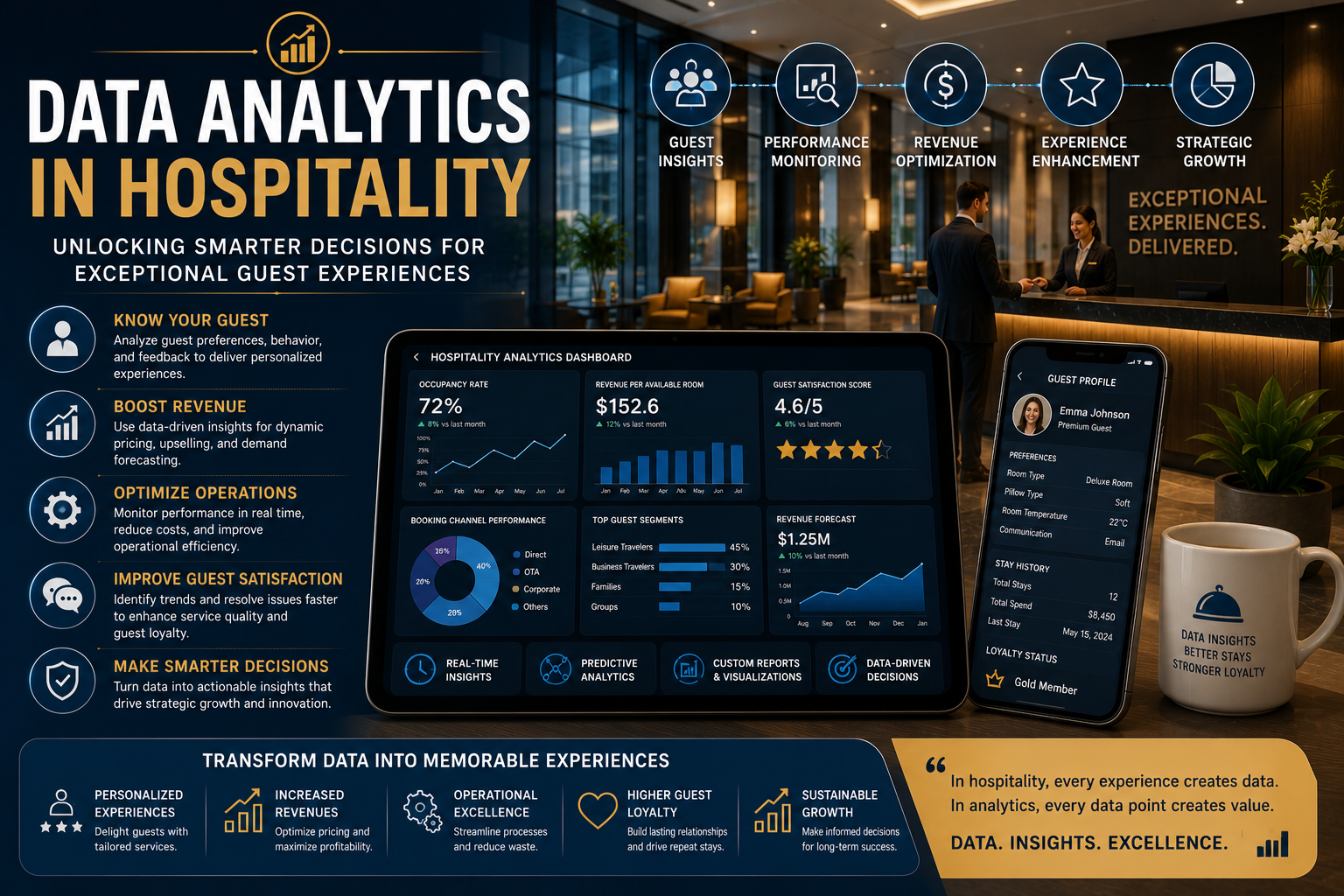
Investment decisions are also becoming more data-driven. Investors are examining occupancy trends, average daily rates, revenue per available room, customer reviews, local tourism growth, infrastructure development, and competitive supply before committing capital.
Investment in Technology-Driven Hotels
Technology is one of the strongest forces influencing hospitality investment.
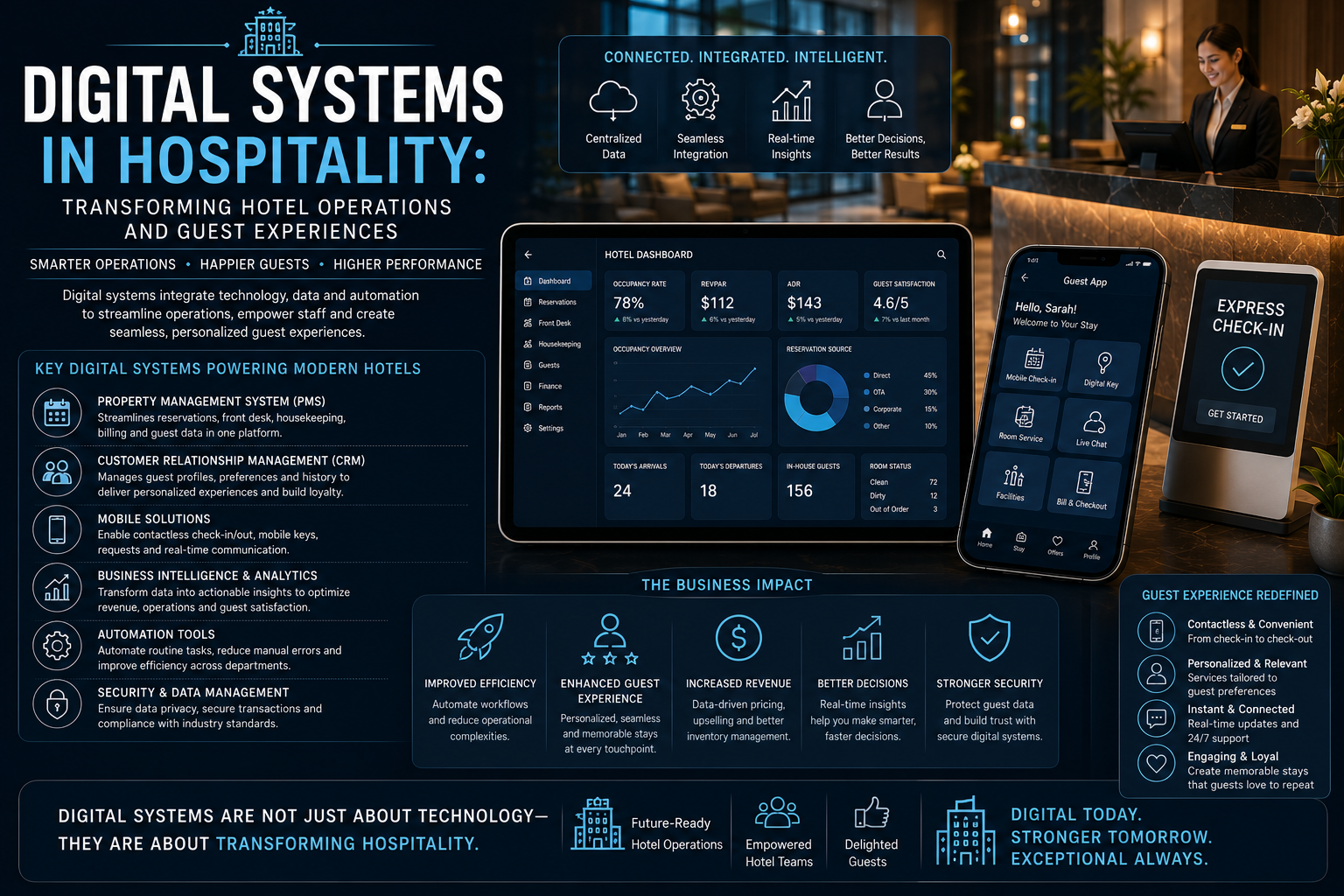
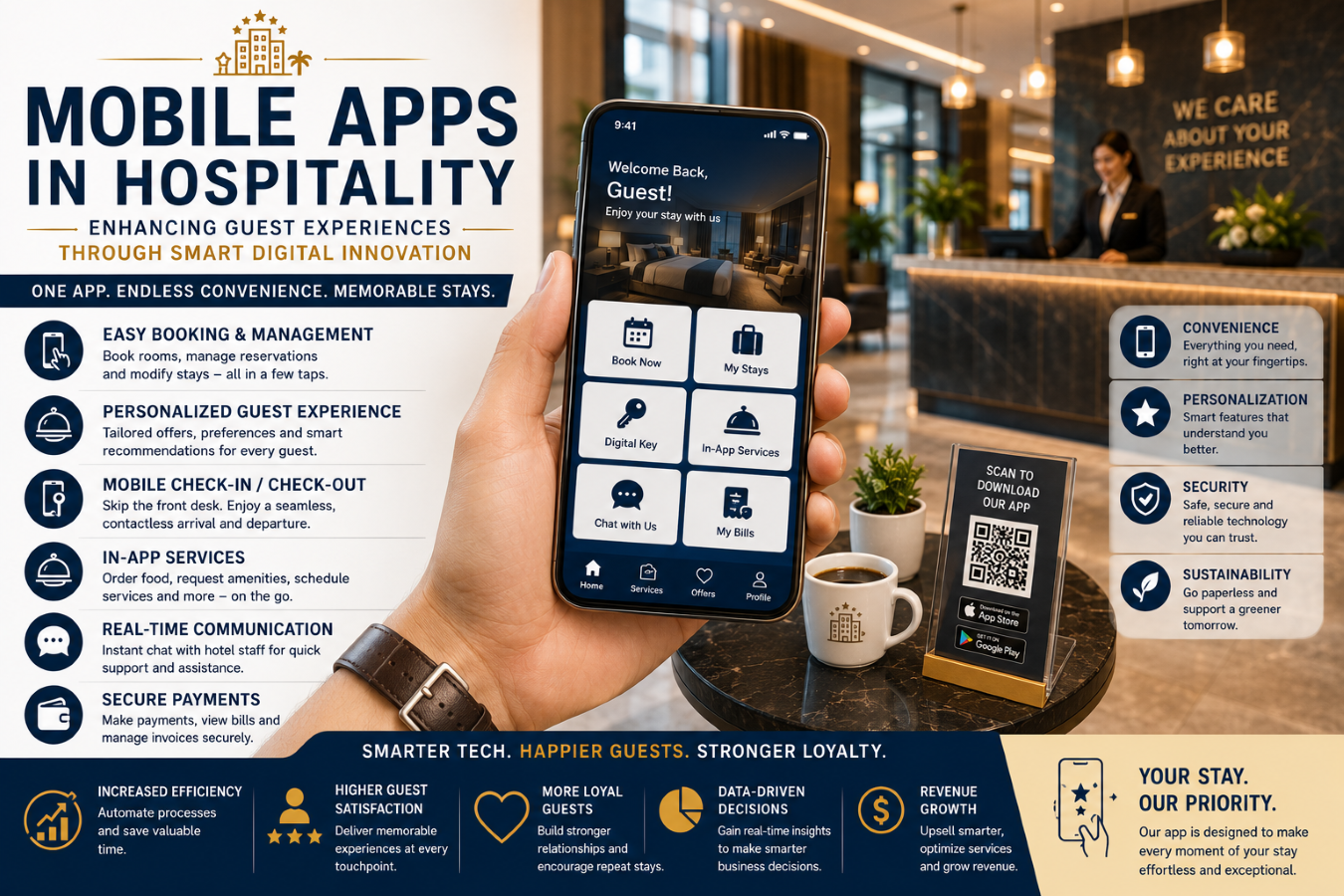
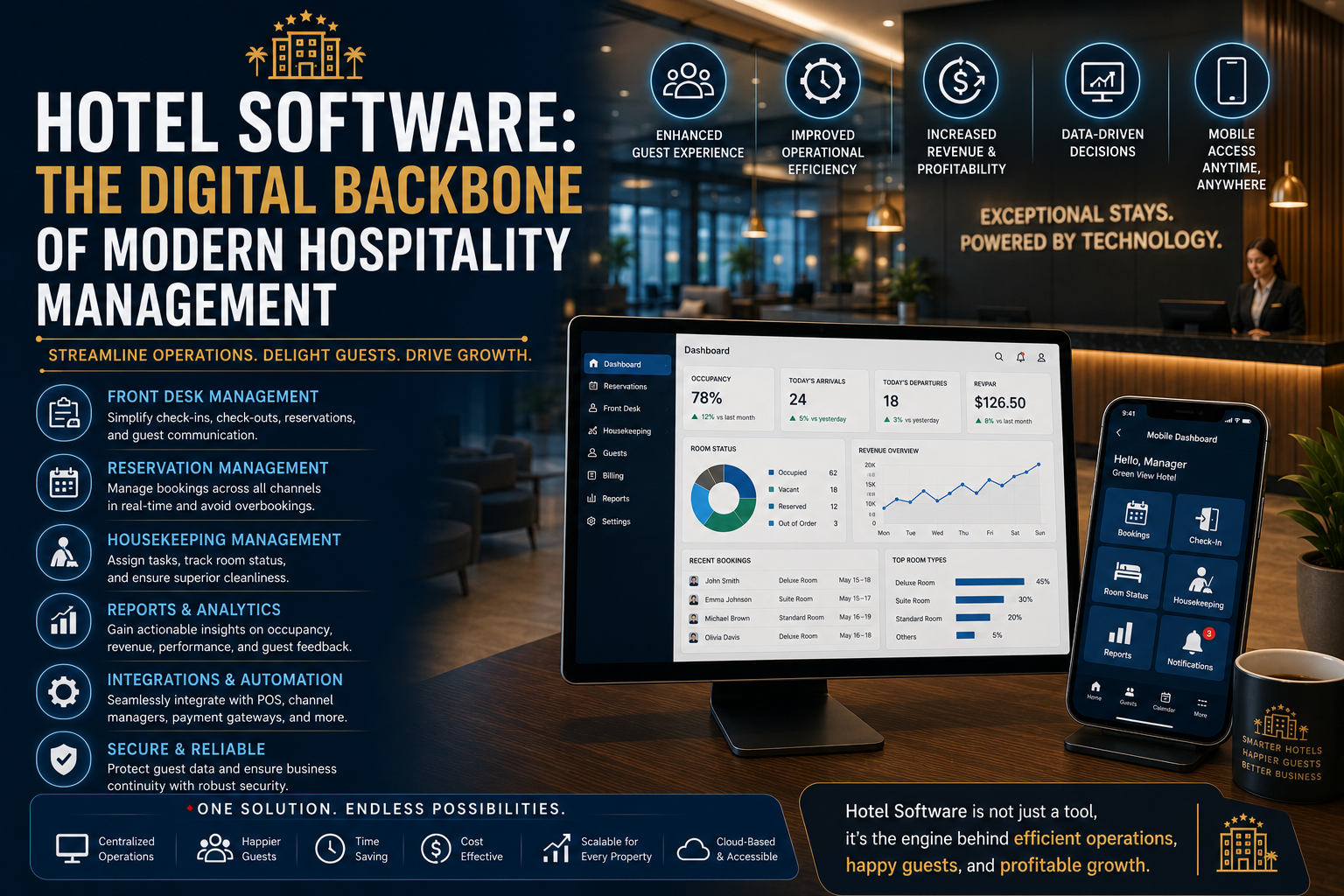
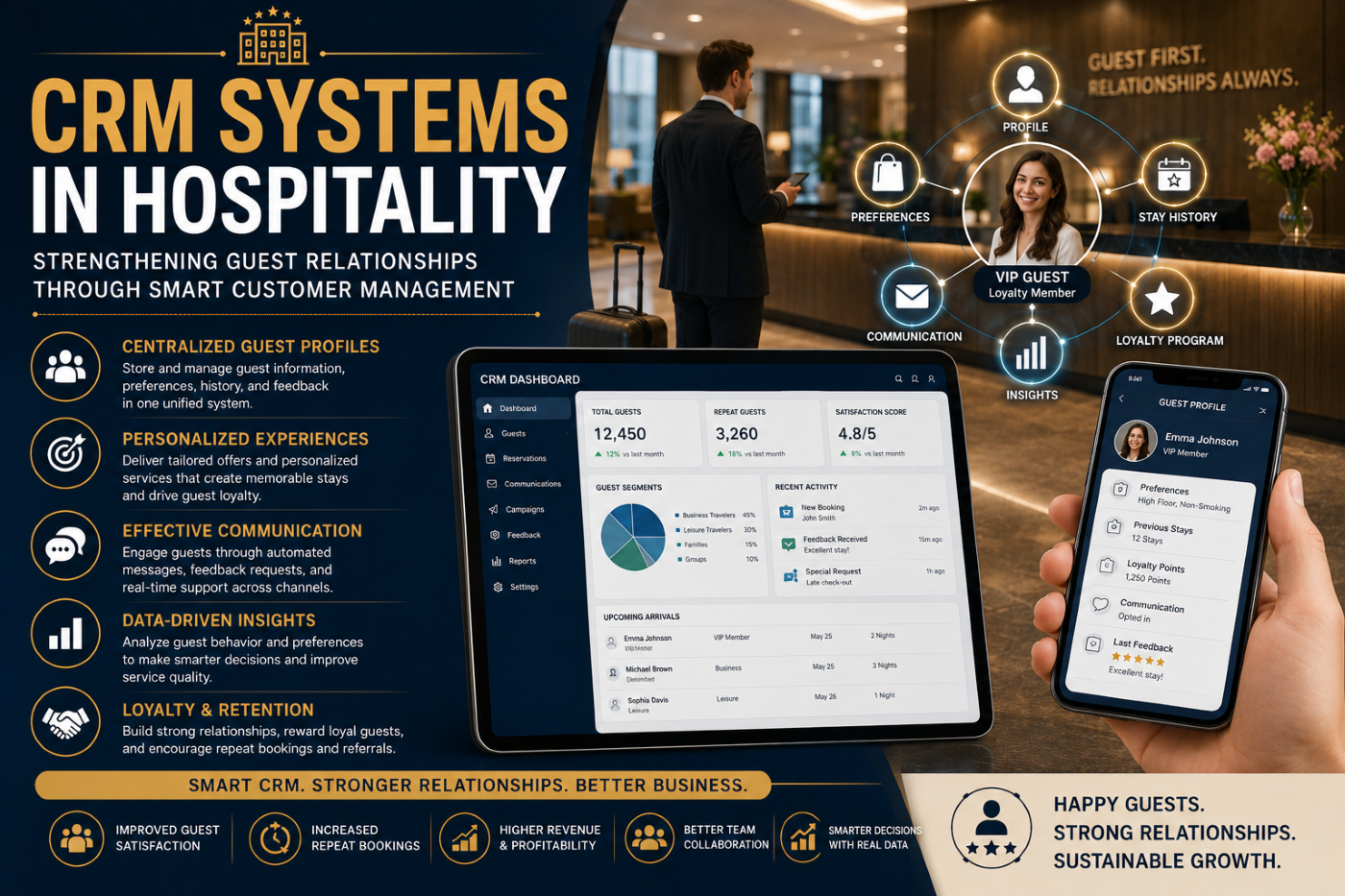
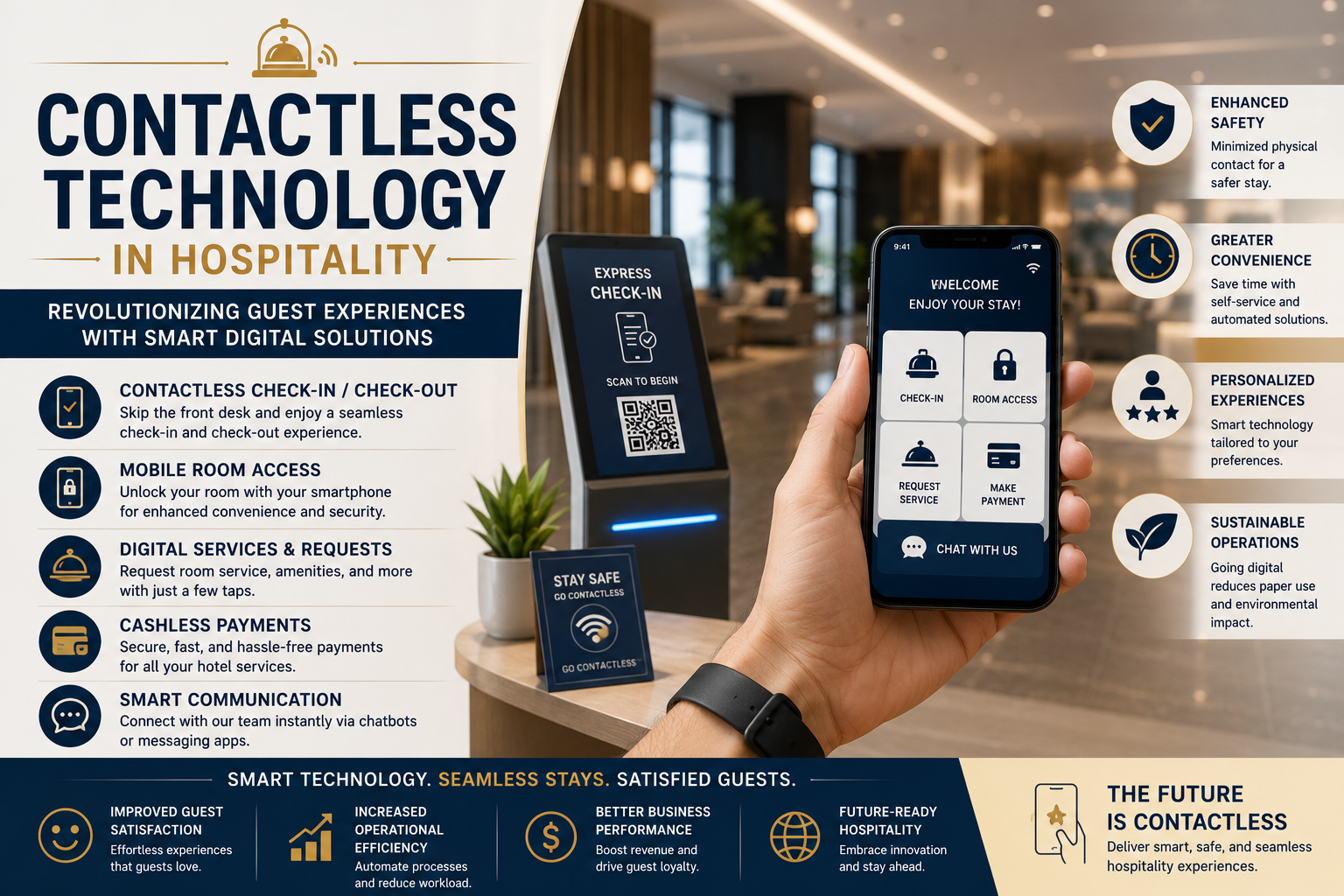
Investors are increasingly interested in hotels that use digital systems to improve efficiency and guest satisfaction. Cloud-based property management systems, mobile applications, contactless check-in, digital payments, smart room technology, revenue management platforms, and customer relationship management tools are becoming important components of modern hotel operations.
Technology can help hotels reduce administrative workloads, optimize pricing, improve communication, and personalize services.
As a result, investors are increasingly evaluating a hotel’s technology infrastructure alongside traditional financial indicators.
Properties with outdated systems may require significant investment to remain competitive, while technology-ready hotels may have an advantage in attracting digitally connected travelers.
The Rise of Artificial Intelligence in Hospitality Investment
Artificial Intelligence is emerging as an important area of interest for hospitality investors.
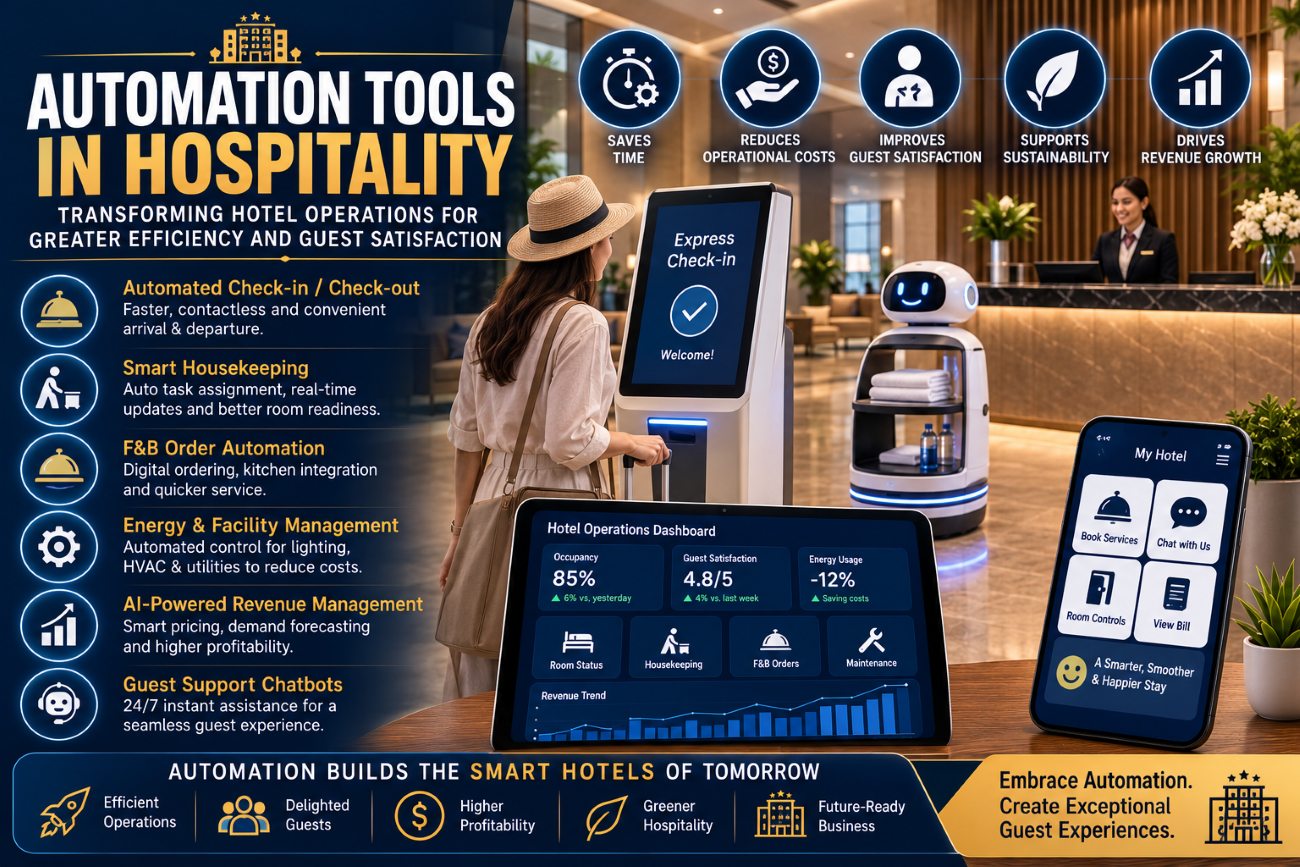
AI can support revenue forecasting, dynamic pricing, customer service, marketing personalization, demand prediction, and operational automation.
AI-powered chatbots can handle routine guest questions, while predictive systems can help hotels anticipate demand and optimize staffing.
Investors are increasingly looking at the potential of AI to improve operational efficiency and reduce costs without compromising the quality of guest service.
However, successful AI adoption requires appropriate data, reliable technology infrastructure, cybersecurity, and trained employees. The strongest investment opportunities are likely to involve businesses that use AI to complement human hospitality rather than attempting to eliminate personal service entirely.
Boutique and Lifestyle Hotels Attracting Attention
Travelers are increasingly looking for experiences that feel unique, authentic, and connected to local culture.
This trend has increased interest in boutique and lifestyle hotels.
Unlike standardized properties, boutique hotels often focus on distinctive design, personalized service, local food, cultural experiences, and strong storytelling.
Investors are attracted to these properties because they can differentiate themselves from large hotel brands and potentially command premium pricing when the concept is well executed.
Successful boutique investments often depend heavily on location, brand identity, design quality, and operational execution.
Luxury Hospitality Continues to Evolve
Luxury hospitality remains an important investment segment, but the definition of luxury is changing.
Today’s luxury travelers increasingly value privacy, personalization, wellness, authenticity, and exclusive experiences rather than simply expensive furniture or large rooms.
Luxury resorts are investing in private villas, wellness facilities, personalized concierge services, fine dining, adventure experiences, and immersive cultural activities.
Investors are increasingly focusing on destinations that can attract high-spending travelers while offering distinctive experiences.
The luxury segment can provide attractive opportunities, but it typically requires substantial capital, strong brand positioning, and high operational standards.
Wellness Tourism as an Investment Opportunity
Wellness has become a major influence on travel decisions.
Hotels and resorts are expanding their offerings to include spas, fitness programs, healthy dining, mindfulness activities, medical wellness services, and nature-based experiences.
Investors are paying greater attention to properties that incorporate wellness into their overall business models.
Wellness-focused hospitality can attract travelers who are willing to spend more on experiences that support physical and mental well-being.
The opportunity extends beyond traditional resorts. Urban hotels, boutique properties, and business hotels are also integrating wellness services into their guest offerings.
Sustainable Hospitality Investments
Environmental sustainability has moved from being a niche consideration to a major investment factor.
Investors are increasingly evaluating a property’s energy efficiency, water consumption, waste management, renewable energy use, sustainable construction, and environmental certifications.
Green hotels can benefit from lower operating costs while appealing to environmentally conscious travelers.
Sustainable investment may also improve long-term asset value by reducing exposure to rising energy costs and changing environmental regulations.
Investors are therefore looking beyond short-term returns and considering how sustainability can contribute to long-term resilience.
Adaptive Reuse and Hotel Conversions
Adaptive reuse is becoming an increasingly interesting strategy in hospitality investment.
Instead of constructing new hotels from the ground up, investors may convert existing buildings such as offices, warehouses, historic structures, or commercial properties into hotels or serviced accommodation.
This approach can create unique hospitality concepts while making use of existing infrastructure.
Adaptive reuse can be particularly attractive in urban areas where land availability is limited and construction costs are high.
Historic buildings can also provide distinctive architectural character that supports boutique and lifestyle hotel concepts.
However, investors must carefully evaluate renovation requirements, zoning regulations, structural limitations, and operating costs.
Extended-Stay and Serviced Accommodation
Travel behavior has changed significantly, creating opportunities for extended-stay hospitality.
Business travelers, remote workers, relocating professionals, families, and long-term visitors often prefer accommodation that provides more space and practical amenities.
Serviced apartments and extended-stay hotels typically offer features such as kitchen facilities, laundry services, workspaces, and larger living areas.
These properties can benefit from longer guest stays and potentially lower turnover costs.
Investors are increasingly considering extended-stay concepts as part of diversified hospitality portfolios.
The Growth of Bleisure Travel
The combination of business and leisure travel—often referred to as “bleisure”—is influencing hotel investment decisions.
Travelers increasingly extend business trips to explore destinations, turning work-related travel into longer leisure experiences.
Hotels that cater to both business and leisure guests may benefit from this trend.
Investors are looking for properties with strong connectivity, flexible workspaces, reliable internet, recreational amenities, and access to local attractions.
The ability to serve multiple travel purposes can help hotels maintain demand across different seasons.
Investment in Digital Nomad-Friendly Hospitality
Remote work has created a new category of travelers who combine work and travel.
Digital nomads often look for reliable internet, comfortable workspaces, flexible accommodation, and community-oriented environments.
Hotels and serviced accommodation providers are responding by creating coworking spaces, long-stay packages, communal areas, and flexible booking options.
Investors may find opportunities in destinations that offer affordable living costs, strong infrastructure, attractive lifestyles, and growing remote-work communities.
Properties designed for longer stays can also benefit from more predictable occupancy patterns.
Experience-Based Hospitality Investments
Travelers increasingly want experiences rather than simply accommodation.
This has encouraged investment in properties that offer unique activities, local cultural programs, culinary experiences, outdoor adventures, and personalized itineraries.
Experience-based hospitality can create additional revenue streams beyond room sales.
Hotels may generate income through restaurants, tours, wellness programs, events, workshops, and partnerships with local businesses.
Investors are therefore paying greater attention to a property’s ability to create multiple sources of revenue.
Investment in Hospitality Technology Infrastructure
Investors are increasingly treating technology infrastructure as a core component of hotel value.
A modern hospitality property may require integrated systems covering reservations, guest communication, payments, revenue management, housekeeping, maintenance, analytics, and cybersecurity.
Cloud technology allows these systems to be connected and accessed across locations.
Investing in technology can improve operational efficiency while creating better visibility into business performance.
For hotel owners, technology investments should be evaluated based on measurable outcomes such as increased direct bookings, reduced costs, improved guest satisfaction, and higher employee productivity.
Alternative Accommodation and Hybrid Models
The boundaries between hotels, serviced apartments, vacation rentals, and co-living spaces are becoming increasingly flexible.
Hybrid hospitality concepts combine elements of different accommodation models to serve changing traveler needs.
For example, a property may offer traditional hotel rooms alongside extended-stay units, coworking facilities, and shared social spaces.
These flexible models can appeal to different customer segments and create multiple revenue opportunities.
Investors are increasingly interested in concepts that can adapt to changing demand rather than relying on a single traditional accommodation format.
Focus on Operational Efficiency
Rising labor costs and staffing challenges have increased investor interest in operational efficiency.
Hotels are investing in automation, workforce management software, self-service technologies, predictive maintenance, and centralized operations.
The goal is not simply to reduce staffing but to use employees more effectively.
Automation can handle repetitive administrative tasks, allowing staff to focus on guest interactions and complex service requirements.
Investors are increasingly evaluating whether a hotel’s operating model is scalable, efficient, and adaptable.
Importance of Location and Emerging Destinations
Location remains one of the most important factors in hospitality investment.
While major tourism destinations continue to attract capital, investors are also exploring emerging markets and secondary cities.
Improved transportation infrastructure, new airports, business development, cultural tourism, and government investment can create opportunities in previously overlooked destinations.
Investors must carefully evaluate tourism demand, accessibility, infrastructure, local regulations, competition, and future development plans before investing in emerging markets.
Data-Driven Investment Decisions
Data analytics is transforming how investors evaluate hospitality opportunities.
Modern investors can analyze occupancy trends, customer reviews, booking behavior, pricing patterns, local tourism statistics, and competitive performance.
Predictive analytics can also help forecast future demand and identify potential risks.
Data-driven investment decisions reduce reliance on assumptions and provide a clearer understanding of a property’s potential.
Investors who combine financial analysis with operational and customer data can make more informed decisions.
The Future of Hospitality Investment
The future of hospitality investment will likely be defined by flexibility, technology, sustainability, and experience.
Investors will increasingly seek properties that can adapt to changing traveler preferences and economic conditions.
Hotels that combine strong locations with efficient operations, innovative technology, sustainable practices, and differentiated guest experiences may be better positioned for long-term success.
Artificial Intelligence and data analytics will play a growing role in investment analysis and hotel operations.
At the same time, the human side of hospitality will remain critical. Travelers will continue to value authentic interactions, personalized service, and memorable experiences.
The most successful investments are likely to be those that combine technological efficiency with genuine human connection.
Conclusion
Hospitality industry investment trends are changing as travelers seek more personalized, sustainable, flexible, and technology-enabled experiences. Investors are increasingly exploring opportunities in boutique hotels, luxury resorts, wellness tourism, extended-stay accommodation, adaptive reuse, sustainable properties, and technology-driven hospitality.
At the same time, Artificial Intelligence, cloud systems, automation, data analytics, and smart hotel technologies are transforming the operational side of the industry.
For investors, success requires looking beyond traditional hotel metrics and understanding the broader forces shaping travel and guest behavior.
At BookSmart, we believe that the future of hospitality investment belongs to businesses that can combine strong financial performance with innovation, sustainability, operational efficiency, and exceptional guest experiences. As the industry continues to evolve, investors who identify emerging trends early and build adaptable hospitality businesses will be best positioned to capture new opportunities and achieve sustainable long-term growth.