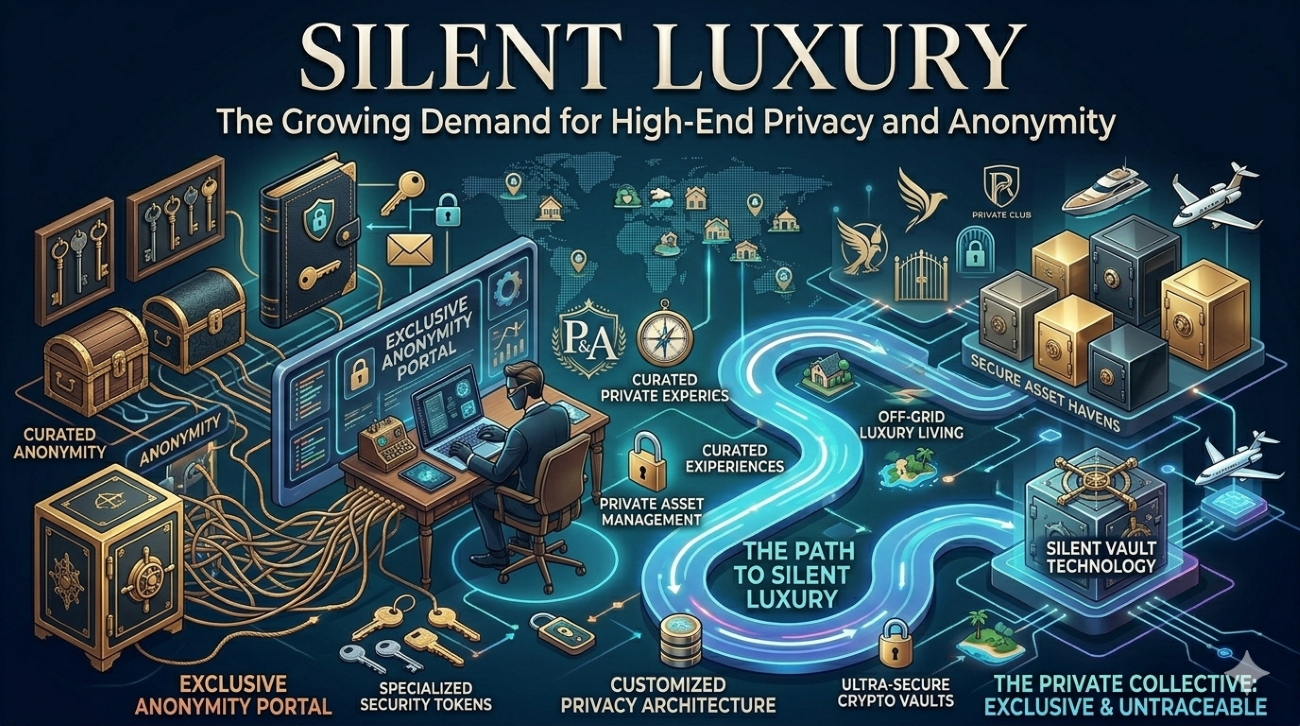
Luxury hospitality is undergoing a quiet but powerful transformation. For decades, luxury was associated with visibility — grand lobbies, recognizable brands, celebrity sightings, and status-driven experiences designed to be seen and shared. Today, however, a new form of premium travel is redefining exclusivity: silent luxury.
High-net-worth travelers are increasingly seeking privacy, discretion, and anonymity over spectacle. The modern luxury guest no longer wants attention; they want protection from it. In an era shaped by social media exposure, digital surveillance, and constant connectivity, privacy itself has become the ultimate luxury commodity.
Hotels and resorts that understand this shift are redesigning services, architecture, technology, and operations to deliver experiences that feel invisible yet exceptional.
What Is Silent Luxury?
Silent luxury refers to high-end hospitality experiences centered on discretion, personalization, and privacy rather than display.
Instead of overt extravagance, silent luxury emphasizes:
- Confidential service
- Low-profile environments
- Personalized yet unobtrusive attention
- Private access points
- Minimal branding visibility
- Data protection and anonymity
Guests value how seamlessly their needs are met without drawing attention to their presence.
Luxury today is less about being recognized — and more about remaining unseen.
Why Privacy Has Become the New Status Symbol
1. The Social Media Fatigue Effect
Constant digital exposure has reshaped traveler psychology. Influencers and public figures once embraced visibility, but many affluent travelers now seek spaces where they can disconnect from public scrutiny.
Private villas, exclusive-use resorts, and hidden destinations allow guests to experience freedom without documentation or interruption.
Ironically, true luxury now lies in experiences that cannot easily be posted online.
2. Security and Personal Safety Concerns
High-profile individuals, executives, entrepreneurs, and wealthy families increasingly prioritize safety.
Concerns include:
- Location tracking
- Unauthorized photography
- Data breaches
- Identity exposure
- Paparazzi attention
Hotels offering discreet check-ins, anonymous billing, and controlled access environments gain competitive advantage among privacy-conscious travelers.
3. Wealth Signaling Has Changed
Modern affluent consumers increasingly embrace understated elegance over conspicuous consumption.
Quiet design, subtle craftsmanship, and personalized experiences replace flashy displays. The experience itself — not public validation — becomes the reward.
This philosophy aligns with broader global trends toward minimalism and intentional living.
How Hotels Are Designing for Anonymity
Silent luxury begins long before guest arrival. Physical design plays a critical role.
Private Arrival Experiences
Forward-thinking properties now offer:
- Separate entrances for VIP guests
- Underground parking access
- In-suite check-in
- Direct villa transfers
- Private elevators
Guests bypass crowded reception areas entirely, reducing visibility.
Architecture That Protects Privacy
Design elements increasingly include:
- Standalone villas and residences
- Soundproofed suites
- Landscaped visual barriers
- Limited room density
- Hidden service corridors
The objective is to allow guests to move freely without unwanted interaction.
Invisible Service Models
Staff presence becomes intentionally subtle.
Instead of frequent interruptions, hotels adopt anticipatory service powered by guest preference data.
Examples include:
- Housekeeping scheduled during guest absence
- Silent room replenishment
- Personalized dining prepared without repeated confirmations
Service excellence exists without intrusion.
Technology’s Dual Role: Convenience vs. Confidentiality
Technology enables personalization but also introduces privacy risks. Silent luxury properties carefully balance both.
Privacy-First Digital Systems
Best practices include:
- Encrypted guest data storage
- Limited-access staff permissions
- Anonymous guest identifiers
- Secure payment processing
- Opt-out personalization settings
Guests increasingly want control over how their data is used.
Contactless Yet Personal
Mobile check-ins, digital keys, and private concierge messaging reduce physical exposure while maintaining responsiveness.
Technology becomes a shield rather than a surveillance tool.
The Rise of Ultra-Personalized Concierge Services
In silent luxury environments, personalization happens quietly behind the scenes.
Concierge teams may arrange:
- Private shopping experiences after store hours
- Exclusive cultural access
- Confidential transportation logistics
- Personalized wellness programs
- Discreet event planning
Requests are executed seamlessly without public coordination.
The hallmark of silent luxury is anticipation without conversation.
Staffing for Discretion
Delivering anonymity requires specialized staff training.
Employees must master:
- Confidential communication practices
- Non-intrusive interaction styles
- Cultural sensitivity
- Situational awareness
- Information confidentiality protocols
Staff professionalism becomes a defining luxury feature.
Some properties even implement strict internal policies limiting guest discussion among employees.
Wellness and the Desire for Emotional Privacy
Silent luxury is also tied to mental wellness.
Affluent travelers increasingly view travel as recovery from high-pressure lifestyles. Privacy allows guests to relax without performance or expectation.
Private wellness offerings are growing rapidly, including:
- In-suite spa therapies
- Personal meditation sessions
- Private fitness coaching
- Secluded nature experiences
- Digital detox programs
Emotional safety complements physical comfort.
Marketing Silent Luxury Without Breaking Silence
Promoting privacy-focused experiences presents a paradox: hotels must communicate exclusivity without appearing promotional.
Effective strategies include:
Subtle Storytelling
Marketing focuses on atmosphere rather than amenities.
Instead of showcasing crowds or events, visuals highlight serenity, space, and intimacy.
Word-of-Mouth and Reputation
High-end privacy travelers rely heavily on referrals, private networks, and trusted advisors rather than mass advertising.
Reputation becomes more powerful than visibility.
Limited Public Exposure
Some luxury properties intentionally maintain low online presence, reinforcing exclusivity.
Scarcity enhances desirability.
Operational Challenges of Silent Luxury
While highly profitable, silent luxury requires operational precision.
Higher Staffing Ratios
Personalized yet discreet service demands well-trained teams.
Infrastructure Investment
Private entrances, villas, and security systems increase development costs.
Balancing Privacy and Hospitality
Too little interaction may feel cold; too much feels intrusive.
Achieving the perfect balance is both art and science.
The Business Advantage
Hotels embracing silent luxury benefit from:
- Higher average daily rates
- Longer guest stays
- Strong repeat visitation
- Elite clientele loyalty
- Reduced price sensitivity
Privacy-focused guests prioritize trust over discounts, making them highly valuable long-term customers.
The Future of Luxury Hospitality
Silent luxury reflects a broader societal shift toward intentional experiences and controlled visibility.
Future trends may include:
- Invitation-only hospitality memberships
- Private residence-style hotels
- AI-driven anonymous personalization
- Secure travel ecosystems
- Ultra-exclusive micro-destinations
Luxury will increasingly be measured not by how much attention a property attracts — but by how effectively it protects guests from it.
Conclusion
The definition of luxury is evolving from extravagance to discretion. In a world where attention is constant and privacy is scarce, anonymity has become the ultimate indulgence.
Silent luxury represents more than a trend; it is a response to modern lifestyle pressures, digital exposure, and shifting values among affluent travelers.
Hotels that understand this transformation will lead the next era of premium hospitality — one where exceptional service speaks softly, operates invisibly, and leaves guests feeling protected, relaxed, and truly free.
Because in modern luxury, the greatest privilege is not being noticed at all.
Leave a Reply