Category: Articles

  • 🌟 Beyond Billboards: How Hotels Can Leverage Influencer Marketing for Direct Bookings

    🌟 Beyond Billboards: How Hotels Can Leverage Influencer Marketing for Direct Bookings

    In the world of travel, the customer journey is no longer confined to browsing glossy brochures or checking listings on Online Travel Agencies (OTAs). Today, the journey begins with digital storytelling—on a scrollable feed, a short video clip, or an immersive vlog. For hospitality brands, this shift means that Influencer Marketing is no longer a luxury experiment; it is a fundamental, high-ROI strategy for driving direct bookings and building authentic brand trust.

    On behalf of booksmart, we recognize that modern travelers trust peer recommendations more than traditional advertisements. They seek genuine experiences, and influencers act as trusted friends, offering a virtual, unfiltered look inside your property. Hotels that master the art of strategic influencer collaboration will not only boost their visibility but also significantly reduce their reliance on costly third-party booking channels.

    🎯 The Influence Advantage: Why Traditional Ads Fall Short

    The power of influencer marketing lies in its authenticity and targeted reach. Travelers are actively seeking out content that is relatable, visual, and experience-driven.

    FeatureTraditional AdvertisingInfluencer Marketing
    Trust FactorLow; perceived as a paid messageHigh; perceived as a trusted recommendation
    Content StyleHighly polished, often genericAuthentic, relatable, experience-driven
    TargetingBroad demographic targetingPinpoint; reaching highly engaged, niche communities
    Call to ActionImpersonalPersonalized codes, direct booking links, FOMO

    Influencers—be they travel bloggers, lifestyle creators, or food critics—allow hotels to bypass ad fatigue and speak directly to their ideal guest. By showcasing a property’s unique atmosphere, local excursions, or hidden amenities through stunning visuals and compelling narratives, they generate genuine Fear of Missing Out (FOMO) that converts inspiration into reservations.


    🚀 The booksmart Blueprint: A 5-Step Strategy for Hotel Success

    A successful hotel influencer campaign requires strategic planning, not just handing over a free room key. Our blueprint focuses on measurable outcomes, authentic content, and building long-term value.

    1. Define Your Target and Goals: Go Beyond Vanity Metrics

    Before outreach, hotels must clarify what they want the partnership to achieve, moving past simply gaining “likes.”

    • Goal Clarity: Set SMART goals (Specific, Measurable, Achievable, Relevant, Time-bound). Do you want to increase direct bookings by 10% in the next quarter? Do you need to promote a new spa or restaurant? Or is the focus on brand awareness in a specific geographic market?
    • Targeting: Pinpoint your ideal guest. Are they a luxury traveler looking for wellness? A digital nomad needing fast Wi-Fi and co-working spaces? Or a family vacationer focused on kids’ activities? Your influencer’s audience must match this profile.

    2. Strategic Influencer Selection: Audience Fit Over Follower Count

    The size of the following is far less important than the engagement rate and the audience’s demographics.

    • Micro and Nano Influencers: These creators (with 1,000 to 100,000 followers) often yield the highest ROI. Their smaller audience is typically hyper-engaged, highly niche, and deeply trusts the creator’s recommendations, leading to higher conversion rates.
    • Vetting for Authenticity: Analyze their past content. Does their personal brand align with your hotel’s ethos (e.g., sustainability, luxury, budget-friendly)? Check their engagement rate (likes + comments ÷ followers) and audience location to ensure they are reaching the market you want to tap.
    • Platform Alignment: Instagram and TikTok are kings for visual inspiration (Reels, Stories), while YouTube excels for long-form, high-converting content like detailed hotel room tours and reviews, which build stronger booking confidence.

    3. Crafting the Perfect Collaboration: Experience is Everything

    The experience you offer the influencer dictates the quality of the content they produce.

    • The Personalized Itinerary: Don’t just give them a room. Curate a stay that highlights your hotel’s unique selling points (USPs) and aligns with their content niche. For a food blogger, offer a private session with the Executive Chef. For a wellness influencer, arrange an exclusive tour of the spa and a morning yoga session.
    • Clear Creative Brief, Creative Freedom: Provide a brief that clearly defines the required deliverables (e.g., 1 YouTube video, 3 Instagram Reels, 5 Stories) and mandatory messaging (e.g., the direct booking link, unique hashtag, or key amenity to mention). Crucially, do not micromanage the creative execution. Influencers know what resonates with their audience—let them tell their story authentically.
    • Legal Clarity: Define the terms, including payment (flat fee, complimentary stay, or a combination), content usage rights (the hotel’s ability to repurpose the content), and the posting timeline in a clear contract.

    4. Maximizing Conversion: Driving the Direct Booking Funnel

    The ultimate goal is to convert inspirational social content into measurable revenue, reducing dependency on OTAs.

    • Trackable Codes and Links: Provide the influencer with a unique, trackable booking link or a personalized discount code. This is the only reliable way to measure the direct return on investment (ROI).
    • Highlight Direct Booking Perks: Encourage influencers to mention the benefits of booking directly on the hotel’s website, such as complimentary breakfast, room upgrades, or loyalty points, making the hotel’s channel more appealing than a third party.
    • Content Repurposing: Secure the rights to reuse the best influencer content. A stunning photo from a creator can be turned into a high-performing paid ad or featured prominently on your website and email newsletters, extending the campaign’s lifespan and value.

    5. Measurement and Long-Term Relationships: The ROI Feedback Loop

    Success is not just about the immediate engagement; it’s about sustained growth and strategic insight.

    • Key Performance Indicators (KPIs): Track metrics directly tied to your goals:
      • Awareness: Total Reach, Impressions, Social Mentions.
      • Engagement: Likes, Comments, Shares, Saves (often the most valuable metric).
      • Conversion: Clicks on the trackable link, Bookings made using the unique code, and total Revenue Generated.
    • Build Partnerships, Not Transactions: The most powerful content comes from influencers who genuinely love your brand. Cultivate long-term relationships through repeat visits, holiday greetings, or offering them a first look at new facilities. This transforms them from a temporary promoter into a credible, long-term brand ambassador.

    ✨ Case Study in Action: The Power of Long-Form Content

    One boutique hotel brand partnered with four established travel vloggers on YouTube, focusing on creating 5-10 minute detailed room and experience reviews rather than short clips. They provided each influencer with a unique affiliate booking link.

    The result? While their Instagram Reels delivered high reach, the YouTube videos, despite lower initial views, drove 80% of the total direct bookings attributed to the campaign. The long-form, authentic experience-driven content proved its value by building the necessary confidence for a traveler to click the link and complete a reservation.

    💡 Your Next Check-In: Strategize with booksmart

    Influencer marketing is the language of the modern traveler. By shifting your focus from follower count to audience alignment, from one-off stays to strategic, measurable partnerships, your hotel can unlock a powerful new channel for growth.

    Ready to harness authentic storytelling and drive your next wave of direct bookings? Partner with booksmart to custom-design an influencer strategy that converts inspiration into revenue.

  • Strategies to Increase Occupancy Rates

    Strategies to Increase Occupancy Rates

    In the competitive real estate and hospitality markets, maintaining a high occupancy rate is key to profitability and long-term stability. Whether it’s a rental property, co-living space, or hotel, every vacant room represents a missed opportunity for revenue.

    At BookSmart, we understand that increasing occupancy rates isn’t just about filling spaces—it’s about building sustainable relationships with tenants and guests through data-driven strategies, personalized experiences, and smart management solutions.

    In this article, we’ll explore proven, practical strategies that property owners and managers can use to maximize occupancy, improve retention, and boost profitability.

    1. Understand Your Target Market

    The foundation of any successful occupancy strategy begins with a deep understanding of your target audience. Knowing who your ideal tenants or guests are—and what they value—allows you to tailor your offerings accordingly.

    For instance, professionals may prioritize convenience and connectivity, while students look for affordability and proximity to universities. Similarly, families may prefer amenities such as safety, schools, and green spaces.

    BookSmart’s Insight:
    Our analytics-driven tools help property owners identify tenant preferences and market trends. By understanding who you’re catering to, you can position your property more effectively and attract the right audience.

    2. Optimize Online Visibility

    In today’s digital-first world, most tenants and travelers search for properties online. A well-optimized online presence can dramatically improve your visibility and occupancy rate.

    Here’s how to do it effectively:

    • Build a professional website with high-quality photos, 3D tours, and clear property descriptions.
    • Optimize your listings on popular platforms using relevant keywords (e.g., “affordable student housing in Delhi” or “premium co-living spaces in Bangalore”).
    • Encourage positive online reviews, as social proof strongly influences potential renters or guests.
    • Use local SEO techniques to appear in nearby searches (like “flats near me” or “short-term rentals in [city name]”).

    BookSmart Advantage:
    We help property owners manage their online listings, enhance SEO visibility, and create impactful digital marketing campaigns to ensure their properties reach the right audience at the right time.

    3. Leverage Data and Technology

    Technology is transforming property management, and data analytics play a vital role in improving occupancy rates.

    Smart platforms like BookSmart allow property managers to track key metrics such as booking trends, seasonal demand, and tenant preferences. This data helps in:

    • Adjusting pricing strategies dynamically.
    • Identifying low-performing units or time periods.
    • Creating targeted marketing campaigns based on tenant behavior.

    By integrating data-driven insights, property owners can make informed decisions that lead to higher occupancy and better financial performance.

    4. Offer Flexible Leasing and Pricing Options

    Flexibility is one of the most sought-after features among modern tenants. Traditional long-term leases no longer appeal to everyone—especially students, digital nomads, and young professionals.

    Consider offering:

    • Short-term rental options for added convenience.
    • Flexible payment plans (monthly or bi-weekly).
    • Discounts for long-term stays or early renewals.
    • Dynamic pricing models that adjust rates based on demand, season, or market trends.

    BookSmart’s Smart Pricing Tool helps property owners automatically optimize rental rates using AI-driven analytics, ensuring the right balance between affordability and profitability.

    5. Improve Tenant and Guest Experience

    Occupancy is not just about attracting people—it’s about retaining them. A great tenant experience leads to positive word-of-mouth, higher satisfaction, and longer stays.

    Ways to improve experience include:

    • Maintaining clean, well-equipped spaces.
    • Offering fast and reliable maintenance services.
    • Providing high-speed Wi-Fi, security, and modern amenities.
    • Personalizing tenant communication and feedback systems.

    BookSmart’s Property Management System helps automate tenant communication, maintenance scheduling, and service requests—creating a seamless experience that encourages renewals and referrals.

    6. Strengthen Marketing and Branding

    In a saturated market, strong branding helps your property stand out. A clear brand identity reflects your values, personality, and the experience you offer.

    Use consistent branding elements—logo, color schemes, tone of voice—across all digital and offline channels. Pair that with targeted marketing strategies, such as:

    • Social media ads targeting potential renters based on location and interests.
    • Email campaigns to re-engage past tenants or prospects.
    • Collaborations with local businesses, colleges, or travel agencies.

    At BookSmart, we specialize in digital marketing strategies that not only increase visibility but also enhance your property’s reputation as a trusted, desirable choice.

    7. Focus on Retention and Loyalty

    It’s more cost-effective to retain existing tenants than to acquire new ones. Building loyalty through incentives and engagement can significantly reduce turnover rates.

    Effective retention strategies include:

    • Offering renewal discounts or rewards.
    • Hosting community events for residents.
    • Providing referral programs that benefit both current and new tenants.
    • Regularly checking in with tenants to address concerns proactively.

    By building a sense of community and trust, you create a loyal base that contributes to long-term occupancy stability.

    8. Maintain Property Appeal

    First impressions matter. The physical condition of your property can make or break a potential tenant’s decision.

    Simple upgrades can go a long way:

    • Regular maintenance and cleanliness checks.
    • Updated interiors, lighting, and common spaces.
    • Green spaces and eco-friendly initiatives.
    • Smart home features for convenience and sustainability.

    BookSmart’s Facility Management Solutions ensure your property remains in top condition, appealing to both new and existing tenants.

    9. Monitor Market Trends and Competitors

    Keeping an eye on local market trends and competitors helps you stay ahead. Track what similar properties are offering—be it pricing, amenities, or promotions—and adjust your strategy accordingly.

    BookSmart’s Market Intelligence Dashboard provides real-time data on competitive rates, demand fluctuations, and tenant demographics, empowering you to make strategic decisions that boost occupancy.

    Conclusion

    Increasing occupancy rates requires more than just listing your property—it demands a strategic, data-driven approach that combines marketing, technology, and exceptional tenant experience.

    At BookSmart, we empower property owners and managers with smart tools and insights to optimize performance, enhance visibility, and maximize occupancy across every season.

    By embracing flexibility, personalization, and technology, your property can stay ahead of the competition and ensure consistent, long-term success.

  • Hotel Event Management: Best Practices for Seamless Guest Experiences

    Hotel Event Management: Best Practices for Seamless Guest Experiences

    In the world of hospitality, events are powerful opportunities to create memorable guest experiences, build brand recognition, and drive revenue. From elegant weddings and corporate conferences to music festivals and private gatherings, hotels today serve as more than just places to stay—they are dynamic event destinations.

    Successful hotel event management requires more than good planning. It’s about blending creativity, organization, and guest-centric execution to deliver unforgettable experiences. At BookSmart, we believe that mastering the art of event management is the key to a thriving hotel business. In this article, we explore the best practices for hotel event management, helping your property attract clients, execute flawlessly, and leave lasting impressions.

    1. Understand Your Client’s Vision

    Every event starts with a vision. Whether it’s a corporate seminar or a destination wedding, clients have specific goals, preferences, and expectations. The foundation of great event management is understanding that vision deeply.

    Start by conducting in-depth consultations with your client. Ask about their theme, desired atmosphere, budget, and special requirements. This helps your team align every aspect—venue layout, lighting, catering, and entertainment—with their objectives.

    BookSmart Tip: Use digital event planning tools or visualization software to create mock-ups and layouts. This helps clients visualize the final setup and minimizes last-minute changes.

    2. Create a Comprehensive Event Plan

    Behind every successful event lies a well-structured plan. A detailed roadmap keeps your team organized and ensures that no detail slips through the cracks.

    Your event plan should include:

    • Venue layout and seating arrangements
    • Audio-visual and lighting setups
    • Catering menu and dietary accommodations
    • Staffing schedules and roles
    • Guest registration and logistics
    • Backup plans for emergencies

    Having a central event management software—like the kind integrated with BookSmart’s hotel solutions—can automate scheduling, communication, and vendor coordination. This reduces manual errors and keeps everyone on the same page.

    3. Choose the Right Venue Spaces

    Flexibility in venue spaces is a major advantage for hotels. Whether it’s a grand ballroom, rooftop terrace, or poolside deck, each area can cater to different event types.

    When managing events, focus on venue versatility:

    • Offer multiple room configurations—banquet, theater, classroom, or cocktail.
    • Highlight the venue’s ambiance with décor, lighting, and branding.
    • Ensure easy access for guests, especially for VIPs or differently-abled attendees.

    BookSmart Tip: Promote your hotel’s event spaces through virtual tours on your website. This allows potential clients to explore the ambiance before making a booking—boosting online conversions.

    4. Perfect the Guest Experience

    A memorable event isn’t just about logistics—it’s about emotions. Guests remember how they felt during an event more than the details themselves.

    To ensure exceptional guest experiences:

    • Train your staff in hospitality etiquette and proactive service.
    • Offer personalized touches like welcome drinks, event-themed signage, or name tags.
    • Ensure fast and seamless check-ins for event attendees.
    • Provide easy navigation using digital screens or mobile event guides.

    At BookSmart, we help hotels design guest experience blueprints, ensuring that every touchpoint—from arrival to departure—feels smooth, professional, and memorable.

    5. Integrate Technology for Efficiency

    In 2025, hotel event management has gone digital. Modern tools help streamline communication, manage attendees, and analyze success metrics.

    Key technologies that enhance event management include:

    • Event management software: To schedule, track, and automate operations.
    • Mobile apps: For attendees to view agendas, maps, and updates.
    • Contactless check-ins: For smoother entry and safety.
    • Data analytics: To evaluate guest satisfaction, attendance rates, and ROI.

    BookSmart’s technology-driven hotel solutions make it easier to manage bookings, automate workflows, and track event performance—all in one centralized platform.

    6. Focus on Food and Beverage Excellence

    Catering is often one of the most memorable parts of an event—and one of the biggest opportunities for hotels to shine. Guests remember a delicious meal long after the event ends.

    Best practices for food and beverage management include:

    • Offering customized menus that match the event’s theme and audience.
    • Considering dietary preferences—vegetarian, vegan, or gluten-free options.
    • Ensuring efficient service timing and temperature control.
    • Collaborating closely with chefs for presentation and taste.

    BookSmart encourages hotels to highlight signature dishes or local cuisine to make events culturally rich and distinctive. Great food doesn’t just satisfy—it enhances brand reputation.

    7. Strengthen Vendor and Partner Relationships

    Events often require collaboration with multiple vendors—decorators, photographers, entertainers, and AV technicians. Establishing reliable vendor partnerships ensures smoother coordination and better outcomes.

    Keep a pre-vetted vendor list that includes trusted partners who share your commitment to quality and punctuality. Establish clear contracts covering deliverables, costs, and deadlines.

    BookSmart Tip: Build long-term vendor relationships through loyalty agreements and mutual promotions. Reliable vendors save time and guarantee consistent excellence.

    8. Prioritize Safety and Compliance

    Health and safety are non-negotiable in hospitality events. Hotels must follow local regulations, safety codes, and crowd control measures to protect both guests and staff.

    Safety best practices include:

    • Regular inspection of fire exits and emergency equipment.
    • Availability of first-aid and trained personnel.
    • Clear evacuation plans displayed across the venue.
    • Hygiene and food safety compliance in catering.

    At BookSmart, we emphasize that maintaining high safety standards not only ensures compliance but also builds guest trust and confidence—an essential element of repeat business.

    9. Market Your Event Capabilities

    A successful hotel doesn’t just host events—it markets its event management strengths effectively.
    Promote your hotel’s event offerings through strategic digital marketing:

    • Showcase high-quality images and testimonials on your website and social media.
    • Optimize your event pages for SEO using keywords like hotel event venues, conference spaces, or destination weddings.
    • Partner with local event planners, photographers, and travel influencers.

    BookSmart’s marketing support tools help hotels build compelling online visibility—ensuring potential clients find your venue first when searching for event destinations.

    10. Gather Feedback and Measure Success

    Once the event concludes, the job isn’t over. Gathering feedback helps you identify strengths and areas for improvement.

    Use post-event surveys or feedback forms to measure satisfaction across:

    • Venue and setup
    • Food and beverage quality
    • Staff service and responsiveness
    • Overall guest experience

    Analyze data to improve future event operations. At BookSmart, we recommend using customer relationship management (CRM) systems to track client preferences and follow up for future bookings.

    Conclusion: Transforming Events into Experiences with BookSmart

    In today’s competitive hospitality industry, hotels that master event management stand out as complete experience providers. Every successful event not only boosts short-term revenue but also strengthens long-term guest loyalty and brand value.

    At BookSmart, we help hotels embrace smart technology, guest personalization, and operational excellence to deliver events that impress and inspire. Whether it’s a grand wedding or a high-profile conference, we empower hotels to turn every occasion into an unforgettable story.

  • Challenges Facing the Hospitality Industry Today

    Challenges Facing the Hospitality Industry Today

    The hospitality industry has always been built on one foundation — people. Whether it’s a hotel welcoming guests from across the globe, a restaurant crafting unforgettable dining experiences, or a travel company curating dream vacations, this industry thrives on human connection.

    But in today’s rapidly changing world, the hospitality sector faces a wave of challenges that are reshaping how it operates. From rising costs and labor shortages to evolving guest expectations and digital disruptions, the industry is being tested like never before.

    At BookSmart, we believe that acknowledging these challenges is the first step toward transforming them into opportunities. Let’s explore the key issues facing the hospitality industry today and how forward-thinking businesses can adapt, evolve, and thrive.

    🌍 1. Labor Shortages and Workforce Challenges

    One of the most pressing issues the hospitality industry faces today is the shortage of skilled labor.

    Since the pandemic, hotels, restaurants, and travel agencies have struggled to attract and retain qualified employees. Many workers have left the sector in search of more stable, higher-paying jobs or better work-life balance.

    Why it matters:

    Hospitality is a people-driven business. Without experienced staff, guest satisfaction, service quality, and brand reputation can suffer.

    What can be done:

    • Invest in employee well-being: Offer flexible schedules, fair wages, and professional growth opportunities.
    • Leverage technology: Tools like AI chatbots and self-check-in kiosks can ease the workload on staff.
    • Create a culture of belonging: Recognize employees, promote inclusivity, and encourage career advancement.

    At BookSmart, we emphasize that happy employees lead to happy guests — and that’s the ultimate recipe for long-term success.

    💸 2. Rising Operational Costs

    Inflation, energy prices, and supply chain disruptions have significantly increased operational costs in the hospitality sector.

    Hotels are paying more for electricity and maintenance, restaurants face higher ingredient prices, and travel businesses are seeing transportation and logistics costs surge.

    Why it matters:

    These rising expenses eat into profit margins, forcing businesses to increase prices — often at the risk of losing customers.

    What can be done:

    • Adopt smart energy management systems to reduce consumption.
    • Streamline procurement and build long-term relationships with suppliers.
    • Use data analytics to monitor spending and identify cost-saving opportunities.

    Financial sustainability now depends on efficiency and innovation — not just revenue growth.

    📱 3. Digital Transformation and Technology Gaps

    Technology has become both a blessing and a challenge. On one hand, it’s revolutionizing guest experiences through AI, automation, mobile apps, and digital booking platforms. On the other hand, many hospitality businesses still struggle to adapt to these rapid changes.

    The challenge:

    Outdated systems, lack of integration, and limited technical expertise make it difficult for businesses to keep up.

    Why it matters:

    Guests expect seamless digital experiences — from online booking and contactless check-in to personalized recommendations and instant feedback. Businesses that can’t meet these expectations risk being left behind.

    What can be done:

    • Invest in digital infrastructure: Cloud-based systems, CRM tools, and automation software improve efficiency.
    • Train staff to use modern tools effectively.
    • Leverage data to personalize customer experiences.

    At BookSmart, we encourage hospitality brands to view technology not as a cost — but as a catalyst for innovation and long-term growth.

    🧳 4. Changing Consumer Preferences

    Today’s guests are more digitally savvy, socially conscious, and experience-driven than ever. They value sustainability, authenticity, and personalization over traditional luxury.

    For example:

    • Travelers prefer eco-friendly hotels that reduce plastic waste.
    • Guests look for unique local experiences rather than generic stays.
    • Many expect instant digital service — from mobile check-ins to virtual concierges.

    The challenge:

    Balancing personalization and operational efficiency is tough, especially when catering to diverse demographics like Gen Z travelers and baby boomers alike.

    What can be done:

    • Offer customized experiences using guest data and feedback.
    • Embrace sustainable practices to attract eco-conscious customers.
    • Build community connections by supporting local artisans and events.

    Adapting to new customer expectations is no longer optional — it’s essential for survival.

    🌱 5. Sustainability and Environmental Concerns

    Sustainability is now a core priority in hospitality. Guests increasingly choose brands that reflect their environmental values — from energy-efficient hotels to restaurants sourcing locally and reducing food waste.

    Why it matters:

    The industry contributes significantly to global carbon emissions. A failure to act on sustainability could lead to reputational damage, regulatory penalties, and lost business.

    What can be done:

    • Reduce energy use through smart technologies and renewable sources.
    • Eliminate single-use plastics and promote recycling initiatives.
    • Support local economies by sourcing materials and products regionally.

    At BookSmart, we believe sustainability isn’t just good ethics — it’s good business. Eco-conscious practices attract loyal customers and improve operational efficiency in the long run.

    🔒 6. Cybersecurity Threats and Data Privacy

    With digitalization comes vulnerability. Hotels, airlines, and booking platforms store vast amounts of customer data — making them prime targets for cyberattacks.

    The challenge:

    Breaches can expose sensitive information such as credit card numbers and personal details, leading to financial loss and reputational damage.

    What can be done:

    • Implement strong cybersecurity measures like encryption and multi-factor authentication.
    • Regularly train employees on data privacy and phishing awareness.
    • Comply with regulations such as GDPR and other regional data protection laws.

    A secure digital environment builds trust — and trust builds loyalty.

    💬 7. Guest Experience and Service Expectations

    The essence of hospitality lies in exceptional guest experience. However, in an era dominated by instant gratification, customer expectations are rising faster than ever.

    Guests expect:

    • 24/7 service availability
    • Personalized communication
    • Seamless booking and feedback systems

    The challenge:

    Delivering such experiences consistently across multiple touchpoints — while managing costs and labor shortages — is a delicate balance.

    What can be done:

    • Leverage AI chatbots for quick responses and FAQs.
    • Use CRM tools to track guest preferences and offer personalized offers.
    • Encourage real-time feedback to improve continuously.

    At BookSmart, we emphasize that technology should enhance hospitality — not replace it. The human touch remains the heart of every great guest experience.

    💰 8. Economic Uncertainty and Global Instability

    The hospitality industry is highly sensitive to economic shifts, geopolitical tensions, and global crises. Events such as pandemics, wars, and recessions can cause travel bans, reduced consumer spending, and operational disruptions.

    What can be done:

    • Diversify markets to reduce dependence on specific regions.
    • Develop crisis management plans for emergencies.
    • Offer flexible booking policies to maintain trust during uncertainty.

    Businesses that can adapt quickly to changing conditions are more likely to survive — and thrive — during turbulent times.

    📊 9. Competition and Brand Differentiation

    With the rise of online travel agencies (OTAs), review platforms, and social media, the hospitality market has become extremely competitive.

    Independent hotels and restaurants often struggle to stand out against large chains with massive marketing budgets.

    What can be done:

    • Focus on storytelling: Build a strong brand narrative that connects emotionally with guests.
    • Use social media strategically: Share authentic experiences, not just promotions.
    • Encourage reviews and testimonials: User-generated content drives credibility and organic reach.

    BookSmart believes that differentiation comes not from doing more — but from doing better and doing it authentically.

    🌟 Turning Challenges into Opportunities

    Despite these challenges, the hospitality industry remains one of the most resilient and adaptive sectors in the world. Every disruption brings a chance to innovate — to reimagine how we connect with guests, operate efficiently, and create unforgettable experiences.

    At BookSmart, we see a bright future where technology and human touch coexist harmoniously. Businesses that embrace change, prioritize people, and stay committed to excellence will continue to thrive — no matter what challenges come their way.

    🏁 Conclusion

    The hospitality industry stands at a crossroads — facing economic, digital, and social shifts that are redefining how it operates. Yet, these challenges also open doors to reinvention and growth.

    By embracing sustainability, digital innovation, data security, and people-first strategies, the industry can evolve stronger than ever before.

    At BookSmart, we believe the heart of hospitality will always remain the same — creating meaningful experiences that make people feel valued, connected, and inspired.

  • Hotel Loyalty Programs That Actually Work: Building Genuine Guest Relationships with BookSmart

    Hotel Loyalty Programs That Actually Work: Building Genuine Guest Relationships with BookSmart

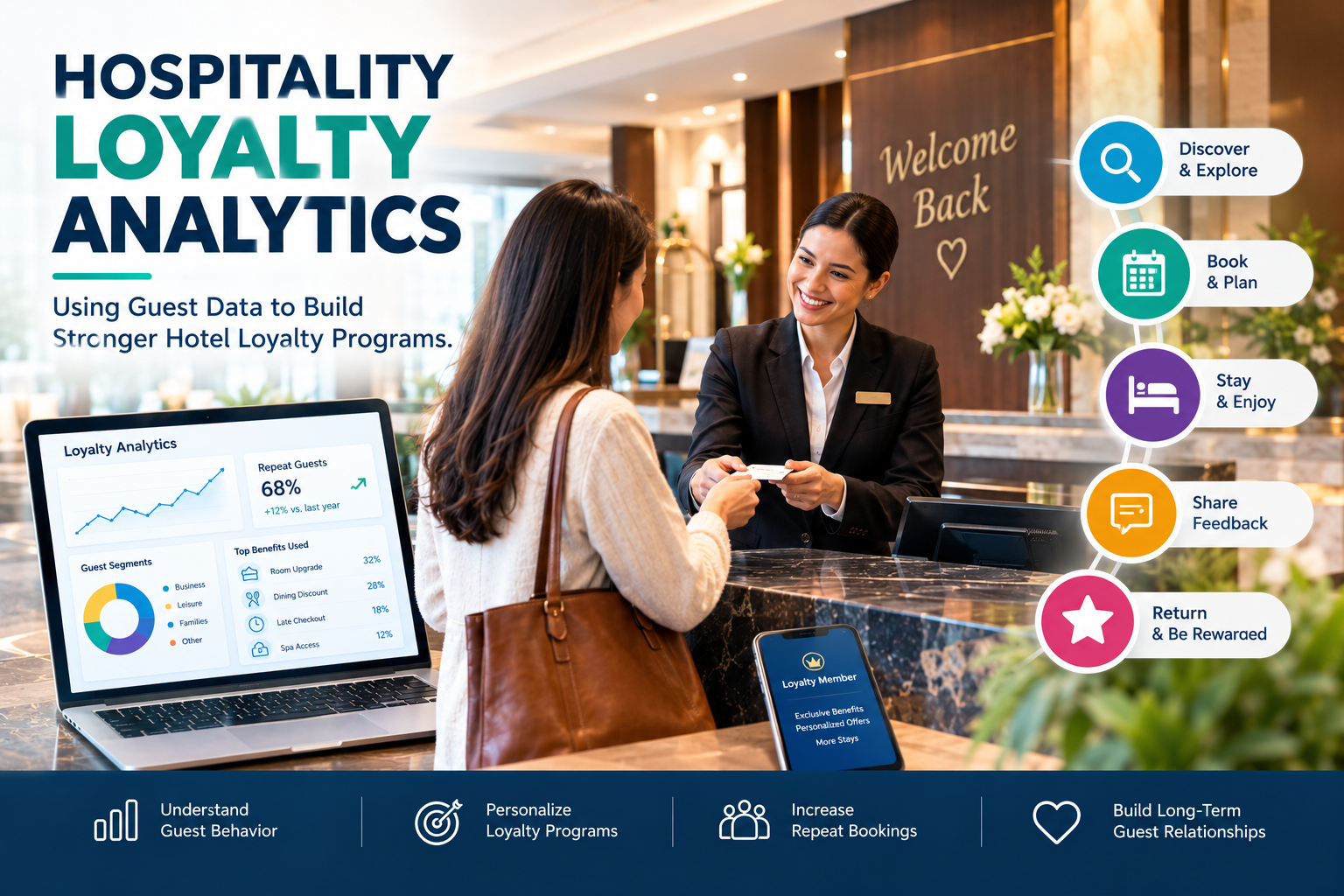
    In the competitive world of hospitality, guest loyalty is gold. With hundreds of hotels competing for attention through flashy discounts and promotional deals, only a few manage to win the hearts of guests—and keep them coming back. The secret? A well-designed hotel loyalty program that truly adds value to the guest experience.

    At BookSmart, we believe that a successful loyalty program is more than just collecting points—it’s about creating meaningful relationships, offering personalization, and turning every stay into a reason to return.

    In this article, we’ll explore what makes hotel loyalty programs truly effective, examples of successful strategies, and how your hotel can design a loyalty program that drives real results.

    The Importance of Loyalty in the Hospitality Industry

    Hospitality is an experience-driven industry. Guests don’t just book rooms—they seek comfort, trust, and emotional connection. This is where loyalty programs play a crucial role.

    A well-structured loyalty program helps hotels:

    • Retain repeat customers at a fraction of the cost of acquiring new ones.
    • Boost revenue by encouraging guests to spend more on each stay.
    • Collect valuable guest data for future personalization.
    • Enhance brand reputation through word-of-mouth and online reviews.

    According to research, a 5% increase in customer retention can boost profits by up to 25–95%. Clearly, guest loyalty isn’t just a marketing strategy—it’s a long-term investment.

    Why Many Hotel Loyalty Programs Fail

    Despite the potential, not all loyalty programs succeed. Many hotels make the mistake of focusing solely on transactional benefits—points, discounts, or free nights—without delivering emotional or experiential value.

    Here are common pitfalls that cause loyalty programs to underperform:

    • Complex structures: Guests lose interest when the rules are hard to understand.
    • Low perceived value: Points that take too long to redeem feel unrewarding.
    • Lack of personalization: Guests want unique experiences, not generic offers.
    • Poor digital integration: Without a seamless app or online portal, engagement drops.
    • Limited recognition: Guests want to feel valued—not just rewarded.

    To create a loyalty program that truly works, hotels must move beyond discounts and build personalized, emotional, and convenient experiences.

    What Makes a Hotel Loyalty Program Successful

    Based on global best practices and insights from BookSmart’s experience in the hospitality sector, here are the key ingredients of a winning loyalty program:

    1. Simplicity and Transparency

    A loyalty program must be easy to join, understand, and use. Guests should instantly know:

    • How to earn points
    • How to redeem rewards
    • What benefits they can access

    For example, the Marriott Bonvoy program offers a clear tier system—Members, Silver, Gold, Platinum, Titanium—each with transparent benefits. Guests know exactly what they’re working toward.

    2. Instant Gratification

    Today’s travelers prefer immediate value over distant promises. Offering small but instant rewards—such as free Wi-Fi, late checkout, or complimentary upgrades—encourages more sign-ups and engagement.

    BookSmart data shows that hotels offering instant benefits see up to 35% higher participation rates compared to those with delayed rewards.

    3. Personalization through Data

    Guests appreciate when hotels remember their preferences—whether it’s a favorite room type, breakfast choice, or pillow firmness. By leveraging guest data from previous stays, hotels can tailor offers and communication to each individual.

    For instance, sending a returning guest a “Welcome back, your preferred room is ready!” message creates a sense of recognition that no amount of points can replicate.

    4. Tiered Rewards and Recognition

    Tiered programs add motivation. As guests move up levels, they unlock exclusive perks—such as free suite upgrades, early check-in, or access to VIP lounges.

    More importantly, recognition matters. Addressing elite members personally, assigning dedicated check-in desks, or offering complimentary welcome drinks enhances the emotional value of loyalty.

    5. Digital Accessibility

    In today’s mobile-first world, a user-friendly app or website portal is essential. Guests should be able to track their points, redeem rewards, and book stays seamlessly online.

    Hotels integrating digital loyalty platforms through BookSmart’s system have reported up to 40% higher guest retention, proving how convenience drives loyalty.

    6. Partnerships and Cross-Rewards

    Strategic partnerships make loyalty programs more versatile. Guests love the flexibility to use their rewards for flights, dining, car rentals, or shopping.

    For example, Hilton Honors allows members to convert points for airline miles, while IHG One Rewards offers gift cards and experiences.

    By collaborating with local businesses, restaurants, and attractions, hotels can extend value beyond the property—and keep guests engaged year-round.

    7. Emotional Connection and Storytelling

    Guests don’t remember discounts—they remember experiences. Building emotional connections through storytelling and brand values turns occasional visitors into lifelong advocates.

    For instance, sustainable hotels can reward guests for eco-friendly actions, such as reusing towels or minimizing waste. Programs like these align loyalty with purpose, not just points.

    Examples of Successful Hotel Loyalty Programs

    Let’s take a closer look at a few hotel loyalty programs that truly work, and what makes them stand out:

    1. Marriott Bonvoy

    Marriott’s program offers both breadth and depth—with over 30 brands, flexible redemption options, and personalized experiences. Its mobile app integrates booking, tracking, and redemption, making loyalty effortless.

    Why it works: Simplicity, global reach, and consistent recognition.

    2. Hilton Honors

    Hilton’s program emphasizes instant rewards—free Wi-Fi, digital key access, and exclusive discounts from the moment guests join. Members can also use points for Amazon purchases and Uber rides.

    Why it works: Strong digital integration and practical benefits.

    3. World of Hyatt

    Hyatt focuses on emotional loyalty through meaningful gestures—like personalized thank-you notes and curated local experiences. Its smaller scale allows for a more human touch.

    Why it works: Personalized experiences and genuine care.

    4. IHG One Rewards

    IHG’s redesigned loyalty program prioritizes choice and flexibility. Guests can choose between bonus points or food-and-beverage credits, giving them control over their rewards.

    Why it works: Guest-driven customization and simplicity.

    How BookSmart Helps Hotels Build Smarter Loyalty Programs

    At BookSmart, we specialize in helping hotels create loyalty strategies that drive measurable results—increased retention, higher revenue, and stronger brand engagement.

    Our approach focuses on data-driven insights, personalized communication, and seamless integration across all guest touchpoints.

    Here’s how BookSmart can help your hotel build a loyalty program that actually works:

    1. Data Analysis & Guest Segmentation – Understand your guests’ preferences, frequency, and spending patterns.
    2. Program Design & Strategy – Develop tier structures, point systems, and benefit plans tailored to your brand.
    3. Technology Integration – Implement mobile-friendly loyalty platforms with real-time tracking.
    4. Personalized Marketing – Use automation to send customized offers and reminders.
    5. Performance Tracking – Analyze participation rates, redemption trends, and ROI to optimize results.

    By merging hospitality expertise with digital innovation, BookSmart transforms ordinary loyalty programs into powerful guest engagement ecosystems.

    The Future of Hotel Loyalty Programs

    The next generation of hotel loyalty is experience-driven and tech-enabled. Trends shaping the future include:

    • AI-powered personalization – Predicting guest preferences before arrival.
    • Blockchain-based loyalty points – Offering secure, transferable rewards.
    • Sustainability-based incentives – Rewarding eco-conscious travelers.
    • Omnichannel integration – Connecting loyalty across booking, dining, and travel experiences.

    Hotels that embrace these trends will not only retain guests but also attract younger, tech-savvy travelers seeking value and connection.

    Conclusion

    A hotel’s success isn’t defined by how many guests it attracts—but by how many return. Loyalty programs that genuinely work focus on recognition, personalization, and emotional engagement, not just transactions.

    With BookSmart, hotels can build smarter, data-driven, and guest-centered loyalty programs that foster long-term relationships and deliver measurable growth.

    In the evolving hospitality landscape, loyalty isn’t earned through points—it’s earned through purpose, personalization, and genuine care.

    BookSmart helps hotels make loyalty personal again.

  • How Hotels Can Improve Their Online Reputation

    How Hotels Can Improve Their Online Reputation

    In the digital age, a hotel’s reputation doesn’t just depend on luxurious interiors or attentive service — it’s shaped by what people say about it online. From guest reviews and social media comments to Google ratings, every online interaction contributes to a hotel’s public image. A strong online reputation is not just a marketing advantage; it’s a business necessity.

    At BookSmart, we understand that managing your online reputation is as critical as managing your guests’ in-person experience. In this article, we’ll explore how hotels can build, protect, and enhance their online reputation, driving more bookings and long-term brand loyalty.

    1. Understand Why Online Reputation Matters

    Before diving into strategies, it’s essential to understand why online reputation is so powerful.

    • Over 90% of travelers read online reviews before booking a hotel.
    • A single negative review can deter potential guests from choosing your property.
    • Positive feedback, on the other hand, can increase bookings by up to 30%.

    Your online reputation is essentially your digital word-of-mouth. Whether it’s TripAdvisor, Google, Booking.com, or social media, guests rely on these platforms to make decisions. That’s why managing your digital image must be a top priority.

    2. Monitor Your Online Presence Regularly

    The first step to improving your reputation is knowing what people are saying about you. Continuous monitoring across multiple platforms is crucial.

    Tools like Google Alerts, Review Trackers, or BookSmart’s Reputation Insights can help hotels track mentions, analyze sentiments, and respond promptly.

    By keeping an eye on reviews, comments, and ratings, hotels can identify recurring issues and address them proactively before they escalate.

    Tip: Assign a dedicated team member to check and respond to reviews daily — it shows guests you care.

    3. Encourage Genuine Guest Reviews

    Online reviews are the backbone of a hotel’s digital reputation. However, many hotels fail to encourage satisfied guests to share their experiences.

    You can improve review volume and quality by:

    • Sending automated post-stay emails requesting feedback.
    • Providing incentives like discounts on future stays or free upgrades.
    • Displaying QR codes in rooms or lobbies that link directly to review platforms.

    Authentic, positive reviews balance out the occasional negative one and boost your hotel’s visibility on search engines and booking sites.

    BookSmart Tip: Create a seamless guest journey — when people have a smooth, memorable experience, they’re far more likely to leave glowing reviews.

    4. Respond to All Reviews — Especially the Negative Ones

    Ignoring reviews, especially negative ones, can harm your hotel’s image. A polite and empathetic response can turn a dissatisfied guest into a loyal customer — and demonstrate professionalism to future guests.

    Here’s how to respond effectively:

    • Acknowledge the concern.
    • Apologize sincerely for the inconvenience.
    • Offer a solution or invite them to discuss it privately.

    Example:

    “Dear [Guest Name], thank you for your feedback. We’re sorry to hear about your experience with [specific issue]. Our team has already taken steps to ensure it doesn’t happen again. We’d love the opportunity to welcome you back for a better experience.”

    Responding publicly shows accountability — a trait that builds trust with potential guests.

    5. Optimize Your Hotel’s Website and Profiles

    A hotel’s online presence goes beyond review sites. Your website, Google Business Profile, and social media pages are all reflections of your brand.

    Make sure they are:

    • Up-to-date with accurate information, images, and contact details.
    • Visually appealing, showcasing the property, rooms, and amenities.
    • Mobile-friendly, as most travelers research on smartphones.

    BookSmart recommends integrating your booking system, reviews, and virtual tours directly into your website. This reduces friction for guests and enhances credibility.

    6. Leverage Social Media Smartly

    Social media platforms like Instagram, Facebook, and X (formerly Twitter) play a significant role in shaping perceptions. Guests often share their travel experiences, tag locations, and post photos — all of which influence your online image.

    Hotels should:

    • Post high-quality visuals and behind-the-scenes moments.
    • Engage with followers through polls, contests, and Q&A sessions.
    • Repost user-generated content to build authenticity.

    For example, if a guest shares a stunning photo from your rooftop, repost it with a thank-you note. Such small gestures humanize your brand and foster a sense of community.

    7. Manage and Prevent Negative Experiences Early

    The best way to handle negative reviews is to prevent them from happening in the first place.

    Hotels can do this by:

    • Providing consistent staff training in hospitality and communication.
    • Using guest feedback forms during check-out to address issues immediately.
    • Monitoring in-stay satisfaction through quick surveys or WhatsApp check-ins.

    BookSmart’s smart feedback system allows hoteliers to detect guest dissatisfaction early — helping staff take corrective action before it turns into a public complaint.

    8. Invest in Online Reputation Management (ORM) Tools

    Manually tracking and managing feedback across dozens of platforms can be overwhelming. This is where ORM tools come in handy.

    These platforms use AI-based analytics to:

    • Track reviews across sites.
    • Measure guest sentiment.
    • Provide actionable insights to improve service quality.

    BookSmart’s ORM solutions help hotels monitor their reputation in real time, automate responses, and generate performance reports — ensuring every guest’s voice is heard.

    9. Showcase Positive Feedback Across Channels

    Don’t let your best reviews sit unnoticed on third-party platforms. Highlight them on your website, social media pages, and promotional materials.

    For example:

    • Create a “Guest Stories” section on your website.
    • Use positive testimonials in email marketing campaigns.
    • Feature guest quotes in Instagram highlights or reels.

    This reinforces credibility and encourages potential guests to trust your brand.

    10. Focus on Consistency and Authenticity

    Your hotel’s online reputation is built over time. Maintaining consistency in communication, service quality, and brand messaging is essential.

    Guests value authentic experiences — not just polished advertisements. Share real stories about your team, sustainability initiatives, or local partnerships. These create emotional connections that enhance your digital reputation.

    At BookSmart, we believe that authenticity breeds loyalty. A hotel that genuinely cares about its guests, both online and offline, will always stand out.

    Conclusion

    Improving a hotel’s online reputation is not a one-time task — it’s an ongoing process that requires attentiveness, transparency, and innovation. From responding to reviews and managing social media to leveraging smart reputation tools, every small effort contributes to building trust and driving more bookings.

    BookSmart empowers hotels with technology-driven solutions that make reputation management easier and more effective. By combining intelligent analytics, guest engagement tools, and digital marketing expertise, BookSmart helps hotels turn guest feedback into growth opportunities.

    Your reputation is your most valuable asset. Nurture it wisely — and let BookSmart help you shine brighter in the digital world.

  • The Role of Technology in Modern Hotels and How BookSmart Helps

    The Role of Technology in Modern Hotels and How BookSmart Helps

    In today’s fast-paced hospitality landscape, technology is no longer just an optional add-on — it’s the foundation of exceptional guest experiences. From online bookings to smart check-ins, digital transformation is reshaping how hotels operate and engage with visitors. Modern travellers expect seamless service, instant communication, and personalization — and technology makes all this possible.

    BookSmart, a leading hospitality solutions company, empowers hotels to adapt to this digital era through smart technology, integrated systems, and automation tools designed to delight guests and simplify management.

    🌐 1. The Growing Role of Technology in the Hospitality Industry

    The hotel industry has witnessed a major evolution over the past decade. Technology now influences nearly every touchpoint in a guest’s journey — before, during, and after their stay.

    • Before Arrival: Guests research hotels online, compare prices, and read reviews before making a booking.
    • During Stay: Contactless check-ins, digital room keys, mobile concierge services, and AI-powered room customization have become standard expectations.
    • After Departure: Feedback collection, loyalty programs, and personalized offers help maintain long-term relationships.

    By integrating technology into each stage, hotels can provide consistent, efficient, and memorable experiences that build loyalty and drive revenue.

    🏨 2. Why Digital Transformation is Essential for Hotels

    In today’s competitive environment, hotels can no longer rely on traditional methods of management. Guests value convenience and personalization — two elements driven by technology.

    Here’s how technology adds value:

    • Streamlined Operations: Cloud-based systems eliminate manual errors and improve coordination between departments.
    • Data-Driven Decisions: Analytics tools track guest preferences and operational efficiency, helping managers make smarter choices.
    • Enhanced Guest Engagement: Mobile apps, chatbots, and automated feedback systems create 24/7 communication channels.
    • Sustainability: Smart energy management systems reduce waste and contribute to eco-friendly operations.

    Hotels that embrace digital transformation are more agile, efficient, and guest-centric — positioning themselves as leaders in the modern hospitality market.

    💡 3. How BookSmart Empowers Modern Hotels

    BookSmart stands at the forefront of hospitality innovation. The company offers tailored technology solutions that simplify hotel management while elevating guest satisfaction.

    Here’s how BookSmart helps hotels stay ahead:

    a. Smart Booking Solutions: BookSmart provides a unified booking system that connects directly with multiple platforms — websites, apps, and third-party channels. This reduces double bookings, saves time, and ensures accuracy across all listings.

    b. Guest Experience Management: Through personalized dashboards and AI-powered recommendations, BookSmart enables hotels to understand guest preferences and deliver tailored experiences. From welcome messages to special offers, every interaction becomes more meaningful.

    c. Automation and Workflow Efficiency: BookSmart automates repetitive administrative tasks such as room assignments, billing, and housekeeping schedules. This allows hotel staff to focus more on service quality rather than manual data entry.

    d. Data & Insights for Growth: With powerful analytics, hotels can track occupancy rates, customer feedback, and revenue trends in real time. BookSmart’s intelligent reports help management teams make informed business decisions.

    e. Seamless Integration with Existing Systems: BookSmart’s flexible framework integrates easily with POS, CRM, and property management systems. This ensures smooth data flow without disrupting existing hotel operations.

    📲 4. Enhancing Guest Experience Through Innovation

    Modern travellers expect convenience and customization — and BookSmart helps hotels deliver both.

    • Contactless Check-ins & Check-outs: Minimize waiting times and offer guests a hassle-free experience.
    • Digital Concierge: Let guests request amenities, room service, or local recommendations from their smartphones.
    • Feedback & Review Management: Collect and analyze guest opinions to continuously improve service standards.
    • Loyalty Programs: Reward repeat visitors automatically and build long-term relationships.

    With these innovations, hotels can turn first-time guests into loyal advocates who return — and recommend the property to others.

    🌿 5. Supporting Sustainable & Efficient Hospitality

    BookSmart also promotes eco-friendly hotel operations through technology. By digitizing records, reducing paper usage, and optimizing energy consumption with smart controls, hotels can lower their environmental footprint while improving efficiency.

    This commitment to sustainability not only benefits the planet but also enhances brand image — something today’s conscious travellers deeply appreciate.

    🚀 6. The Future of Hospitality with BookSmart

    As technology continues to evolve, so will guest expectations. Artificial Intelligence, Internet of Things (IoT), and advanced analytics will soon redefine how hotels operate.

    BookSmart aims to lead this transformation by:

    • Developing predictive tools that forecast guest preferences.
    • Integrating voice assistants for room automation.
    • Expanding cloud-based property management for all hotel sizes.

    By staying ahead of these trends, BookSmart ensures that partner hotels remain innovative, efficient, and guest-focused — no matter how the industry evolves.

    🌟 Conclusion

    The future of hospitality lies in technology — and the future of technology in hospitality lies with forward-thinking partners like BookSmart.

    By combining innovation, data intelligence, and customer-centric design, BookSmart helps hotels deliver exceptional experiences while optimizing operations. Whether it’s a boutique property or a large chain, BookSmart provides the tools and expertise hotels need to thrive in today’s digital age.

    BookSmart — powering the next generation of smart hotels.

  • Elevating Guest Experience: How Hotels Can Delight Visitors and How Booksmart Makes It Happen

    Elevating Guest Experience: How Hotels Can Delight Visitors and How Booksmart Makes It Happen

    In hospitality, one truth never changes: when guests feel genuinely cared for, they become advocates for your brand.

    As competition grows and travelers’ expectations evolve, hotels must go beyond clean rooms and good food. Modern guests seek experiences that feel personal, seamless, and memorable — the kind they can’t help but talk about.

    That’s where Booksmart, an intelligent hotel management platform, steps in. By blending smart technology with the human side of hospitality, Booksmart helps hotels create experiences that inspire loyalty and drive success.

    🌐 Redefining the Guest Experience

    Hospitality used to be about comfort and service. Today, it’s about connection, convenience, and customization. Travelers expect:

    • Effortless digital experiences from booking to check-out
    • Personalized attention based on their preferences
    • Sustainable and wellness-focused environments
    • Instant communication and transparency

    In short, the guest experience now covers every moment — from the first website visit to the final farewell. Whether it’s a business guest who values speed and reliability or a vacationer craving unique local experiences, every traveler wants a stay that feels thoughtfully designed just for them.

    🏨 Practical Ways Hotels Can Enhance Guest Experience

    1. Personalization That Feels Genuine: Guests notice when their preferences are remembered. A welcome note using their name, their favorite drink ready at check-in, or a room temperature set just right — small gestures make big impressions.
    Hotels can use data insights from past stays, preferences, and feedback to create tailored moments that feel personal, not automated.

    2. Smooth, Hassle-Free Bookings: The guest journey begins online. Complicated booking pages or unclear pricing can drive customers away.
    A fast, transparent, and mobile-friendly booking experience with flexible options ensures guests start their journey on a positive note.

    3. Empowered, Tech-Savvy Staff: Technology supports efficiency, but hospitality is ultimately about people. Training staff to use digital tools effectively and empowering them to make decisions ensures faster resolutions and warmer interactions.

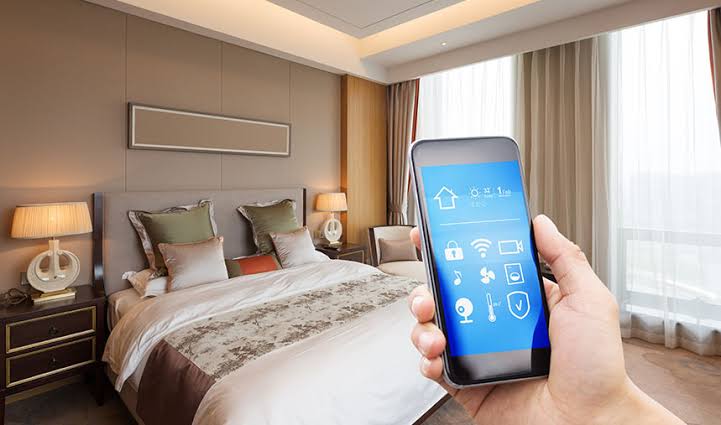
    4. Smart Rooms for Smart Guests: Modern travelers expect convenience. Keyless entry, smart lighting, automated concierge services, and voice-enabled controls create comfort while saving time.
    Such technologies not only enhance convenience but also reflect a brand’s commitment to innovation.

    5. Open, Instant Communication: Guests should always have easy access to assistance. Integrating channels like WhatsApp, live chat, and in-app messaging ensures quick and transparent responses that build trust and satisfaction.

    6. Listen, Learn, and Improve: Real-time feedback during and after the stay helps identify areas for improvement. When guests see their suggestions implemented, they feel valued — turning feedback into loyalty.

    7. Commitment to Sustainability and Wellness: Modern travellers’ increasingly favor eco-conscious and health-focused hotels. From paperless check-ins to energy-saving systems and healthy dining options, sustainable practices enhance both brand reputation and guest happiness.

    💻 Technology: The Heart of Modern Hospitality

    Every stage of a guest’s journey — from searching and booking to feedback and rebooking — now depends on technology.
    But not every hotel can afford to build complex systems internally. Booksmart bridges that gap, providing an all-in-one digital solution that empowers hotels to deliver excellence at every touchpoint.

    🛎️ How Booksmart Transforms Guest Experience

    1. Streamlined Booking and Reservations: Booksmart simplifies the booking process for guests and staff alike. With clear room options, dynamic pricing, and instant confirmations, it eliminates friction and errors — ensuring guests start with confidence.
    Result: Smoother beginnings and happier guests.

    2. Personalized Guest Profiles: Booksmart automatically builds detailed guest profiles — tracking preferences, stay history, and feedback. This enables hotels to personalize stays effortlessly, from room selection to customized greetings.
    Result: Every guest feels remembered, not just recorded.

    3. Seamless Communication Tools: Guests can reach out through integrated messaging, email, or chat. Every query is handled promptly and professionally.
    Result: Fewer complaints, more satisfaction.

    4. Feedback Made Easy: After check-out, Booksmart automatically requests and manages feedback and reviews. Hotels gain actionable insights while improving online reputation.
    Result: Continuous improvement and stronger brand trust.

    5. Smarter Operations and Happier Teams: By automating tasks like billing, check-ins, and scheduling, Booksmart frees staff to focus on hospitality rather than paperwork.
    Result: Higher efficiency and better guest engagement.

    6. Real-Time Insights and Analytics: Booksmart’s dashboards provide data on occupancy, revenue, and guest behavior — helping hotels make informed, strategic decisions.
    Result: Data-driven growth and improved performance.

    7. Effortless Integration: Booksmart easily connects with existing Property Management Systems (PMS), POS, and other hotel tools — ensuring smooth adoption without disruption.
    Result: Minimal downtime, maximum productivity.

    🌟 Why Hotels Choose Booksmart

    • Intuitive Interface: Easy for guests and staff to navigate
    • Flexible & Affordable: Fits hotels of any size — from boutiques to global chains
    • Always Available: 24/7 customer support for seamless operations
    • Cloud-Based Platform: Secure, scalable, and accessible anywhere
    • Continuous Innovation: Regular updates keep hotels ahead of trends

    📊 The Real Impact of Booksmart

    ✅ Faster, stress-free check-ins and check-outs
    ✅ More returning guests thanks to personalized experiences
    ✅ Higher online ratings and better reviews
    ✅ Reduced operational workload for staff
    ✅ Increased revenue through efficiency and loyalty

    🏁 Final Thoughts

    In today’s experience-driven era, technology and hospitality must work hand in hand. Enhancing guest experience isn’t just about luxury — it’s about understanding people, anticipating needs, and delivering comfort with care.

    Booksmart empowers hotels to achieve this effortlessly — simplifying operations, elevating personalization, and strengthening guest relationships.

    Hotels that partner with Booksmart don’t just manage rooms — they create memorable journeys that guests cherish, share, and return for.

    Because in hospitality, satisfaction isn’t the finish line — it’s the beginning. ✨