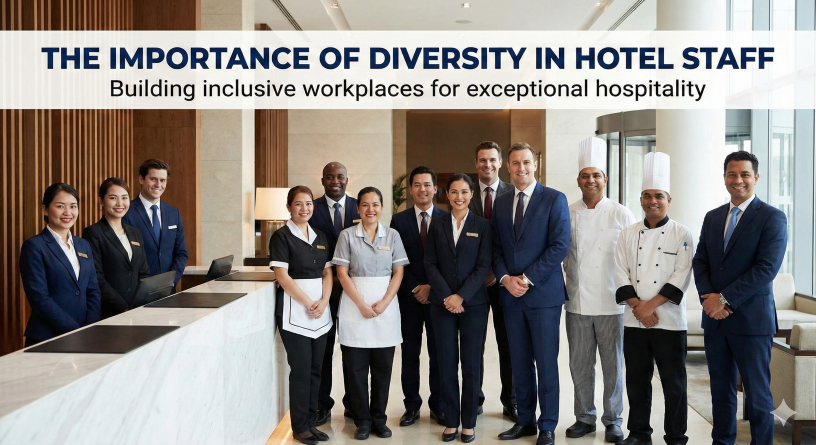
The hospitality industry is built on people. Every interaction between a guest and a hotel employee shapes the guest experience and influences how the brand is perceived. In an increasingly globalized world, hotels welcome guests from different countries, cultures, languages, and backgrounds. To serve such a diverse audience effectively, hotels themselves must embrace diversity within their workforce.
Diversity in hotel staff is no longer just a social responsibility—it is a strategic advantage. Hotels with diverse teams are more inclusive, innovative, culturally sensitive, and better equipped to meet the needs of modern travelers. This article explores why diversity matters in hospitality and how it contributes to better service, stronger brands, and long-term success.
1. Understanding Diversity in the Hospitality Industry
Workplace diversity refers to the inclusion of employees from varied backgrounds, including differences in:
- Culture and nationality
- Language
- Gender
- Age
- Education and experience
- Abilities and perspectives
In hotels, diversity is especially relevant because hospitality is a global service industry that thrives on human connection and cultural understanding.
2. Reflecting a Global Guest Base
Hotels serve guests from all over the world—business travelers, tourists, families, and international visitors. A diverse staff helps hotels better reflect and understand this global audience.
a. Cultural Understanding and Sensitivity
Employees from different cultural backgrounds bring insights into:
- Guest customs and traditions
- Cultural etiquette
- Communication styles
- Religious or dietary preferences
This awareness reduces misunderstandings and enhances guest comfort.
b. Multilingual Capabilities
Language barriers can significantly affect guest satisfaction. A diverse workforce often brings multilingual skills, allowing hotels to:
- Communicate more effectively
- Offer personalized service
- Handle guest concerns with empathy
Guests feel more welcome when they are understood in their own language.
3. Enhancing Guest Experience and Satisfaction
Diversity directly impacts the quality of service hotels deliver.
a. Personalized and Inclusive Service
A diverse team is better equipped to recognize and respond to the unique needs of different guests. This leads to:
- Higher guest satisfaction
- Improved online reviews
- Increased repeat bookings
Inclusive service makes guests feel respected and valued.
b. Building Emotional Connections
Guests often connect more deeply with hotels where staff members reflect inclusivity, warmth, and openness. These emotional connections are key drivers of loyalty.
4. Driving Innovation and Creativity
Diversity brings together people with different perspectives, ideas, and problem-solving approaches.
a. Better Decision-Making
Teams with diverse viewpoints are more likely to:
- Identify risks early
- Explore creative solutions
- Make balanced decisions
This is particularly valuable in a fast-paced hospitality environment.
b. Innovation in Service Design
Diverse staff contribute ideas for:
- New guest experiences
- Menu innovations
- Cultural events
- Service improvements
Innovation thrives when multiple perspectives are encouraged.
5. Strengthening Brand Image and Reputation
Modern travelers increasingly choose brands that align with their values. Diversity and inclusion are now key considerations.
a. Building an Inclusive Brand
Hotels that promote diversity send a strong message of:
- Respect
- Equality
- Social responsibility
This improves brand perception among guests, partners, and employees.
b. Positive Public Image
Hotels known for inclusive practices often receive:
- Better media coverage
- Higher employer ratings
- Stronger community trust
A diverse workforce enhances credibility and reputation.
6. Improving Employee Engagement and Retention
Diversity is closely linked to employee satisfaction and loyalty.
a. Creating a Sense of Belonging
Inclusive workplaces make employees feel:
- Accepted
- Valued
- Respected
When employees feel they belong, they are more motivated and committed.
b. Reduced Staff Turnover
Hotels that embrace diversity often experience:
- Higher morale
- Stronger teamwork
- Lower attrition rates
Retention saves recruitment costs and preserves service quality.
7. Supporting Equal Opportunity and Fair Practices
Diversity encourages fairness in recruitment, promotion, and leadership.
a. Merit-Based Growth
Inclusive hotels focus on skills and performance rather than background, ensuring equal growth opportunities for all employees.
b. Leadership Diversity
Diverse leadership teams bring balanced decision-making and inspire employees across all levels.
Promoting diversity in management positions strengthens organizational culture.
8. Enhancing Cultural Intelligence in Hotel Operations
Cultural intelligence—the ability to relate and work effectively across cultures—is essential in hospitality.
a. Cross-Cultural Collaboration
Diverse teams develop:
- Better communication
- Mutual respect
- Stronger collaboration
This improves internal operations and service delivery.
b. Handling Cultural Situations Confidently
Hotels with culturally aware staff can manage:
- Religious sensitivities
- Cultural conflicts
- Special guest requests
This ensures smoother operations and better guest outcomes.
9. Legal and Ethical Benefits of Workplace Diversity
Promoting diversity also helps hotels comply with labor laws and ethical standards.
a. Compliance with Regulations
Many countries encourage or require equal employment opportunities. Diverse hiring helps hotels:
- Meet legal requirements
- Avoid discrimination claims
b. Ethical Responsibility
Hospitality is built on values of respect and care. Diversity aligns naturally with these principles.
10. Diversity as a Competitive Advantage
In a competitive hospitality market, diversity helps hotels stand out.
a. Attracting Talent
Hotels known for inclusive cultures attract skilled professionals who seek respectful and supportive workplaces.
b. Meeting Guest Expectations
Modern travelers expect hotels to reflect global values of inclusion and equality.
Diversity becomes a key differentiator in guest decision-making.
11. Challenges in Managing Workforce Diversity
While diversity offers many benefits, it also presents challenges that hotels must address carefully.
a. Communication Barriers
Language and cultural differences can sometimes lead to misunderstandings.
b. Resistance to Change
Some employees may resist diversity initiatives due to lack of awareness or exposure.
c. Need for Proper Training
Without training, diversity efforts may not achieve desired outcomes.
12. Strategies to Promote Diversity in Hotels
Hotels can actively foster diversity through the following measures:
a. Inclusive Recruitment Practices
- Unbiased hiring processes
- Diverse recruitment channels
- Equal opportunity policies
b. Diversity and Sensitivity Training
- Cultural awareness workshops
- Anti-discrimination training
- Inclusive communication practices
c. Open and Supportive Culture
- Encouraging dialogue
- Respecting differences
- Zero tolerance for discrimination
d. Leadership Commitment
Diversity initiatives must be supported from the top to be effective.
13. The Future of Diversity in Hospitality
As travel becomes more global and socially conscious, diversity will play an even bigger role in hospitality.
Future trends include:
- Greater focus on inclusion and equity
- Multicultural leadership teams
- Cross-cultural guest experience design
- Stronger emphasis on workplace belonging
Hotels that embrace diversity today will be better positioned for tomorrow.
Conclusion
Diversity in hotel staff is not just about representation—it is about creating inclusive environments where employees and guests feel respected, understood, and valued. A diverse workforce enhances guest experiences, drives innovation, strengthens brand reputation, and improves employee satisfaction. In an industry centered on human connection, diversity is a powerful asset that fuels growth and long-term success.
Hotels that invest in diversity and inclusion are not only building better teams but also shaping a more welcoming and responsible hospitality industry.
Leave a Reply