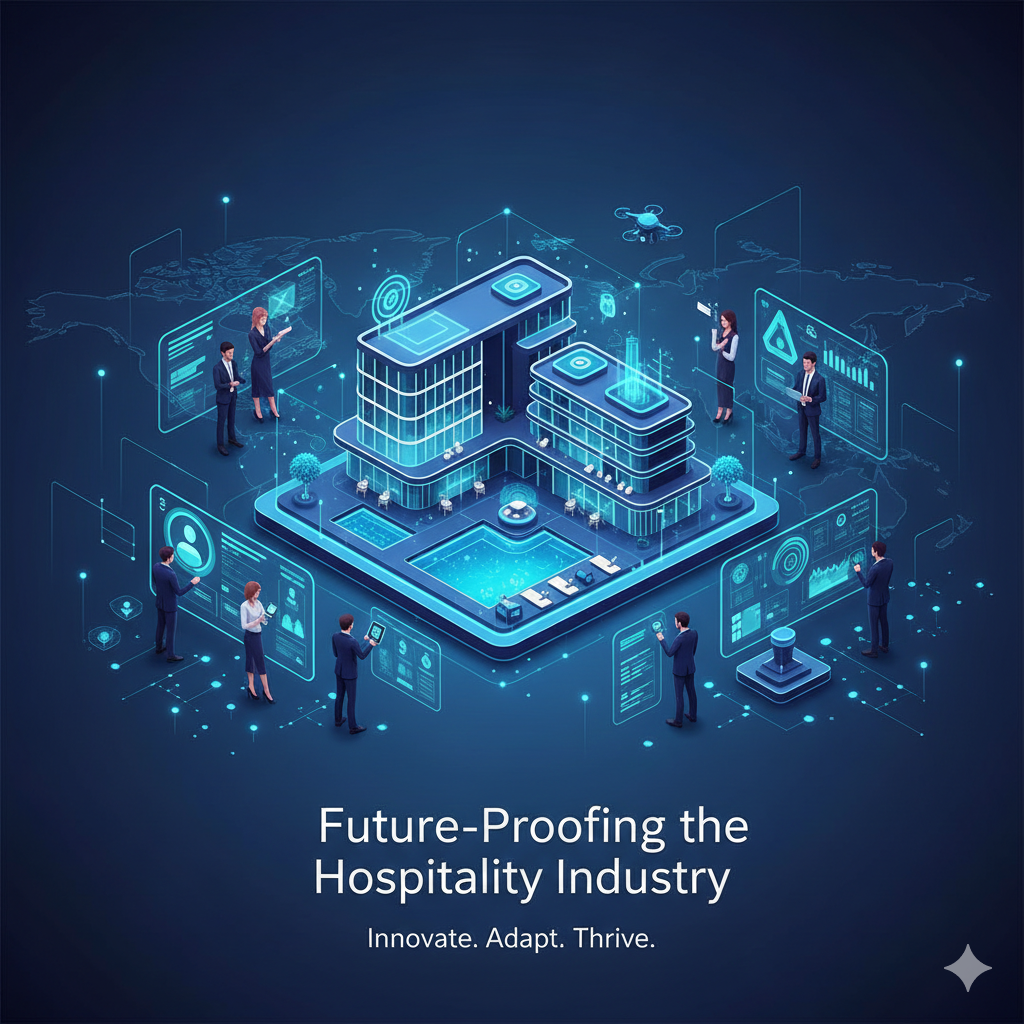
The hospitality industry has always been dynamic, shaped by changing traveler preferences, economic conditions, and technological advancements. However, in recent years, the pace of change has accelerated dramatically. Global disruptions, digital transformation, evolving guest expectations, sustainability concerns, and workforce challenges have forced hotels and hospitality businesses to rethink traditional operating models.
To remain competitive and resilient, the industry must focus on future-proofing—the ability to adapt, innovate, and thrive in an uncertain and rapidly changing environment. This article explores key strategies hotels can adopt to future-proof the hospitality industry while maintaining exceptional guest experiences and long-term profitability.
Understanding the Need for Future-Proofing in Hospitality
Future-proofing in hospitality means building systems, strategies, and cultures that can withstand disruptions while staying relevant to modern travelers. It is not about predicting every challenge but about being flexible, resilient, and prepared.
Key drivers pushing the need for future-proofing include:
- Rapid technological advancements
- Changing guest behavior and expectations
- Increased competition from alternative accommodations
- Workforce shortages and high turnover
- Sustainability and environmental responsibility
- Global health, economic, and geopolitical uncertainties
Hotels that fail to adapt risk losing relevance in an increasingly experience-driven and tech-enabled market.
Embracing Digital Transformation
Technology is at the core of future-proof hospitality operations.
Smart Technology Integration
Hotels must move beyond basic automation and adopt smart technologies such as:
- Contactless check-in and check-out
- Mobile room keys
- Smart room controls
- AI-powered chatbots and virtual concierges
These solutions improve efficiency, enhance guest convenience, and reduce operational costs.
Data-Driven Decision Making
Data analytics enables hotels to:
- Understand guest preferences
- Optimize pricing and revenue management
- Forecast demand accurately
- Improve marketing strategies
Leveraging data helps hotels make informed decisions rather than relying on assumptions.
Personalization as a Competitive Advantage
The future of hospitality lies in personalization. Modern guests expect experiences tailored to their needs, preferences, and lifestyles.
Hotels can personalize experiences through:
- Customized room settings
- Personalized welcome amenities
- Tailored dining recommendations
- Curated local experiences
Using customer relationship management (CRM) systems and AI tools allows hotels to deliver personalized service consistently across touchpoints.
Redefining Guest Experience Beyond Accommodation
Future-proof hotels focus on experiences rather than just rooms.
Experience-Centric Hospitality
Hotels can differentiate themselves by offering:
- Cultural immersion programs
- Wellness retreats
- Culinary storytelling experiences
- Community-driven events
Guests increasingly value memorable moments over material luxury.
Blending Work, Leisure, and Lifestyle
With the rise of remote work and digital nomads, hotels must adapt by offering:
- Co-working spaces
- High-speed connectivity
- Flexible long-stay options
This hybrid approach appeals to a new generation of travelers.
Sustainability as a Core Business Strategy
Sustainability is no longer optional—it is a business imperative.
Eco-Friendly Operations
Hotels can future-proof operations by adopting:
- Energy-efficient systems
- Water conservation practices
- Waste reduction programs
- Plastic-free initiatives
These practices reduce costs and appeal to environmentally conscious guests.
Responsible Tourism and Community Engagement
Supporting local communities through:
- Local sourcing
- Fair employment practices
- Cultural preservation
creates long-term value for both hotels and destinations.
Sustainability strengthens brand trust and ensures long-term viability.
Building a Resilient Workforce
People remain the heart of hospitality, making workforce resilience critical to future-proofing.
Addressing Talent Shortages
Hotels must rethink recruitment and retention strategies by:
- Offering competitive compensation
- Providing career growth opportunities
- Promoting work-life balance
Continuous Training and Upskilling
Future-ready employees need skills in:
- Technology usage
- Emotional intelligence
- Cross-cultural communication
- Crisis management
Investing in staff development ensures service excellence even during change.
Fostering Diversity, Equity, and Inclusion
A diverse and inclusive workforce strengthens organizational resilience.
Benefits include:
- Better guest understanding
- Enhanced innovation
- Improved employee engagement
- Stronger employer branding
Hotels that promote inclusivity reflect global values and attract both guests and talent.
Enhancing Crisis Preparedness and Risk Management
The hospitality industry is vulnerable to unexpected disruptions. Future-proofing requires proactive risk management.
Crisis Communication Planning
Hotels must develop clear communication strategies to handle:
- Health emergencies
- Natural disasters
- Cybersecurity incidents
- Reputational crises
Transparent and empathetic communication protects brand credibility.
Operational Flexibility
Flexible policies, diversified revenue streams, and contingency planning help hotels respond quickly to disruptions.
Adopting Innovative Revenue Models
Traditional revenue sources alone may not sustain future growth.
Hotels can explore:
- Subscription-based stays
- Experience packages
- Wellness memberships
- Hybrid event spaces
Diversifying revenue streams reduces dependency on room occupancy alone.
Leveraging Artificial Intelligence and Automation
AI will play a growing role in future hospitality operations.
Applications include:
- Dynamic pricing and revenue management
- Predictive maintenance
- Guest behavior analysis
- Personalized marketing
Automation improves efficiency while allowing staff to focus on human-centric service.
Strengthening Brand Purpose and Authenticity
Future-proof brands stand for more than profits.
Hotels must define a clear brand purpose focused on:
- Guest well-being
- Community impact
- Ethical business practices
Authentic brands build emotional connections and long-term loyalty.
The Role of Innovation and Agility
Innovation should be continuous, not reactive.
Future-ready hotels encourage:
- Experimentation and creativity
- Agile decision-making
- Collaboration with startups and technology partners
An innovative mindset helps hotels stay ahead of market shifts.
Preparing for the Future Guest
The next generation of travelers will be:
- Tech-savvy
- Experience-driven
- Environmentally conscious
- Value-oriented
Hotels must align offerings with these evolving expectations to remain relevant.
Challenges in Future-Proofing Hospitality
While future-proofing offers many benefits, it comes with challenges:
- High investment costs
- Resistance to change
- Skill gaps
- Technology adoption issues
However, strategic planning and phased implementation can overcome these obstacles.
The Road Ahead for the Hospitality Industry
The future of hospitality will be shaped by adaptability, innovation, and human connection. Hotels that embrace change, invest in people and technology, and operate responsibly will emerge stronger and more resilient.
Future-proofing is not a one-time effort—it is an ongoing journey that requires vision, leadership, and commitment.
Conclusion
Future-proofing the hospitality industry is essential for long-term success in an unpredictable world. By embracing digital transformation, personalization, sustainability, workforce development, and innovation, hotels can build resilient business models that adapt to change while delivering exceptional guest experiences.
As the industry evolves, hotels that focus on flexibility, purpose, and people will not only survive but thrive in the future of hospitality.
At Booksmart, we believe that knowledge-driven strategies are the foundation of a future-ready hospitality industry.
Leave a Reply