Blog

  • How Hotels Can Adopt Contactless Technology

    How Hotels Can Adopt Contactless Technology

    The hospitality industry has witnessed a major digital transformation in recent years, with contactless technology emerging as a defining trend. Initially accelerated by the global health crisis, contactless solutions have now become a guest expectation rather than a temporary measure. Today’s travelers seek convenience, speed, and safety—values perfectly aligned with contactless innovation.

    For hotels, adopting contactless technology is not just about reducing physical interaction; it’s about enhancing efficiency, building guest confidence, and creating a seamless, modern experience. In this article, Booksmart explores the ways hotels can successfully embrace contactless technology and gain a competitive edge.

    1. Understanding the Importance of Contactless Technology

    Contactless technology refers to digital systems that allow guests to interact with hotel services without physical touch or direct human contact.

    1.1 Why It Matters

    • Safety: Minimizes physical interactions and reduces health risks.
    • Convenience: Speeds up check-in, room access, and payments.
    • Efficiency: Reduces staff workload and manual operations.
    • Modern Guest Expectations: Younger travelers, business guests, and tech-savvy customers prefer digital-first experiences.

    By adopting contactless solutions, hotels meet evolving guest expectations while improving operational performance.

    2. Implementing Contactless Check-In and Check-Out

    The check-in process often sets the tone for a guest’s entire stay. Contactless options create a smooth, hassle-free arrival experience.

    2.1 Online Pre-Arrival Check-In

    Hotels can allow guests to:

    • Upload their ID
    • Fill out personal details
    • Choose room preferences
    • Complete necessary forms

    This significantly reduces wait times at reception.

    2.2 Mobile Check-In

    Guests receive a notification when their room is ready and can check in through:

    • Hotel mobile apps
    • Web links
    • QR codes

    2.3 Contactless Check-Out

    Guests can review bills, settle payments, and check out from their phones without visiting the front desk.

    These digital steps create a seamless guest journey from arrival to departure.

    3. Mobile Room Keys and Digital Access

    Traditional keycards often result in demagnetization or loss issues. Mobile keys solve these problems and enhance safety.

    3.1 Smartphone-Based Room Access

    Guests can use their smartphones to:

    • Unlock their room
    • Access elevators
    • Enter parking areas or fitness centers

    3.2 NFC and Bluetooth Technology

    These technologies create secure, encrypted digital keys that ensure easy and safe access.

    3.3 Benefits for Hotels

    • Reduced keycard costs
    • Improved security tracking
    • Enhanced guest convenience

    Mobile keys are fast becoming a standard offering in forward-thinking hotels.

    4. Contactless Payments

    Digital payments enhance efficiency and reduce physical touchpoints.

    4.1 Multiple Payment Options

    Hotels should offer:

    • UPI payments
    • Contactless credit/debit cards
    • Mobile wallets (Apple Pay, Google Pay)
    • In-app payments

    4.2 Digital Billing

    Guests can receive bills:

    • Through email
    • Via the hotel app
    • Through SMS links

    Contactless payments speed up transactions and improve transparency.

    5. In-Room Digital Controls

    Digital room controls transform the guest experience by letting them personalize their environment without touching physical buttons.

    5.1 Mobile App Controls

    Guests can control:

    • Lighting
    • Temperature
    • Curtains
    • Television
    • Music

    all through their smartphones.

    5.2 Voice-Enabled Virtual Assistants

    Hotels can integrate smart speakers to:

    • Request housekeeping
    • Order room service
    • Control room features
    • Ask for local recommendations

    5.3 Smart TVs and BYOD (Bring Your Own Device)

    Allowing guests to cast their own content provides comfort and a personalized entertainment experience.

    6. Contactless Dining and Room Service

    Food and beverage services can be made more efficient with digital tools.

    6.1 QR Code Menus

    Guests can browse menus on their devices, reducing the need for physical copies.

    6.2 Mobile Ordering

    Hotels can offer:

    • In-room dining orders
    • Poolside service requests
    • Restaurant reservations

    all through mobile apps.

    6.3 Automated Delivery Robots (Optional)

    Some modern hotels are beginning to use robots to deliver:

    • Towels
    • Room service meals
    • Toiletries

    This technology enhances novelty and minimizes physical contact.

    7. Contactless Housekeeping and Maintenance Requests

    Communication between guests and staff can be completely digitized.

    7.1 Mobile Requests

    Guests can request:

    • Extra towels
    • Toiletries
    • Cleaning services
    • Repairs

    via the hotel app or WhatsApp integration.

    7.2 Digital Tracking

    Hotels can manage and prioritize staff tasks more efficiently.

    7.3 Pre-Scheduled Housekeeping

    Guests can choose preferred cleaning times, reducing disruptions and increasing comfort.

    8. AI-Powered Chatbots and Virtual Concierge

    AI adds a layer of personalization and efficiency that enhances guest interaction.

    8.1 24/7 Automated Assistance

    Chatbots can handle:

    • FAQs
    • Reservation updates
    • Service requests
    • Local recommendations

    8.2 Virtual Concierge Services

    Guests can plan their stay with:

    • Itinerary suggestions
    • Weather updates
    • Transportation options

    This enhances guest experience while reducing pressure on hotel staff.

    9. Digitizing Hotel Operations

    Contactless technology also benefits back-end operations.

    9.1 Staff Communication Apps

    Digital tools help staff coordinate:

    • Housekeeping schedules
    • Maintenance tasks
    • Inventory updates

    9.2 Cloud-Based PMS (Property Management System)

    A cloud PMS enables:

    • Real-time updates
    • Multi-device access
    • Automated workflows

    9.3 Analytics and Reporting

    Hotels can track:

    • Guest preferences
    • Usage patterns
    • Popular services

    This allows better decision-making and service improvements.

    10. Ensuring Data Security and Privacy

    As hotels digitize, they must prioritize data protection.

    10.1 Secure Systems

    Use encrypted systems to prevent unauthorized access.

    10.2 Privacy Policies

    Guests should be informed about how their data is used and stored.

    10.3 Cybersecurity Training

    Staff should be trained to identify:

    • Phishing attempts
    • Suspicious activities
    • Data mishandling

    Responsible technology use builds trust and protects the hotel’s reputation.

    11. Marketing the Contactless Experience

    Highlighting contactless features can attract modern, tech-savvy travelers.

    11.1 Website and Social Media Updates

    Showcase contactless:

    • Check-in
    • Room access
    • Dining services
    • Wellness integrations

    11.2 Virtual Tours

    Virtual tours help guests see how safe and modern the hotel is.

    11.3 Reviews and Testimonials

    Encourage guests to share their contactless journey online.

    Conclusion

    Contactless technology is reshaping hotel operations and guest experiences. By adopting mobile check-ins, digital keys, smart room controls, AI-assisted services, and secure payment systems, hotels can deliver seamless, modern, and efficient hospitality. This transformation not only meets the expectations of today’s travelers but also improves operational productivity and strengthens brand trust.

    As hospitality moves into a more digital-focused future, hotels that embrace contactless innovation will stand out, attract loyal guests, and maintain a competitive advantage.

    At Booksmart, we believe the future of hospitality is seamless, safe, and smart—built on the foundation of contactless technology.

  • Hospitality Management in the Post-Pandemic Era

    Hospitality Management in the Post-Pandemic Era

    The pandemic reshaped nearly every industry, but its impact on hospitality has been the most profound. Hotels, resorts and travel businesses were forced to rethink the way they serve guests, manage operations and maintain profitability. As the world moves forward, a new era of hospitality is emerging—one that blends technology, safety, personalization and sustainability.

    At BookSmart, we work closely with hotels to help them adapt to these evolving expectations using intelligent insights, guest-centric strategies and optimized digital solutions. In this article, we explore what hospitality management looks like in the post-pandemic era and how hotels can thrive in this new environment.

    The New Landscape of Hospitality

    Guest behavior has permanently changed. Travelers now expect:

    • Safe, clean, hygienic spaces
    • Seamless digital experiences
    • Flexible booking and cancellation
    • More personalized service
    • Remote-friendly workspaces
    • Contactless processes
    • Trust, transparency and convenience

    Hotels that recognize these changes and adapt proactively are the ones leading the recovery.

    1. Health, Hygiene & Safety: The Foundation of Modern Hospitality

    Post-pandemic travelers place safety above all else. Hygiene is no longer an operational choice—it is a brand promise.

    ✔ Enhanced Cleaning Protocols

    Hotels must maintain strict sanitation practices using upgraded tools and eco-friendly disinfectants. High-touch areas require frequent cleaning, and housekeeping standards must be visible and reassuring.

    ✔ Touchless Guest Experience

    Contactless technology has become essential:

    • Mobile check-in/check-out
    • Digital menus
    • QR-based room information
    • Touchless payment systems

    These reduce physical interactions while improving convenience.

    ✔ Transparent Communication

    Hotels must clearly communicate safety protocols through:

    • BookSmart listings
    • Website updates
    • Email confirmations
    • In-room notes

    Trust is built when guests feel informed and protected.

    2. Technology as the Backbone of Modern Hospitality

    The post-pandemic hospitality model is powered by technology. Digital transformation is no longer optional—it’s the key to efficiency and guest satisfaction.

    ✔ Smart Automation

    Automated systems help manage:

    • Reservations
    • Room allocation
    • Guest preferences
    • Housekeeping schedules

    This reduces dependency on manual workflows and improves speed.

    ✔ Data-Driven Insights

    BookSmart’s analytics help hotels understand:

    • Traveler behavior
    • Booking patterns
    • Seasonal demand
    • Pricing opportunities

    Insights turn into strategies that maximize occupancy and revenue.

    ✔ Hybrid & Remote-Work Friendly Spaces

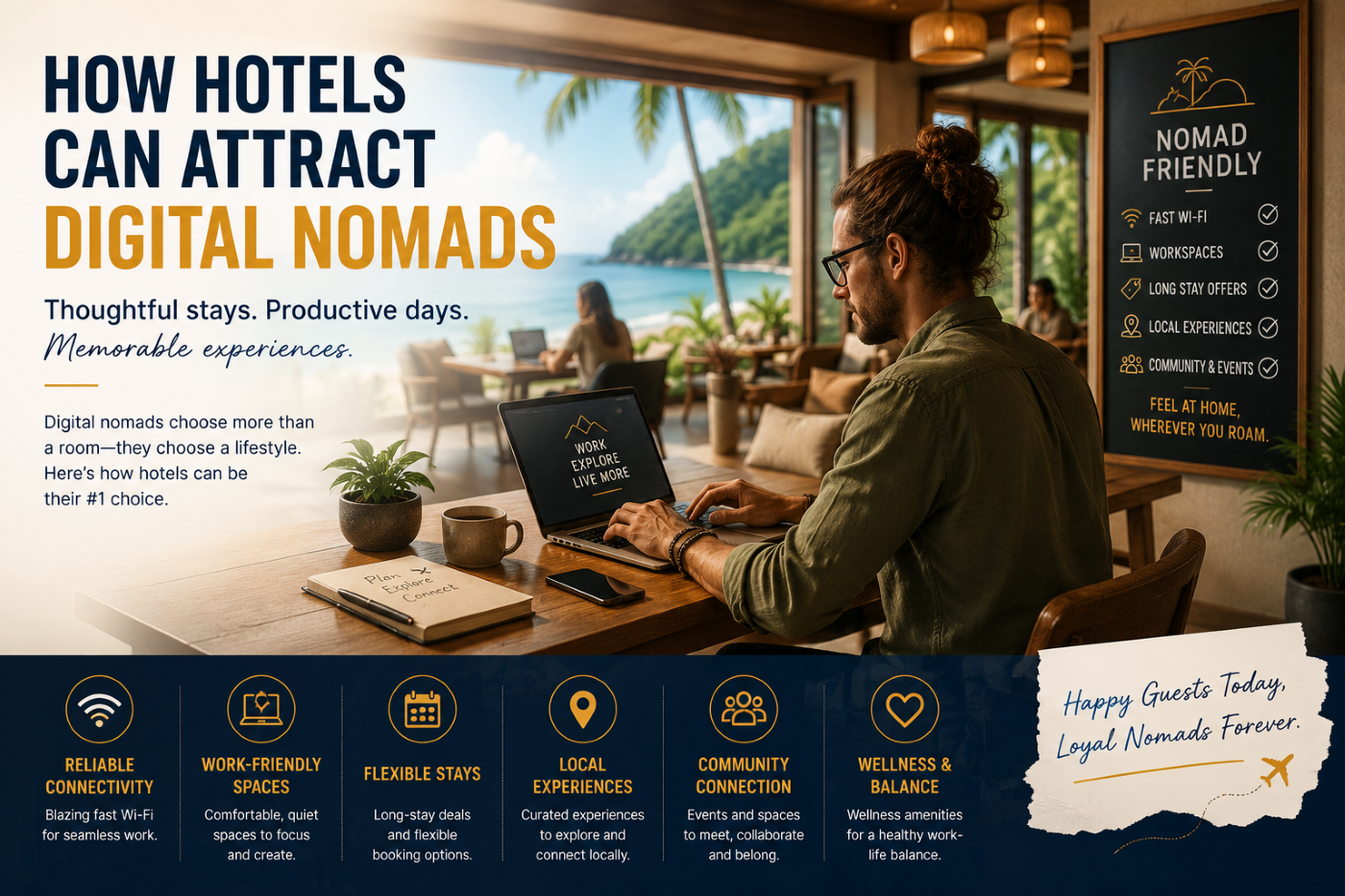
    Hotels increasingly attract digital nomads and remote workers by offering:

    • Strong Wi-Fi
    • Work-friendly rooms
    • Co-working spaces
    • Long-stay packages

    This segment has become a dependable part of modern hospitality revenue.

    3. Personalization: The Heart of Guest Experience

    Today’s travelers want experiences tailored to their needs. Personalization drives loyalty, enhances satisfaction and increases positive reviews.

    ✔ Customized Offers

    Hotels can offer:

    • Solo traveler packages
    • Couple-friendly experiences
    • Family amenities
    • Senior-friendly services

    ✔ Tailored Communication

    Personalized emails, app notifications and SMS updates help hotels stay connected with guests throughout their journey.

    ✔ Curated Recommendations

    From dining tips to local attractions, hotels that guide guests with personalized suggestions create stronger emotional connections.

    With BookSmart, hotels can highlight these personalized services and attract the right audience.

    4. Flexible Booking Policies: A Post-Pandemic Necessity

    The uncertainty created by the pandemic made travelers value flexibility more than ever.

    Hotels must respond with:

    • Easy rebooking
    • Low cancellation penalties
    • Refund options
    • Pay-later booking choices

    Flexible policies encourage bookings, reduce hesitation and increase trust.

    BookSmart helps hotels showcase flexible rates to boost conversion and direct bookings.

    5. Sustainability: A Growing Expectation

    The post-pandemic world is more conscious. Guests prefer hotels that operate responsibly and care about the planet.

    ✔ Eco-Friendly Initiatives

    Hotels can adopt:

    • Energy-efficient appliances
    • Water-saving systems
    • Recyclable amenities
    • Reduced plastic usage

    ✔ Green Certifications

    Earning sustainability certifications boosts credibility.

    ✔ Farm-to-Table Concepts

    Locally sourced food improves freshness and reduces carbon footprint.

    Sustainability is not just good for the planet—it’s good for business.

    6. Experiential Travel Takes Center Stage

    Travelers now seek meaningful, memorable experiences—not just stays.

    Hotels can offer:

    • Cultural workshops
    • Local tours
    • Wellness retreats
    • Adventure activities
    • Cooking classes
    • Mindfulness sessions

    Experience-driven hospitality increases guest engagement and improves reviews. Listing these experiences on BookSmart makes your property more attractive to modern travelers.

    7. Reimagining Food & Beverage Services

    Dining habits shifted significantly in the post-pandemic era.

    ✔ Contactless Dining Options

    QR menus, digital ordering and touchless payments create safer experiences.

    ✔ Solo-Friendly Seating

    More travelers dine alone, requiring comfortable individual seating arrangements.

    ✔ Healthy & Immune-Boosting Menus

    Guests prefer fresh, nutritious and wellness-oriented meals.

    ✔ Flexible In-Room Dining

    High-quality room service is now a major selling point.

    F&B innovations increase guest satisfaction and revenue simultaneously.

    8. Revenue Management in a Changed Market

    Demand patterns changed dramatically after the pandemic. Smart revenue management is essential for recovery.

    ✔ Dynamic Pricing

    Prices must reflect real-time demand and traveler behavior.

    ✔ Segmented Targeting

    Hotels should target:

    • Solo travelers
    • Business travelers
    • Digital nomads
    • Families
    • Wellness seekers

    ✔ Package-Based Offers

    Bundled experiences can increase revenue while providing more value.

    BookSmart’s smart pricing tools help hotels optimize occupancy and profitability.

    9. Staff Empowerment: The Human Side of Hospitality

    Technology plays a huge role, but hospitality will always remain a people-first industry.

    ✔ Employee Training

    Staff must be trained in:

    • Safety protocols
    • Digital systems
    • Emotional intelligence
    • Guest empathy

    ✔ Mental Wellbeing Support

    Pandemic stress affected hotel employees significantly. Offering support builds loyalty and improves service quality.

    ✔ Multi-Skilling

    Teams benefit from learning multiple roles—from check-in to concierge services—allowing smoother operations.

    A motivated staff creates exceptional guest experiences.

    10. Marketing in the Post-Pandemic Era

    Hotels must speak the language of the modern traveler.

    ✔ Social Proof & Reviews

    Positive guest reviews on BookSmart help build trust.

    ✔ Social Media Storytelling

    Showcase:

    • Behind-the-scenes cleanliness
    • Local experiences
    • Guest moments
    • Staff highlights

    ✔ Honest Communication

    Transparency resonates more than ever.

    Hotels that market with authenticity attract stronger guest loyalty.

    Conclusion: A New Dawn for Hospitality

    The post-pandemic era is not a challenge—it is an opportunity for hotels to reinvent themselves. Modern hospitality is a blend of:

    ✨ Safety
    ✨ Technology
    ✨ Personalization
    ✨ Experience
    ✨ Sustainability

    Hotels that adapt to these pillars will not only survive but thrive.

    At BookSmart, our mission is to guide hotels through this transformation with intelligence, innovation and guest-centric strategies. By understanding traveler expectations, optimizing digital presence and embracing the future of hospitality, hotels can unlock new growth and deliver unforgettable experiences.

    The future of hospitality is bright—and it begins with smart management, smart adaptation and BookSmart.

  • How Hotels Can Cater to Solo Travelers: A Complete Guide by BookSmart

    How Hotels Can Cater to Solo Travelers: A Complete Guide by BookSmart

    Solo travel is no longer a niche trend—it has become one of the fastest-growing segments in the hospitality industry. From young professionals exploring new destinations to seasoned travelers seeking personal adventures, solo travelers are shaping the future of how hotels operate. As more guests choose to travel alone for leisure, work or self-growth, hotels must rethink their services to create safe, comfortable and enriching experiences tailored specifically to this group.

    At BookSmart, we help hotels understand emerging travel behaviors and design Guest Experience Strategies that boost bookings, enhance satisfaction and increase brand loyalty. In this article, we explore how hotels can cater to solo travelers effectively, backed by real consumer insights and hospitality best practices.

    Why Solo Travel Is Rising

    Before hotels adapt their offerings, it’s essential to understand why solo travel is booming:

    • Personal freedom & flexibility
      Many travelers prefer exploring at their own pace without compromise.
    • Self-growth & wellness
      Solo travel is linked to mindfulness, confidence-building and self-discovery.
    • Remote work & digital nomad culture
      Travelers can work from anywhere, making solo trips more frequent and longer.
    • More women traveling alone
      Female solo travel is steadily increasing, pushing hotels to improve safety and comfort.
    • Social media inspiration
      Travelers are inspired by influencers, travel bloggers and solo travel communities.

    Recognizing these motivations helps hotels build experiences that truly resonate with solo guests.

    1. Prioritize Safety and Security—A Must for Solo Guests

    Safety is the top concern for solo travelers, especially those arriving late at night or staying in unfamiliar cities. Hotels should reinforce visible and invisible safety measures, such as:

    ✔ Secure room environment

    • Well-lit hallways
    • Peepholes and double-locks
    • Electronic key cards
    • Floors dedicated to female travelers

    ✔ In-hotel Emergency Support

    • 24/7 concierge assistance
    • Emergency hotline
    • Well-trained staff for guest safety requests

    ✔ Public area safety

    • Monitored entrances
    • CCTV in key areas
    • Safe transportation assistance

    By clearly communicating safety features on BookSmart listings, hotels build trust and attract more solo travelers—especially women.

    2. Design Rooms That Fit Solo Travelers’ Needs

    Solo travelers value comfort, convenience and productivity. Hotels can update room designs to enhance the solo living experience:

    ✔ Comfortable Single Rooms

    Compact yet premium single rooms help solo travelers feel cozy, not overwhelmed.

    ✔ Smart Workspaces

    Most solos work remotely or manage digital tasks. Hotels should offer:

    • A minimalist desk
    • Charging ports by the bed
    • Good lighting
    • Fast, reliable Wi-Fi

    ✔ Personalization Options

    Allow guests to choose:

    • Pillow type
    • Room fragrance
    • Quiet room / city view

    Personal touches go a long way in making solo travelers feel at home.

    3. Strengthen Wi-Fi and Tech Support

    Reliable internet is non-negotiable for anyone traveling alone. It supports:

    • Remote work
    • Video calls with family
    • Navigation and trip planning
    • Streaming and entertainment

    Hotels should offer:

    • High-speed Wi-Fi throughout the property
    • Simple login systems
    • 24/7 IT support
    • Complimentary access with bookings

    Technology boosts convenience and shows that a hotel truly understands modern travelers.

    4. Create Social Spaces and Community Experiences

    Many solo travelers enjoy meeting new people during their stay. Hotels can create meaningful social opportunities, such as:

    ✔ Co-working lounges

    A shared workspace encourages interaction between digital nomads and solo visitors.

    ✔ Community dining tables

    Breakfast or dinner tables where guests can sit together foster connections.

    ✔ Activities, workshops & local tours

    Hotels can host:

    • Cooking classes
    • Yoga sessions
    • Cultural workshops
    • City walks led by local experts

    Listing these activities on BookSmart can significantly improve conversion rates—solo travelers love properties with social energy.

    5. Offer Guided Local Experiences

    Solo travelers often seek authentic, safe and well-organized experiences. Hotels can partner with local businesses to offer:

    • Heritage tours
    • Food trails
    • Adventure activities
    • Art and craft sessions
    • Market visits
    • Nightlife guides

    These curated experiences help guests explore confidently without worrying about logistics or safety.

    6. Provide Exceptional Dining Convenience

    Eating alone can be intimidating for some solo guests. Hotels can make dining more welcoming by offering:

    ✔ Solo-Friendly Seating

    • Counter seating
    • Window-side tables
    • Quiet nooks

    ✔ Room Service Upgrades

    • Healthy meals
    • Breakfast baskets
    • Late-night snacks

    ✔ Group Dining Events

    Themed dinners or chef’s tables help solo guests socialize without pressure.

    Hotels that cater to solo dining needs create a memorable, comforting stay experience.

    7. Create Flexible Booking Options

    Solo travelers love flexibility. They want quick, easy and transparent booking options such as:

    • Single-occupancy packages
    • Last-minute deals
    • Long-stay discounts
    • Non-refundable + refundable mix options
    • Early check-in / late check-out

    Through BookSmart’s platform, hotels can showcase personalized rates for solo guests, leading to higher direct bookings.

    8. Offer Personalized Services That Make Solo Guests Feel Seen

    Personalization is a powerful differentiator. Hotels can create emotional connections by offering:

    ✔ Welcome notes

    A simple handwritten message can brighten a solo traveler’s day.

    ✔ Local recommendations

    Provide a curated list of safe cafés, attractions and coworking spots.

    ✔ Friendly staff interactions

    Warm greetings and helpful guidance make guests feel supported.

    ✔ Wellness Packages

    Solo travelers are often wellness-minded. Offer:

    • Spa discounts
    • Meditation sessions
    • Gym access deals
    • Sleep-enhancement amenities

    Thoughtful service creates memorable stays—and repeat guests.

    9. Provide Smooth Transportation Support

    Navigating a new city alone can be stressful. Hotels can make it easier by offering:

    • Airport pickup and drop
    • Taxis with trusted drivers
    • Shuttle services
    • Bike rental
    • Local transportation guidance

    Solo travelers appreciate when hotels remove travel uncertainty.

    10. Strengthen Online Presence With Solo-Friendly Messaging

    Hotels should highlight solo-friendly features prominently on:

    • BookSmart listings
    • Hotel website
    • Social media
    • Email promotions

    Include terms like:

    • “Ideal for solo travelers”
    • “Safe for female travelers”
    • “Perfect for digital nomads”
    • “Single-room special deals”

    Clear messaging helps attract intentional solo guests.

    11. Curate Memorable Moments

    Solo travelers value experiences more than luxuries. Hotels can delight them by offering:

    • Free photo spots
    • Journal or souvenir kits
    • Local snack hampers
    • Stargazing decks
    • Evening tea rituals

    Small gestures can turn an ordinary stay into a story worth sharing—boosting your visibility on BookSmart and social platforms.

    How BookSmart Helps Hotels Reach Solo Travelers More Effectively

    As travel behavior evolves, BookSmart empowers hotels to adapt and grow with intelligent tools and insights.

    ✔ Data-Driven Traveler Insights

    We help hotels understand the needs, preferences and booking patterns of solo travelers.

    ✔ Enhanced Hotel Listings

    Hotels can showcase solo-friendly amenities, safety features and unique experiences for better visibility.

    ✔ Smart Pricing & Occupancy Solutions

    BookSmart recommends rate strategies that attract solo guests and improve occupancy.

    ✔ Marketing Support

    Our platform highlights properties tailored for solo travelers, driving targeted traffic and conversions.

    ✔ Reputation & Review Optimization

    We help hotels encourage and highlight reviews from solo travelers to build credibility.

    Through BookSmart, hotels can position themselves as the top choice for solo explorers, remote workers and digital nomads.

    Conclusion: The Future of Hospitality Is Solo-Centric

    Solo travel is not a temporary trend—it is a powerful shift in how people explore the world. Hotels that understand and cater to solo travelers can unlock new revenue streams, stronger guest loyalty and a distinct competitive advantage.

    By prioritizing safety, comfort, personalization and community experiences, hotels can create exceptional stays that solo guests cherish and recommend. With BookSmart’s support, properties can market these offerings effectively and stay ahead in a rapidly evolving industry.

    The future belongs to brands that think human-first, traveler-first—and solo traveler-first.

  • The Role of Wellness and Spa in Hotels

    The Role of Wellness and Spa in Hotels

    In recent years, the global hospitality industry has undergone a remarkable shift. Travelers today are not just seeking comfortable rooms or gourmet dining—they are increasingly searching for experiences that support rest, rejuvenation, and holistic well-being. This shift has made wellness and spa services essential components of modern hotel offerings. From luxury resorts to business hotels, the wellness trend is influencing design, guest experiences, marketing, and brand identity.

    At Booksmart, we understand that wellness is more than an amenity; it’s a strategic investment that enhances guest satisfaction, strengthens brand loyalty, and drives revenue. Below, we explore the growing importance of wellness and spa facilities in today’s hotel industry.

    1. The Rise of Wellness Tourism

    Wellness tourism has evolved from a niche concept to a global movement. Guests now prioritize health-focused experiences that help them disconnect from stress and reconnect with themselves.

    1.1 Growing Demand from Modern Travelers

    Travelers today are:

    • More health-conscious
    • Seeking restorative experiences
    • Interested in mindfulness practices
    • Focused on sustainable, holistic living

    Hotels that incorporate wellness see higher guest engagement and repeat bookings.

    1.2 Expansion Beyond Luxury

    Initially associated with luxury resorts, wellness has become mainstream. Business hotels, boutique stays, and even airport hotels now integrate wellness options to stay competitive.

    2. Enhancing Guest Experience Through Wellness

    Wellness and spa services add depth to the overall guest experience, creating memorable moments that go beyond traditional hospitality.

    2.1 Stress Relief and Relaxation

    Spas provide:

    • Massages
    • Aromatherapy
    • Hydrotherapy
    • Body treatments

    These help guests unwind, especially business travelers navigating hectic schedules.

    2.2 Personalized Wellness Journeys

    Modern spas focus on customized experiences through:

    • Tailored massage therapies
    • Personalized skincare treatments
    • Customized fitness plans
    • Holistic healing therapies

    Personalization strengthens guest satisfaction and emotional connection to the brand.

    2.3 Holistic Well-being Options

    Hotels now offer:

    • Yoga and meditation classes
    • Wellness retreats
    • Sleep therapy programs
    • Detox and nutrition consultations

    These experiences elevate a guest’s stay from ordinary to extraordinary.

    3. A Key Revenue Driver for Hotels

    Wellness services not only enhance the guest experience but also significantly contribute to hotel profitability.

    3.1 High-Profit Margins

    Spa treatments, salon services, and wellness programs generate substantial revenue with relatively high profit margins.

    3.2 Cross-Selling Opportunities

    Spa guests often spend more on:

    • Health-oriented dining
    • Room upgrades
    • Fitness classes
    • Wellness merchandise

    3.3 Attracting New Customer Segments

    Hotels with strong wellness facilities can tap into:

    • Wellness travelers
    • Corporate retreat groups
    • Destination wedding bookings
    • Long-stay health-focused guests

    Wellness becomes a powerful marketing tool and a competitive differentiator.

    4. Enhancing Brand Identity and Market Positioning

    A well-designed wellness program strengthens a hotel’s brand image.

    4.1 Creating Signature Experiences

    Signature treatments—like a unique massage technique or region-inspired spa ritual—become part of the hotel’s identity.

    4.2 Building Brand Loyalty

    When guests associate a hotel with relaxation, rejuvenation, and comfort, they are more likely to return.

    4.3 Differentiating in a Competitive Market

    In markets crowded with similar hotel offerings, wellness helps hotels stand out and appeal to discerning travelers.

    5. Improving Guest Health and Well-being

    Wellness programs contribute to improved guest health, making their travel safer and more enjoyable.

    5.1 Physical Wellness

    Hotels that offer:

    • Fully equipped gyms
    • Swimming pools
    • Outdoor fitness trails
    • Active lifestyle classes
      support guests in maintaining fitness routines even while traveling.

    5.2 Mental Wellness

    Mindfulness spaces, meditation rooms, and professionally guided sessions help reduce stress and improve mental clarity.

    5.3 Nutritional Wellness

    Many hotels introduce:

    • Organic menus
    • Plant-based options
    • Detox drinks
    • Dietician-curated meal plans

    Food becomes part of the overall wellness journey.

    6. Integrating Wellness into Hotel Design

    Wellness is no longer limited to spas; it influences architectural design and ambiance.

    6.1 Biophilic Design

    Hotels incorporate:

    • Natural light
    • Greenery
    • Water elements
    • Natural textures

    This creates calming environments that promote well-being.

    6.2 Sound and Lighting

    Soft lighting, aromatherapy diffusers, and soundproof wellness zones enhance relaxation and sleep quality.

    6.3 Wellness Rooms and Suites

    Some hotels now offer rooms equipped with:

    • Air purifiers
    • Vitamin-infused showers
    • Meditation tools
    • Ergonomic bedding

    Wellness is woven into the guest’s entire stay experience.

    7. Role of Technology in Modern Wellness Experiences

    Technology elevates the wellness experience, making it more immersive and accessible.

    7.1 Virtual Wellness Sessions

    Hotels offer:

    • Online yoga classes
    • VR meditation experiences
    • Digital fitness training

    7.2 Wearable Integration

    Some spas integrate guest wearables to personalize:

    • Heart rate wellness sessions
    • Fitness plans
    • Sleep improvement programs

    7.3 Smart Spa Technologies

    These include:

    • App-based therapy selections
    • Smart saunas
    • Touchless spa treatments

    Technology makes wellness efficient, modern, and user-friendly.

    8. Sustainable Wellness Practices

    Sustainability and wellness go hand in hand, and hotels that combine these elements appeal to eco-conscious guests.

    8.1 Organic and Natural Products

    Spas are increasingly using:

    • Herbal oils
    • Chemical-free skincare
    • Locally sourced ingredients

    8.2 Eco-Friendly Facilities

    Sustainable features include:

    • Energy-efficient saunas
    • Water-saving hydrotherapy systems
    • Bamboo linens and furnishings

    8.3 Wellness Through Sustainability

    Guests feel at peace knowing their wellness journey supports environmental well-being too.

    9. Staff Training and Wellness Culture

    A successful wellness-driven hotel must train staff to reflect the same philosophy.

    9.1 Wellness-Trained Staff

    Staff trained in:

    • Spa etiquette
    • Holistic hospitality
    • Guest emotion management
      can deliver elevated service experiences.

    9.2 Internal Staff Wellness Programs

    Hotels that offer wellness perks internally—like gym access or mental health support—see higher employee morale and retention.

    9.3 Consistent Service Delivery

    Trained teams ensure that the wellness brand remains consistent across all touchpoints.

    10. Future Trends in Hotel Wellness

    The future of hospitality lies in integrated wellness communities.

    Emerging trends include:

    • Sleep-focused hotels
    • Medical wellness retreats
    • Wellness-oriented room upgrades
    • Personalized nutrition programs
    • Longevity and anti-aging treatments

    Hotels that adapt early will gain a long-term competitive advantage.

    Conclusion

    Wellness and spa services have evolved from optional amenities to essential components of modern hospitality. They elevate guest experience, enhance brand image, drive revenue, and promote holistic well-being. Whether through soothing spa rituals, fitness programs, or mindfulness experiences, wellness has become a defining feature of the hotel industry.

    At Booksmart, we believe wellness is not just a trend—it’s the future. Hotels that embrace it not only meet the needs of today’s travelers but also create meaningful, memorable journeys that inspire loyalty and long-term success.

  • Staff Retention Strategies in Hotels

    Staff Retention Strategies in Hotels

    The hospitality industry thrives on exceptional service—and exceptional service comes from exceptional staff. In hotels, employees are the face of the brand, playing crucial roles in creating memorable guest experiences, building loyalty, and maintaining smooth operations. However, high turnover rates continue to challenge the hotel sector worldwide. The constant cycle of hiring and training new staff not only increases costs but also affects service quality and guest satisfaction.

    To build a strong and stable workforce, hotels must adopt effective staff retention strategies. A people-first approach ensures that employees feel valued, supported, and motivated to stay longer. Below, Booksmart explores proven, practical, and sustainable strategies hotels can implement to retain their talent.

    1. Offer Competitive Compensation and Benefits

    One of the most direct ways to retain employees is by offering compensation that aligns with industry standards.

    1.1 Fair Salary Structures

    Regular salary reviews ensure that employees remain satisfied and feel recognized for their contributions. Competitive wages also help hotels attract quality talent while preventing employees from switching jobs for small salary differences.

    1.2 Performance-Based Incentives

    Offering bonuses, spot awards, or commissions helps:

    • Motivate staff
    • Reward excellence
    • Improve service quality

    1.3 Comprehensive Benefits

    Health insurance, paid leave, transportation support, and retirement plans enhance job satisfaction and create long-term stability.

    2. Create a Positive Work Environment

    A supportive and pleasant workplace culture is essential for staff retention.

    2.1 Healthy Work Culture

    Hotels should promote:

    • Respect
    • Fair treatment
    • Open communication
    • Collaboration

    Employees who feel comfortable at work are more likely to stay and perform well.

    2.2 Recognition and Appreciation

    Simple gestures such as employee-of-the-month awards, public appreciation, or thank-you notes make staff feel valued for their efforts.

    2.3 Focus on Work-Life Balance

    Reducing burnout is critical in hospitality. Offering:

    • Flexible schedules
    • Paid leaves
    • Adequate breaks
      helps maintain energy and productivity levels.

    3. Provide Growth and Career Advancement Opportunities

    One major reason employees leave the hotel industry is the lack of visible career growth.

    3.1 Training Programs

    Hotels should offer:

    • On-the-job training
    • Soft skills workshops
    • Leadership development programs
    • Cross-department exposure

    These help employees build confidence and grow professionally.

    3.2 Internal Promotions

    Promoting from within encourages loyalty. Staff should see a clear path to roles such as supervisor, manager, or department head.

    3.3 Mentorship Opportunities

    Pairing junior staff with experienced mentors builds relationships and fosters learning.

    4. Strengthen Employee Engagement

    Engaged employees are more productive and significantly less likely to leave.

    4.1 Regular Feedback and Communication

    Hotels should conduct:

    • One-on-one meetings
    • Open forums
    • Staff feedback surveys

    This makes employees feel heard and helps management address challenges promptly.

    4.2 Employee Involvement in Decision-Making

    Allowing staff to contribute ideas—especially on guest service improvements—boosts morale and ownership.

    4.3 Social and Team-Building Activities

    Celebrations, sports events, or team outings help build camaraderie and reduce workplace stress.

    5. Invest in Technology to Reduce Workload

    Advanced hotel technology can help reduce manual workload and allow employees to perform more efficiently.

    5.1 Automation Tools

    Automated check-in systems, housekeeping management software, and AI-driven guest communication tools help streamline operations.

    5.2 Digital Training Platforms

    Online training tools allow staff to upgrade their skills at their own pace.

    5.3 Operational Visibility

    Technology helps managers monitor tasks and allocate resources better, reducing unnecessary pressure on staff.

    When employees feel supported by modern tools, their job satisfaction naturally increases.

    6. Ensure Effective Leadership and Management

    Good leaders play a huge role in staff retention.

    6.1 Supportive Supervisors

    Supervisors must:

    • Communicate respectfully
    • Offer guidance
    • Provide constructive feedback
    • Listen actively

    Poor leadership is one of the biggest contributors to employee turnover.

    6.2 Transparent Policies

    Clear HR policies, handbooks, and guidelines help build trust and fairness across departments.

    6.3 Conflict Management

    Quick resolution of employee issues prevents tension and promotes a healthy environment.

    7. Promote a Culture of Safety and Well-Being

    A safe workplace is non-negotiable in hospitality.

    7.1 Physical Safety Measures

    Ensure:

    • Proper lighting
    • Secure staff-only areas
    • Functional equipment
    • Training in handling emergencies

    7.2 Emotional Well-Being

    Provide access to:

    • Counseling support
    • Stress management workshops
    • Wellness programs

    Hotels that prioritize well-being create a workforce that feels protected and respected.

    8. Conduct Stay Interviews and Use Exit Feedback

    8.1 Stay Interviews

    These are proactive conversations with employees to understand:

    • What keeps them engaged
    • What challenges they face
    • What improvements they want

    Using this information helps the hotel address concerns before employees consider leaving.

    8.2 Exit Interviews

    When employees do leave, their feedback provides valuable insights into:

    • Workplace issues
    • Managerial challenges
    • Workload concerns
    • Culture gaps

    Hotels can use this data to enhance their retention strategies.

    9. Build a Strong Employer Brand

    A strong employer brand attracts and retains quality employees.

    9.1 Showcase Culture

    Promote the hotel’s culture, values, and achievements on:

    • Social media
    • Recruitment websites
    • Career portals

    9.2 Celebrate Employee Success Stories

    Feature real employee growth stories to inspire new hires and current staff.

    9.3 Participate in Career Fairs and Hospitality Programs

    This builds visibility and establishes the hotel as a top workplace.

    10. Prioritize Diversity and Inclusion

    Inclusive workplaces foster creativity, trust, and loyalty.

    10.1 Equal Opportunity Policies

    Ensure unbiased hiring, promotion, and reward systems.

    10.2 Cultural Sensitivity Training

    Hotels serve multicultural guests, and culturally aware teams help create a positive environment for both staff and visitors.

    10.3 Inclusive Leadership

    Managers should encourage collaboration and respect across different cultures, genders, and backgrounds.

    Conclusion

    Staff retention is one of the most crucial challenges facing the hospitality industry—but it is also a major opportunity. By focusing on competitive compensation, strong leadership, career development, positive workplace culture, and employee well-being, hotels can build a stable, loyal, and high-performing workforce.

    Retaining staff is not just about reducing turnover—it’s about creating an environment where employees feel valued, motivated, and proud to be part of the hotel’s success story. When hotels invest in their people, the rewards are immense: improved guest satisfaction, stronger brand reputation, and long-term operational excellence.

    At Booksmart, we believe that people are the heart of hospitality. Implementing these staff retention strategies will help create a workplace where employees grow, thrive, and stay.

  • The Role of Data Analytics in Hospitality Management

    The Role of Data Analytics in Hospitality Management

    The hospitality industry has changed dramatically over the past decade. With rising customer expectations, digital transformation, and intense competition, hotels and hospitality brands must make smarter decisions faster. This is where data analytics becomes a game-changer.

    Today, successful hotels—from boutique stays to global chains—are using analytics to understand guests better, improve operations, personalize experiences, and boost revenue. Data has become the backbone of strategic decision-making, helping hospitality businesses turn everyday information into powerful insights.

    In this article, Booksmart explores how data analytics is reshaping hospitality management and why every hotel should embrace it to stay ahead.

    1. Understanding Data Analytics in Hospitality

    Data analytics refers to collecting, processing, and analyzing large volumes of information to uncover patterns and make informed decisions.

    In hospitality, this data comes from various sources:

    • Reservation systems
    • Guest surveys and reviews
    • Point-of-sale (POS) systems
    • Website and app analytics
    • Social media interactions
    • CRM platforms
    • Loyalty programs
    • Operational systems (housekeeping, maintenance, F&B)

    By analyzing this data, hotels gain deep insights into guest preferences, operational efficiency, revenue opportunities, and market trends.

    2. Enhancing Guest Experience Through Personalization

    Today’s travelers demand personalized experiences, and data analytics helps hotels deliver exactly that.

    2.1 Understanding Guest Preferences

    Guest data reveals patterns such as:

    • Room type preferences
    • Dining habits
    • Travel purpose (business or leisure)
    • Special requests (extra pillows, early check-ins)
    • Spending behavior

    This allows hotels to customize:

    • Room amenities
    • Welcome messages
    • Offers and packages
    • Dining recommendations
    • Loyalty rewards

    2.2 Targeted Marketing Campaigns

    Data helps identify guest segments and personalize marketing through:

    • Tailored emails
    • Dynamic pricing on websites
    • Personalized promotions
    • Retargeting ads

    This results in higher engagement and better conversion rates.

    3. Optimizing Revenue Management

    Revenue management ensures a hotel sells the right room to the right customer at the right time and price. Analytics strengthens this process.

    3.1 Forecasting Demand

    Hotels analyze:

    • Seasonal trends
    • Historical booking data
    • Local events
    • Market demand patterns

    This helps optimize inventory allocation and pricing strategies.

    3.2 Dynamic Pricing

    Using predictive models, hotels can adjust prices in real-time based on:

    • Demand fluctuations
    • Competitor rates
    • Booking pace
    • Guest behavior

    Dynamic pricing maximizes revenue while keeping the hotel competitive.

    3.3 Upselling and Cross-Selling

    Analytics identifies opportunities to promote:

    • Room upgrades
    • Spa services
    • Dining packages
    • Local experiences

    Smart cross-selling increases per-guest revenue.

    4. Improving Operational Efficiency

    Efficiency is crucial in hospitality management, and analytics provides clear visibility into operations.

    4.1 Housekeeping and Maintenance

    Data can predict:

    • Peak check-in/check-out times
    • Room occupancy trends
    • Equipment failure risks

    Hotels can then:

    • Allocate cleaning staff efficiently
    • Adopt preventive maintenance
    • Reduce unexpected breakdowns

    4.2 Inventory Management

    Analytics helps maintain optimum stock levels of:

    • Toiletries
    • Linens
    • Food and beverage items

    This reduces waste and saves costs.

    4.3 Staff Scheduling

    By analyzing occupancy and activity patterns, hotels can schedule staff based on actual demand.
    This prevents both overstaffing and understaffing, leading to better service quality and cost savings.

    5. Enhancing Guest Feedback and Reputation Management

    Online reviews heavily influence booking decisions. Data analytics helps hotels understand and respond to guest sentiments.

    5.1 Sentiment Analysis

    Using AI tools, hotels analyze reviews from:

    • Google
    • TripAdvisor
    • Booking.com
    • Social media

    They can identify:

    • Common complaints
    • Popular features
    • Areas for improvement

    5.2 Real-Time Issue Resolution

    Through data dashboards, managers can track:

    • Guest satisfaction scores
    • Complaints raised through apps or chatbots

    This enables quick action before a situation escalates.

    5.3 Building Better Brand Reputation

    Insights from feedback allow hotels to:

    • Improve services
    • Train staff
    • Redesign guest experiences

    A strong online reputation attracts more bookings naturally.

    6. Boosting Sales and Marketing Performance

    Data-driven marketing allows hotels to make smarter decisions across all promotional channels.

    6.1 Website and Social Media Analytics

    Hotels measure:

    • Visitor behavior
    • Most viewed pages
    • Abandoned bookings
    • Engagement and reach
    • Best-performing posts

    This helps refine content and marketing strategies.

    6.2 Customer Segmentation

    Analytics classifies customers by:

    • Demographics
    • Booking frequency
    • Travel purpose
    • Spending behavior

    Segmentation ensures targeted campaigns that generate better ROI.

    6.3 Predictive Behavior Analysis

    Hotels can predict:

    • Who is likely to book again
    • Who needs re-engagement
    • Who might cancel a reservation

    This helps with proactive marketing interventions.

    7. Strengthening Security and Fraud Prevention

    With digital workflows, hotels are increasingly vulnerable to cyber threats. Analytics enhances security measures.

    7.1 Detecting Unusual Activities

    AI tools analyze patterns and identify anomalies in:

    • Booking transactions
    • Payment activities
    • Staff logins
    • Network traffic

    This prevents fraud and unauthorized access.

    7.2 Protecting Guest Data

    Hotels can monitor:

    • Data breaches
    • Malware threats
    • Unauthorized data downloads

    Using analytics ensures compliance with data protection laws and builds guest trust.

    8. Enhancing Sustainability Practices

    Sustainability is a growing priority, and data analytics helps hotels adopt eco-friendly practices.

    8.1 Energy Management

    Data from sensors helps track:

    • Electricity consumption
    • Water usage
    • HVAC performance

    This helps in implementing energy-saving strategies.

    8.2 Waste Reduction

    Hotels can analyze:

    • Food waste levels
    • Inventory turnover
    • Recycling effectiveness

    This reduces environmental impact and operational costs.

    9. Strategic Decision-Making and Long-Term Planning

    Data analytics empowers hotel leaders to make smarter long-term decisions.

    9.1 Market Trend Analysis

    Understanding:

    • Tourism trends
    • Competitor performance
    • Economic indicators

    Helps hotels plan expansions, upgrades, and new services.

    9.2 Performance Benchmarking

    Analytics allows comparison with industry standards across:

    • ADR (Average Daily Rate)
    • RevPAR (Revenue Per Available Room)
    • GOPPAR (Gross Operating Profit Per Available Room)

    These insights guide better business strategies.

    9.3 Investment Planning

    Hotels can evaluate:

    • ROI for renovations
    • Feasibility of new technologies
    • Profitability of new service offerings

    This ensures that investments deliver long-term value.

    Conclusion

    Data analytics has become an essential tool in modern hospitality management. It empowers hotels to enhance guest experiences, improve operational efficiency, maximize revenue, and make informed strategic decisions. By embracing analytics, hospitality businesses can remain competitive, adaptive, and future-ready.

    At Booksmart, we believe that the hospitality industry’s future is built on intelligent data-driven insights. Hotels that harness the power of analytics will not only meet guest expectations but exceed them at every step.

  • How Hotels Can Ensure Guest Safety and Security

    How Hotels Can Ensure Guest Safety and Security

    In today’s hospitality landscape, safety and security are no longer optional—they are essential pillars of hotel operations. Guests choose hotels not only for comfort and luxury but also for the assurance that they are protected throughout their stay. A single incident of theft, harassment, or security breach can damage a hotel’s reputation and erode guest trust for years.

    Hotel safety is a combination of proactive planning, effective staff training, modern technology, and quick emergency response systems. In this guide, Booksmart explores actionable strategies hotels can adopt to create a secure environment where guests feel cared for and confident.

    1. Establish a Strong First Line of Defense: Controlled Access

    Guest safety starts at the entrance. Hotels must make sure that only authorized individuals can access guest-only areas.

    1.1 Monitor Entrances and Exits

    • Install CCTV cameras with 24/7 monitoring.
    • Use well-lit entry points to deter suspicious activity.
    • Position trained security personnel at key access areas.

    1.2 Limit Access to Guest Floors

    • Implement key card access for elevators and stairwells.
    • Set up security checkpoints in high-rise hotels.
    • Place clear signage to guide visitors and discourage unauthorized access.

    A controlled-access environment significantly reduces the chances of intruders entering private zones, ensuring guests feel safe from the moment they walk in.

    2. Use Technology to Strengthen Security

    Modern hospitality demands modern solutions. Technology not only enhances safety but also improves operational efficiency.

    2.1 Install Surveillance Systems

    High-definition CCTV cameras installed in:

    • Lobbies
    • Corridors
    • Parking areas
    • Entrances and exits
    • Service zones

    Real-time monitoring and cloud-based storage add additional layers of security.

    2.2 Smart Locks and Digital Room Keys

    Replacing traditional metal keys with digital systems prevents unauthorized duplication. Smart locks:

    • Log every entry attempt
    • Allow remote access control
    • Enhance guest privacy

    2.3 Alarm and Emergency Systems

    Investing in advanced fire alarms, smoke detectors, panic buttons, and intrusion alarms ensures immediate response in emergencies.

    2.4 Cybersecurity for Guest Data

    Hotels hold sensitive data such as ID proofs, credit card information, and booking details. Protecting this information is critical.

    • Use encrypted networks
    • Train staff in cybersecurity basics
    • Conduct regular audits
    • Utilize secure payment gateways

    As hotels embrace digitization, cybersecurity becomes as important as physical security.

    3. Train Staff for Safety and Crisis Management

    No security system is effective without well-trained staff. Employees are the backbone of hotel safety.

    3.1 Safety Training Programs

    Staff must be trained to:

    • Identify suspicious behavior
    • Handle emergency evacuations
    • Assist guests with safety concerns
    • Manage conflict professionally

    3.2 First Aid and CPR Training

    A quick medical response can save lives. At least a percentage of staff should:

    • Be certified in first aid
    • Know how to use an AED (Automated External Defibrillator)
    • Understand emergency medical protocols

    3.3 Fire Safety Drills

    Regular fire drills ensure staff are prepared to lead guests safely in case of an emergency. Knowledge of:

    • Fire exits
    • Evacuation routes
    • Fire extinguisher use
      is crucial.

    3.4 Guest Interaction Protocols

    Hotel employees should always:

    • Greet guests politely while staying alert
    • Avoid sharing room numbers out loud
    • Escort guests safely when required

    Human vigilance is often more effective than security equipment.

    4. Strengthen Room and Floor Security

    Guests spend most of their time in their rooms, so room security is one of the top priorities.

    4.1 Secure Door and Window Systems

    Hotels should install:

    • Peepholes
    • Deadbolts
    • Secondary locking systems
    • Reinforced door frames
    • Secure window locks

    These measures provide guests with a sense of control over their personal space.

    4.2 In-Room Safes

    Ensure rooms are equipped with digital safes where guests can protect their passports, cash, jewelry, and personal belongings.

    4.3 Maintain Privacy Policies

    Staff should follow privacy guidelines, including:

    • Knocking and announcing before entering
    • Using staff rooms for storage only
    • Avoiding entry to rooms when guests are not present (unless requested)

    Privacy and safety go hand in hand.

    5. Conduct Regular Security Audits and Inspections

    Security is not a one-time implementation. Hotels must consistently assess and update their safety measures.

    5.1 Safety Audits

    Include inspections for:

    • Proper lighting in hallways
    • CCTV functionality
    • Working emergency alarms
    • Maintenance of fire extinguishers
    • Door lock performance

    5.2 External Security Consultants

    Many hotels hire corporate security firms to:

    • Conduct threat assessments
    • Review current procedures
    • Suggest upgrades
    • Train staff

    Regular audits ensure the hotel remains compliant with safety standards and industry regulations.

    6. Enhance Outdoor and Perimeter Safety

    Outdoor areas such as parking lots, gardens, and swimming pools require dedicated safety measures.

    6.1 Secure Parking Areas

    • Install bright lighting
    • Use cameras and motion sensors
    • Provide parking passes or tags
    • Employ security patrols

    6.2 Pool and Recreation Area Safety

    • Lifeguards for swimming pools
    • Slip-resistant flooring
    • Warning signs and safety equipment

    6.3 Perimeter Monitoring

    Exterior fences, gates, and landscaping should be designed to reduce hiding spots and increase visibility.

    These measures help ensure guest safety even outside the hotel building.

    7. Implement Strong Visitor Management Policies

    Guests often have visitors, and managing them effectively is crucial.

    7.1 Visitor Registration

    Hotels should require:

    • Valid ID for visitors
    • Logging arrival and departure times
    • Issuing visitor badges

    7.2 Time Restrictions

    Limit visitor access during late-night hours for enhanced safety.

    7.3 Escort Services

    If necessary, security should escort visitors to designated areas to prevent unauthorized access.

    A transparent visitor management policy protects both guests and hotel staff.

    8. Clear Communication and Guest Awareness

    Keeping guests informed empowers them to make safer decisions.

    8.1 Provide Safety Instructions

    Hotels can offer:

    • In-room safety cards
    • Floor maps showing exits
    • Emergency contact numbers

    8.2 Digital Communication

    Use apps, SMS alerts, or in-room tablets to:

    • Notify guests about emergency situations
    • Share general safety tips
    • Provide weather-related warnings

    8.3 Encourage Guest Feedback

    Create easy channels for guests to report:

    • Suspicious activity
    • Operational concerns
    • Maintenance issues

    Guest feedback helps hotels identify risks early.

    9. Focus on Hygiene and Health Safety

    Post-pandemic, health safety is an essential part of hotel security.

    9.1 Sanitation Protocols

    • Regular deep cleaning
    • Disinfecting high-touch surfaces
    • Hygienic food handling

    9.2 Health Checks

    Hotels may incorporate:

    • Employee health screenings
    • Temperature checks during outbreaks
    • Contactless services

    9.3 Air Quality Management

    Use air purifiers, HVAC maintenance, and proper ventilation to maintain healthier indoor environments.

    A healthy hotel is a safe hotel.

    10. Create a Culture of Security

    True safety is not about isolated actions—it’s a culture. Every staff member should treat security as part of their daily responsibility.

    10.1 Build Trust

    Guests should feel comfortable approaching hotel staff with concerns.

    10.2 Lead by Example

    Management should encourage safety consciousness and reward employees who contribute to a secure environment.

    10.3 Consistency is Key

    Security protocols must be followed consistently, not just during peak seasons or high-profile events.

    When security becomes part of the hotel’s identity, it naturally reflects in superior guest experiences.

    Conclusion

    Guest safety and security are fundamental to the hospitality industry. A hotel that provides a secure environment not only earns guest loyalty but also builds a strong reputation in the market. By combining technology, well-trained staff, robust policies, and a culture of security, hotels can offer a safe haven where guests can relax with peace of mind.

    At Booksmart, we believe safety is the foundation of exceptional hospitality. Implementing the strategies above will help hotels create a safer, more welcoming environment for every guest who walks through their doors.

  • Crisis Management in the Hospitality Industry

    Crisis Management in the Hospitality Industry

    The hospitality industry is no stranger to uncertainty. From natural disasters and public health emergencies to cyberattacks, reputational crises, and sudden market shifts, hotels and hospitality brands must be prepared to respond quickly and confidently. In 2025, crisis management is no longer just an operational requirement — it’s a strategic pillar that defines long-term sustainability, guest trust, and brand resilience.

    At BookSmart, we work closely with hoteliers and hospitality businesses to strengthen their crisis preparedness and transform unpredictable moments into opportunities for learning and growth. This blog explores the evolving landscape of crisis management in hospitality, key strategies for response, and how businesses can build a future-ready framework.

    Why Crisis Management Matters More Now Than Ever

    The hospitality sector operates in a highly sensitive environment where guest experience is everything. Even minor disruptions can escalate into brand-damaging events if not handled correctly. With rising guest expectations, increased digital dependence, and climate-related risks, proactive crisis management has become a competitive advantage.

    Key reasons crisis preparedness is essential in 2025:

    • Increased travel demand means more operational pressure and less room for error.
    • Digital operations and online bookings increase vulnerability to cyber risks.
    • Global events and pandemics have reshaped guest expectations around safety.
    • Social media amplifies both guest praise and criticism in real time.
    • Environmental disruptions such as floods, wildfires, and heatwaves are becoming more frequent.

    Hotels that manage crises well don’t just survive — they earn long-term loyalty.

    1. Building a Strong Crisis Management Framework

    A crisis management plan (CMP) should be comprehensive, actionable, and regularly updated. It must outline roles, responsibilities, communication channels, and detailed response protocols for various types of crises.

    Core elements of an effective CMP:

    • Risk assessment: Identify vulnerabilities specific to your property and location.
    • Crisis response team: Assign trained leaders across departments.
    • Workflows and escalation paths: Clear steps for immediate response.
    • Backup systems: Technology redundancies and alternative operations support.
    • Guest and staff protection plans: Safety should always be the top priority.
    • Recovery and review processes: How to rebuild trust and resume operations smoothly.

    Hotels that prepare in advance respond faster and minimize operational disruption.

    2. Communication: The Heart of Effective Crisis Response

    In the hospitality industry, communication can make or break crisis management. Guests expect transparency, empathy, and timely updates. The speed and clarity of communication directly influence trust.

    Best practices for crisis communication:

    • Be proactive, not silent. Address issues early before misinformation spreads.
    • Use multiple channels: SMS alerts, email updates, in-app notifications, and social media posts.
    • Train your staff: Front-line employees must know how to respond with calmness and accuracy.
    • Assign an official spokesperson: Consistency prevents confusion.
    • Show empathy: Acknowledging inconvenience can significantly reduce guest frustration.

    Hotels that communicate clearly often receive positive feedback even during difficult situations.

    3. Leveraging Technology for Crisis Preparedness

    Technology continues to reshape hospitality operations. In crisis management, digital tools play a central role in early detection, faster decision-making, and real-time communication.

    Tech innovations helping hotels stay crisis-ready:

    • AI-powered alert systems for detecting anomalies in operations.
    • Cloud-based management systems for easy access to data and remote coordination.
    • Cybersecurity solutions to prevent data breaches, ransomware attacks, and hacking attempts.
    • Smart building technologies that monitor energy usage, fire risks, and equipment failures.
    • Digital signage for guiding guests during emergency situations.

    Hotels investing in technology can streamline emergency response and reduce human error.

    4. Staff Training and Empowerment

    Employees are the backbone of crisis management. Their ability to act quickly and accurately determines how well a hotel can protect its guests and reputation.

    Training should focus on:

    • Emergency evacuation protocols
    • Guest assistance and complaint resolution
    • First aid and safety procedures
    • Handling high-pressure situations
    • Data protection and cybersecurity awareness

    Regular drills help ensure the team stays confident, alert, and ready for any scenario.

    5. Safety and Security: A Prioritized Guest Expectation

    Modern travelers prioritize safety as much as comfort. Hotels must upgrade their security standards to meet evolving expectations.

    Key areas to strengthen:

    • Health and hygiene protocols
    • Fire safety systems
    • Access control and surveillance
    • Disaster-ready infrastructure
    • Incident tracking and reporting tools

    Consistent safety practices build long-term trust and differentiate a brand in a competitive market.

    6. Reputation Management During and After a Crisis

    Reputation can be impacted instantly in the age of digital reviews. Proper crisis handling ensures your hotel’s online presence remains strong.

    Effective strategies include:

    • Responding to guest concerns promptly on social platforms
    • Publishing official updates to clarify situations
    • Offering personalized recovery packages or complimentary services
    • Sharing safety improvements made after the incident
    • Monitoring sentiment across platforms to catch issues early

    Hotels that are transparent and proactive often turn a negative situation into a positive brand story.

    7. Learning and Evolving from Crises

    Every crisis presents an opportunity to improve. Once the situation stabilizes, an in-depth internal review is essential.

    Post-crisis evaluation checklist:

    • What went well and what didn’t?
    • Did the team follow the crisis plan effectively?
    • What resources were lacking?
    • How did guests respond?
    • What changes should be made to future protocols?

    This continuous improvement ensures the hotel becomes stronger, smarter, and more resilient.

    Conclusion: Crisis Preparedness Is the Future of Hospitality

    In 2025 and beyond, crisis management is not optional — it’s an integral part of running a successful hospitality business. Hotels that embrace proactive planning, invest in technology, prioritize communication, and empower their teams will be better equipped to handle any challenge.

    At BookSmart, we believe that resilience is built through knowledge, preparation, and strategic partnerships. With the right crisis management approach, hospitality businesses can protect their guests, strengthen their brand, and stay ahead in a rapidly evolving industry.

    If you’d like to explore more insights or need tailored support for your hospitality operations, BookSmart is here to help.

  • Hotel Interior Design Trends in 2025

    Hotel Interior Design Trends in 2025

    The hospitality industry has always been a reflection of cultural shifts, global lifestyles, and evolving guest expectations. As we enter 2025, hotel interior design is taking a bold leap forward—embracing sustainability, technology, sensory wellness, and hyper-personalized guest experiences. Modern travelers expect more than just comfort; they crave spaces that inspire, rejuvenate, and feel uniquely tailored to them.

    At Booksmart, we closely track emerging hospitality trends and help brands craft intentional, guest-centric environments. In this article, we explore the top hotel interior design trends shaping 2025, offering insights that hoteliers, designers, and investors can use to elevate their properties for the next generation of travelers.

    1. Biophilic Design Goes Mainstream

    Biophilic design isn’t new, but in 2025, it has become non-negotiable. Guests want hotels that reconnect them with nature—even in urban locations.

    What this looks like:

    • Indoor vertical gardens
    • Large windows with natural light optimization
    • Organic materials like bamboo, jute, rattan, and reclaimed wood
    • Natural, earthy color palettes
    • Water features that create a calming ambience

    Hotels adopting biophilic design report higher guest satisfaction and improved emotional well-being. At Booksmart, we encourage properties to consider natural textures and greenery as core design elements, not mere décor additions.

    2. Hyper-Personalized Rooms with Smart Technology

    Technology is no longer about convenience—it’s about creating deeply personalized experiences. In 2025, smart hotel rooms function like intuitive living spaces.

    Key innovations include:

    • AI-powered room controls
    • Voice-activated lighting and temperature settings
    • Smart mirrors that display weather, news, and itinerary details
    • Tailored ambiance presets (work mode, relaxation mode, sleep mode)
    • Automated check-in/check-out processes

    These features make guests feel in control and valued. For hotels, tech-driven personalization improves efficiency and boosts repeat bookings.

    3. Sustainable and Circular Design Practices

    Sustainability is more than a trend—it’s a responsibility. Travelers in 2025 consciously choose eco-friendlier accommodations, forcing hotels to rethink materials, sourcing, and construction.

    Top sustainability practices for 2025:

    • Zero-waste furniture design
    • Upcycling and repurposing existing materials
    • Energy-efficient lighting and water conservation systems
    • VOC-free paints and eco-certified textiles
    • Locally sourced décor to reduce carbon footprint

    At Booksmart, we help hotels adopt circular design solutions that reduce waste while maintaining high aesthetics and functionality.

    4. Wellness-Driven Interiors

    Wellness is now at the center of hospitality design. Guests want environments that support rest, health, and mindfulness.

    Popular 2025 wellness design elements:

    • In-room meditation corners
    • Aromatherapy diffusers
    • Circadian lighting systems
    • Acoustic wall treatments for sound control
    • Organic, hypoallergenic bedding
    • On-demand fitness and spa amenities

    Hotels are integrating wellness into both private rooms and public spaces, transforming stays into holistic experiences.

    5. Multifunctional Spaces for Hybrid Travelers

    The rise of remote work and blended travel (“workations”) requires hotels to offer more flexible spaces. In 2025, multifunctionality is becoming essential.

    Expect to see:

    • Modular furniture in rooms
    • Dedicated hybrid work lounges
    • Sound-proof phone booths
    • Transformable meeting rooms
    • Creative communal spaces

    Guests appreciate the freedom to transition between leisure and productivity without leaving the hotel.

    6. Local Culture and Authentic Storytelling

    Travelers want to feel immersed in the locale. Designers in 2025 are embracing cultural storytelling by incorporating local craftsmanship, art, and heritage.

    Examples include:

    • Regionally inspired color themes
    • Artisan-made décor and textiles
    • Murals and artwork from local communities
    • Furniture designs reflecting regional traditions

    This approach not only supports local economies but also creates memorable, one-of-a-kind spaces. Booksmart advocates for authentic cultural integration to enrich guest experiences.

    7. Warm Minimalism Is Replacing Cold, Sterile Design

    Minimalism is evolving. Instead of stark, empty spaces, 2025 hotels are adopting warm minimalism, blending simplicity with coziness.

    Features of warm minimalism:

    • Soft, neutral tones
    • Curved furniture silhouettes
    • Textured fabrics (linen, boucle, wool blends)
    • Soft ambient lighting
    • Clutter-free yet inviting rooms

    This style creates a calming, home-like atmosphere while maintaining a modern aesthetic.

    8. Bold Color Accents and Artistic Statements

    While minimalism dominates, there is also a notable rise in bold décor moments that surprise and delight guests.

    Design elements gaining popularity:

    • Color-blocked walls
    • Oversized art installations
    • Accent wallpapers with geometric or nature-inspired patterns
    • Sculptural lighting fixtures

    These artistic details give hotels a unique character and encourage guests to share their experiences on social media—an added marketing advantage.

    9. Immersive Lobby Experiences

    Hotel lobbies in 2025 are no longer just check-in areas—they are experience hubs.

    Trending lobby features:

    • Café-style coworking nooks
    • Interactive digital walls
    • Art galleries and pop-up retail corners
    • Lounge areas with elevated comfort
    • Plants and water features for a calming first impression

    Many hotels are transforming their lobbies into vibrant spaces where guests—and even locals—can socialize, work, and relax.

    10. Sensory Design for Emotional Impact

    Hotels are increasingly using sensory design to influence mood and comfort.

    This involves:

    • Scent branding
    • Soft background audio tailored to different zones
    • Tactile materials that evoke warmth and luxury
    • Lighting sequences designed to guide guests through spaces

    Sensory design helps create emotional connections and enhances the overall hospitality experience.

    Conclusion: The Future of Hotel Interiors Is Human-Centered

    As 2025 unfolds, hotel interior design is shifting toward a more holistic, guest-focused approach. From sustainability and smart technology to cultural storytelling and wellness, every trend points in the same direction—creating meaningful, memorable, and human-centered experiences.

    At Booksmart, we believe that great design goes beyond aesthetics. It shapes how guests feel, interact, and remember their stay. By embracing these 2025 trends, hotels can elevate their brand, improve guest satisfaction, and stay competitive in an ever-evolving industry.

  • Food and Beverage Trends in Hospitality

    Food and Beverage Trends in Hospitality

    The hospitality industry continues to evolve at a rapid pace, shaped by changing customer expectations, global influences, and innovative dining technologies. Today’s guests are more informed, more health-conscious, and more eager for meaningful experiences than ever before. At BookSmart, we keep a close eye on these shifts to help hotels, restaurants, and resorts stay ahead of the curve.

    Here’s a look at the top food and beverage trends transforming the hospitality landscape today.

    1. Hyper-Personalized Dining Experiences

    Guests increasingly expect dining that feels tailored to their tastes and dietary needs. Hospitality brands are using data, AI-powered menus, and customer feedback to create:

    • Customized meal plans
    • Personalized portion sizes
    • Dietary-specific options (gluten-free, vegan, low-carb)
    • Bespoke beverage recommendations

    These small touches enhance guest satisfaction and build stronger brand loyalty.

    2. The Rise of Plant-Forward Cuisine

    Plant-based dining is no longer a niche preference—it’s mainstream. Chefs are creatively incorporating whole foods, greens, legumes, and plant proteins into menus in ways that appeal to both vegans and non-vegans.

    Trends include:

    • Plant-based meat alternatives
    • Vegetable-centric entrées
    • Healthy bowls and smoothies
    • Sustainability-centered menu engineering

    This shift supports both wellness-focused eating and sustainable operations.

    3. Sustainability as a Core Commitment

    Today’s guests want to support eco-conscious brands. As a result, hospitality businesses are embracing sustainability in new and innovative ways:

    • Reducing food waste with smart inventory tools
    • Sourcing local, seasonal ingredients
    • Replacing plastic with biodegradable packaging
    • Upcycling food scraps into creative dishes

    Sustainability is now seen not just as a responsibility but as a marketing advantage.

    4. Tech-Enhanced Food & Beverage Services

    Technology continues to reshape the guest dining experience. From mobile ordering to smart kitchen devices, the hospitality industry is prioritizing convenience and consistency.

    Key advancements include:

    • QR-code menus
    • AI-enabled inventory management
    • Robotics in high-volume kitchens
    • Contactless checkout
    • Smart beverage dispensers

    These innovations improve service speed and reduce operational errors.

    5. Experience-Driven Dining

    Guests are seeking more than a good meal—they want a memorable moment. Restaurants and hotels are responding by designing immersive and unique dining concepts such as:

    • Chef-interaction counters
    • Theme-based pop-up dinners
    • Outdoor and farm-to-table experiences
    • Live cooking stations
    • Culturally inspired tasting menus

    The focus has shifted from “what’s on the plate” to “how the moment feels.”

    6. Functional Foods and Wellness Drinks

    Health-conscious dining is on the rise. Guests are gravitating toward foods that offer nutritional or functional benefits, such as:

    • Probiotic-rich yogurts and kombucha
    • Anti-inflammatory ingredients (ginger, turmeric)
    • Protein-packed snacks
    • Herbal infusions and detox beverages

    Wellness has become a core pillar of modern hospitality menus.

    7. Premium Beverage Experiences

    Beverage programs are undergoing a renaissance. From curated wine lists to craft cocktails, guests are willing to pay for higher-quality drink experiences.

    Current trends include:

    • Zero-proof cocktails
    • Craft coffee bars
    • Artisanal teas
    • Locally brewed beers
    • Mixology-focused presentations

    These elevate the dining experience and create new revenue opportunities.

    Conclusion

    The food and beverage sector within hospitality is more dynamic than ever. As guest expectations continue to shift, brands must adapt quickly—offering personalization, sustainability, innovation, and memorable experiences.

    At BookSmart, we believe in helping hospitality leaders understand and leverage these trends so they can deliver exceptional dining experiences built for the future.