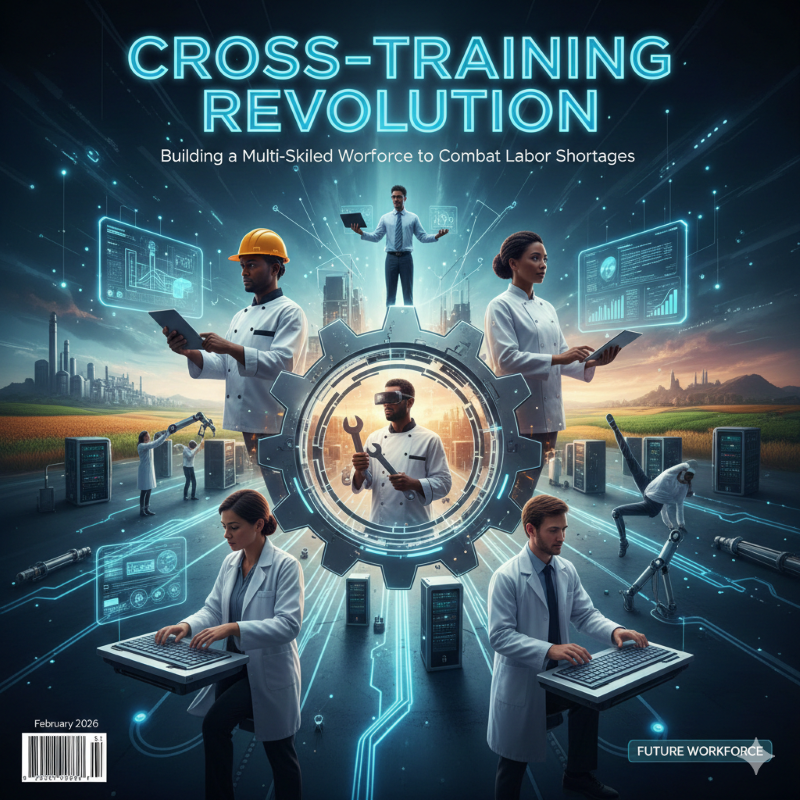
Labor shortages have become one of the most persistent and disruptive challenges facing the hospitality industry. From housekeeping and front office to food and beverage operations, hotels across the globe are grappling with staffing gaps that directly impact service quality, guest satisfaction, and profitability.
While wage increases and recruitment campaigns offer short-term relief, they do not address the structural realities of today’s labor market. The real solution lies in a fundamental shift in how hotels think about talent. Enter the cross-training revolution—a strategic move toward building a multi-skilled, agile workforce that can adapt, flex, and thrive amid uncertainty.
Cross-training is no longer a “nice-to-have.” It is fast becoming a core pillar of operational resilience.
Why Labor Shortages Are Here to Stay
The hospitality labor crisis is not a temporary phenomenon. Several long-term factors are reshaping the workforce:
- Demographic shifts and aging populations
- Increased competition from other service industries
- Changing employee expectations around flexibility and growth
- Reduced tolerance for rigid, repetitive roles
As a result, hotels must do more with fewer people—without compromising the guest experience. Cross-training offers a sustainable path forward.
What Cross-Training Really Means in Modern Hospitality
Traditional cross-training often meant teaching an employee a secondary task “just in case.” Today’s cross-training is far more strategic.
Modern cross-training involves:
- Developing employees with multiple functional competencies
- Designing roles that flex across departments
- Creating shared accountability for guest experience
- Empowering teams to respond dynamically to demand
The goal is not to overload employees, but to expand capability, confidence, and career potential.
The Business Case for a Multi-Skilled Workforce
Cross-training delivers value at every level of the organization.
Operational Resilience
Hotels can maintain service standards even when staffing levels fluctuate.
Cost Efficiency
Reduced overtime, lower dependency on temporary staff, and improved scheduling flexibility.
Improved Guest Experience
Guests encounter fewer service delays and more empowered staff.
Higher Employee Retention
Employees who learn and grow are more engaged and loyal.
In a tight labor market, retention is as important as recruitment.
Breaking Down Departmental Silos
One of the biggest barriers to cross-training is the traditional siloed structure of hotel operations.
Front office, housekeeping, F&B, and engineering often operate independently. Cross-training challenges this model by encouraging collaboration and shared ownership.
Examples include:
- Front desk agents trained to support concierge or reservations
- Housekeeping staff cross-trained in public area service
- F&B team members supporting banquets, room service, or events
This fluidity strengthens teamwork and reduces friction during peak periods.
Designing an Effective Cross-Training Strategy
Cross-training must be intentional to succeed.
Start with Critical Touchpoints
Identify roles where service continuity is most important—front office, housekeeping, and F&B are often priorities.
Map Transferable Skills
Communication, problem-solving, and service recovery skills translate across departments.
Create Structured Learning Paths
Clear progression prevents confusion and burnout.
A well-designed program feels empowering, not chaotic.
Balancing Flexibility with Role Clarity
One common fear is that cross-training blurs accountability.
The solution lies in:
- Defining primary and secondary responsibilities
- Establishing clear escalation protocols
- Maintaining department leadership oversight
Flexibility works best when supported by clarity.
Technology as a Cross-Training Enabler
Digital tools make multi-skilling more scalable and consistent.
Hotels can use:
- Mobile learning platforms
- Video-based SOPs
- Microlearning modules
- Digital scheduling systems
Technology ensures knowledge is accessible when and where it’s needed.
Empowering Employees Through Skill Ownership
Cross-training should never feel like “doing more for the same pay.”
Progressive hotels align cross-training with:
- Skill-based pay structures
- Career advancement opportunities
- Recognition and incentives
When employees see personal benefit, participation skyrockets.
Career Growth and Internal Mobility
One of the most powerful benefits of cross-training is career pathway visibility.
Employees gain:
- Broader operational understanding
- Increased confidence
- Clear advancement opportunities
A front desk agent who understands revenue, housekeeping operations, or guest services is better positioned for supervisory and leadership roles.
This reduces turnover by offering a future—not just a job.
Leadership’s Role in the Cross-Training Revolution
Cross-training initiatives succeed or fail based on leadership mindset.
Leaders must:
- Model flexibility and collaboration
- Support learning time without penalty
- Reward adaptability and initiative
A culture of trust is essential for multi-skilling to take root.
Addressing Burnout and Workload Concerns
Cross-training is not about stretching employees thin.
Smart implementation includes:
- Realistic workload planning
- Rotational scheduling
- Adequate rest periods
- Open feedback channels
When managed correctly, cross-training reduces stress by preventing chronic understaffing.
Cross-Training and Guest Perception
From a guest’s perspective, cross-trained employees often deliver better service.
They are:
- More knowledgeable
- More confident
- Better at problem resolution
Guests value seamless experiences more than rigid role boundaries.
Union and Compliance Considerations
In unionized environments, cross-training requires careful planning.
Hotels must:
- Align with labor agreements
- Ensure fair compensation
- Maintain role definitions
Transparent communication and collaboration with employee representatives are critical.
Measuring the Impact of Cross-Training
To ensure success, hotels should track:
- Employee engagement and retention rates
- Service recovery times
- Guest satisfaction scores
- Labor cost efficiency
Data-driven evaluation helps refine and scale programs.
Cross-Training as a Competitive Advantage
In a crowded hospitality market, operational agility is a differentiator.
Hotels with multi-skilled teams can:
- Respond faster to demand changes
- Launch new services more easily
- Maintain quality during disruptions
Flexibility becomes a brand strength—not just an internal capability.
The Future of Hospitality Work
The future hotel workforce will be:
- Smaller but more skilled
- Tech-enabled
- Experience-driven
- Growth-oriented
Cross-training prepares teams for this future by building adaptability into the DNA of operations.
Conclusion
The cross-training revolution represents a powerful shift in how hotels address labor shortages—not by chasing headcount, but by unlocking human potential. By building a multi-skilled workforce, hotels can improve resilience, enhance guest experience, and create more fulfilling careers.
At Booksmart, we believe the future of hospitality belongs to organizations that invest in people, not just positions. Cross-training is not a temporary fix—it is a strategic evolution that turns today’s labor challenge into tomorrow’s competitive advantage.
Leave a Reply