Author: admin

  • Challenges Facing the Hospitality Industry Today

    Challenges Facing the Hospitality Industry Today

    The hospitality industry has always been built on one foundation — people. Whether it’s a hotel welcoming guests from across the globe, a restaurant crafting unforgettable dining experiences, or a travel company curating dream vacations, this industry thrives on human connection.

    But in today’s rapidly changing world, the hospitality sector faces a wave of challenges that are reshaping how it operates. From rising costs and labor shortages to evolving guest expectations and digital disruptions, the industry is being tested like never before.

    At BookSmart, we believe that acknowledging these challenges is the first step toward transforming them into opportunities. Let’s explore the key issues facing the hospitality industry today and how forward-thinking businesses can adapt, evolve, and thrive.

    🌍 1. Labor Shortages and Workforce Challenges

    One of the most pressing issues the hospitality industry faces today is the shortage of skilled labor.

    Since the pandemic, hotels, restaurants, and travel agencies have struggled to attract and retain qualified employees. Many workers have left the sector in search of more stable, higher-paying jobs or better work-life balance.

    Why it matters:

    Hospitality is a people-driven business. Without experienced staff, guest satisfaction, service quality, and brand reputation can suffer.

    What can be done:

    • Invest in employee well-being: Offer flexible schedules, fair wages, and professional growth opportunities.
    • Leverage technology: Tools like AI chatbots and self-check-in kiosks can ease the workload on staff.
    • Create a culture of belonging: Recognize employees, promote inclusivity, and encourage career advancement.

    At BookSmart, we emphasize that happy employees lead to happy guests — and that’s the ultimate recipe for long-term success.

    💸 2. Rising Operational Costs

    Inflation, energy prices, and supply chain disruptions have significantly increased operational costs in the hospitality sector.

    Hotels are paying more for electricity and maintenance, restaurants face higher ingredient prices, and travel businesses are seeing transportation and logistics costs surge.

    Why it matters:

    These rising expenses eat into profit margins, forcing businesses to increase prices — often at the risk of losing customers.

    What can be done:

    • Adopt smart energy management systems to reduce consumption.
    • Streamline procurement and build long-term relationships with suppliers.
    • Use data analytics to monitor spending and identify cost-saving opportunities.

    Financial sustainability now depends on efficiency and innovation — not just revenue growth.

    📱 3. Digital Transformation and Technology Gaps

    Technology has become both a blessing and a challenge. On one hand, it’s revolutionizing guest experiences through AI, automation, mobile apps, and digital booking platforms. On the other hand, many hospitality businesses still struggle to adapt to these rapid changes.

    The challenge:

    Outdated systems, lack of integration, and limited technical expertise make it difficult for businesses to keep up.

    Why it matters:

    Guests expect seamless digital experiences — from online booking and contactless check-in to personalized recommendations and instant feedback. Businesses that can’t meet these expectations risk being left behind.

    What can be done:

    • Invest in digital infrastructure: Cloud-based systems, CRM tools, and automation software improve efficiency.
    • Train staff to use modern tools effectively.
    • Leverage data to personalize customer experiences.

    At BookSmart, we encourage hospitality brands to view technology not as a cost — but as a catalyst for innovation and long-term growth.

    🧳 4. Changing Consumer Preferences

    Today’s guests are more digitally savvy, socially conscious, and experience-driven than ever. They value sustainability, authenticity, and personalization over traditional luxury.

    For example:

    • Travelers prefer eco-friendly hotels that reduce plastic waste.
    • Guests look for unique local experiences rather than generic stays.
    • Many expect instant digital service — from mobile check-ins to virtual concierges.

    The challenge:

    Balancing personalization and operational efficiency is tough, especially when catering to diverse demographics like Gen Z travelers and baby boomers alike.

    What can be done:

    • Offer customized experiences using guest data and feedback.
    • Embrace sustainable practices to attract eco-conscious customers.
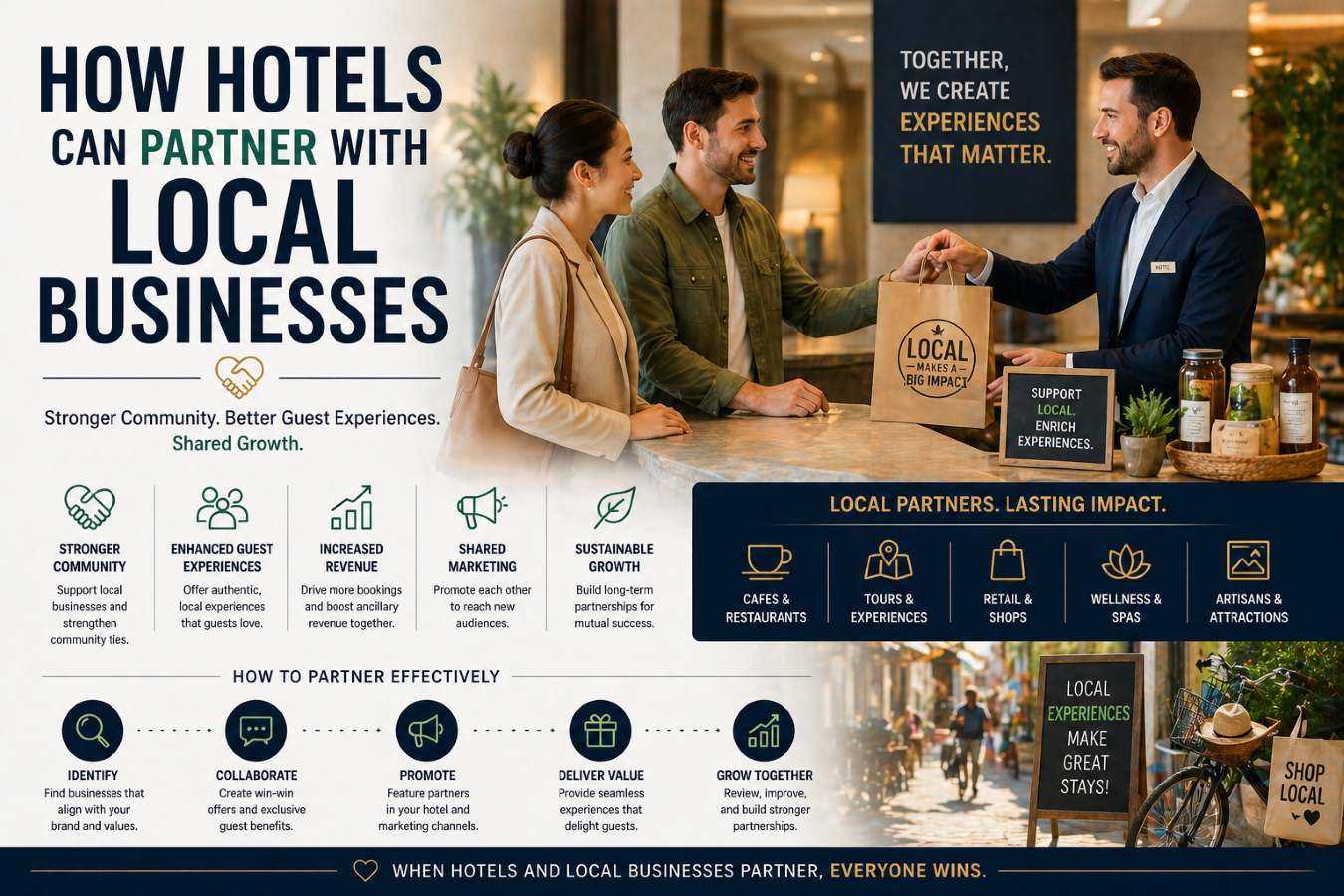
    • Build community connections by supporting local artisans and events.

    Adapting to new customer expectations is no longer optional — it’s essential for survival.

    🌱 5. Sustainability and Environmental Concerns

    Sustainability is now a core priority in hospitality. Guests increasingly choose brands that reflect their environmental values — from energy-efficient hotels to restaurants sourcing locally and reducing food waste.

    Why it matters:

    The industry contributes significantly to global carbon emissions. A failure to act on sustainability could lead to reputational damage, regulatory penalties, and lost business.

    What can be done:

    • Reduce energy use through smart technologies and renewable sources.
    • Eliminate single-use plastics and promote recycling initiatives.
    • Support local economies by sourcing materials and products regionally.

    At BookSmart, we believe sustainability isn’t just good ethics — it’s good business. Eco-conscious practices attract loyal customers and improve operational efficiency in the long run.

    🔒 6. Cybersecurity Threats and Data Privacy

    With digitalization comes vulnerability. Hotels, airlines, and booking platforms store vast amounts of customer data — making them prime targets for cyberattacks.

    The challenge:

    Breaches can expose sensitive information such as credit card numbers and personal details, leading to financial loss and reputational damage.

    What can be done:

    • Implement strong cybersecurity measures like encryption and multi-factor authentication.
    • Regularly train employees on data privacy and phishing awareness.
    • Comply with regulations such as GDPR and other regional data protection laws.

    A secure digital environment builds trust — and trust builds loyalty.

    💬 7. Guest Experience and Service Expectations

    The essence of hospitality lies in exceptional guest experience. However, in an era dominated by instant gratification, customer expectations are rising faster than ever.

    Guests expect:

    • 24/7 service availability
    • Personalized communication
    • Seamless booking and feedback systems

    The challenge:

    Delivering such experiences consistently across multiple touchpoints — while managing costs and labor shortages — is a delicate balance.

    What can be done:

    • Leverage AI chatbots for quick responses and FAQs.
    • Use CRM tools to track guest preferences and offer personalized offers.
    • Encourage real-time feedback to improve continuously.

    At BookSmart, we emphasize that technology should enhance hospitality — not replace it. The human touch remains the heart of every great guest experience.

    💰 8. Economic Uncertainty and Global Instability

    The hospitality industry is highly sensitive to economic shifts, geopolitical tensions, and global crises. Events such as pandemics, wars, and recessions can cause travel bans, reduced consumer spending, and operational disruptions.

    What can be done:

    • Diversify markets to reduce dependence on specific regions.
    • Develop crisis management plans for emergencies.
    • Offer flexible booking policies to maintain trust during uncertainty.

    Businesses that can adapt quickly to changing conditions are more likely to survive — and thrive — during turbulent times.

    📊 9. Competition and Brand Differentiation

    With the rise of online travel agencies (OTAs), review platforms, and social media, the hospitality market has become extremely competitive.

    Independent hotels and restaurants often struggle to stand out against large chains with massive marketing budgets.

    What can be done:

    • Focus on storytelling: Build a strong brand narrative that connects emotionally with guests.
    • Use social media strategically: Share authentic experiences, not just promotions.
    • Encourage reviews and testimonials: User-generated content drives credibility and organic reach.

    BookSmart believes that differentiation comes not from doing more — but from doing better and doing it authentically.

    🌟 Turning Challenges into Opportunities

    Despite these challenges, the hospitality industry remains one of the most resilient and adaptive sectors in the world. Every disruption brings a chance to innovate — to reimagine how we connect with guests, operate efficiently, and create unforgettable experiences.

    At BookSmart, we see a bright future where technology and human touch coexist harmoniously. Businesses that embrace change, prioritize people, and stay committed to excellence will continue to thrive — no matter what challenges come their way.

    🏁 Conclusion

    The hospitality industry stands at a crossroads — facing economic, digital, and social shifts that are redefining how it operates. Yet, these challenges also open doors to reinvention and growth.

    By embracing sustainability, digital innovation, data security, and people-first strategies, the industry can evolve stronger than ever before.

    At BookSmart, we believe the heart of hospitality will always remain the same — creating meaningful experiences that make people feel valued, connected, and inspired.

  • How to Build a Memorable Hotel Brand

    How to Build a Memorable Hotel Brand

    In the hospitality industry, where experiences matter more than transactions, your brand is your story — it’s the feeling guests take home long after checkout. From boutique stays tucked away in hilltops to global hotel chains in bustling cities, every property has a soul. But in a market overflowing with choices, how do you make yours unforgettable?

    At BookSmart, we believe that a hotel’s brand isn’t just a logo, a tagline, or a color scheme — it’s the emotional connection you create with your guests. Whether you’re launching a new property or reinventing an established one, building a memorable brand is about blending authentic storytelling, exceptional experiences, and digital intelligence.

    Let’s explore how to turn your hotel into a brand guests love, remember, and return to.

    1. Define What Makes You Unique

    Every memorable hotel brand starts with a simple but powerful question:
    “What makes us different?”

    It could be your location, your history, your design, or your philosophy. Maybe your hotel is built around eco-conscious living, maybe it celebrates local art, or maybe it offers personalized guest experiences unlike anyone else.

    At BookSmart, we help hoteliers uncover their unique value proposition (UVP) — the essence of what sets them apart. This clarity is the foundation of every brand decision that follows — from design to guest engagement to digital marketing.

    🧠 Tip: Write down three adjectives that best describe your hotel. That’s your starting point for brand identity.

    2. Craft a Story That Guests Want to Be Part Of

    People don’t connect with rooms — they connect with stories.
    A compelling brand story gives your hotel personality and purpose. It invites guests to be part of something bigger than just an overnight stay.

    For example:

    • A coastal resort might tell a story about reconnecting with nature.
    • A city boutique hotel might focus on creativity and culture.
    • A luxury chain might center on timeless elegance and impeccable service.

    Your story should be authentic, not just marketing jargon. Guests can sense when something is genuine — and authenticity builds trust.

    At BookSmart, we help hotels translate their vision into a narrative that resonates with both guests and staff. Because when your team believes in your story, your guests will feel it too.

    3. Design a Visual Identity That Speaks Volumes

    Your visual branding — logo, color palette, typography, photography — is often the first touchpoint guests have with your brand. It’s what they see before they ever step inside.

    A strong visual identity should capture your hotel’s character at a glance.

    • A minimalist design might reflect sophistication.
    • Earthy tones and organic shapes might evoke calm and sustainability.
    • Bold colors and dynamic fonts might showcase creativity and energy.

    At BookSmart, we encourage consistency — from your website and social media to your keycards and in-room signage. When everything looks and feels cohesive, it creates an impression of quality and attention to detail.

    🎨 Remember: Simplicity stands out. The most iconic hotel brands in the world are instantly recognizable because they stay true to a consistent visual story.

    4. Deliver an Experience That Aligns with Your Brand

    Your brand promise means nothing if the experience doesn’t live up to it.
    Every guest interaction — from check-in to checkout — should reflect your brand’s values.

    If your brand is about comfort and warmth, your staff should greet every guest like family.
    If it’s about innovation, your technology and amenities should impress at every touchpoint.
    If it’s about luxury, attention to detail must be second nature.

    BookSmart helps hotels create experience blueprints — mapping out how your brand comes alive in service, decor, communication, and even problem resolution. Because true branding is lived, not just seen.

    5. Empower Your People — They Are the Brand

    Your employees are your most powerful brand ambassadors. They don’t just represent your hotel; they are your hotel in the eyes of guests.

    Train them not only in hospitality skills but also in brand culture — what your brand stands for and how to express it through service.

    A well-trained, brand-aligned team transforms guests into loyal fans.
    At BookSmart, we often say: “Branding starts at the front desk.
    Because a single genuine smile can say more about your hotel than a thousand advertisements.

    6. Create Consistency Across All Touchpoints

    Guests interact with your brand through multiple channels — your website, booking platforms, social media, emails, and in-person experiences.

    Consistency builds recognition and trust.
    Your tone, visuals, and messaging should feel the same whether someone sees you on Instagram or walks into your lobby.

    For instance, if your online tone is friendly and conversational, the same warmth should carry through in your emails and staff communication.

    BookSmart’s integrated branding solutions help hotels maintain a unified brand voice across digital and physical spaces, ensuring a seamless experience for guests.

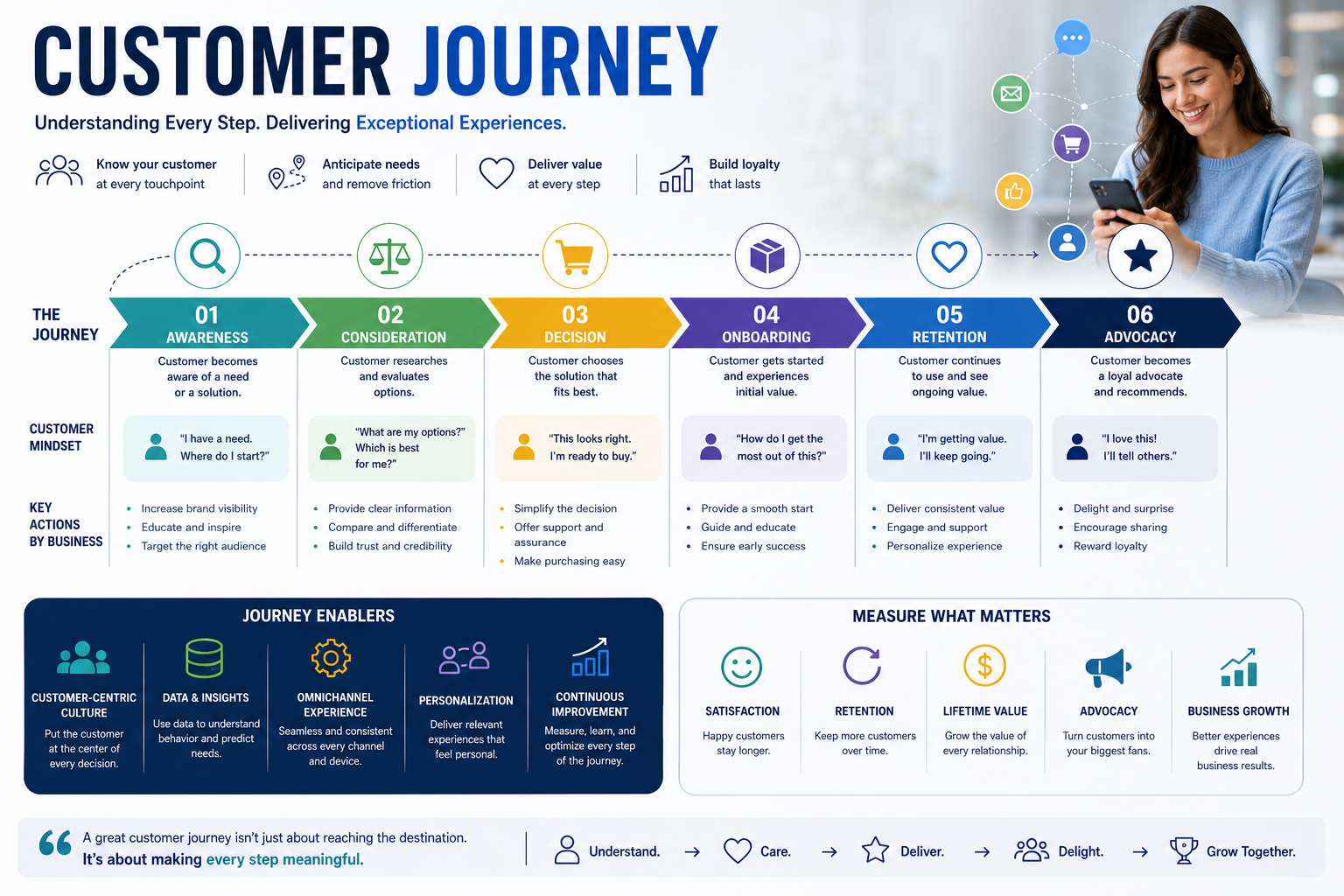
    7. Leverage Digital Platforms to Amplify Your Brand

    In today’s world, a hotel brand isn’t built only inside the property — it’s built online.

    Your website should reflect your brand identity — clean, mobile-friendly, and storytelling-driven.
    Social media should be used not just to promote rooms but to share experiences, highlight guests, and celebrate your team.

    At BookSmart, we integrate digital branding with booking intelligence, ensuring your online presence drives both engagement and reservations.

    We also help hotels use data analytics and customer insights to understand guest preferences, helping you personalize offers and build stronger loyalty.

    🌐 Digital rule: Don’t sell rooms — sell experiences. Guests buy memories, not mattresses.

    8. Encourage Guest Participation

    Memorable brands don’t just speak — they listen.
    Encourage your guests to be part of your brand story through:

    • Social media hashtags and guest photo walls
    • Loyalty programs that reward meaningful engagement
    • Personalized thank-you messages after checkout

    User-generated content builds credibility far more effectively than advertising. When a guest posts about their stay, it becomes social proof — a genuine endorsement money can’t buy.

    BookSmart helps hotels create guest engagement campaigns that turn one-time visitors into brand advocates.

    9. Evolve Without Losing Your Essence

    The most powerful brands evolve with time — but never lose sight of who they are.

    As travel trends change, guest expectations rise, and new technologies emerge, your hotel must adapt — whether that means updating amenities, introducing sustainability initiatives, or rebranding for a younger audience.

    At BookSmart, we help hotels modernize strategically — retaining their core identity while staying fresh and relevant.
    Your brand should grow, but it should always feel familiar to returning guests.

    10. Measure, Learn, and Refine

    Finally, great branding isn’t a one-time project — it’s a continuous journey.
    Track guest feedback, online reviews, and brand sentiment. Identify what resonates and where the gaps lie.

    Ask yourself:

    • Do guests describe our hotel the way we want them to?
    • Is our story coming through in their experience?
    • What emotions are we leaving them with?

    BookSmart provides analytics and brand performance dashboards that help you measure these outcomes — because in the hospitality industry, data-driven creativity wins.

    Building a Hotel Brand That Lasts

    A memorable hotel brand is one that stays in people’s hearts. It’s not just about aesthetics — it’s about emotion, authenticity, and connection.

    At BookSmart, we help hotels transform from being just another name in the market to becoming a symbol of trust, comfort, and inspiration.

    Whether you’re a luxury chain, a boutique property, or a heritage retreat, your brand deserves to shine in its own way — and we’re here to make that happen.

    Because in the end, great hotels aren’t remembered just for their rooms — they’re remembered for how they made people feel.

  • Hotel Pricing Strategies for Competitive Advantage

    Hotel Pricing Strategies for Competitive Advantage

    In the ever-evolving world of hospitality, pricing plays a defining role in determining a hotel’s success. Setting the right price is not just about covering costs—it’s about positioning, perception, and profit. In a market where travelers have endless choices, strategic hotel pricing can be the difference between full occupancy and empty rooms.

    At BookSmart, we understand that pricing is more than just numbers—it’s a dynamic art that blends psychology, market demand, and data analytics. Whether you manage a boutique property or a luxury chain, mastering hotel pricing strategies is essential for staying ahead of the competition.

    Why Hotel Pricing Strategy Matters

    Pricing directly influences how guests perceive your brand. A well-crafted strategy balances value, demand, and brand positioning, ensuring that guests feel they’re getting the best experience for their money.

    A hotel that charges too high risks losing potential guests to competitors, while one that prices too low may struggle to maintain profitability and brand prestige. The key lies in adopting flexible, data-driven pricing strategies that adapt to changing market conditions, seasonality, and customer preferences.

    Core Objectives of Hotel Pricing Strategies

    1. Maximize Revenue: The ultimate goal is to sell the right room, to the right guest, at the right time, for the right price.
    2. Increase Occupancy: A smart strategy ensures rooms are filled even during off-peak seasons.
    3. Enhance Brand Positioning: Pricing reflects the perceived quality and exclusivity of your brand.
    4. Maintain Competitive Edge: Dynamic pricing helps you respond quickly to market changes and competitor rates.
    5. Build Customer Loyalty: Consistent, transparent pricing fosters trust and long-term relationships with guests.

    Types of Hotel Pricing Strategies

    1. Dynamic Pricing

    Dynamic pricing is the most widely used approach in modern hospitality. Prices fluctuate based on real-time factors such as demand, seasonality, local events, and competitor pricing.

    For example, room rates may increase during festive seasons, major conferences, or weekends, while dropping during weekdays or off-season periods. Tools like revenue management systems (RMS) and AI-driven analytics help automate this process for accuracy and efficiency.

    Why it works:

    • Maximizes revenue during high-demand periods.
    • Keeps pricing competitive when demand is low.

    2. Value-Based Pricing

    This strategy focuses on what the customer perceives as the value of your service rather than just market averages or costs. Hotels that offer superior experiences—like personalized service, luxury amenities, or prime locations—can command higher prices because of the value they deliver.

    Example: A beachfront resort can charge a premium over a city hotel, even with similar facilities, because of its unique experience.

    Why it works:

    • Builds premium brand image.
    • Encourages loyalty among value-conscious guests.

    3. Length of Stay (LOS) Pricing

    LOS pricing offers discounts or deals to guests who stay longer. For instance, a hotel might provide a 10% discount for a 3-night stay or one free night after booking for 5 nights.

    Why it works:

    • Boosts occupancy and reduces turnover.
    • Attracts long-term guests who provide consistent revenue.

    4. Segmented Pricing

    Different customers have different willingness to pay. Segmented pricing customizes rates for specific groups like corporate clients, families, students, or early-bookers.

    Example: Offering lower rates for business travelers during weekdays and higher rates for leisure travelers on weekends.

    Why it works:

    • Maximizes profitability across multiple market segments.
    • Helps maintain year-round occupancy.

    5. Psychological Pricing

    This strategy uses the psychology of perception to make prices more appealing. For instance, setting the price at ₹4,999 instead of ₹5,000 creates a subconscious impression of a better deal.

    Why it works:

    • Influences purchasing behavior.
    • Enhances perceived affordability without lowering value.

    6. Package Pricing

    Hotels often bundle rooms with other services like meals, spa sessions, or local tours at a combined rate. This adds value and convenience for guests while boosting the hotel’s ancillary revenue.

    Example: “Romantic Weekend Package” or “Family Stay + Breakfast + City Tour.”

    Why it works:

    • Increases average spend per guest.
    • Enhances guest experience through personalization.

    7. Seasonal and Event-Based Pricing

    Hotels adjust prices according to seasons or special events. For instance, during holidays or festivals like Christmas, Diwali, or city marathons, rates can be increased to reflect higher demand.

    Why it works:

    • Captures higher profits during peak times.
    • Keeps rooms filled during slower months through promotions.

    8. Competitor-Based Pricing

    This involves monitoring competitors’ pricing and aligning your own rates accordingly. Online tools and OTA (Online Travel Agency) dashboards can help track pricing trends in real time.

    Why it works:

    • Prevents overpricing or underpricing.
    • Keeps your hotel competitive in the local market.

    The Role of Technology in Hotel Pricing

    Modern pricing strategies rely heavily on data analytics, AI, and automation. Revenue management systems analyze booking trends, market data, and competitor rates to recommend optimal prices.

    Tools like RateGain, Duetto, and Cloudbeds enable hoteliers to dynamically adjust prices and forecast demand more accurately.

    Additionally, integrating PMS (Property Management Systems) with CRM platforms helps personalize offers and track customer preferences for future pricing optimization.

    Best Practices for Effective Hotel Pricing

    1. Monitor Market Trends: Stay informed about local events, competitor strategies, and changing travel behaviors.
    2. Leverage Data Analytics: Use historical data and predictive insights to set accurate pricing.
    3. Update Prices Frequently: Adjust prices daily or even hourly based on demand.
    4. Offer Exclusive Discounts on Direct Bookings: Encourage guests to book through your website instead of OTAs.
    5. Train Staff on Pricing Communication: Ensure your team understands pricing strategies to handle guest queries confidently.
    6. Test and Analyze: Experiment with promotions and offers, then measure their impact on revenue and occupancy.

    Case Example: Dynamic Pricing in Action

    A mid-range hotel in Jaipur partnered with BookSmart to optimize its pricing during the tourist season. By applying a data-driven dynamic pricing strategy, the hotel increased its average room rate by 18% and occupancy by 22% over three months.

    By using real-time analytics, the hotel adjusted rates based on demand surges during local festivals and reduced prices during weekdays to attract business travelers—achieving a strong competitive edge without compromising guest satisfaction.

    Challenges in Implementing Hotel Pricing Strategies

    • Rate Parity Conflicts: Maintaining consistent rates across OTAs and direct bookings can be difficult.
    • Data Overload: Without proper tools, managing real-time data can be overwhelming.
    • Price Wars: Excessive undercutting can hurt long-term profitability.
    • Guest Perception: Sudden or frequent price changes may confuse loyal customers.

    To overcome these challenges, hotels must rely on transparent communication, balanced pricing models, and advanced analytics tools.

    Future of Hotel Pricing

    The future of hotel pricing lies in AI-driven personalization and real-time demand forecasting. As technologies like machine learning and big data evolve, hotels will be able to set individualized prices for each customer based on their booking history, preferences, and travel behavior.

    Sustainability-based pricing is also gaining traction—where eco-conscious hotels price rooms to reflect their commitment to green practices, appealing to environmentally aware travelers.

    Conclusion

    In the competitive world of hospitality, effective hotel pricing strategies are key to achieving both profitability and customer satisfaction. By combining market intelligence, technology, and human insight, hotels can create flexible and transparent pricing systems that adapt to ever-changing market dynamics.

    At BookSmart, we believe smart pricing is not about being the cheapest—it’s about delivering maximum value at the right price. When pricing is done strategically, it transforms from a simple business function into a powerful tool for long-term success and brand growth.

  • The Future of Luxury Hotels: Redefining Opulence in the Modern Era

    The Future of Luxury Hotels: Redefining Opulence in the Modern Era

    The hospitality industry is undergoing a remarkable transformation, and at the forefront of this evolution lies the world of luxury hotels. Once defined solely by grandeur, exclusivity, and extravagance, modern luxury has taken on a new meaning—one that blends technology, personalization, sustainability, and authentic experiences. The future of luxury hotels is not merely about lavish décor or five-star dining; it’s about crafting experiences that resonate emotionally, socially, and digitally with the modern traveler.

    In this article, we explore how luxury hotels are redefining their identity and what trends will shape the future of this vibrant industry.

    1. Personalized Experiences: The Heart of Modern Luxury

    In the era of digital transformation, personalization has become the cornerstone of luxury hospitality. Travelers no longer want standardized experiences—they expect tailor-made stays that reflect their preferences, personalities, and purposes.

    Luxury hotels are leveraging AI-driven guest analytics, CRM systems, and mobile apps to anticipate guest needs even before arrival. From personalized welcome notes to curated dining recommendations and customized room settings (temperature, lighting, fragrance), every detail is being designed to create a sense of belonging.

    For instance, a returning guest may find their favorite wine waiting in the minibar, or their preferred pillow type already placed in the suite—thanks to intelligent data tracking. This hyper-personalization transforms a stay into a story that feels uniquely crafted for the guest.

    2. Sustainability as the New Luxury

    Gone are the days when opulence meant excess. Today’s affluent travelers are more eco-conscious and value sustainable luxury over wasteful extravagance. Luxury hotels are embracing green innovations that combine comfort with conscience.

    Future luxury establishments will emphasize:

    • Eco-friendly architecture using renewable materials.
    • Energy-efficient operations with solar and smart-grid systems.
    • Plastic-free initiatives and waste management programs.
    • Locally sourced ingredients supporting regional farmers and artisans.

    Brands like Six Senses and The Ritz-Carlton Reserve are already leading the way by integrating environmental responsibility into their core identity. For modern travelers, sustainability is not an option—it’s a symbol of ethical sophistication.

    3. The Rise of Smart Luxury Hotels

    Technology is revolutionizing every aspect of hospitality, and luxury hotels are at the cutting edge of this transformation. The future of luxury stays will be seamlessly connected, contactless, and immersive.

    Key innovations include:

    • AI-powered virtual concierges for instant assistance.
    • Voice-activated room controls for lighting, entertainment, and temperature.
    • Smart mirrors and augmented reality experiences for personalized styling or sightseeing previews.
    • IoT-based predictive maintenance ensuring uninterrupted guest comfort.

    Moreover, with blockchain-based payment systems and AI-driven booking platforms, luxury hotels are also enhancing transparency, convenience, and security—three factors that define the next era of travel confidence.

    4. Wellness and Mindful Travel

    Luxury travelers today prioritize mental well-being and holistic health as much as material comfort. The post-pandemic world has reshaped priorities, with wellness tourism emerging as one of the fastest-growing sectors.

    Future luxury hotels will feature integrated wellness ecosystems that go beyond traditional spas:

    • Sleep optimization programs with AI-driven relaxation systems.
    • Nutritional menus curated by health experts.
    • Meditation pods, yoga terraces, and biophilic designs that reconnect guests with nature.
    • Digital detox zones encouraging mindful relaxation.

    The concept of “restorative luxury” will redefine how hotels engage guests—focusing on mental clarity, emotional balance, and physical rejuvenation rather than superficial indulgence.

    5. The Return of Authenticity and Local Culture

    Today’s discerning traveler seeks more than just a luxurious setting—they crave authentic connections. The luxury hotels of the future will serve as cultural gateways, blending global standards with local charm.

    Expect to see:

    • Collaborations with local artisans to design interiors and experiences.
    • Regionally inspired culinary experiences that celebrate native flavors.
    • Curated cultural immersions like art walks, heritage tours, and storytelling evenings.

    This fusion of global sophistication and local authenticity creates a rich narrative that resonates deeply with modern travelers, offering them both luxury and a sense of place.

    6. Experiential Luxury: Beyond the Stay

    The luxury experience no longer ends within the walls of the hotel. Guests now seek memorable journeys that extend beyond their rooms—immersive adventures that engage the senses and emotions.

    Future luxury hotels are investing in:

    • Private curated experiences, such as underwater dining, hot-air balloon safaris, or private island picnics.
    • Bespoke itineraries tailored to individual passions, whether art, gastronomy, or adventure.
    • Luxury brand collaborations, where guests can experience high-end fashion, automobiles, or tech within the hotel environment.

    This shift from material luxury to experiential richness ensures that the modern traveler leaves with stories, not souvenirs.

    7. The Role of Artificial Intelligence and Data Analytics

    AI is becoming a silent but powerful partner in enhancing luxury hospitality. With predictive analytics, hotels can understand guest preferences in real time and offer anticipatory services.

    For example, AI can:

    • Suggest spa treatments based on recent booking patterns.
    • Optimize staffing levels for peak hours.
    • Analyze feedback to improve service quality continuously.

    This data-driven approach ensures that luxury hotels deliver efficiency without compromising on personal touch—a balance that defines the future of elite hospitality.

    8. Privacy, Security, and Digital Trust

    As digital transformation deepens, data privacy and cybersecurity are emerging as top priorities. Luxury guests expect seamless tech experiences—but not at the cost of personal security.

    Next-generation luxury hotels are investing in blockchain security systems, encrypted guest data platforms, and biometric authentication to ensure safety and confidentiality.

    The luxury of the future will be secure luxury—where guests can indulge freely, knowing their data, identity, and privacy are fully protected.

    9. Hybrid Luxury: Blending Leisure and Business

    The boundary between business and leisure travel is fading. The rise of “bleisure” (business + leisure) has inspired luxury hotels to create flexible spaces where productivity and relaxation coexist.

    Tomorrow’s luxury hotels will feature:

    • Workation suites equipped with advanced video conferencing tools.
    • Private lounges for executives and digital nomads.
    • Wellness-inspired work environments that blend focus with comfort.

    This integration ensures that guests enjoy high-end comfort without compromising professional needs—a defining trait of next-gen luxury accommodations.

    Conclusion

    The future of luxury hotels lies at the intersection of technology, sustainability, and human connection. As expectations evolve, so must the definition of luxury itself—from material indulgence to meaningful experience, from excess to ethics, from exclusivity to personalization.

    Luxury is no longer about what you own—it’s about how you feel. The hotels that understand this shift and invest in innovation, wellness, and authenticity will lead the new era of global hospitality.

    At BookSmart, we believe that the future of luxury travel belongs to those who dare to innovate responsibly—where elegance meets empathy, and comfort meets conscience.

  • Hotel Loyalty Programs That Actually Work: Building Genuine Guest Relationships with BookSmart

    Hotel Loyalty Programs That Actually Work: Building Genuine Guest Relationships with BookSmart

    In the competitive world of hospitality, guest loyalty is gold. With hundreds of hotels competing for attention through flashy discounts and promotional deals, only a few manage to win the hearts of guests—and keep them coming back. The secret? A well-designed hotel loyalty program that truly adds value to the guest experience.

    At BookSmart, we believe that a successful loyalty program is more than just collecting points—it’s about creating meaningful relationships, offering personalization, and turning every stay into a reason to return.

    In this article, we’ll explore what makes hotel loyalty programs truly effective, examples of successful strategies, and how your hotel can design a loyalty program that drives real results.

    The Importance of Loyalty in the Hospitality Industry

    Hospitality is an experience-driven industry. Guests don’t just book rooms—they seek comfort, trust, and emotional connection. This is where loyalty programs play a crucial role.

    A well-structured loyalty program helps hotels:

    • Retain repeat customers at a fraction of the cost of acquiring new ones.
    • Boost revenue by encouraging guests to spend more on each stay.
    • Collect valuable guest data for future personalization.
    • Enhance brand reputation through word-of-mouth and online reviews.

    According to research, a 5% increase in customer retention can boost profits by up to 25–95%. Clearly, guest loyalty isn’t just a marketing strategy—it’s a long-term investment.

    Why Many Hotel Loyalty Programs Fail

    Despite the potential, not all loyalty programs succeed. Many hotels make the mistake of focusing solely on transactional benefits—points, discounts, or free nights—without delivering emotional or experiential value.

    Here are common pitfalls that cause loyalty programs to underperform:

    • Complex structures: Guests lose interest when the rules are hard to understand.
    • Low perceived value: Points that take too long to redeem feel unrewarding.
    • Lack of personalization: Guests want unique experiences, not generic offers.
    • Poor digital integration: Without a seamless app or online portal, engagement drops.
    • Limited recognition: Guests want to feel valued—not just rewarded.

    To create a loyalty program that truly works, hotels must move beyond discounts and build personalized, emotional, and convenient experiences.

    What Makes a Hotel Loyalty Program Successful

    Based on global best practices and insights from BookSmart’s experience in the hospitality sector, here are the key ingredients of a winning loyalty program:

    1. Simplicity and Transparency

    A loyalty program must be easy to join, understand, and use. Guests should instantly know:

    • How to earn points
    • How to redeem rewards
    • What benefits they can access

    For example, the Marriott Bonvoy program offers a clear tier system—Members, Silver, Gold, Platinum, Titanium—each with transparent benefits. Guests know exactly what they’re working toward.

    2. Instant Gratification

    Today’s travelers prefer immediate value over distant promises. Offering small but instant rewards—such as free Wi-Fi, late checkout, or complimentary upgrades—encourages more sign-ups and engagement.

    BookSmart data shows that hotels offering instant benefits see up to 35% higher participation rates compared to those with delayed rewards.

    3. Personalization through Data

    Guests appreciate when hotels remember their preferences—whether it’s a favorite room type, breakfast choice, or pillow firmness. By leveraging guest data from previous stays, hotels can tailor offers and communication to each individual.

    For instance, sending a returning guest a “Welcome back, your preferred room is ready!” message creates a sense of recognition that no amount of points can replicate.

    4. Tiered Rewards and Recognition

    Tiered programs add motivation. As guests move up levels, they unlock exclusive perks—such as free suite upgrades, early check-in, or access to VIP lounges.

    More importantly, recognition matters. Addressing elite members personally, assigning dedicated check-in desks, or offering complimentary welcome drinks enhances the emotional value of loyalty.

    5. Digital Accessibility

    In today’s mobile-first world, a user-friendly app or website portal is essential. Guests should be able to track their points, redeem rewards, and book stays seamlessly online.

    Hotels integrating digital loyalty platforms through BookSmart’s system have reported up to 40% higher guest retention, proving how convenience drives loyalty.

    6. Partnerships and Cross-Rewards

    Strategic partnerships make loyalty programs more versatile. Guests love the flexibility to use their rewards for flights, dining, car rentals, or shopping.

    For example, Hilton Honors allows members to convert points for airline miles, while IHG One Rewards offers gift cards and experiences.

    By collaborating with local businesses, restaurants, and attractions, hotels can extend value beyond the property—and keep guests engaged year-round.

    7. Emotional Connection and Storytelling

    Guests don’t remember discounts—they remember experiences. Building emotional connections through storytelling and brand values turns occasional visitors into lifelong advocates.

    For instance, sustainable hotels can reward guests for eco-friendly actions, such as reusing towels or minimizing waste. Programs like these align loyalty with purpose, not just points.

    Examples of Successful Hotel Loyalty Programs

    Let’s take a closer look at a few hotel loyalty programs that truly work, and what makes them stand out:

    1. Marriott Bonvoy

    Marriott’s program offers both breadth and depth—with over 30 brands, flexible redemption options, and personalized experiences. Its mobile app integrates booking, tracking, and redemption, making loyalty effortless.

    Why it works: Simplicity, global reach, and consistent recognition.

    2. Hilton Honors

    Hilton’s program emphasizes instant rewards—free Wi-Fi, digital key access, and exclusive discounts from the moment guests join. Members can also use points for Amazon purchases and Uber rides.

    Why it works: Strong digital integration and practical benefits.

    3. World of Hyatt

    Hyatt focuses on emotional loyalty through meaningful gestures—like personalized thank-you notes and curated local experiences. Its smaller scale allows for a more human touch.

    Why it works: Personalized experiences and genuine care.

    4. IHG One Rewards

    IHG’s redesigned loyalty program prioritizes choice and flexibility. Guests can choose between bonus points or food-and-beverage credits, giving them control over their rewards.

    Why it works: Guest-driven customization and simplicity.

    How BookSmart Helps Hotels Build Smarter Loyalty Programs

    At BookSmart, we specialize in helping hotels create loyalty strategies that drive measurable results—increased retention, higher revenue, and stronger brand engagement.

    Our approach focuses on data-driven insights, personalized communication, and seamless integration across all guest touchpoints.

    Here’s how BookSmart can help your hotel build a loyalty program that actually works:

    1. Data Analysis & Guest Segmentation – Understand your guests’ preferences, frequency, and spending patterns.
    2. Program Design & Strategy – Develop tier structures, point systems, and benefit plans tailored to your brand.
    3. Technology Integration – Implement mobile-friendly loyalty platforms with real-time tracking.
    4. Personalized Marketing – Use automation to send customized offers and reminders.
    5. Performance Tracking – Analyze participation rates, redemption trends, and ROI to optimize results.

    By merging hospitality expertise with digital innovation, BookSmart transforms ordinary loyalty programs into powerful guest engagement ecosystems.

    The Future of Hotel Loyalty Programs

    The next generation of hotel loyalty is experience-driven and tech-enabled. Trends shaping the future include:

    • AI-powered personalization – Predicting guest preferences before arrival.
    • Blockchain-based loyalty points – Offering secure, transferable rewards.
    • Sustainability-based incentives – Rewarding eco-conscious travelers.
    • Omnichannel integration – Connecting loyalty across booking, dining, and travel experiences.

    Hotels that embrace these trends will not only retain guests but also attract younger, tech-savvy travelers seeking value and connection.

    Conclusion

    A hotel’s success isn’t defined by how many guests it attracts—but by how many return. Loyalty programs that genuinely work focus on recognition, personalization, and emotional engagement, not just transactions.

    With BookSmart, hotels can build smarter, data-driven, and guest-centered loyalty programs that foster long-term relationships and deliver measurable growth.

    In the evolving hospitality landscape, loyalty isn’t earned through points—it’s earned through purpose, personalization, and genuine care.

    BookSmart helps hotels make loyalty personal again.

  • The Rise of Smart Hotels: What It Means for Guests

    The Rise of Smart Hotels: What It Means for Guests

    In the age of technology-driven transformation, the hospitality industry is undergoing a digital revolution. The modern traveler no longer seeks just a comfortable bed and room service—they desire convenience, personalization, and seamless experiences powered by technology. This evolution has given birth to smart hotels — properties that leverage automation, artificial intelligence, the Internet of Things (IoT), and data analytics to redefine guest experiences.

    At BookSmart, we believe that the future of hospitality lies in smart, connected, and personalized travel experiences. The rise of smart hotels is not just a passing trend; it’s a paradigm shift reshaping how hotels operate, interact with guests, and deliver value.

    Let’s explore what smart hotels mean, how they benefit guests, and why they represent the future of travel and accommodation.

    What Are Smart Hotels?

    A smart hotel integrates advanced technologies such as IoT devices, AI-driven systems, cloud computing, and mobile applications to provide intelligent, automated, and personalized services to guests. Everything from room lighting and temperature control to check-in, entertainment, and security can be managed through digital platforms or even voice commands.

    In simple terms, smart hotels are designed to anticipate and fulfill guests’ needs automatically, reducing manual effort while enhancing comfort and efficiency.

    Imagine checking into your room without standing in a queue, adjusting the lighting through your smartphone, or having an AI-powered concierge recommend dining options based on your preferences—all from the comfort of your bed. That’s the promise of smart hospitality.

    1. Seamless and Contactless Check-In Experience

    Gone are the days when guests had to wait at the front desk to check in or fill out lengthy forms. Smart hotels enable digital check-in and check-out experiences through mobile apps or self-service kiosks.

    Using facial recognition or QR codes, guests can instantly access their rooms upon arrival. This not only saves time but also aligns perfectly with the post-pandemic preference for contactless services.

    For frequent travelers, this feature eliminates repetitive registration steps, making every stay smoother and more personalized. At BookSmart, we’ve seen that hotels adopting digital check-in technologies have significantly improved guest satisfaction scores.

    2. Voice-Activated Rooms and AI Assistants

    Smart hotels are redefining convenience with voice-controlled technologies. Guests can now control room functions—such as lighting, curtains, television, and temperature—simply by speaking.

    AI assistants like Alexa for Hospitality or custom in-room bots are becoming the new concierge, helping guests order room service, book a spa appointment, or request housekeeping without lifting a finger.

    This not only enhances accessibility but also provides a futuristic experience that delights tech-savvy travelers. It’s comfort reimagined through innovation.

    3. Personalized Guest Experiences through Data

    Data is the backbone of every smart hotel. By analyzing guest behavior, preferences, and feedback, hotels can tailor services to each visitor.

    For example, if a guest prefers a specific room temperature, favorite cuisine, or a particular pillow type, the system automatically adjusts these before check-in. Returning guests enjoy a sense of familiarity as their preferences are remembered and replicated—creating a truly personalized stay.

    This level of customization strengthens brand loyalty. Guests feel valued when hotels understand and anticipate their needs—something BookSmart helps partner hotels achieve through intelligent data analytics.

    4. IoT-Enabled Comfort and Convenience

    The Internet of Things (IoT) connects devices within the hotel ecosystem to deliver a smarter environment. Smart thermostats, lighting systems, and motion sensors automatically adjust based on guest presence and preferences.

    For instance:

    • The lights dim automatically when a guest settles in for the night.
    • The air conditioner turns off when the guest leaves the room, saving energy.
    • The TV greets the guest by name and suggests entertainment options.

    These small yet meaningful touches create a blend of luxury and sustainability, enhancing comfort while optimizing energy use—a win-win for both guests and hoteliers.

    5. Enhanced Security and Privacy

    Modern travelers value security as much as comfort. Smart hotels incorporate biometric systems, digital key cards, and AI-powered surveillance to ensure safety without intrusion.

    Guests can unlock their rooms via smartphone apps, eliminating the risk of lost keys or unauthorized access. Meanwhile, advanced monitoring systems ensure that guest data and privacy remain fully protected.

    Security protocols are designed to be discreet yet highly effective, ensuring guests feel safe at all times. At BookSmart, we work with hotels that use encryption and cloud-based monitoring to maintain the highest data protection standards.

    6. Smart Energy Management and Sustainability

    Sustainability is no longer optional—it’s a global responsibility. Smart hotels are leading the way by adopting eco-friendly technologies.

    Automated systems control electricity, water usage, and air conditioning to reduce waste. Solar energy panels, smart sensors, and water-recycling mechanisms contribute to greener operations.

    For guests, this means staying in environmentally conscious hotels without compromising on comfort. The knowledge that their stay supports sustainability adds emotional value to the experience—especially among millennial and Gen Z travelers who prefer eco-conscious brands.

    7. Smart Entertainment and Connectivity

    With the rise of digital lifestyles, guests expect hotels to provide high-speed internet, streaming options, and seamless connectivity. Smart hotels go beyond this by integrating smart TVs, casting features, and personalized media libraries.

    Guests can stream Netflix or YouTube from their devices, enjoy curated playlists, or even explore virtual concierge services. Some hotels offer AR/VR-based local tours that enhance the travel experience even before guests step out.

    This hyper-connected environment ensures guests are always entertained, informed, and connected—exactly what today’s traveler demands.

    8. Predictive Maintenance for Hassle-Free Stays

    One of the lesser-known benefits of smart hotels is predictive maintenance. IoT devices can detect issues before they become problems—whether it’s a malfunctioning AC unit, leaking faucet, or failing Wi-Fi router.

    By alerting staff proactively, hotels can fix problems quickly, ensuring uninterrupted comfort for guests. This not only improves operational efficiency but also minimizes guest complaints.

    When guests experience seamless service without disruption, it builds trust and enhances the brand reputation—something BookSmart continually promotes through its hotel technology partners.

    9. Integration with Mobile Apps for Total Control

    Smart hotels offer guests the power of control through mobile applications. With a single app, guests can manage bookings, unlock doors, order food, adjust lighting, or even contact staff.

    This mobile-first experience aligns perfectly with modern travelers’ expectations. Everything they need is just a tap away—simplifying interactions and empowering guests with autonomy during their stay.

    Furthermore, hotels use these apps to share promotions, upsell services, and gather instant feedback, creating a two-way communication channel that strengthens relationships.

    10. AI Chatbots and 24/7 Virtual Support

    AI chatbots have become an integral part of smart hospitality. Available 24/7, they handle common queries like booking requests, directions, and amenity information—instantly and efficiently.

    Guests no longer need to wait for a front desk response. Chatbots provide immediate answers while freeing up staff for personalized guest interactions.

    This blend of automation and human touch ensures every guest feels heard, supported, and valued throughout their journey.

    11. The Human Element: Technology with a Heart

    While smart technologies dominate the hospitality landscape, the human touch remains irreplaceable. The goal is not to replace hospitality professionals but to empower them to deliver higher-quality service.

    Automation handles repetitive tasks, while hotel staff focus on creating memorable moments—greeting guests, resolving unique concerns, or adding personal touches. The combination of smart systems and empathetic service creates a holistic, memorable experience that defines the future of hospitality.

    12. The Future Outlook of Smart Hotels

    The concept of smart hotels is still evolving. In the coming years, we can expect even greater integration of AI, robotics, and augmented reality (AR).

    • Robots may deliver food or luggage to rooms.
    • AI will predict guest preferences even before arrival.
    • Virtual reality could offer immersive previews of hotel amenities or local attractions.

    As these innovations mature, hotels that embrace smart technologies early will gain a significant competitive edge. Guests, in turn, will benefit from hyper-personalized, efficient, and sustainable stays.

    At BookSmart, we are helping partner hotels adapt to this transformation by offering digital marketing, AI integration, and tech-driven guest engagement strategies that attract the modern traveler.

    Conclusion: A Smarter Future for Hospitality

    The rise of smart hotels marks the beginning of a new era—one where technology and hospitality merge to create unforgettable guest experiences. For travelers, it means convenience, personalization, safety, and sustainability. For hoteliers, it means efficiency, loyalty, and long-term growth.

    At BookSmart, we believe that the future of travel lies in embracing innovation with purpose. Smart hotels aren’t just redefining comfort; they’re reshaping the very essence of hospitality—making every stay smarter, smoother, and more meaningful.

  • Revenue Growth Strategies for Boutique Hotels

    Revenue Growth Strategies for Boutique Hotels

    In an increasingly competitive hospitality landscape, boutique hotels face a unique challenge—how to sustain revenue growth while maintaining their signature charm, exclusivity, and personalized experiences. Unlike large hotel chains with deep pockets and standardized offerings, boutique hotels thrive on individuality, storytelling, and guest connection. However, with evolving traveler expectations and rapid digitalization, even boutique hotels must embrace smart strategies to maximize profitability.

    At BookSmart, we empower boutique hotels to grow smarter, not just bigger. Through data-driven insights, technology integration, and strategic marketing, we help hospitality brands elevate their revenue potential while preserving their authentic guest experiences. In this article, we explore effective revenue growth strategies tailored specifically for boutique hotels.

    1. Understanding the Boutique Hotel Advantage

    Before diving into strategies, it’s essential to understand what sets boutique hotels apart. Boutique hotels offer more than just accommodation—they deliver immersive, personalized experiences that resonate emotionally with guests. Their smaller size allows them to adapt quickly, customize offerings, and foster loyalty in ways larger hotels often can’t.

    However, these advantages must be leveraged strategically. Boutique hotels need to position themselves as premium lifestyle experiences, supported by innovative marketing, efficient pricing models, and digital transformation.

    2. Dynamic Pricing and Revenue Management

    One of the most impactful ways to grow revenue is through smart pricing strategies. Traditional fixed-rate pricing is outdated; instead, boutique hotels should embrace dynamic pricing, where room rates fluctuate based on demand, seasonality, competitor pricing, and booking patterns.

    How to Implement It:

    • Use Revenue Management Systems (RMS) or platforms like BookSmart that analyze real-time data to optimize room rates.
    • Identify peak demand periods and increase rates strategically.
    • Offer discounts during low seasons to maintain occupancy without diluting brand value.
    • Leverage length-of-stay and advance purchase discounts to secure consistent revenue flow.

    Dynamic pricing not only maximizes occupancy but also ensures you’re not leaving money on the table during high-demand periods.

    3. Optimize Direct Bookings

    While OTAs (Online Travel Agencies) like Booking.com and Expedia drive visibility, they charge hefty commissions—often up to 20%. Increasing direct bookings through your hotel website significantly boosts profit margins.

    Actionable Strategies:

    • Invest in a mobile-friendly, SEO-optimized website that highlights your property’s unique story and amenities.
    • Integrate a simple, secure booking engine (like BookSmart’s solution) to make reservations seamless.
    • Offer exclusive perks for direct bookers, such as complimentary breakfast, free upgrades, or flexible check-in options.
    • Use retargeting ads and email marketing to bring visitors back to your site.
    • Encourage return guests through personalized offers or loyalty discounts.

    By strengthening direct channels, boutique hotels can reduce dependency on OTAs while maintaining brand control.

    4. Leverage Data-Driven Insights

    Data is the new fuel for business growth. Boutique hotels can use data analytics to understand guest behavior, forecast demand, and improve operational efficiency.

    Data-Driven Opportunities:

    • Analyze guest demographics to personalize marketing campaigns.
    • Track booking sources and patterns to allocate marketing budgets effectively.
    • Use predictive analytics to anticipate low occupancy and launch promotions in advance.
    • Monitor guest feedback and sentiment to identify areas for improvement.

    Platforms like BookSmart provide integrated dashboards that turn raw data into actionable insights, empowering hotels to make smarter decisions.

    5. Build Strong Brand Storytelling

    Boutique hotels are built on stories—the architecture, local culture, and the people behind them. Storytelling is your most powerful tool for connecting emotionally with guests and standing out in a crowded marketplace.

    Ways to Amplify Your Brand Story:

    • Showcase your property’s unique design, history, or local inspiration through videos and blog content.
    • Use social media storytelling—Instagram Reels, travel influencers, or guest testimonials—to humanize your brand.
    • Encourage guests to share their experiences online using branded hashtags.
    • Collaborate with local artists, chefs, or brands to enhance authenticity and visibility.

    A compelling narrative transforms your hotel from a place to stay into an experience to remember—and share.

    6. Personalize the Guest Experience

    Modern travelers crave personalized service. A one-size-fits-all approach no longer works, especially for boutique hotels known for warmth and individuality.

    Personalization Tips:

    • Collect guest preferences through pre-arrival forms and past stay records.
    • Offer customized amenities—like welcome notes, preferred beverages, or curated local guides.
    • Use CRM tools (like those integrated into BookSmart) to tailor marketing campaigns to each guest’s profile.
    • Segment your guest list—corporate travelers, couples, families, or solo adventurers—and personalize communication accordingly.

    When guests feel recognized and valued, they’re more likely to return—and spend more.

    7. Enhance Your Digital Presence

    In the digital-first era, your online reputation directly impacts bookings. Boutique hotels must maintain a strong digital identity across multiple platforms.

    Essential Digital Strategies:

    • Optimize your Google Business Profile with high-quality images, accurate information, and timely updates.
    • Encourage satisfied guests to leave positive reviews on TripAdvisor and Google.
    • Maintain consistent social media activity, showcasing experiences, local attractions, and guest stories.
    • Partner with travel influencers or lifestyle bloggers to expand your reach.
    • Invest in SEO and content marketing to rank higher for location-based searches like “boutique hotel near me” or “luxury stay in [city].”

    A strong digital footprint ensures visibility and trust—key factors that influence booking decisions.

    8. Expand Revenue Beyond Rooms

    Room sales are your core revenue source—but not the only one. Boutique hotels can diversify income streams by offering value-added experiences that resonate with their target audience.

    Creative Revenue Channels:

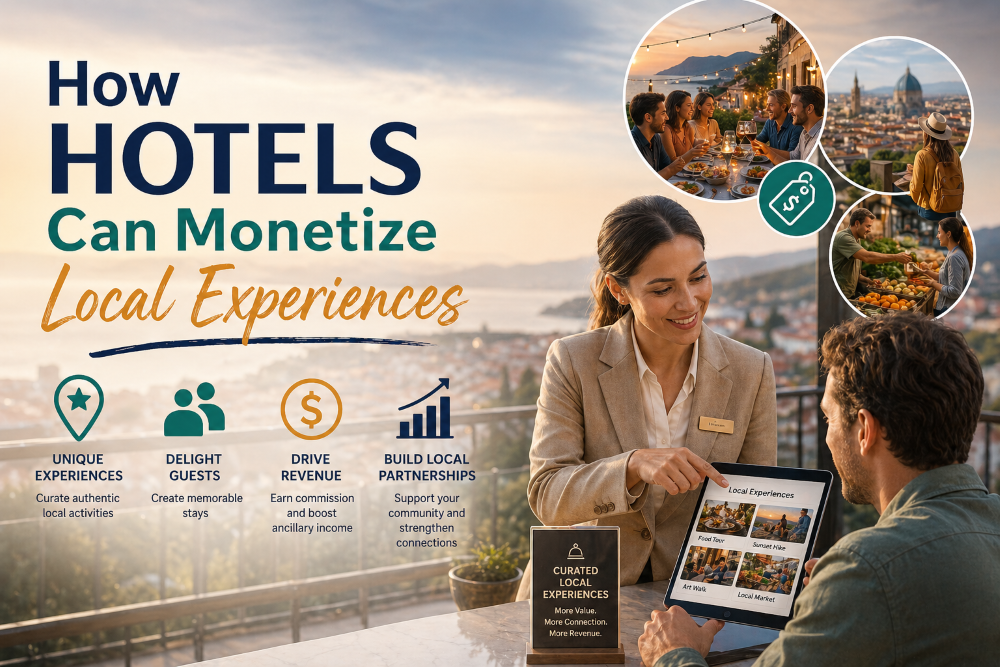
    • Host wellness retreats, workshops, or local tours.
    • Introduce signature dining experiences or wine tastings featuring local cuisine.
    • Create membership programs for frequent guests offering exclusive privileges.
    • Monetize common areas by hosting events, photoshoots, or pop-up stores.
    • Offer paid early check-in or late check-out options for flexibility.

    These initiatives increase average revenue per guest and elevate the overall guest experience.

    9. Focus on Sustainability

    Sustainability is not just an ethical choice—it’s a business differentiator. Travelers today prefer eco-conscious brands, and boutique hotels can leverage this trend to enhance brand appeal and attract new segments.

    Sustainability Practices:

    • Use eco-friendly amenities and reduce plastic waste.
    • Partner with local suppliers for food and décor.
    • Implement energy-efficient lighting and water systems.
    • Promote your green initiatives in marketing materials and on booking platforms.

    Eco-friendly operations not only reduce costs but also build long-term guest loyalty.

    10. Leverage Technology and Automation

    Technology streamlines operations and enhances guest satisfaction. From automated check-ins to AI-powered chatbots, boutique hotels can use digital tools to improve efficiency without losing their personal touch.

    Tech-Driven Solutions:

    • Use cloud-based Property Management Systems (PMS) for seamless operations.
    • Implement smart room technologies like keyless entry and digital concierge services.
    • Use automated upselling tools to suggest add-ons during the booking process.
    • Integrate BookSmart’s analytics and booking tools for unified management and decision-making.

    Technology frees up your staff to focus on what truly matters—creating memorable guest experiences.

    Conclusion

    Revenue growth for boutique hotels is not about cutting corners—it’s about working smarter, understanding guest expectations, and leveraging technology effectively. By combining personalization, data-driven strategy, and innovative digital tools, boutique hotels can achieve consistent growth while preserving their signature identity.

    At BookSmart, we believe every boutique hotel has the potential to thrive in a digital-first world. Our intelligent booking, analytics, and revenue management solutions help hotels unlock new revenue opportunities, enhance guest satisfaction, and future-proof their business.

    Grow smarter with BookSmart—your trusted partner in boutique hospitality success.

  • How Hotels Can Improve Their Online Reputation

    How Hotels Can Improve Their Online Reputation

    In the digital age, a hotel’s reputation doesn’t just depend on luxurious interiors or attentive service — it’s shaped by what people say about it online. From guest reviews and social media comments to Google ratings, every online interaction contributes to a hotel’s public image. A strong online reputation is not just a marketing advantage; it’s a business necessity.

    At BookSmart, we understand that managing your online reputation is as critical as managing your guests’ in-person experience. In this article, we’ll explore how hotels can build, protect, and enhance their online reputation, driving more bookings and long-term brand loyalty.

    1. Understand Why Online Reputation Matters

    Before diving into strategies, it’s essential to understand why online reputation is so powerful.

    • Over 90% of travelers read online reviews before booking a hotel.
    • A single negative review can deter potential guests from choosing your property.
    • Positive feedback, on the other hand, can increase bookings by up to 30%.

    Your online reputation is essentially your digital word-of-mouth. Whether it’s TripAdvisor, Google, Booking.com, or social media, guests rely on these platforms to make decisions. That’s why managing your digital image must be a top priority.

    2. Monitor Your Online Presence Regularly

    The first step to improving your reputation is knowing what people are saying about you. Continuous monitoring across multiple platforms is crucial.

    Tools like Google Alerts, Review Trackers, or BookSmart’s Reputation Insights can help hotels track mentions, analyze sentiments, and respond promptly.

    By keeping an eye on reviews, comments, and ratings, hotels can identify recurring issues and address them proactively before they escalate.

    Tip: Assign a dedicated team member to check and respond to reviews daily — it shows guests you care.

    3. Encourage Genuine Guest Reviews

    Online reviews are the backbone of a hotel’s digital reputation. However, many hotels fail to encourage satisfied guests to share their experiences.

    You can improve review volume and quality by:

    • Sending automated post-stay emails requesting feedback.
    • Providing incentives like discounts on future stays or free upgrades.
    • Displaying QR codes in rooms or lobbies that link directly to review platforms.

    Authentic, positive reviews balance out the occasional negative one and boost your hotel’s visibility on search engines and booking sites.

    BookSmart Tip: Create a seamless guest journey — when people have a smooth, memorable experience, they’re far more likely to leave glowing reviews.

    4. Respond to All Reviews — Especially the Negative Ones

    Ignoring reviews, especially negative ones, can harm your hotel’s image. A polite and empathetic response can turn a dissatisfied guest into a loyal customer — and demonstrate professionalism to future guests.

    Here’s how to respond effectively:

    • Acknowledge the concern.
    • Apologize sincerely for the inconvenience.
    • Offer a solution or invite them to discuss it privately.

    Example:

    “Dear [Guest Name], thank you for your feedback. We’re sorry to hear about your experience with [specific issue]. Our team has already taken steps to ensure it doesn’t happen again. We’d love the opportunity to welcome you back for a better experience.”

    Responding publicly shows accountability — a trait that builds trust with potential guests.

    5. Optimize Your Hotel’s Website and Profiles

    A hotel’s online presence goes beyond review sites. Your website, Google Business Profile, and social media pages are all reflections of your brand.

    Make sure they are:

    • Up-to-date with accurate information, images, and contact details.
    • Visually appealing, showcasing the property, rooms, and amenities.
    • Mobile-friendly, as most travelers research on smartphones.

    BookSmart recommends integrating your booking system, reviews, and virtual tours directly into your website. This reduces friction for guests and enhances credibility.

    6. Leverage Social Media Smartly

    Social media platforms like Instagram, Facebook, and X (formerly Twitter) play a significant role in shaping perceptions. Guests often share their travel experiences, tag locations, and post photos — all of which influence your online image.

    Hotels should:

    • Post high-quality visuals and behind-the-scenes moments.
    • Engage with followers through polls, contests, and Q&A sessions.
    • Repost user-generated content to build authenticity.

    For example, if a guest shares a stunning photo from your rooftop, repost it with a thank-you note. Such small gestures humanize your brand and foster a sense of community.

    7. Manage and Prevent Negative Experiences Early

    The best way to handle negative reviews is to prevent them from happening in the first place.

    Hotels can do this by:

    • Providing consistent staff training in hospitality and communication.
    • Using guest feedback forms during check-out to address issues immediately.
    • Monitoring in-stay satisfaction through quick surveys or WhatsApp check-ins.

    BookSmart’s smart feedback system allows hoteliers to detect guest dissatisfaction early — helping staff take corrective action before it turns into a public complaint.

    8. Invest in Online Reputation Management (ORM) Tools

    Manually tracking and managing feedback across dozens of platforms can be overwhelming. This is where ORM tools come in handy.

    These platforms use AI-based analytics to:

    • Track reviews across sites.
    • Measure guest sentiment.
    • Provide actionable insights to improve service quality.

    BookSmart’s ORM solutions help hotels monitor their reputation in real time, automate responses, and generate performance reports — ensuring every guest’s voice is heard.

    9. Showcase Positive Feedback Across Channels

    Don’t let your best reviews sit unnoticed on third-party platforms. Highlight them on your website, social media pages, and promotional materials.

    For example:

    • Create a “Guest Stories” section on your website.
    • Use positive testimonials in email marketing campaigns.
    • Feature guest quotes in Instagram highlights or reels.

    This reinforces credibility and encourages potential guests to trust your brand.

    10. Focus on Consistency and Authenticity

    Your hotel’s online reputation is built over time. Maintaining consistency in communication, service quality, and brand messaging is essential.

    Guests value authentic experiences — not just polished advertisements. Share real stories about your team, sustainability initiatives, or local partnerships. These create emotional connections that enhance your digital reputation.

    At BookSmart, we believe that authenticity breeds loyalty. A hotel that genuinely cares about its guests, both online and offline, will always stand out.

    Conclusion

    Improving a hotel’s online reputation is not a one-time task — it’s an ongoing process that requires attentiveness, transparency, and innovation. From responding to reviews and managing social media to leveraging smart reputation tools, every small effort contributes to building trust and driving more bookings.

    BookSmart empowers hotels with technology-driven solutions that make reputation management easier and more effective. By combining intelligent analytics, guest engagement tools, and digital marketing expertise, BookSmart helps hotels turn guest feedback into growth opportunities.

    Your reputation is your most valuable asset. Nurture it wisely — and let BookSmart help you shine brighter in the digital world.

  • Digital Marketing Tips for Hotels: How BookSmart Helps You Attract and Retain Guests

    Digital Marketing Tips for Hotels: How BookSmart Helps You Attract and Retain Guests

    In today’s competitive hospitality industry, having a strong digital presence is no longer optional — it’s essential. Travelers no longer rely solely on brochures or travel agents; they discover, evaluate, and book hotels online. This makes digital marketing the most powerful tool for hotels to connect with potential guests, build trust, and boost bookings.

    Whether you manage a boutique property, a luxury resort, or a budget hotel, strategic digital marketing can elevate your brand visibility, drive direct bookings, and strengthen customer loyalty. In this article, we’ll explore practical digital marketing tips for hotels and explain how BookSmart can help you implement them effectively.

    1. Build a Strong, User-Friendly Website

    Your website is your hotel’s digital front door. It should be fast, mobile-friendly, and easy to navigate. Most travelers browse and book using smartphones, so responsive design is critical.

    Make sure your site highlights:

    • High-quality images of rooms, amenities, and surroundings
    • A seamless booking engine with clear pricing
    • Compelling call-to-actions like “Book Now” or “Check Availability”
    • Guest reviews and testimonials for social proof
    • Optimized page speed and secure payment gateways

    BookSmart helps hotels design conversion-focused websites optimized for both SEO and user experience (UX) — ensuring visitors stay longer and are more likely to book directly rather than through third-party OTAs.

    2. Optimize for Local SEO

    When potential guests search online for “best hotels near me” or “budget hotels in Kolkata,” your goal should be to appear at the top of those results. That’s where Local SEO (Search Engine Optimization) comes in.

    To improve your local visibility:

    • Create and verify your Google Business Profile
    • Add accurate location details, contact information, and operating hours
    • Encourage satisfied guests to leave positive Google reviews
    • Use local keywords (e.g., “luxury resort in Goa” or “family hotel near Digha beach”)
    • Include location-based schema markup and backlinks from local directories

    With BookSmart’s SEO optimization tools, hotels can rank higher in Google Maps and local search results, attracting nearby travelers and last-minute bookers.

    3. Leverage Social Media Marketing

    Social media is where travelers find inspiration. Platforms like Instagram, Facebook, and YouTube allow hotels to showcase their ambiance, hospitality, and guest experiences visually.

    Some effective strategies include:

    • Posting aesthetic photos of your property and local attractions
    • Sharing behind-the-scenes stories and staff highlights
    • Running Facebook and Instagram ads targeted by demographics or location
    • Collaborating with travel influencers to expand reach
    • Hosting giveaway contests or sharing guest-generated content

    BookSmart’s social media management solutions help you create engaging posts, schedule them consistently, and analyze performance metrics — so your hotel always stays connected with potential guests.

    4. Use Content Marketing to Tell Your Story

    Content marketing builds trust and positions your hotel as a travel expert. Start a blog or resource page where you share travel tips, local experiences, and hotel updates.

    Example topics include:

    • “Top 10 Things to Do Near Our Hotel”
    • “A Weekend Getaway Guide to [Your Location]”
    • “Best Food Spots Near Our Property”

    Adding SEO-optimized articles with relevant keywords increases your website traffic and helps your hotel appear in Google search results.

    BookSmart’s content creation team can craft well-researched blogs, press releases, and newsletters that improve brand credibility and drive organic traffic.

    5. Invest in Paid Advertising (PPC & Meta Ads)

    While organic growth takes time, paid ads offer quick visibility. Platforms like Google Ads and Meta Ads (Facebook & Instagram) let you target specific audiences searching for accommodations.

    Here’s how to maximize ROI:

    • Use geo-targeting to reach travelers in specific regions
    • Create seasonal campaigns during peak travel times
    • Retarget users who visited your site but didn’t book
    • Promote limited-time offers or exclusive discounts

    BookSmart’s performance marketing experts use data-driven ad campaigns that convert clicks into bookings — ensuring every rupee spent generates measurable returns.

    6. Encourage and Manage Online Reviews

    In hospitality, reputation is everything. Before booking, travelers read online reviews to ensure quality and reliability.

    To build a positive image:

    • Encourage happy guests to leave reviews on Google, TripAdvisor, and Booking.com
    • Respond politely to both positive and negative feedback
    • Use feedback to improve service quality and guest satisfaction

    BookSmart’s reputation management system helps hotels monitor and reply to reviews efficiently — turning every guest experience into an opportunity for brand growth.

    7. Implement Email Marketing for Guest Retention

    Email marketing remains one of the most cost-effective ways to build long-term relationships with guests.

    You can send:

    • Personalized welcome emails after booking
    • Special offers or discount codes for repeat stays
    • Birthday or anniversary greetings
    • Newsletters with updates on events, facilities, or local festivals

    BookSmart’s automation tools make it easy to send targeted, beautifully designed emails that nurture guest loyalty and encourage repeat bookings.

    8. Track, Analyze, and Optimize Performance

    Digital marketing only works when it’s measurable. Use analytics tools to track performance — website traffic, conversion rates, ad ROI, and customer behavior.

    BookSmart integrates analytics into every campaign, providing insights into:

    • Where your leads come from
    • Which marketing channels perform best
    • How to optimize content and ads for better conversion

    With data-backed decision-making, your hotel can continuously improve its marketing strategy for maximum impact.

    9. Collaborate with Online Travel Agencies (OTAs) — Strategically

    While direct bookings are ideal, OTAs like Booking.com, MakeMyTrip, and Expedia still drive visibility for hotels. However, avoid relying on them entirely. Use them to attract new guests, then focus on converting them into loyal, direct bookers through personalized communication and loyalty rewards.

    BookSmart helps you maintain a balanced OTA strategy, optimizing listings for visibility while strengthening direct booking channels.

    10. Showcase Your Hotel Through Video Marketing

    Videos are one of the most engaging marketing formats. A short clip showing your property’s views, rooms, amenities, and nearby attractions can create emotional appeal and attract more bookings.

    Use platforms like YouTube, Instagram Reels, and Facebook Stories to share these videos. You can also feature them on your website’s homepage for better engagement.

    BookSmart assists hotels with professional video production and promotion, ensuring your property stands out with high-quality visuals that inspire travelers to book.

    How BookSmart Empowers Hotels Digitally

    BookSmart isn’t just a marketing partner — it’s your hotel’s digital growth engine. With a full suite of services including website development, SEO, content creation, social media management, and online advertising, BookSmart ensures your property reaches the right audience at the right time.

    Our customized strategies are built around your brand story, location, and target market — helping you attract guests, build loyalty, and grow revenue.

    Final Thoughts

    In the evolving hospitality landscape, digital marketing is the key to hotel success. From local SEO to social media, every strategy plays a vital role in shaping how potential guests perceive your brand.

    With the right tools and expert guidance from BookSmart, your hotel can transform its online presence into a powerful booking magnet — driving growth, visibility, and guest satisfaction like never before.

  • Best Practices for Hotel Customer Service – Insights from BookSmart

    Best Practices for Hotel Customer Service – Insights from BookSmart

    In the hospitality industry, customer service is more than a department — it’s the heartbeat of every successful hotel. From the moment a guest books a room to the time they check out, every interaction shapes their perception of the brand. Exceptional customer service can turn a one-time visitor into a loyal guest, while poor service can harm a hotel’s reputation irreversibly.

    At BookSmart, we believe that superior customer service is the foundation of sustainable growth in the hotel industry. With years of experience supporting hospitality brands, we’ve identified proven strategies that help hotels build trust, delight guests, and increase repeat bookings.

    In this article, we’ll explore the best practices for hotel customer service and how implementing them can elevate your guests’ experience and your brand’s reputation.

    1. Prioritize the Guest Experience Above All

    The essence of great customer service lies in understanding that every guest interaction matters. Whether it’s a front-desk greeting, a housekeeping request, or an online inquiry, guests should always feel valued and respected.

    BookSmart’s Tip:
    Train your staff to anticipate guest needs rather than react to them. For example, if a family checks in with small children, offering extra towels or suggesting family-friendly activities shows genuine care and attention. Personalized gestures like these create emotional connections that guests remember.

    2. Empower Your Employees

    Your employees are the face of your hotel. Empowering them to make decisions independently fosters accountability and improves service speed. When staff members feel trusted, they are more motivated to deliver excellent service.

    Best Practice:
    Provide clear service guidelines but allow flexibility for problem-solving. For instance, if a guest complains about noise, empower front-desk agents to offer a room change or complimentary service without waiting for managerial approval.

    At BookSmart, we emphasize employee autonomy because quick and empathetic responses make guests feel prioritized.

    3. Embrace Technology to Enhance Service

    Modern travelers expect seamless digital experiences. From online check-ins to mobile room keys and AI-powered chatbots, technology can make every step of the guest journey faster and more convenient.

    BookSmart’s Recommendation:
    Use an integrated Property Management System (PMS) to streamline booking, billing, and housekeeping operations. Implement guest messaging apps that allow real-time communication before, during, and after the stay.

    Smart technology not only saves time but also allows staff to focus on delivering more personalized, human-centered experiences.

    4. Personalization Is Key

    Today’s guests crave experiences tailored to their preferences. Personalization goes beyond using a guest’s name — it’s about remembering their preferences and anticipating needs.

    Examples of Personalization:

    • Greeting returning guests with their favourite beverage.
    • Offering room upgrades for special occasions.
    • Recommending activities based on previous stays.

    BookSmart’s Insight:
    Use your CRM data wisely. Tracking guest preferences, dietary restrictions, and booking patterns helps you craft personalized offers that strengthen loyalty and satisfaction.

    5. Consistency Across All Touchpoints

    Whether a guest contacts your hotel via email, phone, or social media, their experience should feel seamless and consistent. Inconsistency creates confusion and damages trust.

    Best Practice:
    Develop a customer service standard manual that outlines tone, response time, and etiquette for all communication channels.

    At BookSmart, we help hotels design standard operating procedures (SOPs) that maintain consistency across teams, ensuring every interaction reflects the brand’s values.

    6. Listen Actively and Respond Promptly

    Listening is one of the most underrated yet powerful aspects of customer service. Guests often provide valuable feedback — both positive and negative — that can guide improvement.

    Action Steps:

    • Encourage guests to share feedback through surveys or digital forms.
    • Monitor review platforms like TripAdvisor and Google Reviews.
    • Respond to all feedback — even negative ones — with professionalism and empathy.

    BookSmart Advice:
    Responding promptly to online reviews shows that you value guest opinions. A thoughtful response to a complaint can often turns a dissatisfied guest into a loyal advocate.

    7. Create a Culture of Continuous Training

    Customer expectations evolve, and so should your staff’s skills. Regular training ensures employees stay updated on communication etiquette, cultural sensitivity, and hospitality trends.

    BookSmart Recommends:

    • Conduct monthly workshops on service excellence.
    • Include role-playing exercises for handling difficult guests.
    • Recognize and reward outstanding service.

    By nurturing a learning culture, you equip your team to handle any situation with confidence and grace.

    8. Manage Complaints with Care

    No matter how exceptional your service is, complaints are inevitable. The key lies in how they’re managed. Guests often judge a hotel not by the absence of problems, but issues are resolved.

    Best Practice Framework – L.E.A.R.N.:

    • Listen carefully to the concern.
    • Empathize with the guest’s experience.
    • Apologize sincerely.
    • Resolve the issue quickly.
    • Notify the guest of the outcome.

    BookSmart Insight:
    A quick, transparent response not only resolves the problem but also demonstrates professionalism and care — essential traits for long-term guest loyalty.

    9. Focus on Cleanliness and Comfort

    Post-pandemic travelers are particularly conscious about hygiene and safety. Maintaining spotless rooms, sanitized facilities, and well-maintained amenities is non-negotiable.

    BookSmart’s Advice:
    Use digital housekeeping systems to track cleaning schedules and quality checks. A clean, well-maintained environment reinforces trust and enhances the overall guest experience.

    10. Foster a Culture of Hospitality

    Customer service excellence starts from within. When employees feel respected, supported, and appreciated, that positivity radiates to guests.

    BookSmart Belief:
    Encourage open communication within your team. Celebrate milestones, share success stories, and recognize exceptional service. A happy team creates happy guests.

    11. Use Data to Continuously Improve

    Hotels generate valuable data from bookings, guest feedback, and operational systems. Analyzing this data helps identify trends, pain points, and opportunities for improvement.

    BookSmart’s Approach:
    We help hotels implement data-driven decision-making tools to improve service efficiency, pricing strategies, and guest satisfaction metrics. This continuous improvement mindset ensures that your customer service evolves with market demands.

    12. Go the Extra Mile

    Ultimately, great service is about going beyond expectations. Small gestures like handwritten notes, complimentary upgrades, or remembering a guest’s anniversary can make a lasting impression.

    BookSmart’s Golden Rule:
    Treat every guest as if they were your most important one. A little extra effort often turns ordinary stays into extraordinary experiences.

    Conclusion

    Exceptional customer service isn’t a one-time achievement — it’s a continuous commitment to excellence. From personalization and technology integration to staff empowerment and proactive communication, each element plays a vital role in shaping guest satisfaction.

    At BookSmart, we help hotels elevate their service standards through innovative solutions, staff training, and guest experience optimization. When you prioritize people over process and hospitality over routine, you don’t just serve customers — you create loyal advocates for your brand.