Author: admin

  • Wearable Tech for Staff: Improving Safety and Communication for Housekeeping

    Wearable Tech for Staff: Improving Safety and Communication for Housekeeping

    Housekeeping teams are the backbone of hotel operations. They ensure cleanliness, hygiene, and comfort—elements that directly influence guest satisfaction and brand reputation. Despite their critical role, housekeeping staff often work behind the scenes, facing physically demanding tasks, time pressure, and safety risks. As the hospitality industry embraces digital transformation, wearable technology is emerging as a powerful solution to improve safety, communication, and efficiency for housekeeping teams.

    This article explores how wearable tech is reshaping housekeeping operations, enhancing employee well-being, and future-proofing hotel workforce management.

    Understanding Wearable Technology in Hospitality

    Wearable technology refers to smart electronic devices worn on the body that collect data, enable communication, and support real-time decision-making. In hospitality, wearables are increasingly designed to support frontline staff, especially housekeeping teams.

    Common wearable devices used in hotels include:

    • Smartwatches
    • Smart badges
    • Panic buttons
    • Location-tracking wearables
    • Health and activity monitors

    These devices integrate with hotel systems to create safer, more connected work environments.

    Why Housekeeping Needs Wearable Technology

    Housekeeping staff face unique operational challenges that make wearable technology especially valuable.

    High-Risk Work Environment

    Housekeepers often work alone in guest rooms, increasing vulnerability to accidents or unsafe situations.

    Physical Strain

    Repetitive movements, lifting, and long shifts can lead to fatigue and injury.

    Communication Gaps

    Traditional communication methods are slow and ineffective during peak operational hours.

    Labor Shortages

    Hotels need ways to maintain productivity and safety with smaller teams.

    Wearable tech addresses these challenges by enabling proactive support and real-time communication.

    Improving Safety with Wearable Technology

    Safety is the most critical benefit of wearable technology for housekeeping staff.

    1. Emergency Alerts and Panic Buttons

    Wearable panic buttons allow staff to instantly alert management or security during emergencies.

    Benefits include:

    • Immediate response to unsafe situations
    • Enhanced employee confidence
    • Reduced response times
    • Compliance with workplace safety regulations

    These devices are especially valuable for lone workers.

    2. Real-Time Location Tracking

    Location-enabled wearables help managers:

    • Locate staff quickly during emergencies
    • Monitor high-risk zones
    • Improve response coordination

    This feature enhances safety without being intrusive when used responsibly.

    3. Health Monitoring and Fatigue Management

    Some wearables track:

    • Heart rate
    • Activity levels
    • Movement patterns

    This data helps identify fatigue risks and supports healthier work scheduling.

    Enhancing Communication Across Housekeeping Teams

    Effective communication is essential for smooth housekeeping operations.

    1. Instant Task Updates

    Wearables allow housekeeping staff to receive:

    • Room status updates
    • Priority cleaning requests
    • Maintenance alerts

    This eliminates delays caused by manual coordination.

    2. Hands-Free Communication

    Voice-enabled wearables enable staff to:

    • Communicate without stopping work
    • Respond to supervisors quickly
    • Maintain focus and productivity

    Hands-free communication reduces errors and improves efficiency.

    3. Multilingual Support

    Some wearable systems offer language translation features, helping diverse teams communicate more effectively.

    Boosting Productivity and Operational Efficiency

    Wearable tech helps streamline housekeeping workflows.

    Optimized Task Allocation

    Data from wearables allows managers to:

    • Assign tasks based on availability
    • Reduce unnecessary movement
    • Balance workloads fairly

    This leads to faster room turnaround times.

    Reduced Downtime

    Real-time alerts ensure staff are informed immediately about:

    • Early check-outs
    • Room changes
    • Guest requests

    This minimizes idle time and improves operational flow.

    Supporting Staff Well-Being and Morale

    Technology adoption should enhance, not replace, human care.

    Empowering Employees

    When staff feel safer and better supported, confidence and job satisfaction improve.

    Reducing Stress and Burnout

    Clear communication and realistic workloads reduce physical and mental strain.

    Building Trust

    Transparent policies around data use help staff trust wearable technology initiatives.

    Data-Driven Insights for Better Management

    Wearable tech generates valuable operational data.

    Hotels can analyze:

    • Task completion times
    • Movement patterns
    • Incident reports
    • Workload distribution

    These insights help optimize staffing levels and improve training programs.

    Integration with Hotel Systems

    For maximum impact, wearable tech should integrate seamlessly with:

    • Property management systems (PMS)
    • Housekeeping management software
    • Maintenance systems
    • Security platforms

    Integrated systems create a unified operational ecosystem.

    Addressing Privacy and Ethical Considerations

    Privacy is a key concern in wearable technology adoption.

    Hotels must:

    • Clearly communicate data usage policies
    • Limit data collection to operational needs
    • Ensure compliance with labor and privacy laws
    • Use data ethically and transparently

    Employee trust is essential for successful implementation.

    Challenges in Implementing Wearable Tech

    Despite its benefits, wearable tech adoption presents challenges.

    Initial Investment Costs

    Hardware, software, and training require upfront investment.

    Change Resistance

    Staff may be hesitant to adopt new technology.

    Technical Reliability

    Devices must be durable and user-friendly in demanding environments.

    These challenges can be overcome with phased rollouts and employee involvement.

    Best Practices for Successful Adoption

    Hotels can maximize success by:

    • Involving housekeeping staff early
    • Providing hands-on training
    • Piloting programs before full rollout
    • Collecting feedback and making adjustments
    • Ensuring leadership support

    A people-first approach ensures technology adoption adds real value.

    Future of Wearable Technology in Housekeeping

    Wearable technology will continue to evolve.

    Future developments may include:

    • AI-powered safety alerts
    • Predictive fatigue detection
    • Smart uniforms with embedded sensors
    • Enhanced voice and gesture controls

    These innovations will further enhance safety and efficiency.

    Wearable Tech as a Competitive Advantage

    Hotels that invest in staff safety and communication gain:

    • Higher employee retention
    • Improved service consistency
    • Stronger employer branding
    • Better guest satisfaction

    Happy, supported staff deliver better guest experiences.

    Conclusion

    Wearable technology is transforming housekeeping operations by improving safety, communication, and workforce efficiency. By empowering staff with real-time support and data-driven insights, hotels can create safer work environments while maintaining high service standards. When implemented ethically and thoughtfully, wearable tech strengthens both employee well-being and operational resilience.

    At Booksmart, we believe that the future of hospitality depends on caring for the people who make exceptional service possible. Wearable technology is not just an operational upgrade—it is an investment in the safety, dignity, and success of housekeeping professionals.

  • Answer Engine Optimization (AEO): Preparing Your Hotel for AI Search Results

    Answer Engine Optimization (AEO): Preparing Your Hotel for AI Search Results

    The way travelers search for hotels is changing faster than ever. Traditional search engines that display a list of blue links are gradually giving way to AI-powered answer engines such as Google’s AI Overviews, voice assistants, and generative search platforms. Instead of scrolling through multiple websites, users now expect direct, accurate answers to their questions—often without clicking through to a website at all.

    For the hospitality industry, this shift represents both a challenge and an opportunity. Hotels that rely only on traditional SEO strategies risk losing visibility, while those that adapt to Answer Engine Optimization (AEO) can gain a powerful competitive advantage. This article explores what AEO is, why it matters for hotels, and how hospitality brands can prepare for AI-driven search results.

    Understanding Answer Engine Optimization (AEO)

    Answer Engine Optimization (AEO) is the practice of structuring and presenting content so that AI-driven platforms can easily understand, extract, and deliver it as a direct answer to user queries.

    Unlike traditional SEO, which focuses on ranking web pages, AEO focuses on:

    • Providing concise, authoritative answers
    • Structuring content for AI comprehension
    • Optimizing for conversational and voice-based queries
    • Becoming the “trusted source” AI systems rely on

    In an AI-first search environment, visibility is no longer just about rankings—it’s about being the answer.

    Why AEO Matters for the Hospitality Industry

    Hospitality is inherently question-driven. Travelers search for information at every stage of their journey.

    Common hotel-related queries include:

    • “Which hotel near the airport offers free shuttle service?”
    • “Is this hotel family-friendly?”
    • “What are the best boutique hotels in the city center?”
    • “Does the hotel offer late check-out?”

    AI search tools aim to answer these questions instantly. If your hotel content is not optimized for AEO, AI platforms may source answers from competitors, OTAs, or third-party websites instead.

    From SEO to AEO: What Has Changed?

    Traditional SEO focused on:

    • Keywords and backlinks
    • Page rankings
    • Traffic generation

    AEO focuses on:

    • Intent-based queries
    • Context and clarity
    • Structured data and semantic understanding
    • Trust and authority

    For hotels, this means shifting from keyword stuffing to answer-focused content that clearly addresses guest questions.

    How AI Search Engines Choose Answers

    AI-powered search systems analyze multiple signals to select answers, including:

    • Content clarity and relevance
    • Structured data (schema markup)
    • Authority and credibility
    • Consistency across platforms
    • User engagement signals

    Hotels that present clear, structured, and trustworthy information are more likely to be featured in AI-generated responses.

    Key AEO Strategies for Hotels

    To prepare for AI search results, hotels must rethink their content and digital presence.

    1. Optimize for Guest Questions, Not Just Keywords

    AI search thrives on natural language queries.

    Hotels should identify:

    • Frequently asked guest questions
    • Long-tail, conversational search phrases
    • Voice-search style queries

    Examples:

    • “What amenities does the hotel offer for business travelers?”
    • “Is breakfast included in the room rate?”
    • “How far is the hotel from popular attractions?”

    Creating content that directly answers these questions increases AEO visibility.

    2. Create Clear and Concise Answer-Based Content

    AI engines favor content that delivers clear answers quickly.

    Best practices include:

    • Using short paragraphs
    • Writing in simple, conversational language
    • Placing direct answers near the top of the page
    • Avoiding unnecessary jargon

    Hotels should think like an AI assistant: What is the most helpful answer for the guest?

    3. Structure Content with Headings and FAQs

    Well-structured content helps AI systems understand context.

    Use Clear Headings

    Each section should answer a specific question, such as:

    • “Does the hotel offer airport transfers?”
    • “What dining options are available on-site?”

    Develop Comprehensive FAQ Pages

    FAQ sections are particularly valuable for AEO because they:

    • Match conversational queries
    • Provide direct answers
    • Improve AI extractability

    A strong FAQ strategy can significantly boost a hotel’s presence in AI-generated results.

    4. Implement Structured Data (Schema Markup)

    Structured data helps AI systems interpret hotel information accurately.

    Hotels should implement schema for:

    • Hotel details
    • Room types
    • Amenities
    • Pricing
    • Reviews and ratings
    • Location and contact information

    Schema markup increases the likelihood of content being featured in rich results, AI summaries, and voice responses.

    5. Optimize for Voice Search and Conversational AI

    Voice search plays a major role in AEO.

    Guests using voice assistants tend to:

    • Ask longer questions
    • Use natural language
    • Expect immediate answers

    Hotels should:

    • Use conversational phrasing
    • Focus on “who, what, where, when, and how” queries
    • Ensure mobile-friendly website design

    Voice-optimized content improves visibility across AI-driven platforms.

    6. Strengthen Local AEO for Hotels

    Most hotel searches are location-based.

    To improve local AEO:

    • Keep Google Business Profile updated
    • Ensure consistent NAP (name, address, phone) details
    • Optimize for “near me” queries
    • Include local landmarks and attractions in content

    AI systems prioritize accurate local information when answering travel-related queries.

    7. Build Authority and Trust Signals

    AI engines favor reliable sources.

    Hotels can strengthen authority by:

    • Publishing expert-led content
    • Maintaining accurate and up-to-date information
    • Earning positive reviews
    • Being consistent across platforms

    Trustworthiness increases the likelihood of being chosen as an AI answer source.

    8. Optimize Hotel Content Beyond the Website

    AI engines pull information from multiple sources, not just hotel websites.

    Hotels should ensure consistency across:

    • Online travel agencies (OTAs)
    • Review platforms
    • Social media profiles
    • Local directories

    Inconsistent information reduces AI confidence and visibility.

    9. Focus on Experience-Based Content

    AI search increasingly highlights experiential information.

    Hotels should create content around:

    • Unique guest experiences
    • Wellness offerings
    • Culinary highlights
    • Cultural and local experiences

    Experience-driven answers help hotels stand out in AI-generated summaries.

    10. Monitor Performance in an AI-Driven Search Landscape

    Traditional analytics may not fully capture AEO performance.

    Hotels should track:

    • Featured snippets and AI mentions
    • Voice search visibility
    • Engagement quality, not just traffic
    • Brand mentions in AI-generated answers

    Continuous optimization is essential as AI algorithms evolve.

    Challenges of AEO for Hotels

    While AEO offers opportunities, it also presents challenges:

    • Reduced direct website traffic
    • Increased competition for “answer space”
    • Dependence on AI interpretation
    • Need for constant content updates

    However, hotels that adapt early can shape how AI platforms present their brand.

    The Strategic Advantage of Early AEO Adoption

    Hotels that invest in AEO gain:

    • Higher visibility in AI-driven search
    • Stronger brand authority
    • Increased trust among travelers
    • Better alignment with future search behavior

    AEO ensures hotels remain discoverable even as search engines evolve.

    The Future of Search in Hospitality

    As AI continues to advance, search will become:

    • More conversational
    • More personalized
    • More predictive

    Hotels must shift from being “search-optimized” to being answer-ready.

    Those that provide clear, trustworthy, and guest-focused answers will dominate AI-driven discovery channels.

    Conclusion

    Answer Engine Optimization is redefining how hotels are discovered online. In an era where AI search engines deliver instant answers, hotels must adapt their digital strategies to remain visible, relevant, and competitive. By focusing on guest questions, structured content, authority, and conversational optimization, hotels can position themselves as trusted sources in AI-generated search results.

    At Booksmart, we believe AEO is not a replacement for SEO but its natural evolution. Hotels that prepare today will lead tomorrow’s AI-powered hospitality landscape—where being the best answer matters more than being the highest-ranking link.

  • Agentic AI: The Rise of AI “Agents” That Handle Complex Guest Service Tasks

    Agentic AI: The Rise of AI “Agents” That Handle Complex Guest Service Tasks

    The hospitality industry has always revolved around service, personalization, and human connection. However, as guest expectations grow more complex and operational pressures increase, hotels are turning to advanced technologies to enhance service delivery. Among the most transformative innovations shaping the future of hospitality is Agentic AI—intelligent AI “agents” capable of autonomously handling complex guest service tasks.

    Unlike traditional chatbots that simply respond to predefined questions, agentic AI systems can reason, plan, make decisions, and take action across multiple systems. These AI agents are redefining how hotels manage guest interactions, operations, and experiences at scale. This article explores the rise of agentic AI in hospitality, its benefits, applications, challenges, and long-term impact on guest service.

    Understanding Agentic AI in Hospitality

    Agentic AI refers to artificial intelligence systems designed to operate with a degree of autonomy. These AI agents are goal-oriented, context-aware, and capable of completing multi-step tasks without constant human input.

    In hospitality, agentic AI goes beyond answering questions. It can:

    • Understand guest intent
    • Access multiple hotel systems
    • Coordinate actions
    • Learn from outcomes
    • Adapt responses over time

    This marks a significant shift from reactive automation to proactive service intelligence.

    How Agentic AI Differs from Traditional Chatbots

    Traditional hotel chatbots are rule-based and limited in scope. They respond to specific keywords and often fail when conversations become complex.

    Agentic AI, on the other hand:

    • Understands context and nuance
    • Handles multi-turn conversations
    • Executes tasks across departments
    • Learns guest preferences
    • Makes real-time decisions

    This allows AI agents to deliver seamless and personalized guest experiences.

    Why Agentic AI Is Gaining Momentum in Hospitality

    Several industry trends are driving the adoption of agentic AI:

    Rising Guest Expectations

    Modern guests expect instant, personalized, and consistent service across digital and physical touchpoints.

    Labor Shortages

    Staffing challenges have pushed hotels to find ways to maintain service quality with fewer resources.

    Operational Complexity

    Hotels manage multiple systems—from PMS and CRM to housekeeping and revenue management. AI agents help connect these systems efficiently.

    24/7 Service Demand

    AI agents provide continuous support without fatigue, ensuring round-the-clock service availability.

    Key Applications of Agentic AI in Guest Service

    Agentic AI is transforming guest service across the entire guest journey.

    1. Intelligent Reservations and Booking Management

    AI agents can:

    • Handle complex booking inquiries
    • Recommend room types and packages
    • Adjust reservations based on availability
    • Apply loyalty benefits
    • Upsell relevant services

    These agents understand guest preferences and business rules, increasing conversion rates and revenue.

    2. Personalized Pre-Arrival Experience

    Before arrival, AI agents can:

    • Confirm guest preferences
    • Arrange airport transfers
    • Schedule spa or dining reservations
    • Provide destination recommendations

    This creates a personalized experience before the guest even steps into the hotel.

    3. Seamless Check-In and Check-Out

    Agentic AI can manage:

    • Contactless check-in
    • Digital room key distribution
    • Identity verification
    • Automated billing and check-out

    This reduces wait times while improving operational efficiency.

    4. In-Stay Guest Support and Issue Resolution

    During the stay, AI agents act as virtual concierges by:

    • Handling room service requests
    • Coordinating housekeeping
    • Troubleshooting in-room issues
    • Managing service recovery
    • Escalating complex cases to staff

    AI agents ensure faster resolution and consistent service quality.

    5. Proactive Service and Predictive Support

    Agentic AI can anticipate guest needs by analyzing behavior and data patterns.

    Examples include:

    • Offering late check-out proactively
    • Suggesting dining options during peak hours
    • Notifying maintenance before equipment fails

    Proactive service enhances guest satisfaction and loyalty.

    6. Multilingual and Cultural Support

    AI agents can communicate in multiple languages and adapt tone based on cultural context, ensuring inclusivity for global guests.

    This capability eliminates language barriers and enhances guest comfort.

    Operational Benefits of Agentic AI for Hotels

    Beyond guest service, agentic AI delivers measurable operational advantages.

    Improved Efficiency

    AI agents automate repetitive tasks, allowing staff to focus on high-value interactions.

    Cost Optimization

    Reduced manual workload helps control labor costs without sacrificing service quality.

    Consistency Across Touchpoints

    AI agents deliver standardized service aligned with brand guidelines.

    Data-Driven Insights

    Agentic AI continuously learns from interactions, providing insights into guest preferences and service gaps.

    Enhancing Human-AI Collaboration

    Agentic AI is not designed to replace human hospitality professionals but to support them.

    Empowering Staff

    AI agents handle routine requests, freeing staff to deliver empathetic, high-touch service.

    Reducing Burnout

    Automating repetitive tasks improves employee well-being and job satisfaction.

    Augmented Decision-Making

    AI provides real-time recommendations to staff, enhancing service quality.

    The future of hospitality lies in human-AI collaboration, not automation alone.

    Challenges and Considerations in Implementing Agentic AI

    While agentic AI offers significant benefits, hotels must address certain challenges.

    Data Privacy and Security

    AI agents require access to sensitive guest data. Robust cybersecurity and compliance with data protection regulations are essential.

    System Integration

    Successful deployment requires seamless integration with existing hotel systems.

    Change Management

    Staff training and cultural acceptance are critical to ensure smooth adoption.

    Maintaining the Human Touch

    Over-reliance on AI can risk depersonalization. Hotels must strike the right balance.

    Ethical and Responsible Use of Agentic AI

    Ethical AI practices are crucial in hospitality.

    Hotels should ensure:

    • Transparency in AI interactions
    • Clear escalation to human staff
    • Bias-free decision-making
    • Guest consent and data protection

    Responsible AI builds trust and protects brand integrity.

    The Role of Agentic AI in Revenue Growth

    Agentic AI contributes directly to revenue optimization by:

    • Upselling personalized services
    • Improving booking conversion
    • Reducing service recovery costs
    • Enhancing guest loyalty

    AI agents can identify revenue opportunities without being intrusive.

    Preparing Hotels for Agentic AI Adoption

    To successfully adopt agentic AI, hotels should:

    • Define clear use cases
    • Start with pilot implementations
    • Train staff alongside technology
    • Continuously monitor performance
    • Collect guest feedback

    Strategic implementation ensures long-term success.

    The Future of Agentic AI in Hospitality

    As AI technology continues to evolve, agentic AI will become more intuitive, emotionally aware, and adaptive.

    Future developments may include:

    • Emotionally intelligent AI agents
    • Fully autonomous guest journey management
    • Deeper integration with smart hotel ecosystems
    • Predictive experience design

    Hotels that adopt agentic AI early will gain a competitive edge in delivering exceptional guest experiences.

    Conclusion

    Agentic AI represents a powerful shift in how hotels deliver guest service. By enabling intelligent, autonomous, and proactive AI agents, hospitality businesses can meet rising guest expectations while improving operational efficiency and staff satisfaction. When implemented responsibly and thoughtfully, agentic AI enhances—not replaces—the human essence of hospitality.

    At Booksmart, we believe agentic AI will play a defining role in shaping the future of guest service. Hotels that embrace this technology today will be better positioned to deliver seamless, personalized, and memorable experiences in the hospitality landscape of tomorrow.

  • Future-Proofing the Hospitality Industry

    Future-Proofing the Hospitality Industry

    The hospitality industry has always been dynamic, shaped by changing traveler preferences, economic conditions, and technological advancements. However, in recent years, the pace of change has accelerated dramatically. Global disruptions, digital transformation, evolving guest expectations, sustainability concerns, and workforce challenges have forced hotels and hospitality businesses to rethink traditional operating models.

    To remain competitive and resilient, the industry must focus on future-proofing—the ability to adapt, innovate, and thrive in an uncertain and rapidly changing environment. This article explores key strategies hotels can adopt to future-proof the hospitality industry while maintaining exceptional guest experiences and long-term profitability.


    Understanding the Need for Future-Proofing in Hospitality

    Future-proofing in hospitality means building systems, strategies, and cultures that can withstand disruptions while staying relevant to modern travelers. It is not about predicting every challenge but about being flexible, resilient, and prepared.

    Key drivers pushing the need for future-proofing include:

    • Rapid technological advancements
    • Changing guest behavior and expectations
    • Increased competition from alternative accommodations
    • Workforce shortages and high turnover
    • Sustainability and environmental responsibility
    • Global health, economic, and geopolitical uncertainties

    Hotels that fail to adapt risk losing relevance in an increasingly experience-driven and tech-enabled market.


    Embracing Digital Transformation

    Technology is at the core of future-proof hospitality operations.

    Smart Technology Integration

    Hotels must move beyond basic automation and adopt smart technologies such as:

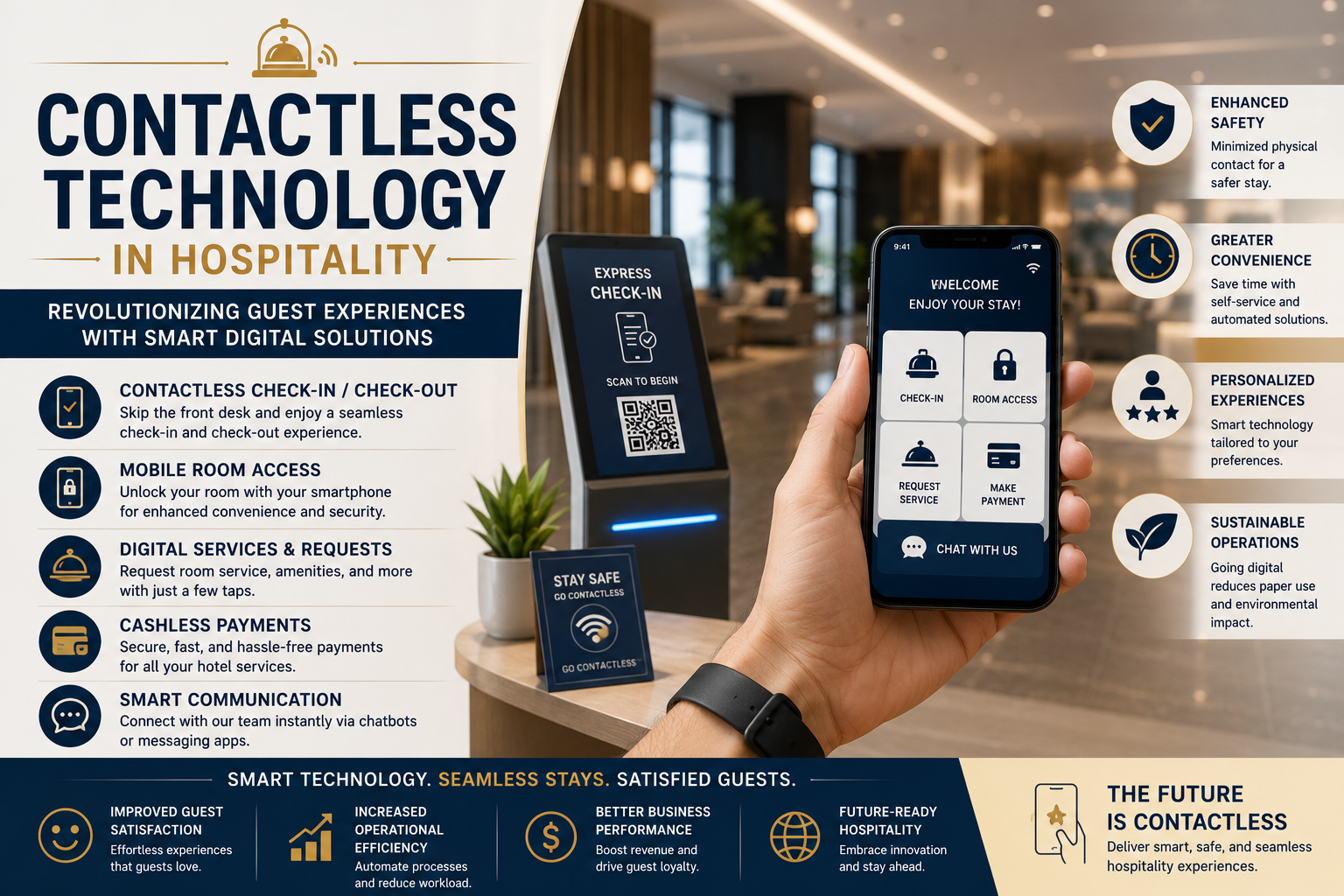
    • Contactless check-in and check-out
    • Mobile room keys
    • Smart room controls
    • AI-powered chatbots and virtual concierges

    These solutions improve efficiency, enhance guest convenience, and reduce operational costs.

    Data-Driven Decision Making

    Data analytics enables hotels to:

    • Understand guest preferences
    • Optimize pricing and revenue management
    • Forecast demand accurately
    • Improve marketing strategies

    Leveraging data helps hotels make informed decisions rather than relying on assumptions.


    Personalization as a Competitive Advantage

    The future of hospitality lies in personalization. Modern guests expect experiences tailored to their needs, preferences, and lifestyles.

    Hotels can personalize experiences through:

    • Customized room settings
    • Personalized welcome amenities
    • Tailored dining recommendations
    • Curated local experiences

    Using customer relationship management (CRM) systems and AI tools allows hotels to deliver personalized service consistently across touchpoints.


    Redefining Guest Experience Beyond Accommodation

    Future-proof hotels focus on experiences rather than just rooms.

    Experience-Centric Hospitality

    Hotels can differentiate themselves by offering:

    • Cultural immersion programs
    • Wellness retreats
    • Culinary storytelling experiences
    • Community-driven events

    Guests increasingly value memorable moments over material luxury.

    Blending Work, Leisure, and Lifestyle

    With the rise of remote work and digital nomads, hotels must adapt by offering:

    • Co-working spaces
    • High-speed connectivity
    • Flexible long-stay options

    This hybrid approach appeals to a new generation of travelers.


    Sustainability as a Core Business Strategy

    Sustainability is no longer optional—it is a business imperative.

    Eco-Friendly Operations

    Hotels can future-proof operations by adopting:

    • Energy-efficient systems
    • Water conservation practices
    • Waste reduction programs
    • Plastic-free initiatives

    These practices reduce costs and appeal to environmentally conscious guests.

    Responsible Tourism and Community Engagement

    Supporting local communities through:

    • Local sourcing
    • Fair employment practices
    • Cultural preservation

    creates long-term value for both hotels and destinations.

    Sustainability strengthens brand trust and ensures long-term viability.


    Building a Resilient Workforce

    People remain the heart of hospitality, making workforce resilience critical to future-proofing.

    Addressing Talent Shortages

    Hotels must rethink recruitment and retention strategies by:

    • Offering competitive compensation
    • Providing career growth opportunities
    • Promoting work-life balance

    Continuous Training and Upskilling

    Future-ready employees need skills in:

    • Technology usage
    • Emotional intelligence
    • Cross-cultural communication
    • Crisis management

    Investing in staff development ensures service excellence even during change.


    Fostering Diversity, Equity, and Inclusion

    A diverse and inclusive workforce strengthens organizational resilience.

    Benefits include:

    • Better guest understanding
    • Enhanced innovation
    • Improved employee engagement
    • Stronger employer branding

    Hotels that promote inclusivity reflect global values and attract both guests and talent.


    Enhancing Crisis Preparedness and Risk Management

    The hospitality industry is vulnerable to unexpected disruptions. Future-proofing requires proactive risk management.

    Crisis Communication Planning

    Hotels must develop clear communication strategies to handle:

    • Health emergencies
    • Natural disasters
    • Cybersecurity incidents
    • Reputational crises

    Transparent and empathetic communication protects brand credibility.

    Operational Flexibility

    Flexible policies, diversified revenue streams, and contingency planning help hotels respond quickly to disruptions.


    Adopting Innovative Revenue Models

    Traditional revenue sources alone may not sustain future growth.

    Hotels can explore:

    • Subscription-based stays
    • Experience packages
    • Wellness memberships
    • Hybrid event spaces

    Diversifying revenue streams reduces dependency on room occupancy alone.


    Leveraging Artificial Intelligence and Automation

    AI will play a growing role in future hospitality operations.

    Applications include:

    • Dynamic pricing and revenue management
    • Predictive maintenance
    • Guest behavior analysis
    • Personalized marketing

    Automation improves efficiency while allowing staff to focus on human-centric service.


    Strengthening Brand Purpose and Authenticity

    Future-proof brands stand for more than profits.

    Hotels must define a clear brand purpose focused on:

    • Guest well-being
    • Community impact
    • Ethical business practices

    Authentic brands build emotional connections and long-term loyalty.


    The Role of Innovation and Agility

    Innovation should be continuous, not reactive.

    Future-ready hotels encourage:

    • Experimentation and creativity
    • Agile decision-making
    • Collaboration with startups and technology partners

    An innovative mindset helps hotels stay ahead of market shifts.


    Preparing for the Future Guest

    The next generation of travelers will be:

    • Tech-savvy
    • Experience-driven
    • Environmentally conscious
    • Value-oriented

    Hotels must align offerings with these evolving expectations to remain relevant.


    Challenges in Future-Proofing Hospitality

    While future-proofing offers many benefits, it comes with challenges:

    • High investment costs
    • Resistance to change
    • Skill gaps
    • Technology adoption issues

    However, strategic planning and phased implementation can overcome these obstacles.


    The Road Ahead for the Hospitality Industry

    The future of hospitality will be shaped by adaptability, innovation, and human connection. Hotels that embrace change, invest in people and technology, and operate responsibly will emerge stronger and more resilient.

    Future-proofing is not a one-time effort—it is an ongoing journey that requires vision, leadership, and commitment.


    Conclusion

    Future-proofing the hospitality industry is essential for long-term success in an unpredictable world. By embracing digital transformation, personalization, sustainability, workforce development, and innovation, hotels can build resilient business models that adapt to change while delivering exceptional guest experiences.

    As the industry evolves, hotels that focus on flexibility, purpose, and people will not only survive but thrive in the future of hospitality.

    At Booksmart, we believe that knowledge-driven strategies are the foundation of a future-ready hospitality industry.

  • The Importance of Diversity in Hotel Staff

    The Importance of Diversity in Hotel Staff

    The hospitality industry is built on people. Every interaction between a guest and a hotel employee shapes the guest experience and influences how the brand is perceived. In an increasingly globalized world, hotels welcome guests from different countries, cultures, languages, and backgrounds. To serve such a diverse audience effectively, hotels themselves must embrace diversity within their workforce.

    Diversity in hotel staff is no longer just a social responsibility—it is a strategic advantage. Hotels with diverse teams are more inclusive, innovative, culturally sensitive, and better equipped to meet the needs of modern travelers. This article explores why diversity matters in hospitality and how it contributes to better service, stronger brands, and long-term success.

    1. Understanding Diversity in the Hospitality Industry

    Workplace diversity refers to the inclusion of employees from varied backgrounds, including differences in:

    • Culture and nationality
    • Language
    • Gender
    • Age
    • Education and experience
    • Abilities and perspectives

    In hotels, diversity is especially relevant because hospitality is a global service industry that thrives on human connection and cultural understanding.

    2. Reflecting a Global Guest Base

    Hotels serve guests from all over the world—business travelers, tourists, families, and international visitors. A diverse staff helps hotels better reflect and understand this global audience.

    a. Cultural Understanding and Sensitivity

    Employees from different cultural backgrounds bring insights into:

    • Guest customs and traditions
    • Cultural etiquette
    • Communication styles
    • Religious or dietary preferences

    This awareness reduces misunderstandings and enhances guest comfort.

    b. Multilingual Capabilities

    Language barriers can significantly affect guest satisfaction. A diverse workforce often brings multilingual skills, allowing hotels to:

    • Communicate more effectively
    • Offer personalized service
    • Handle guest concerns with empathy

    Guests feel more welcome when they are understood in their own language.

    3. Enhancing Guest Experience and Satisfaction

    Diversity directly impacts the quality of service hotels deliver.

    a. Personalized and Inclusive Service

    A diverse team is better equipped to recognize and respond to the unique needs of different guests. This leads to:

    • Higher guest satisfaction
    • Improved online reviews
    • Increased repeat bookings

    Inclusive service makes guests feel respected and valued.

    b. Building Emotional Connections

    Guests often connect more deeply with hotels where staff members reflect inclusivity, warmth, and openness. These emotional connections are key drivers of loyalty.

    4. Driving Innovation and Creativity

    Diversity brings together people with different perspectives, ideas, and problem-solving approaches.

    a. Better Decision-Making

    Teams with diverse viewpoints are more likely to:

    • Identify risks early
    • Explore creative solutions
    • Make balanced decisions

    This is particularly valuable in a fast-paced hospitality environment.

    b. Innovation in Service Design

    Diverse staff contribute ideas for:

    • New guest experiences
    • Menu innovations
    • Cultural events
    • Service improvements

    Innovation thrives when multiple perspectives are encouraged.

    5. Strengthening Brand Image and Reputation

    Modern travelers increasingly choose brands that align with their values. Diversity and inclusion are now key considerations.

    a. Building an Inclusive Brand

    Hotels that promote diversity send a strong message of:

    • Respect
    • Equality
    • Social responsibility

    This improves brand perception among guests, partners, and employees.

    b. Positive Public Image

    Hotels known for inclusive practices often receive:

    • Better media coverage
    • Higher employer ratings
    • Stronger community trust

    A diverse workforce enhances credibility and reputation.

    6. Improving Employee Engagement and Retention

    Diversity is closely linked to employee satisfaction and loyalty.

    a. Creating a Sense of Belonging

    Inclusive workplaces make employees feel:

    • Accepted
    • Valued
    • Respected

    When employees feel they belong, they are more motivated and committed.

    b. Reduced Staff Turnover

    Hotels that embrace diversity often experience:

    • Higher morale
    • Stronger teamwork
    • Lower attrition rates

    Retention saves recruitment costs and preserves service quality.

    7. Supporting Equal Opportunity and Fair Practices

    Diversity encourages fairness in recruitment, promotion, and leadership.

    a. Merit-Based Growth

    Inclusive hotels focus on skills and performance rather than background, ensuring equal growth opportunities for all employees.

    b. Leadership Diversity

    Diverse leadership teams bring balanced decision-making and inspire employees across all levels.

    Promoting diversity in management positions strengthens organizational culture.

    8. Enhancing Cultural Intelligence in Hotel Operations

    Cultural intelligence—the ability to relate and work effectively across cultures—is essential in hospitality.

    a. Cross-Cultural Collaboration

    Diverse teams develop:

    • Better communication
    • Mutual respect
    • Stronger collaboration

    This improves internal operations and service delivery.

    b. Handling Cultural Situations Confidently

    Hotels with culturally aware staff can manage:

    • Religious sensitivities
    • Cultural conflicts
    • Special guest requests

    This ensures smoother operations and better guest outcomes.

    9. Legal and Ethical Benefits of Workplace Diversity

    Promoting diversity also helps hotels comply with labor laws and ethical standards.

    a. Compliance with Regulations

    Many countries encourage or require equal employment opportunities. Diverse hiring helps hotels:

    • Meet legal requirements
    • Avoid discrimination claims

    b. Ethical Responsibility

    Hospitality is built on values of respect and care. Diversity aligns naturally with these principles.

    10. Diversity as a Competitive Advantage

    In a competitive hospitality market, diversity helps hotels stand out.

    a. Attracting Talent

    Hotels known for inclusive cultures attract skilled professionals who seek respectful and supportive workplaces.

    b. Meeting Guest Expectations

    Modern travelers expect hotels to reflect global values of inclusion and equality.

    Diversity becomes a key differentiator in guest decision-making.

    11. Challenges in Managing Workforce Diversity

    While diversity offers many benefits, it also presents challenges that hotels must address carefully.

    a. Communication Barriers

    Language and cultural differences can sometimes lead to misunderstandings.

    b. Resistance to Change

    Some employees may resist diversity initiatives due to lack of awareness or exposure.

    c. Need for Proper Training

    Without training, diversity efforts may not achieve desired outcomes.

    12. Strategies to Promote Diversity in Hotels

    Hotels can actively foster diversity through the following measures:

    a. Inclusive Recruitment Practices

    • Unbiased hiring processes
    • Diverse recruitment channels
    • Equal opportunity policies

    b. Diversity and Sensitivity Training

    • Cultural awareness workshops
    • Anti-discrimination training
    • Inclusive communication practices

    c. Open and Supportive Culture

    • Encouraging dialogue
    • Respecting differences
    • Zero tolerance for discrimination

    d. Leadership Commitment

    Diversity initiatives must be supported from the top to be effective.

    13. The Future of Diversity in Hospitality

    As travel becomes more global and socially conscious, diversity will play an even bigger role in hospitality.

    Future trends include:

    • Greater focus on inclusion and equity
    • Multicultural leadership teams
    • Cross-cultural guest experience design
    • Stronger emphasis on workplace belonging

    Hotels that embrace diversity today will be better positioned for tomorrow.

    Conclusion

    Diversity in hotel staff is not just about representation—it is about creating inclusive environments where employees and guests feel respected, understood, and valued. A diverse workforce enhances guest experiences, drives innovation, strengthens brand reputation, and improves employee satisfaction. In an industry centered on human connection, diversity is a powerful asset that fuels growth and long-term success.

    Hotels that invest in diversity and inclusion are not only building better teams but also shaping a more welcoming and responsible hospitality industry.

  • Hotel Crisis Communication Best Practices

    Hotel Crisis Communication Best Practices

    In the hospitality industry, trust is everything. Guests expect hotels to provide comfort, safety, and reliability. However, no hotel is immune to crises. From natural disasters and health emergencies to data breaches, service failures, or negative publicity, crises can arise unexpectedly and spread rapidly—especially in the age of social media.

    How a hotel communicates during a crisis often determines whether it protects or damages its reputation. Effective crisis communication helps maintain guest trust, reassure stakeholders, and restore confidence. This article explores best practices hotels should adopt to manage crisis communication professionally, transparently, and empathetically.

    1. Understanding Crisis Communication in Hotels

    Crisis communication refers to the strategic exchange of information before, during, and after a crisis to minimize reputational damage and ensure stakeholder confidence.

    Common Hotel Crises Include:

    • Natural disasters (floods, earthquakes, hurricanes)
    • Health emergencies or pandemics
    • Fire or safety incidents
    • Cybersecurity breaches
    • Service disruptions
    • Guest safety incidents
    • Negative media coverage or viral complaints

    A well-prepared communication strategy allows hotels to respond quickly and confidently rather than react emotionally or inconsistently.

    2. Importance of Crisis Communication in Hospitality

    Hotels operate in a people-centric industry. Poor communication during a crisis can escalate panic, spread misinformation, and permanently damage brand credibility.

    Effective crisis communication helps hotels to:

    • Protect guest safety and confidence
    • Maintain transparency and trust
    • Control misinformation
    • Reduce legal and reputational risks
    • Reassure employees and partners
    • Recover faster after the crisis

    Clear and compassionate communication can turn a crisis into an opportunity to demonstrate professionalism and accountability.

    3. Prepare a Crisis Communication Plan in Advance

    The most effective crisis communication begins before a crisis occurs.

    a. Develop a Crisis Communication Plan

    Hotels should have a documented plan that outlines:

    • Types of potential crises
    • Communication objectives
    • Key messages
    • Approved communication channels
    • Roles and responsibilities
    • Escalation protocols

    This plan ensures quick, coordinated action under pressure.

    b. Create a Crisis Response Team

    The team may include:

    • General Manager
    • PR or Communications Head
    • Operations Manager
    • HR Manager
    • Legal Advisor
    • IT or Security Head

    Each member should know their role to avoid confusion and delays.

    4. Respond Quickly but Thoughtfully

    Speed matters during a crisis—but accuracy matters more.

    a. Acknowledge the Situation Early

    Silence creates uncertainty. Hotels should:

    • Acknowledge the issue as soon as possible
    • Confirm awareness of the situation
    • Assure guests that action is being taken

    Even if full details are not yet available, acknowledgment builds trust.

    b. Avoid Speculation

    Never share unverified information. Communicate only confirmed facts and commit to providing updates as more details emerge.

    5. Communicate with Transparency and Honesty

    Transparency is essential during a crisis.

    a. Share Clear and Accurate Information

    Hotels should explain:

    • What happened (without technical jargon)
    • Who is affected
    • What steps are being taken
    • What guests or staff should do next

    Honest communication reduces rumors and misinformation.

    b. Admit Mistakes When Necessary

    If the hotel is at fault:

    • Take responsibility
    • Apologize sincerely
    • Explain corrective actions

    Guests value accountability more than perfection.

    6. Use Empathy and a Human Tone

    Hospitality is built on empathy, and crisis communication should reflect that.

    a. Acknowledge Emotions

    Recognize guest concerns, fear, or inconvenience. Avoid defensive or corporate-sounding language.

    b. Show Care and Concern

    Messages should reassure guests that their:

    • Safety
    • Well-being
    • Comfort

    are the hotel’s top priorities.

    A compassionate tone strengthens emotional trust.

    7. Choose the Right Communication Channels

    Different crises require different communication channels.

    a. Direct Guest Communication

    Use:

    • Emails
    • SMS alerts
    • Hotel apps
    • In-room notifications

    for immediate and personalized communication.

    b. Internal Communication

    Employees should be informed before or alongside guests. Use:

    • Staff meetings
    • Internal messaging platforms
    • Emails or notices

    Well-informed staff prevent misinformation and respond confidently to guest queries.

    c. Public and Media Communication

    For high-profile crises:

    • Issue official statements
    • Use social media responsibly
    • Designate a single spokesperson

    Consistent messaging prevents confusion and misinterpretation.

    8. Manage Social Media Proactively

    Social media can escalate a crisis quickly if not managed properly.

    a. Monitor Social Platforms

    Track:

    • Guest comments
    • Reviews
    • Mentions
    • Hashtags

    This helps identify misinformation early.

    b. Respond Calmly and Professionally

    • Acknowledge concerns
    • Avoid arguments
    • Take sensitive discussions offline when possible

    Professional engagement helps maintain brand integrity.

    c. Avoid Deleting Legitimate Complaints

    Unless content is abusive or false, deleting comments can damage credibility. Transparency builds trust.

    9. Train Staff in Crisis Communication

    Employees are often the first point of contact during a crisis.

    a. Provide Communication Training

    Staff should know:

    • What to say
    • What not to say
    • When to escalate issues

    Clear guidelines prevent inconsistent messaging.

    b. Empower Frontline Staff

    Confident, well-informed employees reassure guests and reduce panic.

    10. Coordinate with External Stakeholders

    Hotels must align communication with:

    • Local authorities
    • Emergency services
    • Health agencies
    • Corporate offices
    • Legal teams

    This ensures compliance and credibility.

    11. Protect Guest Data and Privacy

    During crises involving cyber incidents or data breaches:

    • Inform affected guests promptly
    • Explain protective measures
    • Follow data protection laws
    • Avoid sharing sensitive information publicly

    Responsible data communication protects trust and legal standing.

    12. Provide Regular Updates

    Lack of updates creates uncertainty.

    Hotels should:

    • Share progress updates
    • Communicate timelines
    • Explain next steps

    Even small updates reassure stakeholders that the situation is under control.

    13. Conduct Post-Crisis Communication

    Communication doesn’t end when the crisis is over.

    a. Share Resolution Updates

    Inform guests and staff about:

    • Issue resolution
    • Preventive measures
    • Policy changes

    b. Thank Stakeholders

    Express gratitude to:

    • Guests for patience
    • Staff for dedication
    • Partners for support

    Gratitude strengthens relationships.

    14. Review and Improve Crisis Communication Strategy

    After the crisis:

    • Conduct internal reviews
    • Identify gaps
    • Update communication plans
    • Train staff accordingly

    Learning from each incident improves preparedness for the future.

    15. Turning Crisis into an Opportunity

    Handled correctly, a crisis can:

    • Strengthen brand credibility
    • Showcase leadership and empathy
    • Build long-term guest loyalty

    Hotels that communicate responsibly often emerge stronger than before.

    Conclusion

    Crisis communication is a critical component of hotel management. In moments of uncertainty, guests and employees look to hotel leadership for clarity, honesty, and reassurance. By preparing in advance, communicating transparently, showing empathy, and using the right channels, hotels can manage crises effectively while protecting their reputation and relationships.

    In the hospitality industry, how you communicate during a crisis can define your brand for years. With the right strategy, hotels can not only survive crises—but emerge with trust intact and confidence renewed.

  • How Hotels Can Offer Unique Experiences

    How Hotels Can Offer Unique Experiences

    In today’s highly competitive hospitality industry, offering a comfortable room and basic amenities is no longer enough. Modern travelers are searching for experiences that are memorable, personalized, and emotionally engaging. They want more than a stay—they want a story to tell. As a result, hotels that focus on creating unique experiences stand out, attract loyal guests, and command higher value.

    This article explores how hotels can design and deliver distinctive experiences that go beyond traditional hospitality and leave a lasting impression on guests.

    1. Understanding the Modern Traveler

    To offer unique experiences, hotels must first understand what today’s guests truly want.

    Modern travelers value:

    • Authenticity
    • Personalization
    • Cultural immersion
    • Wellness and well-being
    • Sustainability
    • Seamless technology

    Guests are willing to pay more for experiences that feel meaningful, exclusive, and tailored to their interests.

    2. Creating a Strong Sense of Place

    A hotel’s identity should reflect the destination it operates in.

    a. Local Architecture and Design

    Hotels can incorporate:

    • Regional architectural styles
    • Locally sourced materials
    • Traditional artwork and décor
    • Cultural symbols

    This helps guests feel connected to the destination the moment they arrive.

    b. Cultural Storytelling

    Hotels can share:

    • The history of the building
    • Local legends and folklore
    • Cultural narratives through art, signage, and staff interactions

    Storytelling transforms a stay into an immersive cultural experience.

    3. Personalizing the Guest Journey

    Personalization is one of the most powerful ways to create memorable experiences.

    a. Customized Pre-Arrival Communication

    Hotels can ask guests about:

    • Preferences
    • Special occasions
    • Dietary requirements
    • Travel purpose

    This allows hotels to tailor the experience before guests even arrive.

    b. Personalized In-Stay Services

    Examples include:

    • Customized welcome amenities
    • Curated itineraries
    • Room settings based on guest preferences
    • Personalized dining recommendations

    Guests feel valued when services are designed specifically for them.

    4. Offering Immersive Local Experiences

    Hotels can act as cultural gateways by offering experiences beyond their walls.

    a. Local Tours and Activities

    Hotels can organize:

    • Guided heritage walks
    • Food tasting tours
    • Village visits
    • Artisan workshops

    These experiences allow guests to explore the destination authentically.

    b. Collaborations with Local Experts

    Partnering with local guides, chefs, artists, and wellness practitioners adds credibility and uniqueness to hotel offerings.

    5. Curating Culinary Experiences

    Food is a powerful medium for storytelling and cultural connection.

    a. Local and Seasonal Menus

    Hotels can:

    • Highlight regional dishes
    • Use locally sourced ingredients
    • Rotate menus seasonally

    This ensures freshness and authenticity.

    b. Interactive Dining Experiences

    Unique culinary experiences include:

    • Live cooking sessions
    • Chef’s table dining
    • Traditional cooking classes
    • Farm-to-table experiences

    Such offerings transform meals into memorable moments.

    6. Integrating Wellness and Mindfulness

    Wellness has become a major driver of unique hospitality experiences.

    a. Holistic Wellness Programs

    Hotels can offer:

    • Yoga and meditation sessions
    • Spa therapies using local traditions
    • Nature-based wellness retreats

    b. Wellness-Oriented Rooms

    Features may include:

    • Aromatherapy
    • Sleep-enhancing amenities
    • Air purifiers
    • Natural lighting

    Wellness-focused experiences promote relaxation and emotional well-being.

    7. Using Technology to Enhance Experiences

    Technology, when used thoughtfully, can elevate guest experiences without removing the human touch.

    a. Smart Room Features

    Guests can control:

    • Lighting
    • Temperature
    • Entertainment

    through mobile apps or voice assistants.

    b. AI-Powered Recommendations

    AI tools can suggest:

    • Activities based on guest interests
    • Dining options
    • Events happening nearby

    This adds convenience and personalization.

    c. Virtual and Augmented Reality

    Hotels can use VR or AR for:

    • Virtual tours
    • Cultural storytelling
    • Interactive guides

    Technology enhances engagement and accessibility.

    8. Designing Experiential Spaces

    Hotels should create spaces that encourage interaction and exploration.

    a. Social and Community Spaces

    These include:

    • Art lounges
    • Co-working spaces
    • Community kitchens
    • Rooftop gardens

    Such spaces encourage connection among guests.

    b. Multi-Functional Areas

    Hotels can host:

    • Cultural performances
    • Pop-up exhibitions
    • Workshops
    • Wellness sessions

    Flexible spaces allow hotels to constantly refresh experiences.

    9. Focusing on Sustainability and Responsible Tourism

    Unique experiences today must also be responsible.

    a. Eco-Friendly Practices

    Hotels can implement:

    • Plastic-free initiatives
    • Energy-efficient systems
    • Water conservation programs

    b. Community Engagement

    By supporting local businesses and artisans, hotels create experiences that benefit both guests and the destination.

    Sustainable experiences resonate strongly with conscious travelers.

    10. Empowering Staff to Deliver Exceptional Experiences

    Employees play a crucial role in experience creation.

    a. Training for Emotional Intelligence

    Staff should be trained to:

    • Anticipate guest needs
    • Offer genuine interactions
    • Provide local insights

    b. Encouraging Creativity

    Allowing staff to personalize service and suggest new ideas fosters innovation and authenticity.

    11. Hosting Exclusive and Signature Experiences

    Signature experiences differentiate hotels from competitors.

    Examples include:

    • Sunset dining experiences
    • Cultural festivals
    • Wellness retreats
    • Seasonal events

    Exclusive offerings create strong brand recall and emotional connections.

    12. Gathering Feedback and Continuously Improving

    Hotels must listen to guests to refine experiences.

    a. Real-Time Feedback Tools

    Digital feedback systems allow hotels to make instant improvements.

    b. Data-Driven Enhancements

    Analyzing guest feedback helps hotels identify what experiences resonate most.

    13. Marketing Unique Experiences Effectively

    Experiences must be communicated clearly to attract the right audience.

    a. Visual Storytelling

    High-quality photos and videos showcase experiential offerings.

    b. User-Generated Content

    Encouraging guests to share experiences builds authenticity and trust.

    Conclusion

    Offering unique experiences is no longer a luxury—it’s a necessity in modern hospitality. By focusing on personalization, cultural immersion, wellness, sustainability, technology, and human connection, hotels can transform ordinary stays into unforgettable journeys. Hotels that consistently innovate and listen to their guests will build strong emotional bonds, earn loyalty, and remain competitive in an experience-driven travel market.

  • How Boutique Hotels Compete with Chains

    How Boutique Hotels Compete with Chains

    The global hospitality industry is dominated by large hotel chains that benefit from strong brand recognition, vast resources, and standardized operations. Yet, boutique hotels continue to thrive, carving out a distinct space in an increasingly competitive market. Rather than competing on scale, boutique hotels succeed by offering authenticity, personalization, and unique experiences that large chains often struggle to replicate.

    This article explores how boutique hotels compete effectively with chain hotels by leveraging creativity, local identity, guest engagement, and strategic innovation.

    1. Understanding Boutique Hotels

    Boutique hotels are typically small, independently operated properties known for their:

    • Unique design and character
    • Personalized guest service
    • Strong local identity
    • Distinct themes or concepts
    • Limited number of rooms

    Unlike chain hotels, boutique properties focus less on uniformity and more on individuality, which appeals to modern travelers seeking memorable and immersive experiences.

    2. Differentiation Through Unique Identity and Design

    One of the biggest strengths of boutique hotels is their ability to stand out visually and emotionally.

    a. Distinctive Architecture and Interiors

    Boutique hotels often:

    • Operate in heritage buildings or creatively designed spaces
    • Use locally inspired décor
    • Incorporate art, culture, and storytelling into design

    This uniqueness creates a sense of place that chain hotels, with standardized layouts, often lack.

    b. Themed Experiences

    Many boutique hotels adopt themes such as:

    • Art and culture
    • Wellness and mindfulness
    • History and heritage
    • Nature and sustainability

    These themes attract niche audiences and create strong brand recall.

    3. Personalized Guest Experience

    Personalization is where boutique hotels truly outshine large chains.

    a. Tailored Service

    With fewer rooms and guests, boutique hotels can:

    • Address guests by name
    • Remember preferences
    • Customize room amenities
    • Offer personalized recommendations

    Guests often feel more valued and emotionally connected.

    b. Human-Centric Hospitality

    Boutique hotels emphasize genuine interactions over scripted service, creating warmth and authenticity that resonates with guests.

    4. Leveraging Local Culture and Community

    Boutique hotels position themselves as cultural gateways.

    a. Local Experiences

    They collaborate with local communities to offer:

    • Walking tours
    • Cultural workshops
    • Food tastings
    • Artisan experiences

    This helps guests connect deeply with the destination.

    b. Supporting Local Businesses

    By sourcing locally:

    • Ingredients
    • Décor
    • Art
    • Staff

    Boutique hotels build sustainable relationships while strengthening their local identity.

    5. Agility and Flexibility in Operations

    Unlike large chains with rigid corporate structures, boutique hotels are highly agile.

    a. Faster Decision-Making

    Owners and managers can quickly:

    • Adapt pricing strategies
    • Introduce new services
    • Respond to guest feedback

    b. Innovation and Experimentation

    Boutique hotels can experiment with:

    • Pop-up events
    • Seasonal concepts
    • Limited-time offers

    This flexibility allows them to stay relevant and creative.

    6. Niche Marketing and Storytelling

    Boutique hotels rely heavily on storytelling rather than mass marketing.

    a. Brand Storytelling

    They craft narratives around:

    • History of the building
    • Inspiration behind the design
    • Local legends and culture

    These stories create emotional engagement.

    b. Digital and Social Media Marketing

    Boutique hotels excel at:

    • Instagram-worthy aesthetics
    • Influencer collaborations
    • User-generated content
    • Content-driven SEO strategies

    This allows them to compete with chains despite smaller marketing budgets.

    7. Technology Adoption Without Losing Personal Touch

    Boutique hotels adopt technology selectively to enhance experience rather than replace human interaction.

    a. Smart Technology

    They use:

    • Mobile check-ins
    • Digital room keys
    • AI-powered chat support

    while maintaining personalized service.

    b. Data-Driven Personalization

    Guest data helps boutique hotels:

    • Offer tailored packages
    • Recommend activities
    • Improve loyalty programs

    This balances efficiency with intimacy.

    8. Competing on Experience, Not Price

    While chain hotels often compete on price and loyalty programs, boutique hotels focus on perceived value.

    a. Experiential Value

    Guests are willing to pay more for:

    • Unique ambiance
    • Personalized attention
    • Cultural immersion

    b. Curated Offerings

    Boutique hotels bundle experiences such as:

    • Wellness retreats
    • Culinary journeys
    • Romantic getaways

    These curated packages differentiate them from standardized chain offerings.

    9. Strong Guest Loyalty Through Emotional Connection

    Chains rely on points-based loyalty programs, while boutique hotels focus on emotional loyalty.

    a. Relationship-Based Loyalty

    Personal interactions and memorable experiences encourage repeat visits.

    b. Word-of-Mouth Marketing

    Satisfied guests become brand ambassadors, sharing experiences through reviews and social platforms.

    10. Sustainability and Ethical Practices

    Many boutique hotels lead in sustainability.

    a. Eco-Friendly Operations

    They implement:

    • Energy-efficient systems
    • Plastic-free initiatives
    • Sustainable sourcing

    b. Responsible Tourism

    Boutique hotels promote:

    • Cultural preservation
    • Community engagement
    • Environmental responsibility

    This attracts environmentally conscious travelers.

    11. Strategic Pricing and Distribution

    Boutique hotels optimize pricing without large-scale discounting.

    a. Dynamic Pricing

    They use revenue management tools to adjust rates based on demand.

    b. Direct Bookings

    Strong websites and personalized offers encourage guests to book directly, reducing OTA dependency.

    12. Challenges Boutique Hotels Face

    Despite their strengths, boutique hotels face challenges such as:

    • Limited budgets
    • Lower brand recognition
    • Operational constraints
    • Seasonal demand fluctuations

    However, their ability to adapt quickly and deliver unique experiences helps overcome these limitations.

    13. The Future of Boutique Hotels

    Boutique hotels are well-positioned to grow as travelers seek authenticity, personalization, and meaningful connections. Future trends include:

    • Hyper-personalized stays
    • Wellness-focused boutique hotels
    • Tech-enhanced experiences
    • Community-led tourism
    • Sustainability-driven branding

    As hospitality evolves, boutique hotels will continue to thrive by offering what chains cannot—soul, story, and individuality.

    Conclusion

    Boutique hotels compete with chains not by matching their scale, but by redefining hospitality. Through unique design, personalized service, local immersion, and authentic storytelling, boutique hotels deliver experiences that resonate deeply with modern travelers. In a world where travelers value memories over standardization, boutique hotels prove that smaller can indeed be stronger.

  • The Role of Hospitality in Cultural Tourism

    The Role of Hospitality in Cultural Tourism

    Cultural tourism has become one of the fastest-growing segments of the global travel industry. As travelers increasingly seek authentic experiences, explore heritage sites, and engage with local traditions, the hospitality sector plays a crucial role in shaping how cultural narratives are understood and appreciated. Hotels, resorts, homestays, restaurants, and tourism service providers are not only accommodation providers—they are cultural ambassadors.

    This article explores how hospitality influences cultural tourism, enhances guest experiences, preserves local heritage, and drives sustainable development.

    1. Understanding Cultural Tourism

    Cultural tourism refers to travel that focuses on experiencing culture, arts, heritage, traditions, festivals, and unique lifestyles of a destination. It includes:

    • Heritage tourism
    • Arts and crafts tourism
    • Culinary tourism
    • Festival and event tourism
    • Indigenous and local community tourism
    • Religious and pilgrimage tourism

    Cultural tourists travel not only to see places but to understand the soul of a destination. This trend has significantly increased demand for meaningful, responsible, and immersive travel experiences.

    2. How Hospitality Supports Cultural Tourism

    The hospitality industry acts as a bridge between travelers and local culture. From the front desk interaction to room décor and culinary offerings, hotels can significantly influence how guests perceive a destination.

    a. Creating Authentic Cultural Experiences

    Hotels can design experiences that showcase the essence of local culture such as:

    • Traditional welcome ceremonies
    • Indigenous design elements in interiors
    • Local storytelling sessions
    • Cultural shows and folk performances
    • Art installations by local artists

    Such experiences help guests feel connected to the region’s traditions, making their stay more memorable.

    b. Promoting Local Cuisine and Culinary Heritage

    Food is one of the strongest expressions of culture. Hospitality establishments play a vital role in preserving and promoting culinary traditions by:

    • Offering regional dishes in restaurants
    • Conducting local cooking classes
    • Hosting food festivals
    • Sourcing ingredients from local farms
    • Highlighting traditional cooking methods

    By promoting local flavors, hotels become cultural gateways that help preserve culinary heritage while supporting local farmers and artisans.

    c. Supporting Local Artisans and Crafts

    Many hotels integrate local arts and crafts in their architecture, furniture, décor, and gift shops. By doing so, they:

    • Provide income opportunities to artisans
    • Help sustain traditional craftsmanship
    • Create culturally rich visual experiences for guests
    • Promote responsible and ethical consumption

    For example, handcrafted textiles, pottery, and paintings displayed in hotel lobbies serve as cultural storytelling mediums.

    d. Cultural Interpretation and Storytelling

    Hospitality staff often act as informal cultural interpreters. Their knowledge, enthusiasm, and storytelling skills help guests understand:

    • The history of the destination
    • Meaning behind local traditions
    • Significance of festivals and rituals
    • Local myths and folklore

    Well-trained staff members enhance cultural understanding and appreciation, creating deeper connections between visitors and the local community.

    3. The Importance of Cultural Sensitivity in Hospitality

    Cultural tourism can flourish only when hospitality providers respect cultural diversity and ensure ethical representation.

    a. Respecting Local Customs and Traditions

    Hotels must ensure that:

    • Cultural performances are presented authentically
    • Sacred symbols or heritage elements are not commercialized
    • Guests are educated about appropriate behavior at cultural sites

    This ensures a respectful exchange between tourists and local cultures.

    b. Promoting Inclusive Cultural Experiences

    Cultural representation should be inclusive and avoid stereotypes. For instance:

    • Folk performances must highlight different regional traditions
    • Culinary offerings should represent various local communities
    • Socially marginalized groups should also be included in cultural programming

    Inclusivity strengthens cultural integrity and authenticity.

    c. Training Hospitality Staff in Cultural Awareness

    Training programs help employees understand cultural nuances, enabling them to:

    • Offer respectful greetings
    • Communicate effectively with international guests
    • Avoid cultural misunderstandings
    • Provide context behind cultural experiences

    Such training elevates guest satisfaction while strengthening cultural understanding.

    4. Role of Hospitality in Preserving Cultural Heritage

    Cultural tourism thrives when heritage is protected. Hotels can contribute significantly to heritage conservation in the following ways:

    a. Restoration and Adaptive Reuse of Heritage Buildings

    Many hotels operate within restored palaces, forts, traditional homes, or colonial structures. These heritage hotels:

    • Preserve architectural identity
    • Protect historical buildings from decay
    • Offer tourists the chance to live history

    Adaptive reuse ensures cultural continuity while supporting local tourism.

    b. Collaboration with Local Communities

    Hotels can work with communities to create meaningful cultural programs such as:

    • Traditional craft workshops
    • Village tours
    • Cultural exchange sessions
    • Local festivals hosted on hotel premises

    Such collaborations ensure mutually beneficial relationships between communities and tourism businesses.

    c. Sustainable Tourism Practices

    Responsible hospitality helps protect cultural assets by:

    • Reducing overcrowding at heritage sites
    • Promoting lesser-known cultural attractions
    • Encouraging off-season travel
    • Supporting eco-friendly practices

    Sustainability ensures that cultural resources are preserved for future generations.

    5. Enhancing Cultural Tourism Through Technology

    Modern technology allows hotels to enhance cultural experiences in innovative ways.

    a. Virtual Cultural Tours

    Hotels can offer:

    • Virtual museum tours
    • Interactive AR experiences of historical sites
    • Digital storytelling platforms

    This helps guests explore cultural heritage even before or after visiting.

    b. AI-Powered Personalization

    AI tools can recommend:

    • Local cultural events
    • Heritage sites
    • Cultural workshops
    • Traditional restaurants

    Personalized recommendations enrich the guest journey and encourage deeper cultural engagement.

    c. Social Media Cultural Promotion

    Hotels can share local stories, festivals, and cultural elements across digital platforms to inspire tourists and build awareness.

    6. Economic and Social Impact of Hospitality on Cultural Tourism

    The hospitality industry not only promotes culture but also stimulates local economies.

    a. Job Creation

    Cultural tourism generates jobs for:

    • Local performers
    • Artisans
    • Tour guides
    • Chefs specializing in regional cuisine
    • Traditional hospitality workers

    This enhances socio-economic development in local communities.

    b. Revenue Generation for Local Communities

    When hotels source products locally, host craft markets, or collaborate with community groups, it drives direct income to local residents.

    c. Strengthening Community Identity

    Cultural tourism encourages communities to take pride in their traditions, leading to:

    • Revival of dying art forms
    • Preservation of historical practices
    • Strengthened cultural identity

    The hospitality sector plays a pivotal role in this cultural revitalization.

    7. Challenges Facing Hospitality in Cultural Tourism

    Despite its benefits, several challenges must be addressed:

    a. Over-commercialization of Culture

    Excessive commercialization can dilute cultural authenticity. Hotels must ensure that cultural representations remain respectful and genuine.

    b. Cultural Misrepresentation

    Inaccurate depictions can lead to misunderstandings and disrespect toward local communities.

    c. Balancing Modern Comfort with Cultural Authenticity

    Hotels must strike a balance between maintaining cultural themes and offering modern amenities.

    d. Managing High Tourist Footfall

    In popular cultural destinations, overcrowding can harm heritage sites and disturb local communities.

    8. The Future of Cultural Tourism and Hospitality

    The future of cultural tourism will be driven by:

    • Hyper-personalized cultural itineraries
    • Community-led tourism experiences
    • Sustainable and ethical cultural practices
    • Tech-enhanced cultural storytelling
    • Rise of boutique and heritage stays

    Hotels that embrace cultural authenticity, inclusivity, and sustainability will succeed in attracting culturally conscious travelers.

    Conclusion

    Hospitality plays an essential role in shaping cultural tourism by serving as a mediator between travelers and the destination’s traditions, history, and identity. Through authentic experiences, preservation efforts, local collaborations, and cultural sensitivity, hotels contribute to meaningful and responsible cultural exploration. As travelers continue to seek deeper connections and authentic experiences, the hospitality industry must evolve as a guardian of cultural heritage and a catalyst for sustainable cultural tourism.

  • Role of Artificial Intelligence in Revenue Management

    Role of Artificial Intelligence in Revenue Management

    In today’s fast-paced hospitality industry, revenue management has evolved far beyond traditional forecasting and manual data analysis. With unpredictable market conditions, shifting traveler preferences, and intense competition, hotels are under constant pressure to optimize pricing, maximize occupancy, and boost profitability. This is where Artificial Intelligence (AI) steps in as a game-changing tool.

    AI is transforming revenue management with its ability to process massive datasets, detect patterns, predict demand, and automate decision-making with a level of accuracy humans simply cannot match. As hotels increasingly adopt digital tools, AI-powered revenue strategies are becoming not just beneficial but essential for sustainable growth.

    This article explores how AI supports revenue managers, improves performance, and drives higher profitability in the hospitality sector.

    1. Understanding Revenue Management in the Hospitality Industry

    Revenue management is the practice of selling the right room, to the right guest, at the right price, through the right channel, and at the right time. It involves:

    • Forecasting demand
    • Setting optimal prices
    • Managing distribution channels
    • Monitoring competitor pricing
    • Adjusting strategies based on market conditions

    Traditionally, these decisions required manual analysis and depended heavily on the experience of revenue managers. Today, AI strengthens these efforts with automation, precision, and real-time intelligence.

    2. How AI is Transforming Revenue Management

    a. Advanced Demand Forecasting

    One of the most powerful applications of AI in hospitality is demand forecasting. AI models analyze:

    • Historical booking trends
    • Seasonal patterns
    • Event calendars
    • Market conditions
    • Weather forecasts
    • Economic indicators
    • Competitor pricing

    Unlike traditional forecasting tools, AI systems continuously learn and improve over time. This allows hotels to predict future demand with high accuracy and adapt strategies proactively.

    Impact:

    • Reduces forecast errors
    • Improves room allocation decisions
    • Helps plan long-term revenue strategies

    b. Dynamic Pricing Optimization

    AI enables real-time dynamic pricing, adjusting room rates based on demand fluctuations, competitor prices, and booking pace. Tools like machine learning algorithms evaluate hundreds of data points simultaneously to calculate the best possible price.

    For example, if demand spikes due to a local event or competitor rooms sell out, AI can instantly increase room rates to capitalize on higher demand.

    Benefits of AI-driven pricing:

    • Higher RevPAR (Revenue per Available Room)
    • Better alignment of pricing with market trends
    • Improved conversion rates with personalized pricing

    c. Competitive Price Intelligence

    Competitor rates change frequently, and manually tracking them is time-consuming and error-prone. AI tools automatically pull competitor data in real time from:

    • OTAs (Online Travel Agencies)
    • Hotel websites
    • Rate comparison platforms

    AI then compares this data with the hotel’s current rates and recommends adjustments based on competitive dynamics.

    Outcome:

    • More strategic pricing decisions
    • Early detection of market shifts
    • Staying ahead of competitors

    d. Customer Segmentation and Personalization

    AI analyzes guest behavior, booking history, preferences, and spending patterns to create micro-segments of customers. This helps hotels design:

    • Targeted marketing campaigns
    • Personalized offers
    • Upsell and cross-sell recommendations

    For example, AI can identify past guests who prefer spa packages or business travelers who book last-minute. Revenue managers can then offer tailored pricing or packages to boost revenue.

    Advantages:

    • Higher guest satisfaction
    • Increased conversion and retention
    • Better allocation of marketing budget

    e. Automation of Repetitive Tasks

    AI can automate time-consuming tasks such as:

    • Rate updates
    • Inventory allocation
    • Data analysis
    • Report generation

    This allows revenue managers to focus on strategic tasks rather than administrative work.

    Impact:

    • Time savings
    • Higher accuracy
    • Better decision-making efficiency

    3. AI Tools Commonly Used in Revenue Management

    Many hotels are already integrating AI-powered tools to enhance their revenue strategies. Popular solutions include:

    • Revenue Management Systems (RMS) with AI engines
    • Channel Managers with AI pricing modules
    • Pricing optimization software (e.g., Duetto, Ideas G3 RMS)
    • AI-driven business intelligence platforms
    • Chatbots and virtual assistants to reduce operational load

    These tools combine automation, analytics, and predictive modeling to support revenue teams like never before.

    4. AI and the Future of Distribution Channel Management

    Hotels must manage booking channels such as OTAs, direct websites, GDS, and travel agents. AI helps optimize these channels by:

    • Predicting which channels will be most profitable
    • Identifying channels with high commission costs
    • Balancing direct and indirect bookings
    • Adjusting availability based on demand

    AI improves channel distribution to ensure maximum exposure without unnecessary costs.

    5. AI for Group Business and Corporate Pricing

    Group bookings and corporate contracts have significant impacts on a hotel’s revenue. AI simplifies this complex process by:

    • Calculating optimal group rates
    • Predicting displacement cost (loss of potential individual bookings)
    • Forecasting profitability for group requests
    • Streamlining negotiations

    This ensures hotels accept the most profitable group business without affecting regular demand.

    6. AI Enhancing Food & Beverage Revenue Management

    AI’s role extends beyond rooms revenue. It also helps in:

    • Menu pricing optimization
    • Predicting demand for restaurant outlets
    • Reducing food waste through inventory forecasting

    Hotels can improve their F&B profit margins while maintaining quality and consistency.

    7. Challenges in Implementing AI in Revenue Management

    Despite its many advantages, adopting AI comes with certain challenges:

    a. High Implementation Cost

    AI systems can be expensive, especially for small and mid-size hotels.

    b. Data Quality Issues

    AI requires clean, accurate data. Poor data can lead to incorrect predictions.

    c. Skill Gap

    Revenue managers must be trained to understand and leverage AI tools.

    d. Change Management

    Some teams may resist technology-driven decision-making.

    To overcome these challenges, hotels must invest in proper training, choose reliable vendors, and gradually integrate AI into their revenue processes.

    8. Benefits of AI in Revenue Management

    When implemented correctly, AI offers powerful benefits:

    • Higher revenue and profitability
    • Better forecasting accuracy
    • Improved operational efficiency
    • Optimized pricing and inventory allocation
    • Enhanced guest experience through personalization
    • Faster and more informed decision-making

    AI empowers hotels to stay ahead in a competitive market and adapt to rapidly changing customer demands.

    9. The Future of AI in Hospitality Revenue Management

    The future of AI in hotels looks promising. Emerging trends include:

    a. Voice-based analytics and reporting

    Revenue managers will be able to ask AI assistants for instant insights.

    b. Hyper-personalized pricing

    AI will use browsing behavior, device type, and loyalty data to offer customized price recommendations.

    c. Integrated AI across departments

    Front office, housekeeping, F&B, and marketing will all use AI-driven revenue inputs.

    d. Autonomous revenue management

    AI may soon handle 90% of pricing decisions without human intervention.

    Conclusion

    Artificial Intelligence is revolutionizing revenue management in the hospitality industry. By enhancing forecasting accuracy, automating pricing decisions, analyzing competitor data, and personalizing guest experiences, AI enables hotels to maximize their revenue potential and gain a competitive edge.

    While challenges exist, the long-term benefits far outweigh the initial investment. As more hotels adopt AI-powered revenue strategies, those that lag behind risk losing market share. The future of revenue management will be driven by data, automation, and intelligent decision-making—and AI is at the center of this transformation.