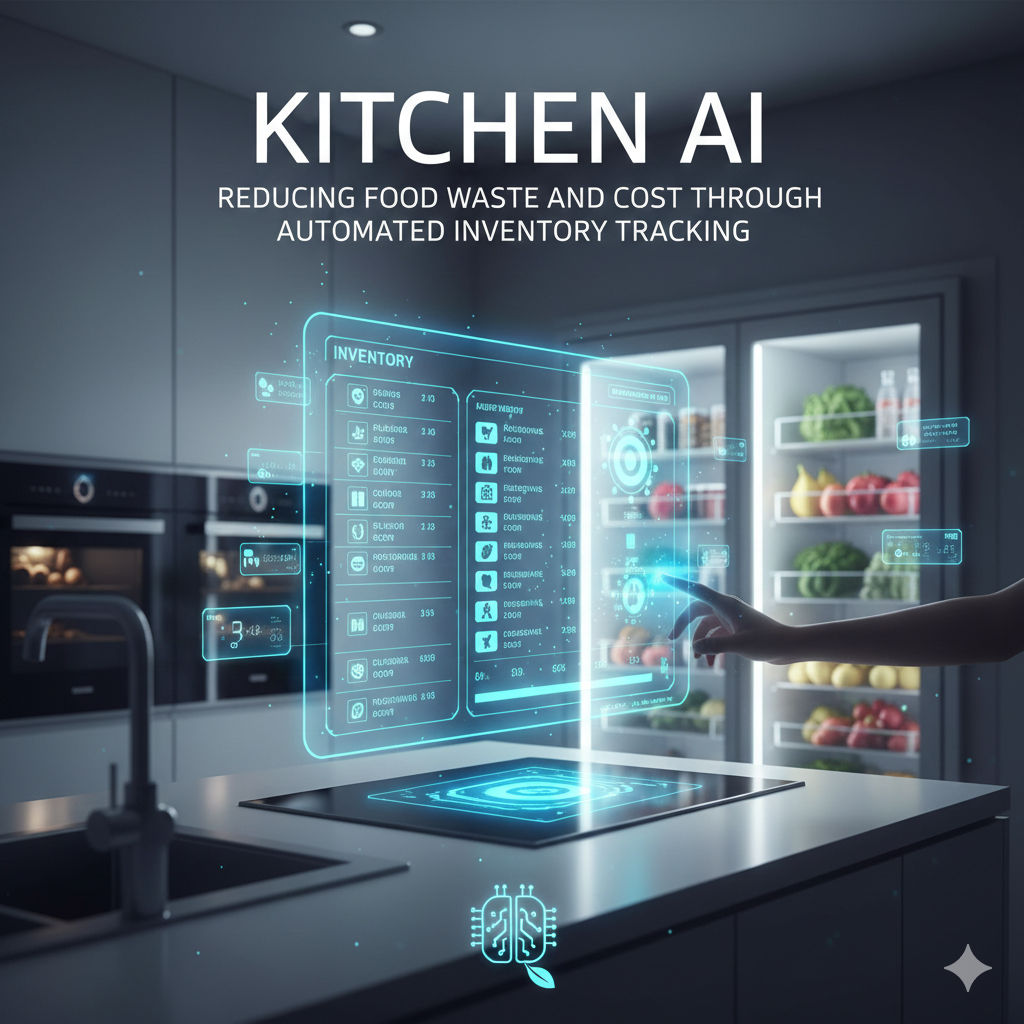
Food waste is one of the most overlooked problems in modern kitchens. Whether it’s a household refrigerator full of forgotten vegetables or a restaurant disposing of expired ingredients, the result is the same: wasted money, wasted resources, and unnecessary environmental harm. As technology continues to transform everyday life, a new solution is emerging—Kitchen AI powered automated inventory tracking. This intelligent approach helps households and businesses monitor their food supplies, reduce waste, and cut costs efficiently.
In this article, Booksmart explores how Kitchen AI works, its benefits, real-world applications, and why it is becoming essential for smarter, more sustainable kitchens.
Understanding the Problem of Food Waste
Before diving into Kitchen AI, it’s important to understand the scale of the issue.
Globally, billions of tons of food are wasted every year. In homes, food is often forgotten in the back of refrigerators. In restaurants, over-ordering and poor inventory management lead to spoilage. This waste doesn’t just affect budgets—it also contributes to environmental problems like greenhouse gas emissions and resource depletion.
Common reasons for food waste include:
- Lack of proper inventory tracking
- Forgetting expiration dates
- Overbuying groceries
- Poor meal planning
- Inefficient storage management
Traditional methods like handwritten lists or manual stock checking are time-consuming and prone to error. This is where Kitchen AI offers a smarter alternative.
What is Kitchen AI?
Kitchen AI refers to the use of artificial intelligence combined with sensors, cameras, and software to automatically track food inventory in real time.
It can be integrated into:
- Smart refrigerators
- Pantry management systems
- Restaurant inventory software
- Mobile apps connected to kitchen devices
Kitchen AI systems monitor what food is available, track expiration dates, and notify users before items spoil.
Instead of guessing what’s in your kitchen, AI gives you accurate, real-time information.
How Automated Inventory Tracking Works
Kitchen AI uses a combination of advanced technologies to manage food inventory efficiently.
1. Computer Vision Technology
Smart cameras inside refrigerators or storage areas identify food items automatically. The AI recognizes products, quantities, and even freshness.
For example, if you place milk in the fridge, the system detects it and records its expiration date.
2. Sensors and Weight Tracking
Some systems use weight sensors to monitor how much of an item remains. When supplies run low, the system updates the inventory automatically.
This is especially useful in restaurants where ingredient usage is frequent.
3. Barcode and QR Code Scanning
Many Kitchen AI apps allow users to scan grocery items. The AI then logs them into the inventory system instantly.
This eliminates manual entry.
4. Predictive Analytics
AI doesn’t just track food—it predicts usage patterns.
It can answer questions like:
- When will you run out of rice?
- Which vegetables are likely to spoil first?
- What should you use today?
This allows better planning and smarter consumption.
Benefits of Kitchen AI for Households
Kitchen AI offers significant advantages for families and individuals.
1. Reduces Food Waste
This is the biggest benefit.
AI alerts users before food expires, allowing them to use ingredients in time.
Less waste means more savings.
2. Saves Money
Food waste is essentially wasted money.
By managing inventory properly, families can reduce unnecessary purchases and use existing food first.
Over time, the savings can be substantial.
3. Simplifies Grocery Shopping
Kitchen AI can automatically create grocery lists based on what’s missing.
No more duplicate purchases or forgotten essentials.
Shopping becomes faster and more efficient.
4. Improves Meal Planning
AI suggests recipes based on available ingredients.
This helps use existing food creatively instead of letting it spoil.
It also reduces daily decision-making stress.
5. Saves Time
Manual tracking takes effort.
Kitchen AI automates everything, giving users more free time.
Benefits of Kitchen AI for Restaurants and Businesses
The impact of Kitchen AI is even greater in commercial kitchens.
Restaurants deal with large quantities of food, making inventory management critical.
1. Reduces Operational Costs
Food waste directly affects profit margins.
AI helps restaurants optimize purchasing and minimize losses.
2. Improves Inventory Accuracy
Human error in inventory tracking is common.
AI provides precise, real-time data.
This improves decision-making.
3. Prevents Over-Ordering
AI predicts demand based on historical trends.
Restaurants can order the right amount of ingredients.
This prevents spoilage.
4. Enhances Efficiency
Staff spend less time on manual stock checking.
They can focus more on food preparation and customer service.
5. Supports Sustainability Goals
Many businesses aim to reduce their environmental impact.
Kitchen AI helps achieve sustainability targets.
This also improves brand image.
Environmental Benefits of Kitchen AI
Kitchen AI doesn’t just save money—it helps the planet.
Food waste contributes significantly to environmental damage.
When food decomposes in landfills, it produces methane, a harmful greenhouse gas.
Kitchen AI helps by:
- Reducing waste
- Conserving resources
- Lowering carbon footprint
- Supporting sustainable living
Adopting AI in kitchens is a step toward a greener future.
Real-World Applications of Kitchen AI
Kitchen AI is already being used worldwide.
Examples include:
Smart Refrigerators
Modern refrigerators can:
- Track food automatically
- Suggest recipes
- Notify expiration dates
Restaurant Management Systems
Restaurants use AI to:
- Track ingredient usage
- Predict demand
- Reduce waste
Mobile Kitchen AI Apps
Apps help users:
- Manage pantry inventory
- Plan meals
- Create shopping lists
Cloud-Based Inventory Platforms
Businesses use cloud systems to monitor multiple kitchen locations in real time.
This improves coordination.
Challenges of Kitchen AI
Despite its benefits, Kitchen AI has some limitations.
1. Initial Cost
Smart kitchen devices can be expensive.
However, long-term savings often outweigh the cost.
2. Learning Curve
Users may need time to adapt.
But most systems are becoming more user-friendly.
3. Privacy Concerns
Some people worry about cameras and data collection.
Manufacturers are addressing this with secure systems.
4. Technology Dependence
Over-reliance on technology can be a concern.
But proper balance solves this issue.
Future of Kitchen AI
The future of Kitchen AI looks promising.
As technology advances, systems will become:
- More affordable
- More accurate
- Easier to use
Future features may include:
- Fully automated grocery ordering
- AI nutrition tracking
- Personalized meal recommendations
- Integration with smart homes
Kitchen AI will become a standard feature in modern kitchens.
Why Kitchen AI is a Smart Investment
Kitchen AI is not just a luxury—it’s an investment.
It offers:
- Cost savings
- Convenience
- Sustainability
- Efficiency
Both households and businesses benefit greatly.
Over time, AI pays for itself.
Conclusion
Food waste is a serious global problem, but technology offers a powerful solution.
Kitchen AI, through automated inventory tracking, helps households and businesses reduce waste, save money, and operate more efficiently.
By providing real-time monitoring, smart alerts, and predictive insights, Kitchen AI transforms traditional kitchens into intelligent, sustainable spaces.
As the world moves toward smarter living, adopting Kitchen AI is no longer just an option—it is becoming a necessity.
At Booksmart, we believe that embracing AI-powered kitchen solutions is a step toward a smarter, more sustainable, and cost-efficient future.
Leave a Reply