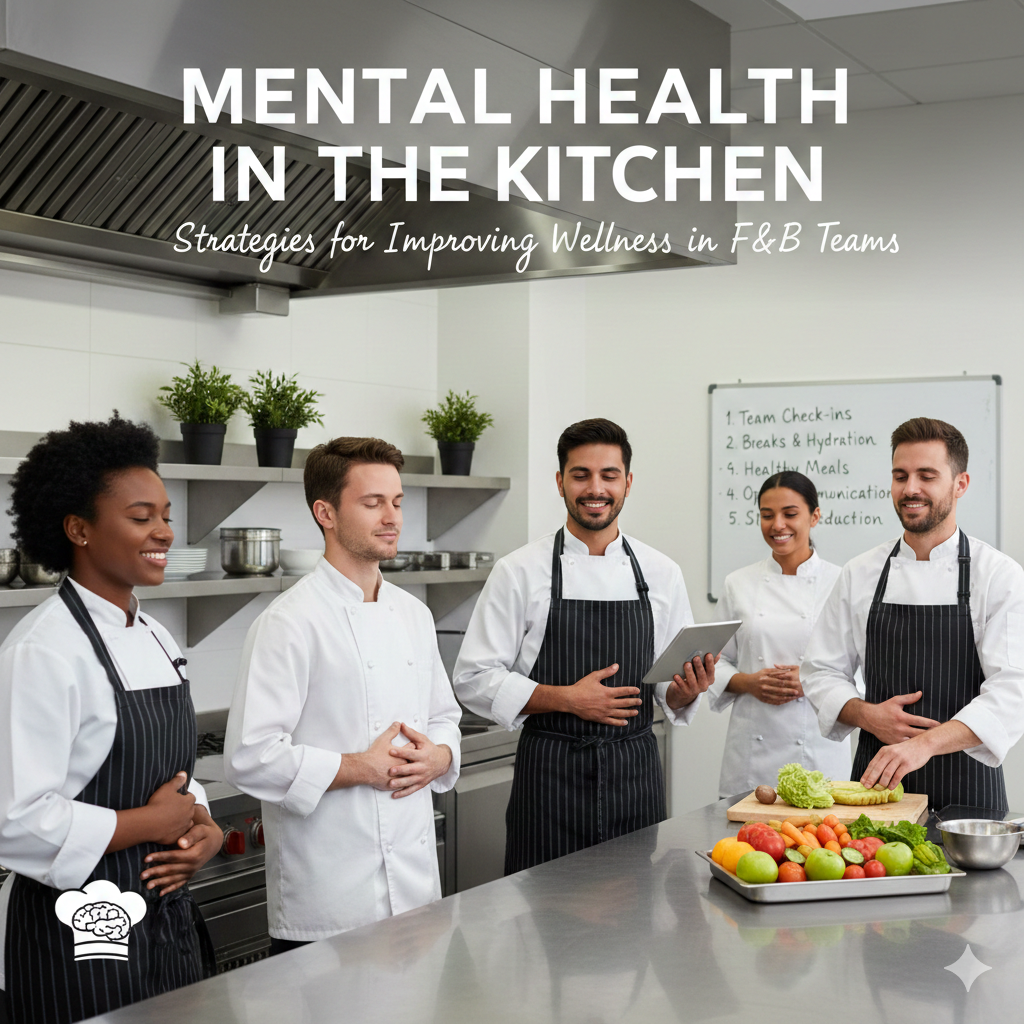
The food and beverage (F&B) industry is known for its energy, creativity, and fast-paced environment. Behind every beautifully plated dish and seamless dining experience is a team working under intense pressure. Long hours, physical exhaustion, high expectations, and constant customer demands make kitchen work one of the most challenging professions. While much attention is given to food quality and service standards, mental health in the kitchen is often overlooked.
Today, forward-thinking restaurants and hospitality businesses are recognizing that supporting the mental wellness of their teams is not just a moral responsibility—it’s essential for long-term success. Healthy teams perform better, stay longer, and create better guest experiences.
In this article, Booksmart explores the mental health challenges faced by F&B teams and practical strategies to improve wellness in professional kitchens.
Understanding Mental Health Challenges in the Kitchen
Working in a commercial kitchen is physically and emotionally demanding. The environment is fast, loud, and often stressful.
Some of the most common mental health challenges include:
1. Long and Irregular Working Hours
Kitchen staff often work:
- 10 to 14 hours per shift
- Late nights, early mornings, and weekends
- Limited breaks
This disrupts sleep patterns and leads to fatigue and burnout.
2. High-Pressure Environment
Kitchens operate under constant pressure to deliver:
- Fast service
- Perfect food quality
- Consistency
Mistakes can lead to customer complaints, financial loss, and team conflict.
This pressure can cause anxiety and chronic stress.
3. Physical Exhaustion
Kitchen work involves:
- Standing for long hours
- Working in high heat
- Heavy lifting
Physical fatigue directly impacts mental wellbeing.
4. Toxic Work Culture
Historically, some kitchens have normalized:
- Aggressive communication
- Yelling
- Harsh criticism
This creates fear and emotional distress.
5. Lack of Work-Life Balance
F&B professionals often miss:
- Family events
- Social gatherings
- Holidays
This leads to isolation and emotional strain.
Why Mental Health Matters in F&B Teams
Mental wellness directly affects business performance.
Ignoring mental health can result in:
- High employee turnover
- Low productivity
- Increased mistakes
- Poor teamwork
- Reduced creativity
On the other hand, supporting mental health leads to:
- Higher job satisfaction
- Better performance
- Stronger team culture
- Improved staff retention
A healthy kitchen is a productive kitchen.
Strategies to Improve Mental Health in the Kitchen
Improving mental wellness requires intentional effort from leadership and team members.
Here are practical and effective strategies.
1. Create a Positive Work Culture
Culture starts with leadership.
Kitchen leaders should:
- Communicate respectfully
- Encourage teamwork
- Avoid aggressive behavior
- Appreciate staff efforts
Respect builds confidence and trust.
Simple words like “good job” make a big difference.
2. Manage Work Hours and Prevent Burnout
Overworking staff leads to exhaustion and mental fatigue.
Businesses should:
- Avoid excessive overtime
- Provide proper breaks
- Rotate shifts fairly
- Ensure adequate staffing
Rested employees perform better.
Burnout prevention is essential.
3. Encourage Open Communication
Many kitchen workers suffer in silence.
Create an environment where staff feel safe to speak.
Encourage:
- Sharing concerns
- Asking for help
- Honest conversations
Managers should listen without judgment.
This builds emotional safety.
4. Provide Mental Health Awareness and Training
Education reduces stigma.
Restaurants can:
- Conduct wellness workshops
- Provide stress management training
- Teach coping strategies
When staff understand mental health, they can manage it better.
5. Promote Team Support and Connection
Strong teams support each other.
Encourage:
- Team meals
- Team discussions
- Positive interactions
A supportive environment reduces stress.
People perform better when they feel valued.
6. Recognize and Appreciate Employees
Recognition boosts morale.
Simple appreciation can include:
- Verbal praise
- Employee of the month programs
- Incentives and rewards
Feeling appreciated improves mental wellbeing.
7. Encourage Work-Life Balance
Work is important, but personal life matters too.
Businesses can support balance by:
- Respecting days off
- Avoiding unnecessary calls during off hours
- Offering flexible scheduling when possible
Balanced employees are happier and more productive.
8. Provide Access to Mental Health Resources
Professional support can help.
Restaurants can offer:
- Counseling services
- Mental health helplines
- Wellness programs
Even small businesses can share free support resources.
9. Improve Physical Working Conditions
Physical environment affects mental health.
Improve kitchen conditions by:
- Maintaining proper ventilation
- Providing comfortable rest areas
- Ensuring safe working spaces
Comfort reduces stress.
10. Lead by Example
Leaders set the tone.
When managers:
- Stay calm under pressure
- Treat staff respectfully
- Manage stress effectively
The team follows.
Leadership behavior shapes culture.
Role of Technology in Supporting Mental Wellness
Technology can also help improve mental health in kitchens.
Examples include:
Smart Scheduling Tools
These help:
- Balance workloads
- Prevent overworking
Inventory and Automation Systems
Automation reduces workload stress.
Staff can focus on cooking instead of repetitive tasks.
Communication Platforms
Digital tools improve coordination and reduce confusion.
Clear communication reduces tension.
Breaking the Stigma Around Mental Health
One of the biggest barriers is stigma.
Many kitchen workers hesitate to talk about mental health.
They fear being seen as weak.
This mindset must change.
Mental health is just as important as physical health.
Talking openly saves careers and lives.
Benefits of Mentally Healthy Kitchen Teams
When mental health is prioritized, businesses experience major benefits.
These include:
Better Staff Retention
Employees stay longer in supportive workplaces.
Higher Productivity
Healthy minds work more efficiently.
Improved Teamwork
Positive teams cooperate better.
Better Food Quality
Focused chefs produce better results.
Stronger Business Reputation
Happy teams create better customer experiences.
Real Change Starts with Small Steps
Improving mental health doesn’t require huge investments.
Simple actions can make a big difference:
- Saying thank you
- Listening to employees
- Giving proper breaks
- Creating respect
These small steps build strong teams.
The Future of Mental Health in the F&B Industry
The hospitality industry is evolving.
Modern restaurants are recognizing the importance of mental wellness.
Future kitchens will focus on:
- Healthy work environments
- Supportive leadership
- Balanced work culture
Mental health will become a core business priority.
This is essential for sustainable success.
Conclusion
The kitchen is the heart of the food and beverage industry—but it is powered by people.
Supporting the mental health of kitchen teams is not optional. It is essential.
By creating positive work cultures, managing workloads, encouraging communication, and supporting wellness, businesses can build stronger, healthier teams.
At Booksmart, we believe that when kitchens care for their people, their people create excellence.
Mental wellness is not just good for employees—it is good for business, growth, and the future of hospitality.
Leave a Reply