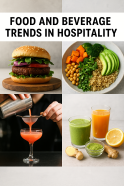
The hospitality industry continues to evolve at a rapid pace, shaped by changing customer expectations, global influences, and innovative dining technologies. Today’s guests are more informed, more health-conscious, and more eager for meaningful experiences than ever before. At BookSmart, we keep a close eye on these shifts to help hotels, restaurants, and resorts stay ahead of the curve.
Here’s a look at the top food and beverage trends transforming the hospitality landscape today.
1. Hyper-Personalized Dining Experiences
Guests increasingly expect dining that feels tailored to their tastes and dietary needs. Hospitality brands are using data, AI-powered menus, and customer feedback to create:
- Customized meal plans
- Personalized portion sizes
- Dietary-specific options (gluten-free, vegan, low-carb)
- Bespoke beverage recommendations
These small touches enhance guest satisfaction and build stronger brand loyalty.
2. The Rise of Plant-Forward Cuisine
Plant-based dining is no longer a niche preference—it’s mainstream. Chefs are creatively incorporating whole foods, greens, legumes, and plant proteins into menus in ways that appeal to both vegans and non-vegans.
Trends include:
- Plant-based meat alternatives
- Vegetable-centric entrées
- Healthy bowls and smoothies
- Sustainability-centered menu engineering
This shift supports both wellness-focused eating and sustainable operations.
3. Sustainability as a Core Commitment
Today’s guests want to support eco-conscious brands. As a result, hospitality businesses are embracing sustainability in new and innovative ways:
- Reducing food waste with smart inventory tools
- Sourcing local, seasonal ingredients
- Replacing plastic with biodegradable packaging
- Upcycling food scraps into creative dishes
Sustainability is now seen not just as a responsibility but as a marketing advantage.
4. Tech-Enhanced Food & Beverage Services
Technology continues to reshape the guest dining experience. From mobile ordering to smart kitchen devices, the hospitality industry is prioritizing convenience and consistency.
Key advancements include:
- QR-code menus
- AI-enabled inventory management
- Robotics in high-volume kitchens
- Contactless checkout
- Smart beverage dispensers
These innovations improve service speed and reduce operational errors.
5. Experience-Driven Dining
Guests are seeking more than a good meal—they want a memorable moment. Restaurants and hotels are responding by designing immersive and unique dining concepts such as:
- Chef-interaction counters
- Theme-based pop-up dinners
- Outdoor and farm-to-table experiences
- Live cooking stations
- Culturally inspired tasting menus
The focus has shifted from “what’s on the plate” to “how the moment feels.”
6. Functional Foods and Wellness Drinks
Health-conscious dining is on the rise. Guests are gravitating toward foods that offer nutritional or functional benefits, such as:
- Probiotic-rich yogurts and kombucha
- Anti-inflammatory ingredients (ginger, turmeric)
- Protein-packed snacks
- Herbal infusions and detox beverages
Wellness has become a core pillar of modern hospitality menus.
7. Premium Beverage Experiences
Beverage programs are undergoing a renaissance. From curated wine lists to craft cocktails, guests are willing to pay for higher-quality drink experiences.
Current trends include:
- Zero-proof cocktails
- Craft coffee bars
- Artisanal teas
- Locally brewed beers
- Mixology-focused presentations
These elevate the dining experience and create new revenue opportunities.
Conclusion
The food and beverage sector within hospitality is more dynamic than ever. As guest expectations continue to shift, brands must adapt quickly—offering personalization, sustainability, innovation, and memorable experiences.
At BookSmart, we believe in helping hospitality leaders understand and leverage these trends so they can deliver exceptional dining experiences built for the future.
Leave a Reply