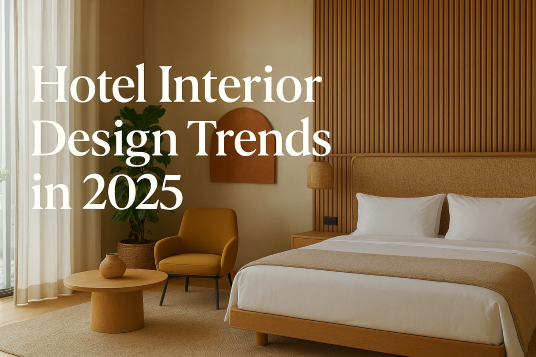
The hospitality industry has always been a reflection of cultural shifts, global lifestyles, and evolving guest expectations. As we enter 2025, hotel interior design is taking a bold leap forward—embracing sustainability, technology, sensory wellness, and hyper-personalized guest experiences. Modern travelers expect more than just comfort; they crave spaces that inspire, rejuvenate, and feel uniquely tailored to them.
At Booksmart, we closely track emerging hospitality trends and help brands craft intentional, guest-centric environments. In this article, we explore the top hotel interior design trends shaping 2025, offering insights that hoteliers, designers, and investors can use to elevate their properties for the next generation of travelers.
1. Biophilic Design Goes Mainstream
Biophilic design isn’t new, but in 2025, it has become non-negotiable. Guests want hotels that reconnect them with nature—even in urban locations.
What this looks like:
- Indoor vertical gardens
- Large windows with natural light optimization
- Organic materials like bamboo, jute, rattan, and reclaimed wood
- Natural, earthy color palettes
- Water features that create a calming ambience
Hotels adopting biophilic design report higher guest satisfaction and improved emotional well-being. At Booksmart, we encourage properties to consider natural textures and greenery as core design elements, not mere décor additions.
2. Hyper-Personalized Rooms with Smart Technology
Technology is no longer about convenience—it’s about creating deeply personalized experiences. In 2025, smart hotel rooms function like intuitive living spaces.
Key innovations include:
- AI-powered room controls
- Voice-activated lighting and temperature settings
- Smart mirrors that display weather, news, and itinerary details
- Tailored ambiance presets (work mode, relaxation mode, sleep mode)
- Automated check-in/check-out processes
These features make guests feel in control and valued. For hotels, tech-driven personalization improves efficiency and boosts repeat bookings.
3. Sustainable and Circular Design Practices
Sustainability is more than a trend—it’s a responsibility. Travelers in 2025 consciously choose eco-friendlier accommodations, forcing hotels to rethink materials, sourcing, and construction.
Top sustainability practices for 2025:
- Zero-waste furniture design
- Upcycling and repurposing existing materials
- Energy-efficient lighting and water conservation systems
- VOC-free paints and eco-certified textiles
- Locally sourced décor to reduce carbon footprint
At Booksmart, we help hotels adopt circular design solutions that reduce waste while maintaining high aesthetics and functionality.
4. Wellness-Driven Interiors
Wellness is now at the center of hospitality design. Guests want environments that support rest, health, and mindfulness.
Popular 2025 wellness design elements:
- In-room meditation corners
- Aromatherapy diffusers
- Circadian lighting systems
- Acoustic wall treatments for sound control
- Organic, hypoallergenic bedding
- On-demand fitness and spa amenities
Hotels are integrating wellness into both private rooms and public spaces, transforming stays into holistic experiences.
5. Multifunctional Spaces for Hybrid Travelers
The rise of remote work and blended travel (“workations”) requires hotels to offer more flexible spaces. In 2025, multifunctionality is becoming essential.
Expect to see:
- Modular furniture in rooms
- Dedicated hybrid work lounges
- Sound-proof phone booths
- Transformable meeting rooms
- Creative communal spaces
Guests appreciate the freedom to transition between leisure and productivity without leaving the hotel.
6. Local Culture and Authentic Storytelling
Travelers want to feel immersed in the locale. Designers in 2025 are embracing cultural storytelling by incorporating local craftsmanship, art, and heritage.
Examples include:
- Regionally inspired color themes
- Artisan-made décor and textiles
- Murals and artwork from local communities
- Furniture designs reflecting regional traditions
This approach not only supports local economies but also creates memorable, one-of-a-kind spaces. Booksmart advocates for authentic cultural integration to enrich guest experiences.
7. Warm Minimalism Is Replacing Cold, Sterile Design
Minimalism is evolving. Instead of stark, empty spaces, 2025 hotels are adopting warm minimalism, blending simplicity with coziness.
Features of warm minimalism:
- Soft, neutral tones
- Curved furniture silhouettes
- Textured fabrics (linen, boucle, wool blends)
- Soft ambient lighting
- Clutter-free yet inviting rooms
This style creates a calming, home-like atmosphere while maintaining a modern aesthetic.
8. Bold Color Accents and Artistic Statements
While minimalism dominates, there is also a notable rise in bold décor moments that surprise and delight guests.
Design elements gaining popularity:
- Color-blocked walls
- Oversized art installations
- Accent wallpapers with geometric or nature-inspired patterns
- Sculptural lighting fixtures
These artistic details give hotels a unique character and encourage guests to share their experiences on social media—an added marketing advantage.
9. Immersive Lobby Experiences
Hotel lobbies in 2025 are no longer just check-in areas—they are experience hubs.
Trending lobby features:
- Café-style coworking nooks
- Interactive digital walls
- Art galleries and pop-up retail corners
- Lounge areas with elevated comfort
- Plants and water features for a calming first impression
Many hotels are transforming their lobbies into vibrant spaces where guests—and even locals—can socialize, work, and relax.
10. Sensory Design for Emotional Impact
Hotels are increasingly using sensory design to influence mood and comfort.
This involves:
- Scent branding
- Soft background audio tailored to different zones
- Tactile materials that evoke warmth and luxury
- Lighting sequences designed to guide guests through spaces
Sensory design helps create emotional connections and enhances the overall hospitality experience.
Conclusion: The Future of Hotel Interiors Is Human-Centered
As 2025 unfolds, hotel interior design is shifting toward a more holistic, guest-focused approach. From sustainability and smart technology to cultural storytelling and wellness, every trend points in the same direction—creating meaningful, memorable, and human-centered experiences.
At Booksmart, we believe that great design goes beyond aesthetics. It shapes how guests feel, interact, and remember their stay. By embracing these 2025 trends, hotels can elevate their brand, improve guest satisfaction, and stay competitive in an ever-evolving industry.
Leave a Reply