Category: BLOG

  • Crisis Management in the Hospitality Industry

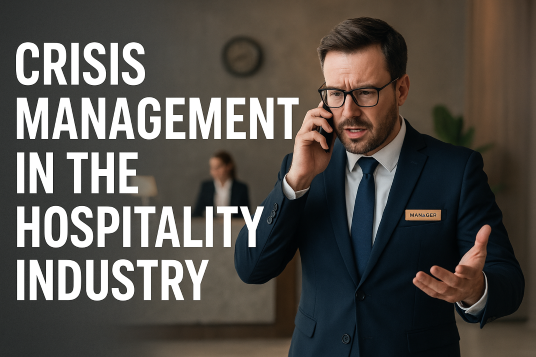
    Crisis Management in the Hospitality Industry

    The hospitality industry is no stranger to uncertainty. From natural disasters and public health emergencies to cyberattacks, reputational crises, and sudden market shifts, hotels and hospitality brands must be prepared to respond quickly and confidently. In 2025, crisis management is no longer just an operational requirement — it’s a strategic pillar that defines long-term sustainability, guest trust, and brand resilience.

    At BookSmart, we work closely with hoteliers and hospitality businesses to strengthen their crisis preparedness and transform unpredictable moments into opportunities for learning and growth. This blog explores the evolving landscape of crisis management in hospitality, key strategies for response, and how businesses can build a future-ready framework.

    Why Crisis Management Matters More Now Than Ever

    The hospitality sector operates in a highly sensitive environment where guest experience is everything. Even minor disruptions can escalate into brand-damaging events if not handled correctly. With rising guest expectations, increased digital dependence, and climate-related risks, proactive crisis management has become a competitive advantage.

    Key reasons crisis preparedness is essential in 2025:

    • Increased travel demand means more operational pressure and less room for error.
    • Digital operations and online bookings increase vulnerability to cyber risks.
    • Global events and pandemics have reshaped guest expectations around safety.
    • Social media amplifies both guest praise and criticism in real time.
    • Environmental disruptions such as floods, wildfires, and heatwaves are becoming more frequent.

    Hotels that manage crises well don’t just survive — they earn long-term loyalty.

    1. Building a Strong Crisis Management Framework

    A crisis management plan (CMP) should be comprehensive, actionable, and regularly updated. It must outline roles, responsibilities, communication channels, and detailed response protocols for various types of crises.

    Core elements of an effective CMP:

    • Risk assessment: Identify vulnerabilities specific to your property and location.
    • Crisis response team: Assign trained leaders across departments.
    • Workflows and escalation paths: Clear steps for immediate response.
    • Backup systems: Technology redundancies and alternative operations support.
    • Guest and staff protection plans: Safety should always be the top priority.
    • Recovery and review processes: How to rebuild trust and resume operations smoothly.

    Hotels that prepare in advance respond faster and minimize operational disruption.

    2. Communication: The Heart of Effective Crisis Response

    In the hospitality industry, communication can make or break crisis management. Guests expect transparency, empathy, and timely updates. The speed and clarity of communication directly influence trust.

    Best practices for crisis communication:

    • Be proactive, not silent. Address issues early before misinformation spreads.
    • Use multiple channels: SMS alerts, email updates, in-app notifications, and social media posts.
    • Train your staff: Front-line employees must know how to respond with calmness and accuracy.
    • Assign an official spokesperson: Consistency prevents confusion.
    • Show empathy: Acknowledging inconvenience can significantly reduce guest frustration.

    Hotels that communicate clearly often receive positive feedback even during difficult situations.

    3. Leveraging Technology for Crisis Preparedness

    Technology continues to reshape hospitality operations. In crisis management, digital tools play a central role in early detection, faster decision-making, and real-time communication.

    Tech innovations helping hotels stay crisis-ready:

    • AI-powered alert systems for detecting anomalies in operations.
    • Cloud-based management systems for easy access to data and remote coordination.
    • Cybersecurity solutions to prevent data breaches, ransomware attacks, and hacking attempts.
    • Smart building technologies that monitor energy usage, fire risks, and equipment failures.
    • Digital signage for guiding guests during emergency situations.

    Hotels investing in technology can streamline emergency response and reduce human error.

    4. Staff Training and Empowerment

    Employees are the backbone of crisis management. Their ability to act quickly and accurately determines how well a hotel can protect its guests and reputation.

    Training should focus on:

    • Emergency evacuation protocols
    • Guest assistance and complaint resolution
    • First aid and safety procedures
    • Handling high-pressure situations
    • Data protection and cybersecurity awareness

    Regular drills help ensure the team stays confident, alert, and ready for any scenario.

    5. Safety and Security: A Prioritized Guest Expectation

    Modern travelers prioritize safety as much as comfort. Hotels must upgrade their security standards to meet evolving expectations.

    Key areas to strengthen:

    • Health and hygiene protocols
    • Fire safety systems
    • Access control and surveillance
    • Disaster-ready infrastructure
    • Incident tracking and reporting tools

    Consistent safety practices build long-term trust and differentiate a brand in a competitive market.

    6. Reputation Management During and After a Crisis

    Reputation can be impacted instantly in the age of digital reviews. Proper crisis handling ensures your hotel’s online presence remains strong.

    Effective strategies include:

    • Responding to guest concerns promptly on social platforms
    • Publishing official updates to clarify situations
    • Offering personalized recovery packages or complimentary services
    • Sharing safety improvements made after the incident
    • Monitoring sentiment across platforms to catch issues early

    Hotels that are transparent and proactive often turn a negative situation into a positive brand story.

    7. Learning and Evolving from Crises

    Every crisis presents an opportunity to improve. Once the situation stabilizes, an in-depth internal review is essential.

    Post-crisis evaluation checklist:

    • What went well and what didn’t?
    • Did the team follow the crisis plan effectively?
    • What resources were lacking?
    • How did guests respond?
    • What changes should be made to future protocols?

    This continuous improvement ensures the hotel becomes stronger, smarter, and more resilient.

    Conclusion: Crisis Preparedness Is the Future of Hospitality

    In 2025 and beyond, crisis management is not optional — it’s an integral part of running a successful hospitality business. Hotels that embrace proactive planning, invest in technology, prioritize communication, and empower their teams will be better equipped to handle any challenge.

    At BookSmart, we believe that resilience is built through knowledge, preparation, and strategic partnerships. With the right crisis management approach, hospitality businesses can protect their guests, strengthen their brand, and stay ahead in a rapidly evolving industry.

    If you’d like to explore more insights or need tailored support for your hospitality operations, BookSmart is here to help.


  • Food and Beverage Trends in Hospitality

    Food and Beverage Trends in Hospitality

    The hospitality industry continues to evolve at a rapid pace, shaped by changing customer expectations, global influences, and innovative dining technologies. Today’s guests are more informed, more health-conscious, and more eager for meaningful experiences than ever before. At BookSmart, we keep a close eye on these shifts to help hotels, restaurants, and resorts stay ahead of the curve.

    Here’s a look at the top food and beverage trends transforming the hospitality landscape today.

    1. Hyper-Personalized Dining Experiences

    Guests increasingly expect dining that feels tailored to their tastes and dietary needs. Hospitality brands are using data, AI-powered menus, and customer feedback to create:

    • Customized meal plans
    • Personalized portion sizes
    • Dietary-specific options (gluten-free, vegan, low-carb)
    • Bespoke beverage recommendations

    These small touches enhance guest satisfaction and build stronger brand loyalty.

    2. The Rise of Plant-Forward Cuisine

    Plant-based dining is no longer a niche preference—it’s mainstream. Chefs are creatively incorporating whole foods, greens, legumes, and plant proteins into menus in ways that appeal to both vegans and non-vegans.

    Trends include:

    • Plant-based meat alternatives
    • Vegetable-centric entrées
    • Healthy bowls and smoothies
    • Sustainability-centered menu engineering

    This shift supports both wellness-focused eating and sustainable operations.

    3. Sustainability as a Core Commitment

    Today’s guests want to support eco-conscious brands. As a result, hospitality businesses are embracing sustainability in new and innovative ways:

    • Reducing food waste with smart inventory tools
    • Sourcing local, seasonal ingredients
    • Replacing plastic with biodegradable packaging
    • Upcycling food scraps into creative dishes

    Sustainability is now seen not just as a responsibility but as a marketing advantage.

    4. Tech-Enhanced Food & Beverage Services

    Technology continues to reshape the guest dining experience. From mobile ordering to smart kitchen devices, the hospitality industry is prioritizing convenience and consistency.

    Key advancements include:

    • QR-code menus
    • AI-enabled inventory management
    • Robotics in high-volume kitchens
    • Contactless checkout
    • Smart beverage dispensers

    These innovations improve service speed and reduce operational errors.

    5. Experience-Driven Dining

    Guests are seeking more than a good meal—they want a memorable moment. Restaurants and hotels are responding by designing immersive and unique dining concepts such as:

    • Chef-interaction counters
    • Theme-based pop-up dinners
    • Outdoor and farm-to-table experiences
    • Live cooking stations
    • Culturally inspired tasting menus

    The focus has shifted from “what’s on the plate” to “how the moment feels.”

    6. Functional Foods and Wellness Drinks

    Health-conscious dining is on the rise. Guests are gravitating toward foods that offer nutritional or functional benefits, such as:

    • Probiotic-rich yogurts and kombucha
    • Anti-inflammatory ingredients (ginger, turmeric)
    • Protein-packed snacks
    • Herbal infusions and detox beverages

    Wellness has become a core pillar of modern hospitality menus.

    7. Premium Beverage Experiences

    Beverage programs are undergoing a renaissance. From curated wine lists to craft cocktails, guests are willing to pay for higher-quality drink experiences.

    Current trends include:

    • Zero-proof cocktails
    • Craft coffee bars
    • Artisanal teas
    • Locally brewed beers
    • Mixology-focused presentations

    These elevate the dining experience and create new revenue opportunities.

    Conclusion

    The food and beverage sector within hospitality is more dynamic than ever. As guest expectations continue to shift, brands must adapt quickly—offering personalization, sustainability, innovation, and memorable experiences.

    At BookSmart, we believe in helping hospitality leaders understand and leverage these trends so they can deliver exceptional dining experiences built for the future.

  • The Impact of Online Travel Agencies (OTAs) on Hotels

    The Impact of Online Travel Agencies (OTAs) on Hotels

    Let’s be honest: if you run a hotel today, your relationship with Online Travel Agencies (OTAs) is… complicated.

    It’s the classic “frenemy” dynamic. On one hand, you love the ping of a new booking notification, regardless of where it comes from. On the other hand, you wince when you calculate the commission check at the end of the month.

    At BookSmart, we talk to independent hoteliers every single day. We hear the sighs of frustration when Expedia demands rate parity, and we see the smiles when a guest books directly on your own website.

    The landscape has shifted dramatically in the last fifteen years. OTAs like Booking.com, Expedia, and Agoda went from being handy supplementary channels to dominant giants powering a massive chunk of global room sales. They are undeniably powerful. But are they partners, or are they parasites?

    The answer, unfortunately, isn’t black and white. It’s a messy shade of grey. Let’s dive into the real impact of OTAs on your business, and more importantly, how to find a balance that works for you.

    The undeniable Allure: Why We Signed Up

    Before we get into the thorny issues, we have to give credit where it’s due. OTAs didn’t become giants by accident. They solved a massive problem for travelers: fragmentation.

    For you, the hotelier, they offered something irresistible:

    1. The Ultimate Billboard: Imagine trying to market your boutique hotel in rural Vermont to a couple planning their honeymoon in Tokyo. Nearly impossible on your own. OTAs gave small players a global stage instantly. This is the famous “Billboard Effect”—even if they don’t book on the OTA, they might discover you there and then Google your name.

    2. Filling the Gaps: It’s Tuesday night in November, and you’re looking at 40% occupancy. OTAs are incredible at moving distressed inventory. They are the masters of last-minute deals and capturing the undecided traveler.

    3. Trust by Proxy: Consumers trust these platforms. They know that if something goes wrong with the booking, they have a behemoth corporate entity to call. When a traveler books through an OTA, your hotel borrows a little bit of that trust.

    The Hangover: The Price of Popularity

    So, you got the visibility. You got the bookings. But as the years went on, the dynamic shifted. What started as a partnership started to feel a lot more one-sided.

    Here is the reality of the OTA impact that keeps hoteliers up at night:

    1. The Commission Bite: This is the obvious one. Paying anywhere from 15% to a staggering 25% commission on a booking hurts your bottom line deeply. When OTAs are bringing in 70% of your business, that’s not a marketing cost anymore; it’s a massive operational hemorrhage.

    2. The Commoditization of Your Property: On an OTA results page, your lovingly designed boutique hotel is just another thumbnail next to the generic chain down the street. You are judged almost entirely on price and review score. It’s hard to convey your unique personality, your amazing staff, or the smell of your fresh coffee through their standardized template.

    3. Losing the Guest Relationship: This is the one that bothers us most at BookSmart. When someone books via an OTA, they aren’t really your customer yet; they are Booking.com’s customer. You often get masked email addresses, making pre-arrival communication difficult. You lose the chance to upsell, personalize their stay, or build loyalty before they even walk in the door.

    4. The Rate Parity Handcuffs: Many OTA contracts still include clauses that prevent you from offering a lower public price on your own website than you offer on theirs. They demand the best price, yet charge you for the privilege of selling it. It feels restrictive and, frankly, unfair.

    The BookSmart Philosophy: Balance, Not Battle

    It’s easy to vilify the OTAs, but going to war with them is usually a losing strategy for an independent hotel. You probably cannot afford to shut them off completely tomorrow.

    The goal isn’t elimination; it’s optimization.

    At BookSmart, we believe that hotels need to stop treating OTAs as their primary sales strategy and start treating them as one expensive tool in a wider toolbox.

    Here is how to start shifting the power dynamic back in your favor:

    1. Make Your Website Better Than Theirs

    If a guest finds you on Expedia and then decides to check your website (the Billboard Effect in action), what do they find? Is it clunky? Is it hard to book on mobile? Are the photos blurry? Your direct booking engine needs to be fast, intuitive, and beautiful. If it’s harder to book direct than it is to book on an OTA, you will lose every time.

    2. The “Direct Advantage”

    If rate parity stops you from competing on price, compete on value. What do direct bookers get that OTA bookers don’t?

    • Free parking?
    • A complimentary welcome drink?
    • Priority room assignment (the best views)?
    • Flexible cancellation policies? Make these perks loud and clear on your homepage. Give them a reason to click that “Book Now” button on your site.

    3. Own the Guest Data

    When an OTA guest checks in, that is your moment. Capture their real email address. Ask for permission to stay in touch. Wow them with service during their stay so that next time, they don’t need to search for a hotel—they already know exactly where they are staying. Turn an OTA acquisition into a direct-booking repeater.

    4. Be Strategic with Inventory

    You don’t have to give the OTAs every single room, every single night. During your peak season, when you know you’re going to sell out, yield manage those channels. Close out the high-commission sites or only give them your standard room types, saving your premium suites for direct sale.

    The Takeaway

    OTAs are a fact of life in modern hospitality. They are incredible marketing machines that come with a very high price tag.

    The impact they have on your business is ultimately up to you. If you leave them on autopilot, they will eat into your profits and own your customer relationships. But if you manage them actively, using them for visibility while aggressively fighting for direct business, you can turn that frenemy into just a regular old business partner.

    Keep smart, keep hospitable, and keep fighting for those direct bookings.

    Your partners in smart booking, The BookSmart Team

  • The Future of Hospitality: Key Trends in 2025

    The Future of Hospitality: Key Trends in 2025

    The hospitality industry has always been about one thing — creating memorable experiences. But in 2025, this mission is being reshaped by technology, sustainability, personalization, and changing traveler expectations. As digital innovation meets human connection, the future of hospitality looks smarter, greener, and more guest-centric than ever before.

    At BookSmart, we believe the heart of hospitality remains in human warmth — but the way we deliver it is evolving. From AI-driven personalization to sustainable travel and immersive experiences, let’s explore the key trends redefining hospitality in 2025.

    1. Hyper-Personalization: From Service to Anticipation

    In 2025, personalization is no longer a luxury — it’s a baseline expectation. Travelers want experiences designed just for them, and data-driven insights are making it possible.

    Hotels and booking platforms now use AI and predictive analytics to understand guest preferences, from favorite room temperatures to preferred cuisines. Imagine checking into a hotel where the lighting adjusts to your mood, your favorite playlist starts playing, and your itinerary is customized automatically.

    At BookSmart, we see personalization as the bridge between technology and emotion. By understanding travelers’ behavior and intent, hospitality brands can deliver experiences that feel personal, effortless, and unforgettable.

    2. Smart Technology: The Rise of Connected Hospitality

    The Internet of Things (IoT) and automation are revolutionizing how hotels operate and how guests experience comfort. Smart rooms equipped with voice assistants, contactless check-ins, and digital room keys are becoming the new norm.

    Guests can now:

    • Control lighting, temperature, and entertainment via mobile apps or voice commands.
    • Request services instantly using chatbots or smart devices.
    • Access seamless check-in and checkout through facial recognition or QR codes.

    For hotels, these technologies reduce operational costs while improving efficiency and guest satisfaction. The future of hospitality is undeniably connected — where convenience and personalization coexist seamlessly.

    3. Sustainability Takes Center Stage

    In 2025, eco-conscious travel isn’t a niche trend — it’s a global standard. Guests are increasingly choosing hotels and travel brands that prioritize sustainability, transparency, and ethical operations.

    Key sustainability trends include:

    • Zero-waste initiatives in food and beverage services.
    • Energy-efficient systems and smart thermostats.
    • Eco-friendly materials and minimal plastic use in rooms.
    • Carbon offset programs and local community partnerships.

    At BookSmart, we recognize that sustainability isn’t just about saving resources — it’s about building trust. Guests feel better when they know their stay contributes to a positive environmental and social impact.

    4. Wellness and Well-Being Travel

    After the pandemic, wellness has become a cornerstone of hospitality. In 2025, travelers seek holistic experiences that rejuvenate the body and mind. Hotels and resorts are evolving into wellness sanctuaries, offering everything from meditation rooms to AI-guided fitness programs.

    Wellness-focused trends include:

    • Personalized nutrition and fitness plans powered by data analytics.
    • Sleep-optimization technologies in hotel rooms.
    • Wellness retreats combining digital detox and mindfulness practices.

    For BookSmart’s partners, integrating wellness experiences creates not just a stay — but a transformative journey that guests remember and revisit.

    5. The Rise of Bleisure and Workcations

    The line between business and leisure continues to blur in 2025. The rise of remote and hybrid work has given birth to the “bleisure” traveler — individuals combining business trips with leisure experiences.

    Hotels and resorts are adapting by offering:

    • Flexible workspaces and co-working zones.
    • High-speed connectivity and ergonomic setups.
    • Packages that blend professional needs with relaxation activities.

    For travelers, workcations mean freedom and flexibility. For hospitality providers, it means catering to a growing demographic that values productivity and pleasure in equal measure.

    6. AI and Automation Redefine Guest Interaction

    Artificial Intelligence is transforming every touchpoint of the hospitality experience. From AI-driven customer support to predictive maintenance, automation ensures smooth operations and personalized guest engagement.

    Examples include:

    • Chatbots that handle 24/7 inquiries in multiple languages.
    • AI concierges suggesting local attractions or dining options.
    • Predictive maintenance that prevents technical issues before they occur.

    But even with automation, the key remains balance. The most successful hospitality brands in 2025 are those that combine technological efficiency with the human warmth that defines true hospitality.

    7. Immersive Experiences with AR and VR

    Augmented Reality (AR) and Virtual Reality (VR) are creating new possibilities for immersive travel. Guests can now explore hotel rooms virtually before booking, participate in destination tours through VR headsets, or enjoy AR-enhanced entertainment during their stay.

    Hotels use AR-powered apps to:

    • Offer virtual tours of facilities.
    • Provide interactive guides to nearby attractions.
    • Enhance in-room entertainment and gaming.

    For BookSmart, these innovations make booking and travel more engaging, transparent, and exciting — allowing guests to experience destinations before they even arrive.

    8. Data Security and Digital Trust

    With greater digitalization comes a greater responsibility to protect guest data. In 2025, cybersecurity and data privacy are top priorities across the hospitality industry.

    Hotels are investing in:

    • Encrypted data systems for bookings and payments.
    • Privacy-by-design platforms to ensure transparency.
    • AI-driven fraud detection for enhanced safety.

    At BookSmart, we believe trust is the foundation of hospitality. By ensuring digital security and responsible data usage, brands can build long-term loyalty and peace of mind for every traveler.

    9. Local and Cultural Immersion

    Modern travelers crave authenticity. They want to experience destinations through the lens of local culture, cuisine, and community. The best hospitality brands in 2025 are those that connect global travelers with local stories.

    Hotels are collaborating with local artisans, chefs, and guides to create immersive, meaningful experiences. Whether it’s a local food workshop, a cultural event, or a guided heritage tour, travelers are choosing stays that feel personal and enriching.

    BookSmart supports hospitality brands that bring local flavor to global experiences — ensuring every journey feels unique and unforgettable.

    The Road Ahead

    The future of hospitality in 2025 is dynamic, data-driven, and deeply human. Technology will continue to transform how we travel, but the essence of hospitality — empathy, care, and connection — will always remain at its core.

    At BookSmart, we help hospitality businesses embrace innovation while staying true to their purpose: delivering exceptional guest experiences. The brands that thrive in 2025 will be those that blend smart technology with genuine hospitality, sustainability with style, and efficiency with empathy.

    The future isn’t just about serving guests — it’s about understanding, anticipating, and inspiring them. And that’s the true art of modern hospitality.

  • How Hotels Can Embrace Green Hospitality

    How Hotels Can Embrace Green Hospitality

    1. Energy Efficiency

    Start by switching to LED lighting, installing smart thermostats, and adopting renewable energy sources like solar power. Many modern hotels are now equipped with energy management systems that automatically adjust lighting and temperature based on occupancy — reducing waste while improving guest comfort.

    2. Water Conservation

    Install low-flow faucets and showers, introduce linen reuse programs, and monitor consumption using smart water meters. These small steps can significantly cut costs and preserve local water resources.

    3. Waste Reduction

    From banning single-use plastics to implementing robust recycling and composting programs, waste management should be at the core of every green hospitality initiative. Booksmart encourages hotels to partner with local recycling services and suppliers that offer biodegradable or refillable amenities.

    4. Sustainable Sourcing

    Support the local economy and reduce your carbon footprint by sourcing local, organic, and seasonal ingredients for your restaurant. Opt for suppliers who follow ethical practices and prioritize eco-friendly packaging.

    5. Eco-Friendly Infrastructure

    When building or renovating, choose sustainable materials such as bamboo, reclaimed wood, or recycled steel. Incorporate green roofs, solar panels, and natural ventilation systems to make your property energy-efficient and aesthetically appealing.

    6. Digital Transformation

    Digital check-ins, e-receipts, and paperless billing are simple yet impactful ways to minimize waste. At Booksmart, we provide smart technology solutions that help hotels transition to paperless operations while enhancing guest convenience.

    7. Educate Guests and Staff

    True sustainability comes from awareness. Encourage guests to participate in eco-friendly initiatives and train your staff to adopt sustainable practices in their daily routines. Place informational materials in rooms to gently remind guests of the hotel’s green initiatives.

    The Role of Booksmart in Green Hospitality

    At Booksmart, we understand that every hotel’s journey toward sustainability is unique. Our solutions empower hospitality businesses to digitize operations, reduce paper waste, and enhance efficiency — all while creating seamless guest experiences.

    By integrating technology with eco-conscious strategies, Booksmart helps hotels measure, manage, and minimize their environmental impact. From smart booking systems to data-driven energy insights, we’re redefining what it means to be a truly green hotel in the digital age.

    Conclusion

    Sustainability is not a trend — it’s the future of hospitality. By embracing green hospitality practices, hotels can lead the way in responsible tourism, protect the planet, and meet the evolving expectations of today’s travelers.

    At Booksmart, we’re committed to helping hotels transform their operations into greener, smarter, and more guest-centric spaces. Together, we can build a sustainable future for the hospitality industry — one stay at a time.