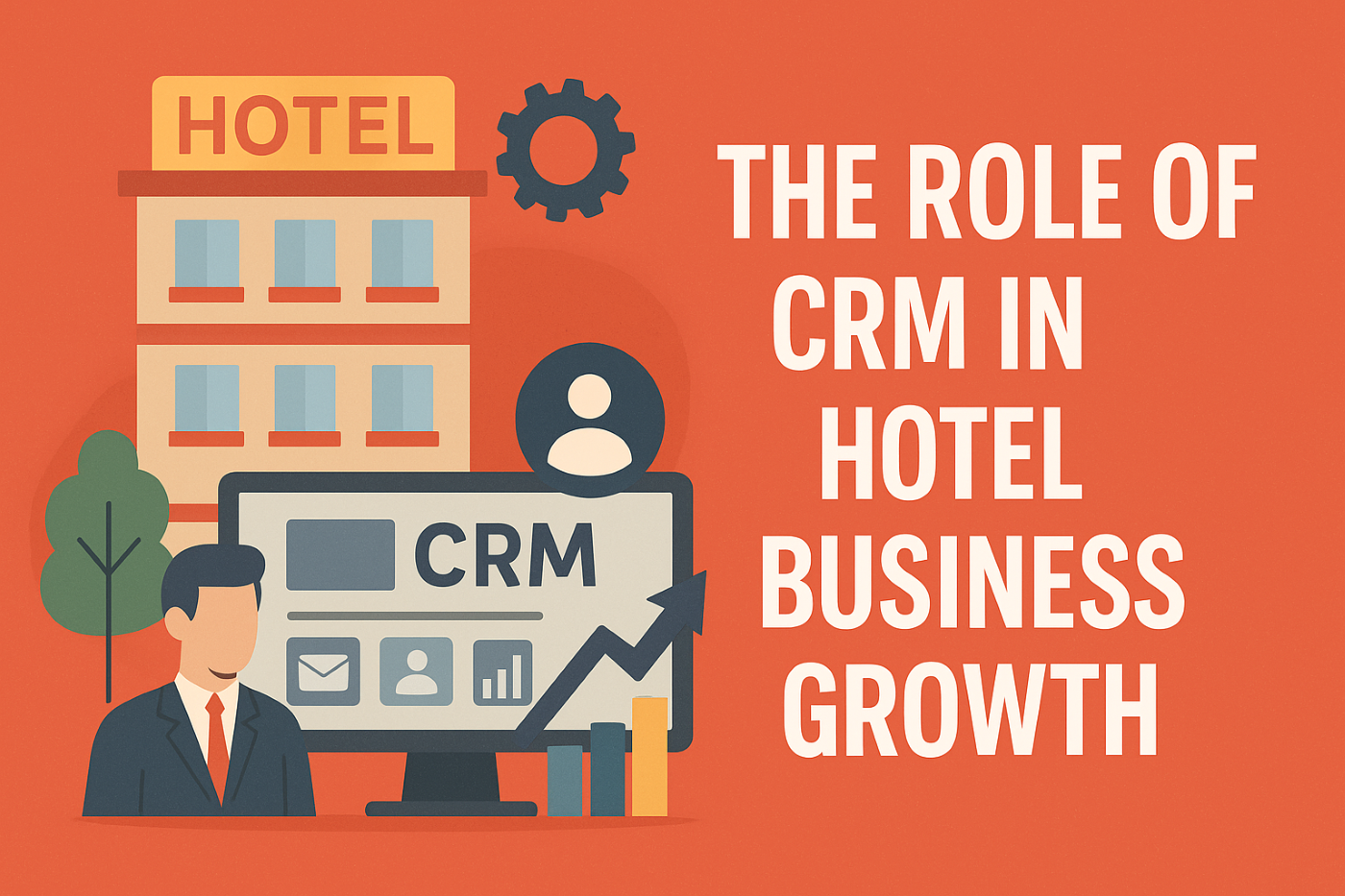
In today’s competitive hospitality landscape, hotels are no longer competing only on price or location—they’re competing on experience. From the moment a guest makes an inquiry to the time they check out, every interaction shapes their perception of the brand. This is where Customer Relationship Management (CRM) systems have become a game changer.
For hotels aiming to deliver personalized experiences, drive repeat bookings, and foster long-term loyalty, CRM is not just software—it’s the strategic heart of guest engagement. At BookSmart, we believe that the intelligent use of CRM can transform how hotels connect with their guests and unlock sustainable business growth.
What is CRM and Why It Matters in Hospitality
A Customer Relationship Management (CRM) system is a tool designed to store, analyze, and manage customer data to improve interactions, enhance satisfaction, and boost sales. In the hospitality industry, it acts as a centralized hub for guest information—tracking preferences, booking history, and communication patterns.
Unlike generic business tools, a hotel CRM is tailored for the guest journey. It goes beyond managing contacts—it helps you understand guest behavior, predict their needs, and tailor every experience, from room selection to post-stay follow-ups.
In essence, CRM helps hotels move from transactional relationships to emotional connections, turning one-time guests into lifelong advocates.
1. Personalization: Turning Data into Memorable Experiences
Guests today expect more than a comfortable stay—they expect personalization. A CRM enables hotels to capture and utilize guest data to curate individualized experiences.
For example:
- Remembering a returning guest’s room preference or dietary restriction.
- Offering special birthday discounts or anniversary upgrades.
- Sending personalized recommendations based on previous stays or interests.
Such small yet meaningful gestures can turn a casual guest into a loyal one. According to recent hospitality studies, 80% of travelers prefer hotels that personalize their experience, and CRM is the engine that makes it possible.
At BookSmart, we help hotels harness CRM insights to deliver personalized marketing and guest services that create memorable stays and emotional brand connections.
2. Enhancing Guest Communication Across Channels
In the age of digital convenience, communication is everything. Guests interact with hotels across multiple platforms—email, WhatsApp, social media, and booking sites. A CRM system unifies all these touchpoints, ensuring consistent and timely communication at every stage.
CRM improves guest communication by:
- Sending automated booking confirmations, pre-arrival checklists, and post-stay thank-you emails.
- Offering real-time responses to inquiries or complaints through integrated chat systems.
- Providing marketing automation tools for promotional messages or loyalty updates.
This kind of unified communication builds trust and transparency. When guests feel heard and valued at every step, their likelihood to return increases exponentially.
3. Driving Direct Bookings and Reducing Dependency on OTAs
Online Travel Agencies (OTAs) are important for visibility, but they often eat into hotel profits with hefty commissions. A well-implemented CRM helps hotels drive direct bookings by nurturing relationships and offering tailored promotions directly to guests.
CRM tools can:
- Capture leads from your website or social media and convert them into direct bookings.
- Automate email campaigns highlighting special offers for past or potential guests.
- Build loyalty programs that encourage guests to book directly next time.
By shifting focus toward direct engagement, hotels can reduce OTA dependency, increase profit margins, and own their customer relationships—a key growth lever for modern hospitality brands.
4. Empowering Sales and Marketing Teams with Data
CRM systems provide a 360-degree view of guests, empowering your sales and marketing teams to make data-driven decisions. By analyzing booking patterns, demographics, and feedback, teams can craft highly targeted campaigns.
For example:
- Segmenting business travelers vs. leisure travelers for tailored promotions.
- Identifying high-value repeat customers for VIP programs.
- Tracking campaign performance and optimizing marketing spend.
Data-driven insights allow hotels to allocate budgets efficiently, identify untapped opportunities, and measure ROI effectively.
At BookSmart, we emphasize CRM-driven marketing strategies that prioritize personalization, timing, and relevance—resulting in higher engagement and conversion rates.
5. Strengthening Guest Loyalty and Retention
It’s far cheaper to retain an existing guest than to acquire a new one. A CRM plays a crucial role in nurturing guest loyalty by enabling hotels to maintain continuous engagement.
Through loyalty programs integrated into CRM, hotels can:
- Reward repeat stays with points, discounts, or free upgrades.
- Send reminders about expiring offers or unused points.
- Track guest satisfaction through surveys and feedback loops.
Loyalty doesn’t happen by accident—it’s built through consistent, personalized follow-ups. CRM ensures that no guest is forgotten and every guest feels recognized. Over time, this leads to repeat bookings and positive word-of-mouth, both critical for long-term growth.
6. Improving Operational Efficiency
Beyond marketing, CRM improves operational workflows across departments. With centralized guest data, teams such as front office, housekeeping, and food & beverage can collaborate seamlessly.
Here’s how CRM enhances internal efficiency:
- Real-time access to guest profiles for better service delivery.
- Automated task assignment and reminders for staff.
- Insightful reports for forecasting occupancy and managing inventory.
By automating manual tasks and reducing miscommunication, CRM helps staff focus on what truly matters—enhancing guest satisfaction.
7. Turning Feedback into Business Intelligence
Guest feedback is gold—but only if it’s captured and analyzed effectively. A CRM system collects and categorizes feedback from multiple sources—emails, online reviews, and surveys—helping hotels identify patterns and areas for improvement.
For instance:
- Tracking recurring complaints to address operational gaps.
- Highlighting positive mentions to reinforce what’s working.
- Measuring satisfaction scores to predict guest retention.
At BookSmart, we encourage hotels to use CRM analytics to transform feedback into strategy—shaping better experiences and smarter business decisions.
8. CRM and the Power of Predictive Analytics
Modern CRM systems leverage AI and machine learning to predict guest behavior. By analyzing data trends, hotels can forecast demand, anticipate cancellations, and personalize offers in advance.
Predictive analytics allows hotels to:
- Optimize pricing and inventory based on seasonal demand.
- Anticipate high-value guests for tailored upselling.
- Identify churn risk and proactively engage with those guests.
In short, CRM transforms data into foresight—helping hotels stay one step ahead in an ever-evolving market.
The BookSmart Approach: CRM for the Modern Hotel
At BookSmart, we believe technology should simplify—not complicate—guest management. Our CRM consulting approach focuses on integration, personalization, and insight-driven decision-making.
We help hotels:
- Choose the right CRM platform suited to their size and goals.
- Integrate CRM with existing property management and booking systems.
- Train staff to make the most of automation and analytics features.
With BookSmart’s expertise, hotels can convert data into loyalty, relationships into revenue, and stays into stories.
Conclusion: CRM as the Engine of Hotel Growth
In 2025 and beyond, the success of a hotel lies in its relationships—not just its rooms. CRM is the bridge that connects technology with hospitality, enabling hotels to understand guests deeply, anticipate their needs, and deliver unforgettable experiences.
By adopting a CRM-driven strategy, hotels can:
- Strengthen guest relationships.
- Drive direct revenue.
- Streamline operations.
- Build long-term loyalty.
As the hospitality world becomes more data-driven and customer-centric, investing in CRM is not an option—it’s a necessity for growth.
At BookSmart, we’re passionate about helping hotels embrace this transformation—empowering them to build smarter, more connected, and more profitable guest journeys.
Leave a Reply