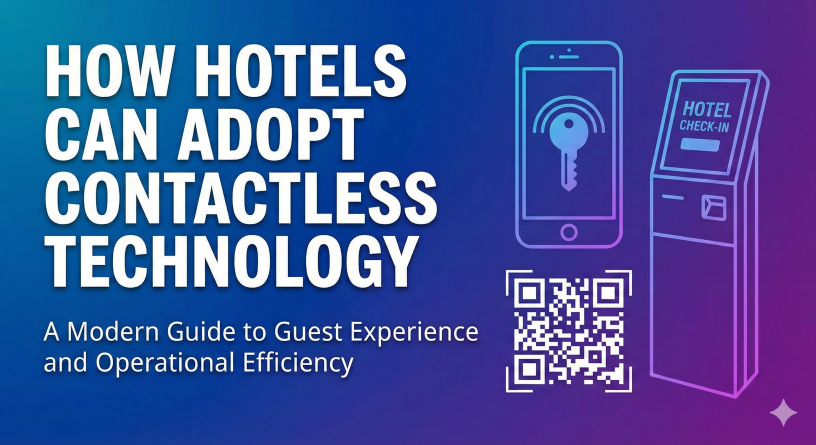
The hospitality industry has witnessed a major digital transformation in recent years, with contactless technology emerging as a defining trend. Initially accelerated by the global health crisis, contactless solutions have now become a guest expectation rather than a temporary measure. Today’s travelers seek convenience, speed, and safety—values perfectly aligned with contactless innovation.
For hotels, adopting contactless technology is not just about reducing physical interaction; it’s about enhancing efficiency, building guest confidence, and creating a seamless, modern experience. In this article, Booksmart explores the ways hotels can successfully embrace contactless technology and gain a competitive edge.
1. Understanding the Importance of Contactless Technology
Contactless technology refers to digital systems that allow guests to interact with hotel services without physical touch or direct human contact.
1.1 Why It Matters
- Safety: Minimizes physical interactions and reduces health risks.
- Convenience: Speeds up check-in, room access, and payments.
- Efficiency: Reduces staff workload and manual operations.
- Modern Guest Expectations: Younger travelers, business guests, and tech-savvy customers prefer digital-first experiences.
By adopting contactless solutions, hotels meet evolving guest expectations while improving operational performance.
2. Implementing Contactless Check-In and Check-Out
The check-in process often sets the tone for a guest’s entire stay. Contactless options create a smooth, hassle-free arrival experience.
2.1 Online Pre-Arrival Check-In
Hotels can allow guests to:
- Upload their ID
- Fill out personal details
- Choose room preferences
- Complete necessary forms
This significantly reduces wait times at reception.
2.2 Mobile Check-In
Guests receive a notification when their room is ready and can check in through:
- Hotel mobile apps
- Web links
- QR codes
2.3 Contactless Check-Out
Guests can review bills, settle payments, and check out from their phones without visiting the front desk.
These digital steps create a seamless guest journey from arrival to departure.
3. Mobile Room Keys and Digital Access
Traditional keycards often result in demagnetization or loss issues. Mobile keys solve these problems and enhance safety.
3.1 Smartphone-Based Room Access
Guests can use their smartphones to:
- Unlock their room
- Access elevators
- Enter parking areas or fitness centers
3.2 NFC and Bluetooth Technology
These technologies create secure, encrypted digital keys that ensure easy and safe access.
3.3 Benefits for Hotels
- Reduced keycard costs
- Improved security tracking
- Enhanced guest convenience
Mobile keys are fast becoming a standard offering in forward-thinking hotels.
4. Contactless Payments
Digital payments enhance efficiency and reduce physical touchpoints.
4.1 Multiple Payment Options
Hotels should offer:
- UPI payments
- Contactless credit/debit cards
- Mobile wallets (Apple Pay, Google Pay)
- In-app payments
4.2 Digital Billing
Guests can receive bills:
- Through email
- Via the hotel app
- Through SMS links
Contactless payments speed up transactions and improve transparency.
5. In-Room Digital Controls
Digital room controls transform the guest experience by letting them personalize their environment without touching physical buttons.
5.1 Mobile App Controls
Guests can control:
- Lighting
- Temperature
- Curtains
- Television
- Music
all through their smartphones.
5.2 Voice-Enabled Virtual Assistants
Hotels can integrate smart speakers to:
- Request housekeeping
- Order room service
- Control room features
- Ask for local recommendations
5.3 Smart TVs and BYOD (Bring Your Own Device)
Allowing guests to cast their own content provides comfort and a personalized entertainment experience.
6. Contactless Dining and Room Service
Food and beverage services can be made more efficient with digital tools.
6.1 QR Code Menus
Guests can browse menus on their devices, reducing the need for physical copies.
6.2 Mobile Ordering
Hotels can offer:
- In-room dining orders
- Poolside service requests
- Restaurant reservations
all through mobile apps.
6.3 Automated Delivery Robots (Optional)
Some modern hotels are beginning to use robots to deliver:
- Towels
- Room service meals
- Toiletries
This technology enhances novelty and minimizes physical contact.
7. Contactless Housekeeping and Maintenance Requests
Communication between guests and staff can be completely digitized.
7.1 Mobile Requests
Guests can request:
- Extra towels
- Toiletries
- Cleaning services
- Repairs
via the hotel app or WhatsApp integration.
7.2 Digital Tracking
Hotels can manage and prioritize staff tasks more efficiently.
7.3 Pre-Scheduled Housekeeping
Guests can choose preferred cleaning times, reducing disruptions and increasing comfort.
8. AI-Powered Chatbots and Virtual Concierge
AI adds a layer of personalization and efficiency that enhances guest interaction.
8.1 24/7 Automated Assistance
Chatbots can handle:
- FAQs
- Reservation updates
- Service requests
- Local recommendations
8.2 Virtual Concierge Services
Guests can plan their stay with:
- Itinerary suggestions
- Weather updates
- Transportation options
This enhances guest experience while reducing pressure on hotel staff.
9. Digitizing Hotel Operations
Contactless technology also benefits back-end operations.
9.1 Staff Communication Apps
Digital tools help staff coordinate:
- Housekeeping schedules
- Maintenance tasks
- Inventory updates
9.2 Cloud-Based PMS (Property Management System)
A cloud PMS enables:
- Real-time updates
- Multi-device access
- Automated workflows
9.3 Analytics and Reporting
Hotels can track:
- Guest preferences
- Usage patterns
- Popular services
This allows better decision-making and service improvements.
10. Ensuring Data Security and Privacy
As hotels digitize, they must prioritize data protection.
10.1 Secure Systems
Use encrypted systems to prevent unauthorized access.
10.2 Privacy Policies
Guests should be informed about how their data is used and stored.
10.3 Cybersecurity Training
Staff should be trained to identify:
- Phishing attempts
- Suspicious activities
- Data mishandling
Responsible technology use builds trust and protects the hotel’s reputation.
11. Marketing the Contactless Experience
Highlighting contactless features can attract modern, tech-savvy travelers.
11.1 Website and Social Media Updates
Showcase contactless:
- Check-in
- Room access
- Dining services
- Wellness integrations
11.2 Virtual Tours
Virtual tours help guests see how safe and modern the hotel is.
11.3 Reviews and Testimonials
Encourage guests to share their contactless journey online.
Conclusion
Contactless technology is reshaping hotel operations and guest experiences. By adopting mobile check-ins, digital keys, smart room controls, AI-assisted services, and secure payment systems, hotels can deliver seamless, modern, and efficient hospitality. This transformation not only meets the expectations of today’s travelers but also improves operational productivity and strengthens brand trust.
As hospitality moves into a more digital-focused future, hotels that embrace contactless innovation will stand out, attract loyal guests, and maintain a competitive advantage.
At Booksmart, we believe the future of hospitality is seamless, safe, and smart—built on the foundation of contactless technology.
Leave a Reply