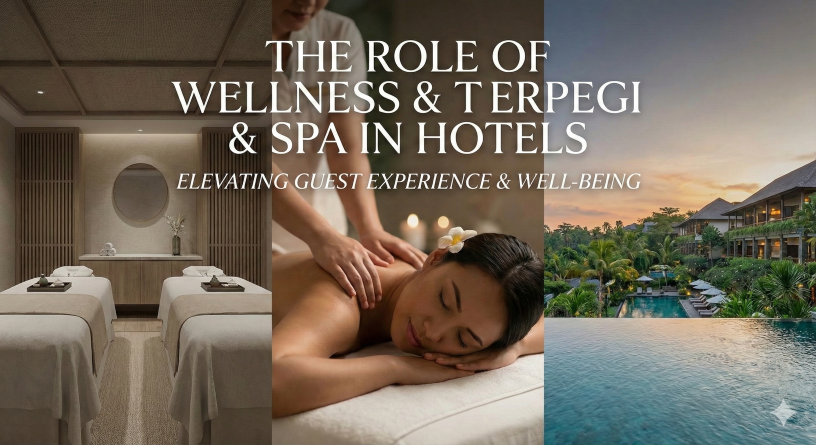
In recent years, the global hospitality industry has undergone a remarkable shift. Travelers today are not just seeking comfortable rooms or gourmet dining—they are increasingly searching for experiences that support rest, rejuvenation, and holistic well-being. This shift has made wellness and spa services essential components of modern hotel offerings. From luxury resorts to business hotels, the wellness trend is influencing design, guest experiences, marketing, and brand identity.
At Booksmart, we understand that wellness is more than an amenity; it’s a strategic investment that enhances guest satisfaction, strengthens brand loyalty, and drives revenue. Below, we explore the growing importance of wellness and spa facilities in today’s hotel industry.
1. The Rise of Wellness Tourism
Wellness tourism has evolved from a niche concept to a global movement. Guests now prioritize health-focused experiences that help them disconnect from stress and reconnect with themselves.
1.1 Growing Demand from Modern Travelers
Travelers today are:
- More health-conscious
- Seeking restorative experiences
- Interested in mindfulness practices
- Focused on sustainable, holistic living
Hotels that incorporate wellness see higher guest engagement and repeat bookings.
1.2 Expansion Beyond Luxury
Initially associated with luxury resorts, wellness has become mainstream. Business hotels, boutique stays, and even airport hotels now integrate wellness options to stay competitive.
2. Enhancing Guest Experience Through Wellness
Wellness and spa services add depth to the overall guest experience, creating memorable moments that go beyond traditional hospitality.
2.1 Stress Relief and Relaxation
Spas provide:
- Massages
- Aromatherapy
- Hydrotherapy
- Body treatments
These help guests unwind, especially business travelers navigating hectic schedules.
2.2 Personalized Wellness Journeys
Modern spas focus on customized experiences through:
- Tailored massage therapies
- Personalized skincare treatments
- Customized fitness plans
- Holistic healing therapies
Personalization strengthens guest satisfaction and emotional connection to the brand.
2.3 Holistic Well-being Options
Hotels now offer:
- Yoga and meditation classes
- Wellness retreats
- Sleep therapy programs
- Detox and nutrition consultations
These experiences elevate a guest’s stay from ordinary to extraordinary.
3. A Key Revenue Driver for Hotels
Wellness services not only enhance the guest experience but also significantly contribute to hotel profitability.
3.1 High-Profit Margins
Spa treatments, salon services, and wellness programs generate substantial revenue with relatively high profit margins.
3.2 Cross-Selling Opportunities
Spa guests often spend more on:
- Health-oriented dining
- Room upgrades
- Fitness classes
- Wellness merchandise
3.3 Attracting New Customer Segments
Hotels with strong wellness facilities can tap into:
- Wellness travelers
- Corporate retreat groups
- Destination wedding bookings
- Long-stay health-focused guests
Wellness becomes a powerful marketing tool and a competitive differentiator.
4. Enhancing Brand Identity and Market Positioning
A well-designed wellness program strengthens a hotel’s brand image.
4.1 Creating Signature Experiences
Signature treatments—like a unique massage technique or region-inspired spa ritual—become part of the hotel’s identity.
4.2 Building Brand Loyalty
When guests associate a hotel with relaxation, rejuvenation, and comfort, they are more likely to return.
4.3 Differentiating in a Competitive Market
In markets crowded with similar hotel offerings, wellness helps hotels stand out and appeal to discerning travelers.
5. Improving Guest Health and Well-being
Wellness programs contribute to improved guest health, making their travel safer and more enjoyable.
5.1 Physical Wellness
Hotels that offer:
- Fully equipped gyms
- Swimming pools
- Outdoor fitness trails
- Active lifestyle classes
support guests in maintaining fitness routines even while traveling.
5.2 Mental Wellness
Mindfulness spaces, meditation rooms, and professionally guided sessions help reduce stress and improve mental clarity.
5.3 Nutritional Wellness
Many hotels introduce:
- Organic menus
- Plant-based options
- Detox drinks
- Dietician-curated meal plans
Food becomes part of the overall wellness journey.
6. Integrating Wellness into Hotel Design
Wellness is no longer limited to spas; it influences architectural design and ambiance.
6.1 Biophilic Design
Hotels incorporate:
- Natural light
- Greenery
- Water elements
- Natural textures
This creates calming environments that promote well-being.
6.2 Sound and Lighting
Soft lighting, aromatherapy diffusers, and soundproof wellness zones enhance relaxation and sleep quality.
6.3 Wellness Rooms and Suites
Some hotels now offer rooms equipped with:
- Air purifiers
- Vitamin-infused showers
- Meditation tools
- Ergonomic bedding
Wellness is woven into the guest’s entire stay experience.
7. Role of Technology in Modern Wellness Experiences
Technology elevates the wellness experience, making it more immersive and accessible.
7.1 Virtual Wellness Sessions
Hotels offer:
- Online yoga classes
- VR meditation experiences
- Digital fitness training
7.2 Wearable Integration
Some spas integrate guest wearables to personalize:
- Heart rate wellness sessions
- Fitness plans
- Sleep improvement programs
7.3 Smart Spa Technologies
These include:
- App-based therapy selections
- Smart saunas
- Touchless spa treatments
Technology makes wellness efficient, modern, and user-friendly.
8. Sustainable Wellness Practices
Sustainability and wellness go hand in hand, and hotels that combine these elements appeal to eco-conscious guests.
8.1 Organic and Natural Products
Spas are increasingly using:
- Herbal oils
- Chemical-free skincare
- Locally sourced ingredients
8.2 Eco-Friendly Facilities
Sustainable features include:
- Energy-efficient saunas
- Water-saving hydrotherapy systems
- Bamboo linens and furnishings
8.3 Wellness Through Sustainability
Guests feel at peace knowing their wellness journey supports environmental well-being too.
9. Staff Training and Wellness Culture
A successful wellness-driven hotel must train staff to reflect the same philosophy.
9.1 Wellness-Trained Staff
Staff trained in:
- Spa etiquette
- Holistic hospitality
- Guest emotion management
can deliver elevated service experiences.
9.2 Internal Staff Wellness Programs
Hotels that offer wellness perks internally—like gym access or mental health support—see higher employee morale and retention.
9.3 Consistent Service Delivery
Trained teams ensure that the wellness brand remains consistent across all touchpoints.
10. Future Trends in Hotel Wellness
The future of hospitality lies in integrated wellness communities.
Emerging trends include:
- Sleep-focused hotels
- Medical wellness retreats
- Wellness-oriented room upgrades
- Personalized nutrition programs
- Longevity and anti-aging treatments
Hotels that adapt early will gain a long-term competitive advantage.
Conclusion
Wellness and spa services have evolved from optional amenities to essential components of modern hospitality. They elevate guest experience, enhance brand image, drive revenue, and promote holistic well-being. Whether through soothing spa rituals, fitness programs, or mindfulness experiences, wellness has become a defining feature of the hotel industry.
At Booksmart, we believe wellness is not just a trend—it’s the future. Hotels that embrace it not only meet the needs of today’s travelers but also create meaningful, memorable journeys that inspire loyalty and long-term success.
Leave a Reply