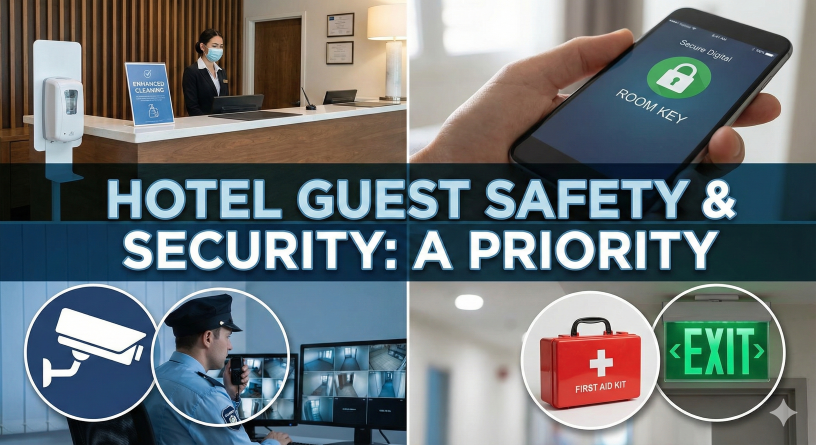
In today’s hospitality landscape, safety and security are no longer optional—they are essential pillars of hotel operations. Guests choose hotels not only for comfort and luxury but also for the assurance that they are protected throughout their stay. A single incident of theft, harassment, or security breach can damage a hotel’s reputation and erode guest trust for years.
Hotel safety is a combination of proactive planning, effective staff training, modern technology, and quick emergency response systems. In this guide, Booksmart explores actionable strategies hotels can adopt to create a secure environment where guests feel cared for and confident.
1. Establish a Strong First Line of Defense: Controlled Access
Guest safety starts at the entrance. Hotels must make sure that only authorized individuals can access guest-only areas.
1.1 Monitor Entrances and Exits
- Install CCTV cameras with 24/7 monitoring.
- Use well-lit entry points to deter suspicious activity.
- Position trained security personnel at key access areas.
1.2 Limit Access to Guest Floors
- Implement key card access for elevators and stairwells.
- Set up security checkpoints in high-rise hotels.
- Place clear signage to guide visitors and discourage unauthorized access.
A controlled-access environment significantly reduces the chances of intruders entering private zones, ensuring guests feel safe from the moment they walk in.
2. Use Technology to Strengthen Security
Modern hospitality demands modern solutions. Technology not only enhances safety but also improves operational efficiency.
2.1 Install Surveillance Systems
High-definition CCTV cameras installed in:
- Lobbies
- Corridors
- Parking areas
- Entrances and exits
- Service zones
Real-time monitoring and cloud-based storage add additional layers of security.
2.2 Smart Locks and Digital Room Keys
Replacing traditional metal keys with digital systems prevents unauthorized duplication. Smart locks:
- Log every entry attempt
- Allow remote access control
- Enhance guest privacy
2.3 Alarm and Emergency Systems
Investing in advanced fire alarms, smoke detectors, panic buttons, and intrusion alarms ensures immediate response in emergencies.
2.4 Cybersecurity for Guest Data
Hotels hold sensitive data such as ID proofs, credit card information, and booking details. Protecting this information is critical.
- Use encrypted networks
- Train staff in cybersecurity basics
- Conduct regular audits
- Utilize secure payment gateways
As hotels embrace digitization, cybersecurity becomes as important as physical security.
3. Train Staff for Safety and Crisis Management
No security system is effective without well-trained staff. Employees are the backbone of hotel safety.
3.1 Safety Training Programs
Staff must be trained to:
- Identify suspicious behavior
- Handle emergency evacuations
- Assist guests with safety concerns
- Manage conflict professionally
3.2 First Aid and CPR Training
A quick medical response can save lives. At least a percentage of staff should:
- Be certified in first aid
- Know how to use an AED (Automated External Defibrillator)
- Understand emergency medical protocols
3.3 Fire Safety Drills
Regular fire drills ensure staff are prepared to lead guests safely in case of an emergency. Knowledge of:
- Fire exits
- Evacuation routes
- Fire extinguisher use
is crucial.
3.4 Guest Interaction Protocols
Hotel employees should always:
- Greet guests politely while staying alert
- Avoid sharing room numbers out loud
- Escort guests safely when required
Human vigilance is often more effective than security equipment.
4. Strengthen Room and Floor Security
Guests spend most of their time in their rooms, so room security is one of the top priorities.
4.1 Secure Door and Window Systems
Hotels should install:
- Peepholes
- Deadbolts
- Secondary locking systems
- Reinforced door frames
- Secure window locks
These measures provide guests with a sense of control over their personal space.
4.2 In-Room Safes
Ensure rooms are equipped with digital safes where guests can protect their passports, cash, jewelry, and personal belongings.
4.3 Maintain Privacy Policies
Staff should follow privacy guidelines, including:
- Knocking and announcing before entering
- Using staff rooms for storage only
- Avoiding entry to rooms when guests are not present (unless requested)
Privacy and safety go hand in hand.
5. Conduct Regular Security Audits and Inspections
Security is not a one-time implementation. Hotels must consistently assess and update their safety measures.
5.1 Safety Audits
Include inspections for:
- Proper lighting in hallways
- CCTV functionality
- Working emergency alarms
- Maintenance of fire extinguishers
- Door lock performance
5.2 External Security Consultants
Many hotels hire corporate security firms to:
- Conduct threat assessments
- Review current procedures
- Suggest upgrades
- Train staff
Regular audits ensure the hotel remains compliant with safety standards and industry regulations.
6. Enhance Outdoor and Perimeter Safety
Outdoor areas such as parking lots, gardens, and swimming pools require dedicated safety measures.
6.1 Secure Parking Areas
- Install bright lighting
- Use cameras and motion sensors
- Provide parking passes or tags
- Employ security patrols
6.2 Pool and Recreation Area Safety
- Lifeguards for swimming pools
- Slip-resistant flooring
- Warning signs and safety equipment
6.3 Perimeter Monitoring
Exterior fences, gates, and landscaping should be designed to reduce hiding spots and increase visibility.
These measures help ensure guest safety even outside the hotel building.
7. Implement Strong Visitor Management Policies
Guests often have visitors, and managing them effectively is crucial.
7.1 Visitor Registration
Hotels should require:
- Valid ID for visitors
- Logging arrival and departure times
- Issuing visitor badges
7.2 Time Restrictions
Limit visitor access during late-night hours for enhanced safety.
7.3 Escort Services
If necessary, security should escort visitors to designated areas to prevent unauthorized access.
A transparent visitor management policy protects both guests and hotel staff.
8. Clear Communication and Guest Awareness
Keeping guests informed empowers them to make safer decisions.
8.1 Provide Safety Instructions
Hotels can offer:
- In-room safety cards
- Floor maps showing exits
- Emergency contact numbers
8.2 Digital Communication
Use apps, SMS alerts, or in-room tablets to:
- Notify guests about emergency situations
- Share general safety tips
- Provide weather-related warnings
8.3 Encourage Guest Feedback
Create easy channels for guests to report:
- Suspicious activity
- Operational concerns
- Maintenance issues
Guest feedback helps hotels identify risks early.
9. Focus on Hygiene and Health Safety
Post-pandemic, health safety is an essential part of hotel security.
9.1 Sanitation Protocols
- Regular deep cleaning
- Disinfecting high-touch surfaces
- Hygienic food handling
9.2 Health Checks
Hotels may incorporate:
- Employee health screenings
- Temperature checks during outbreaks
- Contactless services
9.3 Air Quality Management
Use air purifiers, HVAC maintenance, and proper ventilation to maintain healthier indoor environments.
A healthy hotel is a safe hotel.
10. Create a Culture of Security
True safety is not about isolated actions—it’s a culture. Every staff member should treat security as part of their daily responsibility.
10.1 Build Trust
Guests should feel comfortable approaching hotel staff with concerns.
10.2 Lead by Example
Management should encourage safety consciousness and reward employees who contribute to a secure environment.
10.3 Consistency is Key
Security protocols must be followed consistently, not just during peak seasons or high-profile events.
When security becomes part of the hotel’s identity, it naturally reflects in superior guest experiences.
Conclusion
Guest safety and security are fundamental to the hospitality industry. A hotel that provides a secure environment not only earns guest loyalty but also builds a strong reputation in the market. By combining technology, well-trained staff, robust policies, and a culture of security, hotels can offer a safe haven where guests can relax with peace of mind.
At Booksmart, we believe safety is the foundation of exceptional hospitality. Implementing the strategies above will help hotels create a safer, more welcoming environment for every guest who walks through their doors.
Leave a Reply