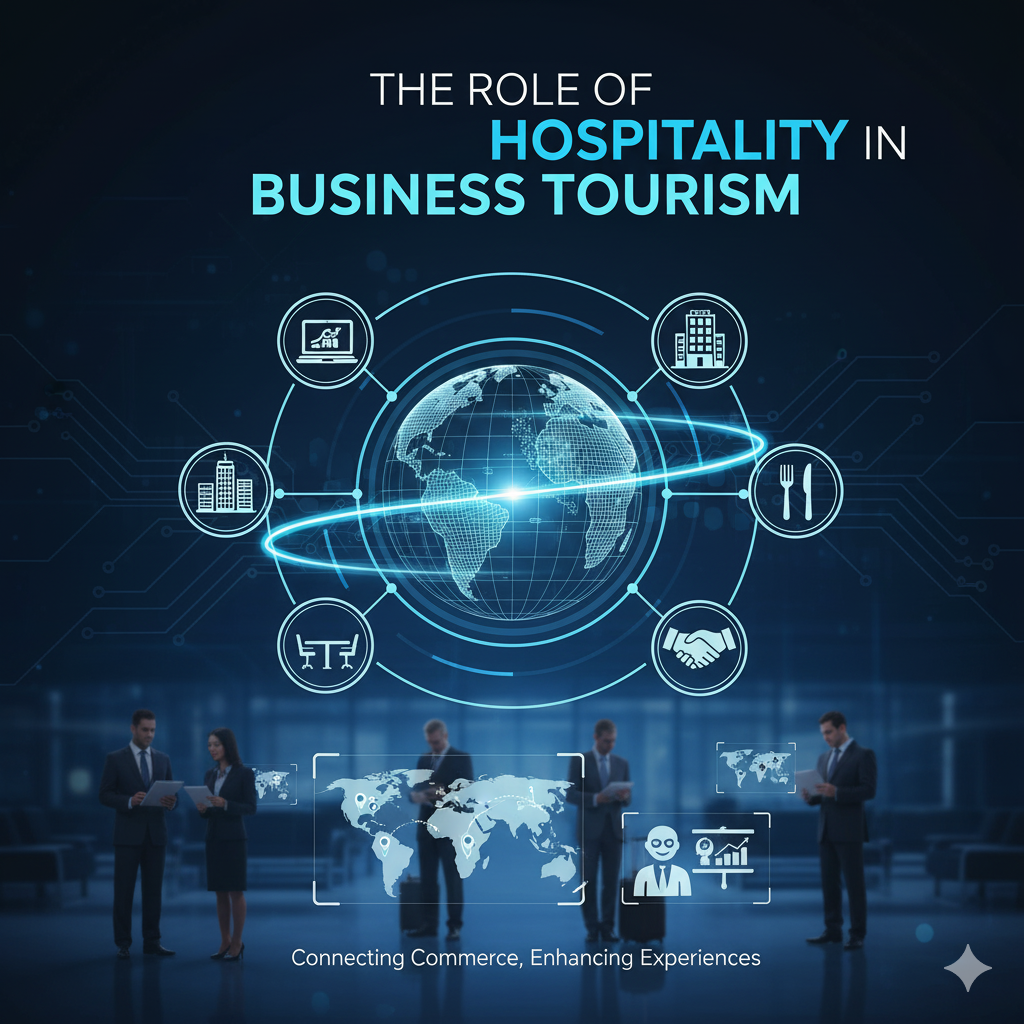
Business tourism has grown into one of the most dynamic segments of the global travel industry. From corporate meetings and conferences to incentive programs and exhibitions, business travelers rely heavily on comfort, convenience, and professional service. At the heart of this experience lies the hospitality sector—the hotels, restaurants, event venues, and service providers that shape a company’s perception of a destination.
At BookSmart, we understand that hospitality plays a crucial role not only in attracting business travelers but also in enhancing their productivity, satisfaction, and overall experience. Here’s an in-depth look at how hospitality supports and elevates business tourism.
Understanding Business Tourism
Business tourism, also known as corporate travel or MICE tourism (Meetings, Incentives, Conferences, and Exhibitions), focuses on travel for professional purposes. Unlike leisure tourism, business travel requires:
- Efficient services
- Reliable infrastructure
- High-quality amenities
- Fast communication
- Professional staff support
Hospitality serves as the backbone of this ecosystem, offering the comfort and functionality business travelers need.
1. Providing Comfortable and Productive Accommodation
For business travelers, accommodation is more than just a place to sleep—it’s a workspace, a planning zone, and a relaxation area. Hotels play a major role in supporting their productivity by offering:
- High-speed internet
- Business centers
- Ergonomic workspaces
- Quiet rooms
- Meeting and conference facilities
- Express check-in/check-out
When hotels meet these expectations, business travelers can stay focused and efficient throughout their trip. BookSmart emphasizes the importance of training staff to understand the unique needs of corporate guests to ensure smooth and professional service.
2. Enhancing Destination Appeal and Competitiveness
Destinations that offer strong hospitality services stand out in the global business tourism market. High-quality hotels, efficient transportation, modern convention centers, and excellent dining options all contribute to a city’s attractiveness.
A well-developed hospitality sector helps cities compete for major international events, such as:
- Corporate summits
- Trade fairs
- Tech conferences
- Academic conventions
- Incentive travel programs
Greater hospitality standards equal greater economic opportunities.
3. Delivering Professional Event Management Support
Events and conferences are key components of business tourism. Hospitality providers—especially hotels and convention centers—offer crucial support through:
- Event planning teams
- Technical assistance
- Catering services
- Stage and audio-visual setup
- Guest coordination
- Venue decoration
Professional event support ensures large gatherings run smoothly. When hospitality teams are well-trained, events flow effortlessly, leaving a lasting positive impression on attendees.
4. Strengthening Brand Image and Corporate Relationships
For businesses, hosting clients or partners at a reputable hotel or venue can significantly influence corporate relationships. Hospitality experiences directly reflect the professionalism and values of the host organization.
Exceptional service can enhance brand perception by:
- Building trust
- Creating positive memories
- Demonstrating attention to detail
- Supporting meaningful interactions
BookSmart helps hospitality teams develop the skills needed to handle VIP guests, manage special corporate requests, and deliver service that aligns with global business expectations.
5. Ensuring Seamless Travel and Convenience
Business travelers value efficiency above all else. Hospitality services—from taxis and shuttle arrangements to concierge desks—help them navigate the destination with ease.
Key hospitality contributions include:
- Airport transfers
- Local transport recommendations
- 24/7 concierge support
- Fast dining options
- Digital check-in solutions
These conveniences reduce travel stress and allow travelers to focus on their professional goals.
6. Supporting International Business Through Cultural Sensitivity
Business tourism often involves travelers from diverse cultural backgrounds. Hospitality teams must practice cultural sensitivity to avoid misunderstandings and ensure a welcoming experience.
This includes:
- Understanding language barriers
- Recognizing cultural etiquette
- Respecting dietary preferences
- Offering personalized service
Training staff in cross-cultural communication is essential—and a key area BookSmart emphasizes to help hotels elevate global hospitality standards.
7. Facilitating Networking and Collaboration
Hotels and conference venues often serve as informal networking spaces where business connections are formed. A strong hospitality environment promotes collaboration by offering:
- Lounge areas
- Coffee bars
- Co-working spaces
- Relaxed meeting spots
- Well-designed event halls
These spaces encourage conversation, creativity, and professional engagement—core elements of successful business tourism.
8. Supporting Local Economies and Business Growth
Hospitality’s role in business tourism extends beyond traveler experience—it fuels local economic development. Business travelers spend money on:
- Accommodation
- Dining
- Local travel
- Entertainment
- Shopping
- Event services
Hotels and hospitality businesses also partner with local vendors, helping create jobs and support regional development. When hospitality standards rise, the entire economy benefits.
9. Leveraging Technology to Improve Business Travel
Modern hospitality heavily relies on technology to meet the needs of business travelers. Innovations such as:
- Contactless check-in
- Smart room controls
- Virtual meeting tools
- Digital room service
- Mobile concierge apps
…enhance convenience and create a seamless experience. Hotels that embrace digital transformation stay relevant and competitive in the business tourism market.
10. Creating Memorable Experiences Beyond Business
Even business travelers appreciate moments of leisure. High-quality hospitality offers:
- Relaxing spa services
- Fine dining experiences
- Local tours
- Fitness centers
- Cultural interactions
These small moments of comfort can turn a business trip into a memorable stay. BookSmart supports hotels in crafting well-rounded guest experiences through professional training and service enhancements.
Conclusion: Hospitality Is the Foundation of Business Tourism Success
The relationship between hospitality and business tourism is deeply interconnected. While business travelers focus on meetings, deals, and professional goals, it is the hospitality sector that ensures their journey is smooth, productive, and enjoyable. From exceptional service and modern facilities to cultural understanding and technological support, hospitality shapes the entire experience.
At BookSmart, we believe that investing in hospitality training empowers staff, elevates service quality, and strengthens a hotel’s ability to meet the complex demands of business travelers. When hospitality thrives, business tourism flourishes—benefiting travelers, companies, and destinations alike.
Leave a Reply