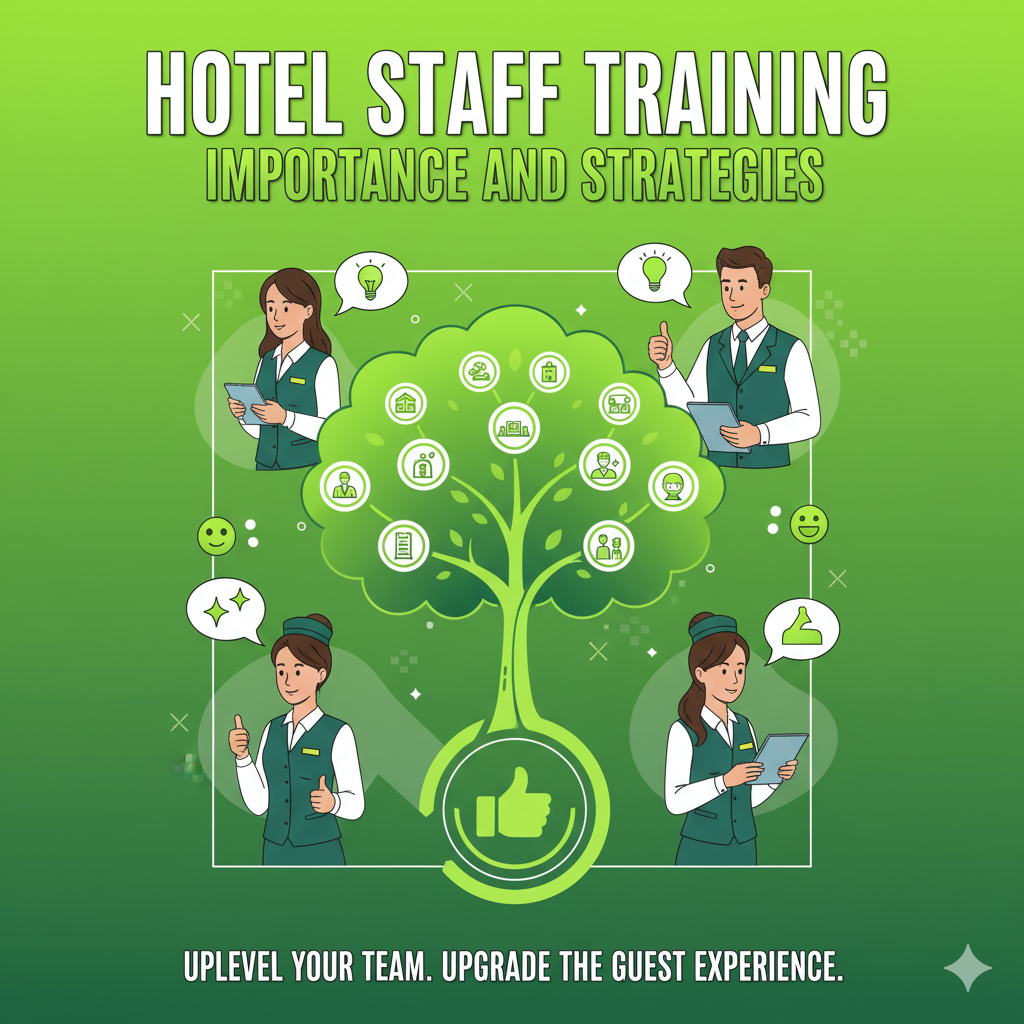
In the hospitality industry, every guest interaction matters. Whether it’s a warm greeting at the reception desk, quick room service, or seamless check-out, the quality of service defines a guest’s overall experience. This is why hotel staff training is not merely an operational requirement—it is a foundational pillar of a hotel’s reputation and success. At BookSmart, we understand that well-trained staff drive customer loyalty, operational efficiency, and long-term business growth.
Here’s a deep look into the importance of staff training in hotels and the most effective strategies to implement it.
Why Hotel Staff Training Matters
1. Enhances Guest Experience
Guest satisfaction is the heartbeat of any hotel. A trained staff member knows how to communicate effectively, anticipate guest needs, and resolve issues promptly. This leads to:
- Better first impressions
- Personalized service
- Faster response times
- More comfortable guest experiences
When guests feel valued and cared for, they are more likely to return—and recommend the hotel to others.
2. Builds a Positive Hotel Reputation
In today’s digital age, one negative review can influence hundreds of potential guests. Training equips staff to handle situations professionally, preventing miscommunication or service failures. Hotels that consistently deliver excellence build strong brand credibility, both online and offline.
3. Improves Operational Efficiency
A well-trained team understands workflows, follows standard procedures, and works in harmony. This reduces:
- Mistakes
- Delays
- Mismanagement
- Internal conflict
Efficient operations translate into smoother check-ins, faster housekeeping response, and well-managed dining services.
4. Reduces Employee Turnover
The hospitality industry has one of the highest employee turnover rates globally. Staff often feel overwhelmed or unsupported when proper training is lacking. Training helps employees feel:
- Confident in their roles
- Recognized and valued
- Clear about expectations
- Motivated to stay longer
This leads to lower hiring costs and a more stable workforce.
5. Ensures Compliance and Safety
Hotels must follow strict regulations related to food safety, hygiene, fire safety, and data protection. Staff training ensures that every team member understands and complies with these guidelines, protecting the hotel from legal issues and ensuring guest safety.
6. Boosts Revenue and Upselling Success
Well-trained staff can identify and seize opportunities to upsell services like:
- Room upgrades
- Dining packages
- Spa treatments
- Local tours
This not only increases guest satisfaction through personalized recommendations but also boosts the hotel’s revenue.
Effective Strategies for Training Hotel Staff
1. Start With a Structured Onboarding Program
New employees should receive clear guidance from day one. A structured onboarding program includes:
- Orientation about hotel culture and values
- Overview of guest service standards
- Detailed explanation of roles and responsibilities
- Introduction to key departments
This foundation helps employees feel welcomed and prepared.
2. Provide Role-Specific Training
Each department—from housekeeping to front office to food & beverage—requires specialized skills. Tailored training ensures employees excel in their individual roles.
Examples include:
- Housekeeping: Room cleaning techniques, hygiene standards, handling guest belongings
- Reception: Reservation systems, communication skills, conflict resolution
- Kitchen & F&B: Food safety, menu knowledge, serving etiquette
- Security: Emergency protocols, guest safety procedures
BookSmart helps hotels design department-wise training modules that align with their operational goals.
3. Use Real-Life Scenarios and Simulations
The hospitality industry thrives on real-time problem solving. Scenario-based training helps staff learn how to handle:
- Guest complaints
- Overbooked rooms
- Special requests
- Miscommunication
- Emergency situations
Practicing these scenarios builds confidence and improves decision-making skills.
4. Implement Continuous Learning Programs
Training should not end after onboarding. Continuous learning ensures staff stay updated with:
- New technologies
- Changing guest expectations
- Updated safety protocols
- Industry best practices
This can be done through monthly workshops, online modules, and microlearning sessions.
5. Encourage Cross-Department Training
Cross-training allows employees to understand the functions of other departments. This helps:
- Improve teamwork
- Reduce dependency on specific individuals
- Increase staff flexibility during peak seasons
- Enhance overall problem-solving
For example, front desk staff can learn basic housekeeping support, while restaurant staff can understand reservation procedures.
6. Integrate Technology Into Training
Digital training solutions make learning more engaging and efficient. Tools like:
- E-learning platforms
- Interactive videos
- Mobile training apps
- Virtual reality simulations
…allow staff to learn anytime, anywhere. BookSmart specializes in creating digital learning programs that hotels can use across multiple locations.
7. Focus on Soft Skills Development
Technical skills help staff perform tasks, but soft skills determine how they interact with guests. Essential soft skills for hotel employees include:
- Communication
- Empathy
- Patience
- Cultural sensitivity
- Problem-solving
- Professional appearance
These skills contribute directly to guest satisfaction and brand reputation.
8. Offer Leadership and Growth Training
Employees are more motivated when they see a clear career path. Leadership training prepares top performers for supervisory or managerial roles, creating a strong internal talent pipeline.
Topics may include:
- Team management
- Decision-making
- Performance evaluation
- Guest loyalty strategies
Investing in leadership development boosts employee morale and reduces the need for external hiring.
9. Provide Regular Feedback and Performance Reviews
Consistent feedback helps employees understand their strengths and identify areas for improvement. Reviews should be constructive, fair, and linked to training opportunities.
At BookSmart, we emphasize a feedback culture where employees feel supported, not judged.
10. Recognize and Reward Excellence
Recognition programs encourage staff to maintain high standards. Rewards may include:
- Certificates
- Incentives
- Monthly awards
- Public appreciation
Celebrating achievements builds a culture of excellence and inspires continuous improvement.
Conclusion: Training Is the Backbone of Hospitality Excellence
In the hotel industry, exceptional service is not a coincidence—it’s the result of committed training and continuous development. Well-trained staff create memorable guest experiences, drive operational efficiency, and enhance the hotel’s brand value.
At BookSmart, we help hotels design and implement effective staff training programs that empower employees and elevate guest satisfaction. By investing in people, hotels not only improve service quality but also build a strong foundation for long-term success.
Leave a Reply