Category: Articles

  • AI in Hotels: Transforming the Future of Hospitality Through Intelligent Technology

    Artificial Intelligence (AI) is reshaping industries across the globe, and the hospitality sector is no exception. Hotels are increasingly embracing AI-powered technologies to enhance guest experiences, streamline operations, improve decision-making, and maximize profitability. From personalized guest recommendations and automated check-ins to predictive maintenance and intelligent revenue management, AI is revolutionizing how hotels operate and interact with their guests.

    Today’s travelers expect convenience, speed, personalization, and seamless digital experiences. They want instant responses to inquiries, customized recommendations, efficient booking processes, and high-quality service throughout their stay. Artificial Intelligence enables hotels to meet these expectations while improving operational efficiency and reducing costs. Rather than replacing human hospitality, AI empowers hotel staff to focus on delivering meaningful, personalized guest interactions by automating repetitive and time-consuming tasks.

    At BookSmart, we believe that AI is becoming an essential component of modern hospitality. Hotels that strategically integrate AI into their operations will be better equipped to enhance guest satisfaction, improve business performance, and remain competitive in an increasingly digital world.

    Understanding Artificial Intelligence in Hospitality

    Artificial Intelligence refers to computer systems that can perform tasks requiring human intelligence, such as learning from data, recognizing patterns, understanding language, making predictions, and automating decision-making.

    In the hotel industry, AI supports numerous operational areas, including reservations, customer service, revenue management, housekeeping, maintenance, marketing, security, and guest engagement.

    Unlike traditional software that follows predefined rules, AI continuously improves its performance by analyzing data and adapting to changing conditions. This ability allows hotels to make smarter decisions, respond more quickly to guest needs, and optimize operations in real time.

    As AI technology becomes more accessible, hotels of all sizes are finding practical ways to integrate intelligent solutions into their daily operations.

    Why AI Matters in the Modern Hotel Industry

    The hospitality industry operates in a highly competitive environment where guest expectations continue to evolve. Hotels must deliver exceptional service while managing rising operational costs, labor shortages, and changing market conditions.

    AI helps hotels address these challenges by automating routine processes, improving efficiency, and providing valuable insights for decision-making. It also enables personalized guest experiences that increase satisfaction and encourage repeat visits.

    Key benefits of AI adoption include:

    • Faster and more accurate customer service
    • Improved operational efficiency
    • Better revenue optimization
    • Enhanced guest personalization
    • Reduced operational costs
    • Smarter business decisions
    • Increased employee productivity
    • Stronger competitive advantage

    By leveraging AI effectively, hotels can balance exceptional hospitality with sustainable business growth.

    Personalized Guest Experiences

    One of AI’s greatest strengths is its ability to personalize guest experiences. Modern travelers appreciate services tailored to their individual preferences rather than generic offerings.

    AI systems analyze booking history, previous stays, dining preferences, room selections, travel behavior, and loyalty program data to deliver customized recommendations.

    For example, returning guests may automatically receive their preferred room type, favorite dining suggestions, or personalized promotional offers before arrival.

    Hotels can also recommend nearby attractions, transportation options, wellness services, and local events based on guest interests.

    This level of personalization helps create memorable experiences while strengthening guest loyalty.

    AI-Powered Chatbots and Virtual Assistants

    Customer service has been transformed by AI-powered chatbots and virtual assistants that provide instant support around the clock.

    Guests can ask questions about reservations, room availability, amenities, check-in times, restaurant hours, or local attractions without waiting for hotel staff.

    AI assistants can handle multiple conversations simultaneously, reducing response times and improving guest satisfaction.

    These virtual assistants also support multilingual communication, allowing hotels to serve international travelers more effectively.

    By managing routine inquiries, AI enables front desk employees to focus on more complex guest needs and personalized service.

    Smart Reservations and Booking Systems

    AI has significantly improved hotel reservation systems by making the booking process faster, more accurate, and highly personalized.

    Intelligent booking platforms analyze customer behavior, travel trends, pricing patterns, and market demand to recommend the most suitable room options and promotional packages.

    AI can also predict booking cancellations, identify high-value guests, and suggest targeted offers that improve conversion rates.

    These capabilities increase occupancy while enhancing the overall booking experience.

    Hotels benefit from higher revenue and improved customer satisfaction through smarter reservation management.

    Revenue Management and Dynamic Pricing

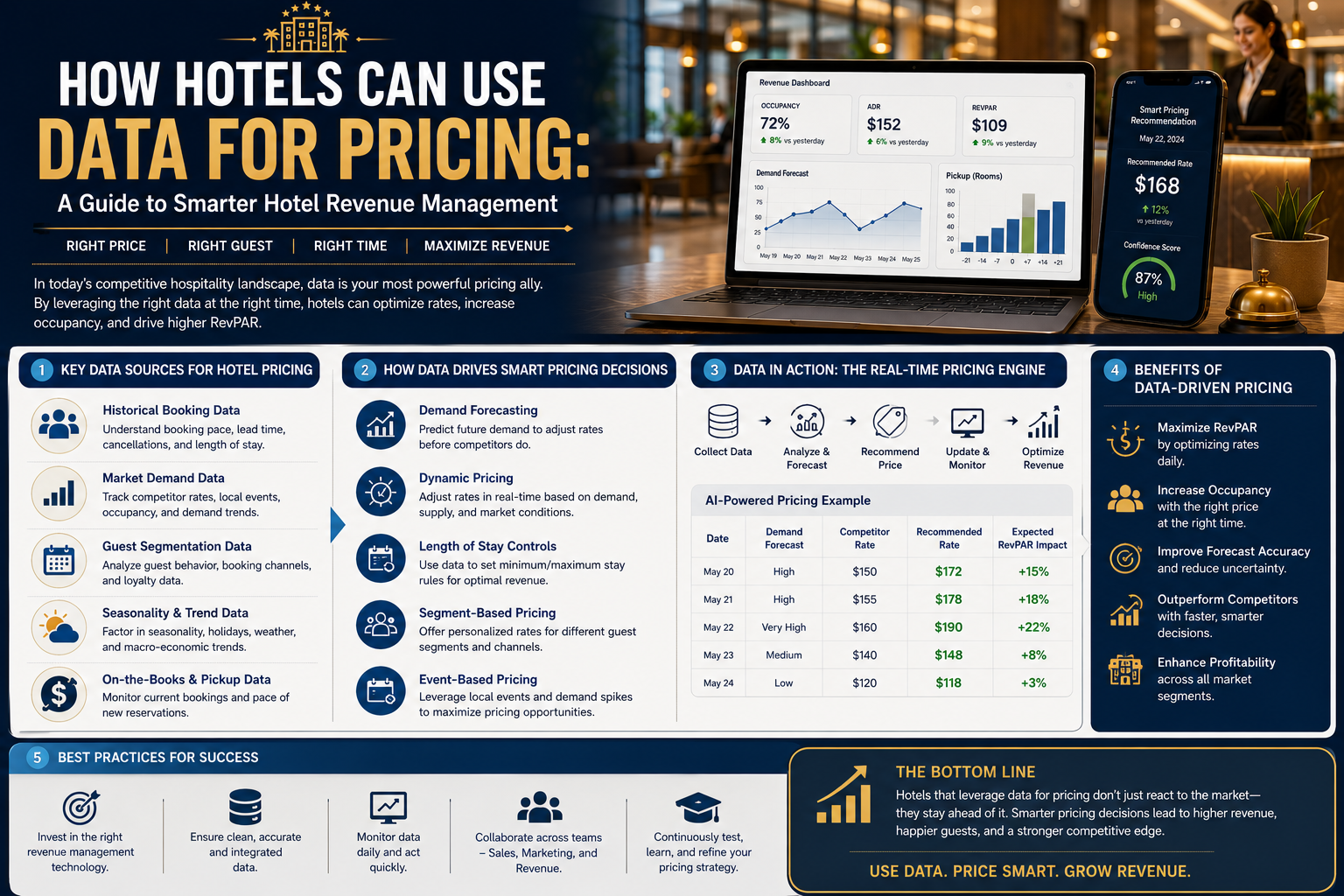
    Revenue management is one of the most valuable applications of AI in hospitality. Hotel room prices constantly fluctuate based on demand, seasonality, local events, competitor pricing, and booking patterns.

    AI-powered revenue management systems analyze thousands of data points in real time to recommend optimal pricing strategies.

    Instead of relying solely on historical trends, AI continuously adapts pricing based on current market conditions, maximizing occupancy and revenue.

    Dynamic pricing enables hotels to remain competitive while increasing profitability during both high-demand and low-demand periods.

    This data-driven approach helps managers make more informed pricing decisions.

    Intelligent Housekeeping Management

    Housekeeping operations become more efficient when supported by AI.

    Smart systems analyze occupancy data, guest check-in and check-out schedules, maintenance requests, and room status updates to prioritize cleaning tasks.

    Housekeeping teams receive optimized schedules that reduce unnecessary movement and improve productivity.

    AI also predicts room readiness more accurately, enabling faster check-ins and improving guest satisfaction.

    By automating routine coordination, hotels can enhance operational efficiency while maintaining high cleanliness standards.

    Predictive Maintenance

    Equipment failures can disrupt hotel operations and negatively affect guest experiences. AI-powered predictive maintenance helps prevent these issues by identifying potential problems before they become serious.

    Smart sensors monitor heating systems, elevators, air conditioning units, plumbing equipment, electrical systems, and kitchen appliances.

    AI analyzes equipment performance and alerts maintenance teams when repairs are likely to be needed.

    Preventive maintenance reduces downtime, extends equipment lifespan, lowers repair costs, and minimizes guest inconvenience.

    This proactive approach improves both operational reliability and financial performance.

    AI in Food and Beverage Operations

    Hotels are increasingly using AI to optimize restaurant and room service operations.

    AI analyzes guest ordering patterns, seasonal demand, and inventory levels to improve menu planning and reduce food waste.

    Restaurants can recommend personalized menu items based on guest preferences while forecasting ingredient requirements more accurately.

    Automated inventory management helps reduce overstocking, minimize spoilage, and improve procurement decisions.

    These improvements enhance both guest satisfaction and operational profitability.

    AI-Driven Marketing and Customer Engagement

    Marketing has become more effective through AI-powered customer analytics.

    Hotels can analyze guest demographics, travel behavior, booking history, website activity, and social media interactions to create highly targeted marketing campaigns.

    AI identifies guests who are most likely to book specific promotions and recommends personalized offers through email, mobile applications, or loyalty programs.

    Predictive analytics also helps hotels anticipate future demand and optimize advertising investments.

    Data-driven marketing improves campaign performance while reducing acquisition costs.

    Enhancing Hotel Security

    Guest safety remains a top priority for hospitality businesses. AI contributes to stronger security through intelligent surveillance systems and advanced threat detection.

    AI-powered cameras can identify unusual behavior, unauthorized access, crowd congestion, or potential safety risks in real time.

    Facial recognition technology can streamline secure access to guest rooms, executive lounges, and restricted areas where legally permitted and implemented with appropriate privacy safeguards.

    AI also strengthens cybersecurity by detecting suspicious digital activity and protecting sensitive guest information from cyber threats.

    These technologies help create safer environments for both guests and employees.

    Sustainability Through Artificial Intelligence

    AI supports hotel sustainability initiatives by improving energy efficiency and resource management.

    Smart building systems automatically adjust lighting, heating, cooling, and ventilation based on occupancy levels, reducing unnecessary energy consumption.

    AI also optimizes water usage, monitors waste generation, and supports environmentally responsible procurement decisions.

    These initiatives lower operating costs while reducing environmental impact.

    As sustainability becomes increasingly important to travelers, AI helps hotels achieve both financial and environmental goals.

    Challenges of Implementing AI

    Despite its many advantages, implementing AI requires careful planning and investment.

    Hotels may face challenges such as initial implementation costs, staff training requirements, data integration, system maintenance, and cybersecurity concerns.

    Guest privacy must also remain a priority. Hotels should collect and use customer data responsibly, comply with applicable data protection regulations, and communicate transparently about how information is used.

    Successful AI adoption requires balancing technology with human hospitality rather than replacing personal service.

    When implemented thoughtfully, AI enhances rather than diminishes the guest experience.

    The Future of AI in Hotels

    Artificial Intelligence will continue to play an increasingly important role in hospitality over the coming years.

    Future developments may include fully integrated smart hotel rooms, advanced voice-controlled guest services, autonomous service robots for selected operational tasks, AI-powered travel planning, predictive guest experience management, and more sophisticated sustainability solutions.

    Generative AI will further improve customer communication by creating personalized travel recommendations, multilingual support, and highly customized guest interactions.

    Hotels that invest in AI innovation today will be better positioned to meet evolving traveler expectations and adapt to future industry changes.

    Conclusion

    Artificial Intelligence is transforming the hotel industry by combining intelligent automation with personalized guest experiences. From reservations and pricing to housekeeping, maintenance, marketing, and sustainability, AI enables hotels to operate more efficiently while delivering higher levels of service.

    Rather than replacing the human touch that defines hospitality, AI allows hotel teams to focus on building meaningful guest relationships by automating repetitive tasks and providing valuable operational insights.

    At BookSmart, we believe the future of hospitality lies in the thoughtful integration of technology and exceptional customer service. Hotels that embrace Artificial Intelligence while maintaining genuine human connections will create memorable guest experiences, improve operational performance, and achieve sustainable growth in an increasingly digital hospitality landscape.

  • Hospitality Industry Financial Planning: Building a Strong Foundation for Sustainable Growth

    Hospitality Industry Financial Planning: Building a Strong Foundation for Sustainable Growth

    The hospitality industry operates in a dynamic environment where market conditions, guest expectations, seasonal demand, and economic trends can change rapidly. Hotels, resorts, restaurants, event venues, and other hospitality businesses must continuously balance service excellence with financial performance to remain competitive. In such a fast-paced industry, effective financial planning is not merely a management function—it is a critical component of long-term success.

    Financial planning enables hospitality organizations to manage resources efficiently, control costs, forecast future performance, and make informed business decisions. It provides a roadmap for achieving profitability while ensuring that businesses can adapt to challenges such as economic downturns, changing travel patterns, labor shortages, and rising operational expenses.

    At BookSmart, we believe that strong financial planning empowers hospitality businesses to improve operational efficiency, enhance guest experiences, and build sustainable growth strategies. Organizations that prioritize financial planning are better positioned to navigate uncertainty and seize new opportunities in an increasingly competitive marketplace.

    Understanding Financial Planning in Hospitality

    Financial planning is the process of setting financial goals, forecasting revenues and expenses, managing budgets, allocating resources, and monitoring financial performance. In the hospitality industry, financial planning encompasses every aspect of operations, from room revenue and food service income to labor costs, maintenance expenses, marketing investments, and capital expenditures.

    Unlike many industries, hospitality businesses often experience fluctuations in demand due to seasonality, tourism trends, economic conditions, and special events. As a result, financial planning requires both short-term operational management and long-term strategic forecasting.

    A comprehensive financial plan helps organizations maintain stability while supporting growth, innovation, and guest satisfaction initiatives.

    Why Financial Planning Matters in Hospitality

    Financial planning serves as the foundation for sound business management. Without a structured financial strategy, hospitality organizations may struggle to manage cash flow, control expenses, or respond effectively to market changes.

    Effective financial planning provides several benefits, including improved profitability, stronger cash flow management, better decision-making, risk mitigation, operational efficiency, and enhanced investor confidence.

    It also enables management teams to anticipate challenges, evaluate investment opportunities, and allocate resources more effectively across departments.

    In a highly competitive industry where profit margins can be narrow, financial planning helps ensure long-term business sustainability.

    Setting Clear Financial Goals

    The financial planning process begins with establishing clear and measurable objectives. These goals should align with the organization’s overall business strategy and operational priorities.

    Common hospitality financial goals include increasing revenue, improving occupancy rates, reducing operational costs, enhancing profit margins, expanding facilities, investing in technology, or improving guest satisfaction scores.

    Clearly defined goals provide direction for budgeting, forecasting, and performance measurement.

    Regularly reviewing financial objectives helps ensure that business strategies remain aligned with changing market conditions and organizational priorities.

    Revenue Forecasting and Demand Planning

    Accurate revenue forecasting is one of the most important aspects of hospitality financial planning. Forecasts help organizations estimate future income based on historical performance, market trends, seasonal demand, booking patterns, and economic conditions.

    Hotels often analyze occupancy rates, average daily rates (ADR), revenue per available room (RevPAR), event bookings, and food and beverage sales when developing revenue projections.

    Advanced revenue management systems use data analytics and predictive modeling to improve forecasting accuracy and optimize pricing strategies.

    Reliable revenue forecasts support more effective budgeting, staffing decisions, inventory management, and investment planning.

    Budgeting for Operational Success

    Budgeting provides a framework for managing financial resources and controlling expenses. A well-structured budget outlines expected revenues, operating costs, capital expenditures, and departmental spending allocations.

    Hospitality budgets typically cover labor costs, food and beverage expenses, utilities, marketing, maintenance, procurement, technology investments, training programs, and administrative overhead.

    Department managers should actively participate in the budgeting process to ensure realistic planning and accountability.

    Regular budget reviews allow organizations to compare actual performance against projections and make adjustments when necessary.

    Effective budgeting helps maintain financial discipline while supporting operational objectives.

    Managing Cash Flow Effectively

    Cash flow management is critical in the hospitality industry, where revenue patterns can vary significantly throughout the year.

    Even profitable businesses may encounter difficulties if cash inflows and outflows are not managed properly. Seasonal fluctuations, delayed payments, unexpected expenses, and economic disruptions can all affect liquidity.

    Hospitality organizations should maintain detailed cash flow forecasts that track anticipated receipts and expenditures over specific periods.

    Maintaining adequate cash reserves provides flexibility to manage unforeseen challenges while supporting ongoing operations.

    Strong cash flow management helps ensure financial stability and reduces dependence on external financing.

    Controlling Operational Costs

    Cost management is a central component of hospitality financial planning. Rising labor costs, utility expenses, food prices, and procurement challenges can significantly impact profitability.

    Hotels and hospitality businesses should regularly analyze operating expenses and identify opportunities to improve efficiency.

    Key cost-control strategies include optimizing staffing levels, improving energy efficiency, reducing waste, negotiating supplier contracts, implementing inventory management systems, and leveraging technology automation.

    The goal is not simply to reduce costs but to maximize value while maintaining service quality and guest satisfaction.

    Effective cost management directly contributes to stronger financial performance.

    Capital Investment Planning

    Hospitality businesses frequently require significant capital investments to maintain facilities, upgrade technology, renovate properties, and expand operations.

    Capital planning helps organizations evaluate investment opportunities and prioritize projects based on expected returns and strategic objectives.

    Common capital expenditures include room renovations, restaurant upgrades, property expansions, energy-efficient equipment, digital transformation initiatives, and infrastructure improvements.

    Before committing resources, organizations should conduct thorough financial analyses, including return on investment (ROI) assessments and risk evaluations.

    Strategic capital planning ensures that investments contribute to long-term growth and competitive advantage.

    Financial Risk Management

    The hospitality industry faces numerous financial risks, including economic downturns, inflation, changing travel trends, natural disasters, geopolitical events, and public health emergencies.

    Effective financial planning includes identifying potential risks and developing strategies to mitigate their impact.

    Risk management measures may include maintaining emergency reserves, diversifying revenue streams, securing appropriate insurance coverage, implementing flexible budgeting practices, and conducting scenario planning exercises.

    By preparing for uncertainty, hospitality organizations can improve resilience and protect long-term financial stability.

    Leveraging Financial Technology

    Technology has transformed financial management across the hospitality industry. Modern financial software provides real-time visibility into revenues, expenses, budgets, cash flow, and operational performance.

    Cloud-based accounting systems, automated reporting tools, revenue management platforms, and business intelligence solutions enable faster and more accurate decision-making.

    Financial analytics help managers identify trends, evaluate performance, and uncover opportunities for improvement.

    Automation reduces administrative workload while improving accuracy and compliance.

    Technology-driven financial planning supports greater agility and operational efficiency.

    Measuring Financial Performance

    Successful financial planning requires continuous monitoring and evaluation. Hospitality organizations should establish key performance indicators (KPIs) that measure financial health and operational effectiveness.

    Common hospitality financial metrics include:

    • Occupancy Rate
    • Average Daily Rate (ADR)
    • Revenue Per Available Room (RevPAR)
    • Gross Operating Profit (GOP)
    • Net Profit Margin
    • Food Cost Percentage
    • Labor Cost Percentage
    • Cash Flow Performance
    • Return on Investment (ROI)

    Regular performance reviews help management identify strengths, address weaknesses, and make data-driven decisions.

    Financial transparency also improves accountability across departments.

    Sustainability and Financial Planning

    Sustainability initiatives are increasingly influencing hospitality financial strategies. Investments in energy-efficient technologies, waste reduction programs, water conservation systems, and sustainable procurement practices often generate long-term financial benefits.

    Although sustainability projects may require initial investment, they frequently reduce operating costs while enhancing brand reputation and guest loyalty.

    Many investors and corporate clients now consider environmental performance when evaluating hospitality businesses.

    Integrating sustainability into financial planning supports both profitability and corporate responsibility objectives.

    Workforce Planning and Labor Cost Management

    Labor typically represents one of the largest expenses within hospitality operations. Financial planning should include workforce forecasting, staffing optimization, training investments, and employee retention strategies.

    Effective workforce planning ensures that staffing levels align with occupancy patterns and service requirements.

    Cross-training employees, improving scheduling efficiency, and reducing turnover can significantly lower labor-related costs.

    At the same time, investing in employee development helps improve service quality and operational performance.

    Balancing labor costs with guest satisfaction remains a key financial planning challenge.

    Future Trends in Hospitality Financial Planning

    The future of hospitality financial planning will be increasingly shaped by advanced analytics, artificial intelligence, automation, and predictive modeling.

    AI-powered forecasting tools will improve demand prediction, pricing optimization, and cost management. Real-time financial dashboards will provide greater visibility into operational performance and support faster decision-making.

    Sustainability reporting, environmental performance measurement, and ESG (Environmental, Social, and Governance) considerations will also become more important components of financial planning.

    Organizations that embrace innovation and data-driven financial management will be better positioned to thrive in a rapidly changing industry.

    Conclusion

    Financial planning is a fundamental driver of success within the hospitality industry. It enables organizations to forecast revenue, manage expenses, control cash flow, evaluate investments, mitigate risks, and achieve long-term business objectives.

    By combining strategic budgeting, effective cost management, technology adoption, performance monitoring, and sustainable business practices, hospitality organizations can build a strong financial foundation that supports growth and resilience.

    At BookSmart, we believe that successful hospitality businesses understand that exceptional guest experiences and strong financial performance go hand in hand. Through proactive financial planning and informed decision-making, hotels and hospitality organizations can navigate challenges, seize opportunities, and create lasting value in an increasingly competitive marketplace.

  • The Role of Hospitality in Local Economies: Driving Growth, Employment, and Community Development

    The Role of Hospitality in Local Economies: Driving Growth, Employment, and Community Development

    The hospitality industry is much more than a provider of accommodation, dining, and leisure experiences. It serves as a powerful economic engine that stimulates local development, creates employment opportunities, supports small businesses, and attracts investment. From luxury hotels and boutique resorts to restaurants, cafés, guesthouses, and event venues, hospitality businesses contribute significantly to the economic and social well-being of communities around the world.

    As tourism continues to expand and travelers seek authentic local experiences, the connection between hospitality and regional economic growth has become even stronger. Every guest who checks into a hotel, dines at a restaurant, or attends a local event contributes directly and indirectly to the local economy. Hospitality businesses create a ripple effect by supporting suppliers, transportation providers, artisans, farmers, retailers, and numerous other industries.

    At BookSmart, we believe that a thriving hospitality sector is essential for sustainable economic development. By investing in quality services, supporting local communities, and embracing responsible business practices, hospitality organizations can create lasting value that extends far beyond their own operations.

    Understanding the Hospitality Industry’s Economic Impact

    The hospitality industry includes hotels, resorts, restaurants, cafés, catering services, event management companies, travel accommodations, and recreational facilities. These businesses provide services that support both tourists and local residents while generating significant economic activity.

    Unlike many industries that operate within a limited supply chain, hospitality influences multiple sectors simultaneously. Every guest expenditure on accommodation, food, transportation, shopping, entertainment, and local attractions circulates through the economy, creating additional business opportunities and supporting regional development.

    This interconnected nature makes hospitality one of the most influential contributors to local economic growth.

    Creating Employment Opportunities

    One of the most important contributions of the hospitality industry is job creation. Hotels, restaurants, and tourism-related businesses employ millions of people across a wide range of roles, including management, housekeeping, food preparation, customer service, maintenance, marketing, security, transportation, and administration.

    Hospitality also offers employment opportunities for individuals with varying educational backgrounds and skill levels. Entry-level positions provide valuable career pathways, while professional roles support long-term career development.

    Beyond direct employment, the industry generates indirect jobs through suppliers, construction companies, maintenance providers, laundry services, event planners, travel agencies, and technology vendors.

    This extensive employment network strengthens household incomes and improves local living standards.

    Supporting Small and Local Businesses

    Hospitality businesses rely heavily on local suppliers to meet their operational needs. Hotels purchase fresh produce from local farmers, seafood from regional fisheries, baked goods from neighborhood bakeries, flowers from local growers, and handcrafted décor from local artisans.

    Restaurants often source ingredients from nearby producers, helping strengthen agricultural communities and encourage sustainable farming practices.

    Gift shops, tour operators, transportation providers, entertainment companies, photographers, florists, and event decorators also benefit from partnerships with hospitality businesses.

    By supporting local enterprises, hospitality creates a multiplier effect where revenue earned by one business generates income for many others within the community.

    Boosting Tourism Revenue

    Tourism and hospitality are closely connected. Without quality accommodations, restaurants, and visitor services, destinations would struggle to attract domestic and international travelers.

    Hotels play a vital role in encouraging longer stays and higher visitor spending. Tourists who spend several days in a destination contribute to local businesses through dining, shopping, transportation, cultural attractions, recreational activities, and entertainment.

    Seasonal festivals, conferences, sporting events, and cultural celebrations further increase visitor numbers, generating additional revenue for hospitality businesses and surrounding communities.

    As tourism grows, local governments also benefit through increased tax revenues that can be reinvested in public infrastructure and community services.

    Driving Infrastructure Development

    The growth of the hospitality industry often encourages investment in infrastructure that benefits both visitors and local residents.

    Road improvements, airports, railway stations, public transportation systems, utilities, internet connectivity, parks, healthcare facilities, and public spaces frequently expand to accommodate increasing tourism demand.

    Improved infrastructure enhances quality of life for local communities while making destinations more attractive to future visitors and investors.

    Private investment in hospitality projects can also stimulate urban renewal by revitalizing underdeveloped neighborhoods and supporting regional economic development.

    Encouraging Entrepreneurship

    Hospitality creates numerous opportunities for entrepreneurship and small business development. As visitor demand grows, local entrepreneurs often establish cafés, restaurants, boutique hotels, tour companies, transportation services, souvenir shops, wellness centers, and cultural experiences.

    Many family-owned businesses thrive by offering authentic products and personalized services that appeal to travelers seeking unique local experiences.

    Hospitality also encourages innovation by creating demand for digital booking platforms, food delivery services, event management companies, and travel technology solutions.

    Entrepreneurship strengthens economic diversity while increasing resilience within local economies.

    Promoting Cultural Heritage

    Hospitality businesses frequently serve as ambassadors for local culture. Hotels and restaurants showcase regional cuisine, traditional architecture, local artwork, music, festivals, and cultural customs that enhance visitor experiences.

    Cultural tourism encourages communities to preserve historic buildings, traditional crafts, and indigenous knowledge while generating economic value from cultural assets.

    Many hospitality organizations collaborate with local artists, performers, historians, and cultural institutions to create authentic experiences that benefit both visitors and residents.

    By celebrating local identity, hospitality contributes to cultural preservation while supporting economic growth.

    Supporting Sustainable Community Development

    Modern hospitality increasingly recognizes the importance of sustainable development. Responsible hotels and tourism businesses invest in environmental protection, community partnerships, education, and social initiatives that improve local quality of life.

    Examples include supporting local schools, funding community projects, promoting environmental conservation, employing local residents, and sourcing products from nearby suppliers.

    Sustainable hospitality ensures that economic benefits are shared more equitably while minimizing negative environmental impacts.

    These initiatives strengthen relationships between hospitality businesses and the communities they serve.

    Strengthening Government Revenue

    Hospitality contributes significantly to public finances through taxes, licensing fees, tourism levies, property taxes, and employment-related contributions.

    Governments use these revenues to fund education, healthcare, transportation, public safety, environmental conservation, and infrastructure improvements.

    A strong hospitality sector therefore supports broader economic development beyond individual businesses.

    Many governments actively encourage hospitality investment because of its ability to generate employment, attract foreign exchange, and stimulate regional development.

    Hospitality and Local Supply Chains

    Efficient local supply chains create mutual benefits for hospitality businesses and surrounding communities.

    Hotels often establish long-term relationships with farmers, food producers, cleaning service providers, maintenance contractors, textile manufacturers, furniture suppliers, and technology companies.

    These partnerships reduce transportation costs, improve product freshness, strengthen supply chain resilience, and support local economic activity.

    Buying locally also reduces environmental impact by shortening transportation distances while helping small businesses grow.

    Strong local supply chains create economic stability and encourage collaborative regional development.

    Enhancing Destination Competitiveness

    A destination’s hospitality infrastructure plays a major role in attracting visitors and investment. High-quality accommodations, excellent customer service, diverse dining options, and professional event facilities enhance the overall appeal of a region.

    Positive guest experiences encourage repeat visits, online recommendations, and word-of-mouth marketing that attract additional travelers.

    Destination competitiveness also benefits businesses outside hospitality, including retail, transportation, entertainment, healthcare, and education sectors.

    A well-developed hospitality ecosystem strengthens the entire regional economy.

    Challenges Facing Hospitality’s Economic Contribution

    Despite its many benefits, the hospitality industry also faces challenges that can affect local economies.

    Seasonal demand fluctuations, labor shortages, economic downturns, natural disasters, global health crises, inflation, and changing travel patterns can disrupt business operations and reduce tourism activity.

    Communities that rely heavily on tourism must diversify their economies while investing in resilient hospitality infrastructure.

    Collaboration between government agencies, private businesses, educational institutions, and community organizations is essential for addressing these challenges and ensuring sustainable growth.

    Future Trends in Hospitality and Local Economic Development

    The future relationship between hospitality and local economies will be shaped by sustainability, technology, and experiential travel.

    Travelers increasingly seek authentic experiences that support local communities, purchase locally made products, and promote environmental responsibility.

    Digital technologies will improve destination marketing, visitor management, and operational efficiency, while sustainable tourism practices will encourage responsible economic growth.

    Hospitality businesses that invest in community partnerships, innovation, workforce development, and environmental stewardship will continue to play a leading role in regional prosperity.

    As global tourism evolves, locally focused hospitality strategies will become increasingly important for creating inclusive and sustainable economic growth.

    Conclusion

    The hospitality industry serves as a cornerstone of local economic development by creating employment, supporting entrepreneurship, strengthening supply chains, promoting tourism, preserving cultural heritage, and encouraging infrastructure investment.

    Its economic impact extends well beyond hotels and restaurants, generating opportunities for farmers, artisans, retailers, transportation providers, event organizers, and countless other local businesses. By embracing sustainable practices and fostering strong community partnerships, hospitality organizations contribute to long-term prosperity while enhancing the quality of life for residents.

    At BookSmart, we believe that hospitality is not only about delivering outstanding guest experiences—it is also about creating meaningful economic value for communities. As destinations continue to grow and evolve, the hospitality industry will remain a vital force in building resilient, inclusive, and thriving local economies for generations to come.

  • Hospitality and Waste Management: Building Sustainable Practices for a Greener Future

    The hospitality industry is built on delivering exceptional guest experiences, but behind every successful hotel, resort, restaurant, or hospitality establishment lies a complex network of daily operations that generate significant amounts of waste. From food scraps and packaging materials to plastic bottles, paper products, and discarded amenities, waste management has become one of the most important sustainability challenges facing the industry today.

    As environmental awareness continues to grow, guests, governments, and investors increasingly expect hospitality businesses to operate responsibly. Effective waste management is no longer just about complying with regulations—it is a strategic approach that helps organizations reduce operational costs, improve efficiency, strengthen brand reputation, and contribute to environmental conservation. Hotels that embrace sustainable waste management practices not only minimize their ecological footprint but also position themselves as responsible businesses in an increasingly competitive market.

    At BookSmart, we believe that efficient waste management is an essential pillar of modern hospitality. By adopting innovative strategies and fostering a culture of sustainability, hospitality businesses can create long-term value for both their guests and the environment.

    Understanding Waste Management in Hospitality

    Waste management refers to the systematic process of reducing, collecting, sorting, recycling, treating, and disposing of waste generated during daily operations. In the hospitality industry, waste comes from multiple sources, including guest rooms, kitchens, restaurants, conference facilities, housekeeping departments, gardens, maintenance activities, and administrative offices.

    Common types of waste include food waste, plastic packaging, glass bottles, paper products, cardboard, textiles, electronic waste, hazardous cleaning chemicals, and discarded furniture. Each category requires specific handling methods to minimize environmental impact and maximize opportunities for recycling or reuse.

    A well-designed waste management program focuses on reducing waste generation at the source while ensuring that unavoidable waste is handled responsibly.

    Why Waste Management Matters in Hospitality

    Hospitality businesses serve hundreds or even thousands of guests each day, making waste generation an unavoidable part of operations. Without effective management, excessive waste increases disposal costs, strains natural resources, contributes to pollution, and negatively affects the organization’s environmental reputation.

    Proper waste management delivers several important benefits. It reduces operational expenses, improves resource efficiency, supports sustainability goals, enhances guest satisfaction, ensures regulatory compliance, and strengthens corporate social responsibility initiatives.

    As environmentally conscious travelers increasingly prefer sustainable accommodations, effective waste management can also become a valuable competitive advantage.

    Hotels that actively promote their sustainability efforts often attract guests who prioritize responsible tourism and environmentally friendly travel experiences.

    Identifying Major Sources of Waste

    Understanding where waste originates is the first step toward developing effective management strategies.

    Food and beverage operations are among the largest contributors, producing food scraps, expired ingredients, cooking oil, beverage containers, and disposable packaging. Housekeeping departments generate waste through discarded toiletries, cleaning supplies, linens, paper products, and single-use plastics.

    Guest rooms contribute waste in the form of plastic water bottles, packaging materials, newspapers, and disposable amenities. Maintenance activities generate electronic waste, construction debris, lighting equipment, and replacement furniture.

    Administrative departments also produce paper waste, printer cartridges, office supplies, and electronic equipment.

    By identifying these waste streams, hospitality managers can implement targeted reduction strategies that improve operational efficiency.

    Reducing Waste at the Source

    The most effective waste management strategy begins with prevention. Rather than focusing solely on disposal, hospitality businesses should aim to reduce waste generation before it occurs.

    Hotels can minimize unnecessary packaging by purchasing products in bulk, selecting suppliers with sustainable packaging practices, and replacing disposable items with reusable alternatives.

    Digital technologies also contribute significantly to waste reduction. Electronic invoices, digital menus, mobile check-ins, online receipts, and paperless administrative processes reduce paper consumption while improving operational efficiency.

    Careful purchasing decisions help prevent excess inventory, reducing spoilage and unnecessary disposal.

    Source reduction not only benefits the environment but also lowers procurement and waste disposal costs.

    Managing Food Waste Effectively

    Food waste remains one of the most significant environmental challenges within the hospitality industry. Buffets, restaurants, banquet services, and room service operations often generate substantial quantities of uneaten food.

    Hotels can reduce food waste through improved demand forecasting, inventory management, portion control, and menu planning. Monitoring guest preferences helps kitchens prepare appropriate quantities while minimizing overproduction.

    Unused edible food can often be donated to local charities where regulations permit, helping support communities while reducing landfill waste.

    Organic waste that cannot be donated may be composted or processed through anaerobic digestion systems to generate renewable energy and nutrient-rich compost.

    Food waste reduction not only supports sustainability but also improves profitability by lowering food purchasing costs.

    Recycling and Material Recovery

    Recycling plays a central role in sustainable hospitality operations. Proper segregation of recyclable materials ensures valuable resources remain within the circular economy rather than entering landfills.

    Hotels should provide clearly labeled recycling stations for paper, cardboard, plastics, glass, aluminum, and electronic waste throughout guest and employee areas.

    Staff training is essential to ensure waste is sorted correctly. Even small contamination levels can reduce recycling effectiveness and increase processing costs.

    Working with certified recycling partners helps hotels ensure materials are handled responsibly while supporting broader environmental objectives.

    Recycling programs also demonstrate visible environmental commitment that guests increasingly appreciate.

    Reducing Single-Use Plastics

    Plastic waste has become one of the hospitality industry’s most visible environmental concerns. Disposable bottles, straws, cutlery, cups, amenity containers, and packaging contribute significantly to pollution.

    Many hotels are replacing single-use plastics with refillable dispensers, biodegradable packaging, reusable water bottles, bamboo products, and compostable alternatives.

    Water refill stations encourage guests to reduce plastic bottle consumption while supporting sustainability initiatives.

    Eliminating unnecessary plastic products not only reduces environmental impact but also aligns with evolving consumer expectations and government regulations.

    Engaging Employees in Waste Reduction

    Successful waste management depends heavily on employee participation. Every department influences waste generation through daily operational decisions.

    Regular training programs help employees understand waste segregation procedures, recycling guidelines, food waste reduction techniques, and sustainability objectives.

    Creating a culture of environmental responsibility encourages staff to identify waste reduction opportunities and contribute innovative ideas for improving operational efficiency.

    Recognition programs and sustainability incentives can further motivate employee participation.

    When sustainability becomes part of workplace culture, waste reduction efforts become more effective and sustainable over the long term.

    Encouraging Guest Participation

    Guests also play an important role in hospitality waste management. Hotels can encourage environmentally responsible behavior through thoughtful communication and convenient sustainability initiatives.

    Simple measures such as towel and linen reuse programs, refillable bathroom amenities, recycling bins in guest rooms, and educational signage encourage guests to participate voluntarily.

    Hotels can also provide information about local environmental initiatives and explain how guest participation contributes to broader sustainability goals.

    Many travelers appreciate transparent communication regarding a property’s environmental efforts and are willing to support responsible practices during their stay.

    Leveraging Technology for Smarter Waste Management

    Technology is transforming waste management across the hospitality industry. Smart waste monitoring systems, inventory management software, and data analytics help organizations track waste generation and identify improvement opportunities.

    Artificial intelligence can analyze purchasing patterns and forecast food demand more accurately, reducing excess inventory and food waste.

    IoT-enabled waste bins monitor fill levels and optimize collection schedules, reducing operational costs and improving efficiency.

    Data dashboards provide management with real-time insights into recycling rates, waste volumes, and sustainability performance indicators.

    Technology-driven waste management supports continuous improvement while strengthening environmental reporting.

    Partnering with Sustainable Suppliers

    Supplier relationships significantly influence hospitality waste generation. Hotels should prioritize vendors that share their sustainability commitments.

    Environmentally responsible suppliers often provide recyclable packaging, reusable delivery containers, locally sourced products, and environmentally friendly materials.

    Procurement policies that emphasize sustainable sourcing help reduce waste throughout the supply chain while supporting broader corporate sustainability objectives.

    Long-term partnerships with responsible suppliers create opportunities for collaborative environmental initiatives and continuous improvement.

    Measuring Waste Management Performance

    Continuous improvement requires accurate measurement. Hotels should establish key performance indicators to monitor waste reduction efforts and evaluate sustainability progress.

    Useful metrics include total waste generated, recycling rates, food waste volumes, landfill diversion percentages, waste disposal costs, and guest participation levels.

    Regular audits help identify inefficiencies and ensure compliance with environmental policies.

    Performance data also supports sustainability reporting and demonstrates accountability to stakeholders, investors, and environmentally conscious guests.

    Future Trends in Hospitality Waste Management

    The future of waste management in hospitality will be shaped by innovation, technology, and circular economy principles. Artificial intelligence, robotics, smart sensors, and predictive analytics will enable more precise waste monitoring and resource optimization.

    Many hospitality organizations are working toward zero-waste goals by maximizing recycling, composting, reuse, and responsible sourcing.

    Governments worldwide continue introducing stricter environmental regulations, encouraging hotels to adopt more sustainable waste management practices.

    As sustainability becomes an increasingly important competitive factor, waste management will evolve from an operational necessity into a strategic business advantage.

    Conclusion

    Waste management has become a critical component of responsible hospitality operations. By reducing waste at its source, improving recycling practices, minimizing food waste, eliminating unnecessary plastics, and embracing technology-driven solutions, hotels can significantly reduce their environmental impact while improving operational efficiency.

    Effective waste management delivers benefits that extend beyond environmental protection. It supports cost savings, enhances guest satisfaction, strengthens brand reputation, and contributes to long-term business sustainability.

    At BookSmart, we believe that successful hospitality organizations recognize waste management as an opportunity rather than a challenge. By embedding sustainability into everyday operations, hotels can create cleaner environments, deliver exceptional guest experiences, and play a meaningful role in building a more sustainable future for the global hospitality industry.

  • Hotel Procurement Strategies: Building Efficient Supply Chains for Sustainable Hospitality Success

    The hospitality industry operates in a highly competitive environment where guest satisfaction, operational efficiency, and profitability must work together seamlessly. Behind every comfortable hotel stay lies a well-managed procurement process that ensures the timely availability of quality products and services. From guest room amenities and kitchen supplies to cleaning products, furniture, technology, and maintenance equipment, procurement influences nearly every aspect of hotel operations.

    As supply chains become more complex and guest expectations continue to evolve, hotels must adopt strategic procurement practices that go beyond purchasing goods at the lowest price. Effective procurement involves selecting reliable suppliers, managing inventory, controlling costs, ensuring quality, minimizing risks, and supporting sustainability goals. At BookSmart, we believe that smart procurement strategies enable hotels to improve operational performance while delivering exceptional guest experiences.

    Understanding Hotel Procurement

    Hotel procurement is the process of sourcing, purchasing, receiving, and managing the goods and services required for daily hotel operations. It includes everything from food and beverages, linens, toiletries, furniture, and technology systems to maintenance supplies, utilities, and outsourced services.

    Unlike traditional purchasing, strategic procurement focuses on long-term value rather than short-term cost savings. Hotels must balance quality, price, supplier reliability, delivery schedules, and sustainability considerations when making procurement decisions.

    An effective procurement strategy helps ensure operational continuity while supporting financial objectives and maintaining high service standards.

    Why Procurement Matters in Hospitality

    Procurement has a direct impact on both operational efficiency and guest satisfaction. Delayed deliveries, inconsistent product quality, or inventory shortages can disrupt hotel operations and negatively affect the guest experience.

    A well-planned procurement strategy offers several benefits, including reduced operating costs, improved supplier relationships, enhanced inventory control, better quality assurance, and stronger financial performance.

    It also enables hotels to respond more effectively to seasonal demand fluctuations, market changes, and unexpected supply chain disruptions.

    As competition increases within the hospitality sector, procurement has become a strategic function rather than simply an administrative task.

    Establishing Clear Procurement Policies

    Successful procurement begins with clearly defined policies and procedures. Standardized procurement guidelines ensure consistency, transparency, and accountability across departments.

    These policies should outline supplier selection criteria, purchasing approval processes, contract management procedures, inventory controls, and compliance requirements.

    Clearly documented procurement policies reduce purchasing errors, prevent unauthorized spending, and support better financial governance.

    They also help hotels maintain compliance with internal standards and industry regulations.

    Selecting the Right Suppliers

    Supplier selection is one of the most important components of hotel procurement. Reliable suppliers contribute significantly to operational stability and guest satisfaction.

    Hotels should evaluate suppliers based on product quality, pricing, delivery reliability, financial stability, customer service, sustainability practices, and industry reputation.

    Rather than relying solely on the lowest-priced vendor, procurement teams should consider the total value each supplier provides.

    Building long-term partnerships with trusted suppliers often results in better pricing, priority service, flexible payment terms, and improved collaboration during supply chain disruptions.

    Strategic Vendor Diversification

    Depending on a single supplier for essential products can expose hotels to significant operational risks. Unexpected shortages, transportation delays, or supplier financial difficulties can interrupt business operations.

    Vendor diversification helps reduce these risks by maintaining relationships with multiple qualified suppliers for critical product categories.

    A diversified supplier network improves purchasing flexibility while strengthening business continuity during unexpected market disruptions.

    Hotels should regularly evaluate supplier performance and maintain contingency plans for essential operational supplies.

    Leveraging Technology in Procurement

    Digital procurement solutions have transformed hospitality purchasing processes. Modern procurement platforms automate routine tasks while providing greater visibility into purchasing activities.

    Hotels can use procurement software to manage purchase requests, supplier databases, inventory levels, approvals, invoices, and spending analysis from a centralized system.

    Automation reduces administrative workload, improves accuracy, accelerates purchasing cycles, and minimizes manual errors.

    Integration with inventory management and financial systems further enhances operational efficiency by enabling real-time monitoring of procurement activities.

    Technology also supports data-driven decision-making by providing valuable insights into purchasing trends and supplier performance.

    Optimizing Inventory Management

    Effective inventory management is closely linked to procurement success. Excess inventory ties up working capital and increases storage costs, while insufficient inventory can disrupt hotel operations.

    Hotels should implement inventory control systems that provide accurate, real-time visibility into stock levels and consumption patterns.

    Demand forecasting based on occupancy rates, seasonal trends, and historical purchasing data enables procurement teams to make informed purchasing decisions.

    Regular inventory audits help identify obsolete stock, reduce waste, and improve purchasing accuracy.

    Maintaining optimal inventory levels ensures operational continuity while minimizing unnecessary costs.

    Cost Control Without Sacrificing Quality

    Cost management remains a primary objective of hotel procurement, but reducing expenses should never compromise product quality or guest satisfaction.

    Procurement professionals should focus on total cost of ownership rather than simply comparing purchase prices. Factors such as product durability, maintenance requirements, supplier reliability, delivery costs, and warranty support all influence long-term value.

    Negotiating long-term contracts, consolidating purchases, and leveraging purchasing volume can generate significant savings without reducing service quality.

    Strategic procurement balances financial efficiency with operational excellence.

    Sustainable Procurement Practices

    Sustainability has become an increasingly important consideration in hotel procurement strategies. Guests, investors, and regulators expect hospitality businesses to operate responsibly and minimize their environmental impact.

    Sustainable procurement involves sourcing environmentally friendly products, reducing packaging waste, supporting ethical suppliers, and prioritizing locally sourced goods whenever possible.

    Hotels can also evaluate suppliers based on environmental certifications, responsible manufacturing practices, and labor standards.

    Choosing sustainable products often improves brand reputation while supporting corporate environmental goals.

    Additionally, local sourcing can reduce transportation costs, strengthen community relationships, and improve supply chain resilience.

    Strengthening Supplier Relationships

    Successful procurement depends on collaborative supplier relationships rather than transactional purchasing.

    Regular communication, performance reviews, and transparent expectations help build trust between hotels and suppliers.

    Hotels should establish key performance indicators (KPIs) to measure supplier performance in areas such as delivery accuracy, product quality, responsiveness, pricing consistency, and service reliability.

    Recognizing high-performing suppliers and working collaboratively to resolve challenges encourages long-term partnerships that benefit both parties.

    Strong supplier relationships also improve responsiveness during emergencies and periods of high demand.

    Risk Management in Hotel Procurement

    Supply chain disruptions have highlighted the importance of procurement risk management within the hospitality industry.

    Hotels should identify potential procurement risks, including supplier failures, transportation delays, geopolitical issues, natural disasters, cybersecurity threats, and market price volatility.

    Developing contingency plans, maintaining emergency inventory levels, and regularly reviewing supplier risk profiles can improve organizational resilience.

    Risk management enables hotels to continue delivering uninterrupted guest services even during challenging circumstances.

    Procurement Analytics and Performance Measurement

    Data analytics plays a vital role in modern procurement strategies. Hotels generate valuable purchasing data that can support more informed decision-making.

    Procurement teams should monitor key metrics such as purchasing costs, supplier performance, inventory turnover, contract compliance, order accuracy, and procurement cycle times.

    Analyzing these indicators helps identify inefficiencies, optimize spending, and improve supplier management.

    Continuous performance measurement supports ongoing improvement while ensuring procurement activities remain aligned with organizational objectives.

    Training Procurement Teams

    Procurement professionals require a combination of commercial knowledge, negotiation skills, analytical thinking, and technology expertise.

    Hotels should invest in continuous training programs that cover supplier management, contract negotiation, inventory optimization, procurement software, sustainability practices, and regulatory compliance.

    Well-trained procurement teams are better equipped to identify cost-saving opportunities, manage supplier relationships, and support strategic business objectives.

    Professional development also enhances employee confidence and contributes to stronger procurement performance.

    Future Trends in Hotel Procurement

    The future of hotel procurement will be increasingly driven by digital transformation, automation, artificial intelligence, and predictive analytics.

    AI-powered procurement platforms will support demand forecasting, supplier risk assessment, automated purchasing recommendations, and dynamic inventory optimization.

    Blockchain technology may enhance supply chain transparency by providing secure and traceable procurement records.

    Sustainability will continue to shape purchasing decisions, with hotels placing greater emphasis on ethical sourcing, carbon reduction, and circular economy principles.

    Organizations that embrace these innovations will strengthen procurement efficiency while improving resilience and competitiveness.

    Conclusion

    Hotel procurement is far more than purchasing products and negotiating prices. It is a strategic function that directly influences operational efficiency, guest satisfaction, financial performance, and long-term business success.

    By implementing structured procurement policies, leveraging technology, optimizing inventory, building strong supplier relationships, embracing sustainability, and using data-driven decision-making, hotels can create resilient and efficient supply chains that support exceptional hospitality.

    At BookSmart, we believe that effective procurement strategies empower hotels to reduce costs, improve service quality, and adapt confidently to an ever-changing hospitality landscape. As the industry continues to evolve, organizations that invest in strategic procurement will be better positioned to achieve sustainable growth and deliver outstanding guest experiences.

  • Hospitality Industry and Sustainability Certifications: Building a Greener Future for Hospitality Businesses

    Hospitality Industry and Sustainability Certifications: Building a Greener Future for Hospitality Businesses

    Sustainability has become one of the most influential trends shaping the global hospitality industry. As travelers become increasingly conscious of environmental and social issues, hotels, resorts, restaurants, and hospitality organizations are under growing pressure to operate responsibly. Guests today are not only evaluating accommodations based on comfort, location, and pricing but also on a property’s commitment to sustainability and ethical business practices.

    In response to this shift, sustainability certifications have emerged as valuable tools for hospitality businesses seeking to demonstrate their environmental responsibility and commitment to sustainable operations. These certifications provide recognized standards that help organizations measure, improve, and communicate their sustainability efforts. More importantly, they build trust among guests, investors, business partners, and regulatory bodies.

    At BookSmart, we believe sustainability certifications are no longer optional for hospitality organizations aiming to remain competitive in a rapidly evolving marketplace. They serve as powerful indicators of operational excellence, environmental stewardship, and long-term business resilience.

    Understanding Sustainability in the Hospitality Industry

    Sustainability in hospitality refers to operating hotels, resorts, restaurants, and tourism-related businesses in ways that minimize environmental impact while supporting social and economic well-being. This approach focuses on balancing profitability with responsible resource management and community engagement.

    Sustainable hospitality practices typically include energy conservation, water management, waste reduction, sustainable sourcing, carbon footprint reduction, biodiversity protection, employee welfare, and support for local communities.

    As climate change, resource scarcity, and environmental regulations become increasingly important global concerns, hospitality businesses are recognizing the need to adopt more sustainable operational models.

    Sustainability certifications provide structured frameworks that help organizations implement, measure, and continuously improve these efforts.

    Why Sustainability Certifications Matter

    Sustainability certifications offer independent verification that a hospitality organization meets established environmental and social responsibility standards. Rather than relying solely on marketing claims, businesses can demonstrate their commitment through recognized third-party assessments.

    Certified properties often enjoy several benefits, including enhanced brand reputation, improved guest trust, operational cost savings, regulatory compliance, and increased market competitiveness.

    Many corporate clients, travel agencies, event organizers, and environmentally conscious travelers actively seek certified properties when making booking decisions. As a result, sustainability certifications can directly influence occupancy rates, customer loyalty, and revenue generation.

    In addition to commercial advantages, certifications encourage organizations to adopt best practices that improve long-term operational efficiency and environmental performance.

    The Growing Demand for Sustainable Hospitality

    Consumer behavior is changing rapidly. Modern travelers increasingly prefer businesses that align with their values and demonstrate responsible environmental practices.

    Many guests now consider factors such as energy efficiency, waste reduction, plastic-free initiatives, ethical sourcing, and community involvement when choosing accommodations. Sustainable tourism has become a major driver of travel decisions across both leisure and business segments.

    This growing demand has encouraged hospitality businesses to invest in sustainability programs and pursue recognized certifications that validate their efforts.

    Organizations that proactively embrace sustainability are often better positioned to attract environmentally conscious travelers and differentiate themselves in competitive markets.

    Popular Sustainability Certifications in Hospitality

    Numerous certification programs have been developed specifically for the hospitality and tourism sectors. Each certification focuses on different aspects of sustainability while promoting responsible business practices.

    Green Key Certification

    Green Key Global is one of the most recognized eco-certification programs in the hospitality industry. It evaluates properties based on environmental management, energy conservation, water efficiency, waste reduction, and sustainable operations.

    Hotels that achieve Green Key certification demonstrate a commitment to reducing environmental impact while maintaining high hospitality standards.

    The certification provides a structured framework for continuous sustainability improvement and operational excellence.

    EarthCheck Certification

    EarthCheck is widely regarded as a leading scientific benchmarking and certification program for travel and tourism organizations.

    EarthCheck assesses environmental performance across key areas such as energy consumption, greenhouse gas emissions, water use, waste management, and community engagement.

    Its data-driven approach helps hospitality organizations measure performance and implement targeted sustainability initiatives.

    Green Globe Certification

    Green Globe focuses on sustainable management, social responsibility, cultural heritage preservation, and environmental stewardship.

    The certification is recognized globally and is commonly used by hotels, resorts, convention centers, and tourism businesses seeking to demonstrate sustainability leadership.

    Green Globe standards encourage organizations to adopt comprehensive sustainability strategies that address environmental, social, and economic impacts.

    LEED Certification

    U.S. Green Building Council administers the widely recognized LEED (Leadership in Energy and Environmental Design) certification program.

    Although LEED is not exclusively designed for hospitality businesses, many hotels pursue certification to demonstrate environmentally responsible building design and operations.

    LEED-certified properties focus on energy efficiency, water conservation, sustainable construction materials, indoor environmental quality, and resource optimization.

    These initiatives often result in significant long-term cost savings while supporting sustainability objectives.

    GSTC Recognition

    The Global Sustainable Tourism Council establishes globally recognized criteria for sustainable tourism.

    While GSTC does not directly certify hotels, it recognizes certification programs that meet international sustainability standards. Many hospitality organizations use GSTC-recognized certifications as benchmarks for sustainable operations.

    GSTC criteria cover environmental protection, cultural preservation, community benefits, and sustainable management practices.

    Key Areas Evaluated in Sustainability Certifications

    Most hospitality sustainability certifications assess performance across several common categories.

    Energy Management

    Energy consumption represents a significant operational expense for hotels and resorts. Certification programs evaluate energy efficiency initiatives such as LED lighting, smart building technologies, renewable energy integration, and HVAC optimization.

    Reducing energy usage not only lowers environmental impact but also improves profitability through reduced utility costs.

    Water Conservation

    Hospitality properties consume substantial amounts of water through guest rooms, landscaping, laundry services, kitchens, and recreational facilities.

    Certification standards often require water-efficient fixtures, leak detection systems, irrigation optimization, and water recycling initiatives.

    Effective water management helps organizations reduce resource consumption and support environmental sustainability.

    Waste Reduction

    Waste management remains a major focus area for sustainability certifications. Programs encourage recycling, composting, food waste reduction, and responsible disposal practices.

    Many certified properties also implement initiatives to reduce single-use plastics and promote reusable alternatives.

    These efforts contribute to cleaner operations and reduced environmental impact.

    Sustainable Procurement

    Responsible sourcing practices play a critical role in hospitality sustainability. Certifications often evaluate supplier selection, local sourcing initiatives, environmentally friendly products, and ethical purchasing policies.

    Supporting local suppliers can strengthen regional economies while reducing transportation-related emissions.

    Sustainable procurement also helps organizations build more resilient and responsible supply chains.

    Community Engagement

    Hospitality businesses have significant opportunities to contribute positively to local communities.

    Certification programs frequently assess employment practices, community partnerships, charitable initiatives, cultural preservation efforts, and support for local businesses.

    Strong community engagement enhances social sustainability while strengthening relationships with stakeholders.

    Business Benefits of Sustainability Certifications

    While environmental responsibility is a primary motivation, sustainability certifications also deliver substantial business benefits.

    Certified hospitality properties often experience improved operational efficiency through reduced energy, water, and waste-related costs. These savings can significantly enhance profitability over time.

    Sustainability certifications also strengthen brand credibility. Independent verification provides assurance that sustainability claims are genuine and measurable.

    Furthermore, certifications can improve market positioning by attracting environmentally conscious travelers, corporate clients, and event organizers who prioritize responsible business practices.

    In some regions, certified organizations may also benefit from government incentives, tax advantages, or preferential treatment in procurement processes.

    Challenges in Achieving Certification

    Despite their benefits, sustainability certifications require commitment, investment, and ongoing management.

    Organizations may face challenges related to implementation costs, employee training, data collection, compliance monitoring, and operational changes. Smaller hospitality businesses may find certification processes particularly resource-intensive.

    However, many organizations discover that the long-term financial savings and competitive advantages outweigh initial investments.

    Successful certification efforts typically involve strong leadership support, employee engagement, clear sustainability goals, and continuous performance monitoring.

    The Future of Sustainability Certifications in Hospitality

    The importance of sustainability certifications is expected to grow significantly in the coming years. Travelers, investors, regulators, and industry stakeholders are placing greater emphasis on environmental responsibility and transparent sustainability reporting.

    Emerging technologies such as artificial intelligence, smart building systems, renewable energy solutions, and advanced analytics will further support sustainability initiatives.

    Certification standards are also likely to evolve, incorporating broader considerations such as climate resilience, carbon neutrality, biodiversity protection, and social impact measurement.

    Hospitality organizations that embrace sustainability today will be better prepared to meet future expectations and regulatory requirements.

    Conclusion

    Sustainability certifications have become essential tools for hospitality businesses seeking to demonstrate environmental responsibility, improve operational efficiency, and strengthen competitive positioning. They provide credible frameworks for measuring performance, implementing best practices, and communicating sustainability achievements to guests and stakeholders.

    From energy conservation and water management to waste reduction and community engagement, certified hospitality organizations contribute to a more sustainable tourism industry while creating tangible business value.

    At BookSmart, we believe sustainability certifications represent more than compliance standards—they are strategic investments in the future of hospitality. Organizations that prioritize sustainability today will not only reduce their environmental impact but also build stronger brands, enhance guest trust, and secure long-term success in an increasingly sustainability-focused world.

  • How Hotels Can Improve Food Delivery Services: Enhancing Guest Satisfaction and Operational Efficiency

    How Hotels Can Improve Food Delivery Services: Enhancing Guest Satisfaction and Operational Efficiency

    The hospitality industry has undergone significant changes in recent years, with guest expectations evolving faster than ever before. One area that has experienced remarkable growth is food delivery services within hotels. Modern travelers increasingly value convenience, speed, personalization, and quality when it comes to dining experiences. Whether guests are staying for business, leisure, or extended vacations, they often prefer the flexibility of enjoying meals in their rooms, workspaces, or private areas rather than visiting restaurants or dining halls.

    As a result, food delivery services have become an essential component of hotel operations. Efficient and high-quality food delivery not only improves guest satisfaction but also creates additional revenue opportunities for hotels. In today’s competitive hospitality landscape, hotels that invest in improving their food delivery systems can strengthen customer loyalty, enhance their reputation, and gain a significant competitive advantage. At BookSmart, we believe that exceptional food delivery services are a key driver of guest experience and long-term business success.

    The Growing Importance of Hotel Food Delivery Services

    Guest preferences have shifted dramatically toward convenience-based services. Business travelers often require quick meals between meetings, families may prefer dining in the comfort of their rooms, and many guests appreciate contactless dining options for privacy and convenience.

    The rise of digital ordering platforms and food delivery applications has also influenced guest expectations. Travelers are accustomed to fast and seamless ordering experiences and expect similar levels of service from hotels. As a result, food delivery is no longer viewed as a luxury offering but as a standard hospitality service.

    Hotels that provide efficient food delivery can increase guest satisfaction, improve operational profitability, and create additional opportunities for upselling food and beverage offerings.

    Understanding Guest Expectations

    Improving food delivery services begins with understanding what guests value most. While menu quality remains important, the overall experience involves several factors, including ordering convenience, delivery speed, food presentation, order accuracy, and customer service.

    Guests expect a seamless process from ordering to receiving their meals. Delays, incorrect orders, poor packaging, or lack of communication can negatively impact their perception of the hotel.

    Regular guest feedback surveys, online reviews, and service performance analysis can help hotels identify areas for improvement and align delivery services with customer expectations.

    Implementing Digital Ordering Systems

    Technology plays a crucial role in modern food delivery operations. Traditional phone-based room service ordering often leads to communication errors, longer processing times, and limited menu visibility.

    Digital ordering systems allow guests to browse menus, customize orders, view pricing, and place requests directly through hotel mobile applications, in-room tablets, QR codes, or hotel websites.

    These systems improve order accuracy while providing guests with a more convenient experience. They also enable hotels to collect valuable data on guest preferences, ordering patterns, and popular menu items.

    Digital platforms can further support promotional campaigns, personalized recommendations, and loyalty program integration.

    Streamlining Kitchen Operations

    Even the best ordering system cannot compensate for inefficient kitchen operations. Hotels must ensure that their kitchens are equipped to handle delivery requests quickly and consistently.

    Standardized food preparation processes help maintain quality and reduce delays. Clear communication between kitchen staff and delivery teams ensures smooth coordination throughout the fulfillment process.

    Many successful hotels use kitchen display systems (KDS) that provide real-time order tracking and prioritize tasks based on preparation requirements and delivery timelines.

    Efficient kitchen workflows improve delivery speed while maintaining food quality and presentation standards.

    Optimizing Delivery Time

    Speed is one of the most important factors influencing guest satisfaction. Long wait times can diminish the overall dining experience, regardless of food quality.

    Hotels can improve delivery efficiency by analyzing order patterns, staffing requirements, and peak dining periods. During busy hours, dedicated room service teams can help ensure timely deliveries without disrupting restaurant operations.

    Tracking average delivery times and establishing service benchmarks allows management to monitor performance and identify opportunities for improvement.

    Quick and reliable delivery demonstrates professionalism and enhances guest confidence in hotel services.

    Enhancing Food Packaging and Presentation

    Food quality can be compromised during transportation if packaging is inadequate. Proper packaging is essential for maintaining temperature, freshness, texture, and presentation.

    Hotels should invest in packaging solutions designed specifically for food delivery. Insulated containers help preserve temperature, while leak-resistant packaging prevents spills and maintains food integrity.

    Presentation also plays a significant role in guest satisfaction. Attractive packaging, thoughtful arrangement, and branded materials create a premium dining experience that reflects positively on the hotel’s image.

    Sustainable packaging options can further appeal to environmentally conscious travelers while supporting corporate sustainability goals.

    Training Staff for Excellent Service

    Food delivery involves direct interaction between hotel staff and guests, making service quality a critical factor in the overall experience.

    Delivery personnel should be trained in hospitality standards, communication skills, professionalism, and problem resolution. Friendly greetings, attention to detail, and prompt responses contribute to positive guest interactions.

    Staff should also be equipped to handle special requests, dietary requirements, and service recovery situations when issues arise.

    Well-trained employees can transform routine food deliveries into memorable hospitality experiences.

    Personalizing the Dining Experience

    Personalization has become a major trend in hospitality. Guests increasingly appreciate services tailored to their individual preferences and needs.

    Hotels can use guest data to recommend menu items based on previous orders, dietary preferences, or loyalty program information. Personalized notes, special occasion acknowledgments, and customized meal options further enhance the experience.

    For business travelers, hotels may offer quick meal packages designed around busy schedules. Families might benefit from child-friendly menu options and bundled meal packages.

    Personalized food delivery services create stronger guest relationships and encourage repeat visits.

    Leveraging Data and Analytics

    Data-driven decision-making can significantly improve food delivery performance. Hotels generate valuable information through ordering systems, guest feedback, and operational metrics.

    By analyzing this data, management can identify popular menu items, peak ordering periods, delivery bottlenecks, and customer preferences.

    For example, if certain dishes consistently receive positive feedback, hotels can highlight them in promotional campaigns. Similarly, identifying frequently delayed orders may reveal operational inefficiencies requiring attention.

    Analytics enables continuous improvement and supports more strategic decision-making.

    Integrating Contactless Delivery Options

    Many guests now prefer contactless service for convenience, privacy, or health-related reasons. Hotels can accommodate these preferences by offering contactless delivery options.

    Digital notifications can inform guests when their orders are ready or delivered. Staff can leave meals at designated locations while maintaining service standards and communication.

    Contactless delivery not only improves guest comfort but also increases operational flexibility and efficiency.

    Providing multiple delivery options allows hotels to serve diverse customer preferences more effectively.

    Expanding Menu Flexibility

    A diverse and adaptable menu can significantly improve guest satisfaction. Travelers come from different cultural backgrounds and often have varying dietary requirements.

    Hotels should consider offering vegetarian, vegan, gluten-free, low-calorie, and allergen-friendly options. Seasonal menus and locally inspired dishes can further enhance the guest experience.

    Flexible menus allow hotels to cater to a broader audience while creating opportunities for culinary differentiation.

    Regular menu reviews ensure offerings remain relevant, appealing, and aligned with guest demand.

    Strengthening Communication Throughout the Process

    Clear communication is essential for a positive food delivery experience. Guests appreciate knowing when their orders have been received, prepared, and dispatched.

    Order tracking features, automated notifications, and estimated delivery times help manage expectations and reduce uncertainty.

    If delays occur, proactive communication demonstrates professionalism and helps maintain guest satisfaction.

    Transparency throughout the ordering and delivery process builds trust and enhances overall service quality.

    Partnering with Technology Solutions

    Modern hospitality technology providers offer specialized solutions designed to improve food delivery operations. These platforms integrate ordering systems, kitchen management, payment processing, inventory tracking, and customer relationship management.

    By adopting integrated technology ecosystems, hotels can automate routine tasks, reduce errors, and improve service consistency.

    Technology investments often generate long-term returns through increased efficiency, higher guest satisfaction, and improved operational visibility.

    Measuring Success Through Guest Feedback

    Continuous improvement requires regular performance evaluation. Hotels should actively collect feedback through surveys, online reviews, mobile applications, and direct guest interactions.

    Key performance indicators may include delivery times, order accuracy rates, customer satisfaction scores, repeat order frequency, and food quality ratings.

    Monitoring these metrics enables management to identify strengths, address weaknesses, and maintain high service standards.

    Guest feedback serves as a valuable resource for refining food delivery strategies and enhancing overall hospitality performance.

    Conclusion

    Food delivery services have become an essential component of the modern hotel experience. As guest expectations continue to evolve, hotels must focus on delivering convenience, speed, quality, and personalization through every stage of the dining journey.

    By leveraging technology, optimizing kitchen operations, improving communication, training staff effectively, and embracing data-driven decision-making, hotels can significantly enhance their food delivery services. These improvements not only increase guest satisfaction but also create new revenue opportunities and strengthen competitive positioning.

    At BookSmart, we believe that exceptional food delivery is more than a convenience—it is a powerful extension of hospitality that directly influences guest loyalty, brand reputation, and long-term business success. Hotels that invest in innovative and customer-focused delivery solutions today will be better positioned to thrive in the evolving hospitality landscape of tomorrow.

  • The Role of Hospitality in the Events Industry: Creating Memorable Experiences Through Exceptional Service

    The Role of Hospitality in the Events Industry: Creating Memorable Experiences Through Exceptional Service

    The events industry has evolved significantly over the past decade, becoming one of the most dynamic sectors within the global economy. From corporate conferences and trade shows to weddings, concerts, exhibitions, and sporting events, successful event execution depends on more than just planning and logistics. At the heart of every memorable event lies a strong hospitality experience. Hospitality plays a critical role in shaping guest perceptions, ensuring comfort, facilitating engagement, and ultimately determining the success of an event.

    In today’s experience-driven economy, attendees expect more than simply participating in an event. They seek personalized experiences, seamless service, comfort, convenience, and meaningful interactions. This growing emphasis on guest satisfaction has elevated the importance of hospitality within the events industry. At BookSmart, we recognize that hospitality is not merely a supporting function but a strategic element that transforms ordinary gatherings into extraordinary experiences.

    Understanding Hospitality in the Events Industry

    Hospitality within the events sector encompasses all services and interactions designed to enhance the attendee experience. It includes accommodation, food and beverage services, guest management, venue operations, customer service, transportation coordination, entertainment support, and personalized attendee assistance.

    The goal of hospitality is to create an environment where guests feel welcomed, valued, comfortable, and engaged throughout the event journey. Whether attendees are arriving at a conference venue, checking into a hotel, attending a gala dinner, or participating in networking sessions, hospitality influences every touchpoint.

    As events become increasingly competitive, organizers are investing more heavily in hospitality services to differentiate their offerings and build lasting relationships with attendees.

    Why Hospitality Matters in Modern Events

    Event success is often measured by attendee satisfaction. Even the most well-planned event can fall short if guests encounter poor service, inadequate facilities, long waiting times, or uncomfortable environments. Hospitality serves as the bridge between event planning and attendee experience.

    Exceptional hospitality helps create positive emotional connections, improves attendee engagement, encourages repeat participation, and strengthens event reputation. Guests are more likely to recommend events that provide excellent service and memorable experiences.

    In the age of social media and online reviews, attendee feedback can significantly impact future event attendance. Positive hospitality experiences frequently generate word-of-mouth marketing that enhances an event’s credibility and reach.

    Enhancing Guest Experience Through Personalized Service

    Personalization has become one of the most influential trends in both hospitality and event management. Modern attendees expect experiences tailored to their preferences, interests, and needs.

    Hospitality teams contribute by collecting attendee information, understanding guest expectations, and delivering customized services. Personalized welcome messages, dietary accommodations, VIP experiences, preferred seating arrangements, and tailored networking opportunities can significantly enhance satisfaction levels.

    Technology has further enabled personalization through mobile event applications, digital check-ins, customized schedules, and AI-powered attendee recommendations. These tools allow organizers to deliver more meaningful and engaging experiences.

    When guests feel recognized and valued, they are more likely to develop a positive perception of both the event and its organizers.

    The Importance of Venue Hospitality

    The venue serves as the physical foundation of any event, making hospitality within the venue environment particularly important. Venue hospitality includes cleanliness, comfort, accessibility, ambiance, customer service, and operational efficiency.

    Attendees often form their first impressions based on their arrival experience. Efficient registration processes, helpful staff, clear signage, comfortable seating, and well-maintained facilities contribute significantly to overall satisfaction.

    Modern event venues increasingly integrate hospitality-focused features such as relaxation zones, wellness spaces, charging stations, concierge services, and premium lounges. These amenities help create a more enjoyable and productive attendee experience.

    Event organizers who prioritize venue hospitality often see improved engagement levels and higher attendee retention rates.

    Hospitality and Accommodation Services

    Many events attract attendees from different cities, regions, and countries. Accommodation services therefore become an essential component of event hospitality.

    Hotels play a crucial role in supporting conferences, conventions, exhibitions, and destination events. Comfortable accommodations, efficient check-in processes, transportation coordination, and guest support services contribute to a seamless event experience.

    Strong partnerships between event organizers and hospitality providers help ensure consistent service standards. Coordinated communication between venues, hotels, and transportation providers reduces attendee stress and improves overall satisfaction.

    For large-scale events, accommodation management can significantly influence attendee perceptions and event success.

    Food and Beverage as a Hospitality Driver

    Food and beverage services represent one of the most visible aspects of hospitality within events. Attendees often associate event quality with the dining experience provided.

    Successful event catering goes beyond serving meals. It involves menu planning, dietary accommodation, presentation, service efficiency, and cultural sensitivity. High-quality food and beverage offerings can enhance networking opportunities, encourage attendee interaction, and create memorable moments.

    As attendee preferences evolve, event organizers are increasingly offering vegetarian, vegan, gluten-free, and allergen-friendly options. Sustainable catering practices and locally sourced ingredients have also become important considerations.

    Well-executed food and beverage services contribute directly to attendee comfort, energy levels, and overall event satisfaction.

    Supporting Corporate Events and Conferences

    Corporate events rely heavily on hospitality to create professional yet welcoming environments. Conferences, seminars, leadership summits, and training programs require seamless coordination between event management and hospitality teams.

    Hospitality professionals support corporate events by managing guest arrivals, coordinating accommodations, arranging catering services, facilitating networking opportunities, and addressing attendee needs throughout the event.

    A positive hospitality experience reflects positively on the hosting organization, helping strengthen relationships with clients, partners, employees, and stakeholders.

    In many cases, hospitality quality can influence business outcomes by creating favorable impressions that support future collaboration and partnership opportunities.

    Hospitality’s Role in Weddings and Social Events

    Weddings, celebrations, and social gatherings are deeply personal occasions where hospitality plays a particularly important role. Guests often remember how they were treated long after the event itself has ended.

    Hospitality teams ensure smooth guest arrivals, comfortable accommodations, efficient meal service, personalized attention, and effective problem resolution. Their ability to anticipate guest needs helps create stress-free experiences for hosts and attendees alike.

    Attention to detail is especially important in social events, where emotional experiences and personal memories are central to success.

    By delivering exceptional service, hospitality professionals contribute to creating cherished memories that last a lifetime.

    Technology and Hospitality Integration

    Technology has transformed hospitality services within the events industry. Digital innovations now support guest engagement, operational efficiency, and personalized experiences.

    Mobile event applications provide attendees with schedules, venue maps, networking tools, and real-time updates. Contactless registration systems reduce waiting times and improve convenience. Artificial intelligence supports personalized recommendations and attendee assistance.

    Data analytics enables organizers to monitor attendee behavior, measure satisfaction levels, and identify opportunities for improvement. Hospitality teams can use this information to deliver more responsive and customized services.

    As technology continues to evolve, the integration of digital solutions and hospitality practices will become increasingly important.

    Managing Challenges Through Effective Hospitality

    Events often face unexpected challenges such as schedule changes, transportation delays, weather disruptions, technical issues, or last-minute attendee requests. Hospitality professionals play a critical role in managing these situations.

    Their ability to communicate effectively, provide solutions quickly, and maintain a positive guest experience can significantly reduce the impact of disruptions. Skilled hospitality teams help preserve attendee satisfaction even when unforeseen circumstances arise.

    This adaptability is one of the key reasons hospitality remains essential to successful event management.

    Sustainability and Responsible Event Hospitality

    Sustainability has become a major priority within both hospitality and event management. Attendees increasingly expect environmentally responsible practices from event organizers and hospitality providers.

    Sustainable hospitality initiatives include reducing food waste, minimizing single-use plastics, conserving energy, supporting local suppliers, and implementing environmentally friendly transportation solutions.

    These efforts not only reduce environmental impact but also enhance brand reputation and appeal to socially conscious attendees.

    Organizations that embrace sustainable hospitality practices are often better positioned to meet evolving stakeholder expectations and industry standards.

    Future Trends in Hospitality and Events

    The future of hospitality in the events industry will be shaped by personalization, technology, sustainability, and experience design. Artificial intelligence, virtual reality, predictive analytics, and smart venue technologies will continue transforming how hospitality services are delivered.

    Attendees will increasingly seek immersive experiences that combine convenience, personalization, and meaningful engagement. Hospitality professionals will play a central role in designing and delivering these experiences.

    As competition grows within the events industry, organizations that invest in hospitality excellence will gain a significant competitive advantage.

    Conclusion

    Hospitality serves as the foundation of successful event experiences. From welcoming guests and providing accommodations to delivering exceptional service and managing attendee needs, hospitality influences every aspect of the event journey.

    In an increasingly experience-driven marketplace, the role of hospitality extends far beyond operational support. It has become a strategic tool for enhancing attendee satisfaction, strengthening brand reputation, encouraging repeat participation, and creating memorable experiences.

    At BookSmart, we believe that outstanding hospitality is one of the most powerful factors contributing to event success. Organizations that prioritize guest experience, embrace innovation, and invest in hospitality excellence will continue to thrive in the rapidly evolving events industry.

  • Hospitality Industry Cost Control Strategies: Maximizing Profitability Without Compromising Guest Experience

    Hospitality Industry Cost Control Strategies: Maximizing Profitability Without Compromising Guest Experience

    The hospitality industry operates in one of the most competitive business environments in the world. Hotels, resorts, restaurants, and other hospitality establishments constantly face challenges such as rising operational costs, fluctuating demand, labor shortages, and changing customer expectations. While increasing revenue remains important, effective cost control has become equally critical for long-term profitability and sustainable growth.

    Cost control in hospitality is not simply about reducing expenses. It involves strategically managing resources, improving operational efficiency, minimizing waste, and maintaining service quality. Successful hospitality businesses understand that every dollar saved through efficient operations contributes directly to the bottom line. At BookSmart, we recognize that implementing smart cost control strategies can help hospitality organizations improve profitability while continuing to deliver exceptional guest experiences.

    Understanding Cost Control in Hospitality

    Cost control refers to the process of monitoring, managing, and optimizing expenses across all areas of a hospitality business. These expenses typically include labor costs, food and beverage costs, utilities, maintenance, procurement, marketing, technology investments, and administrative expenses.

    The objective is not to cut costs indiscriminately but to ensure that resources are used effectively. A balanced approach allows businesses to maintain high service standards while maximizing operational efficiency.

    Hospitality managers must regularly analyze financial reports, identify areas of excessive spending, and implement systems that improve resource utilization. By adopting a proactive approach, organizations can prevent minor inefficiencies from becoming major financial burdens.

    Why Cost Control Matters More Than Ever

    The hospitality industry has experienced significant transformations in recent years. Economic uncertainty, inflation, supply chain disruptions, and evolving traveler expectations have increased pressure on profit margins. As operating costs continue to rise, hospitality businesses must become more strategic in managing expenses.

    Cost control provides several benefits, including improved profitability, stronger cash flow, better resource allocation, enhanced competitiveness, and increased resilience during market fluctuations. Organizations that successfully manage costs are often better positioned to invest in guest experience improvements, staff development, and future growth initiatives.

    Major Cost Categories in Hospitality Operations

    Understanding where money is spent is the first step toward effective cost management.

    Labor costs generally represent the largest expense category, followed by food and beverage procurement, utilities, maintenance, and administrative overhead. Monitoring these categories regularly helps management identify opportunities for optimization.

    Optimizing Labor Costs Through Workforce Management

    Labor expenses often account for a substantial portion of hospitality operating costs. However, reducing staff numbers without proper planning can negatively impact guest satisfaction. Instead, organizations should focus on workforce optimization.

    Advanced scheduling tools allow managers to align staffing levels with occupancy rates, seasonal demand, and expected guest traffic. Cross-training employees can further improve flexibility by enabling staff members to perform multiple roles when necessary.

    Employee productivity can also be enhanced through continuous training, clear performance metrics, and efficient workflow design. When staff members understand expectations and have access to proper tools, operational efficiency naturally improves.

    Investing in employee retention programs can also reduce recruitment and training costs associated with high turnover rates. Retaining experienced employees often proves more cost-effective than constantly hiring and onboarding new staff.

    Reducing Food and Beverage Costs

    Food and beverage operations present significant opportunities for cost control. Waste, over-portioning, spoilage, and inefficient purchasing practices can quickly erode profitability.

    Hospitality businesses should implement inventory management systems that provide real-time visibility into stock levels and consumption patterns. Accurate forecasting helps managers purchase appropriate quantities while reducing excess inventory.

    Menu engineering is another powerful strategy. By analyzing the profitability and popularity of menu items, restaurants can promote high-margin offerings and eliminate underperforming dishes. Standardized recipes and portion controls further ensure consistency while preventing unnecessary food waste.

    Supplier negotiations and strategic sourcing can also generate substantial savings. Establishing long-term relationships with reliable vendors often leads to better pricing, improved quality, and more favorable contract terms.

    Leveraging Technology for Cost Efficiency

    Technology has become one of the most effective tools for controlling costs in modern hospitality operations. Automation reduces manual workloads, improves accuracy, and enhances operational visibility.

    Property management systems, inventory tracking platforms, digital procurement solutions, and automated accounting software streamline routine processes and reduce administrative overhead. Self-service check-in kiosks, mobile applications, and digital concierge services can also improve guest convenience while reducing staffing requirements.

    Data analytics plays a particularly important role in cost management. Hospitality leaders can use operational data to identify inefficiencies, monitor performance indicators, and make informed business decisions. Real-time reporting allows managers to respond quickly to emerging issues before they impact profitability.

    Energy and Utility Cost Management

    Utility expenses represent a significant operational cost, especially for hotels and resorts operating around the clock. Energy-efficient practices can generate considerable savings without affecting guest comfort.

    Many hospitality organizations are investing in smart building technologies that automatically regulate lighting, heating, cooling, and water usage based on occupancy levels. Energy-efficient appliances, LED lighting systems, and water-saving fixtures further reduce consumption.

    Preventive maintenance programs also contribute to energy efficiency. Well-maintained HVAC systems, boilers, and electrical equipment typically consume less energy and experience fewer costly breakdowns.

    Beyond financial benefits, sustainability initiatives increasingly appeal to environmentally conscious travelers, creating both cost-saving and marketing advantages.

    Strengthening Procurement and Supplier Management

    Procurement directly influences operational costs throughout hospitality businesses. Poor purchasing decisions can result in excessive spending, inventory shortages, and inconsistent product quality.

    A centralized procurement strategy helps organizations standardize purchasing practices and leverage volume discounts. Digital procurement platforms provide greater visibility into supplier performance, pricing trends, and purchasing patterns.

    Regular supplier evaluations ensure that vendors continue to meet quality, reliability, and pricing expectations. Competitive bidding processes can further encourage suppliers to offer favorable terms while maintaining service standards.

    By building strong supplier partnerships, hospitality businesses can improve supply chain resilience and reduce procurement-related risks.

    Implementing Preventive Maintenance Programs

    Unexpected equipment failures often result in emergency repair costs, operational disruptions, and guest dissatisfaction. Preventive maintenance helps avoid these issues by identifying potential problems before they escalate.

    Routine inspections, scheduled servicing, and predictive maintenance technologies extend asset lifecycles and reduce long-term repair expenses. Hotels that proactively maintain elevators, HVAC systems, kitchen equipment, and plumbing infrastructure often experience lower operational costs and improved reliability.

    Preventive maintenance also contributes to guest satisfaction by ensuring that facilities remain functional, safe, and comfortable.

    Managing Marketing Expenses Effectively

    Marketing remains essential for attracting guests, but hospitality businesses must ensure that promotional spending delivers measurable returns.

    Digital marketing analytics allow organizations to track campaign performance and optimize advertising investments. Search engine optimization (SEO), content marketing, email campaigns, and social media engagement often provide cost-effective alternatives to traditional advertising channels.

    Revenue management systems can also support marketing efficiency by identifying high-demand periods and adjusting promotional strategies accordingly. Rather than increasing marketing spend indiscriminately, successful organizations focus on maximizing return on investment through data-driven decision-making.

    Building a Culture of Cost Awareness

    Effective cost control requires participation from every department. Front-desk staff, housekeeping teams, kitchen personnel, maintenance workers, and management all influence operational expenses through daily decisions.

    Creating a culture of cost awareness encourages employees to identify waste, suggest improvements, and take ownership of resource utilization. Regular training sessions, performance incentives, and transparent communication help reinforce cost-conscious behaviors throughout the organization.

    When employees understand how their actions impact profitability, they are more likely to contribute to operational efficiency initiatives.

    The Future of Hospitality Cost Management

    The future of hospitality cost control will be increasingly driven by technology, automation, artificial intelligence, and advanced analytics. Predictive forecasting tools will help businesses anticipate demand fluctuations more accurately, while AI-powered systems will optimize staffing, inventory management, and energy consumption.

    Sustainability initiatives will also continue to play a central role in cost management strategies. Hospitality organizations that invest in environmentally responsible operations can often achieve both financial savings and enhanced brand reputation.

    As competition intensifies and guest expectations evolve, organizations that embrace innovation and data-driven decision-making will be best positioned for long-term success.

    Conclusion

    Cost control is no longer just a financial management function—it is a strategic priority for hospitality businesses seeking sustainable growth and profitability. Effective cost management requires a comprehensive approach that balances operational efficiency with exceptional guest experiences.

    From optimizing labor and procurement processes to leveraging technology and implementing sustainability initiatives, hospitality organizations have numerous opportunities to improve performance while controlling expenses. By adopting proactive cost control strategies, businesses can strengthen financial stability, enhance competitiveness, and create a foundation for long-term success.

    At BookSmart, we believe that successful hospitality management is built on intelligent decision-making, operational excellence, and continuous improvement. Organizations that prioritize cost control today will be better equipped to thrive in the dynamic hospitality landscape of tomorrow.

  • Hotel Operations During High Inflation

    Inflation is one of the most significant economic challenges businesses face, and the hospitality industry is particularly vulnerable to its effects. Rising prices for goods, services, labor, utilities, and supplies can put immense pressure on hotel operations. At the same time, hotels must continue delivering exceptional guest experiences while remaining competitive in an increasingly price-sensitive market.

    High inflation affects nearly every aspect of hotel management, from procurement and staffing to pricing strategies and revenue management. While these challenges can be difficult, they also present opportunities for hotels to become more efficient, innovative, and resilient.

    For BookSmart, navigating periods of high inflation requires a combination of strategic planning, operational efficiency, smart pricing, and a strong focus on guest value.

    Understanding Inflation’s Impact on Hospitality

    Inflation refers to the general increase in prices across an economy over time.

    For hotels, inflation often results in rising costs related to:

    • food and beverages
    • utilities
    • labor
    • maintenance
    • technology
    • transportation
    • guest amenities

    As operational expenses increase, profit margins can shrink if hotels fail to adapt their strategies accordingly.

    Understanding inflation’s effects is the first step toward effective management.

    Rising Operational Costs

    One of the most immediate consequences of inflation is higher operating expenses.

    Hotels may experience increased costs for:

    • electricity and energy
    • water consumption
    • cleaning supplies
    • furniture and equipment
    • food ingredients
    • maintenance materials

    These increases can significantly affect overall profitability.

    For BookSmart, controlling operational costs without compromising guest satisfaction is a critical priority during inflationary periods.

    Labor Cost Challenges

    Labor is often one of the largest expenses in hotel operations.

    During periods of inflation, employees may seek higher wages to keep pace with rising living costs.

    Hotels may face:

    • wage increases
    • recruitment challenges
    • employee retention issues
    • rising benefits costs

    To address these challenges, hotels must balance workforce investments with operational efficiency.

    Cross-training employees and optimizing scheduling can help improve productivity.

    Strategic Pricing Adjustments

    Inflation often requires hotels to reevaluate pricing strategies.

    However, simply increasing room rates may not always be the best solution.

    Hotels should consider:

    • dynamic pricing models
    • market demand analysis
    • competitor benchmarking
    • guest value perception

    Strategic pricing helps maintain revenue while minimizing the risk of reduced occupancy.

    For example, hotels in Mumbai or Delhi may adjust rates differently depending on local demand and business travel activity.

    Pricing decisions should always be supported by data and market insights.

    Revenue Management Becomes More Important

    During inflationary periods, effective revenue management becomes essential.

    Hotels can improve performance by:

    • forecasting demand accurately
    • optimizing room inventory
    • adjusting pricing dynamically
    • targeting profitable customer segments

    Revenue management helps maximize income without relying solely on occupancy growth.

    A data-driven approach supports stronger financial outcomes.

    Cost Control Without Sacrificing Quality

    Reducing costs does not necessarily mean reducing service quality.

    Hotels can identify efficiencies through:

    • energy conservation programs
    • waste reduction initiatives
    • inventory optimization
    • process automation

    The goal is to eliminate unnecessary expenses while maintaining the guest experience.

    Guests should continue to receive consistent value despite internal cost-saving measures.

    Energy Efficiency Initiatives

    Utility expenses often increase significantly during inflation.

    Hotels can reduce energy costs through:

    • LED lighting systems
    • smart thermostats
    • energy-efficient appliances
    • automated building controls
    • water conservation technologies

    These investments often generate long-term savings while supporting sustainability objectives.

    For BookSmart, energy efficiency represents both a financial and environmental opportunity.

    Procurement and Supply Chain Management

    Inflation frequently impacts supply chains and procurement costs.

    Hotels can respond by:

    • negotiating long-term supplier contracts
    • diversifying vendors
    • purchasing strategically
    • monitoring inventory levels closely

    Strong supplier relationships can help reduce cost volatility and improve operational stability.

    Supply chain management becomes increasingly important during periods of economic uncertainty.

    Diversifying Revenue Streams

    Hotels that rely solely on room revenue may face greater risks during inflation.

    Diversification can help offset rising costs through:

    • food and beverage services
    • event hosting
    • wellness programs
    • local experiences
    • co-working spaces

    Additional revenue sources improve financial resilience and reduce dependence on a single income stream.

    Technology and Automation

    Technology can help hotels improve efficiency and reduce operational costs.

    Examples include:

    • automated check-in systems
    • mobile guest services
    • digital payment solutions
    • workforce management software
    • AI-powered analytics

    Automation reduces manual workloads while improving operational consistency.

    For BookSmart, technology serves as a valuable tool for managing inflation-related challenges.

    Maintaining Guest Value

    Guests may become more price-conscious during periods of inflation.

    Hotels should focus on communicating value rather than simply raising prices.

    This can include:

    • personalized services
    • bundled packages
    • loyalty benefits
    • complimentary amenities
    • flexible booking options

    Value-driven experiences help maintain guest satisfaction and loyalty.

    Strengthening Direct Bookings

    Direct bookings can become even more important during inflation.

    They help hotels:

    • reduce commission expenses
    • improve profitability
    • strengthen guest relationships
    • collect valuable customer data

    Hotels can encourage direct reservations through exclusive offers and loyalty incentives.

    Reducing dependency on third-party channels can improve financial performance.

    Workforce Engagement and Retention

    Employee morale and retention are especially important during inflationary periods.

    Hotels can support staff through:

    • professional development opportunities
    • recognition programs
    • flexible scheduling
    • clear communication

    A motivated workforce contributes to better service quality and operational stability.

    Investing in employees remains a critical success factor.

    Using Data for Better Decision-Making

    Data analytics helps hotels respond effectively to inflationary pressures.

    Hotels can analyze:

    • cost trends
    • guest spending patterns
    • occupancy forecasts
    • revenue performance
    • operational efficiency

    Data-driven insights support informed decision-making and faster adaptation.

    Challenges Hotels May Face

    High inflation can create challenges such as:

    • reduced consumer spending
    • increased operating expenses
    • labor shortages
    • supply chain disruptions
    • pricing sensitivity

    Hotels must remain agile and responsive to changing economic conditions.

    Flexibility is essential for long-term resilience.

    Future-Proofing Hotel Operations

    Hotels can prepare for future inflationary periods by:

    • building financial reserves
    • investing in technology
    • diversifying revenue streams
    • strengthening supplier relationships
    • improving operational efficiency

    Proactive planning reduces vulnerability to economic fluctuations.

    Long-term resilience often begins with strategic preparation.

    Conclusion

    High inflation presents significant challenges for hospitality businesses, but it also encourages innovation, efficiency, and smarter management practices. Hotels that adopt proactive strategies can successfully navigate rising costs while maintaining service quality and guest satisfaction.

    For BookSmart, the key takeaway is clear: successful hotel operations during inflation require a balance between cost control, revenue optimization, technological innovation, and guest value creation.

    Hotels that focus on efficiency, adaptability, and long-term planning will be better positioned to protect profitability and thrive even in challenging economic environments.