Category: Uncategorized

  • Answer Engine Optimization (AEO): Preparing Your Hotel for AI Search Results

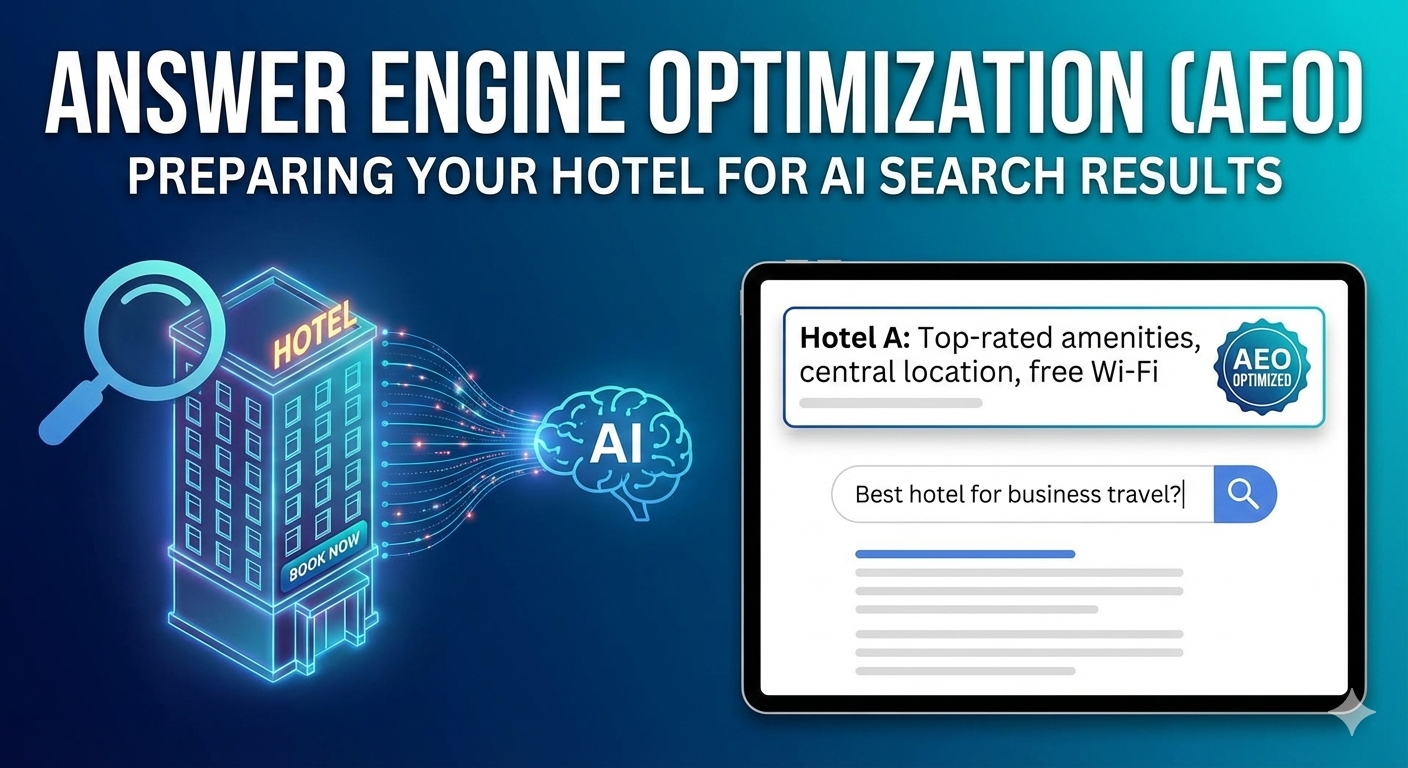
    Answer Engine Optimization (AEO): Preparing Your Hotel for AI Search Results

    The way travelers search for hotels is changing faster than ever. Traditional search engines that display a list of blue links are gradually giving way to AI-powered answer engines such as Google’s AI Overviews, voice assistants, and generative search platforms. Instead of scrolling through multiple websites, users now expect direct, accurate answers to their questions—often without clicking through to a website at all.

    For the hospitality industry, this shift represents both a challenge and an opportunity. Hotels that rely only on traditional SEO strategies risk losing visibility, while those that adapt to Answer Engine Optimization (AEO) can gain a powerful competitive advantage. This article explores what AEO is, why it matters for hotels, and how hospitality brands can prepare for AI-driven search results.

    Understanding Answer Engine Optimization (AEO)

    Answer Engine Optimization (AEO) is the practice of structuring and presenting content so that AI-driven platforms can easily understand, extract, and deliver it as a direct answer to user queries.

    Unlike traditional SEO, which focuses on ranking web pages, AEO focuses on:

    • Providing concise, authoritative answers
    • Structuring content for AI comprehension
    • Optimizing for conversational and voice-based queries
    • Becoming the “trusted source” AI systems rely on

    In an AI-first search environment, visibility is no longer just about rankings—it’s about being the answer.

    Why AEO Matters for the Hospitality Industry

    Hospitality is inherently question-driven. Travelers search for information at every stage of their journey.

    Common hotel-related queries include:

    • “Which hotel near the airport offers free shuttle service?”
    • “Is this hotel family-friendly?”
    • “What are the best boutique hotels in the city center?”
    • “Does the hotel offer late check-out?”

    AI search tools aim to answer these questions instantly. If your hotel content is not optimized for AEO, AI platforms may source answers from competitors, OTAs, or third-party websites instead.

    From SEO to AEO: What Has Changed?

    Traditional SEO focused on:

    • Keywords and backlinks
    • Page rankings
    • Traffic generation

    AEO focuses on:

    • Intent-based queries
    • Context and clarity
    • Structured data and semantic understanding
    • Trust and authority

    For hotels, this means shifting from keyword stuffing to answer-focused content that clearly addresses guest questions.

    How AI Search Engines Choose Answers

    AI-powered search systems analyze multiple signals to select answers, including:

    • Content clarity and relevance
    • Structured data (schema markup)
    • Authority and credibility
    • Consistency across platforms
    • User engagement signals

    Hotels that present clear, structured, and trustworthy information are more likely to be featured in AI-generated responses.

    Key AEO Strategies for Hotels

    To prepare for AI search results, hotels must rethink their content and digital presence.

    1. Optimize for Guest Questions, Not Just Keywords

    AI search thrives on natural language queries.

    Hotels should identify:

    • Frequently asked guest questions
    • Long-tail, conversational search phrases
    • Voice-search style queries

    Examples:

    • “What amenities does the hotel offer for business travelers?”
    • “Is breakfast included in the room rate?”
    • “How far is the hotel from popular attractions?”

    Creating content that directly answers these questions increases AEO visibility.

    2. Create Clear and Concise Answer-Based Content

    AI engines favor content that delivers clear answers quickly.

    Best practices include:

    • Using short paragraphs
    • Writing in simple, conversational language
    • Placing direct answers near the top of the page
    • Avoiding unnecessary jargon

    Hotels should think like an AI assistant: What is the most helpful answer for the guest?

    3. Structure Content with Headings and FAQs

    Well-structured content helps AI systems understand context.

    Use Clear Headings

    Each section should answer a specific question, such as:

    • “Does the hotel offer airport transfers?”
    • “What dining options are available on-site?”

    Develop Comprehensive FAQ Pages

    FAQ sections are particularly valuable for AEO because they:

    • Match conversational queries
    • Provide direct answers
    • Improve AI extractability

    A strong FAQ strategy can significantly boost a hotel’s presence in AI-generated results.

    4. Implement Structured Data (Schema Markup)

    Structured data helps AI systems interpret hotel information accurately.

    Hotels should implement schema for:

    • Hotel details
    • Room types
    • Amenities
    • Pricing
    • Reviews and ratings
    • Location and contact information

    Schema markup increases the likelihood of content being featured in rich results, AI summaries, and voice responses.

    5. Optimize for Voice Search and Conversational AI

    Voice search plays a major role in AEO.

    Guests using voice assistants tend to:

    • Ask longer questions
    • Use natural language
    • Expect immediate answers

    Hotels should:

    • Use conversational phrasing
    • Focus on “who, what, where, when, and how” queries
    • Ensure mobile-friendly website design

    Voice-optimized content improves visibility across AI-driven platforms.

    6. Strengthen Local AEO for Hotels

    Most hotel searches are location-based.

    To improve local AEO:

    • Keep Google Business Profile updated
    • Ensure consistent NAP (name, address, phone) details
    • Optimize for “near me” queries
    • Include local landmarks and attractions in content

    AI systems prioritize accurate local information when answering travel-related queries.

    7. Build Authority and Trust Signals

    AI engines favor reliable sources.

    Hotels can strengthen authority by:

    • Publishing expert-led content
    • Maintaining accurate and up-to-date information
    • Earning positive reviews
    • Being consistent across platforms

    Trustworthiness increases the likelihood of being chosen as an AI answer source.

    8. Optimize Hotel Content Beyond the Website

    AI engines pull information from multiple sources, not just hotel websites.

    Hotels should ensure consistency across:

    • Online travel agencies (OTAs)
    • Review platforms
    • Social media profiles
    • Local directories

    Inconsistent information reduces AI confidence and visibility.

    9. Focus on Experience-Based Content

    AI search increasingly highlights experiential information.

    Hotels should create content around:

    • Unique guest experiences
    • Wellness offerings
    • Culinary highlights
    • Cultural and local experiences

    Experience-driven answers help hotels stand out in AI-generated summaries.

    10. Monitor Performance in an AI-Driven Search Landscape

    Traditional analytics may not fully capture AEO performance.

    Hotels should track:

    • Featured snippets and AI mentions
    • Voice search visibility
    • Engagement quality, not just traffic
    • Brand mentions in AI-generated answers

    Continuous optimization is essential as AI algorithms evolve.

    Challenges of AEO for Hotels

    While AEO offers opportunities, it also presents challenges:

    • Reduced direct website traffic
    • Increased competition for “answer space”
    • Dependence on AI interpretation
    • Need for constant content updates

    However, hotels that adapt early can shape how AI platforms present their brand.

    The Strategic Advantage of Early AEO Adoption

    Hotels that invest in AEO gain:

    • Higher visibility in AI-driven search
    • Stronger brand authority
    • Increased trust among travelers
    • Better alignment with future search behavior

    AEO ensures hotels remain discoverable even as search engines evolve.

    The Future of Search in Hospitality

    As AI continues to advance, search will become:

    • More conversational
    • More personalized
    • More predictive

    Hotels must shift from being “search-optimized” to being answer-ready.

    Those that provide clear, trustworthy, and guest-focused answers will dominate AI-driven discovery channels.

    Conclusion

    Answer Engine Optimization is redefining how hotels are discovered online. In an era where AI search engines deliver instant answers, hotels must adapt their digital strategies to remain visible, relevant, and competitive. By focusing on guest questions, structured content, authority, and conversational optimization, hotels can position themselves as trusted sources in AI-generated search results.

    At Booksmart, we believe AEO is not a replacement for SEO but its natural evolution. Hotels that prepare today will lead tomorrow’s AI-powered hospitality landscape—where being the best answer matters more than being the highest-ranking link.

  • Future-Proofing the Hospitality Industry

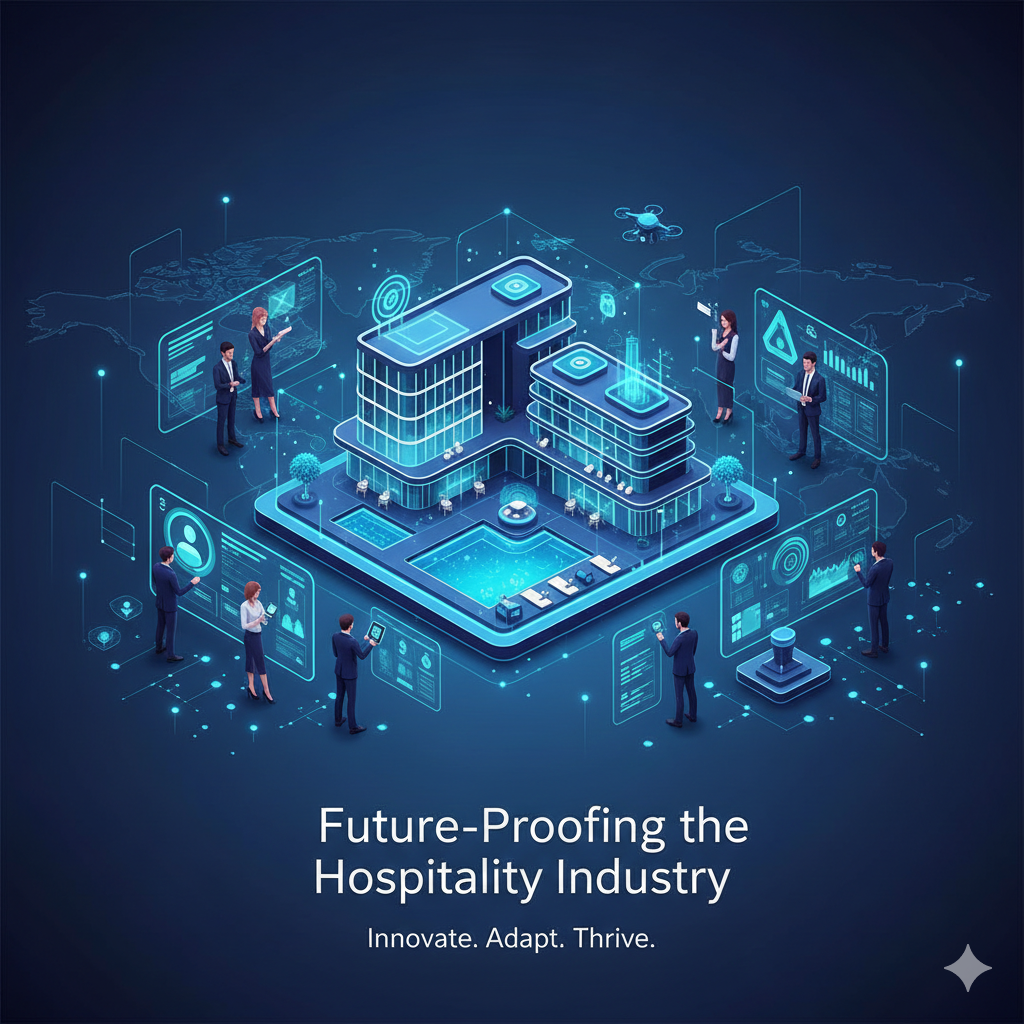
    Future-Proofing the Hospitality Industry

    The hospitality industry has always been dynamic, shaped by changing traveler preferences, economic conditions, and technological advancements. However, in recent years, the pace of change has accelerated dramatically. Global disruptions, digital transformation, evolving guest expectations, sustainability concerns, and workforce challenges have forced hotels and hospitality businesses to rethink traditional operating models.

    To remain competitive and resilient, the industry must focus on future-proofing—the ability to adapt, innovate, and thrive in an uncertain and rapidly changing environment. This article explores key strategies hotels can adopt to future-proof the hospitality industry while maintaining exceptional guest experiences and long-term profitability.


    Understanding the Need for Future-Proofing in Hospitality

    Future-proofing in hospitality means building systems, strategies, and cultures that can withstand disruptions while staying relevant to modern travelers. It is not about predicting every challenge but about being flexible, resilient, and prepared.

    Key drivers pushing the need for future-proofing include:

    • Rapid technological advancements
    • Changing guest behavior and expectations
    • Increased competition from alternative accommodations
    • Workforce shortages and high turnover
    • Sustainability and environmental responsibility
    • Global health, economic, and geopolitical uncertainties

    Hotels that fail to adapt risk losing relevance in an increasingly experience-driven and tech-enabled market.


    Embracing Digital Transformation

    Technology is at the core of future-proof hospitality operations.

    Smart Technology Integration

    Hotels must move beyond basic automation and adopt smart technologies such as:

    • Contactless check-in and check-out
    • Mobile room keys
    • Smart room controls
    • AI-powered chatbots and virtual concierges

    These solutions improve efficiency, enhance guest convenience, and reduce operational costs.

    Data-Driven Decision Making

    Data analytics enables hotels to:

    • Understand guest preferences
    • Optimize pricing and revenue management
    • Forecast demand accurately
    • Improve marketing strategies

    Leveraging data helps hotels make informed decisions rather than relying on assumptions.


    Personalization as a Competitive Advantage

    The future of hospitality lies in personalization. Modern guests expect experiences tailored to their needs, preferences, and lifestyles.

    Hotels can personalize experiences through:

    • Customized room settings
    • Personalized welcome amenities
    • Tailored dining recommendations
    • Curated local experiences

    Using customer relationship management (CRM) systems and AI tools allows hotels to deliver personalized service consistently across touchpoints.


    Redefining Guest Experience Beyond Accommodation

    Future-proof hotels focus on experiences rather than just rooms.

    Experience-Centric Hospitality

    Hotels can differentiate themselves by offering:

    • Cultural immersion programs
    • Wellness retreats
    • Culinary storytelling experiences
    • Community-driven events

    Guests increasingly value memorable moments over material luxury.

    Blending Work, Leisure, and Lifestyle

    With the rise of remote work and digital nomads, hotels must adapt by offering:

    • Co-working spaces
    • High-speed connectivity
    • Flexible long-stay options

    This hybrid approach appeals to a new generation of travelers.


    Sustainability as a Core Business Strategy

    Sustainability is no longer optional—it is a business imperative.

    Eco-Friendly Operations

    Hotels can future-proof operations by adopting:

    • Energy-efficient systems
    • Water conservation practices
    • Waste reduction programs
    • Plastic-free initiatives

    These practices reduce costs and appeal to environmentally conscious guests.

    Responsible Tourism and Community Engagement

    Supporting local communities through:

    • Local sourcing
    • Fair employment practices
    • Cultural preservation

    creates long-term value for both hotels and destinations.

    Sustainability strengthens brand trust and ensures long-term viability.


    Building a Resilient Workforce

    People remain the heart of hospitality, making workforce resilience critical to future-proofing.

    Addressing Talent Shortages

    Hotels must rethink recruitment and retention strategies by:

    • Offering competitive compensation
    • Providing career growth opportunities
    • Promoting work-life balance

    Continuous Training and Upskilling

    Future-ready employees need skills in:

    • Technology usage
    • Emotional intelligence
    • Cross-cultural communication
    • Crisis management

    Investing in staff development ensures service excellence even during change.


    Fostering Diversity, Equity, and Inclusion

    A diverse and inclusive workforce strengthens organizational resilience.

    Benefits include:

    • Better guest understanding
    • Enhanced innovation
    • Improved employee engagement
    • Stronger employer branding

    Hotels that promote inclusivity reflect global values and attract both guests and talent.


    Enhancing Crisis Preparedness and Risk Management

    The hospitality industry is vulnerable to unexpected disruptions. Future-proofing requires proactive risk management.

    Crisis Communication Planning

    Hotels must develop clear communication strategies to handle:

    • Health emergencies
    • Natural disasters
    • Cybersecurity incidents
    • Reputational crises

    Transparent and empathetic communication protects brand credibility.

    Operational Flexibility

    Flexible policies, diversified revenue streams, and contingency planning help hotels respond quickly to disruptions.


    Adopting Innovative Revenue Models

    Traditional revenue sources alone may not sustain future growth.

    Hotels can explore:

    • Subscription-based stays
    • Experience packages
    • Wellness memberships
    • Hybrid event spaces

    Diversifying revenue streams reduces dependency on room occupancy alone.


    Leveraging Artificial Intelligence and Automation

    AI will play a growing role in future hospitality operations.

    Applications include:

    • Dynamic pricing and revenue management
    • Predictive maintenance
    • Guest behavior analysis
    • Personalized marketing

    Automation improves efficiency while allowing staff to focus on human-centric service.


    Strengthening Brand Purpose and Authenticity

    Future-proof brands stand for more than profits.

    Hotels must define a clear brand purpose focused on:

    • Guest well-being
    • Community impact
    • Ethical business practices

    Authentic brands build emotional connections and long-term loyalty.


    The Role of Innovation and Agility

    Innovation should be continuous, not reactive.

    Future-ready hotels encourage:

    • Experimentation and creativity
    • Agile decision-making
    • Collaboration with startups and technology partners

    An innovative mindset helps hotels stay ahead of market shifts.


    Preparing for the Future Guest

    The next generation of travelers will be:

    • Tech-savvy
    • Experience-driven
    • Environmentally conscious
    • Value-oriented

    Hotels must align offerings with these evolving expectations to remain relevant.


    Challenges in Future-Proofing Hospitality

    While future-proofing offers many benefits, it comes with challenges:

    • High investment costs
    • Resistance to change
    • Skill gaps
    • Technology adoption issues

    However, strategic planning and phased implementation can overcome these obstacles.


    The Road Ahead for the Hospitality Industry

    The future of hospitality will be shaped by adaptability, innovation, and human connection. Hotels that embrace change, invest in people and technology, and operate responsibly will emerge stronger and more resilient.

    Future-proofing is not a one-time effort—it is an ongoing journey that requires vision, leadership, and commitment.


    Conclusion

    Future-proofing the hospitality industry is essential for long-term success in an unpredictable world. By embracing digital transformation, personalization, sustainability, workforce development, and innovation, hotels can build resilient business models that adapt to change while delivering exceptional guest experiences.

    As the industry evolves, hotels that focus on flexibility, purpose, and people will not only survive but thrive in the future of hospitality.

    At Booksmart, we believe that knowledge-driven strategies are the foundation of a future-ready hospitality industry.

  • The Role of Hospitality in Cultural Tourism

    The Role of Hospitality in Cultural Tourism

    Cultural tourism has become one of the fastest-growing segments of the global travel industry. As travelers increasingly seek authentic experiences, explore heritage sites, and engage with local traditions, the hospitality sector plays a crucial role in shaping how cultural narratives are understood and appreciated. Hotels, resorts, homestays, restaurants, and tourism service providers are not only accommodation providers—they are cultural ambassadors.

    This article explores how hospitality influences cultural tourism, enhances guest experiences, preserves local heritage, and drives sustainable development.

    1. Understanding Cultural Tourism

    Cultural tourism refers to travel that focuses on experiencing culture, arts, heritage, traditions, festivals, and unique lifestyles of a destination. It includes:

    • Heritage tourism
    • Arts and crafts tourism
    • Culinary tourism
    • Festival and event tourism
    • Indigenous and local community tourism
    • Religious and pilgrimage tourism

    Cultural tourists travel not only to see places but to understand the soul of a destination. This trend has significantly increased demand for meaningful, responsible, and immersive travel experiences.

    2. How Hospitality Supports Cultural Tourism

    The hospitality industry acts as a bridge between travelers and local culture. From the front desk interaction to room décor and culinary offerings, hotels can significantly influence how guests perceive a destination.

    a. Creating Authentic Cultural Experiences

    Hotels can design experiences that showcase the essence of local culture such as:

    • Traditional welcome ceremonies
    • Indigenous design elements in interiors
    • Local storytelling sessions
    • Cultural shows and folk performances
    • Art installations by local artists

    Such experiences help guests feel connected to the region’s traditions, making their stay more memorable.

    b. Promoting Local Cuisine and Culinary Heritage

    Food is one of the strongest expressions of culture. Hospitality establishments play a vital role in preserving and promoting culinary traditions by:

    • Offering regional dishes in restaurants
    • Conducting local cooking classes
    • Hosting food festivals
    • Sourcing ingredients from local farms
    • Highlighting traditional cooking methods

    By promoting local flavors, hotels become cultural gateways that help preserve culinary heritage while supporting local farmers and artisans.

    c. Supporting Local Artisans and Crafts

    Many hotels integrate local arts and crafts in their architecture, furniture, décor, and gift shops. By doing so, they:

    • Provide income opportunities to artisans
    • Help sustain traditional craftsmanship
    • Create culturally rich visual experiences for guests
    • Promote responsible and ethical consumption

    For example, handcrafted textiles, pottery, and paintings displayed in hotel lobbies serve as cultural storytelling mediums.

    d. Cultural Interpretation and Storytelling

    Hospitality staff often act as informal cultural interpreters. Their knowledge, enthusiasm, and storytelling skills help guests understand:

    • The history of the destination
    • Meaning behind local traditions
    • Significance of festivals and rituals
    • Local myths and folklore

    Well-trained staff members enhance cultural understanding and appreciation, creating deeper connections between visitors and the local community.

    3. The Importance of Cultural Sensitivity in Hospitality

    Cultural tourism can flourish only when hospitality providers respect cultural diversity and ensure ethical representation.

    a. Respecting Local Customs and Traditions

    Hotels must ensure that:

    • Cultural performances are presented authentically
    • Sacred symbols or heritage elements are not commercialized
    • Guests are educated about appropriate behavior at cultural sites

    This ensures a respectful exchange between tourists and local cultures.

    b. Promoting Inclusive Cultural Experiences

    Cultural representation should be inclusive and avoid stereotypes. For instance:

    • Folk performances must highlight different regional traditions
    • Culinary offerings should represent various local communities
    • Socially marginalized groups should also be included in cultural programming

    Inclusivity strengthens cultural integrity and authenticity.

    c. Training Hospitality Staff in Cultural Awareness

    Training programs help employees understand cultural nuances, enabling them to:

    • Offer respectful greetings
    • Communicate effectively with international guests
    • Avoid cultural misunderstandings
    • Provide context behind cultural experiences

    Such training elevates guest satisfaction while strengthening cultural understanding.

    4. Role of Hospitality in Preserving Cultural Heritage

    Cultural tourism thrives when heritage is protected. Hotels can contribute significantly to heritage conservation in the following ways:

    a. Restoration and Adaptive Reuse of Heritage Buildings

    Many hotels operate within restored palaces, forts, traditional homes, or colonial structures. These heritage hotels:

    • Preserve architectural identity
    • Protect historical buildings from decay
    • Offer tourists the chance to live history

    Adaptive reuse ensures cultural continuity while supporting local tourism.

    b. Collaboration with Local Communities

    Hotels can work with communities to create meaningful cultural programs such as:

    • Traditional craft workshops
    • Village tours
    • Cultural exchange sessions
    • Local festivals hosted on hotel premises

    Such collaborations ensure mutually beneficial relationships between communities and tourism businesses.

    c. Sustainable Tourism Practices

    Responsible hospitality helps protect cultural assets by:

    • Reducing overcrowding at heritage sites
    • Promoting lesser-known cultural attractions
    • Encouraging off-season travel
    • Supporting eco-friendly practices

    Sustainability ensures that cultural resources are preserved for future generations.

    5. Enhancing Cultural Tourism Through Technology

    Modern technology allows hotels to enhance cultural experiences in innovative ways.

    a. Virtual Cultural Tours

    Hotels can offer:

    • Virtual museum tours
    • Interactive AR experiences of historical sites
    • Digital storytelling platforms

    This helps guests explore cultural heritage even before or after visiting.

    b. AI-Powered Personalization

    AI tools can recommend:

    • Local cultural events
    • Heritage sites
    • Cultural workshops
    • Traditional restaurants

    Personalized recommendations enrich the guest journey and encourage deeper cultural engagement.

    c. Social Media Cultural Promotion

    Hotels can share local stories, festivals, and cultural elements across digital platforms to inspire tourists and build awareness.

    6. Economic and Social Impact of Hospitality on Cultural Tourism

    The hospitality industry not only promotes culture but also stimulates local economies.

    a. Job Creation

    Cultural tourism generates jobs for:

    • Local performers
    • Artisans
    • Tour guides
    • Chefs specializing in regional cuisine
    • Traditional hospitality workers

    This enhances socio-economic development in local communities.

    b. Revenue Generation for Local Communities

    When hotels source products locally, host craft markets, or collaborate with community groups, it drives direct income to local residents.

    c. Strengthening Community Identity

    Cultural tourism encourages communities to take pride in their traditions, leading to:

    • Revival of dying art forms
    • Preservation of historical practices
    • Strengthened cultural identity

    The hospitality sector plays a pivotal role in this cultural revitalization.

    7. Challenges Facing Hospitality in Cultural Tourism

    Despite its benefits, several challenges must be addressed:

    a. Over-commercialization of Culture

    Excessive commercialization can dilute cultural authenticity. Hotels must ensure that cultural representations remain respectful and genuine.

    b. Cultural Misrepresentation

    Inaccurate depictions can lead to misunderstandings and disrespect toward local communities.

    c. Balancing Modern Comfort with Cultural Authenticity

    Hotels must strike a balance between maintaining cultural themes and offering modern amenities.

    d. Managing High Tourist Footfall

    In popular cultural destinations, overcrowding can harm heritage sites and disturb local communities.

    8. The Future of Cultural Tourism and Hospitality

    The future of cultural tourism will be driven by:

    • Hyper-personalized cultural itineraries
    • Community-led tourism experiences
    • Sustainable and ethical cultural practices
    • Tech-enhanced cultural storytelling
    • Rise of boutique and heritage stays

    Hotels that embrace cultural authenticity, inclusivity, and sustainability will succeed in attracting culturally conscious travelers.

    Conclusion

    Hospitality plays an essential role in shaping cultural tourism by serving as a mediator between travelers and the destination’s traditions, history, and identity. Through authentic experiences, preservation efforts, local collaborations, and cultural sensitivity, hotels contribute to meaningful and responsible cultural exploration. As travelers continue to seek deeper connections and authentic experiences, the hospitality industry must evolve as a guardian of cultural heritage and a catalyst for sustainable cultural tourism.

  • Hospitality Management in the Post-Pandemic Era

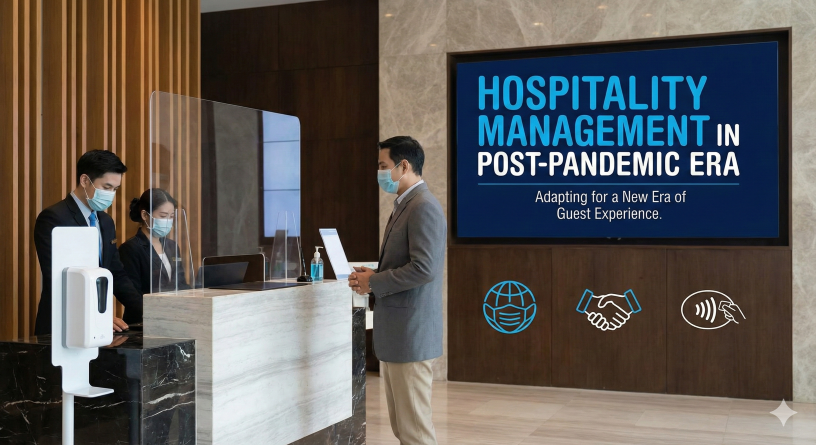
    Hospitality Management in the Post-Pandemic Era

    The pandemic reshaped nearly every industry, but its impact on hospitality has been the most profound. Hotels, resorts and travel businesses were forced to rethink the way they serve guests, manage operations and maintain profitability. As the world moves forward, a new era of hospitality is emerging—one that blends technology, safety, personalization and sustainability.

    At BookSmart, we work closely with hotels to help them adapt to these evolving expectations using intelligent insights, guest-centric strategies and optimized digital solutions. In this article, we explore what hospitality management looks like in the post-pandemic era and how hotels can thrive in this new environment.

    The New Landscape of Hospitality

    Guest behavior has permanently changed. Travelers now expect:

    • Safe, clean, hygienic spaces
    • Seamless digital experiences
    • Flexible booking and cancellation
    • More personalized service
    • Remote-friendly workspaces
    • Contactless processes
    • Trust, transparency and convenience

    Hotels that recognize these changes and adapt proactively are the ones leading the recovery.

    1. Health, Hygiene & Safety: The Foundation of Modern Hospitality

    Post-pandemic travelers place safety above all else. Hygiene is no longer an operational choice—it is a brand promise.

    ✔ Enhanced Cleaning Protocols

    Hotels must maintain strict sanitation practices using upgraded tools and eco-friendly disinfectants. High-touch areas require frequent cleaning, and housekeeping standards must be visible and reassuring.

    ✔ Touchless Guest Experience

    Contactless technology has become essential:

    • Mobile check-in/check-out
    • Digital menus
    • QR-based room information
    • Touchless payment systems

    These reduce physical interactions while improving convenience.

    ✔ Transparent Communication

    Hotels must clearly communicate safety protocols through:

    • BookSmart listings
    • Website updates
    • Email confirmations
    • In-room notes

    Trust is built when guests feel informed and protected.

    2. Technology as the Backbone of Modern Hospitality

    The post-pandemic hospitality model is powered by technology. Digital transformation is no longer optional—it’s the key to efficiency and guest satisfaction.

    ✔ Smart Automation

    Automated systems help manage:

    • Reservations
    • Room allocation
    • Guest preferences
    • Housekeeping schedules

    This reduces dependency on manual workflows and improves speed.

    ✔ Data-Driven Insights

    BookSmart’s analytics help hotels understand:

    • Traveler behavior
    • Booking patterns
    • Seasonal demand
    • Pricing opportunities

    Insights turn into strategies that maximize occupancy and revenue.

    ✔ Hybrid & Remote-Work Friendly Spaces

    Hotels increasingly attract digital nomads and remote workers by offering:

    • Strong Wi-Fi
    • Work-friendly rooms
    • Co-working spaces
    • Long-stay packages

    This segment has become a dependable part of modern hospitality revenue.

    3. Personalization: The Heart of Guest Experience

    Today’s travelers want experiences tailored to their needs. Personalization drives loyalty, enhances satisfaction and increases positive reviews.

    ✔ Customized Offers

    Hotels can offer:

    • Solo traveler packages
    • Couple-friendly experiences
    • Family amenities
    • Senior-friendly services

    ✔ Tailored Communication

    Personalized emails, app notifications and SMS updates help hotels stay connected with guests throughout their journey.

    ✔ Curated Recommendations

    From dining tips to local attractions, hotels that guide guests with personalized suggestions create stronger emotional connections.

    With BookSmart, hotels can highlight these personalized services and attract the right audience.

    4. Flexible Booking Policies: A Post-Pandemic Necessity

    The uncertainty created by the pandemic made travelers value flexibility more than ever.

    Hotels must respond with:

    • Easy rebooking
    • Low cancellation penalties
    • Refund options
    • Pay-later booking choices

    Flexible policies encourage bookings, reduce hesitation and increase trust.

    BookSmart helps hotels showcase flexible rates to boost conversion and direct bookings.

    5. Sustainability: A Growing Expectation

    The post-pandemic world is more conscious. Guests prefer hotels that operate responsibly and care about the planet.

    ✔ Eco-Friendly Initiatives

    Hotels can adopt:

    • Energy-efficient appliances
    • Water-saving systems
    • Recyclable amenities
    • Reduced plastic usage

    ✔ Green Certifications

    Earning sustainability certifications boosts credibility.

    ✔ Farm-to-Table Concepts

    Locally sourced food improves freshness and reduces carbon footprint.

    Sustainability is not just good for the planet—it’s good for business.

    6. Experiential Travel Takes Center Stage

    Travelers now seek meaningful, memorable experiences—not just stays.

    Hotels can offer:

    • Cultural workshops
    • Local tours
    • Wellness retreats
    • Adventure activities
    • Cooking classes
    • Mindfulness sessions

    Experience-driven hospitality increases guest engagement and improves reviews. Listing these experiences on BookSmart makes your property more attractive to modern travelers.

    7. Reimagining Food & Beverage Services

    Dining habits shifted significantly in the post-pandemic era.

    ✔ Contactless Dining Options

    QR menus, digital ordering and touchless payments create safer experiences.

    ✔ Solo-Friendly Seating

    More travelers dine alone, requiring comfortable individual seating arrangements.

    ✔ Healthy & Immune-Boosting Menus

    Guests prefer fresh, nutritious and wellness-oriented meals.

    ✔ Flexible In-Room Dining

    High-quality room service is now a major selling point.

    F&B innovations increase guest satisfaction and revenue simultaneously.

    8. Revenue Management in a Changed Market

    Demand patterns changed dramatically after the pandemic. Smart revenue management is essential for recovery.

    ✔ Dynamic Pricing

    Prices must reflect real-time demand and traveler behavior.

    ✔ Segmented Targeting

    Hotels should target:

    • Solo travelers
    • Business travelers
    • Digital nomads
    • Families
    • Wellness seekers

    ✔ Package-Based Offers

    Bundled experiences can increase revenue while providing more value.

    BookSmart’s smart pricing tools help hotels optimize occupancy and profitability.

    9. Staff Empowerment: The Human Side of Hospitality

    Technology plays a huge role, but hospitality will always remain a people-first industry.

    ✔ Employee Training

    Staff must be trained in:

    • Safety protocols
    • Digital systems
    • Emotional intelligence
    • Guest empathy

    ✔ Mental Wellbeing Support

    Pandemic stress affected hotel employees significantly. Offering support builds loyalty and improves service quality.

    ✔ Multi-Skilling

    Teams benefit from learning multiple roles—from check-in to concierge services—allowing smoother operations.

    A motivated staff creates exceptional guest experiences.

    10. Marketing in the Post-Pandemic Era

    Hotels must speak the language of the modern traveler.

    ✔ Social Proof & Reviews

    Positive guest reviews on BookSmart help build trust.

    ✔ Social Media Storytelling

    Showcase:

    • Behind-the-scenes cleanliness
    • Local experiences
    • Guest moments
    • Staff highlights

    ✔ Honest Communication

    Transparency resonates more than ever.

    Hotels that market with authenticity attract stronger guest loyalty.

    Conclusion: A New Dawn for Hospitality

    The post-pandemic era is not a challenge—it is an opportunity for hotels to reinvent themselves. Modern hospitality is a blend of:

    ✨ Safety
    ✨ Technology
    ✨ Personalization
    ✨ Experience
    ✨ Sustainability

    Hotels that adapt to these pillars will not only survive but thrive.

    At BookSmart, our mission is to guide hotels through this transformation with intelligence, innovation and guest-centric strategies. By understanding traveler expectations, optimizing digital presence and embracing the future of hospitality, hotels can unlock new growth and deliver unforgettable experiences.

    The future of hospitality is bright—and it begins with smart management, smart adaptation and BookSmart.

  • Hotel Interior Design Trends in 2025

    Hotel Interior Design Trends in 2025

    The hospitality industry has always been a reflection of cultural shifts, global lifestyles, and evolving guest expectations. As we enter 2025, hotel interior design is taking a bold leap forward—embracing sustainability, technology, sensory wellness, and hyper-personalized guest experiences. Modern travelers expect more than just comfort; they crave spaces that inspire, rejuvenate, and feel uniquely tailored to them.

    At Booksmart, we closely track emerging hospitality trends and help brands craft intentional, guest-centric environments. In this article, we explore the top hotel interior design trends shaping 2025, offering insights that hoteliers, designers, and investors can use to elevate their properties for the next generation of travelers.

    1. Biophilic Design Goes Mainstream

    Biophilic design isn’t new, but in 2025, it has become non-negotiable. Guests want hotels that reconnect them with nature—even in urban locations.

    What this looks like:

    • Indoor vertical gardens
    • Large windows with natural light optimization
    • Organic materials like bamboo, jute, rattan, and reclaimed wood
    • Natural, earthy color palettes
    • Water features that create a calming ambience

    Hotels adopting biophilic design report higher guest satisfaction and improved emotional well-being. At Booksmart, we encourage properties to consider natural textures and greenery as core design elements, not mere décor additions.

    2. Hyper-Personalized Rooms with Smart Technology

    Technology is no longer about convenience—it’s about creating deeply personalized experiences. In 2025, smart hotel rooms function like intuitive living spaces.

    Key innovations include:

    • AI-powered room controls
    • Voice-activated lighting and temperature settings
    • Smart mirrors that display weather, news, and itinerary details
    • Tailored ambiance presets (work mode, relaxation mode, sleep mode)
    • Automated check-in/check-out processes

    These features make guests feel in control and valued. For hotels, tech-driven personalization improves efficiency and boosts repeat bookings.

    3. Sustainable and Circular Design Practices

    Sustainability is more than a trend—it’s a responsibility. Travelers in 2025 consciously choose eco-friendlier accommodations, forcing hotels to rethink materials, sourcing, and construction.

    Top sustainability practices for 2025:

    • Zero-waste furniture design
    • Upcycling and repurposing existing materials
    • Energy-efficient lighting and water conservation systems
    • VOC-free paints and eco-certified textiles
    • Locally sourced décor to reduce carbon footprint

    At Booksmart, we help hotels adopt circular design solutions that reduce waste while maintaining high aesthetics and functionality.

    4. Wellness-Driven Interiors

    Wellness is now at the center of hospitality design. Guests want environments that support rest, health, and mindfulness.

    Popular 2025 wellness design elements:

    • In-room meditation corners
    • Aromatherapy diffusers
    • Circadian lighting systems
    • Acoustic wall treatments for sound control
    • Organic, hypoallergenic bedding
    • On-demand fitness and spa amenities

    Hotels are integrating wellness into both private rooms and public spaces, transforming stays into holistic experiences.

    5. Multifunctional Spaces for Hybrid Travelers

    The rise of remote work and blended travel (“workations”) requires hotels to offer more flexible spaces. In 2025, multifunctionality is becoming essential.

    Expect to see:

    • Modular furniture in rooms
    • Dedicated hybrid work lounges
    • Sound-proof phone booths
    • Transformable meeting rooms
    • Creative communal spaces

    Guests appreciate the freedom to transition between leisure and productivity without leaving the hotel.

    6. Local Culture and Authentic Storytelling

    Travelers want to feel immersed in the locale. Designers in 2025 are embracing cultural storytelling by incorporating local craftsmanship, art, and heritage.

    Examples include:

    • Regionally inspired color themes
    • Artisan-made décor and textiles
    • Murals and artwork from local communities
    • Furniture designs reflecting regional traditions

    This approach not only supports local economies but also creates memorable, one-of-a-kind spaces. Booksmart advocates for authentic cultural integration to enrich guest experiences.

    7. Warm Minimalism Is Replacing Cold, Sterile Design

    Minimalism is evolving. Instead of stark, empty spaces, 2025 hotels are adopting warm minimalism, blending simplicity with coziness.

    Features of warm minimalism:

    • Soft, neutral tones
    • Curved furniture silhouettes
    • Textured fabrics (linen, boucle, wool blends)
    • Soft ambient lighting
    • Clutter-free yet inviting rooms

    This style creates a calming, home-like atmosphere while maintaining a modern aesthetic.

    8. Bold Color Accents and Artistic Statements

    While minimalism dominates, there is also a notable rise in bold décor moments that surprise and delight guests.

    Design elements gaining popularity:

    • Color-blocked walls
    • Oversized art installations
    • Accent wallpapers with geometric or nature-inspired patterns
    • Sculptural lighting fixtures

    These artistic details give hotels a unique character and encourage guests to share their experiences on social media—an added marketing advantage.

    9. Immersive Lobby Experiences

    Hotel lobbies in 2025 are no longer just check-in areas—they are experience hubs.

    Trending lobby features:

    • Café-style coworking nooks
    • Interactive digital walls
    • Art galleries and pop-up retail corners
    • Lounge areas with elevated comfort
    • Plants and water features for a calming first impression

    Many hotels are transforming their lobbies into vibrant spaces where guests—and even locals—can socialize, work, and relax.

    10. Sensory Design for Emotional Impact

    Hotels are increasingly using sensory design to influence mood and comfort.

    This involves:

    • Scent branding
    • Soft background audio tailored to different zones
    • Tactile materials that evoke warmth and luxury
    • Lighting sequences designed to guide guests through spaces

    Sensory design helps create emotional connections and enhances the overall hospitality experience.

    Conclusion: The Future of Hotel Interiors Is Human-Centered

    As 2025 unfolds, hotel interior design is shifting toward a more holistic, guest-focused approach. From sustainability and smart technology to cultural storytelling and wellness, every trend points in the same direction—creating meaningful, memorable, and human-centered experiences.

    At Booksmart, we believe that great design goes beyond aesthetics. It shapes how guests feel, interact, and remember their stay. By embracing these 2025 trends, hotels can elevate their brand, improve guest satisfaction, and stay competitive in an ever-evolving industry.

  • How Hotels Can Optimize Direct Bookings

    How Hotels Can Optimize Direct Bookings

    Let’s be honest for a second: Online Travel Agencies (OTAs) are convenient. We all use them. But for hoteliers, they are the frenemy that never leaves the party. They bring you guests, sure, but they also take a hefty slice of your revenue and, perhaps more importantly, they “own” the relationship with your guest before they even walk through your door.

    At Booksmart, we believe the future of hospitality isn’t about fighting the OTAs; it’s about outsmarting the friction.

    Optimizing direct bookings isn’t just about saving on commission fees (though that’s a nice bonus). It’s about reclaiming the guest narrative. It’s about proving that the best version of a stay starts the moment they land on your website.

    Here is how smart hotels are optimizing for direct bookings right now—by bringing the “human” back into the digital experience.

    1. Stop Selling Rooms; Start Selling “The Why”

    OTAs are vending machines. They sell rows of data: Double Bed, 20m², Non-Smoking.

    Your direct channel is the only place where you can sell the feeling of the stay. To optimize for direct bookings, your website needs to do what Booking.com can’t: tell a story.

    • The Fix: Audit your room descriptions. Are they just specs? Or do they tell the guest what it feels like to wake up there?
    • The “Book Smart” Tip: Use high-quality video snippets (not just photos) on your booking engine. Show the steam rising off the coffee on the balcony. Humanize the visuals so the guest can picture themselves there, not just the furniture.

    2. Friction is the Enemy of Conversion

    We see it all the time: A hotel spends thousands on marketing to get a guest to their site, only to lose them because the booking engine is clunky. If it takes more than three clicks to see a total price, you have already lost them.

    • The Fix: Mobile-first is non-negotiable. 60% of last-minute bookings happen on phones. If your calendar requires “pinching and zooming,” you are donating that booking to an OTA app.
    • The “Book Smart” Tip: Test your own booking process. Literally. Take out your phone right now and try to book a room for next Tuesday. Did you get annoyed? If you did, your guests definitely will.

    3. The “Value-Add” Beat The “Price Drop”

    You cannot always win a price war (and rate parity contracts often prevent it). But you can win on value. This is the oldest trick in the book, yet so many hotels forget it.

    • The Fix: Offer things OTAs can’t touch. Early check-in. Late check-out. A free welcome drink. These cost you very little operationally but have high perceived value to a tired traveler.
    • The “Book Smart” Tip: Make these perks exclusive and visible. Don’t hide them in the fine print. Put a banner right on the booking widget: “Book direct and sleep in—Free 12 PM Checkout only available here.”

    4. Personalization is Your Superpower

    When a guest books via an OTA, you get a masked email address and a name. When they book direct, you get data. Use it to be human.

    • The Fix: Use a smart CRM (Customer Relationship Management) tool. If a guest visited your “Spa” page three times before booking, your confirmation email shouldn’t just say “Thanks.” It should say, “Thanks for booking! Shall we reserve a massage slot for you?”
    • The “Book Smart” Tip: People want to be recognized, not processed. Even a simple pre-arrival email asking, “Do you prefer feather or foam pillows?” creates a loyalty bond that an algorithm can’t break.

    5. Trust Signals Are Non-Negotiable

    One reason travelers stick to big OTAs is safety. They know if something goes wrong, there is a big corporation to call. You need to replicate that safety on your site.

    • The Fix: Ensure your SSL certificates are obvious. Display “Best Rate Guarantees” prominently.
    • The “Book Smart” Tip: Social proof is key. Don’t just bury reviews on a “Testimonials” page. Embed recent, verified reviews directly inside the booking flow. Seeing “Jane from Ohio loved the breakfast” right before clicking ‘Pay’ reduces purchase anxiety.

    The Bottom Line

    Winning direct bookings isn’t about tricking the algorithm; it’s about treating your website visitors like guests before they even arrive. It’s about being transparent, fast, and generous.

    At Booksmart, we are passionate about building the technology that bridges the gap between a “user” and a “guest.” Let’s make your booking engine the hardest working member of your team.

    Ready to boost your direct revenue? Let’s audit your current booking flow together. Drop us a line, and let’s get you booking smarter.

  • The Role of Hospitality in Business Tourism

    The Role of Hospitality in Business Tourism

    Business tourism has grown into one of the most dynamic segments of the global travel industry. From corporate meetings and conferences to incentive programs and exhibitions, business travelers rely heavily on comfort, convenience, and professional service. At the heart of this experience lies the hospitality sector—the hotels, restaurants, event venues, and service providers that shape a company’s perception of a destination.

    At BookSmart, we understand that hospitality plays a crucial role not only in attracting business travelers but also in enhancing their productivity, satisfaction, and overall experience. Here’s an in-depth look at how hospitality supports and elevates business tourism.

    Understanding Business Tourism

    Business tourism, also known as corporate travel or MICE tourism (Meetings, Incentives, Conferences, and Exhibitions), focuses on travel for professional purposes. Unlike leisure tourism, business travel requires:

    • Efficient services
    • Reliable infrastructure
    • High-quality amenities
    • Fast communication
    • Professional staff support

    Hospitality serves as the backbone of this ecosystem, offering the comfort and functionality business travelers need.

    1. Providing Comfortable and Productive Accommodation

    For business travelers, accommodation is more than just a place to sleep—it’s a workspace, a planning zone, and a relaxation area. Hotels play a major role in supporting their productivity by offering:

    • High-speed internet
    • Business centers
    • Ergonomic workspaces
    • Quiet rooms
    • Meeting and conference facilities
    • Express check-in/check-out

    When hotels meet these expectations, business travelers can stay focused and efficient throughout their trip. BookSmart emphasizes the importance of training staff to understand the unique needs of corporate guests to ensure smooth and professional service.

    2. Enhancing Destination Appeal and Competitiveness

    Destinations that offer strong hospitality services stand out in the global business tourism market. High-quality hotels, efficient transportation, modern convention centers, and excellent dining options all contribute to a city’s attractiveness.

    A well-developed hospitality sector helps cities compete for major international events, such as:

    • Corporate summits
    • Trade fairs
    • Tech conferences
    • Academic conventions
    • Incentive travel programs

    Greater hospitality standards equal greater economic opportunities.

    3. Delivering Professional Event Management Support

    Events and conferences are key components of business tourism. Hospitality providers—especially hotels and convention centers—offer crucial support through:

    • Event planning teams
    • Technical assistance
    • Catering services
    • Stage and audio-visual setup
    • Guest coordination
    • Venue decoration

    Professional event support ensures large gatherings run smoothly. When hospitality teams are well-trained, events flow effortlessly, leaving a lasting positive impression on attendees.

    4. Strengthening Brand Image and Corporate Relationships

    For businesses, hosting clients or partners at a reputable hotel or venue can significantly influence corporate relationships. Hospitality experiences directly reflect the professionalism and values of the host organization.

    Exceptional service can enhance brand perception by:

    • Building trust
    • Creating positive memories
    • Demonstrating attention to detail
    • Supporting meaningful interactions

    BookSmart helps hospitality teams develop the skills needed to handle VIP guests, manage special corporate requests, and deliver service that aligns with global business expectations.

    5. Ensuring Seamless Travel and Convenience

    Business travelers value efficiency above all else. Hospitality services—from taxis and shuttle arrangements to concierge desks—help them navigate the destination with ease.

    Key hospitality contributions include:

    • Airport transfers
    • Local transport recommendations
    • 24/7 concierge support
    • Fast dining options
    • Digital check-in solutions

    These conveniences reduce travel stress and allow travelers to focus on their professional goals.

    6. Supporting International Business Through Cultural Sensitivity

    Business tourism often involves travelers from diverse cultural backgrounds. Hospitality teams must practice cultural sensitivity to avoid misunderstandings and ensure a welcoming experience.

    This includes:

    • Understanding language barriers
    • Recognizing cultural etiquette
    • Respecting dietary preferences
    • Offering personalized service

    Training staff in cross-cultural communication is essential—and a key area BookSmart emphasizes to help hotels elevate global hospitality standards.

    7. Facilitating Networking and Collaboration

    Hotels and conference venues often serve as informal networking spaces where business connections are formed. A strong hospitality environment promotes collaboration by offering:

    • Lounge areas
    • Coffee bars
    • Co-working spaces
    • Relaxed meeting spots
    • Well-designed event halls

    These spaces encourage conversation, creativity, and professional engagement—core elements of successful business tourism.

    8. Supporting Local Economies and Business Growth

    Hospitality’s role in business tourism extends beyond traveler experience—it fuels local economic development. Business travelers spend money on:

    • Accommodation
    • Dining
    • Local travel
    • Entertainment
    • Shopping
    • Event services

    Hotels and hospitality businesses also partner with local vendors, helping create jobs and support regional development. When hospitality standards rise, the entire economy benefits.

    9. Leveraging Technology to Improve Business Travel

    Modern hospitality heavily relies on technology to meet the needs of business travelers. Innovations such as:

    • Contactless check-in
    • Smart room controls
    • Virtual meeting tools
    • Digital room service
    • Mobile concierge apps

    …enhance convenience and create a seamless experience. Hotels that embrace digital transformation stay relevant and competitive in the business tourism market.

    10. Creating Memorable Experiences Beyond Business

    Even business travelers appreciate moments of leisure. High-quality hospitality offers:

    • Relaxing spa services
    • Fine dining experiences
    • Local tours
    • Fitness centers
    • Cultural interactions

    These small moments of comfort can turn a business trip into a memorable stay. BookSmart supports hotels in crafting well-rounded guest experiences through professional training and service enhancements.

    Conclusion: Hospitality Is the Foundation of Business Tourism Success

    The relationship between hospitality and business tourism is deeply interconnected. While business travelers focus on meetings, deals, and professional goals, it is the hospitality sector that ensures their journey is smooth, productive, and enjoyable. From exceptional service and modern facilities to cultural understanding and technological support, hospitality shapes the entire experience.

    At BookSmart, we believe that investing in hospitality training empowers staff, elevates service quality, and strengthens a hotel’s ability to meet the complex demands of business travelers. When hospitality thrives, business tourism flourishes—benefiting travelers, companies, and destinations alike.

  • Hotel Staff Training: Importance and Strategies

    Hotel Staff Training: Importance and Strategies

    In the hospitality industry, every guest interaction matters. Whether it’s a warm greeting at the reception desk, quick room service, or seamless check-out, the quality of service defines a guest’s overall experience. This is why hotel staff training is not merely an operational requirement—it is a foundational pillar of a hotel’s reputation and success. At BookSmart, we understand that well-trained staff drive customer loyalty, operational efficiency, and long-term business growth.

    Here’s a deep look into the importance of staff training in hotels and the most effective strategies to implement it.

    Why Hotel Staff Training Matters

    1. Enhances Guest Experience

    Guest satisfaction is the heartbeat of any hotel. A trained staff member knows how to communicate effectively, anticipate guest needs, and resolve issues promptly. This leads to:

    • Better first impressions
    • Personalized service
    • Faster response times
    • More comfortable guest experiences

    When guests feel valued and cared for, they are more likely to return—and recommend the hotel to others.

    2. Builds a Positive Hotel Reputation

    In today’s digital age, one negative review can influence hundreds of potential guests. Training equips staff to handle situations professionally, preventing miscommunication or service failures. Hotels that consistently deliver excellence build strong brand credibility, both online and offline.

    3. Improves Operational Efficiency

    A well-trained team understands workflows, follows standard procedures, and works in harmony. This reduces:

    • Mistakes
    • Delays
    • Mismanagement
    • Internal conflict

    Efficient operations translate into smoother check-ins, faster housekeeping response, and well-managed dining services.

    4. Reduces Employee Turnover

    The hospitality industry has one of the highest employee turnover rates globally. Staff often feel overwhelmed or unsupported when proper training is lacking. Training helps employees feel:

    • Confident in their roles
    • Recognized and valued
    • Clear about expectations
    • Motivated to stay longer

    This leads to lower hiring costs and a more stable workforce.

    5. Ensures Compliance and Safety

    Hotels must follow strict regulations related to food safety, hygiene, fire safety, and data protection. Staff training ensures that every team member understands and complies with these guidelines, protecting the hotel from legal issues and ensuring guest safety.

    6. Boosts Revenue and Upselling Success

    Well-trained staff can identify and seize opportunities to upsell services like:

    • Room upgrades
    • Dining packages
    • Spa treatments
    • Local tours

    This not only increases guest satisfaction through personalized recommendations but also boosts the hotel’s revenue.

    Effective Strategies for Training Hotel Staff

    1. Start With a Structured Onboarding Program

    New employees should receive clear guidance from day one. A structured onboarding program includes:

    • Orientation about hotel culture and values
    • Overview of guest service standards
    • Detailed explanation of roles and responsibilities
    • Introduction to key departments

    This foundation helps employees feel welcomed and prepared.

    2. Provide Role-Specific Training

    Each department—from housekeeping to front office to food & beverage—requires specialized skills. Tailored training ensures employees excel in their individual roles.

    Examples include:

    • Housekeeping: Room cleaning techniques, hygiene standards, handling guest belongings
    • Reception: Reservation systems, communication skills, conflict resolution
    • Kitchen & F&B: Food safety, menu knowledge, serving etiquette
    • Security: Emergency protocols, guest safety procedures

    BookSmart helps hotels design department-wise training modules that align with their operational goals.

    3. Use Real-Life Scenarios and Simulations

    The hospitality industry thrives on real-time problem solving. Scenario-based training helps staff learn how to handle:

    • Guest complaints
    • Overbooked rooms
    • Special requests
    • Miscommunication
    • Emergency situations

    Practicing these scenarios builds confidence and improves decision-making skills.

    4. Implement Continuous Learning Programs

    Training should not end after onboarding. Continuous learning ensures staff stay updated with:

    • New technologies
    • Changing guest expectations
    • Updated safety protocols
    • Industry best practices

    This can be done through monthly workshops, online modules, and microlearning sessions.

    5. Encourage Cross-Department Training

    Cross-training allows employees to understand the functions of other departments. This helps:

    • Improve teamwork
    • Reduce dependency on specific individuals
    • Increase staff flexibility during peak seasons
    • Enhance overall problem-solving

    For example, front desk staff can learn basic housekeeping support, while restaurant staff can understand reservation procedures.

    6. Integrate Technology Into Training

    Digital training solutions make learning more engaging and efficient. Tools like:

    • E-learning platforms
    • Interactive videos
    • Mobile training apps
    • Virtual reality simulations

    …allow staff to learn anytime, anywhere. BookSmart specializes in creating digital learning programs that hotels can use across multiple locations.

    7. Focus on Soft Skills Development

    Technical skills help staff perform tasks, but soft skills determine how they interact with guests. Essential soft skills for hotel employees include:

    • Communication
    • Empathy
    • Patience
    • Cultural sensitivity
    • Problem-solving
    • Professional appearance

    These skills contribute directly to guest satisfaction and brand reputation.

    8. Offer Leadership and Growth Training

    Employees are more motivated when they see a clear career path. Leadership training prepares top performers for supervisory or managerial roles, creating a strong internal talent pipeline.

    Topics may include:

    • Team management
    • Decision-making
    • Performance evaluation
    • Guest loyalty strategies

    Investing in leadership development boosts employee morale and reduces the need for external hiring.

    9. Provide Regular Feedback and Performance Reviews

    Consistent feedback helps employees understand their strengths and identify areas for improvement. Reviews should be constructive, fair, and linked to training opportunities.

    At BookSmart, we emphasize a feedback culture where employees feel supported, not judged.

    10. Recognize and Reward Excellence

    Recognition programs encourage staff to maintain high standards. Rewards may include:

    • Certificates
    • Incentives
    • Monthly awards
    • Public appreciation

    Celebrating achievements builds a culture of excellence and inspires continuous improvement.

    Conclusion: Training Is the Backbone of Hospitality Excellence

    In the hotel industry, exceptional service is not a coincidence—it’s the result of committed training and continuous development. Well-trained staff create memorable guest experiences, drive operational efficiency, and enhance the hotel’s brand value.

    At BookSmart, we help hotels design and implement effective staff training programs that empower employees and elevate guest satisfaction. By investing in people, hotels not only improve service quality but also build a strong foundation for long-term success.

  • The Impact of AI on Guest Services

    The Impact of AI on Guest Services

    Artificial Intelligence (AI) is rapidly reshaping industries worldwide, and the hospitality sector is no exception. Today’s travelers expect fast service, personalized experiences, and seamless interactions—demands that traditional hotel operations often struggle to meet consistently. AI bridges this gap by helping hotels deliver smarter, faster, and more intuitive guest services.

    At BookSmart, we believe that AI is not just a technological upgrade; it’s a powerful tool that redefines how hotels connect with their guests. From automated check-ins to personalized recommendations, AI is revolutionizing the guest journey and enabling hotels to deliver exceptional service with greater efficiency.

    How AI Is Transforming Guest Services in Modern Hotels

    1. Smarter and Faster Customer Support

    One of the most noticeable impacts of AI is the use of AI-powered chatbots and virtual assistants. These tools handle guest queries instantly—24/7.

    Whether it’s booking a room, asking about amenities, or requesting directions, AI chatbots can provide:

    • Instant responses
    • Multilingual support
    • Accurate information
    • Consistent communication

    This not only improves guest satisfaction but also reduces the workload on hotel staff, allowing them to focus on more complex and personalized tasks.

    2. Personalized Guest Experiences

    Personalization is at the heart of modern hospitality, and AI plays a crucial role in delivering it. By analyzing guest behaviors, preferences, and past interactions, AI systems can tailor services and recommendations.

    Hotels can offer:

    • Personalized room preferences
    • Curated dining suggestions
    • Activity recommendations
    • Individualized promotions

    For example, if a guest frequently books spa treatments, the system can send a customized wellness package during their next stay. This level of personalization creates a feeling of care and connection that strengthens guest loyalty.

    3. Seamless Self-Service Options

    Today’s travelers value convenience above all. AI enables self-service solutions that streamline the guest journey:

    • Mobile check-in and check-out
    • Digital room keys
    • Automated payment options
    • Voice-controlled room features

    These systems reduce waiting time, eliminate unnecessary physical contact, and provide guests with the flexibility they love. Self-service doesn’t replace human connection—it enhances it by empowering guests with more control over their stay.

    4. Enhanced Room Experiences With Smart Technology

    AI-powered smart rooms are becoming increasingly popular. Guests can adjust room features using voice commands or apps, including:

    • Lighting
    • Temperature
    • Curtains
    • Entertainment systems

    Such intuitive technology makes stays more comfortable and memorable. A smart room adapts to the guest’s preferences and needs, offering the perfect blend of comfort and innovation.

    5. Predictive Maintenance for a Hassle-Free Stay

    No guest wants to deal with faulty air conditioning, broken lights, or malfunctioning appliances during their stay. AI allows hotels to identify these issues before they impact guests.

    Using predictive analytics, AI can:

    • Monitor equipment performance
    • Detect potential failures
    • Trigger maintenance alerts
    • Improve operational efficiency

    This proactive approach ensures that guests enjoy a smooth, interruption-free experience.

    6. Streamlined Housekeeping Operations

    Housekeeping is one of the most essential—and challenging—hotel functions. AI helps optimize these operations by analyzing occupancy patterns and guest habits.

    AI tools can:

    • Predict room readiness times
    • Assign tasks more efficiently
    • Prioritize rooms based on check-in/out schedules
    • Reduce unnecessary housekeeping visits

    For guests, this means clean rooms, timely service, and a more peaceful stay.

    7. Better Guest Feedback Management

    Hotels receive feedback from multiple platforms—social media, review sites, surveys. Sorting and responding manually can be overwhelming. AI makes this process effortless.

    AI-powered sentiment analysis tools can:

    • Evaluate guest reviews instantly
    • Identify service issues
    • Highlight areas for improvement
    • Track overall brand reputation

    Hotels can quickly address concerns, understand guest sentiment, and enhance service quality.

    The Benefits of AI for Hotels and Guests

    1. Improved Operational Efficiency

    AI automates repetitive tasks, reduces human error, and helps manage resources efficiently. This results in smoother operations and happier guests.

    2. Higher Guest Satisfaction

    Fast support, personalized services, and convenient self-service options lead to superior guest experience.

    3. Increased Revenue

    AI-driven insights help hotels optimize pricing, upsell services, and identify new revenue opportunities.

    4. Enhanced Employee Productivity

    AI supports hotel staff by handling routine tasks, allowing employees to focus on meaningful, guest-facing interactions.

    AI Is Enhancing, Not Replacing Hospitality

    While some fear that AI will reduce the human touch in hospitality, the reality is quite the opposite. AI enhances human-led service by taking over time-consuming tasks and providing staff with better tools to assist guests.

    AI doesn’t replace warmth, empathy, or hospitality—it supports the people who deliver it.

    How BookSmart Helps Hotels Leverage AI Effectively

    At BookSmart, we help hotels embrace AI strategically to enhance guest services and operational efficiency. Our solutions are designed to help hotels:

    • Automate guest communication
    • Deliver personalized experiences
    • Enable frictionless check-in and check-out
    • Use data insights for smarter decision-making
    • Improve guest engagement through modern tools
    • Integrate AI into existing hotel systems seamlessly

    We ensure that hotels of all sizes can adopt AI in a way that is simple, affordable, and impactful.

    Conclusion: AI Is the Future of Guest Services

    AI is revolutionizing hospitality by making guest services faster, smarter, and more personalized. Hotels that adopt AI gain a competitive advantage—enhanced guest satisfaction, improved operational efficiency, and higher revenue potential.

    With the right strategy and technology partner like BookSmart, hotels can turn AI into a powerful asset that elevates the entire guest journey. The future of hospitality is not just automated—it’s intelligent, intuitive, and deeply customer-centric.

  • How Hotels Can Attract Millennial Travelers

    How Hotels Can Attract Millennial Travelers

    Millennials—now the largest group of global travelers—are transforming the hospitality landscape. Born between 1981 and 1996, this generation values experiences over possessions, convenience over tradition, and authenticity over perfection. Hotels that want to stay relevant and competitive must understand what millennials look for and how to create memorable, meaningful stays.

    At BookSmart, we believe that travel is no longer just about a room—it’s about connection, personalization, community, and seamless digital experiences. Today’s hotels must adapt to these evolving expectations to attract and retain millennial guests.

    What Millennial Travelers Really Want

    Unlike previous generations, millennials prioritize experiences, not just accommodations. They are driven by curiosity, cultural discovery, and a desire for unique moments they can share—on social media or in real life.

    Here are some key expectations that define millennial travel behavior:

    1. Authentic and Local Experiences

    Millennials crave authenticity. They prefer hotels that help them explore local culture—through food, art, tours, and community-driven activities.

    2. Digital Convenience

    Fast Wi-Fi, mobile check-in, online bookings, smart room controls—millennials expect convenience at their fingertips.

    3. Social Spaces

    They love social lounges, co-working areas, rooftop cafes, and vibrant common areas where they can connect with others.

    4. Eco-friendly Practices

    Sustainability matters. Millennials are more likely to choose hotels that reduce waste, support local communities, and operate responsibly.

    5. Personalization

    They appreciate services tailored to their interests—whether it’s a curated travel guide, local recommendations, or amenities that match their lifestyle.

    Key Strategies Hotels Should Use to Attract Millennials

    1. Build a Strong Digital Presence

    Millennials research, book, and review online. Your hotel’s digital presence needs to be compelling, user-friendly, and consistent across platforms.

    How to do it:

    • Maintain a visually appealing website optimized for mobile
    • Use high-quality photos and videos
    • Implement instant booking and secure digital payment options
    • Stay active on social media with engaging content

    A strong digital presence not only builds credibility but also turns your hotel into an aspirational brand.

    2. Offer Seamless Technology Integration

    Millennials expect technology to enhance—not complicate—their stay.

    Essential tech features include:

    • Fast, free Wi-Fi
    • Mobile key access
    • App-based room service
    • Smart lighting and climate controls
    • Self-service check-in kiosks

    Hotels embracing digital automation can significantly improve guest satisfaction and reduce operational inefficiencies.

    3. Create Instagram-Worthy Spaces

    For millennials, travel memories are often shared visually. Aesthetic, photogenic environments boost online visibility and inspire bookings.

    Hotels can incorporate:

    • Modern interior design
    • Art installations
    • Rooftop lounges
    • Beautiful lighting setups
    • Cozy, thoughtfully designed rooms

    An “Instagram-friendly” environment allows guests to organically promote the property to their social networks—free marketing at its best.

    4. Highlight Sustainability Initiatives

    Millennials reward brands that care about the planet. Eco-conscious hospitality practices can be a major differentiator.

    Hotels can focus on:

    • Reducing single-use plastics
    • Installing energy-efficient lighting
    • Offering water-saving bathrooms
    • Sourcing local and organic produce
    • Implementing recycling programs

    Transparent communication about sustainability efforts helps build trust and loyalty.

    5. Provide Localized Experiences

    Millennials want more than a room—they want a story to tell. Hotels that curate unique local experiences stand out.

    Ideas include:

    • Local food tasting events
    • Guided cultural tours
    • Adventure packages
    • Partnerships with local artisans
    • Workshops or classes (yoga, pottery, cooking, etc.)

    Offering a taste of local life enriches the guest experience and sets your property apart.

    6. Build Community Spaces

    Millennials value connection. Hotels that provide vibrant, multi-purpose common areas encourage social interaction and enhance the overall stay.

    Popular community spaces include:

    • Co-working lounges
    • Coffee bars
    • Social gaming rooms
    • Rooftop mixers
    • Outdoor chill zones

    These spaces transform hotels into lifestyle hubs rather than just places to sleep.

    7. Personalize the Guest Experience

    Personalization creates emotional connections. Millennials appreciate when hotels go the extra mile to understand their needs.

    Ways to personalize:

    • Customized welcome messages
    • Tailored local guides
    • Preferred room ambiance (lighting, music, temperature)
    • Special discounts based on past stays
    • Personalized dining recommendations

    The more connected guests feel, the more likely they are to return.

    8. Prioritize Wellness and Work-Life Balance

    Millennials balance productivity with relaxation and prefer hotels that support their lifestyle.

    Add value with:

    • Modern gyms
    • Wellness programs
    • Spa services
    • Healthy food menus
    • Yoga and meditation sessions
    • Remote-friendly workspaces

    A hotel that supports mental and physical well-being becomes a preferred choice.

    How BookSmart Helps Hotels Win Millennial Travelers

    At BookSmart, we help hotels create next-generation hospitality experiences tailored to the expectations of millennial travelers. Our solutions are designed to improve visibility, enhance guest satisfaction, and increase revenue.

    We support hotels with:

    • Intelligent digital booking experiences
    • Personalized guest engagement tools
    • Data-driven insights into traveler behavior
    • Automated communication and loyalty programs
    • Seamless mobile-first experiences
    • Smart integration with hotel management systems

    We empower hotels to stay competitive in a market where millennial travelers dominate bookings and influence trends.

    Conclusion: Catering to Millennials Is the Future of Hospitality

    Millennials are shaping the future of travel, and hotels that understand their behavior will gain a significant competitive advantage. It’s not just about having a room available—it’s about creating unforgettable, authentic, and meaningful experiences.

    By embracing technology, personalization, sustainability, and community-driven design, hotels can attract millennial guests and build long-term loyalty.

    With the right strategy—and expert support from BookSmart—any hotel can transform into a millennial-friendly destination that stands out in the modern hospitality landscape.