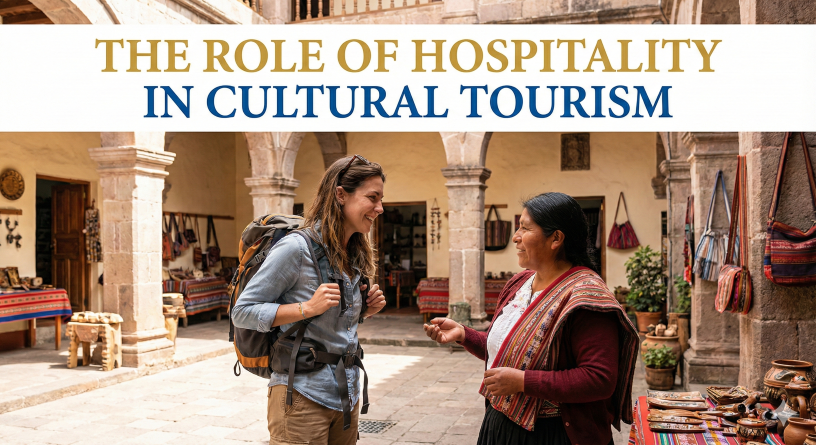
Cultural tourism has become one of the fastest-growing segments of the global travel industry. As travelers increasingly seek authentic experiences, explore heritage sites, and engage with local traditions, the hospitality sector plays a crucial role in shaping how cultural narratives are understood and appreciated. Hotels, resorts, homestays, restaurants, and tourism service providers are not only accommodation providers—they are cultural ambassadors.
This article explores how hospitality influences cultural tourism, enhances guest experiences, preserves local heritage, and drives sustainable development.
1. Understanding Cultural Tourism
Cultural tourism refers to travel that focuses on experiencing culture, arts, heritage, traditions, festivals, and unique lifestyles of a destination. It includes:
- Heritage tourism
- Arts and crafts tourism
- Culinary tourism
- Festival and event tourism
- Indigenous and local community tourism
- Religious and pilgrimage tourism
Cultural tourists travel not only to see places but to understand the soul of a destination. This trend has significantly increased demand for meaningful, responsible, and immersive travel experiences.
2. How Hospitality Supports Cultural Tourism
The hospitality industry acts as a bridge between travelers and local culture. From the front desk interaction to room décor and culinary offerings, hotels can significantly influence how guests perceive a destination.
a. Creating Authentic Cultural Experiences
Hotels can design experiences that showcase the essence of local culture such as:
- Traditional welcome ceremonies
- Indigenous design elements in interiors
- Local storytelling sessions
- Cultural shows and folk performances
- Art installations by local artists
Such experiences help guests feel connected to the region’s traditions, making their stay more memorable.
b. Promoting Local Cuisine and Culinary Heritage
Food is one of the strongest expressions of culture. Hospitality establishments play a vital role in preserving and promoting culinary traditions by:
- Offering regional dishes in restaurants
- Conducting local cooking classes
- Hosting food festivals
- Sourcing ingredients from local farms
- Highlighting traditional cooking methods
By promoting local flavors, hotels become cultural gateways that help preserve culinary heritage while supporting local farmers and artisans.
c. Supporting Local Artisans and Crafts
Many hotels integrate local arts and crafts in their architecture, furniture, décor, and gift shops. By doing so, they:
- Provide income opportunities to artisans
- Help sustain traditional craftsmanship
- Create culturally rich visual experiences for guests
- Promote responsible and ethical consumption
For example, handcrafted textiles, pottery, and paintings displayed in hotel lobbies serve as cultural storytelling mediums.
d. Cultural Interpretation and Storytelling
Hospitality staff often act as informal cultural interpreters. Their knowledge, enthusiasm, and storytelling skills help guests understand:
- The history of the destination
- Meaning behind local traditions
- Significance of festivals and rituals
- Local myths and folklore
Well-trained staff members enhance cultural understanding and appreciation, creating deeper connections between visitors and the local community.
3. The Importance of Cultural Sensitivity in Hospitality
Cultural tourism can flourish only when hospitality providers respect cultural diversity and ensure ethical representation.
a. Respecting Local Customs and Traditions
Hotels must ensure that:
- Cultural performances are presented authentically
- Sacred symbols or heritage elements are not commercialized
- Guests are educated about appropriate behavior at cultural sites
This ensures a respectful exchange between tourists and local cultures.
b. Promoting Inclusive Cultural Experiences
Cultural representation should be inclusive and avoid stereotypes. For instance:
- Folk performances must highlight different regional traditions
- Culinary offerings should represent various local communities
- Socially marginalized groups should also be included in cultural programming
Inclusivity strengthens cultural integrity and authenticity.
c. Training Hospitality Staff in Cultural Awareness
Training programs help employees understand cultural nuances, enabling them to:
- Offer respectful greetings
- Communicate effectively with international guests
- Avoid cultural misunderstandings
- Provide context behind cultural experiences
Such training elevates guest satisfaction while strengthening cultural understanding.
4. Role of Hospitality in Preserving Cultural Heritage
Cultural tourism thrives when heritage is protected. Hotels can contribute significantly to heritage conservation in the following ways:
a. Restoration and Adaptive Reuse of Heritage Buildings
Many hotels operate within restored palaces, forts, traditional homes, or colonial structures. These heritage hotels:
- Preserve architectural identity
- Protect historical buildings from decay
- Offer tourists the chance to live history
Adaptive reuse ensures cultural continuity while supporting local tourism.
b. Collaboration with Local Communities
Hotels can work with communities to create meaningful cultural programs such as:
- Traditional craft workshops
- Village tours
- Cultural exchange sessions
- Local festivals hosted on hotel premises
Such collaborations ensure mutually beneficial relationships between communities and tourism businesses.
c. Sustainable Tourism Practices
Responsible hospitality helps protect cultural assets by:
- Reducing overcrowding at heritage sites
- Promoting lesser-known cultural attractions
- Encouraging off-season travel
- Supporting eco-friendly practices
Sustainability ensures that cultural resources are preserved for future generations.
5. Enhancing Cultural Tourism Through Technology
Modern technology allows hotels to enhance cultural experiences in innovative ways.
a. Virtual Cultural Tours
Hotels can offer:
- Virtual museum tours
- Interactive AR experiences of historical sites
- Digital storytelling platforms
This helps guests explore cultural heritage even before or after visiting.
b. AI-Powered Personalization
AI tools can recommend:
- Local cultural events
- Heritage sites
- Cultural workshops
- Traditional restaurants
Personalized recommendations enrich the guest journey and encourage deeper cultural engagement.
c. Social Media Cultural Promotion
Hotels can share local stories, festivals, and cultural elements across digital platforms to inspire tourists and build awareness.
6. Economic and Social Impact of Hospitality on Cultural Tourism
The hospitality industry not only promotes culture but also stimulates local economies.
a. Job Creation
Cultural tourism generates jobs for:
- Local performers
- Artisans
- Tour guides
- Chefs specializing in regional cuisine
- Traditional hospitality workers
This enhances socio-economic development in local communities.
b. Revenue Generation for Local Communities
When hotels source products locally, host craft markets, or collaborate with community groups, it drives direct income to local residents.
c. Strengthening Community Identity
Cultural tourism encourages communities to take pride in their traditions, leading to:
- Revival of dying art forms
- Preservation of historical practices
- Strengthened cultural identity
The hospitality sector plays a pivotal role in this cultural revitalization.
7. Challenges Facing Hospitality in Cultural Tourism
Despite its benefits, several challenges must be addressed:
a. Over-commercialization of Culture
Excessive commercialization can dilute cultural authenticity. Hotels must ensure that cultural representations remain respectful and genuine.
b. Cultural Misrepresentation
Inaccurate depictions can lead to misunderstandings and disrespect toward local communities.
c. Balancing Modern Comfort with Cultural Authenticity
Hotels must strike a balance between maintaining cultural themes and offering modern amenities.
d. Managing High Tourist Footfall
In popular cultural destinations, overcrowding can harm heritage sites and disturb local communities.
8. The Future of Cultural Tourism and Hospitality
The future of cultural tourism will be driven by:
- Hyper-personalized cultural itineraries
- Community-led tourism experiences
- Sustainable and ethical cultural practices
- Tech-enhanced cultural storytelling
- Rise of boutique and heritage stays
Hotels that embrace cultural authenticity, inclusivity, and sustainability will succeed in attracting culturally conscious travelers.
Conclusion
Hospitality plays an essential role in shaping cultural tourism by serving as a mediator between travelers and the destination’s traditions, history, and identity. Through authentic experiences, preservation efforts, local collaborations, and cultural sensitivity, hotels contribute to meaningful and responsible cultural exploration. As travelers continue to seek deeper connections and authentic experiences, the hospitality industry must evolve as a guardian of cultural heritage and a catalyst for sustainable cultural tourism.
Leave a Reply