Author: admin

  • How Hotels Can Ensure Guest Safety and Security

    How Hotels Can Ensure Guest Safety and Security

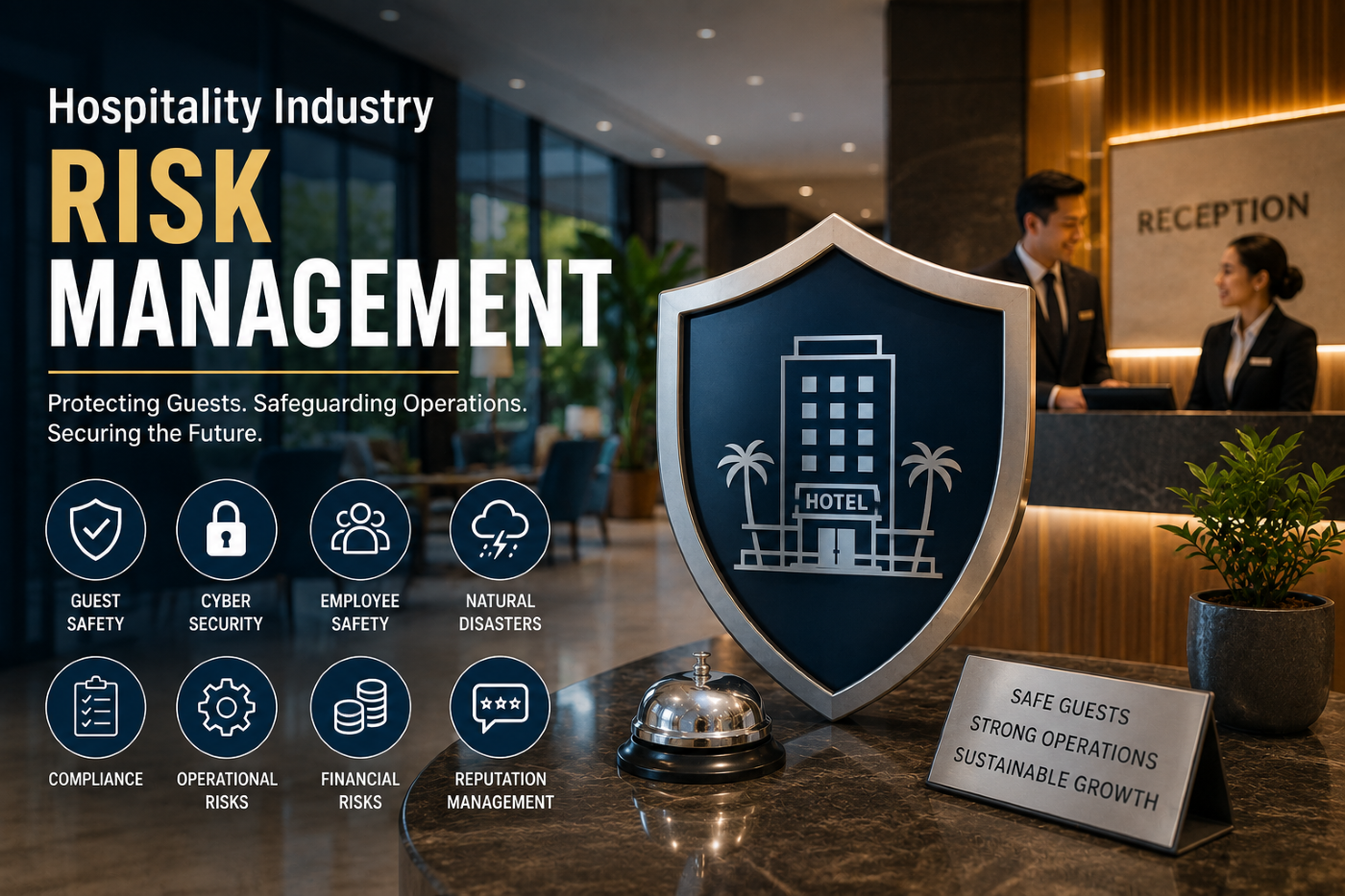
    In today’s hospitality landscape, safety and security are no longer optional—they are essential pillars of hotel operations. Guests choose hotels not only for comfort and luxury but also for the assurance that they are protected throughout their stay. A single incident of theft, harassment, or security breach can damage a hotel’s reputation and erode guest trust for years.

    Hotel safety is a combination of proactive planning, effective staff training, modern technology, and quick emergency response systems. In this guide, Booksmart explores actionable strategies hotels can adopt to create a secure environment where guests feel cared for and confident.

    1. Establish a Strong First Line of Defense: Controlled Access

    Guest safety starts at the entrance. Hotels must make sure that only authorized individuals can access guest-only areas.

    1.1 Monitor Entrances and Exits

    • Install CCTV cameras with 24/7 monitoring.
    • Use well-lit entry points to deter suspicious activity.
    • Position trained security personnel at key access areas.

    1.2 Limit Access to Guest Floors

    • Implement key card access for elevators and stairwells.
    • Set up security checkpoints in high-rise hotels.
    • Place clear signage to guide visitors and discourage unauthorized access.

    A controlled-access environment significantly reduces the chances of intruders entering private zones, ensuring guests feel safe from the moment they walk in.

    2. Use Technology to Strengthen Security

    Modern hospitality demands modern solutions. Technology not only enhances safety but also improves operational efficiency.

    2.1 Install Surveillance Systems

    High-definition CCTV cameras installed in:

    • Lobbies
    • Corridors
    • Parking areas
    • Entrances and exits
    • Service zones

    Real-time monitoring and cloud-based storage add additional layers of security.

    2.2 Smart Locks and Digital Room Keys

    Replacing traditional metal keys with digital systems prevents unauthorized duplication. Smart locks:

    • Log every entry attempt
    • Allow remote access control
    • Enhance guest privacy

    2.3 Alarm and Emergency Systems

    Investing in advanced fire alarms, smoke detectors, panic buttons, and intrusion alarms ensures immediate response in emergencies.

    2.4 Cybersecurity for Guest Data

    Hotels hold sensitive data such as ID proofs, credit card information, and booking details. Protecting this information is critical.

    • Use encrypted networks
    • Train staff in cybersecurity basics
    • Conduct regular audits
    • Utilize secure payment gateways

    As hotels embrace digitization, cybersecurity becomes as important as physical security.

    3. Train Staff for Safety and Crisis Management

    No security system is effective without well-trained staff. Employees are the backbone of hotel safety.

    3.1 Safety Training Programs

    Staff must be trained to:

    • Identify suspicious behavior
    • Handle emergency evacuations
    • Assist guests with safety concerns
    • Manage conflict professionally

    3.2 First Aid and CPR Training

    A quick medical response can save lives. At least a percentage of staff should:

    • Be certified in first aid
    • Know how to use an AED (Automated External Defibrillator)
    • Understand emergency medical protocols

    3.3 Fire Safety Drills

    Regular fire drills ensure staff are prepared to lead guests safely in case of an emergency. Knowledge of:

    • Fire exits
    • Evacuation routes
    • Fire extinguisher use
      is crucial.

    3.4 Guest Interaction Protocols

    Hotel employees should always:

    • Greet guests politely while staying alert
    • Avoid sharing room numbers out loud
    • Escort guests safely when required

    Human vigilance is often more effective than security equipment.

    4. Strengthen Room and Floor Security

    Guests spend most of their time in their rooms, so room security is one of the top priorities.

    4.1 Secure Door and Window Systems

    Hotels should install:

    • Peepholes
    • Deadbolts
    • Secondary locking systems
    • Reinforced door frames
    • Secure window locks

    These measures provide guests with a sense of control over their personal space.

    4.2 In-Room Safes

    Ensure rooms are equipped with digital safes where guests can protect their passports, cash, jewelry, and personal belongings.

    4.3 Maintain Privacy Policies

    Staff should follow privacy guidelines, including:

    • Knocking and announcing before entering
    • Using staff rooms for storage only
    • Avoiding entry to rooms when guests are not present (unless requested)

    Privacy and safety go hand in hand.

    5. Conduct Regular Security Audits and Inspections

    Security is not a one-time implementation. Hotels must consistently assess and update their safety measures.

    5.1 Safety Audits

    Include inspections for:

    • Proper lighting in hallways
    • CCTV functionality
    • Working emergency alarms
    • Maintenance of fire extinguishers
    • Door lock performance

    5.2 External Security Consultants

    Many hotels hire corporate security firms to:

    • Conduct threat assessments
    • Review current procedures
    • Suggest upgrades
    • Train staff

    Regular audits ensure the hotel remains compliant with safety standards and industry regulations.

    6. Enhance Outdoor and Perimeter Safety

    Outdoor areas such as parking lots, gardens, and swimming pools require dedicated safety measures.

    6.1 Secure Parking Areas

    • Install bright lighting
    • Use cameras and motion sensors
    • Provide parking passes or tags
    • Employ security patrols

    6.2 Pool and Recreation Area Safety

    • Lifeguards for swimming pools
    • Slip-resistant flooring
    • Warning signs and safety equipment

    6.3 Perimeter Monitoring

    Exterior fences, gates, and landscaping should be designed to reduce hiding spots and increase visibility.

    These measures help ensure guest safety even outside the hotel building.

    7. Implement Strong Visitor Management Policies

    Guests often have visitors, and managing them effectively is crucial.

    7.1 Visitor Registration

    Hotels should require:

    • Valid ID for visitors
    • Logging arrival and departure times
    • Issuing visitor badges

    7.2 Time Restrictions

    Limit visitor access during late-night hours for enhanced safety.

    7.3 Escort Services

    If necessary, security should escort visitors to designated areas to prevent unauthorized access.

    A transparent visitor management policy protects both guests and hotel staff.

    8. Clear Communication and Guest Awareness

    Keeping guests informed empowers them to make safer decisions.

    8.1 Provide Safety Instructions

    Hotels can offer:

    • In-room safety cards
    • Floor maps showing exits
    • Emergency contact numbers

    8.2 Digital Communication

    Use apps, SMS alerts, or in-room tablets to:

    • Notify guests about emergency situations
    • Share general safety tips
    • Provide weather-related warnings

    8.3 Encourage Guest Feedback

    Create easy channels for guests to report:

    • Suspicious activity
    • Operational concerns
    • Maintenance issues

    Guest feedback helps hotels identify risks early.

    9. Focus on Hygiene and Health Safety

    Post-pandemic, health safety is an essential part of hotel security.

    9.1 Sanitation Protocols

    • Regular deep cleaning
    • Disinfecting high-touch surfaces
    • Hygienic food handling

    9.2 Health Checks

    Hotels may incorporate:

    • Employee health screenings
    • Temperature checks during outbreaks
    • Contactless services

    9.3 Air Quality Management

    Use air purifiers, HVAC maintenance, and proper ventilation to maintain healthier indoor environments.

    A healthy hotel is a safe hotel.

    10. Create a Culture of Security

    True safety is not about isolated actions—it’s a culture. Every staff member should treat security as part of their daily responsibility.

    10.1 Build Trust

    Guests should feel comfortable approaching hotel staff with concerns.

    10.2 Lead by Example

    Management should encourage safety consciousness and reward employees who contribute to a secure environment.

    10.3 Consistency is Key

    Security protocols must be followed consistently, not just during peak seasons or high-profile events.

    When security becomes part of the hotel’s identity, it naturally reflects in superior guest experiences.

    Conclusion

    Guest safety and security are fundamental to the hospitality industry. A hotel that provides a secure environment not only earns guest loyalty but also builds a strong reputation in the market. By combining technology, well-trained staff, robust policies, and a culture of security, hotels can offer a safe haven where guests can relax with peace of mind.

    At Booksmart, we believe safety is the foundation of exceptional hospitality. Implementing the strategies above will help hotels create a safer, more welcoming environment for every guest who walks through their doors.

  • Crisis Management in the Hospitality Industry

    Crisis Management in the Hospitality Industry

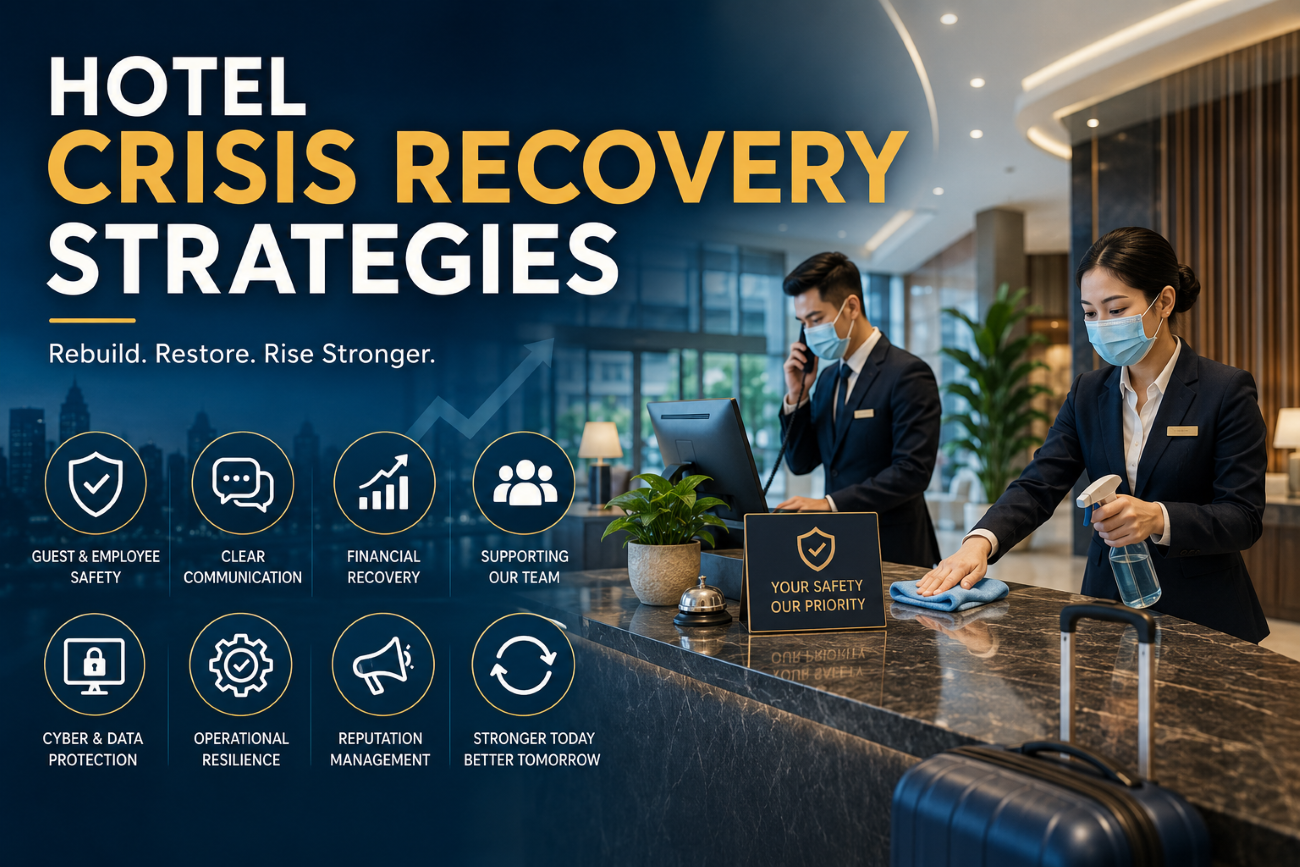
    The hospitality industry is no stranger to uncertainty. From natural disasters and public health emergencies to cyberattacks, reputational crises, and sudden market shifts, hotels and hospitality brands must be prepared to respond quickly and confidently. In 2025, crisis management is no longer just an operational requirement — it’s a strategic pillar that defines long-term sustainability, guest trust, and brand resilience.

    At BookSmart, we work closely with hoteliers and hospitality businesses to strengthen their crisis preparedness and transform unpredictable moments into opportunities for learning and growth. This blog explores the evolving landscape of crisis management in hospitality, key strategies for response, and how businesses can build a future-ready framework.

    Why Crisis Management Matters More Now Than Ever

    The hospitality sector operates in a highly sensitive environment where guest experience is everything. Even minor disruptions can escalate into brand-damaging events if not handled correctly. With rising guest expectations, increased digital dependence, and climate-related risks, proactive crisis management has become a competitive advantage.

    Key reasons crisis preparedness is essential in 2025:

    • Increased travel demand means more operational pressure and less room for error.
    • Digital operations and online bookings increase vulnerability to cyber risks.
    • Global events and pandemics have reshaped guest expectations around safety.
    • Social media amplifies both guest praise and criticism in real time.
    • Environmental disruptions such as floods, wildfires, and heatwaves are becoming more frequent.

    Hotels that manage crises well don’t just survive — they earn long-term loyalty.

    1. Building a Strong Crisis Management Framework

    A crisis management plan (CMP) should be comprehensive, actionable, and regularly updated. It must outline roles, responsibilities, communication channels, and detailed response protocols for various types of crises.

    Core elements of an effective CMP:

    • Risk assessment: Identify vulnerabilities specific to your property and location.
    • Crisis response team: Assign trained leaders across departments.
    • Workflows and escalation paths: Clear steps for immediate response.
    • Backup systems: Technology redundancies and alternative operations support.
    • Guest and staff protection plans: Safety should always be the top priority.
    • Recovery and review processes: How to rebuild trust and resume operations smoothly.

    Hotels that prepare in advance respond faster and minimize operational disruption.

    2. Communication: The Heart of Effective Crisis Response

    In the hospitality industry, communication can make or break crisis management. Guests expect transparency, empathy, and timely updates. The speed and clarity of communication directly influence trust.

    Best practices for crisis communication:

    • Be proactive, not silent. Address issues early before misinformation spreads.
    • Use multiple channels: SMS alerts, email updates, in-app notifications, and social media posts.
    • Train your staff: Front-line employees must know how to respond with calmness and accuracy.
    • Assign an official spokesperson: Consistency prevents confusion.
    • Show empathy: Acknowledging inconvenience can significantly reduce guest frustration.

    Hotels that communicate clearly often receive positive feedback even during difficult situations.

    3. Leveraging Technology for Crisis Preparedness

    Technology continues to reshape hospitality operations. In crisis management, digital tools play a central role in early detection, faster decision-making, and real-time communication.

    Tech innovations helping hotels stay crisis-ready:

    • AI-powered alert systems for detecting anomalies in operations.
    • Cloud-based management systems for easy access to data and remote coordination.
    • Cybersecurity solutions to prevent data breaches, ransomware attacks, and hacking attempts.
    • Smart building technologies that monitor energy usage, fire risks, and equipment failures.
    • Digital signage for guiding guests during emergency situations.

    Hotels investing in technology can streamline emergency response and reduce human error.

    4. Staff Training and Empowerment

    Employees are the backbone of crisis management. Their ability to act quickly and accurately determines how well a hotel can protect its guests and reputation.

    Training should focus on:

    • Emergency evacuation protocols
    • Guest assistance and complaint resolution
    • First aid and safety procedures
    • Handling high-pressure situations
    • Data protection and cybersecurity awareness

    Regular drills help ensure the team stays confident, alert, and ready for any scenario.

    5. Safety and Security: A Prioritized Guest Expectation

    Modern travelers prioritize safety as much as comfort. Hotels must upgrade their security standards to meet evolving expectations.

    Key areas to strengthen:

    • Health and hygiene protocols
    • Fire safety systems
    • Access control and surveillance
    • Disaster-ready infrastructure
    • Incident tracking and reporting tools

    Consistent safety practices build long-term trust and differentiate a brand in a competitive market.

    6. Reputation Management During and After a Crisis

    Reputation can be impacted instantly in the age of digital reviews. Proper crisis handling ensures your hotel’s online presence remains strong.

    Effective strategies include:

    • Responding to guest concerns promptly on social platforms
    • Publishing official updates to clarify situations
    • Offering personalized recovery packages or complimentary services
    • Sharing safety improvements made after the incident
    • Monitoring sentiment across platforms to catch issues early

    Hotels that are transparent and proactive often turn a negative situation into a positive brand story.

    7. Learning and Evolving from Crises

    Every crisis presents an opportunity to improve. Once the situation stabilizes, an in-depth internal review is essential.

    Post-crisis evaluation checklist:

    • What went well and what didn’t?
    • Did the team follow the crisis plan effectively?
    • What resources were lacking?
    • How did guests respond?
    • What changes should be made to future protocols?

    This continuous improvement ensures the hotel becomes stronger, smarter, and more resilient.

    Conclusion: Crisis Preparedness Is the Future of Hospitality

    In 2025 and beyond, crisis management is not optional — it’s an integral part of running a successful hospitality business. Hotels that embrace proactive planning, invest in technology, prioritize communication, and empower their teams will be better equipped to handle any challenge.

    At BookSmart, we believe that resilience is built through knowledge, preparation, and strategic partnerships. With the right crisis management approach, hospitality businesses can protect their guests, strengthen their brand, and stay ahead in a rapidly evolving industry.

    If you’d like to explore more insights or need tailored support for your hospitality operations, BookSmart is here to help.

  • Hotel Interior Design Trends in 2025

    Hotel Interior Design Trends in 2025

    The hospitality industry has always been a reflection of cultural shifts, global lifestyles, and evolving guest expectations. As we enter 2025, hotel interior design is taking a bold leap forward—embracing sustainability, technology, sensory wellness, and hyper-personalized guest experiences. Modern travelers expect more than just comfort; they crave spaces that inspire, rejuvenate, and feel uniquely tailored to them.

    At Booksmart, we closely track emerging hospitality trends and help brands craft intentional, guest-centric environments. In this article, we explore the top hotel interior design trends shaping 2025, offering insights that hoteliers, designers, and investors can use to elevate their properties for the next generation of travelers.

    1. Biophilic Design Goes Mainstream

    Biophilic design isn’t new, but in 2025, it has become non-negotiable. Guests want hotels that reconnect them with nature—even in urban locations.

    What this looks like:

    • Indoor vertical gardens
    • Large windows with natural light optimization
    • Organic materials like bamboo, jute, rattan, and reclaimed wood
    • Natural, earthy color palettes
    • Water features that create a calming ambience

    Hotels adopting biophilic design report higher guest satisfaction and improved emotional well-being. At Booksmart, we encourage properties to consider natural textures and greenery as core design elements, not mere décor additions.

    2. Hyper-Personalized Rooms with Smart Technology

    Technology is no longer about convenience—it’s about creating deeply personalized experiences. In 2025, smart hotel rooms function like intuitive living spaces.

    Key innovations include:

    • AI-powered room controls
    • Voice-activated lighting and temperature settings
    • Smart mirrors that display weather, news, and itinerary details
    • Tailored ambiance presets (work mode, relaxation mode, sleep mode)
    • Automated check-in/check-out processes

    These features make guests feel in control and valued. For hotels, tech-driven personalization improves efficiency and boosts repeat bookings.

    3. Sustainable and Circular Design Practices

    Sustainability is more than a trend—it’s a responsibility. Travelers in 2025 consciously choose eco-friendlier accommodations, forcing hotels to rethink materials, sourcing, and construction.

    Top sustainability practices for 2025:

    • Zero-waste furniture design
    • Upcycling and repurposing existing materials
    • Energy-efficient lighting and water conservation systems
    • VOC-free paints and eco-certified textiles
    • Locally sourced décor to reduce carbon footprint

    At Booksmart, we help hotels adopt circular design solutions that reduce waste while maintaining high aesthetics and functionality.

    4. Wellness-Driven Interiors

    Wellness is now at the center of hospitality design. Guests want environments that support rest, health, and mindfulness.

    Popular 2025 wellness design elements:

    • In-room meditation corners
    • Aromatherapy diffusers
    • Circadian lighting systems
    • Acoustic wall treatments for sound control
    • Organic, hypoallergenic bedding
    • On-demand fitness and spa amenities

    Hotels are integrating wellness into both private rooms and public spaces, transforming stays into holistic experiences.

    5. Multifunctional Spaces for Hybrid Travelers

    The rise of remote work and blended travel (“workations”) requires hotels to offer more flexible spaces. In 2025, multifunctionality is becoming essential.

    Expect to see:

    • Modular furniture in rooms
    • Dedicated hybrid work lounges
    • Sound-proof phone booths
    • Transformable meeting rooms
    • Creative communal spaces

    Guests appreciate the freedom to transition between leisure and productivity without leaving the hotel.

    6. Local Culture and Authentic Storytelling

    Travelers want to feel immersed in the locale. Designers in 2025 are embracing cultural storytelling by incorporating local craftsmanship, art, and heritage.

    Examples include:

    • Regionally inspired color themes
    • Artisan-made décor and textiles
    • Murals and artwork from local communities
    • Furniture designs reflecting regional traditions

    This approach not only supports local economies but also creates memorable, one-of-a-kind spaces. Booksmart advocates for authentic cultural integration to enrich guest experiences.

    7. Warm Minimalism Is Replacing Cold, Sterile Design

    Minimalism is evolving. Instead of stark, empty spaces, 2025 hotels are adopting warm minimalism, blending simplicity with coziness.

    Features of warm minimalism:

    • Soft, neutral tones
    • Curved furniture silhouettes
    • Textured fabrics (linen, boucle, wool blends)
    • Soft ambient lighting
    • Clutter-free yet inviting rooms

    This style creates a calming, home-like atmosphere while maintaining a modern aesthetic.

    8. Bold Color Accents and Artistic Statements

    While minimalism dominates, there is also a notable rise in bold décor moments that surprise and delight guests.

    Design elements gaining popularity:

    • Color-blocked walls
    • Oversized art installations
    • Accent wallpapers with geometric or nature-inspired patterns
    • Sculptural lighting fixtures

    These artistic details give hotels a unique character and encourage guests to share their experiences on social media—an added marketing advantage.

    9. Immersive Lobby Experiences

    Hotel lobbies in 2025 are no longer just check-in areas—they are experience hubs.

    Trending lobby features:

    • Café-style coworking nooks
    • Interactive digital walls
    • Art galleries and pop-up retail corners
    • Lounge areas with elevated comfort
    • Plants and water features for a calming first impression

    Many hotels are transforming their lobbies into vibrant spaces where guests—and even locals—can socialize, work, and relax.

    10. Sensory Design for Emotional Impact

    Hotels are increasingly using sensory design to influence mood and comfort.

    This involves:

    • Scent branding
    • Soft background audio tailored to different zones
    • Tactile materials that evoke warmth and luxury
    • Lighting sequences designed to guide guests through spaces

    Sensory design helps create emotional connections and enhances the overall hospitality experience.

    Conclusion: The Future of Hotel Interiors Is Human-Centered

    As 2025 unfolds, hotel interior design is shifting toward a more holistic, guest-focused approach. From sustainability and smart technology to cultural storytelling and wellness, every trend points in the same direction—creating meaningful, memorable, and human-centered experiences.

    At Booksmart, we believe that great design goes beyond aesthetics. It shapes how guests feel, interact, and remember their stay. By embracing these 2025 trends, hotels can elevate their brand, improve guest satisfaction, and stay competitive in an ever-evolving industry.

  • Food and Beverage Trends in Hospitality

    Food and Beverage Trends in Hospitality

    The hospitality industry continues to evolve at a rapid pace, shaped by changing customer expectations, global influences, and innovative dining technologies. Today’s guests are more informed, more health-conscious, and more eager for meaningful experiences than ever before. At BookSmart, we keep a close eye on these shifts to help hotels, restaurants, and resorts stay ahead of the curve.

    Here’s a look at the top food and beverage trends transforming the hospitality landscape today.

    1. Hyper-Personalized Dining Experiences

    Guests increasingly expect dining that feels tailored to their tastes and dietary needs. Hospitality brands are using data, AI-powered menus, and customer feedback to create:

    • Customized meal plans
    • Personalized portion sizes
    • Dietary-specific options (gluten-free, vegan, low-carb)
    • Bespoke beverage recommendations

    These small touches enhance guest satisfaction and build stronger brand loyalty.

    2. The Rise of Plant-Forward Cuisine

    Plant-based dining is no longer a niche preference—it’s mainstream. Chefs are creatively incorporating whole foods, greens, legumes, and plant proteins into menus in ways that appeal to both vegans and non-vegans.

    Trends include:

    • Plant-based meat alternatives
    • Vegetable-centric entrées
    • Healthy bowls and smoothies
    • Sustainability-centered menu engineering

    This shift supports both wellness-focused eating and sustainable operations.

    3. Sustainability as a Core Commitment

    Today’s guests want to support eco-conscious brands. As a result, hospitality businesses are embracing sustainability in new and innovative ways:

    • Reducing food waste with smart inventory tools
    • Sourcing local, seasonal ingredients
    • Replacing plastic with biodegradable packaging
    • Upcycling food scraps into creative dishes

    Sustainability is now seen not just as a responsibility but as a marketing advantage.

    4. Tech-Enhanced Food & Beverage Services

    Technology continues to reshape the guest dining experience. From mobile ordering to smart kitchen devices, the hospitality industry is prioritizing convenience and consistency.

    Key advancements include:

    • QR-code menus
    • AI-enabled inventory management
    • Robotics in high-volume kitchens
    • Contactless checkout
    • Smart beverage dispensers

    These innovations improve service speed and reduce operational errors.

    5. Experience-Driven Dining

    Guests are seeking more than a good meal—they want a memorable moment. Restaurants and hotels are responding by designing immersive and unique dining concepts such as:

    • Chef-interaction counters
    • Theme-based pop-up dinners
    • Outdoor and farm-to-table experiences
    • Live cooking stations
    • Culturally inspired tasting menus

    The focus has shifted from “what’s on the plate” to “how the moment feels.”

    6. Functional Foods and Wellness Drinks

    Health-conscious dining is on the rise. Guests are gravitating toward foods that offer nutritional or functional benefits, such as:

    • Probiotic-rich yogurts and kombucha
    • Anti-inflammatory ingredients (ginger, turmeric)
    • Protein-packed snacks
    • Herbal infusions and detox beverages

    Wellness has become a core pillar of modern hospitality menus.

    7. Premium Beverage Experiences

    Beverage programs are undergoing a renaissance. From curated wine lists to craft cocktails, guests are willing to pay for higher-quality drink experiences.

    Current trends include:

    • Zero-proof cocktails
    • Craft coffee bars
    • Artisanal teas
    • Locally brewed beers
    • Mixology-focused presentations

    These elevate the dining experience and create new revenue opportunities.

    Conclusion

    The food and beverage sector within hospitality is more dynamic than ever. As guest expectations continue to shift, brands must adapt quickly—offering personalization, sustainability, innovation, and memorable experiences.

    At BookSmart, we believe in helping hospitality leaders understand and leverage these trends so they can deliver exceptional dining experiences built for the future.

  • How Hotels Can Optimize Direct Bookings

    How Hotels Can Optimize Direct Bookings

    Let’s be honest for a second: Online Travel Agencies (OTAs) are convenient. We all use them. But for hoteliers, they are the frenemy that never leaves the party. They bring you guests, sure, but they also take a hefty slice of your revenue and, perhaps more importantly, they “own” the relationship with your guest before they even walk through your door.

    At Booksmart, we believe the future of hospitality isn’t about fighting the OTAs; it’s about outsmarting the friction.

    Optimizing direct bookings isn’t just about saving on commission fees (though that’s a nice bonus). It’s about reclaiming the guest narrative. It’s about proving that the best version of a stay starts the moment they land on your website.

    Here is how smart hotels are optimizing for direct bookings right now—by bringing the “human” back into the digital experience.

    1. Stop Selling Rooms; Start Selling “The Why”

    OTAs are vending machines. They sell rows of data: Double Bed, 20m², Non-Smoking.

    Your direct channel is the only place where you can sell the feeling of the stay. To optimize for direct bookings, your website needs to do what Booking.com can’t: tell a story.

    • The Fix: Audit your room descriptions. Are they just specs? Or do they tell the guest what it feels like to wake up there?
    • The “Book Smart” Tip: Use high-quality video snippets (not just photos) on your booking engine. Show the steam rising off the coffee on the balcony. Humanize the visuals so the guest can picture themselves there, not just the furniture.

    2. Friction is the Enemy of Conversion

    We see it all the time: A hotel spends thousands on marketing to get a guest to their site, only to lose them because the booking engine is clunky. If it takes more than three clicks to see a total price, you have already lost them.

    • The Fix: Mobile-first is non-negotiable. 60% of last-minute bookings happen on phones. If your calendar requires “pinching and zooming,” you are donating that booking to an OTA app.
    • The “Book Smart” Tip: Test your own booking process. Literally. Take out your phone right now and try to book a room for next Tuesday. Did you get annoyed? If you did, your guests definitely will.

    3. The “Value-Add” Beat The “Price Drop”

    You cannot always win a price war (and rate parity contracts often prevent it). But you can win on value. This is the oldest trick in the book, yet so many hotels forget it.

    • The Fix: Offer things OTAs can’t touch. Early check-in. Late check-out. A free welcome drink. These cost you very little operationally but have high perceived value to a tired traveler.
    • The “Book Smart” Tip: Make these perks exclusive and visible. Don’t hide them in the fine print. Put a banner right on the booking widget: “Book direct and sleep in—Free 12 PM Checkout only available here.”

    4. Personalization is Your Superpower

    When a guest books via an OTA, you get a masked email address and a name. When they book direct, you get data. Use it to be human.

    • The Fix: Use a smart CRM (Customer Relationship Management) tool. If a guest visited your “Spa” page three times before booking, your confirmation email shouldn’t just say “Thanks.” It should say, “Thanks for booking! Shall we reserve a massage slot for you?”
    • The “Book Smart” Tip: People want to be recognized, not processed. Even a simple pre-arrival email asking, “Do you prefer feather or foam pillows?” creates a loyalty bond that an algorithm can’t break.

    5. Trust Signals Are Non-Negotiable

    One reason travelers stick to big OTAs is safety. They know if something goes wrong, there is a big corporation to call. You need to replicate that safety on your site.

    • The Fix: Ensure your SSL certificates are obvious. Display “Best Rate Guarantees” prominently.
    • The “Book Smart” Tip: Social proof is key. Don’t just bury reviews on a “Testimonials” page. Embed recent, verified reviews directly inside the booking flow. Seeing “Jane from Ohio loved the breakfast” right before clicking ‘Pay’ reduces purchase anxiety.

    The Bottom Line

    Winning direct bookings isn’t about tricking the algorithm; it’s about treating your website visitors like guests before they even arrive. It’s about being transparent, fast, and generous.

    At Booksmart, we are passionate about building the technology that bridges the gap between a “user” and a “guest.” Let’s make your booking engine the hardest working member of your team.

    Ready to boost your direct revenue? Let’s audit your current booking flow together. Drop us a line, and let’s get you booking smarter.

  • The Impact of Online Travel Agencies (OTAs) on Hotels

    The Impact of Online Travel Agencies (OTAs) on Hotels

    Let’s be honest: if you run a hotel today, your relationship with Online Travel Agencies (OTAs) is… complicated.

    It’s the classic “frenemy” dynamic. On one hand, you love the ping of a new booking notification, regardless of where it comes from. On the other hand, you wince when you calculate the commission check at the end of the month.

    At BookSmart, we talk to independent hoteliers every single day. We hear the sighs of frustration when Expedia demands rate parity, and we see the smiles when a guest books directly on your own website.

    The landscape has shifted dramatically in the last fifteen years. OTAs like Booking.com, Expedia, and Agoda went from being handy supplementary channels to dominant giants powering a massive chunk of global room sales. They are undeniably powerful. But are they partners, or are they parasites?

    The answer, unfortunately, isn’t black and white. It’s a messy shade of grey. Let’s dive into the real impact of OTAs on your business, and more importantly, how to find a balance that works for you.

    The undeniable Allure: Why We Signed Up

    Before we get into the thorny issues, we have to give credit where it’s due. OTAs didn’t become giants by accident. They solved a massive problem for travelers: fragmentation.

    For you, the hotelier, they offered something irresistible:

    1. The Ultimate Billboard: Imagine trying to market your boutique hotel in rural Vermont to a couple planning their honeymoon in Tokyo. Nearly impossible on your own. OTAs gave small players a global stage instantly. This is the famous “Billboard Effect”—even if they don’t book on the OTA, they might discover you there and then Google your name.

    2. Filling the Gaps: It’s Tuesday night in November, and you’re looking at 40% occupancy. OTAs are incredible at moving distressed inventory. They are the masters of last-minute deals and capturing the undecided traveler.

    3. Trust by Proxy: Consumers trust these platforms. They know that if something goes wrong with the booking, they have a behemoth corporate entity to call. When a traveler books through an OTA, your hotel borrows a little bit of that trust.

    The Hangover: The Price of Popularity

    So, you got the visibility. You got the bookings. But as the years went on, the dynamic shifted. What started as a partnership started to feel a lot more one-sided.

    Here is the reality of the OTA impact that keeps hoteliers up at night:

    1. The Commission Bite: This is the obvious one. Paying anywhere from 15% to a staggering 25% commission on a booking hurts your bottom line deeply. When OTAs are bringing in 70% of your business, that’s not a marketing cost anymore; it’s a massive operational hemorrhage.

    2. The Commoditization of Your Property: On an OTA results page, your lovingly designed boutique hotel is just another thumbnail next to the generic chain down the street. You are judged almost entirely on price and review score. It’s hard to convey your unique personality, your amazing staff, or the smell of your fresh coffee through their standardized template.

    3. Losing the Guest Relationship: This is the one that bothers us most at BookSmart. When someone books via an OTA, they aren’t really your customer yet; they are Booking.com’s customer. You often get masked email addresses, making pre-arrival communication difficult. You lose the chance to upsell, personalize their stay, or build loyalty before they even walk in the door.

    4. The Rate Parity Handcuffs: Many OTA contracts still include clauses that prevent you from offering a lower public price on your own website than you offer on theirs. They demand the best price, yet charge you for the privilege of selling it. It feels restrictive and, frankly, unfair.

    The BookSmart Philosophy: Balance, Not Battle

    It’s easy to vilify the OTAs, but going to war with them is usually a losing strategy for an independent hotel. You probably cannot afford to shut them off completely tomorrow.

    The goal isn’t elimination; it’s optimization.

    At BookSmart, we believe that hotels need to stop treating OTAs as their primary sales strategy and start treating them as one expensive tool in a wider toolbox.

    Here is how to start shifting the power dynamic back in your favor:

    1. Make Your Website Better Than Theirs

    If a guest finds you on Expedia and then decides to check your website (the Billboard Effect in action), what do they find? Is it clunky? Is it hard to book on mobile? Are the photos blurry? Your direct booking engine needs to be fast, intuitive, and beautiful. If it’s harder to book direct than it is to book on an OTA, you will lose every time.

    2. The “Direct Advantage”

    If rate parity stops you from competing on price, compete on value. What do direct bookers get that OTA bookers don’t?

    • Free parking?
    • A complimentary welcome drink?
    • Priority room assignment (the best views)?
    • Flexible cancellation policies? Make these perks loud and clear on your homepage. Give them a reason to click that “Book Now” button on your site.

    3. Own the Guest Data

    When an OTA guest checks in, that is your moment. Capture their real email address. Ask for permission to stay in touch. Wow them with service during their stay so that next time, they don’t need to search for a hotel—they already know exactly where they are staying. Turn an OTA acquisition into a direct-booking repeater.

    4. Be Strategic with Inventory

    You don’t have to give the OTAs every single room, every single night. During your peak season, when you know you’re going to sell out, yield manage those channels. Close out the high-commission sites or only give them your standard room types, saving your premium suites for direct sale.

    The Takeaway

    OTAs are a fact of life in modern hospitality. They are incredible marketing machines that come with a very high price tag.

    The impact they have on your business is ultimately up to you. If you leave them on autopilot, they will eat into your profits and own your customer relationships. But if you manage them actively, using them for visibility while aggressively fighting for direct business, you can turn that frenemy into just a regular old business partner.

    Keep smart, keep hospitable, and keep fighting for those direct bookings.

    Your partners in smart booking, The BookSmart Team

  • 🌟 Beyond Billboards: How Hotels Can Leverage Influencer Marketing for Direct Bookings

    🌟 Beyond Billboards: How Hotels Can Leverage Influencer Marketing for Direct Bookings

    In the world of travel, the customer journey is no longer confined to browsing glossy brochures or checking listings on Online Travel Agencies (OTAs). Today, the journey begins with digital storytelling—on a scrollable feed, a short video clip, or an immersive vlog. For hospitality brands, this shift means that Influencer Marketing is no longer a luxury experiment; it is a fundamental, high-ROI strategy for driving direct bookings and building authentic brand trust.

    On behalf of booksmart, we recognize that modern travelers trust peer recommendations more than traditional advertisements. They seek genuine experiences, and influencers act as trusted friends, offering a virtual, unfiltered look inside your property. Hotels that master the art of strategic influencer collaboration will not only boost their visibility but also significantly reduce their reliance on costly third-party booking channels.

    🎯 The Influence Advantage: Why Traditional Ads Fall Short

    The power of influencer marketing lies in its authenticity and targeted reach. Travelers are actively seeking out content that is relatable, visual, and experience-driven.

    FeatureTraditional AdvertisingInfluencer Marketing
    Trust FactorLow; perceived as a paid messageHigh; perceived as a trusted recommendation
    Content StyleHighly polished, often genericAuthentic, relatable, experience-driven
    TargetingBroad demographic targetingPinpoint; reaching highly engaged, niche communities
    Call to ActionImpersonalPersonalized codes, direct booking links, FOMO

    Influencers—be they travel bloggers, lifestyle creators, or food critics—allow hotels to bypass ad fatigue and speak directly to their ideal guest. By showcasing a property’s unique atmosphere, local excursions, or hidden amenities through stunning visuals and compelling narratives, they generate genuine Fear of Missing Out (FOMO) that converts inspiration into reservations.


    🚀 The booksmart Blueprint: A 5-Step Strategy for Hotel Success

    A successful hotel influencer campaign requires strategic planning, not just handing over a free room key. Our blueprint focuses on measurable outcomes, authentic content, and building long-term value.

    1. Define Your Target and Goals: Go Beyond Vanity Metrics

    Before outreach, hotels must clarify what they want the partnership to achieve, moving past simply gaining “likes.”

    • Goal Clarity: Set SMART goals (Specific, Measurable, Achievable, Relevant, Time-bound). Do you want to increase direct bookings by 10% in the next quarter? Do you need to promote a new spa or restaurant? Or is the focus on brand awareness in a specific geographic market?
    • Targeting: Pinpoint your ideal guest. Are they a luxury traveler looking for wellness? A digital nomad needing fast Wi-Fi and co-working spaces? Or a family vacationer focused on kids’ activities? Your influencer’s audience must match this profile.

    2. Strategic Influencer Selection: Audience Fit Over Follower Count

    The size of the following is far less important than the engagement rate and the audience’s demographics.

    • Micro and Nano Influencers: These creators (with 1,000 to 100,000 followers) often yield the highest ROI. Their smaller audience is typically hyper-engaged, highly niche, and deeply trusts the creator’s recommendations, leading to higher conversion rates.
    • Vetting for Authenticity: Analyze their past content. Does their personal brand align with your hotel’s ethos (e.g., sustainability, luxury, budget-friendly)? Check their engagement rate (likes + comments ÷ followers) and audience location to ensure they are reaching the market you want to tap.
    • Platform Alignment: Instagram and TikTok are kings for visual inspiration (Reels, Stories), while YouTube excels for long-form, high-converting content like detailed hotel room tours and reviews, which build stronger booking confidence.

    3. Crafting the Perfect Collaboration: Experience is Everything

    The experience you offer the influencer dictates the quality of the content they produce.

    • The Personalized Itinerary: Don’t just give them a room. Curate a stay that highlights your hotel’s unique selling points (USPs) and aligns with their content niche. For a food blogger, offer a private session with the Executive Chef. For a wellness influencer, arrange an exclusive tour of the spa and a morning yoga session.
    • Clear Creative Brief, Creative Freedom: Provide a brief that clearly defines the required deliverables (e.g., 1 YouTube video, 3 Instagram Reels, 5 Stories) and mandatory messaging (e.g., the direct booking link, unique hashtag, or key amenity to mention). Crucially, do not micromanage the creative execution. Influencers know what resonates with their audience—let them tell their story authentically.
    • Legal Clarity: Define the terms, including payment (flat fee, complimentary stay, or a combination), content usage rights (the hotel’s ability to repurpose the content), and the posting timeline in a clear contract.

    4. Maximizing Conversion: Driving the Direct Booking Funnel

    The ultimate goal is to convert inspirational social content into measurable revenue, reducing dependency on OTAs.

    • Trackable Codes and Links: Provide the influencer with a unique, trackable booking link or a personalized discount code. This is the only reliable way to measure the direct return on investment (ROI).
    • Highlight Direct Booking Perks: Encourage influencers to mention the benefits of booking directly on the hotel’s website, such as complimentary breakfast, room upgrades, or loyalty points, making the hotel’s channel more appealing than a third party.
    • Content Repurposing: Secure the rights to reuse the best influencer content. A stunning photo from a creator can be turned into a high-performing paid ad or featured prominently on your website and email newsletters, extending the campaign’s lifespan and value.

    5. Measurement and Long-Term Relationships: The ROI Feedback Loop

    Success is not just about the immediate engagement; it’s about sustained growth and strategic insight.

    • Key Performance Indicators (KPIs): Track metrics directly tied to your goals:
      • Awareness: Total Reach, Impressions, Social Mentions.
      • Engagement: Likes, Comments, Shares, Saves (often the most valuable metric).
      • Conversion: Clicks on the trackable link, Bookings made using the unique code, and total Revenue Generated.
    • Build Partnerships, Not Transactions: The most powerful content comes from influencers who genuinely love your brand. Cultivate long-term relationships through repeat visits, holiday greetings, or offering them a first look at new facilities. This transforms them from a temporary promoter into a credible, long-term brand ambassador.

    ✨ Case Study in Action: The Power of Long-Form Content

    One boutique hotel brand partnered with four established travel vloggers on YouTube, focusing on creating 5-10 minute detailed room and experience reviews rather than short clips. They provided each influencer with a unique affiliate booking link.

    The result? While their Instagram Reels delivered high reach, the YouTube videos, despite lower initial views, drove 80% of the total direct bookings attributed to the campaign. The long-form, authentic experience-driven content proved its value by building the necessary confidence for a traveler to click the link and complete a reservation.

    💡 Your Next Check-In: Strategize with booksmart

    Influencer marketing is the language of the modern traveler. By shifting your focus from follower count to audience alignment, from one-off stays to strategic, measurable partnerships, your hotel can unlock a powerful new channel for growth.

    Ready to harness authentic storytelling and drive your next wave of direct bookings? Partner with booksmart to custom-design an influencer strategy that converts inspiration into revenue.

  • The Role of Hospitality in Business Tourism

    The Role of Hospitality in Business Tourism

    Business tourism has grown into one of the most dynamic segments of the global travel industry. From corporate meetings and conferences to incentive programs and exhibitions, business travelers rely heavily on comfort, convenience, and professional service. At the heart of this experience lies the hospitality sector—the hotels, restaurants, event venues, and service providers that shape a company’s perception of a destination.

    At BookSmart, we understand that hospitality plays a crucial role not only in attracting business travelers but also in enhancing their productivity, satisfaction, and overall experience. Here’s an in-depth look at how hospitality supports and elevates business tourism.

    Understanding Business Tourism

    Business tourism, also known as corporate travel or MICE tourism (Meetings, Incentives, Conferences, and Exhibitions), focuses on travel for professional purposes. Unlike leisure tourism, business travel requires:

    • Efficient services
    • Reliable infrastructure
    • High-quality amenities
    • Fast communication
    • Professional staff support

    Hospitality serves as the backbone of this ecosystem, offering the comfort and functionality business travelers need.

    1. Providing Comfortable and Productive Accommodation

    For business travelers, accommodation is more than just a place to sleep—it’s a workspace, a planning zone, and a relaxation area. Hotels play a major role in supporting their productivity by offering:

    • High-speed internet
    • Business centers
    • Ergonomic workspaces
    • Quiet rooms
    • Meeting and conference facilities
    • Express check-in/check-out

    When hotels meet these expectations, business travelers can stay focused and efficient throughout their trip. BookSmart emphasizes the importance of training staff to understand the unique needs of corporate guests to ensure smooth and professional service.

    2. Enhancing Destination Appeal and Competitiveness

    Destinations that offer strong hospitality services stand out in the global business tourism market. High-quality hotels, efficient transportation, modern convention centers, and excellent dining options all contribute to a city’s attractiveness.

    A well-developed hospitality sector helps cities compete for major international events, such as:

    • Corporate summits
    • Trade fairs
    • Tech conferences
    • Academic conventions
    • Incentive travel programs

    Greater hospitality standards equal greater economic opportunities.

    3. Delivering Professional Event Management Support

    Events and conferences are key components of business tourism. Hospitality providers—especially hotels and convention centers—offer crucial support through:

    • Event planning teams
    • Technical assistance
    • Catering services
    • Stage and audio-visual setup
    • Guest coordination
    • Venue decoration

    Professional event support ensures large gatherings run smoothly. When hospitality teams are well-trained, events flow effortlessly, leaving a lasting positive impression on attendees.

    4. Strengthening Brand Image and Corporate Relationships

    For businesses, hosting clients or partners at a reputable hotel or venue can significantly influence corporate relationships. Hospitality experiences directly reflect the professionalism and values of the host organization.

    Exceptional service can enhance brand perception by:

    • Building trust
    • Creating positive memories
    • Demonstrating attention to detail
    • Supporting meaningful interactions

    BookSmart helps hospitality teams develop the skills needed to handle VIP guests, manage special corporate requests, and deliver service that aligns with global business expectations.

    5. Ensuring Seamless Travel and Convenience

    Business travelers value efficiency above all else. Hospitality services—from taxis and shuttle arrangements to concierge desks—help them navigate the destination with ease.

    Key hospitality contributions include:

    • Airport transfers
    • Local transport recommendations
    • 24/7 concierge support
    • Fast dining options
    • Digital check-in solutions

    These conveniences reduce travel stress and allow travelers to focus on their professional goals.

    6. Supporting International Business Through Cultural Sensitivity

    Business tourism often involves travelers from diverse cultural backgrounds. Hospitality teams must practice cultural sensitivity to avoid misunderstandings and ensure a welcoming experience.

    This includes:

    • Understanding language barriers
    • Recognizing cultural etiquette
    • Respecting dietary preferences
    • Offering personalized service

    Training staff in cross-cultural communication is essential—and a key area BookSmart emphasizes to help hotels elevate global hospitality standards.

    7. Facilitating Networking and Collaboration

    Hotels and conference venues often serve as informal networking spaces where business connections are formed. A strong hospitality environment promotes collaboration by offering:

    • Lounge areas
    • Coffee bars
    • Co-working spaces
    • Relaxed meeting spots
    • Well-designed event halls

    These spaces encourage conversation, creativity, and professional engagement—core elements of successful business tourism.

    8. Supporting Local Economies and Business Growth

    Hospitality’s role in business tourism extends beyond traveler experience—it fuels local economic development. Business travelers spend money on:

    • Accommodation
    • Dining
    • Local travel
    • Entertainment
    • Shopping
    • Event services

    Hotels and hospitality businesses also partner with local vendors, helping create jobs and support regional development. When hospitality standards rise, the entire economy benefits.

    9. Leveraging Technology to Improve Business Travel

    Modern hospitality heavily relies on technology to meet the needs of business travelers. Innovations such as:

    • Contactless check-in
    • Smart room controls
    • Virtual meeting tools
    • Digital room service
    • Mobile concierge apps

    …enhance convenience and create a seamless experience. Hotels that embrace digital transformation stay relevant and competitive in the business tourism market.

    10. Creating Memorable Experiences Beyond Business

    Even business travelers appreciate moments of leisure. High-quality hospitality offers:

    • Relaxing spa services
    • Fine dining experiences
    • Local tours
    • Fitness centers
    • Cultural interactions

    These small moments of comfort can turn a business trip into a memorable stay. BookSmart supports hotels in crafting well-rounded guest experiences through professional training and service enhancements.

    Conclusion: Hospitality Is the Foundation of Business Tourism Success

    The relationship between hospitality and business tourism is deeply interconnected. While business travelers focus on meetings, deals, and professional goals, it is the hospitality sector that ensures their journey is smooth, productive, and enjoyable. From exceptional service and modern facilities to cultural understanding and technological support, hospitality shapes the entire experience.

    At BookSmart, we believe that investing in hospitality training empowers staff, elevates service quality, and strengthens a hotel’s ability to meet the complex demands of business travelers. When hospitality thrives, business tourism flourishes—benefiting travelers, companies, and destinations alike.

  • Hotel Staff Training: Importance and Strategies

    Hotel Staff Training: Importance and Strategies

    In the hospitality industry, every guest interaction matters. Whether it’s a warm greeting at the reception desk, quick room service, or seamless check-out, the quality of service defines a guest’s overall experience. This is why hotel staff training is not merely an operational requirement—it is a foundational pillar of a hotel’s reputation and success. At BookSmart, we understand that well-trained staff drive customer loyalty, operational efficiency, and long-term business growth.

    Here’s a deep look into the importance of staff training in hotels and the most effective strategies to implement it.

    Why Hotel Staff Training Matters

    1. Enhances Guest Experience

    Guest satisfaction is the heartbeat of any hotel. A trained staff member knows how to communicate effectively, anticipate guest needs, and resolve issues promptly. This leads to:

    • Better first impressions
    • Personalized service
    • Faster response times
    • More comfortable guest experiences

    When guests feel valued and cared for, they are more likely to return—and recommend the hotel to others.

    2. Builds a Positive Hotel Reputation

    In today’s digital age, one negative review can influence hundreds of potential guests. Training equips staff to handle situations professionally, preventing miscommunication or service failures. Hotels that consistently deliver excellence build strong brand credibility, both online and offline.

    3. Improves Operational Efficiency

    A well-trained team understands workflows, follows standard procedures, and works in harmony. This reduces:

    • Mistakes
    • Delays
    • Mismanagement
    • Internal conflict

    Efficient operations translate into smoother check-ins, faster housekeeping response, and well-managed dining services.

    4. Reduces Employee Turnover

    The hospitality industry has one of the highest employee turnover rates globally. Staff often feel overwhelmed or unsupported when proper training is lacking. Training helps employees feel:

    • Confident in their roles
    • Recognized and valued
    • Clear about expectations
    • Motivated to stay longer

    This leads to lower hiring costs and a more stable workforce.

    5. Ensures Compliance and Safety

    Hotels must follow strict regulations related to food safety, hygiene, fire safety, and data protection. Staff training ensures that every team member understands and complies with these guidelines, protecting the hotel from legal issues and ensuring guest safety.

    6. Boosts Revenue and Upselling Success

    Well-trained staff can identify and seize opportunities to upsell services like:

    • Room upgrades
    • Dining packages
    • Spa treatments
    • Local tours

    This not only increases guest satisfaction through personalized recommendations but also boosts the hotel’s revenue.

    Effective Strategies for Training Hotel Staff

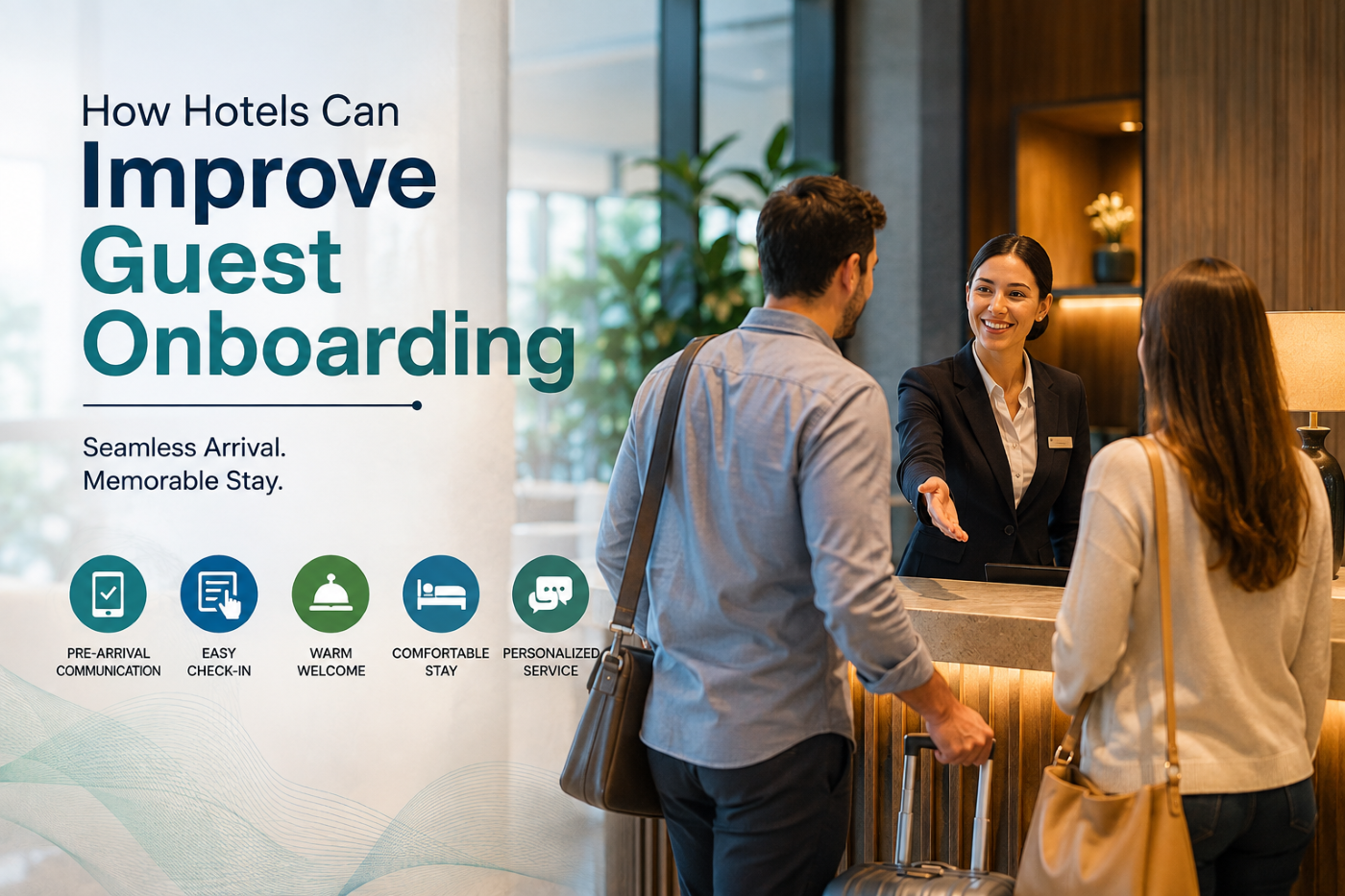
    1. Start With a Structured Onboarding Program

    New employees should receive clear guidance from day one. A structured onboarding program includes:

    • Orientation about hotel culture and values
    • Overview of guest service standards
    • Detailed explanation of roles and responsibilities
    • Introduction to key departments

    This foundation helps employees feel welcomed and prepared.

    2. Provide Role-Specific Training

    Each department—from housekeeping to front office to food & beverage—requires specialized skills. Tailored training ensures employees excel in their individual roles.

    Examples include:

    • Housekeeping: Room cleaning techniques, hygiene standards, handling guest belongings
    • Reception: Reservation systems, communication skills, conflict resolution
    • Kitchen & F&B: Food safety, menu knowledge, serving etiquette
    • Security: Emergency protocols, guest safety procedures

    BookSmart helps hotels design department-wise training modules that align with their operational goals.

    3. Use Real-Life Scenarios and Simulations

    The hospitality industry thrives on real-time problem solving. Scenario-based training helps staff learn how to handle:

    • Guest complaints
    • Overbooked rooms
    • Special requests
    • Miscommunication
    • Emergency situations

    Practicing these scenarios builds confidence and improves decision-making skills.

    4. Implement Continuous Learning Programs

    Training should not end after onboarding. Continuous learning ensures staff stay updated with:

    • New technologies
    • Changing guest expectations
    • Updated safety protocols
    • Industry best practices

    This can be done through monthly workshops, online modules, and microlearning sessions.

    5. Encourage Cross-Department Training

    Cross-training allows employees to understand the functions of other departments. This helps:

    • Improve teamwork
    • Reduce dependency on specific individuals
    • Increase staff flexibility during peak seasons
    • Enhance overall problem-solving

    For example, front desk staff can learn basic housekeeping support, while restaurant staff can understand reservation procedures.

    6. Integrate Technology Into Training

    Digital training solutions make learning more engaging and efficient. Tools like:

    • E-learning platforms
    • Interactive videos
    • Mobile training apps
    • Virtual reality simulations

    …allow staff to learn anytime, anywhere. BookSmart specializes in creating digital learning programs that hotels can use across multiple locations.

    7. Focus on Soft Skills Development

    Technical skills help staff perform tasks, but soft skills determine how they interact with guests. Essential soft skills for hotel employees include:

    • Communication
    • Empathy
    • Patience
    • Cultural sensitivity
    • Problem-solving
    • Professional appearance

    These skills contribute directly to guest satisfaction and brand reputation.

    8. Offer Leadership and Growth Training

    Employees are more motivated when they see a clear career path. Leadership training prepares top performers for supervisory or managerial roles, creating a strong internal talent pipeline.

    Topics may include:

    • Team management
    • Decision-making
    • Performance evaluation
    • Guest loyalty strategies

    Investing in leadership development boosts employee morale and reduces the need for external hiring.

    9. Provide Regular Feedback and Performance Reviews

    Consistent feedback helps employees understand their strengths and identify areas for improvement. Reviews should be constructive, fair, and linked to training opportunities.

    At BookSmart, we emphasize a feedback culture where employees feel supported, not judged.

    10. Recognize and Reward Excellence

    Recognition programs encourage staff to maintain high standards. Rewards may include:

    • Certificates
    • Incentives
    • Monthly awards
    • Public appreciation

    Celebrating achievements builds a culture of excellence and inspires continuous improvement.

    Conclusion: Training Is the Backbone of Hospitality Excellence

    In the hotel industry, exceptional service is not a coincidence—it’s the result of committed training and continuous development. Well-trained staff create memorable guest experiences, drive operational efficiency, and enhance the hotel’s brand value.

    At BookSmart, we help hotels design and implement effective staff training programs that empower employees and elevate guest satisfaction. By investing in people, hotels not only improve service quality but also build a strong foundation for long-term success.

  • The Impact of AI on Guest Services

    The Impact of AI on Guest Services

    Artificial Intelligence (AI) is rapidly reshaping industries worldwide, and the hospitality sector is no exception. Today’s travelers expect fast service, personalized experiences, and seamless interactions—demands that traditional hotel operations often struggle to meet consistently. AI bridges this gap by helping hotels deliver smarter, faster, and more intuitive guest services.

    At BookSmart, we believe that AI is not just a technological upgrade; it’s a powerful tool that redefines how hotels connect with their guests. From automated check-ins to personalized recommendations, AI is revolutionizing the guest journey and enabling hotels to deliver exceptional service with greater efficiency.

    How AI Is Transforming Guest Services in Modern Hotels

    1. Smarter and Faster Customer Support

    One of the most noticeable impacts of AI is the use of AI-powered chatbots and virtual assistants. These tools handle guest queries instantly—24/7.

    Whether it’s booking a room, asking about amenities, or requesting directions, AI chatbots can provide:

    • Instant responses
    • Multilingual support
    • Accurate information
    • Consistent communication

    This not only improves guest satisfaction but also reduces the workload on hotel staff, allowing them to focus on more complex and personalized tasks.

    2. Personalized Guest Experiences

    Personalization is at the heart of modern hospitality, and AI plays a crucial role in delivering it. By analyzing guest behaviors, preferences, and past interactions, AI systems can tailor services and recommendations.

    Hotels can offer:

    • Personalized room preferences
    • Curated dining suggestions
    • Activity recommendations
    • Individualized promotions

    For example, if a guest frequently books spa treatments, the system can send a customized wellness package during their next stay. This level of personalization creates a feeling of care and connection that strengthens guest loyalty.

    3. Seamless Self-Service Options

    Today’s travelers value convenience above all. AI enables self-service solutions that streamline the guest journey:

    • Mobile check-in and check-out
    • Digital room keys
    • Automated payment options
    • Voice-controlled room features

    These systems reduce waiting time, eliminate unnecessary physical contact, and provide guests with the flexibility they love. Self-service doesn’t replace human connection—it enhances it by empowering guests with more control over their stay.

    4. Enhanced Room Experiences With Smart Technology

    AI-powered smart rooms are becoming increasingly popular. Guests can adjust room features using voice commands or apps, including:

    • Lighting
    • Temperature
    • Curtains
    • Entertainment systems

    Such intuitive technology makes stays more comfortable and memorable. A smart room adapts to the guest’s preferences and needs, offering the perfect blend of comfort and innovation.

    5. Predictive Maintenance for a Hassle-Free Stay

    No guest wants to deal with faulty air conditioning, broken lights, or malfunctioning appliances during their stay. AI allows hotels to identify these issues before they impact guests.

    Using predictive analytics, AI can:

    • Monitor equipment performance
    • Detect potential failures
    • Trigger maintenance alerts
    • Improve operational efficiency

    This proactive approach ensures that guests enjoy a smooth, interruption-free experience.

    6. Streamlined Housekeeping Operations

    Housekeeping is one of the most essential—and challenging—hotel functions. AI helps optimize these operations by analyzing occupancy patterns and guest habits.

    AI tools can:

    • Predict room readiness times
    • Assign tasks more efficiently
    • Prioritize rooms based on check-in/out schedules
    • Reduce unnecessary housekeeping visits

    For guests, this means clean rooms, timely service, and a more peaceful stay.

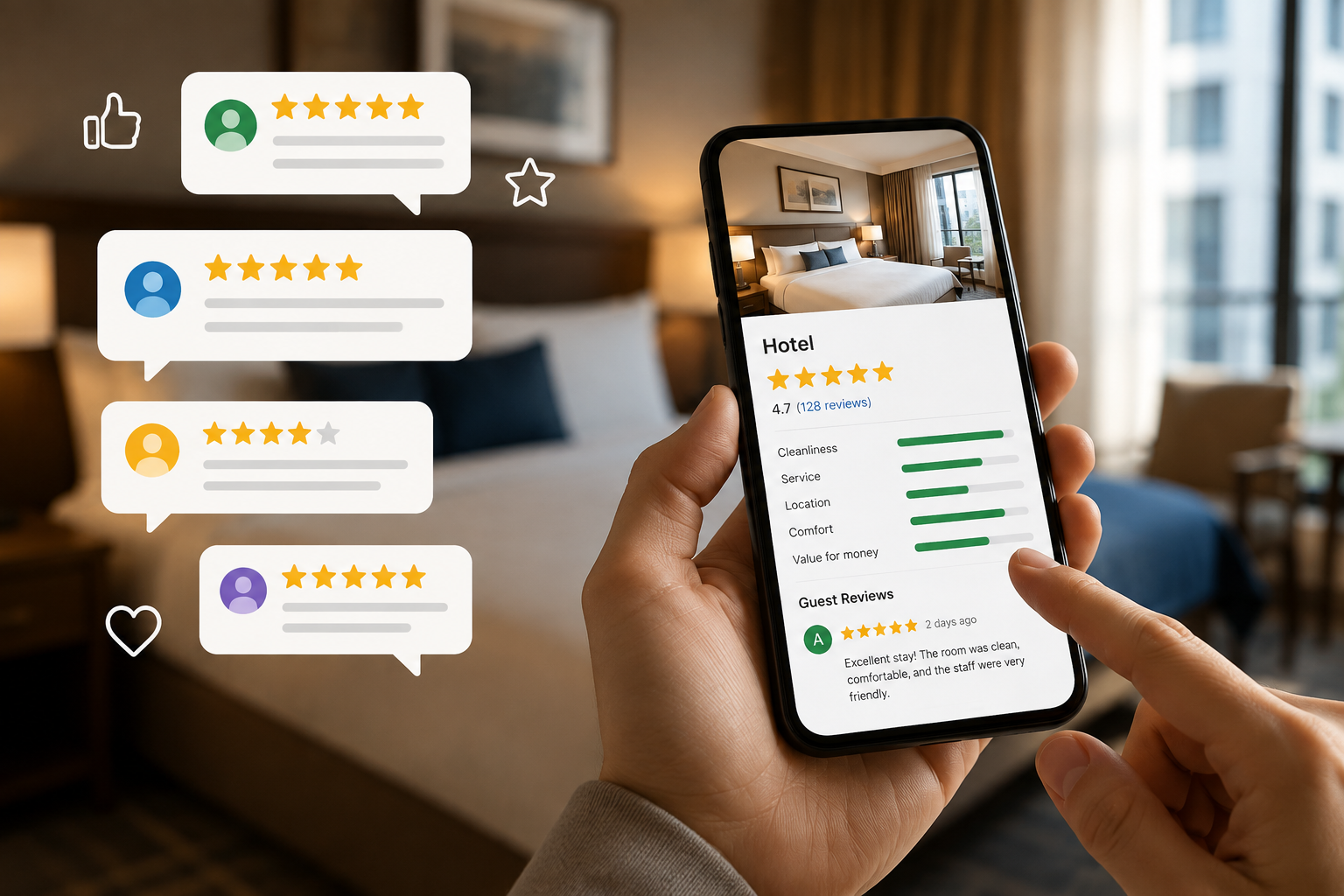
    7. Better Guest Feedback Management

    Hotels receive feedback from multiple platforms—social media, review sites, surveys. Sorting and responding manually can be overwhelming. AI makes this process effortless.

    AI-powered sentiment analysis tools can:

    • Evaluate guest reviews instantly
    • Identify service issues
    • Highlight areas for improvement
    • Track overall brand reputation

    Hotels can quickly address concerns, understand guest sentiment, and enhance service quality.

    The Benefits of AI for Hotels and Guests

    1. Improved Operational Efficiency

    AI automates repetitive tasks, reduces human error, and helps manage resources efficiently. This results in smoother operations and happier guests.

    2. Higher Guest Satisfaction

    Fast support, personalized services, and convenient self-service options lead to superior guest experience.

    3. Increased Revenue

    AI-driven insights help hotels optimize pricing, upsell services, and identify new revenue opportunities.

    4. Enhanced Employee Productivity

    AI supports hotel staff by handling routine tasks, allowing employees to focus on meaningful, guest-facing interactions.

    AI Is Enhancing, Not Replacing Hospitality

    While some fear that AI will reduce the human touch in hospitality, the reality is quite the opposite. AI enhances human-led service by taking over time-consuming tasks and providing staff with better tools to assist guests.

    AI doesn’t replace warmth, empathy, or hospitality—it supports the people who deliver it.

    How BookSmart Helps Hotels Leverage AI Effectively

    At BookSmart, we help hotels embrace AI strategically to enhance guest services and operational efficiency. Our solutions are designed to help hotels:

    • Automate guest communication
    • Deliver personalized experiences
    • Enable frictionless check-in and check-out
    • Use data insights for smarter decision-making
    • Improve guest engagement through modern tools
    • Integrate AI into existing hotel systems seamlessly

    We ensure that hotels of all sizes can adopt AI in a way that is simple, affordable, and impactful.

    Conclusion: AI Is the Future of Guest Services

    AI is revolutionizing hospitality by making guest services faster, smarter, and more personalized. Hotels that adopt AI gain a competitive advantage—enhanced guest satisfaction, improved operational efficiency, and higher revenue potential.

    With the right strategy and technology partner like BookSmart, hotels can turn AI into a powerful asset that elevates the entire guest journey. The future of hospitality is not just automated—it’s intelligent, intuitive, and deeply customer-centric.