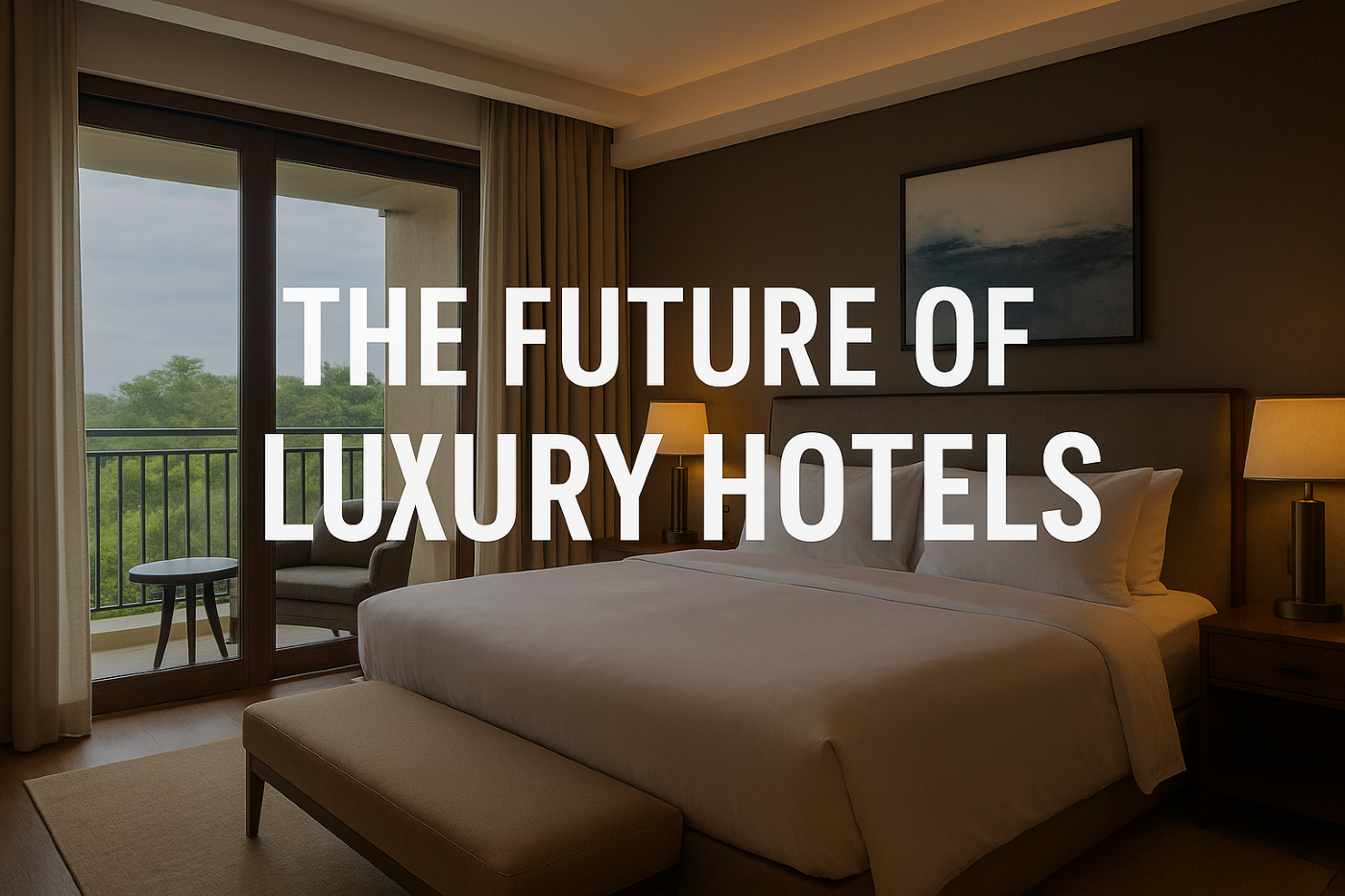
The hospitality industry is undergoing a remarkable transformation, and at the forefront of this evolution lies the world of luxury hotels. Once defined solely by grandeur, exclusivity, and extravagance, modern luxury has taken on a new meaning—one that blends technology, personalization, sustainability, and authentic experiences. The future of luxury hotels is not merely about lavish décor or five-star dining; it’s about crafting experiences that resonate emotionally, socially, and digitally with the modern traveler.
In this article, we explore how luxury hotels are redefining their identity and what trends will shape the future of this vibrant industry.
1. Personalized Experiences: The Heart of Modern Luxury
In the era of digital transformation, personalization has become the cornerstone of luxury hospitality. Travelers no longer want standardized experiences—they expect tailor-made stays that reflect their preferences, personalities, and purposes.
Luxury hotels are leveraging AI-driven guest analytics, CRM systems, and mobile apps to anticipate guest needs even before arrival. From personalized welcome notes to curated dining recommendations and customized room settings (temperature, lighting, fragrance), every detail is being designed to create a sense of belonging.
For instance, a returning guest may find their favorite wine waiting in the minibar, or their preferred pillow type already placed in the suite—thanks to intelligent data tracking. This hyper-personalization transforms a stay into a story that feels uniquely crafted for the guest.
2. Sustainability as the New Luxury
Gone are the days when opulence meant excess. Today’s affluent travelers are more eco-conscious and value sustainable luxury over wasteful extravagance. Luxury hotels are embracing green innovations that combine comfort with conscience.
Future luxury establishments will emphasize:
- Eco-friendly architecture using renewable materials.
- Energy-efficient operations with solar and smart-grid systems.
- Plastic-free initiatives and waste management programs.
- Locally sourced ingredients supporting regional farmers and artisans.
Brands like Six Senses and The Ritz-Carlton Reserve are already leading the way by integrating environmental responsibility into their core identity. For modern travelers, sustainability is not an option—it’s a symbol of ethical sophistication.
3. The Rise of Smart Luxury Hotels
Technology is revolutionizing every aspect of hospitality, and luxury hotels are at the cutting edge of this transformation. The future of luxury stays will be seamlessly connected, contactless, and immersive.
Key innovations include:
- AI-powered virtual concierges for instant assistance.
- Voice-activated room controls for lighting, entertainment, and temperature.
- Smart mirrors and augmented reality experiences for personalized styling or sightseeing previews.
- IoT-based predictive maintenance ensuring uninterrupted guest comfort.
Moreover, with blockchain-based payment systems and AI-driven booking platforms, luxury hotels are also enhancing transparency, convenience, and security—three factors that define the next era of travel confidence.
4. Wellness and Mindful Travel
Luxury travelers today prioritize mental well-being and holistic health as much as material comfort. The post-pandemic world has reshaped priorities, with wellness tourism emerging as one of the fastest-growing sectors.
Future luxury hotels will feature integrated wellness ecosystems that go beyond traditional spas:
- Sleep optimization programs with AI-driven relaxation systems.
- Nutritional menus curated by health experts.
- Meditation pods, yoga terraces, and biophilic designs that reconnect guests with nature.
- Digital detox zones encouraging mindful relaxation.
The concept of “restorative luxury” will redefine how hotels engage guests—focusing on mental clarity, emotional balance, and physical rejuvenation rather than superficial indulgence.
5. The Return of Authenticity and Local Culture
Today’s discerning traveler seeks more than just a luxurious setting—they crave authentic connections. The luxury hotels of the future will serve as cultural gateways, blending global standards with local charm.
Expect to see:
- Collaborations with local artisans to design interiors and experiences.
- Regionally inspired culinary experiences that celebrate native flavors.
- Curated cultural immersions like art walks, heritage tours, and storytelling evenings.
This fusion of global sophistication and local authenticity creates a rich narrative that resonates deeply with modern travelers, offering them both luxury and a sense of place.
6. Experiential Luxury: Beyond the Stay
The luxury experience no longer ends within the walls of the hotel. Guests now seek memorable journeys that extend beyond their rooms—immersive adventures that engage the senses and emotions.
Future luxury hotels are investing in:
- Private curated experiences, such as underwater dining, hot-air balloon safaris, or private island picnics.
- Bespoke itineraries tailored to individual passions, whether art, gastronomy, or adventure.
- Luxury brand collaborations, where guests can experience high-end fashion, automobiles, or tech within the hotel environment.
This shift from material luxury to experiential richness ensures that the modern traveler leaves with stories, not souvenirs.
7. The Role of Artificial Intelligence and Data Analytics
AI is becoming a silent but powerful partner in enhancing luxury hospitality. With predictive analytics, hotels can understand guest preferences in real time and offer anticipatory services.
For example, AI can:
- Suggest spa treatments based on recent booking patterns.
- Optimize staffing levels for peak hours.
- Analyze feedback to improve service quality continuously.
This data-driven approach ensures that luxury hotels deliver efficiency without compromising on personal touch—a balance that defines the future of elite hospitality.
8. Privacy, Security, and Digital Trust
As digital transformation deepens, data privacy and cybersecurity are emerging as top priorities. Luxury guests expect seamless tech experiences—but not at the cost of personal security.
Next-generation luxury hotels are investing in blockchain security systems, encrypted guest data platforms, and biometric authentication to ensure safety and confidentiality.
The luxury of the future will be secure luxury—where guests can indulge freely, knowing their data, identity, and privacy are fully protected.
9. Hybrid Luxury: Blending Leisure and Business
The boundary between business and leisure travel is fading. The rise of “bleisure” (business + leisure) has inspired luxury hotels to create flexible spaces where productivity and relaxation coexist.
Tomorrow’s luxury hotels will feature:
- Workation suites equipped with advanced video conferencing tools.
- Private lounges for executives and digital nomads.
- Wellness-inspired work environments that blend focus with comfort.
This integration ensures that guests enjoy high-end comfort without compromising professional needs—a defining trait of next-gen luxury accommodations.
Conclusion
The future of luxury hotels lies at the intersection of technology, sustainability, and human connection. As expectations evolve, so must the definition of luxury itself—from material indulgence to meaningful experience, from excess to ethics, from exclusivity to personalization.
Luxury is no longer about what you own—it’s about how you feel. The hotels that understand this shift and invest in innovation, wellness, and authenticity will lead the new era of global hospitality.
At BookSmart, we believe that the future of luxury travel belongs to those who dare to innovate responsibly—where elegance meets empathy, and comfort meets conscience.
Leave a Reply