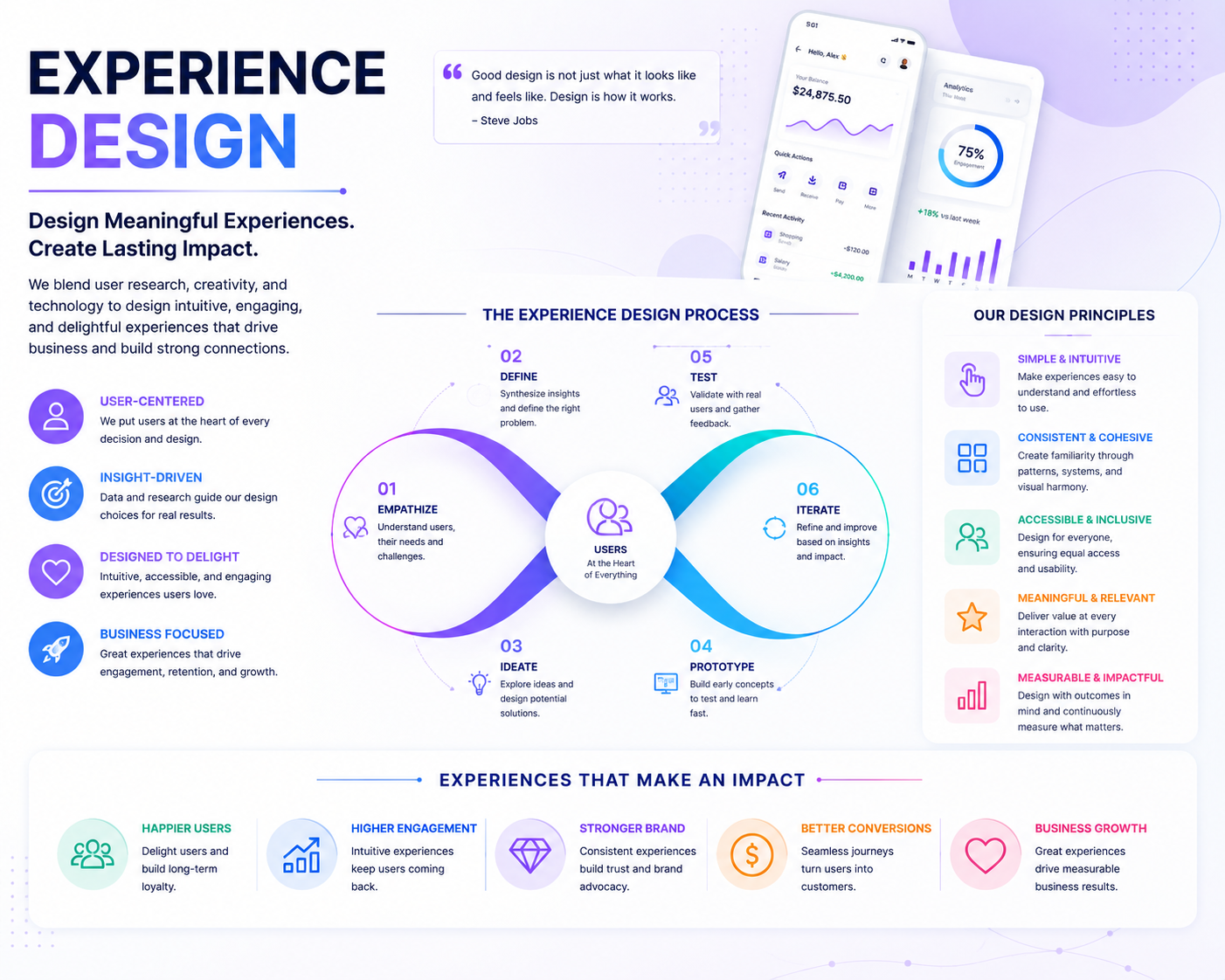
In today’s hospitality industry, guests expect much more than a clean room and basic amenities. Travelers seek meaningful experiences, emotional connections, and personalized interactions that make their stay memorable. This shift has made experience design one of the most important concepts in modern hospitality.
Experience design is the process of intentionally creating and shaping every interaction a guest has with a hotel to deliver a seamless, enjoyable, and emotionally engaging journey. It focuses on understanding guest needs and designing experiences that leave lasting impressions.
For BookSmart, experience design is not simply about aesthetics or service—it is about creating moments that transform a hotel stay into a memorable story.
What is Experience Design?
Experience design is a guest-centered approach that combines hospitality, psychology, technology, and design thinking to improve every stage of the customer journey.
Rather than focusing only on services, experience design considers:
- guest emotions
- expectations
- behaviors
- interactions
- sensory experiences
The goal is to create positive and meaningful experiences from the first point of contact through post-stay engagement.
Why Experience Design Matters
Hospitality is increasingly driven by experiences rather than transactions.
Guests today often remember:
- how they felt
- how they were treated
- unique moments during their stay
Strong experience design can lead to:
- higher guest satisfaction
- repeat bookings
- stronger loyalty
- positive online reviews
- increased brand differentiation
For BookSmart, exceptional experience design creates both emotional and business value.
Understanding the Guest Journey
Experience design begins with understanding the complete guest journey.
This includes:
Discovery
How guests find the hotel
Booking
How easy it is to reserve
Pre-arrival
Communication before arrival
Stay experience
Interactions during the stay
Post-stay
Follow-up and loyalty engagement
Every touchpoint influences perception.
A seamless experience across all stages creates consistency and trust.
Personalization as a Core Element
Personalization plays a central role in experience design.
Hotels can create tailored experiences by understanding:
- room preferences
- dietary requirements
- travel purpose
- previous stays
- guest interests
For example, a guest visiting Jaipur for cultural tourism may appreciate local heritage recommendations, while a business traveler in Bengaluru may value workspace-focused amenities.
Personalized experiences make guests feel recognized and valued.
Sensory Experience Design
Experience design extends beyond services and includes sensory elements.
Hotels carefully shape:
- lighting
- music
- scents
- textures
- visual aesthetics
Soft lighting, calming music, and signature scents can significantly influence mood and perception.
For example, luxury properties often create signature sensory environments that become part of their brand identity.
These subtle details create emotional impact.
Role of Space and Environment
Physical spaces influence guest behavior and comfort.
Thoughtful experience design considers:
- lobby layout
- room functionality
- navigation and signage
- seating arrangements
- social interaction spaces
Hotels increasingly design environments that encourage comfort, relaxation, and engagement.
Open collaborative areas and experience-focused spaces are becoming more common.
Technology Enhancing Experience Design
Technology has become an essential component of experience design.
Hotels now use:
- mobile check-in systems
- smart room controls
- AI chatbots
- digital concierge services
- personalized booking engines
Technology removes friction and increases convenience.
For BookSmart, the ideal hospitality experience combines technological efficiency with human warmth.
Emotional Design in Hospitality
Experience design is deeply connected to emotion.
Guests often remember emotional moments rather than operational details.
Examples include:
- personalized welcome gestures
- surprise upgrades
- special occasion celebrations
- thoughtful staff interactions
These moments create stronger memories and emotional attachment.
Hotels that design emotional experiences create greater guest loyalty.
Storytelling Through Experiences
Hotels can use storytelling as part of experience design.
Rather than simply offering services, they create narratives around:
- local culture
- history
- community experiences
- destination identity
For example, a heritage hotel in Udaipur can integrate regional traditions and storytelling into the guest journey.
Storytelling creates authenticity and stronger connections.
Designing for Different Guest Types
Not all guests have the same expectations.
Experience design should adapt to:
- business travelers
- families
- solo travelers
- couples
- wellness-focused guests
Understanding audience segments allows hotels to create more relevant experiences.
Measuring Experience Quality
Hotels can evaluate experience design through:
- guest feedback
- satisfaction scores
- online reviews
- repeat booking rates
- Net Promoter Score (NPS)
Continuous analysis helps improve the overall experience.
Challenges in Experience Design
Creating excellent experiences can be challenging.
Hotels often face:
- changing guest expectations
- balancing personalization and privacy
- technology integration challenges
- maintaining consistency
Experience design requires continuous adaptation.
Future of Experience Design
The future of hospitality experience design is becoming increasingly intelligent and personalized.
Emerging trends include:
- AI-powered personalization
- immersive digital experiences
- predictive guest services
- voice-enabled hospitality
- sustainable experience design
Hotels will increasingly design experiences around individual preferences and emotional needs.
Benefits of Strong Experience Design
Effective experience design helps hotels:
- improve guest satisfaction
- increase loyalty
- strengthen brand identity
- encourage direct bookings
- create memorable experiences
For BookSmart, experience design represents the future of guest-centric hospitality.
Conclusion
Experience design is no longer a luxury in hospitality—it is a necessity.
It transforms hotels from service providers into creators of memorable journeys.
For BookSmart, the key takeaway is clear: guests may forget room details or prices, but they rarely forget how an experience made them feel.
Hotels that intentionally design meaningful, personalized, and emotionally engaging experiences will build stronger guest relationships and long-term success in the evolving hospitality industry.
Leave a Reply