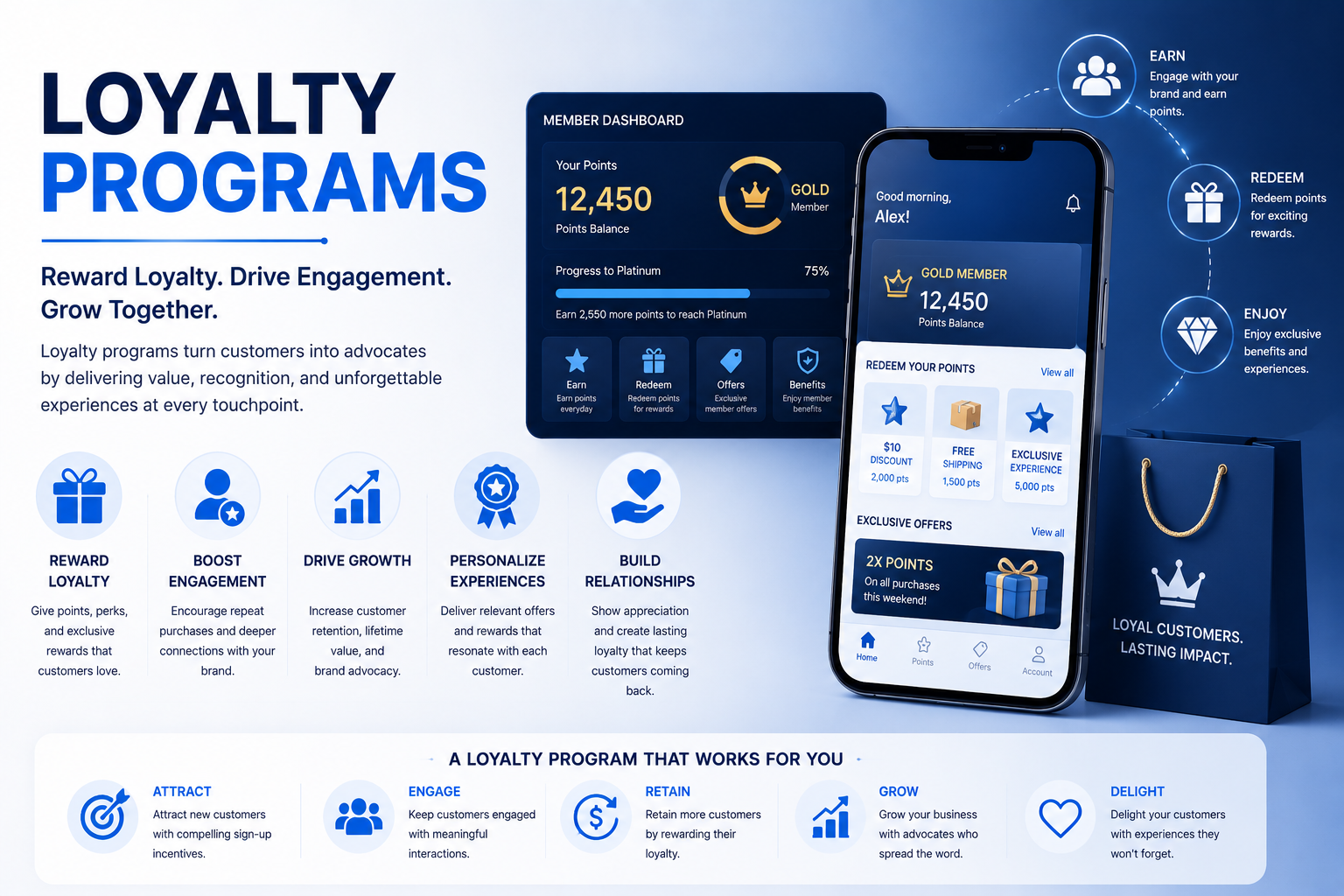
In the highly competitive hospitality industry, attracting new guests is important, but retaining existing ones is even more valuable. Hotels today are focusing not only on increasing bookings but also on building long-term relationships with guests. One of the most effective ways to achieve this is through loyalty programs.
Loyalty programs are structured reward systems designed to encourage repeat bookings and strengthen guest engagement. By offering benefits, rewards, and exclusive experiences, hotels can create a sense of value and appreciation that keeps guests coming back.
For BookSmart, loyalty programs are not just marketing tools—they are strategic systems that drive retention, improve guest satisfaction, and increase long-term revenue.
What Are Loyalty Programs?
A loyalty program is a membership-based system where guests earn rewards for repeated interactions with a hotel brand.
These rewards may include:
- points for stays
- discounts on future bookings
- complimentary upgrades
- exclusive member benefits
- early check-in or late checkout
The goal is to encourage repeat business while making guests feel recognized and valued.
Why Loyalty Programs Matter
Loyalty programs play a major role in guest retention.
Returning guests are more likely to:
- book directly
- spend more on hotel services
- recommend the hotel to others
- leave positive reviews
Acquiring new customers often costs significantly more than retaining existing ones, making loyalty programs a cost-effective growth strategy.
For BookSmart, loyalty programs help create sustainable guest relationships.
Building Emotional Connection
Successful loyalty programs go beyond discounts and rewards.
They create emotional connections by making guests feel:
- appreciated
- recognized
- valued
For example, remembering a guest’s preferences or offering personalized rewards can strengthen emotional attachment to the brand.
Guests who feel emotionally connected are more likely to remain loyal even when competitors offer lower prices.
Types of Loyalty Programs
Hotels use different types of loyalty structures depending on their target audience and business goals.
Points-Based Programs
Guests earn points for every booking or purchase.
These points can later be redeemed for:
- free stays
- room upgrades
- dining experiences
- spa services
This is one of the most common loyalty models in hospitality.
Tiered Loyalty Programs
Tiered systems reward guests based on their level of engagement.
For example:
- Silver Member
- Gold Member
- Platinum Member
Higher tiers unlock additional benefits such as:
- VIP services
- complimentary amenities
- priority support
This structure encourages guests to stay more frequently.
Subscription-Based Loyalty
Some hotels now offer subscription models where guests pay a recurring fee for exclusive benefits.
These may include:
- discounted room rates
- premium support
- special experiences
This creates recurring revenue while improving retention.
Personalized Rewards
Modern loyalty programs increasingly focus on personalization.
Instead of generic rewards, hotels offer benefits based on guest preferences.
For example:
- wellness travelers may receive spa discounts
- business travelers may get workspace upgrades
- family travelers may receive dining or activity benefits
Personalized rewards feel more meaningful and relevant.
Technology and Loyalty Programs
Technology has transformed loyalty management.
Hotels now use:
- mobile apps
- CRM systems
- AI-driven personalization
- digital wallets
- automated reward tracking
These tools make loyalty programs more convenient and engaging.
For BookSmart, technology enables seamless and data-driven loyalty experiences.
Encouraging Direct Bookings
One major advantage of loyalty programs is their ability to increase direct bookings.
Hotels often offer exclusive benefits only through direct channels, such as:
- lower rates
- bonus points
- free upgrades
- flexible cancellation policies
This reduces dependence on third-party booking platforms.
Role of Data in Loyalty Programs
Guest data helps hotels understand:
- booking behavior
- travel preferences
- spending patterns
- engagement levels
This information allows hotels to deliver more targeted and personalized rewards.
However, hotels must also ensure data privacy and transparency.
Loyalty Beyond Discounts
Modern travelers increasingly value experiences over simple price reductions.
Hotels can strengthen loyalty by offering:
- exclusive local experiences
- cultural events
- personalized concierge services
- member-only access
For example, a hotel in Udaipur may offer loyalty members exclusive heritage tours or cultural dining experiences.
Experiential rewards create stronger memories and emotional engagement.
Challenges in Loyalty Programs
Despite their benefits, loyalty programs can face challenges such as:
- low guest participation
- overly complex reward structures
- lack of personalization
- poor communication
Programs that are difficult to understand or use may fail to engage guests effectively.
Simplicity and relevance are essential for success.
Measuring Loyalty Program Success
Hotels evaluate loyalty programs through:
- repeat booking rates
- member engagement
- redemption rates
- customer lifetime value
- direct booking growth
These metrics help determine program effectiveness and areas for improvement.
Future of Loyalty Programs
The future of hospitality loyalty programs is becoming more intelligent and personalized.
Emerging trends include:
- AI-driven reward recommendations
- blockchain-based loyalty points
- gamified loyalty experiences
- partnerships with airlines and local businesses
- predictive personalization
Hotels will increasingly focus on creating flexible and experience-oriented loyalty ecosystems.
Benefits of Effective Loyalty Programs
Strong loyalty programs help hotels:
- improve guest retention
- increase direct bookings
- enhance guest satisfaction
- strengthen brand loyalty
- generate long-term revenue
For BookSmart, loyalty programs are a powerful tool for building sustainable guest relationships.
Conclusion
Loyalty programs are no longer just optional marketing strategies—they are essential components of modern hospitality success.
They help hotels transform occasional guests into long-term loyal customers through rewards, personalization, and emotional engagement.
For BookSmart, the key takeaway is clear: loyalty is built through value, recognition, and memorable experiences—not just discounts.
Hotels that invest in smart, personalized loyalty programs will strengthen guest relationships and create lasting competitive advantages in the evolving hospitality industry.
Leave a Reply