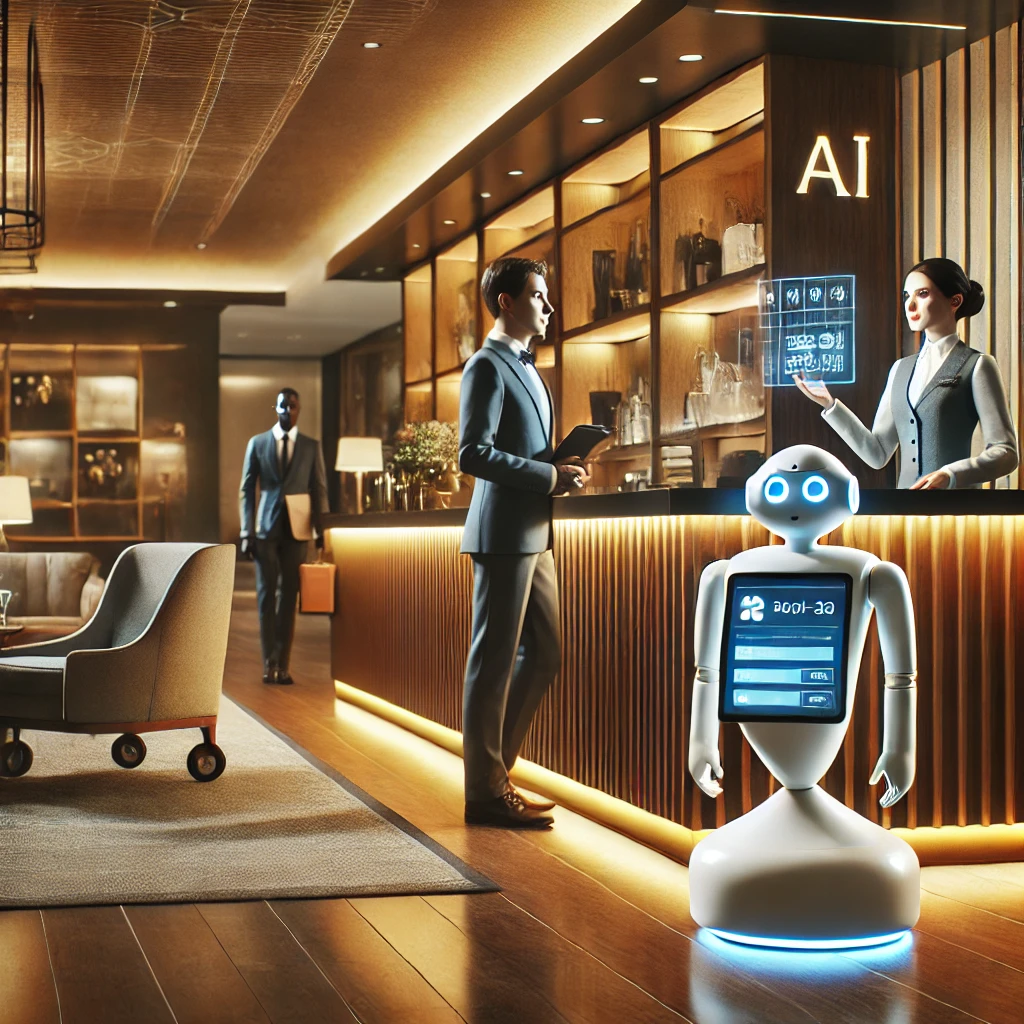
Blog

  • The Hybrid GM: Balancing Data Analytics Skills with Traditional “Host” Charisma

    The Hybrid GM: Balancing Data Analytics Skills with Traditional “Host” Charisma

    The role of the hotel General Manager (GM) has always been one of the most dynamic positions in hospitality. Traditionally, a great GM was defined by their presence — a visible leader who greeted guests, inspired teams, solved problems in real time, and embodied the spirit of hospitality.

    Today, however, the expectations of a GM are rapidly evolving.

    Modern hotels operate in a data-rich, technology-driven environment where decisions are guided by analytics, forecasting models, and performance dashboards. At the same time, hospitality remains a deeply human industry built on emotion, connection, and experience.

    This dual demand has given rise to a new leadership archetype: the Hybrid GM — a professional who combines analytical intelligence with authentic human charisma.

    Success in today’s hospitality landscape depends on mastering both.

    The Evolution of the General Manager Role

    Historically, GMs focused on:

    • Guest relations
    • Staff management
    • Operational oversight
    • Revenue performance

    While these responsibilities remain relevant, the modern GM must now also navigate:

    • Data analytics platforms
    • Digital marketing insights
    • Revenue optimization tools
    • Guest behavior tracking
    • Technology integrations

    The role has expanded from operational leadership to strategic, data-informed decision-making.

    Why Data Skills Are Now Essential

    Hotels generate vast amounts of data daily — from booking patterns and pricing trends to guest preferences and online reviews.

    A modern GM must understand how to interpret and act on this information.

    Revenue Optimization

    Analytics help GMs adjust pricing dynamically based on demand, seasonality, and competitor activity.

    Understanding key metrics such as:

    • RevPAR (Revenue per Available Room)
    • ADR (Average Daily Rate)
    • Occupancy trends

    enables smarter financial decisions.

    Guest Experience Insights

    Data reveals patterns in guest satisfaction, including:

    • Common complaints
    • Preferred amenities
    • Service gaps

    GMs can use this information to proactively improve operations.

    Operational Efficiency

    Analytics identify inefficiencies across departments such as:

    • Housekeeping productivity
    • Energy consumption
    • Staff allocation

    This leads to better resource management.

    The Risk of Becoming “Too Data-Driven”

    While data is powerful, over-reliance on numbers can create a disconnect from the human essence of hospitality.

    A GM who focuses solely on dashboards may:

    • Miss emotional cues from guests
    • Overlook team morale
    • Prioritize efficiency over experience

    Hospitality is not just a science — it is also an art.

    Data informs decisions, but human intuition completes them.

    The Enduring Power of Host Charisma

    At its core, hospitality is about making people feel welcome, valued, and cared for.

    The best GMs are still exceptional hosts.

    Visible Leadership

    Guests appreciate seeing leadership presence in the lobby, restaurants, and public spaces.

    A simple greeting or conversation can significantly enhance guest perception.

    Emotional Intelligence

    Understanding guest emotions and staff dynamics is critical.

    Charismatic GMs can:

    • Diffuse tense situations
    • Build strong relationships
    • Create memorable guest interactions

    Culture Building

    Team morale directly impacts service quality.

    A GM who connects with employees fosters:

    • Higher engagement
    • Better performance
    • Lower staff turnover

    Human connection drives operational success.

    The Hybrid Skillset: Where Data Meets Hospitality

    The Hybrid GM integrates analytical thinking with interpersonal excellence.

    This balance creates a powerful leadership model.

    Data-Informed Decisions, Human-Centered Execution

    Example:
    Data shows guests prefer faster check-in.

    A purely analytical approach might automate everything.

    A Hybrid GM ensures:

    • Technology speeds up the process
    • Staff remain available for personalized welcome

    Efficiency and warmth coexist.

    Personalization at Scale

    Analytics identify guest preferences.

    Charisma delivers those preferences meaningfully.

    For instance:
    A returning guest’s data shows a preference for quiet rooms.

    The GM ensures the room is assigned accordingly — and personally welcomes the guest with a note acknowledging their preference.

    Data enables insight; charisma delivers impact.

    Proactive Problem Solving

    Data may reveal recurring complaints about slow service.

    A Hybrid GM doesn’t just adjust staffing levels.

    They:

    • Observe service interactions
    • Engage with staff
    • Understand underlying issues

    Solutions become more holistic.

    Technology as a Leadership Tool

    Modern GMs must embrace technology not as a replacement for leadership, but as an enhancement.

    Key tools include:

    • Business intelligence dashboards
    • Guest feedback platforms
    • Revenue management systems
    • CRM (Customer Relationship Management) tools

    These tools provide clarity — but leadership determines action.

    Training the Next Generation of Hybrid Leaders

    Hospitality education and training programs must evolve to develop Hybrid GMs.

    Key focus areas include:

    Analytical Skills

    • Data interpretation
    • Financial literacy
    • Technology familiarity

    Soft Skills

    • Communication
    • Empathy
    • Conflict resolution

    Strategic Thinking

    • Long-term planning
    • Market positioning
    • Brand development

    Future leaders must be both data-savvy and people-focused.

    Challenges of Balancing Both Worlds

    Becoming a Hybrid GM is not without challenges.

    Time Management

    Balancing data analysis with on-the-floor presence can be demanding.

    Skill Gaps

    Many experienced hospitality professionals may lack formal data training, while tech-savvy leaders may lack interpersonal depth.

    Organizational Resistance

    Some teams may resist data-driven changes or new technologies.

    Strong leadership is required to align all stakeholders.

    The Competitive Advantage of Hybrid Leadership

    Hotels led by Hybrid GMs benefit from:

    • Better financial performance
    • Higher guest satisfaction
    • Stronger team culture
    • Faster adaptation to market changes

    This leadership style creates a well-rounded, resilient organization.

    Real-World Application Scenario

    Consider a hotel experiencing declining guest satisfaction scores.

    A traditional GM might rely on intuition.

    A data-driven GM might analyze surveys.

    A Hybrid GM does both:

    • Reviews guest feedback data
    • Observes guest interactions
    • Speaks directly with staff
    • Identifies emotional and operational gaps

    The resulting solution is both analytical and empathetic.

    The Future of Hospitality Leadership

    As technology continues to evolve, the importance of Hybrid GMs will only increase.

    Future leaders will need to:

    • Interpret AI-generated insights
    • Manage digital ecosystems
    • Deliver hyper-personalized experiences
    • Maintain authentic human connections

    Automation will handle routine tasks.

    Leadership will focus on meaning, culture, and experience.

    Conclusion

    The modern General Manager must be more than an operator or a data analyst. They must be a bridge between technology and humanity.

    The Hybrid GM represents the future of hospitality leadership — combining the precision of data with the warmth of genuine human connection.

    Hotels that cultivate this balance will not only operate more efficiently but also create deeper, more memorable guest experiences.

    Because in the end, data may guide decisions — but it is human connection that defines hospitality.

  • The End of the Front Desk: Designing Lobby Flows for a 100% Mobile Check-in World

    The End of the Front Desk: Designing Lobby Flows for a 100% Mobile Check-in World

    For over a century, the front desk has been the symbolic and operational heart of a hotel. It was the first point of contact, the control center for check-ins, and the anchor of lobby design. Guests queued, presented identification, signed forms, collected keys, and interacted with staff before beginning their stay.

    Today, that model is rapidly changing.

    With the rise of mobile check-in, digital keys, and contactless technology, hotels are reimagining the very purpose of the lobby. The traditional front desk is no longer a necessity — it is becoming optional.

    In a world moving toward 100% mobile check-in, the lobby is transforming from a transactional space into an experiential, fluid environment designed for movement, comfort, and personalization.

    This shift requires not just new technology, but entirely new design thinking.

    Why the Front Desk Is Becoming Obsolete

    Several forces are driving the decline of the traditional reception desk.

    1. Guest Expectations for Speed and Convenience

    Modern travelers expect frictionless experiences. Waiting in line after a long journey feels outdated in an era of instant digital access.

    Mobile check-in allows guests to:

    • Complete registration before arrival
    • Access rooms using digital keys
    • Skip queues entirely
    • Customize preferences in advance

    The expectation is clear: arrival should be seamless, not procedural.

    2. The Rise of Contactless Technology

    Health and safety concerns accelerated adoption of contactless services. Guests now prefer minimal physical interaction for routine processes.

    Mobile-first journeys reduce:

    • Physical touchpoints
    • Paper usage
    • Waiting time
    • Operational bottlenecks

    This has permanently shifted guest behavior.

    3. Operational Efficiency

    Front desks require staffing, training, and physical space. By reducing reliance on traditional check-in counters, hotels can:

    • Lower labor costs
    • Reallocate staff to guest experience roles
    • Optimize lobby real estate
    • Increase operational flexibility

    The front desk evolves from necessity to optional support function.

    Redefining the Lobby: From Queue to Flow

    In a mobile check-in world, the lobby is no longer a waiting area.

    It becomes a flow-based environment designed to guide guests effortlessly from arrival to destination.

    Key design principles include:

    • Eliminating bottlenecks
    • Encouraging natural movement
    • Providing intuitive navigation
    • Supporting multiple guest journeys simultaneously

    The goal is to create a space where guests move through, not wait within.

    Designing Frictionless Arrival Experiences

    Smart Entry Points

    Arrival begins before the guest enters the building.

    Hotels can integrate:

    • License plate recognition for parking access
    • Mobile-triggered door entry
    • Digital welcome notifications

    Guests transition from outside to inside without interruption.

    Wayfinding and Spatial Clarity

    Without a central desk, guests must easily understand where to go.

    Effective design includes:

    • Clear signage
    • Digital directories
    • Mobile app navigation
    • Visual cues through lighting and layout

    Navigation should feel intuitive, even for first-time visitors.

    Decentralized Welcome Zones

    Instead of one large reception desk, hotels can create multiple smaller interaction points.

    Examples include:

    • Concierge pods
    • Guest assistance kiosks
    • Lounge-based staff stations

    Staff become mobile hosts rather than desk-bound agents.

    The Role of Mobile Technology

    Mobile devices become the primary interface between guests and the hotel.

    Key capabilities include:

    • Digital check-in and ID verification
    • Mobile room keys
    • In-app messaging with staff
    • Service requests and bookings
    • Real-time notifications

    The smartphone replaces the front desk as the central control hub.

    Designing for Different Guest Types

    Not all guests have identical preferences.

    A successful mobile-first lobby must accommodate diverse needs.

    Tech-Savvy Guests

    These guests prefer full autonomy.

    They move directly to their rooms using mobile keys with no assistance.

    Assisted Digital Users

    Some guests may need minimal support.

    Staff equipped with tablets can assist them anywhere in the lobby.

    Traditional Guests

    A small percentage may still prefer human interaction.

    Hotels can provide optional service desks or hybrid check-in counters without making them the focal point.

    Flexibility ensures inclusivity.

    Transforming Staff Roles

    As the front desk fades, staff responsibilities evolve.

    Employees transition from transactional roles to experience-driven roles.

    Instead of processing check-ins, staff focus on:

    • Greeting guests personally
    • Providing local recommendations
    • Solving problems proactively
    • Enhancing overall experience

    This shift elevates hospitality from process to personalization.

    Lobby as a Social and Experiential Space

    Freed from the dominance of the front desk, lobbies can be redesigned as vibrant, multifunctional environments.

    Possible elements include:

    • Lounge seating areas
    • Co-working spaces
    • Café and bar concepts
    • Art installations
    • Retail corners

    The lobby becomes a destination in itself rather than a transitional checkpoint.

    Data-Driven Personalization

    Mobile check-in systems collect valuable guest data before arrival.

    Hotels can use this information to:

    • Customize room settings
    • Personalize greetings
    • Recommend services
    • Anticipate guest needs

    For example:
    A returning guest may receive a notification:
    “Your preferred room temperature is set. Welcome back.”

    Personalization enhances guest satisfaction without requiring manual interaction.

    Security and Privacy Considerations

    Eliminating the front desk introduces new security challenges.

    Hotels must ensure:

    • Secure identity verification
    • Encrypted mobile key systems
    • Controlled access to floors and rooms
    • Data privacy compliance

    Balancing convenience with security is critical.

    Guests must trust digital systems as much as traditional processes.

    Operational Challenges to Address

    Transitioning to a front desk–free model requires careful planning.

    Technology Reliability

    System failures can disrupt the entire guest journey.

    Backup systems and manual overrides are essential.

    Guest Education

    Guests must understand how to use mobile check-in features.

    Clear pre-arrival communication is necessary.

    Staff Adaptation

    Employees must be trained for new roles focused on mobility and guest engagement.

    The Business Benefits

    Hotels adopting mobile-first lobby design gain several advantages:

    • Faster guest throughput
    • Reduced operational costs
    • Improved space utilization
    • Higher guest satisfaction
    • Increased perception of innovation

    The lobby becomes more efficient and more valuable simultaneously.

    The Future of Lobby Design

    The next generation of hotel lobbies will be:

    • Fully digital yet highly human-centered
    • Flexible and multi-functional
    • Personalized through data
    • Integrated with smart building systems

    We may even see:

    • Facial recognition check-ins
    • AI-powered concierge services
    • Autonomous luggage handling
    • Predictive guest flow management

    The front desk will not disappear entirely — but it will no longer define the lobby.

    Conclusion

    The end of the traditional front desk marks a major evolution in hospitality design. As mobile check-in becomes the norm, hotels must rethink how guests move through and experience arrival spaces.

    By focusing on flow, flexibility, and personalization, hotels can transform lobbies into dynamic environments that prioritize convenience and connection over procedure.

    The future lobby is not a place where guests wait.

    It is a place where guests arrive, move, and begin their experience instantly.

    Because in modern hospitality, the best check-in is the one that doesn’t feel like check-in at all.

  • The Death of Traditional SEO: How Generative AI is Changing Hotel Discovery

    The Death of Traditional SEO: How Generative AI is Changing Hotel Discovery

    For more than two decades, search engine optimization (SEO) has been a cornerstone of digital marketing in the hospitality industry. Hotels invested heavily in keywords, backlinks, meta tags, and ranking strategies to appear on the first page of search results. Visibility on search engines directly influenced bookings, website traffic, and brand awareness.

    However, the rapid rise of generative artificial intelligence (AI) is reshaping how travelers discover hotels online. Instead of scrolling through long lists of links, users are increasingly receiving direct answers, curated recommendations, and AI-generated travel plans.

    This shift signals a fundamental transformation in digital discovery. Traditional SEO strategies are evolving, and hotels must rethink how they present information in a world where AI assistants, chatbots, and intelligent search tools play a central role in travel decision-making.

    The question is no longer simply “How do we rank on Google?” but rather “How do we appear in AI-generated recommendations?”

    From Search Results to AI Answers

    Traditional search engines provide users with lists of web pages ranked according to relevance and authority. Users must then browse multiple sites to gather information.

    Generative AI systems operate differently. Instead of directing users to external websites, AI tools can:

    • Summarize hotel options instantly
    • Recommend accommodations based on preferences
    • Create full travel itineraries
    • Compare properties automatically
    • Provide conversational guidance

    For example, a traveler may ask an AI assistant:

    “Find a quiet boutique hotel in Barcelona near the beach with good breakfast and coworking spaces.”

    Instead of returning links, the AI produces a shortlist of hotels tailored to the request, often including descriptions and key highlights.

    This dramatically changes how visibility works online.

    Why Traditional SEO Is Losing Influence

    While SEO is far from disappearing entirely, several factors are reducing its dominance.

    Fewer Clicks on Traditional Results

    When AI tools summarize information directly on the search page, users may never click through to hotel websites. This phenomenon, often called “zero-click search,” is growing rapidly.

    Hotels that once relied on website traffic must now compete for inclusion within AI-generated summaries.

    Conversational Search Queries

    Travelers increasingly use natural language queries instead of short keywords.

    Instead of typing:

    “Luxury hotel Paris”

    Users may ask:

    “Which luxury hotels in Paris are quiet, have spa facilities, and are good for couples?”

    AI systems analyze these complex questions and generate personalized recommendations. Keyword-based SEO strategies alone cannot address these nuanced queries.

    Personalization Through Data

    Generative AI platforms incorporate user preferences, past behavior, and contextual data to tailor recommendations.

    Two travelers searching for hotels in the same city may receive completely different suggestions depending on:

    • Budget preferences
    • Travel history
    • Dining interests
    • Wellness habits

    Personalized discovery reduces the influence of generic ranking strategies.

    The Rise of AI Travel Assistants

    AI travel planning tools are quickly becoming mainstream. These platforms can organize entire trips, including flights, hotels, dining, and activities.

    Instead of browsing multiple travel websites, travelers interact with a single AI interface that handles planning automatically.

    These systems analyze:

    • Online reviews
    • Pricing trends
    • location data
    • traveler preferences
    • local recommendations

    Hotels must now ensure their information is accurate, structured, and accessible to AI systems, not just optimized for human readers.

    Content Quality Matters More Than Keywords

    In the era of generative AI, content credibility and depth are becoming more important than simple keyword density.

    AI models prioritize content that is:

    • Informative and detailed
    • Well-structured and easy to interpret
    • Frequently updated
    • Consistent across platforms

    Hotels that publish meaningful content about experiences, amenities, and local insights are more likely to appear in AI-generated travel recommendations.

    Generic marketing pages filled with repetitive keywords will gradually lose influence.

    Structured Data and Machine Readability

    Generative AI systems rely heavily on structured data to interpret information correctly.

    Hotels should ensure that their websites include clearly organized details such as:

    • Room categories
    • Amenities
    • location information
    • pricing ranges
    • sustainability practices
    • accessibility features

    Structured data helps AI systems understand property characteristics and match them with traveler preferences.

    Reviews and Reputation Are Becoming Critical Signals

    AI-powered recommendation engines analyze thousands of reviews to identify patterns in guest satisfaction.

    Rather than relying solely on star ratings, AI can interpret:

    • sentiment within reviews
    • recurring guest compliments
    • frequently mentioned problems
    • service quality indicators

    Hotels with strong reputational signals are more likely to appear in AI-curated travel lists.

    This means that guest experience management now directly influences digital discovery.

    Visual Content and Experience Storytelling

    Generative AI tools increasingly integrate visual information when presenting recommendations.

    High-quality images, virtual tours, and immersive media can influence how properties are described and displayed in AI-driven travel platforms.

    Instead of focusing solely on written SEO content, hotels should invest in visual storytelling that communicates atmosphere and experience.

    Travelers often choose hotels based on emotional connection rather than technical specifications.

    Voice Search and Conversational Booking

    Voice-enabled assistants are further transforming hotel discovery.

    Travelers may soon plan entire trips through voice conversations, asking questions such as:

    • “What’s a good eco-friendly hotel near the city center?”
    • “Find a hotel with coworking spaces and fast Wi-Fi.”
    • “Book a beachfront hotel for next weekend under $200.”

    AI systems will interpret these requests and recommend properties instantly.

    Hotels that provide clear, descriptive information about their offerings will have a higher chance of appearing in voice-driven results.

    Direct Booking Strategies in the AI Era

    As discovery channels evolve, hotels must strengthen direct relationships with guests.

    Effective strategies include:

    • Building strong brand identities
    • Creating unique experiences difficult to compare purely by price
    • Encouraging repeat bookings through loyalty programs
    • Developing personalized communication channels

    When travelers recognize and trust a hotel brand, they may request it directly from AI assistants.

    Brand recognition becomes a powerful discovery advantage.

    Preparing for the Future of AI-Driven Hospitality Marketing

    Hotels can adapt to generative AI discovery trends through several strategic actions:

    Invest in High-Quality Content

    Focus on informative articles, destination guides, and experience-focused storytelling.

    Improve Data Accuracy

    Ensure consistent information across websites, booking platforms, and travel directories.

    Monitor Online Reputation

    Actively manage guest reviews and address feedback promptly.

    Embrace AI Tools

    Use AI-driven marketing analytics to understand traveler behavior and preferences.

    Strengthen Brand Identity

    Create memorable experiences that encourage guests to search for your property specifically.

    The Future of Hotel Discovery

    The evolution of generative AI will continue to reshape the travel planning process.

    Future discovery experiences may include:

    • Fully AI-generated travel itineraries
    • Hyper-personalized hotel recommendations
    • Instant conversational booking
    • Virtual previews of hotel environments
    • Predictive travel suggestions based on lifestyle patterns

    Instead of manually searching through dozens of websites, travelers will rely on intelligent systems to guide their choices.

    Hotels that adapt early will gain a major competitive advantage.

    Conclusion

    Traditional SEO strategies once dominated hotel digital marketing, but generative AI is fundamentally transforming how travelers discover accommodations. Search engines are shifting from link directories to intelligent assistants capable of delivering personalized recommendations instantly.

    For hotels, success in this new environment requires more than keyword optimization. Properties must focus on high-quality content, structured data, strong online reputations, and distinctive guest experiences.

    The future of hotel discovery will be shaped by conversation, personalization, and intelligent technology.

    Hotels that understand this transformation will not only remain visible — they will become the properties that AI recommends first.

  • The “Work from Hotel” (WFH) Suite: Ergonomic Design for the Modern Nomad

    The “Work from Hotel” (WFH) Suite: Ergonomic Design for the Modern Nomad

    The global shift toward remote work has transformed how people travel, live, and work. As professionals increasingly embrace flexible lifestyles, the boundaries between business trips, vacations, and everyday work environments are dissolving. This trend has given rise to a new category of traveler: the modern nomad — individuals who work remotely while moving between destinations.

    For hotels, this evolution represents a significant opportunity. Instead of catering only to traditional business travelers or leisure tourists, properties can design specialized “Work from Hotel” (WFH) suites that combine productivity, comfort, and hospitality.

    However, simply placing a desk in a room is no longer enough. Remote professionals require ergonomic workspaces, high-speed connectivity, quiet environments, and thoughtful design that supports long hours of focus without sacrificing relaxation.

    The modern WFH suite blends the functionality of a professional office with the comfort of a premium hotel room.

    The Rise of the Remote Work Traveler

    Remote work was already growing before the pandemic, but global disruptions accelerated adoption dramatically. Many companies now allow employees to work from anywhere, enabling professionals to travel without interrupting their careers.

    As a result, hotels are seeing an increase in guests who:

    • Stay for extended periods
    • Work several hours daily from their rooms
    • Require stable internet and workspace infrastructure
    • Seek environments that balance productivity and relaxation

    These travelers often include freelancers, entrepreneurs, digital nomads, startup founders, consultants, and remote employees.

    Hotels that recognize these needs can attract longer stays and higher guest loyalty.

    Why Traditional Hotel Rooms Don’t Work for Remote Professionals

    Typical hotel room layouts prioritize comfort and short-term stays. While suitable for vacations or brief business trips, they often lack features necessary for sustained productivity.

    Common issues include:

    • Small or poorly positioned desks
    • Non-ergonomic chairs
    • Limited power outlets
    • Weak lighting for work tasks
    • Unstable Wi-Fi connectivity
    • Background noise distractions

    Working eight hours from a poorly designed hotel room can lead to fatigue, poor posture, and reduced productivity.

    WFH suites address these problems through ergonomic and functional design.

    Ergonomic Workspaces: The Core of a WFH Suite

    A productive work environment begins with proper ergonomics.

    Adjustable Work Desks

    WFH suites benefit from desks designed specifically for long work sessions. Adjustable-height desks allow guests to alternate between sitting and standing, reducing strain and improving circulation.

    Generous desk space also accommodates laptops, monitors, notebooks, and coffee without feeling cramped.

    Professional-Grade Seating

    A high-quality ergonomic chair is essential. Unlike traditional hotel chairs, these should provide:

    • Lumbar support
    • Adjustable height
    • Armrest positioning
    • Breathable materials for comfort

    Good seating reduces back pain and improves focus during extended work periods.

    Monitor and Tech Compatibility

    Many remote workers rely on multiple screens. Hotels can support productivity by offering:

    • External monitors
    • HDMI or USB-C connections
    • Wireless keyboard and mouse options

    Providing simple plug-and-play solutions instantly upgrades the workspace experience.

    Lighting Designed for Productivity

    Lighting has a direct impact on energy levels, concentration, and eye comfort.

    WFH suites should combine several lighting layers:

    Natural Daylight

    Large windows and adjustable curtains allow guests to control natural light, which improves mood and alertness.

    Task Lighting

    Focused desk lamps reduce eye strain during computer work or reading.

    Ambient Lighting

    Soft ambient lighting maintains comfort during early mornings or evening work sessions.

    Smart lighting controls allow guests to customize brightness levels depending on their work style.

    Acoustic Design for Focus

    Noise distractions can severely disrupt remote work. Hotels must create environments that support concentration.

    Solutions include:

    • Soundproofed walls and windows
    • Acoustic panels or carpeting
    • Quiet floor placement within the property
    • White noise options for additional focus

    WFH suites may even include small acoustic pods or partitions for video calls and meetings.

    High-Speed, Reliable Connectivity

    For remote professionals, internet connectivity is as essential as electricity.

    Hotels offering WFH suites should prioritize:

    • Dedicated high-speed Wi-Fi networks
    • Backup internet connections
    • Wired Ethernet ports
    • Secure VPN-friendly infrastructure

    Some properties also provide portable Wi-Fi routers or guaranteed bandwidth packages for business travelers.

    Reliable connectivity ensures guests can participate in video calls, upload files, and collaborate with colleagues without interruptions.

    Smart Power Management

    Remote workers often travel with multiple devices — laptops, tablets, smartphones, cameras, and headphones.

    WFH suites should include:

    • Multiple easily accessible power outlets
    • USB charging ports
    • Wireless charging pads
    • Cable management systems

    Convenient power access prevents clutter and improves workspace efficiency.

    Creating a Work-Life Balance Environment

    While productivity is important, one of the main reasons professionals choose to work from hotels is the ability to combine work with lifestyle benefits.

    WFH suites should therefore support both focus and relaxation.

    Features may include:

    • Comfortable lounge areas separate from the desk
    • In-room coffee or tea stations
    • Mini wellness zones for stretching or meditation
    • Access to fitness and spa facilities
    • Balconies or outdoor workspaces

    These elements help guests recharge after intense work sessions.

    Integrated Technology and Smart Controls

    Smart room technology enhances the WFH experience by simplifying environmental control.

    Guests can manage:

    • Lighting scenes
    • Temperature settings
    • Window shades
    • Do-not-disturb modes

    Voice assistants or mobile apps allow seamless adjustments without interrupting work flow.

    Technology becomes an invisible assistant rather than a distraction.

    Community Spaces for Networking

    While remote professionals often work independently, many also value occasional social interaction and networking opportunities.

    Hotels can complement WFH suites with shared spaces such as:

    • Co-working lounges
    • Business libraries
    • Meeting rooms
    • Café-style work areas

    These environments encourage collaboration and provide a change of scenery during long workdays.

    Marketing the WFH Suite Concept

    Hotels should clearly communicate the value of WFH suites through targeted marketing strategies.

    Key selling points include:

    • Productivity-friendly room design
    • Guaranteed high-speed internet
    • Ergonomic workspace equipment
    • Quiet working environments
    • Access to wellness and recreation facilities

    Packages may also include extended stay discounts or coworking memberships.

    Positioning the property as a remote work destination helps attract digital professionals seeking reliable productivity spaces.

    The Business Advantage for Hotels

    WFH suites provide several strategic benefits for hotels.

    Longer Average Stays

    Remote workers often stay for weeks or months rather than just a few nights.

    Higher Occupancy During Off-Peak Periods

    Work-from-hotel guests travel year-round rather than seasonally.

    Increased Ancillary Revenue

    Remote professionals frequently use hotel restaurants, wellness facilities, and meeting rooms.

    Brand Differentiation

    Offering purpose-built work suites positions hotels as innovative and forward-thinking.

    The Future of Work-Friendly Hospitality

    As remote work continues to evolve, hospitality providers will increasingly blur the line between office spaces and hotel environments.

    Future WFH suites may include:

    • AI-powered productivity environments
    • Advanced teleconferencing technology
    • Personalized workspace settings stored in guest profiles
    • Hybrid living-and-working hotel residences

    Hotels will not simply host travelers — they will become flexible workplaces for a global workforce.

    Conclusion

    The rise of remote work has reshaped the expectations of modern travelers. Today’s digital professionals need more than a comfortable bed; they require spaces that support productivity, focus, and well-being.

    The “Work from Hotel” suite answers this demand by combining ergonomic design, reliable technology, and lifestyle comfort into a single environment.

    Hotels that embrace this concept position themselves at the forefront of a growing travel segment — welcoming a new generation of guests who work from anywhere but expect excellence everywhere.

    For the modern nomad, the ideal workspace may no longer be a traditional office — it might be a thoughtfully designed hotel suite overlooking a new destination.

  • The “Lean” Hotel: Applying Manufacturing Efficiency to Housekeeping Workflows

    The “Lean” Hotel: Applying Manufacturing Efficiency to Housekeeping Workflows

    In hospitality, housekeeping is one of the most essential yet operationally demanding departments. Clean, comfortable rooms are fundamental to guest satisfaction, but behind every perfectly prepared room lies a complex process involving time management, coordination, inventory handling, and labor efficiency.

    As labor shortages and operational costs continue to rise, hotels are searching for smarter ways to streamline their housekeeping workflows without compromising quality. One approach gaining attention is the application of lean management principles, originally developed in the manufacturing industry.

    By adopting lean strategies, hotels can reduce wasted effort, optimize staff productivity, improve turnaround times, and enhance employee satisfaction. The concept of the “Lean Hotel” focuses on creating housekeeping systems that deliver maximum value to guests with minimal operational waste.

    Understanding Lean Principles in Hospitality

    Lean management originated in manufacturing environments where companies aimed to eliminate inefficiencies while maintaining product quality. The core idea is simple: identify and remove any activity that does not add value to the final outcome.

    When applied to housekeeping, the “final outcome” is a clean, guest-ready room.

    Lean thinking focuses on reducing five major types of operational waste:

    • Time waste – unnecessary delays or inefficient workflows
    • Motion waste – excessive walking or repeated movements
    • Overproduction – preparing rooms too early or unnecessarily
    • Inventory waste – excessive supplies or poorly managed stock
    • Defects – cleaning errors requiring rework

    By addressing these inefficiencies, hotels can significantly improve housekeeping productivity.

    The Hidden Inefficiencies in Traditional Housekeeping

    Many housekeeping operations follow routines that have remained unchanged for years. While they may appear functional, these systems often contain hidden inefficiencies.

    Common problems include:

    • Room attendants walking long distances to supply closets
    • Delays waiting for room status updates
    • Overloaded housekeeping carts
    • Inefficient task sequencing
    • Lack of communication between front desk and housekeeping teams

    These inefficiencies accumulate throughout the day, increasing labor costs and reducing the number of rooms cleaned per shift.

    Lean housekeeping seeks to redesign workflows to eliminate these obstacles.

    Mapping the Housekeeping Workflow

    The first step in implementing lean principles is process mapping. Managers analyze each step involved in preparing a room, from check-out notification to final inspection.

    Typical housekeeping workflow stages include:

    1. Receiving room status updates
    2. Collecting supplies
    3. Entering the room
    4. Removing used linens and waste
    5. Cleaning surfaces and bathrooms
    6. Replacing linens and amenities
    7. Final inspection and room release

    By carefully observing these steps, hotels can identify unnecessary movements, delays, or repeated actions that slow down the process.

    Once these inefficiencies are identified, workflows can be redesigned for maximum efficiency.

    Optimizing Housekeeping Cart Design

    One of the simplest yet most impactful lean improvements involves housekeeping carts.

    Traditional carts are often overloaded with supplies that may never be used during a shift. This increases pushing effort and slows down room entry and exit.

    Lean cart design focuses on:

    • Stocking only frequently used items
    • Organizing supplies in logical sequences
    • Reducing cart weight
    • Standardizing layouts across staff members

    When attendants can access items quickly without searching, cleaning speed improves while physical strain decreases.

    Reducing Motion Waste

    Housekeepers often walk several kilometers during a single shift. Excessive walking not only wastes time but also contributes to fatigue and workplace injuries.

    Lean hotels address this problem by reorganizing supply storage and task assignments.

    Solutions include:

    • Decentralized supply closets on each floor
    • Smaller restocking stations
    • Assigning room clusters to attendants
    • Digital communication tools for real-time updates

    These changes minimize unnecessary movement and allow attendants to focus on cleaning tasks rather than logistics.

    Standardizing Cleaning Procedures

    Consistency is essential for both efficiency and quality.

    Lean housekeeping introduces standard operating procedures (SOPs) that define the most efficient cleaning sequence for each room type.

    For example, attendants may follow a consistent pattern:

    1. Ventilate room and open curtains
    2. Remove linens and trash
    3. Clean bathroom surfaces
    4. Dust and wipe furniture
    5. Replace linens
    6. Vacuum and final inspection

    Following the same sequence every time reduces decision fatigue and speeds up task completion.

    Standardization also makes training new employees faster and easier.

    Using Technology for Real-Time Coordination

    Technology plays a crucial role in modern lean housekeeping systems.

    Mobile housekeeping applications connected to the hotel’s property management system allow staff to receive instant updates on room status.

    Benefits include:

    • Immediate notification of guest check-outs
    • Automatic room assignment updates
    • Digital inspection checklists
    • Maintenance reporting tools

    Real-time communication eliminates delays caused by manual reporting and paper-based workflows.

    Rooms can be cleaned faster and released sooner for new arrivals.

    Implementing the “Just-In-Time” Approach

    In manufacturing, Just-In-Time (JIT) production means producing items exactly when they are needed rather than in advance.

    Hotels can apply this concept to housekeeping.

    Instead of cleaning all vacant rooms early in the day, rooms are prioritized based on upcoming guest arrivals.

    This ensures:

    • Freshly prepared rooms for incoming guests
    • Reduced unnecessary re-cleaning
    • Better allocation of housekeeping resources

    JIT housekeeping also aligns room readiness more closely with front desk operations.

    Improving Employee Engagement

    Lean systems are not only about efficiency — they also aim to empower employees.

    Housekeeping staff often have the best insights into operational challenges. Encouraging their feedback helps managers identify improvement opportunities.

    Hotels can create lean improvement programs where staff contribute ideas for:

    • Better cart organization
    • Faster cleaning techniques
    • Improved supply placement
    • Safety enhancements

    When employees participate in problem-solving, they become more invested in operational success.

    Quality Control Through Continuous Improvement

    Lean methodology emphasizes continuous improvement, often referred to as the concept of “Kaizen.”

    Instead of implementing large, disruptive changes, hotels focus on small incremental improvements over time.

    Examples include:

    • Adjusting room cleaning sequences
    • Improving linen handling processes
    • Refining inspection checklists
    • Optimizing task distribution among staff

    Over time, these small adjustments create substantial efficiency gains.

    Measuring Success with Key Metrics

    To evaluate lean housekeeping initiatives, hotels should track performance indicators such as:

    • Rooms cleaned per attendant per shift
    • Average room turnaround time
    • Guest satisfaction scores
    • Housekeeping labor cost per room
    • Employee injury rates

    Data-driven monitoring ensures that efficiency improvements do not compromise cleaning quality or employee well-being.

    Sustainability Benefits

    Lean housekeeping also contributes to environmental sustainability.

    Reduced waste leads to:

    • Lower water and chemical usage
    • Less discarded linen and supplies
    • Reduced energy consumption during cleaning operations

    Sustainability improvements often align with both cost savings and corporate responsibility goals.

    The Future of Lean Hospitality

    As hotels continue to adopt data-driven technologies and automation, lean principles will become even more powerful.

    Future innovations may include:

    • AI-powered housekeeping scheduling
    • Smart inventory management systems
    • Autonomous cleaning equipment
    • Predictive room maintenance alerts

    These advancements will further streamline operations while maintaining high service standards.

    Conclusion

    Housekeeping is the backbone of hotel operations, directly influencing guest satisfaction and operational efficiency. By applying lean management principles from manufacturing, hotels can redesign housekeeping workflows to eliminate waste, improve productivity, and create more sustainable operations.

    The Lean Hotel approach does not require sacrificing quality or increasing employee pressure. Instead, it focuses on smarter systems, better organization, and continuous improvement.

    In an industry where margins are tight and expectations are high, lean housekeeping offers a practical path toward operational excellence — ensuring that every room is prepared efficiently, consistently, and with the level of care guests expect.

  • The “Internet of Breakfast”: Using Data to Predict Buffet Peak Times and Demand

    The “Internet of Breakfast”: Using Data to Predict Buffet Peak Times and Demand

    Breakfast is one of the most important — and operationally complex — service periods in the hospitality industry. For hotels around the world, the morning buffet represents both an opportunity and a challenge. Guests expect abundant choices, fresh food, and minimal waiting times. At the same time, kitchens struggle with unpredictable demand, food waste, staffing pressure, and fluctuating guest flows.

    This is where the concept of the “Internet of Breakfast” is emerging. Inspired by the broader Internet of Things (IoT), this approach uses connected sensors, analytics, and real-time data to understand guest behavior and predict buffet demand with remarkable accuracy.

    By analyzing patterns such as guest check-ins, occupancy rates, historical dining behavior, and even weather conditions, hotels can forecast peak breakfast times and adjust operations accordingly. The result is smarter kitchens, happier guests, and significantly reduced food waste.

    Why Breakfast Operations Are So Difficult to Predict

    Unlike dinner reservations or scheduled events, breakfast demand tends to fluctuate unpredictably.

    Several factors influence buffet traffic:

    • Flight schedules and early departures
    • Conference or meeting agendas
    • Leisure travelers sleeping late
    • Seasonal tourism patterns
    • Local weather conditions
    • Cultural dining habits

    For example, business travelers may arrive early between 6:30 AM and 7:30 AM, while leisure guests often peak closer to 9:00 AM or later. When these groups overlap, breakfast areas can quickly become overcrowded.

    Without accurate forecasting, hotels face two undesirable outcomes: food shortages during peak demand or excessive food waste during slow periods.

    What Is the “Internet of Breakfast”?

    The “Internet of Breakfast” refers to the integration of connected devices, guest data, and predictive analytics to optimize buffet operations.

    Instead of relying on guesswork, hotels gather real-time information from multiple sources:

    • Occupancy and booking data
    • Smart buffet sensors
    • Plate weight monitoring
    • Kitchen inventory tracking
    • Guest movement analytics
    • Mobile ordering platforms

    All of this data feeds into analytics platforms that forecast demand patterns and recommend operational adjustments.

    Essentially, breakfast service becomes a data-driven ecosystem rather than a reactive process.

    Key Technologies Driving Smart Breakfast Operations

    1. Occupancy and Reservation Data

    The most basic forecasting tool comes from the hotel’s Property Management System (PMS). By analyzing:

    • Number of checked-in guests
    • Room types (families vs. single travelers)
    • Conference group schedules
    • Length of stay

    Hotels can estimate how many guests are likely to attend breakfast.

    Advanced analytics can even predict when those guests are most likely to arrive.

    2. Smart Buffet Sensors

    IoT sensors placed beneath buffet trays or serving stations measure food weight and usage in real time.

    This allows kitchen teams to track:

    • Which dishes are consumed fastest
    • When items require replenishment
    • Which foods remain untouched

    By analyzing historical data, chefs can refine portion sizes and preparation timing to minimize waste.

    3. Guest Flow Tracking

    Anonymous motion sensors or Wi-Fi analytics help hotels monitor movement patterns within dining areas.

    This data reveals:

    • Entry times
    • Average dining duration
    • Queue formation points
    • Seating capacity utilization

    When combined with predictive algorithms, hotels can anticipate crowd surges before they happen.

    4. Weather and Local Event Data

    External data sources also influence breakfast demand.

    For example:

    • Rainy weather encourages guests to stay indoors and dine at the hotel.
    • Local festivals or sporting events can shift dining times.
    • Early flights may push guests toward earlier service.

    By incorporating external variables, forecasting models become more accurate.

    Predicting Buffet Peak Times

    Once sufficient data is collected, hotels can generate detailed breakfast demand forecasts.

    Typical insights include:

    • Expected guest volume by time slot
    • Average dish consumption rates
    • Staffing requirements
    • Replenishment intervals for buffet items

    For example, predictive systems might forecast:

    Time SlotExpected GuestsOperational Action
    6:30–7:30 AMHigh (Business travelers)Increase coffee stations
    7:30–8:30 AMModerateRefill hot items
    8:30–9:30 AMPeak (Leisure travelers)Add staff and seating
    9:30–10:30 AMGradual declineReduce production

    This data allows hotels to shift from reactive service to proactive management.

    Reducing Food Waste Through Precision Preparation

    Food waste is one of the biggest challenges in buffet operations. Large displays are often prepared in advance to maintain visual appeal, but unsold items must eventually be discarded.

    With predictive analytics, kitchens can adopt batch cooking strategies.

    Instead of preparing large quantities at once, chefs produce smaller batches based on forecast demand.

    Benefits include:

    • Fresher food quality
    • Lower waste levels
    • Reduced ingredient costs
    • Improved sustainability metrics

    Even a small reduction in buffet waste can translate into significant annual savings for large properties.

    Improving Guest Experience

    The Internet of Breakfast isn’t only about efficiency — it also enhances the guest experience.

    When hotels anticipate demand correctly:

    • Buffets remain fully stocked during peak periods
    • Waiting lines decrease
    • Seating availability improves
    • Service feels smoother and more organized

    Guests enjoy relaxed mornings instead of crowded dining spaces.

    Small operational improvements often lead to better online reviews and higher guest satisfaction scores.

    Smarter Staffing Decisions

    Breakfast staffing is traditionally scheduled using rough estimates. Data-driven forecasting allows managers to align staffing levels with real demand.

    For example:

    • Additional servers during peak periods
    • Fewer staff during slower times
    • Flexible shifts for buffet attendants

    Optimized staffing reduces labor costs while maintaining service quality.

    Personalization Opportunities

    The next phase of the Internet of Breakfast involves personalized dining experiences.

    Hotels may soon analyze guest preferences from previous stays to tailor offerings.

    Examples include:

    • Dietary preference tracking
    • Personalized breakfast recommendations
    • Mobile pre-order options
    • Smart coffee machines recognizing guest profiles

    Personalization transforms breakfast from a standardized buffet into a customized experience.

    Implementation Challenges

    Despite its benefits, adopting data-driven breakfast systems requires careful planning.

    Common challenges include:

    Technology Integration

    Different platforms — PMS, kitchen systems, and IoT devices — must communicate seamlessly.

    Staff Training

    Kitchen teams need training to interpret data and adjust workflows.

    Data Privacy

    Hotels must ensure guest data is collected and analyzed responsibly.

    Initial Investment

    Sensors and analytics platforms require upfront capital, though long-term savings typically offset these costs.

    Successful adoption depends on aligning technology with operational culture.

    The Future of Smart Dining in Hotels

    The Internet of Breakfast represents just the beginning of data-driven food service in hospitality.

    Future innovations may include:

    • AI-powered buffet forecasting
    • Autonomous kitchen preparation systems
    • Dynamic menu adjustments based on demand
    • Voice-enabled guest ordering
    • Zero-waste dining programs

    As technology evolves, hotel dining operations will become more adaptive, sustainable, and personalized.

    Conclusion

    Breakfast may appear simple on the surface, but behind the scenes it involves complex logistics and significant resource management. The Internet of Breakfast offers a powerful solution by turning guest behavior and operational data into actionable insights.

    Through predictive analytics, connected sensors, and integrated systems, hotels can forecast buffet demand, reduce food waste, optimize staffing, and deliver smoother dining experiences.

    In an industry where efficiency and guest satisfaction must coexist, data-driven breakfast operations represent a smart step toward the future of hospitality.

    Because in modern hotels, even something as routine as breakfast can benefit from intelligent technology.

  • Smart Room Orchestration: Automating HVAC and Lighting for 30% Energy Savings

    Smart Room Orchestration: Automating HVAC and Lighting for 30% Energy Savings

    Energy efficiency has moved from being an operational preference to a strategic necessity in modern hospitality. Rising utility costs, sustainability regulations, and environmentally conscious travelers are pushing hotels to rethink how energy is consumed at the room level.

    Guestrooms account for nearly 60–70% of a hotel’s total energy usage, with heating, ventilation, air conditioning (HVAC), and lighting representing the largest share. Traditionally, these systems operated independently, often running at full capacity regardless of occupancy.

    Today, forward-thinking hotels are embracing smart room orchestration — an integrated automation approach that synchronizes HVAC, lighting, occupancy data, and guest behavior to optimize comfort while significantly reducing energy waste. When implemented effectively, smart orchestration systems can deliver energy savings of up to 30% or more without compromising guest experience.

    This article explores how automated room intelligence works, why it matters, and best practices for successful deployment.

    What Is Smart Room Orchestration?

    Smart room orchestration refers to the centralized automation of in-room systems using sensors, artificial intelligence, and connected devices.

    Instead of operating separately, systems communicate continuously:

    • HVAC adjusts based on occupancy
    • Lighting responds to movement and daylight
    • Curtains align with temperature control
    • Energy usage adapts to guest preferences
    • Rooms enter energy-saving modes automatically

    The room becomes a responsive environment rather than a static space.

    The goal is simple: deliver comfort only when and where it is needed.

    The Energy Waste Problem in Traditional Guestrooms

    Conventional hotel rooms waste energy in multiple ways:

    • Air conditioning runs in empty rooms
    • Lights remain on after guests leave
    • Thermostats reset inefficiently
    • Housekeeping overrides settings manually
    • Guests forget to switch systems off

    Even when key-card systems exist, they often provide limited intelligence and fail to detect short absences or environmental conditions.

    Energy loss accumulates silently across hundreds of rooms, significantly impacting operational costs.

    How Automation Drives 30% Energy Savings

    Smart orchestration reduces waste through layered intelligence.

    1. Occupancy-Based HVAC Control

    Motion and thermal sensors detect whether a room is occupied.

    When guests leave:

    • Temperature automatically shifts to eco-mode
    • Cooling or heating output reduces gradually
    • Systems reactivate before guest return

    Predictive algorithms learn usage patterns to maintain comfort without excess consumption.

    2. Intelligent Lighting Automation

    Lighting systems adjust dynamically through:

    • Motion detection
    • Time-of-day programming
    • Natural daylight sensing
    • Scene-based controls

    For example:

    • Bathroom lights activate automatically at night with reduced brightness.
    • Curtains close during peak sunlight to minimize cooling demand.

    Automation eliminates unnecessary usage while enhancing ambiance.

    3. Integrated Window and Balcony Sensors

    Open windows or balcony doors trigger HVAC pauses automatically.

    Without orchestration, air conditioning often runs continuously while cooled air escapes outdoors — a major source of inefficiency in resorts and coastal properties.

    4. Guest Preference Learning

    Modern smart rooms remember guest comfort settings such as:

    • Preferred temperature
    • Lighting intensity
    • Sleep mode preferences

    Upon return visits, rooms automatically configure themselves, improving satisfaction while preventing energy overshoot.

    Personalization and sustainability work together rather than in conflict.

    Key Technologies Behind Smart Rooms

    Smart orchestration relies on interconnected technologies.

    IoT Sensors

    Detect motion, humidity, temperature, and occupancy patterns.

    Smart Thermostats

    Enable automated climate optimization and remote control.

    Energy Management Systems (EMS)

    Central dashboards allow facility teams to monitor real-time performance.

    AI Analytics Platforms

    Analyze behavioral patterns to predict demand and optimize settings.

    Cloud Connectivity

    Supports centralized monitoring across multiple properties.

    Together, these technologies transform guestrooms into intelligent energy ecosystems.

    Enhancing Guest Experience Through Automation

    A common misconception is that energy efficiency compromises comfort. In reality, smart orchestration often improves the guest experience.

    Benefits include:

    • Faster room climate stabilization
    • Personalized lighting scenes
    • Better sleep environments
    • Reduced noise from HVAC cycling
    • Seamless arrival comfort

    Guests rarely notice automation itself — only the improved comfort it creates.

    Invisible efficiency becomes part of premium hospitality.

    Operational Advantages Beyond Energy Savings

    While energy reduction is the headline benefit, orchestration delivers broader operational gains.

    Preventive Maintenance

    Connected HVAC systems detect abnormal performance early, enabling maintenance teams to act before failures occur.

    This reduces emergency repairs and guest complaints.

    Housekeeping Coordination

    Rooms automatically signal status:

    • Vacant
    • Occupied
    • Cleaning mode
    • Energy-saving mode

    Departments operate with better coordination and efficiency.

    Sustainability Reporting

    Automated systems generate accurate environmental data required for ESG reporting, green certifications, and corporate sustainability disclosures.

    Hotels gain measurable proof of environmental impact reduction.

    Best Practices for Successful Implementation

    Start with Pilot Floors

    Testing automation on selected floors allows hotels to measure savings and refine workflows before full deployment.

    Integrate with PMS Systems

    Smart rooms should connect with Property Management Systems so check-in and check-out events automatically trigger energy modes.

    Example:

    • Guest checks out → room shifts instantly to deep energy-saving state.

    Prioritize Guest Override Control

    Guests must retain manual control over temperature and lighting.

    Automation should assist — not restrict — comfort preferences.

    Train Staff Thoroughly

    Engineering, housekeeping, and front office teams must understand system behavior to avoid accidental overrides or confusion.

    Employee engagement ensures long-term success.

    Focus on Retrofit Compatibility

    Older hotels can adopt wireless IoT solutions without extensive rewiring, making smart orchestration viable even for legacy properties.

    ROI: Why Investment Pays Off Quickly

    Smart room orchestration typically delivers returns through:

    • Reduced electricity consumption
    • Lower HVAC maintenance costs
    • Extended equipment lifespan
    • Improved sustainability ratings
    • Increased asset value

    Many hotels recover investment costs within 18–36 months, depending on property size and energy pricing.

    Energy savings continue long after implementation.

    The Sustainability Advantage

    Eco-conscious travelers increasingly prefer brands aligned with environmental responsibility.

    Energy-efficient rooms contribute to:

    • Reduced carbon footprint
    • Green certification eligibility
    • Corporate travel compliance
    • Brand reputation enhancement

    Sustainability is no longer marketing — it is operational strategy.

    The Future: Autonomous Guestrooms

    Next-generation smart rooms may soon include:

    • AI predicting guest arrival time
    • Weather-responsive climate control
    • Grid-aware energy optimization
    • Voice-controlled environmental settings
    • Integration with renewable energy systems

    Guestrooms will evolve into adaptive environments capable of balancing comfort, cost, and sustainability automatically.

    Conclusion

    Smart room orchestration represents one of the most impactful innovations in modern hospitality operations. By synchronizing HVAC and lighting through intelligent automation, hotels can achieve substantial energy savings — often reaching or exceeding 30% — while enhancing guest comfort.

    The shift is not simply about reducing utility bills. It reflects a broader transformation toward data-driven, sustainable, and experience-focused hospitality.

    Hotels that invest in intelligent energy ecosystems today position themselves for a future where operational efficiency and environmental responsibility are inseparable from exceptional guest service.

    Because the smartest room is one that works perfectly — without guests ever noticing how.

  • Silent Luxury: The Growing Demand for High-End Privacy and Anonymity

    Silent Luxury: The Growing Demand for High-End Privacy and Anonymity

    Luxury hospitality is undergoing a quiet but powerful transformation. For decades, luxury was associated with visibility — grand lobbies, recognizable brands, celebrity sightings, and status-driven experiences designed to be seen and shared. Today, however, a new form of premium travel is redefining exclusivity: silent luxury.

    High-net-worth travelers are increasingly seeking privacy, discretion, and anonymity over spectacle. The modern luxury guest no longer wants attention; they want protection from it. In an era shaped by social media exposure, digital surveillance, and constant connectivity, privacy itself has become the ultimate luxury commodity.

    Hotels and resorts that understand this shift are redesigning services, architecture, technology, and operations to deliver experiences that feel invisible yet exceptional.

    What Is Silent Luxury?

    Silent luxury refers to high-end hospitality experiences centered on discretion, personalization, and privacy rather than display.

    Instead of overt extravagance, silent luxury emphasizes:

    • Confidential service
    • Low-profile environments
    • Personalized yet unobtrusive attention
    • Private access points
    • Minimal branding visibility
    • Data protection and anonymity

    Guests value how seamlessly their needs are met without drawing attention to their presence.

    Luxury today is less about being recognized — and more about remaining unseen.

    Why Privacy Has Become the New Status Symbol

    1. The Social Media Fatigue Effect

    Constant digital exposure has reshaped traveler psychology. Influencers and public figures once embraced visibility, but many affluent travelers now seek spaces where they can disconnect from public scrutiny.

    Private villas, exclusive-use resorts, and hidden destinations allow guests to experience freedom without documentation or interruption.

    Ironically, true luxury now lies in experiences that cannot easily be posted online.

    2. Security and Personal Safety Concerns

    High-profile individuals, executives, entrepreneurs, and wealthy families increasingly prioritize safety.

    Concerns include:

    • Location tracking
    • Unauthorized photography
    • Data breaches
    • Identity exposure
    • Paparazzi attention

    Hotels offering discreet check-ins, anonymous billing, and controlled access environments gain competitive advantage among privacy-conscious travelers.

    3. Wealth Signaling Has Changed

    Modern affluent consumers increasingly embrace understated elegance over conspicuous consumption.

    Quiet design, subtle craftsmanship, and personalized experiences replace flashy displays. The experience itself — not public validation — becomes the reward.

    This philosophy aligns with broader global trends toward minimalism and intentional living.

    How Hotels Are Designing for Anonymity

    Silent luxury begins long before guest arrival. Physical design plays a critical role.

    Private Arrival Experiences

    Forward-thinking properties now offer:

    • Separate entrances for VIP guests
    • Underground parking access
    • In-suite check-in
    • Direct villa transfers
    • Private elevators

    Guests bypass crowded reception areas entirely, reducing visibility.

    Architecture That Protects Privacy

    Design elements increasingly include:

    • Standalone villas and residences
    • Soundproofed suites
    • Landscaped visual barriers
    • Limited room density
    • Hidden service corridors

    The objective is to allow guests to move freely without unwanted interaction.

    Invisible Service Models

    Staff presence becomes intentionally subtle.

    Instead of frequent interruptions, hotels adopt anticipatory service powered by guest preference data.

    Examples include:

    • Housekeeping scheduled during guest absence
    • Silent room replenishment
    • Personalized dining prepared without repeated confirmations

    Service excellence exists without intrusion.

    Technology’s Dual Role: Convenience vs. Confidentiality

    Technology enables personalization but also introduces privacy risks. Silent luxury properties carefully balance both.

    Privacy-First Digital Systems

    Best practices include:

    • Encrypted guest data storage
    • Limited-access staff permissions
    • Anonymous guest identifiers
    • Secure payment processing
    • Opt-out personalization settings

    Guests increasingly want control over how their data is used.

    Contactless Yet Personal

    Mobile check-ins, digital keys, and private concierge messaging reduce physical exposure while maintaining responsiveness.

    Technology becomes a shield rather than a surveillance tool.

    The Rise of Ultra-Personalized Concierge Services

    In silent luxury environments, personalization happens quietly behind the scenes.

    Concierge teams may arrange:

    • Private shopping experiences after store hours
    • Exclusive cultural access
    • Confidential transportation logistics
    • Personalized wellness programs
    • Discreet event planning

    Requests are executed seamlessly without public coordination.

    The hallmark of silent luxury is anticipation without conversation.

    Staffing for Discretion

    Delivering anonymity requires specialized staff training.

    Employees must master:

    • Confidential communication practices
    • Non-intrusive interaction styles
    • Cultural sensitivity
    • Situational awareness
    • Information confidentiality protocols

    Staff professionalism becomes a defining luxury feature.

    Some properties even implement strict internal policies limiting guest discussion among employees.

    Wellness and the Desire for Emotional Privacy

    Silent luxury is also tied to mental wellness.

    Affluent travelers increasingly view travel as recovery from high-pressure lifestyles. Privacy allows guests to relax without performance or expectation.

    Private wellness offerings are growing rapidly, including:

    • In-suite spa therapies
    • Personal meditation sessions
    • Private fitness coaching
    • Secluded nature experiences
    • Digital detox programs

    Emotional safety complements physical comfort.

    Marketing Silent Luxury Without Breaking Silence

    Promoting privacy-focused experiences presents a paradox: hotels must communicate exclusivity without appearing promotional.

    Effective strategies include:

    Subtle Storytelling

    Marketing focuses on atmosphere rather than amenities.

    Instead of showcasing crowds or events, visuals highlight serenity, space, and intimacy.

    Word-of-Mouth and Reputation

    High-end privacy travelers rely heavily on referrals, private networks, and trusted advisors rather than mass advertising.

    Reputation becomes more powerful than visibility.

    Limited Public Exposure

    Some luxury properties intentionally maintain low online presence, reinforcing exclusivity.

    Scarcity enhances desirability.

    Operational Challenges of Silent Luxury

    While highly profitable, silent luxury requires operational precision.

    Higher Staffing Ratios

    Personalized yet discreet service demands well-trained teams.

    Infrastructure Investment

    Private entrances, villas, and security systems increase development costs.

    Balancing Privacy and Hospitality

    Too little interaction may feel cold; too much feels intrusive.

    Achieving the perfect balance is both art and science.

    The Business Advantage

    Hotels embracing silent luxury benefit from:

    • Higher average daily rates
    • Longer guest stays
    • Strong repeat visitation
    • Elite clientele loyalty
    • Reduced price sensitivity

    Privacy-focused guests prioritize trust over discounts, making them highly valuable long-term customers.

    The Future of Luxury Hospitality

    Silent luxury reflects a broader societal shift toward intentional experiences and controlled visibility.

    Future trends may include:

    • Invitation-only hospitality memberships
    • Private residence-style hotels
    • AI-driven anonymous personalization
    • Secure travel ecosystems
    • Ultra-exclusive micro-destinations

    Luxury will increasingly be measured not by how much attention a property attracts — but by how effectively it protects guests from it.

    Conclusion

    The definition of luxury is evolving from extravagance to discretion. In a world where attention is constant and privacy is scarce, anonymity has become the ultimate indulgence.

    Silent luxury represents more than a trend; it is a response to modern lifestyle pressures, digital exposure, and shifting values among affluent travelers.

    Hotels that understand this transformation will lead the next era of premium hospitality — one where exceptional service speaks softly, operates invisibly, and leaves guests feeling protected, relaxed, and truly free.

    Because in modern luxury, the greatest privilege is not being noticed at all.

  • Robotics in the Hallway: Best Practices for Integrating Delivery Robots

    Robotics in the Hallway: Best Practices for Integrating Delivery Robots

    Automation is no longer confined to manufacturing floors or airport terminals. Today, robots are quietly moving through hotel corridors, delivering towels, room service orders, toiletries, and late-night snacks — transforming how hospitality operations function behind the scenes.

    Delivery robots have rapidly emerged as one of the most practical applications of service automation in hotels. From improving operational efficiency to enhancing guest novelty and safety, robotic hallway delivery is redefining service expectations. However, successful implementation requires more than purchasing a robot and setting it loose in corridors.

    Hotels must carefully balance technology, guest experience, staff collaboration, and infrastructure readiness. This article explores best practices for integrating delivery robots effectively while maintaining the human-centered essence of hospitality.

    Why Hotels Are Turning to Delivery Robots

    Labor shortages, rising operational costs, and evolving guest expectations are pushing hotels toward automation solutions.

    Delivery robots help address several operational challenges:

    • Reducing repetitive staff tasks
    • Supporting lean night-shift operations
    • Enabling contactless service
    • Improving delivery speed
    • Enhancing brand innovation perception

    Rather than replacing employees, robots primarily handle routine logistics, allowing staff to focus on high-value guest interactions.

    Understanding the Role of Hallway Robots

    Delivery robots typically operate within controlled indoor environments such as hotel floors. Their responsibilities may include:

    • Room service delivery
    • Amenity drop-offs
    • Laundry transport
    • Retail item delivery
    • Guest-request fulfillment

    Modern robots use sensors, cameras, mapping software, and elevator integrations to navigate autonomously.

    The goal is simple: automate movement, not hospitality.

    Step 1: Define Clear Use Cases Before Deployment

    One of the biggest mistakes hotels make is adopting robotics without operational clarity.

    Before integration, management should identify:

    • High-frequency delivery requests
    • Departments experiencing workload strain
    • Peak service bottlenecks
    • Night-time staffing gaps

    Common successful use cases include:

    • Late-night amenity requests
    • Food delivery from in-house outlets
    • Housekeeping supply runs

    Starting with a focused application ensures measurable ROI and smoother adoption.

    Step 2: Prepare Infrastructure and Layout

    Robots perform best in environments designed for predictability.

    Hotels should assess:

    Corridor Width and Obstacles

    Narrow hallways, decorative furniture, or irregular layouts can interrupt navigation.

    Elevator Integration

    Robots must communicate with elevators through IoT-enabled control systems to move between floors autonomously.

    Wi-Fi Stability

    Consistent connectivity is essential for navigation updates and remote monitoring.

    Flooring Conditions

    Highly reflective surfaces, thick carpets, or uneven thresholds may affect sensor accuracy.

    Infrastructure readiness significantly impacts robot reliability and guest perception.

    Step 3: Design a Seamless Guest Experience

    Guests should perceive robots as an enhancement — not a complication.

    Best practices include:

    • Sending notifications when delivery arrives
    • Providing simple pickup instructions
    • Using friendly voice or screen interactions
    • Branding robots to match hotel personality

    Many hotels name their robots or give them digital personalities, creating memorable interactions that guests often share on social media.

    The experience should feel delightful rather than mechanical.

    Step 4: Integrate Robots with Existing Systems

    Robots achieve maximum efficiency when connected to hotel technology ecosystems.

    Key integrations include:

    • Property Management Systems (PMS)
    • Guest request platforms
    • Mobile apps
    • Room service ordering systems
    • Smart elevators

    Automation workflows allow requests to trigger deliveries automatically, minimizing manual coordination.

    For example:
    A guest orders extra towels via the app → housekeeping confirms → robot dispatches automatically.

    This reduces communication delays between departments.

    Step 5: Train Staff for Collaboration — Not Competition

    Employee acceptance determines long-term success.

    Staff may initially fear job displacement or operational complexity. Transparent communication is essential.

    Training should emphasize that robots:

    • Handle repetitive transport tasks
    • Reduce physical strain
    • Support faster response times
    • Allow employees to focus on personalized service

    Hotels that position robots as team assistants rather than replacements achieve higher adoption rates.

    Assigning a “robot champion” within operations teams also helps manage troubleshooting and confidence building.

    Step 6: Establish Operational Protocols

    Clear procedures prevent confusion during daily operations.

    Hotels should define:

    • Delivery scheduling rules
    • Charging and maintenance routines
    • Emergency override procedures
    • Cleaning and sanitation protocols
    • Manual delivery backup plans

    Robots require consistent monitoring just like any other operational asset.

    Preventive maintenance avoids service interruptions that negatively affect guest perception.

    Step 7: Prioritize Safety and Privacy

    Guest trust is critical when introducing autonomous machines into private hospitality spaces.

    Important considerations include:

    • Collision avoidance systems
    • Speed limitations in guest areas
    • Secure camera data handling
    • Restricted floor access permissions
    • Emergency stop functions

    Robots should never compromise guest privacy or comfort.

    Clear communication about data usage reassures guests unfamiliar with robotic technologies.

    Step 8: Monitor Performance and ROI

    Successful integration depends on continuous evaluation.

    Hotels should track:

    • Delivery completion time
    • Staff time saved
    • Guest satisfaction scores
    • Maintenance costs
    • Usage frequency
    • Social media engagement

    Interestingly, robots often generate marketing value beyond operational savings through viral guest experiences.

    Analytics help determine expansion opportunities or workflow adjustments.

    Human Touch Still Matters

    Despite technological advancement, hospitality remains deeply emotional.

    Robots cannot replace empathy, problem-solving, or personalized care. Instead, they remove friction from routine processes.

    The most successful hotels combine:

    Automation efficiency + Human warmth

    For example:
    A robot delivers amenities quickly, while staff follow up personally to ensure guest satisfaction.

    Technology supports service — it does not define it.

    Common Implementation Mistakes to Avoid

    Hotels integrating robotics should avoid:

    • Deploying robots without staff training
    • Over-automating guest interaction
    • Ignoring infrastructure compatibility
    • Treating robots as marketing gimmicks only
    • Failing to maintain consistent uptime

    Poor execution can make innovation feel inconvenient rather than impressive.

    The Future of Robotic Hospitality

    Delivery robots represent only the beginning of automation in hospitality environments.

    Emerging developments include:

    • AI-powered service coordination
    • Multi-robot fleet management
    • Predictive delivery based on guest behavior
    • Integration with smart rooms
    • Autonomous back-of-house logistics

    As technology matures, robots will increasingly operate as invisible infrastructure — quietly enhancing service speed and operational intelligence.

    Conclusion

    Robotics in hotel hallways signals a major evolution in hospitality operations. When thoughtfully implemented, delivery robots improve efficiency, reduce workload pressure, and elevate guest experience through speed and novelty.

    However, successful integration depends on strategy, infrastructure readiness, staff collaboration, and guest-centric design.

    Hotels that treat robotics as a service enhancement rather than a replacement for human hospitality will gain the greatest advantage.

    The future hotel corridor may include autonomous helpers — but exceptional service will always remain human at heart.

  • Retailing vs. Booking: Transitioning from Selling “Nights” to Selling “Stay Packages”

    Retailing vs. Booking: Transitioning from Selling “Nights” to Selling “Stay Packages”

    The hospitality industry is undergoing one of its most important commercial transformations in decades. For years, hotels focused on a simple transaction: selling rooms by the night. Availability, occupancy rates, and average daily rate (ADR) dominated revenue strategies. But today’s travelers are no longer just booking accommodation — they are purchasing experiences.

    Modern guests want curated moments, personalization, convenience, and emotional value. This shift has sparked a major evolution from traditional room booking models toward retail-style stay packages that bundle accommodation with experiences, services, and lifestyle offerings.

    Hotels that successfully transition from selling “nights” to selling “stay packages” are discovering higher revenue opportunities, stronger brand loyalty, and improved guest satisfaction. This article explores why the shift is happening, how it works, and how hospitality brands can successfully adopt a retail mindset.

    The Problem with Selling Room Nights

    Traditional hotel booking operates much like inventory clearance. Rooms are perishable assets — once a night passes unsold, revenue is permanently lost. As a result, hotels often compete primarily on price.

    This model creates several challenges:

    • Heavy dependence on online travel agencies (OTAs)
    • Price wars with competitors
    • Limited differentiation
    • Low emotional connection with guests
    • Revenue restricted to accommodation alone

    When hotels sell only rooms, they unintentionally commoditize themselves. Guests compare prices instead of experiences, making loyalty fragile and margins thinner.

    In contrast, retail industries thrive by packaging products into compelling value propositions. Hospitality is now adopting the same philosophy.

    What Does “Retailing Hospitality” Mean?

    Retailing hospitality means shifting from a transactional booking model to an experience-driven product model.

    Instead of:

    “One Deluxe Room for Two Nights”

    Hotels sell:

    “Weekend Wellness Escape with Spa Therapy, Breakfast Experience, Late Checkout, and Local Cultural Tour”

    The focus moves from where guests sleep to how guests feel during their stay.

    Stay packages combine multiple services into a single purchasable offering, similar to curated retail bundles or subscription experiences.

    Common package components include:

    • Dining experiences
    • Spa treatments
    • Transportation services
    • Local excursions
    • Event access
    • Wellness programs
    • Pet services
    • Workspace amenities
    • Family entertainment

    This transformation turns hospitality into an experiential retail ecosystem.

    Why Guests Prefer Stay Packages

    1. Decision Simplicity

    Travel planning fatigue is real. Guests often spend hours coordinating restaurants, activities, and logistics separately.

    Packages eliminate friction by offering ready-made experiences.

    Convenience becomes a major selling point — especially for millennials, families, and corporate travelers seeking efficiency.

    2. Perceived Value Over Price

    Guests evaluate bundled offerings differently than standalone room rates.

    A ₹12,000 nightly rate may feel expensive.
    But a ₹18,000 “Romantic Escape Package” including dinner, spa access, and upgrades feels valuable.

    Retail psychology shifts focus from cost to benefit.

    3. Experience-Led Travel Trends

    Modern travelers prioritize:

    • Wellness
    • Cultural immersion
    • Personal growth
    • Social media–worthy experiences
    • Work-life balance

    Stay packages directly align with experiential travel expectations rather than basic accommodation needs.

    Revenue Advantages for Hotels

    Transitioning to stay packages delivers measurable financial benefits.

    Increased Average Spend Per Guest

    Bundling encourages guests to pre-purchase services they might otherwise skip. Revenue moves beyond room income into food, wellness, recreation, and partnerships.

    Reduced OTA Dependency

    Unique packages are harder to compare across platforms. This encourages direct bookings through hotel websites, improving margins.

    Better Demand Management

    Packages help fill low-demand periods by targeting specific traveler segments:

    • Midweek remote-work packages
    • Monsoon wellness retreats
    • Festive family stays
    • Off-season adventure deals

    Instead of discounting rooms, hotels add value.

    Predictable Operational Planning

    Pre-sold experiences allow departments to forecast demand more accurately for:

    • Spa staffing
    • Restaurant preparation
    • Activity scheduling
    • Housekeeping workload

    This improves operational efficiency.

    Thinking Like a Retail Brand

    To succeed, hotels must adopt retail principles rather than traditional reservation thinking.

    Productization of Experiences

    Retail brands sell clearly defined products. Hotels should do the same.

    Examples include:

    • “Digital Nomad Productivity Stay”
    • “Couples Reconnection Retreat”
    • “Family Discovery Weekend”
    • “Pet Luxury Vacation”

    Each package should have:

    • A clear audience
    • Defined benefits
    • Emotional storytelling
    • Transparent inclusions

    Seasonal Collections

    Retailers launch seasonal collections — hospitality can mirror this strategy.

    Examples:

    • Summer Adventure Collection
    • Festive Celebration Packages
    • Winter Wellness Series
    • Monsoon Culinary Escapes

    Rotating packages maintain excitement and encourage repeat visits.

    Visual Merchandising Online

    Hotel websites should resemble e-commerce platforms rather than reservation engines.

    Key elements include:

    • Experience-focused imagery
    • Package comparison layouts
    • Lifestyle storytelling
    • Add-on customization options

    Guests should feel like they are shopping, not booking.

    The Role of Technology in Package Retailing

    Technology enables scalable package selling.

    Dynamic Packaging Systems

    Modern booking engines allow guests to customize experiences in real time by adding services during checkout.

    Data Personalization

    Guest history helps recommend packages aligned with preferences, such as wellness-focused or family-oriented stays.

    Mobile Upselling

    Pre-arrival emails and apps can offer upgrades, excursions, or dining reservations before check-in.

    Technology transforms static reservations into interactive retail journeys.

    Partner Ecosystems: Expanding Value Without High Costs

    Hotels do not need to create every experience internally.

    Strategic partnerships with local businesses can enhance packages while supporting community economies.

    Potential partners include:

    • Tour operators
    • Artists and cultural groups
    • Adventure companies
    • Wellness instructors
    • Restaurants
    • Transportation providers

    This approach expands offerings without heavy capital investment while strengthening destination authenticity.

    Marketing Stay Packages Effectively

    A retail transition requires marketing evolution.

    Sell Outcomes, Not Features

    Instead of:

    “Room with breakfast included”

    Use:

    “Wake up to a slow morning with curated local breakfast experiences.”

    Emotion drives conversions.

    Use Storytelling Content

    Blogs, reels, and guest stories showcasing experiences outperform static promotions.

    Highlight moments:

    • Sunset dinners
    • Family bonding activities
    • Wellness transformations
    • Local explorations

    Guests imagine themselves within the experience.

    Segment-Based Campaigns

    Different packages should target specific psychographic audiences:

    • Remote professionals
    • Wellness seekers
    • Celebration travelers
    • Adventure enthusiasts
    • Luxury pet owners

    Precision marketing increases relevance and booking intent.

    Operational Challenges — and How to Solve Them

    Transitioning isn’t without hurdles.

    Internal Department Coordination

    Packages require collaboration between rooms, F&B, spa, and concierge teams.

    Solution: Cross-department revenue planning meetings.

    Pricing Complexity

    Bundles must balance profitability and perceived value.

    Solution: Analyze contribution margins instead of individual department revenue.

    Staff Training

    Employees must understand experiences, not just room categories.

    Solution: Train teams as experience ambassadors rather than service executors.

    The Future: Hospitality as Experience Commerce

    The next phase of hospitality resembles experience commerce platforms rather than traditional hotels.

    Emerging trends include:

    • Subscription-based stays
    • Lifestyle memberships
    • Hybrid work-and-leisure programs
    • Wellness residencies
    • Personalized travel ecosystems

    Guests increasingly choose brands that curate lifestyles, not just lodging.

    Hotels that embrace retail thinking will evolve into experience hubs — places where memories are designed intentionally rather than accidentally.

    Conclusion

    The hospitality industry is moving beyond occupancy metrics toward experience value creation. Selling room nights alone limits both revenue potential and brand differentiation.

    By transitioning from booking-focused models to retail-style stay packages, hotels unlock new profit streams, deepen guest relationships, and stand out in an increasingly competitive market.

    The question is no longer:
    “How many rooms did we sell?”

    It is:
    “What experiences did our guests buy — and remember?”

    Hotels that answer this question successfully will define the future of modern hospitality.