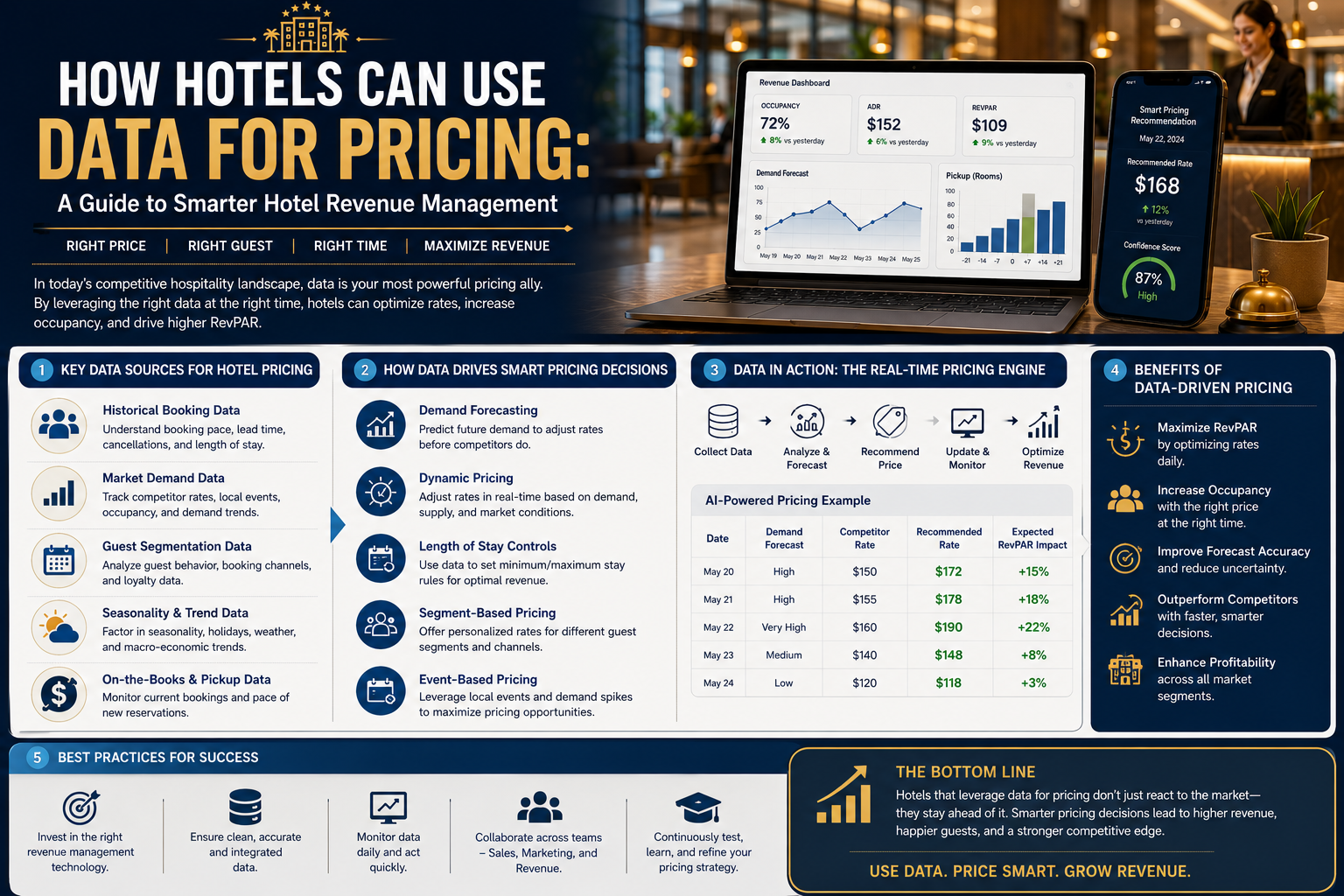
Author: admin

  • Hospitality Industry and Gig Workforce

    Hospitality Industry and Gig Workforce

    The hospitality industry has always relied heavily on people. From front desk executives and housekeeping staff to chefs, event coordinators, and customer service professionals, human interaction remains at the heart of hospitality. However, as business models evolve and workforce expectations change, the industry is increasingly embracing a new employment trend—the gig workforce.

    The gig economy refers to a labor market where individuals work on short-term assignments, freelance contracts, temporary projects, or flexible engagements rather than traditional full-time employment. Driven by digital platforms, changing worker preferences, and the demand for operational flexibility, gig work has become a significant part of many industries, including hospitality.

    For BookSmart, understanding the relationship between hospitality and the gig workforce is essential because it represents a major shift in how hotels manage staffing, control costs, and respond to fluctuating demand.

    Understanding the Gig Workforce

    A gig workforce consists of individuals who work on temporary, project-based, or flexible assignments.

    These workers may include:

    • freelance professionals
    • temporary staff
    • contract workers
    • part-time specialists
    • on-demand service providers

    Unlike traditional employees, gig workers are often engaged for specific tasks, shifts, or projects rather than long-term positions.

    The model offers flexibility for both employers and workers.

    Why the Gig Economy Is Growing

    Several factors have contributed to the growth of gig work.

    These include:

    • digital workforce platforms
    • changing career preferences
    • demand for flexible schedules
    • technological advancements
    • rising interest in independent work

    Many professionals now prioritize flexibility, autonomy, and work-life balance over conventional employment structures.

    At the same time, businesses increasingly seek workforce models that allow them to adapt quickly to changing operational needs.

    The Hospitality Industry’s Need for Flexibility

    Hospitality is one of the most dynamic industries in the world.

    Hotels frequently experience fluctuations due to:

    • seasonal demand
    • special events
    • conferences
    • festivals
    • tourism cycles
    • unexpected market changes

    These fluctuations often create staffing challenges.

    The gig workforce provides hotels with a flexible solution that can help meet varying labor requirements without maintaining excessive permanent staffing levels.

    For BookSmart, workforce flexibility is becoming increasingly important in modern hospitality operations.

    Common Gig Roles in Hospitality

    The hospitality industry utilizes gig workers across a wide range of functions.

    Common roles include:

    • housekeeping staff
    • banquet personnel
    • event coordinators
    • servers and bartenders
    • kitchen assistants
    • customer service representatives
    • tour guides
    • maintenance support staff

    These positions often require temporary staffing based on demand levels.

    Gig workers help hotels manage operational peaks efficiently.

    Managing Seasonal Demand

    Seasonality is a major challenge for many hospitality businesses.

    Hotels in tourist destinations often experience dramatic increases in occupancy during peak travel periods.

    For example, hotels in Goa may require additional staff during holiday seasons, while properties in Manali often experience higher demand during summer and winter tourism periods.

    The gig workforce enables hotels to scale staffing levels up or down as needed.

    This flexibility helps control labor costs while maintaining service standards.

    Cost Efficiency and Workforce Optimization

    Labor is one of the largest operational expenses in hospitality.

    Gig staffing can provide cost advantages by allowing hotels to:

    • hire based on demand
    • reduce overtime costs
    • optimize workforce allocation
    • avoid overstaffing

    Hotels can access talent when needed without committing to long-term employment contracts.

    For BookSmart, efficient workforce management directly contributes to profitability.

    Access to Specialized Skills

    Certain hospitality activities require specialized expertise.

    Examples include:

    • event management
    • photography
    • entertainment services
    • wellness instruction
    • digital marketing

    Gig workers often bring highly specialized skills that may not be required on a full-time basis.

    This allows hotels to access expertise while maintaining operational flexibility.

    Technology Driving Gig Workforce Adoption

    Technology has played a crucial role in the growth of gig employment.

    Hotels increasingly use digital platforms to:

    • recruit temporary workers
    • schedule shifts
    • manage workforce availability
    • process payments
    • track performance

    Technology simplifies workforce management and improves operational efficiency.

    Digital platforms have made gig staffing more accessible than ever.

    Benefits for Workers

    The gig economy also offers advantages for hospitality professionals.

    Benefits may include:

    • flexible schedules
    • multiple income opportunities
    • varied work experiences
    • greater independence
    • skill development

    Many individuals appreciate the ability to choose assignments that fit their personal and professional goals.

    Flexibility has become a major attraction for today’s workforce.

    Enhancing Operational Agility

    Hospitality businesses must often respond quickly to changing conditions.

    Examples include:

    • last-minute event bookings
    • unexpected occupancy increases
    • staff shortages
    • seasonal spikes

    A flexible workforce allows hotels to adapt rapidly while maintaining service quality.

    Operational agility has become a key competitive advantage.

    Challenges of Managing Gig Workers

    While the gig workforce offers many benefits, it also presents challenges.

    Hotels may encounter issues such as:

    • inconsistent service quality
    • training requirements
    • workforce availability
    • communication gaps
    • employee engagement concerns

    Maintaining brand standards can be more complex when working with temporary staff.

    Proper onboarding and supervision remain essential.

    Training and Quality Assurance

    Guest experience is central to hospitality success.

    Hotels must ensure that gig workers understand:

    • service standards
    • operational procedures
    • guest interaction expectations
    • safety requirements

    Structured training programs help maintain consistency and protect brand reputation.

    For BookSmart, service quality should never be compromised in pursuit of workforce flexibility.

    Building a Reliable Talent Pool

    Many successful hotels develop networks of trusted gig workers.

    Maintaining relationships with experienced temporary staff helps:

    • improve consistency
    • reduce recruitment time
    • strengthen operational reliability

    A dependable talent pool can become a valuable strategic asset.

    The Future of Gig Work in Hospitality

    The role of gig workers is expected to expand as workforce preferences continue to evolve.

    Emerging trends include:

    • app-based staffing platforms
    • AI-driven workforce scheduling
    • hybrid employment models
    • specialized freelance hospitality services
    • on-demand workforce ecosystems

    Hotels are increasingly adopting flexible staffing strategies as part of broader workforce planning initiatives.

    Balancing Flexibility and Stability

    While gig work offers flexibility, hotels must balance temporary staffing with a stable core workforce.

    Permanent employees often provide:

    • institutional knowledge
    • leadership
    • brand consistency
    • long-term operational expertise

    The most effective workforce strategies combine the strengths of both models.

    Balance is essential for sustainable success.

    Benefits for Hospitality Businesses

    A well-managed gig workforce can help hotels:

    • improve staffing flexibility
    • control labor costs
    • respond to demand fluctuations
    • access specialized talent
    • enhance operational efficiency

    These benefits contribute directly to business performance and competitiveness.

    Conclusion

    The gig workforce is reshaping the hospitality industry by providing greater flexibility, scalability, and access to talent. As traveler demand becomes more dynamic and workforce expectations continue to change, gig employment offers hotels an effective way to adapt to evolving market conditions.

    For BookSmart, the key takeaway is clear: the future of hospitality staffing lies in combining operational flexibility with exceptional service standards.

    Hotels that successfully integrate gig workers into their workforce strategies will be better equipped to manage demand fluctuations, improve efficiency, and deliver outstanding guest experiences in an increasingly competitive hospitality landscape.

  • The Rise of Co-Living and Hospitality

    The Rise of Co-Living and Hospitality

    The hospitality industry is undergoing a significant transformation as traveler preferences, work habits, and lifestyle choices continue to evolve. Traditional hotel stays and long-term rental arrangements are no longer the only accommodation options available to modern travelers. A growing number of people are seeking flexible, community-oriented, and experience-driven living environments that combine the convenience of hospitality with the comfort of home. This shift has fueled the rapid rise of co-living.

    Co-living is a housing concept where individuals share common living spaces while enjoying private accommodations and access to a range of amenities and services. Originally popular among students and young professionals, co-living has expanded to include remote workers, digital nomads, entrepreneurs, and long-term travelers. As the demand for flexible living solutions increases, hospitality brands are recognizing co-living as a powerful opportunity for growth and innovation.

    For BookSmart, the rise of co-living represents a convergence of hospitality, community, and modern lifestyle expectations.

    Understanding Co-Living

    Co-living is a residential model that combines private living spaces with shared communal areas.

    Typically, residents have access to:

    • private bedrooms or studio units
    • shared kitchens
    • lounges and social spaces
    • co-working areas
    • fitness facilities
    • community events

    Unlike traditional rentals, co-living often includes services such as housekeeping, maintenance, internet access, and utility management.

    The concept emphasizes convenience, flexibility, and social interaction.

    Why Co-Living Is Growing

    Several societal and economic trends are contributing to the growth of co-living.

    These include:

    • remote work adoption
    • increasing urbanization
    • rising housing costs
    • desire for community
    • flexible lifestyles
    • growth of digital nomadism

    Many individuals are prioritizing experiences and flexibility over long-term property ownership.

    Co-living offers an attractive alternative that aligns with these changing preferences.

    The Connection Between Co-Living and Hospitality

    Co-living shares many characteristics with traditional hospitality.

    Both focus on:

    • guest comfort
    • service quality
    • community experiences
    • convenience
    • flexible accommodation

    However, co-living typically serves guests for longer periods than conventional hotels.

    This overlap has encouraged many hospitality providers to explore co-living as an extension of their business models.

    For BookSmart, co-living represents an opportunity to diversify offerings while addressing emerging market needs.

    Appeal to Remote Workers and Digital Nomads

    Remote work has significantly accelerated demand for co-living spaces.

    Professionals who can work from anywhere often seek accommodations that provide:

    • reliable internet access
    • productive work environments
    • networking opportunities
    • flexible leases
    • social engagement

    Co-living spaces naturally support these requirements.

    For example, professionals spending several months in Goa may prefer a co-living environment that combines accommodation, workspace, and community under one roof.

    The ability to work and socialize in the same environment creates strong appeal.

    Community as a Core Value

    One of the defining features of co-living is its emphasis on community.

    Unlike traditional apartments or hotel rooms, co-living spaces actively encourage interaction through:

    • social events
    • networking sessions
    • workshops
    • shared activities
    • community gatherings

    Many residents value the opportunity to connect with like-minded individuals.

    This sense of belonging often becomes a major reason for choosing co-living.

    Flexibility Drives Demand

    Traditional rental agreements often require long commitments and complex paperwork.

    Co-living offers greater flexibility through:

    • short-term stays
    • month-to-month arrangements
    • all-inclusive pricing
    • simplified onboarding

    This flexibility appeals to modern travelers and professionals who value mobility.

    For BookSmart, flexibility has become a key competitive advantage in accommodation services.

    Hospitality-Inspired Services

    Many co-living operators are adopting hospitality-style services to enhance resident experiences.

    Common offerings include:

    • housekeeping
    • concierge services
    • maintenance support
    • wellness programs
    • community management

    These services create convenience while differentiating co-living from traditional housing.

    Hospitality principles help elevate the overall living experience.

    The Role of Technology

    Technology is a major enabler of co-living operations.

    Modern co-living spaces often utilize:

    • mobile applications
    • digital access systems
    • automated billing
    • online community platforms
    • smart room technologies

    These solutions improve efficiency and convenience for residents.

    Technology also supports seamless communication and community engagement.

    Co-Working and Co-Living Integration

    The rise of remote work has led to increased integration between co-working and co-living environments.

    Many properties now offer:

    • dedicated workspaces
    • meeting rooms
    • high-speed internet
    • business support services

    This combination creates a complete lifestyle solution for professionals.

    Residents can live, work, and connect within a single ecosystem.

    Benefits for Hospitality Businesses

    Hospitality providers can benefit from co-living through:

    • longer average stays
    • recurring revenue streams
    • reduced guest turnover
    • stronger community engagement
    • diversified business models

    Longer stays often improve operational efficiency and occupancy stability.

    Co-living also helps reduce dependence on seasonal tourism demand.

    Urban Opportunities

    Co-living is particularly popular in urban centers where housing costs are high.

    Cities such as Bengaluru, Mumbai, and Hyderabad have seen growing interest in flexible living arrangements among young professionals and entrepreneurs.

    Urban co-living addresses both affordability and lifestyle needs.

    Wellness and Lifestyle Focus

    Modern co-living communities increasingly incorporate wellness features such as:

    • fitness centers
    • yoga spaces
    • meditation areas
    • healthy dining options
    • outdoor recreation

    Residents often view wellness as an important component of their living environment.

    Lifestyle-focused amenities contribute to higher satisfaction and retention.

    Sustainability and Shared Living

    Co-living can support sustainability objectives by encouraging:

    • shared resources
    • efficient space utilization
    • reduced energy consumption
    • community-driven environmental initiatives

    Many residents are attracted to environmentally responsible living models.

    Sustainability strengthens the appeal of co-living communities.

    Challenges of Co-Living

    Despite its growth, co-living faces several challenges.

    These include:

    • maintaining community engagement
    • balancing privacy and social interaction
    • operational complexity
    • regulatory considerations
    • ensuring consistent service quality

    Successful operators must carefully manage these factors to create positive resident experiences.

    Future Trends in Co-Living and Hospitality

    The future of co-living is expected to be shaped by:

    • hybrid hospitality models
    • smart living technologies
    • AI-powered personalization
    • wellness-focused communities
    • global remote work trends

    As lifestyle preferences continue to evolve, co-living is likely to become an increasingly important segment within the hospitality ecosystem.

    Why Guests Choose Co-Living

    Modern residents are attracted to co-living because it offers:

    • flexibility
    • convenience
    • affordability
    • community
    • productivity support
    • lifestyle enrichment

    These benefits align closely with the expectations of younger generations and mobile professionals.

    Conclusion

    The rise of co-living reflects broader changes in how people live, work, and travel. As flexibility, community, and convenience become increasingly important, co-living is emerging as a compelling alternative to both traditional housing and conventional hospitality.

    For BookSmart, the key takeaway is clear: co-living is not merely a housing trend—it is a new approach to accommodation that blends hospitality, community, and lifestyle into a single experience.

    Hospitality providers that embrace co-living concepts will be better positioned to serve the evolving needs of modern travelers, remote workers, and long-term residents while creating sustainable growth opportunities in the years ahead.

  • Hospitality for Remote Workers

    The way people work has changed dramatically over the past few years. Remote work, once considered a niche arrangement, has become a mainstream reality for millions of professionals worldwide. Advances in technology, changing workplace cultures, and a growing emphasis on flexibility have enabled employees, freelancers, entrepreneurs, and consultants to work from virtually anywhere.

    This shift has created new opportunities for the hospitality industry. Hotels are no longer serving only tourists and business travelers—they are increasingly catering to a growing segment of remote workers seeking comfortable, productive, and inspiring environments. As a result, hospitality providers must rethink traditional offerings and create experiences that support both work and leisure.

    For BookSmart, the rise of remote work represents an opportunity for hotels to diversify revenue streams, attract longer-stay guests, and position themselves as modern lifestyle destinations.

    The Rise of Remote Work

    Remote work has transformed how professionals approach travel and accommodation.

    Many individuals now have the freedom to choose where they live and work, leading to the growth of:

    • remote employees
    • freelancers
    • consultants
    • entrepreneurs
    • digital nomads
    • hybrid workers

    These professionals often seek destinations that provide a balance between productivity, comfort, and lifestyle experiences.

    Hotels that understand these evolving needs can gain a significant competitive advantage.

    Why Remote Workers Are Important for Hotels

    Remote workers differ from traditional travelers in several ways.

    They often:

    • stay longer
    • travel during non-peak seasons
    • require work-friendly environments
    • spend on additional services
    • prioritize connectivity and convenience

    Longer stays provide hotels with more predictable occupancy and stable revenue.

    For BookSmart, remote workers represent a valuable customer segment that supports both occupancy growth and profitability.

    Reliable Internet Is the Foundation

    For remote workers, internet connectivity is not a luxury—it is a necessity.

    Professionals rely on internet access for:

    • virtual meetings
    • cloud applications
    • collaboration platforms
    • file sharing
    • communication tools

    Hotels must provide:

    • high-speed Wi-Fi
    • property-wide coverage
    • stable connectivity
    • backup internet solutions

    A poor internet experience can quickly lead to negative reviews and lost business.

    Creating Productive Workspaces

    Modern remote workers often need more than a comfortable room.

    Hotels can enhance their appeal by offering:

    • co-working spaces
    • quiet work lounges
    • meeting rooms
    • private work pods
    • business centers

    Dedicated work environments improve productivity and help guests maintain professional routines.

    For BookSmart, work-friendly spaces are becoming a key differentiator in hospitality.

    Optimizing Guest Rooms for Work

    Many remote professionals prefer working from their rooms.

    Hotels should consider incorporating:

    • ergonomic chairs
    • spacious desks
    • multiple charging points
    • strong lighting
    • noise reduction features

    A thoughtfully designed workspace can significantly improve guest satisfaction.

    Rooms that support productivity become more attractive to remote workers.

    Flexible Stay Options

    Remote workers often have different booking patterns than traditional travelers.

    Hotels can attract this segment by offering:

    • weekly rates
    • monthly packages
    • long-stay discounts
    • flexible check-in options
    • flexible cancellation policies

    These offerings encourage longer bookings and increase occupancy stability.

    Flexibility is often a major decision-making factor.

    Supporting Work-Life Balance

    Remote workers frequently seek a balance between productivity and personal well-being.

    Hotels can support this by providing:

    • fitness centers
    • wellness programs
    • outdoor workspaces
    • relaxation zones
    • recreational activities

    Work-life balance has become a priority for many professionals.

    Properties that promote wellness often create stronger guest loyalty.

    Food and Beverage Services for Remote Workers

    Remote professionals often spend extended periods on-site.

    Hotels can cater to their needs through:

    • healthy meal options
    • grab-and-go services
    • café-style workspaces
    • all-day dining
    • room service flexibility

    Convenient dining options enhance comfort and productivity.

    Food and beverage services can also generate additional revenue.

    Community and Networking Opportunities

    One challenge many remote workers face is isolation.

    Hotels can foster community through:

    • networking events
    • social gatherings
    • workshops
    • professional meetups
    • collaborative work sessions

    Creating opportunities for interaction can significantly improve the guest experience.

    For BookSmart, community-building adds value beyond accommodation.

    Leveraging Technology

    Technology plays a critical role in supporting remote workers.

    Hotels can enhance convenience through:

    • mobile check-in
    • digital room keys
    • online concierge services
    • automated communication
    • virtual support systems

    Technology-driven experiences improve efficiency and guest satisfaction.

    Modern travelers increasingly expect digital convenience.

    Promoting Local Experiences

    Remote workers often spend more time exploring destinations than traditional business travelers.

    Hotels can enhance their stay by offering:

    • local tours
    • cultural experiences
    • culinary workshops
    • outdoor activities
    • community events

    For example, remote workers staying in Goa may enjoy beachside experiences, while those in Kochi may appreciate cultural and heritage activities.

    Authentic local experiences create memorable stays.

    Marketing to Remote Workers

    Hotels must communicate their remote work capabilities clearly.

    Marketing efforts should highlight:

    • internet quality
    • workspaces
    • long-stay packages
    • wellness amenities
    • community events

    Content marketing, social media, and search engine optimization can help attract remote professionals actively seeking work-friendly accommodations.

    Clear messaging is essential for reaching this audience.

    Sustainability and Remote Work Hospitality

    Many remote workers are environmentally conscious travelers.

    Hotels can strengthen their appeal through:

    • sustainable operations
    • energy-efficient systems
    • local sourcing
    • waste reduction programs

    Sustainability initiatives often align with the values of modern professionals.

    Responsible hospitality can enhance both reputation and guest loyalty.

    Challenges Hotels May Face

    Adapting to remote worker needs may present challenges such as:

    • infrastructure investment
    • balancing leisure and work-focused guests
    • maintaining productivity-friendly environments
    • updating service offerings

    However, these investments often create long-term competitive advantages.

    The Future of Hospitality for Remote Workers

    The relationship between hospitality and remote work will continue to evolve.

    Emerging trends include:

    • workation packages
    • hybrid accommodation models
    • integrated co-working spaces
    • personalized productivity services
    • smart room technology

    Hotels that embrace these developments will be better positioned for future growth.

    Benefits for Hotels

    By catering to remote workers, hotels can achieve:

    • increased occupancy
    • longer average stays
    • diversified revenue streams
    • stronger guest loyalty
    • improved year-round demand

    Remote workers help create a more stable and sustainable business model.

    Conclusion

    Remote work is reshaping the hospitality landscape and creating new opportunities for hotels worldwide. As professionals increasingly seek flexible environments that support both work and lifestyle needs, hospitality providers must evolve to meet these expectations.

    For BookSmart, the key takeaway is clear: the future of hospitality is not just about providing a place to stay—it is about creating spaces where people can live, work, connect, and thrive.

    Hotels that invest in productivity-focused amenities, flexible accommodations, wellness offerings, and community experiences will be well-positioned to attract remote workers and succeed in the future of travel and hospitality.

  • How Hotels Can Attract Digital Nomads

    How Hotels Can Attract Digital Nomads

    The rise of remote work has transformed the global travel landscape. Millions of professionals are no longer tied to traditional office environments and can work from virtually anywhere with a reliable internet connection. This shift has given rise to a rapidly growing segment known as digital nomads—individuals who combine work and travel while living temporarily in different destinations around the world.

    For the hospitality industry, digital nomads represent a significant opportunity. Unlike traditional tourists who may stay for a few nights, digital nomads often book accommodations for weeks or even months. They seek comfortable environments that support both productivity and lifestyle experiences. Hotels that understand and cater to their unique needs can unlock new revenue streams, increase occupancy during off-peak seasons, and build long-term guest relationships.

    For BookSmart, attracting digital nomads is about creating flexible, work-friendly experiences that meet the expectations of today’s location-independent professionals.

    Understanding the Digital Nomad Market

    Digital nomads are professionals who work remotely while traveling.

    They may include:

    • freelancers
    • entrepreneurs
    • consultants
    • software developers
    • content creators
    • marketers
    • designers
    • remote employees

    Unlike traditional travelers, digital nomads view accommodation as both a living space and a workplace.

    Their decision-making process often prioritizes functionality, connectivity, and community over traditional tourism amenities.

    Why Digital Nomads Matter to Hotels

    The digital nomad market continues to expand as remote work becomes more common.

    Hotels benefit from attracting digital nomads because they often:

    • stay longer than leisure travelers
    • book during off-peak periods
    • spend on additional services
    • return to destinations they enjoy
    • recommend properties within remote work communities

    Longer stays can improve occupancy rates while reducing the operational costs associated with frequent guest turnover.

    For BookSmart, digital nomads represent a valuable and growing customer segment.

    Reliable High-Speed Internet Is Essential

    If there is one non-negotiable requirement for digital nomads, it is dependable internet access.

    Remote professionals rely on internet connectivity for:

    • video conferencing
    • cloud-based work
    • file sharing
    • communication
    • collaboration tools

    Hotels should provide:

    • high-speed Wi-Fi
    • strong coverage throughout the property
    • backup internet solutions
    • dedicated work-friendly connectivity options

    Poor internet performance can quickly discourage digital nomads from booking or returning.

    Create Dedicated Workspaces

    Many digital nomads prefer environments specifically designed for productivity.

    Hotels can attract remote workers by offering:

    • co-working spaces
    • business lounges
    • quiet work areas
    • private meeting rooms
    • ergonomic seating

    A dedicated workspace allows guests to separate work from leisure and improves overall satisfaction.

    For BookSmart, blending hospitality and productivity is becoming increasingly important.

    Offer Flexible Long-Stay Packages

    Traditional nightly rates may not appeal to digital nomads planning extended stays.

    Hotels can introduce:

    • weekly packages
    • monthly rates
    • remote work memberships
    • long-stay discounts

    Flexible pricing encourages longer bookings and improves occupancy stability.

    These packages should include benefits that align with remote work lifestyles.

    Provide Comfortable In-Room Work Setups

    Many remote professionals prefer working from their rooms.

    Hotels can enhance room functionality by providing:

    • comfortable desks
    • ergonomic chairs
    • multiple power outlets
    • excellent lighting
    • high-speed Wi-Fi access

    A productive in-room environment can become a major competitive advantage.

    Build a Community Experience

    One challenge many digital nomads face is social isolation.

    Hotels can create community-focused experiences through:

    • networking events
    • workshops
    • social gatherings
    • local meetups
    • collaborative work sessions

    These activities help guests connect with like-minded professionals.

    Community-building often becomes a strong differentiator.

    Promote Local Experiences

    Digital nomads often seek authentic experiences beyond work.

    Hotels can curate:

    • cultural tours
    • local workshops
    • culinary experiences
    • adventure activities
    • community events

    For example, digital nomads staying in Jaipur may enjoy heritage walks and cultural experiences, while those in Goa may seek beachside activities and wellness retreats.

    Combining work and lifestyle experiences enhances guest satisfaction.

    Focus on Wellness and Work-Life Balance

    Remote professionals increasingly prioritize wellness.

    Hotels can appeal to digital nomads by offering:

    • fitness centers
    • yoga sessions
    • meditation spaces
    • wellness programs
    • healthy dining options

    Supporting work-life balance strengthens the overall guest experience.

    Wellness-focused amenities are becoming highly attractive to remote workers.

    Optimize Mobile and Direct Booking Experiences

    Digital nomads are highly digital-savvy travelers.

    Hotels should ensure:

    • mobile-friendly websites
    • seamless booking systems
    • easy online communication
    • digital check-in options

    A frictionless digital experience improves conversion rates and guest satisfaction.

    For BookSmart, technology-enabled convenience is essential for attracting modern travelers.

    Offer Business-Friendly Amenities

    Remote professionals often need services that support their work activities.

    Hotels can provide:

    • printing services
    • meeting rooms
    • conference facilities
    • mail handling
    • office support

    These amenities add practical value and improve guest productivity.

    Leverage Social Media Marketing

    Digital nomads frequently discover destinations and accommodations through social media.

    Hotels should showcase:

    • workspaces
    • internet capabilities
    • community events
    • local experiences
    • long-stay options

    Platforms such as Instagram, LinkedIn, and YouTube can help reach remote work audiences effectively.

    Authentic content often resonates strongly with digital nomad communities.

    Emphasize Location Advantages

    Digital nomads often evaluate destinations based on:

    • internet infrastructure
    • cost of living
    • safety
    • transportation access
    • lifestyle opportunities

    Hotels should highlight nearby:

    • cafés
    • co-working spaces
    • public transportation
    • recreational attractions
    • local communities

    Location positioning can significantly influence booking decisions.

    Sustainability Appeals to Modern Travelers

    Many digital nomads value responsible travel and sustainability.

    Hotels can strengthen appeal through:

    • eco-friendly operations
    • local sourcing
    • waste reduction programs
    • sustainable tourism initiatives

    Sustainability contributes positively to brand image and guest perception.

    Challenges Hotels May Face

    While attracting digital nomads offers opportunities, hotels may encounter challenges such as:

    • adapting traditional hospitality models
    • balancing business and leisure guest needs
    • investing in infrastructure upgrades
    • maintaining community engagement

    Successful execution requires thoughtful planning and ongoing innovation.

    Future of Digital Nomad Hospitality

    The digital nomad movement is expected to continue growing.

    Emerging trends include:

    • workation packages
    • hybrid hospitality models
    • integrated co-living and co-working spaces
    • AI-driven personalization
    • remote work communities

    Hotels that adapt early will be better positioned to capture this expanding market.

    Conclusion

    Digital nomads are reshaping the hospitality industry by creating demand for accommodations that support both work and travel. Their preferences extend beyond comfortable rooms to include connectivity, flexibility, community, wellness, and authentic local experiences.

    For BookSmart, the key takeaway is clear: attracting digital nomads requires more than offering Wi-Fi—it requires creating an environment where productivity and lifestyle seamlessly coexist.

    Hotels that invest in work-friendly amenities, community-building initiatives, and personalized experiences will strengthen occupancy, increase guest loyalty, and thrive in the evolving future of travel.

  • Growth Strategies

    The hospitality industry is constantly evolving. Changing traveler expectations, technological advancements, increasing competition, and shifting market dynamics require hotels to continuously adapt and innovate. While maintaining day-to-day operations is essential, long-term success depends on a hotel’s ability to grow strategically and sustainably.

    Growth in hospitality is not simply about increasing the number of rooms sold or opening new properties. True growth involves expanding revenue streams, improving guest loyalty, strengthening brand presence, enhancing operational efficiency, and creating exceptional guest experiences. Hotels that focus on strategic growth are better positioned to withstand market fluctuations and capitalize on emerging opportunities.

    For BookSmart, growth strategies are about building a resilient hospitality business that can thrive in both favorable and challenging market conditions.

    Understanding Growth in Hospitality

    Growth refers to the expansion of a hotel’s business performance over time.

    This can be measured through:

    • revenue growth
    • occupancy improvement
    • market share expansion
    • guest retention
    • brand recognition
    • profitability enhancement

    Sustainable growth requires a balance between financial objectives and guest satisfaction.

    Hotels that prioritize both are more likely to achieve long-term success.

    Why Growth Strategies Matter

    The hospitality industry faces numerous challenges, including:

    • intense competition
    • changing consumer behavior
    • economic uncertainty
    • rising operational costs
    • technological disruption

    Without a clear growth strategy, hotels risk stagnation and declining competitiveness.

    Growth strategies help hotels:

    • increase revenue
    • improve profitability
    • attract new guests
    • strengthen market positioning
    • create long-term value

    For BookSmart, strategic growth creates opportunities for innovation and continuous improvement.

    Expanding Direct Bookings

    One of the most effective growth strategies is increasing direct reservations.

    Direct bookings offer several advantages:

    • lower acquisition costs
    • higher profitability
    • stronger guest relationships
    • greater control over customer data

    Hotels can encourage direct bookings through:

    • exclusive website offers
    • loyalty program benefits
    • flexible cancellation policies
    • personalized promotions

    A strong direct booking strategy reduces dependence on third-party platforms and improves revenue performance.

    Leveraging Digital Marketing

    Modern travelers begin their journey online.

    Hotels can accelerate growth through digital marketing initiatives such as:

    • search engine optimization (SEO)
    • content marketing
    • social media engagement
    • email campaigns
    • pay-per-click advertising

    A strong online presence increases visibility and attracts qualified travelers.

    For BookSmart, digital marketing serves as a powerful engine for sustainable growth.

    Enhancing Guest Experience

    Guest satisfaction remains one of the most important drivers of growth.

    Exceptional experiences encourage:

    • repeat visits
    • positive reviews
    • word-of-mouth recommendations
    • brand advocacy

    Hotels can improve guest experiences through:

    • personalized service
    • seamless booking processes
    • responsive support
    • unique amenities

    Satisfied guests often become valuable long-term customers.

    Building Guest Loyalty Programs

    Acquiring new customers is generally more expensive than retaining existing ones.

    Loyalty programs help hotels:

    • increase repeat bookings
    • improve guest retention
    • strengthen brand affinity
    • boost lifetime customer value

    Effective loyalty programs may include:

    • reward points
    • member-exclusive rates
    • room upgrades
    • personalized benefits

    Loyal guests contribute significantly to long-term business growth.

    Revenue Diversification

    Modern hospitality businesses increasingly generate income beyond room sales.

    Hotels can diversify revenue through:

    • restaurants and bars
    • event spaces
    • wellness services
    • co-working facilities
    • local experiences

    For example, a hotel in Goa may offer curated beach experiences, while a property in Jaipur may create cultural tour packages.

    Diversified revenue streams improve business resilience and profitability.

    Strategic Partnerships

    Partnerships can create new growth opportunities.

    Hotels often collaborate with:

    • local businesses
    • tourism boards
    • travel agencies
    • airlines
    • event organizers

    These relationships help expand market reach and attract new customer segments.

    Partnerships can also enhance the guest experience through bundled offerings and exclusive services.

    Adopting Hospitality Technology

    Technology plays a vital role in modern growth strategies.

    Hotels increasingly invest in:

    • Property Management Systems (PMS)
    • Customer Relationship Management (CRM) platforms
    • Revenue Management Systems (RMS)
    • booking automation tools
    • artificial intelligence solutions

    Technology improves efficiency, personalization, and decision-making.

    For BookSmart, digital transformation is a key driver of hospitality growth.

    Targeting Emerging Markets

    Growth often comes from identifying and serving new customer segments.

    Examples include:

    • domestic travelers
    • remote workers
    • wellness tourists
    • digital nomads
    • experiential travelers

    Understanding emerging travel trends allows hotels to position themselves effectively.

    Expanding into underserved markets creates valuable growth opportunities.

    Strengthening Brand Identity

    A strong brand helps hotels stand out in a crowded marketplace.

    Brand-building strategies include:

    • storytelling
    • consistent visual identity
    • community engagement
    • social responsibility initiatives
    • personalized guest interactions

    Guests are more likely to choose hotels that have a clear and authentic brand personality.

    Strong branding supports long-term growth and loyalty.

    Using Data and Analytics

    Data-driven decision-making is increasingly important for growth.

    Hotels can use analytics to understand:

    • guest behavior
    • booking trends
    • marketing effectiveness
    • pricing performance
    • operational efficiency

    Insights derived from data help hotels make smarter strategic decisions.

    Analytics transforms growth from guesswork into measurable action.

    Expanding Through New Properties

    For some hospitality brands, growth may involve physical expansion.

    Options include:

    • opening new hotels
    • franchising
    • management contracts
    • partnerships
    • acquisitions

    Expansion should be guided by thorough market research and demand analysis.

    Strategic growth is more sustainable than rapid, uncontrolled expansion.

    Sustainability as a Growth Strategy

    Modern travelers increasingly value environmentally responsible businesses.

    Hotels can strengthen growth through:

    • energy efficiency initiatives
    • waste reduction programs
    • local sourcing
    • sustainable tourism practices

    Sustainability enhances brand reputation and appeals to conscious consumers.

    It can also reduce operational costs over time.

    Challenges to Hospitality Growth

    Hotels pursuing growth may face obstacles such as:

    • market saturation
    • economic fluctuations
    • labor shortages
    • changing traveler preferences
    • rising operational expenses

    Successful growth strategies require flexibility, innovation, and continuous adaptation.

    Future Trends in Hospitality Growth

    The future of hospitality growth will likely be shaped by:

    • artificial intelligence
    • personalization technologies
    • experience-driven travel
    • smart hospitality solutions
    • sustainable tourism practices

    Hotels that embrace innovation will be better positioned to capitalize on future opportunities.

    Measuring Growth Success

    Growth should be tracked using key performance indicators such as:

    • revenue growth
    • occupancy rate
    • Average Daily Rate (ADR)
    • Revenue Per Available Room (RevPAR)
    • guest retention rate
    • customer lifetime value

    Regular measurement ensures that growth initiatives remain effective and aligned with business goals.

    Conclusion

    Growth is essential for long-term success in the hospitality industry, but sustainable growth requires more than simply increasing bookings. It demands a strategic combination of innovation, guest experience enhancement, revenue diversification, technology adoption, and operational excellence.

    For BookSmart, the key takeaway is clear: successful hospitality growth comes from creating value for guests while continuously improving business performance.

    Hotels that embrace strategic growth initiatives will strengthen profitability, build stronger customer relationships, and establish a competitive advantage in an increasingly dynamic hospitality landscape.

  • Booking Optimization

    In today’s digital-first hospitality industry, attracting potential guests to a hotel website or booking platform is only half the battle. The real challenge lies in converting those visitors into confirmed reservations. This is where booking optimization becomes a critical component of hospitality success.

    Booking optimization refers to the process of improving every aspect of the reservation journey to increase conversions, reduce booking abandonment, and maximize revenue. From website performance and user experience to pricing strategies and booking automation, optimization helps hotels create a seamless path from search to confirmation.

    As travelers increasingly rely on digital channels to research and reserve accommodations, hotels must ensure that their booking processes are simple, fast, trustworthy, and user-friendly. Even minor improvements can significantly impact conversion rates and revenue.

    For BookSmart, booking optimization is not just about generating more reservations—it is about creating a frictionless experience that encourages guests to book with confidence.

    What Is Booking Optimization?

    Booking optimization involves improving the efficiency and effectiveness of the hotel reservation process.

    The objective is to increase the percentage of website visitors who complete a booking while minimizing obstacles that may cause them to leave without making a reservation.

    Optimization can focus on:

    • website performance
    • booking engine usability
    • mobile experience
    • pricing presentation
    • payment processes
    • personalization
    • conversion strategies

    A well-optimized booking journey makes it easier for guests to find information, compare options, and complete reservations.

    Why Booking Optimization Matters

    Modern travelers expect convenience and speed.

    If a booking process is complicated, slow, or confusing, potential guests may leave and book elsewhere.

    Effective booking optimization helps hotels:

    • increase direct bookings
    • improve conversion rates
    • reduce abandonment rates
    • enhance guest satisfaction
    • maximize revenue

    For BookSmart, booking optimization creates a stronger connection between marketing efforts and actual revenue generation.

    Understanding the Modern Guest Journey

    Today’s booking journey often includes multiple touchpoints.

    Guests may:

    1. Discover a hotel through search engines.
    2. Compare options across booking platforms.
    3. Visit the hotel’s website.
    4. Read reviews and ratings.
    5. Evaluate pricing.
    6. Complete a reservation.

    At every stage, hotels risk losing potential guests.

    Booking optimization focuses on removing friction throughout this journey.

    Website Performance and Speed

    Website speed directly affects booking behavior.

    Travelers expect pages to load quickly.

    Slow websites can lead to:

    • higher bounce rates
    • lower engagement
    • abandoned bookings

    Optimizing website performance involves:

    • fast-loading pages
    • responsive design
    • efficient hosting
    • optimized images

    A faster website creates a smoother booking experience and improves conversion rates.

    User-Friendly Booking Engines

    The booking engine is the heart of the reservation process.

    A poorly designed booking system can discourage guests from completing reservations.

    An optimized booking engine should offer:

    • intuitive navigation
    • clear room descriptions
    • transparent pricing
    • simple checkout processes
    • minimal form fields

    Guests should be able to complete reservations quickly and confidently.

    Mobile Booking Optimization

    Mobile devices now account for a significant share of hospitality bookings.

    Hotels must ensure that their booking systems are fully mobile-friendly.

    Mobile optimization includes:

    • responsive layouts
    • touch-friendly interfaces
    • fast page loading
    • simplified forms
    • mobile payment options

    Travelers increasingly expect the same quality experience on smartphones as they receive on desktops.

    For BookSmart, mobile optimization is no longer optional—it is essential.

    Simplifying the Booking Process

    Complex booking flows often lead to abandonment.

    Hotels can improve conversions by:

    • reducing unnecessary steps
    • minimizing information requests
    • providing guest-friendly interfaces
    • offering guest checkout options

    The fewer obstacles guests encounter, the more likely they are to complete bookings.

    Transparent Pricing Builds Trust

    Unexpected charges are one of the most common reasons travelers abandon reservations.

    Hotels should clearly display:

    • room rates
    • taxes
    • service charges
    • cancellation policies

    Pricing transparency increases trust and improves booking confidence.

    Guests appreciate knowing the total cost before reaching the final payment stage.

    Direct Booking Optimization

    Direct bookings often provide higher profitability because hotels avoid third-party commissions.

    Hotels can encourage direct reservations through:

    • exclusive discounts
    • loyalty benefits
    • complimentary upgrades
    • flexible cancellation policies
    • personalized offers

    Promoting the advantages of booking directly can significantly improve conversion rates.

    Personalization and Booking Experience

    Modern travelers increasingly expect personalized experiences.

    Hotels can personalize booking journeys by:

    • recommending relevant room types
    • offering tailored packages
    • displaying location-specific offers
    • recognizing returning guests

    Personalization improves engagement and increases booking likelihood.

    For BookSmart, personalization strengthens both conversion performance and guest satisfaction.

    Using Social Proof Effectively

    Travelers often seek reassurance before making purchasing decisions.

    Hotels can build confidence by showcasing:

    • guest reviews
    • testimonials
    • ratings
    • awards
    • guest-generated content

    Positive social proof reduces uncertainty and encourages bookings.

    Trust plays a major role in conversion optimization.

    Booking Automation and Smart Technology

    Technology has transformed booking optimization.

    Hotels increasingly use:

    • automated booking systems
    • AI-powered recommendation engines
    • chatbots
    • CRM platforms
    • predictive analytics

    These technologies improve efficiency while creating more personalized booking experiences.

    Automation also reduces manual workloads and operational errors.

    Conversion Rate Optimization (CRO)

    Booking optimization often involves continuous testing and improvement.

    Hotels analyze:

    • user behavior
    • click patterns
    • conversion funnels
    • abandonment points

    Through testing and refinement, hotels can identify opportunities to improve booking performance.

    Small changes can often produce significant results.

    Reducing Booking Abandonment

    Booking abandonment occurs when travelers begin the reservation process but fail to complete it.

    Common causes include:

    • complicated forms
    • hidden fees
    • limited payment options
    • technical issues
    • lack of trust

    Hotels can reduce abandonment by addressing these barriers proactively.

    Analytics and Performance Tracking

    Successful booking optimization relies on data.

    Hotels monitor key metrics such as:

    • booking conversion rate
    • website traffic
    • abandonment rate
    • average booking value
    • direct booking share

    Analytics help identify weaknesses and measure optimization success.

    Data-driven improvements produce stronger results over time.

    Common Challenges

    Hotels often encounter challenges such as:

    • intense online competition
    • changing traveler expectations
    • technology integration issues
    • mobile usability concerns
    • pricing transparency demands

    Continuous improvement is necessary to remain competitive.

    Future of Booking Optimization

    The future of booking optimization will become increasingly intelligent and personalized.

    Emerging trends include:

    • AI-driven personalization
    • voice-based booking systems
    • predictive recommendations
    • real-time pricing optimization
    • seamless omnichannel booking experiences

    Hotels that embrace innovation will create smoother and more effective booking journeys.

    Benefits of Effective Booking Optimization

    A successful booking optimization strategy can deliver:

    • higher conversion rates
    • increased direct bookings
    • improved guest satisfaction
    • stronger revenue performance
    • lower acquisition costs
    • enhanced brand trust

    These benefits contribute directly to long-term business growth.

    Conclusion

    Booking optimization has become a fundamental component of modern hospitality success. By improving the reservation journey, hotels can increase conversions, strengthen guest confidence, and maximize revenue opportunities.

    For BookSmart, the key takeaway is clear: attracting visitors is important, but converting them into confirmed guests is where real value is created.

    Hotels that focus on user experience, technology, transparency, and personalization will be better positioned to improve booking performance and thrive in an increasingly competitive digital hospitality landscape.

  • Revenue Analytics in Hospitality

    In today’s hospitality industry, data has become one of the most valuable business assets. Hotels generate enormous amounts of information every day through bookings, guest interactions, pricing systems, marketing campaigns, and operational activities. However, collecting data alone is not enough. The real advantage comes from understanding that data and using it to make smarter business decisions. This is where revenue analytics plays a crucial role.

    Revenue analytics is the process of collecting, analyzing, and interpreting financial and operational data to improve revenue performance and profitability. It helps hotels identify trends, understand guest behavior, optimize pricing strategies, evaluate business performance, and uncover new revenue opportunities.

    For BookSmart, revenue analytics is more than a reporting function—it is a strategic capability that empowers hotels to make informed decisions and maximize financial success.

    What Is Revenue Analytics?

    Revenue analytics involves using data to measure, monitor, and improve a hotel’s revenue-generating activities.

    It combines information from multiple sources, including:

    • room reservations
    • occupancy data
    • pricing systems
    • guest spending patterns
    • marketing campaigns
    • distribution channels

    The goal is to transform raw data into actionable insights that support better business outcomes.

    Revenue analytics enables hotels to understand not only what happened but also why it happened and what actions should be taken next.

    Why Revenue Analytics Matters

    The hospitality industry operates in a highly dynamic environment where demand can change rapidly.

    Factors such as:

    • seasonality
    • economic conditions
    • local events
    • competitor actions
    • traveler preferences

    can significantly influence revenue performance.

    Without proper analytics, hotels may struggle to identify opportunities and respond effectively to market changes.

    Revenue analytics helps hotels:

    • improve profitability
    • optimize pricing
    • increase occupancy
    • enhance forecasting accuracy
    • support strategic planning

    For BookSmart, data-driven decision-making is becoming a key competitive advantage.

    The Evolution of Revenue Management

    Traditionally, hotel revenue management relied heavily on historical performance and manager experience.

    Today, revenue analytics adds a deeper level of intelligence by incorporating:

    • real-time data
    • predictive insights
    • market trends
    • guest behavior analysis

    This evolution allows hotels to make faster and more accurate decisions.

    Analytics transforms revenue management from reactive decision-making into proactive strategy.

    Key Metrics in Revenue Analytics

    Successful revenue analytics begins with tracking the right performance indicators.

    Occupancy Rate

    Measures the percentage of available rooms that are occupied during a specific period.

    Higher occupancy often indicates stronger demand, although it must be evaluated alongside pricing performance.

    Average Daily Rate (ADR)

    Measures the average revenue earned from occupied rooms.

    ADR helps hotels understand pricing effectiveness.

    Revenue Per Available Room (RevPAR)

    RevPAR combines occupancy and pricing performance.

    It is commonly used to evaluate overall revenue efficiency.

    The formula is:

    RevPAR=ADR×Occupancy RateRevPAR = ADR \times Occupancy\ RateRevPAR=ADR×Occupancy Rate

    This metric provides a more comprehensive view of hotel performance than occupancy or pricing alone.

    Gross Operating Profit Per Available Room (GOPPAR)

    GOPPAR measures profitability rather than just revenue generation.

    It considers operational costs and provides insights into overall financial efficiency.

    Total Revenue Per Available Room (TRevPAR)

    TRevPAR includes revenue from all hotel departments, such as:

    • rooms
    • food and beverage
    • spa services
    • events
    • ancillary services

    This metric reflects the full revenue contribution of each available room.

    Understanding Guest Behavior Through Analytics

    Revenue analytics helps hotels better understand their guests.

    Hotels can analyze:

    • booking patterns
    • spending behavior
    • travel preferences
    • stay frequency
    • service usage

    For example, a hotel may discover that leisure travelers visiting Goa tend to spend more on dining experiences, while business travelers in Bengaluru generate higher demand for premium internet and meeting facilities.

    These insights support targeted marketing and personalized service offerings.

    Revenue Analytics and Pricing Optimization

    One of the most valuable applications of revenue analytics is pricing optimization.

    Hotels use data to determine:

    • optimal room rates
    • demand elasticity
    • competitor pricing position
    • promotional effectiveness

    Analytics helps revenue managers identify opportunities to increase rates during periods of strong demand and stimulate bookings when demand weakens.

    This approach supports both occupancy and profitability goals.

    Distribution Channel Analysis

    Hotels receive bookings from multiple channels, including:

    • direct websites
    • Online Travel Agencies (OTAs)
    • travel agents
    • corporate partnerships

    Revenue analytics helps evaluate:

    • channel performance
    • acquisition costs
    • conversion rates
    • profitability by channel

    Understanding channel effectiveness allows hotels to allocate resources more strategically.

    For BookSmart, direct booking performance often provides valuable opportunities for revenue improvement.

    Forecasting Future Revenue

    Revenue analytics supports demand forecasting and financial planning.

    By analyzing historical and real-time data, hotels can predict:

    • future occupancy levels
    • expected room revenue
    • seasonal demand patterns
    • booking pace trends

    Accurate forecasting improves pricing, staffing, marketing, and inventory decisions.

    Forecasting transforms uncertainty into informed planning.

    Marketing Performance Analysis

    Marketing investments should contribute to revenue growth.

    Revenue analytics helps hotels measure:

    • campaign effectiveness
    • return on investment (ROI)
    • customer acquisition costs
    • conversion rates

    By understanding which campaigns generate the highest revenue, hotels can optimize future marketing efforts.

    Data-driven marketing improves efficiency and profitability.

    Ancillary Revenue Analytics

    Room revenue is only one component of hotel profitability.

    Revenue analytics also evaluates performance across:

    • restaurants
    • bars
    • spas
    • events
    • transportation services
    • local experiences

    Understanding ancillary revenue trends helps hotels identify new growth opportunities.

    For BookSmart, maximizing total guest value is as important as maximizing room revenue.

    Technology and Revenue Analytics

    Modern revenue analytics relies heavily on technology.

    Hotels increasingly use:

    • Revenue Management Systems (RMS)
    • Property Management Systems (PMS)
    • Customer Relationship Management (CRM) platforms
    • business intelligence software
    • artificial intelligence tools

    These systems provide real-time insights and automated reporting capabilities.

    Technology enables faster and more accurate decision-making.

    Challenges in Revenue Analytics

    Despite its benefits, revenue analytics presents several challenges:

    • data quality issues
    • fragmented systems
    • information overload
    • lack of analytical expertise
    • changing market conditions

    Successful analytics requires both reliable data and effective interpretation.

    Technology alone is not enough without strategic analysis.

    Future of Revenue Analytics

    The future of hospitality revenue analytics is becoming increasingly intelligent and predictive.

    Emerging trends include:

    • AI-powered analytics
    • predictive revenue modeling
    • real-time performance dashboards
    • automated decision support systems
    • personalized revenue optimization

    Hotels will continue moving toward more proactive and data-driven management approaches.

    Benefits of Revenue Analytics

    Effective revenue analytics helps hotels:

    • improve profitability
    • optimize pricing decisions
    • increase occupancy performance
    • strengthen forecasting accuracy
    • enhance guest segmentation
    • support strategic growth

    It enables hospitality businesses to make smarter decisions based on evidence rather than assumptions.

    Conclusion

    Revenue analytics has become an essential component of modern hospitality management. By transforming data into actionable insights, hotels can improve profitability, optimize operations, and create stronger guest experiences.

    For BookSmart, the key takeaway is clear: data is only valuable when it leads to better decisions.

    Hotels that invest in revenue analytics capabilities will gain deeper market understanding, improve financial performance, and build a stronger competitive position in an increasingly data-driven hospitality landscape.

  • Demand Forecasting in Hospitality: Predicting Demand for Smarter Business Decisions

    In the hospitality industry, success often depends on a hotel’s ability to anticipate future demand accurately. From room pricing and staffing levels to inventory management and marketing campaigns, almost every operational decision is influenced by expected guest demand. This is where demand forecasting becomes one of the most valuable tools for hospitality businesses.

    Demand forecasting is the process of predicting future booking patterns and occupancy levels using historical data, market trends, seasonal factors, and consumer behavior insights. Accurate forecasts enable hotels to make informed decisions, optimize resources, maximize revenue, and enhance guest satisfaction.

    For BookSmart, demand forecasting is not just a planning tool—it is a strategic capability that helps hotels stay competitive in an increasingly dynamic marketplace.

    What Is Demand Forecasting?

    Demand forecasting refers to estimating future customer demand for hotel rooms, services, and experiences.

    Hotels use forecasting to predict:

    • occupancy rates
    • booking volumes
    • room demand
    • seasonal fluctuations
    • guest spending patterns
    • event-driven demand

    The objective is to prepare for future demand before it occurs.

    When forecasts are accurate, hotels can allocate resources efficiently and capitalize on revenue opportunities.

    Why Demand Forecasting Matters

    Hospitality demand is highly variable.

    It can change due to:

    • holidays and festivals
    • local events
    • weather conditions
    • economic factors
    • travel trends
    • competitor activity

    Without forecasting, hotels risk:

    • overstaffing or understaffing
    • pricing mistakes
    • inventory shortages
    • missed revenue opportunities

    For BookSmart, demand forecasting reduces uncertainty and improves decision-making across the organization.

    The Relationship Between Demand and Revenue

    Forecasting directly influences revenue performance.

    When hotels understand future demand, they can:

    • adjust room rates
    • optimize inventory allocation
    • launch targeted promotions
    • prepare staffing schedules
    • manage operational costs

    For example, if a hotel expects high demand during a festival season in Kolkata, it can increase rates, secure additional staffing, and optimize room inventory well in advance.

    Demand forecasting transforms reactive management into proactive planning.

    Key Data Sources for Forecasting

    Accurate forecasting relies on quality data.

    Hotels typically analyze:

    Historical Booking Data

    Past occupancy trends often provide valuable insights into future demand patterns.

    Hotels review:

    • previous booking volumes
    • seasonal performance
    • booking lead times
    • cancellation rates

    Historical data serves as the foundation for most forecasting models.

    Market Trends

    Industry trends help hotels understand broader demand shifts.

    Examples include:

    • domestic travel growth
    • international tourism patterns
    • business travel activity
    • emerging traveler preferences

    Market intelligence improves forecast accuracy.

    Local Events and Festivals

    Events often create significant demand spikes.

    Hotels monitor:

    • conferences
    • exhibitions
    • concerts
    • sporting events
    • cultural festivals

    For example, hotels in Jaipur may experience increased demand during major tourism and cultural events.

    Event forecasting helps hotels prepare for occupancy surges.

    Economic Indicators

    Economic conditions influence travel behavior.

    Hotels often track:

    • consumer spending trends
    • inflation rates
    • business activity
    • tourism growth

    Economic data provides additional forecasting context.

    Types of Demand Forecasting

    Hotels use various forecasting approaches depending on their needs.

    Short-Term Forecasting

    Focuses on upcoming days or weeks.

    Used for:

    • staffing schedules
    • room pricing
    • inventory management

    Medium-Term Forecasting

    Typically covers several months.

    Used for:

    • marketing campaigns
    • budget planning
    • promotional strategies

    Long-Term Forecasting

    Looks at annual or multi-year trends.

    Used for:

    • investment planning
    • expansion decisions
    • strategic business development

    Each forecasting horizon supports different operational objectives.

    Forecasting Methods in Hospitality

    Historical Trend Analysis

    One of the most common forecasting techniques.

    Hotels examine past patterns and use them to estimate future demand.

    This method works particularly well when demand patterns remain relatively stable.

    Booking Pace Analysis

    Booking pace measures how quickly reservations accumulate compared to previous periods.

    Revenue managers analyze:

    • current booking speed
    • reservation lead times
    • pickup trends

    This approach helps identify changes in market demand early.

    Market Comparison Analysis

    Hotels often compare their performance with market benchmarks.

    They evaluate:

    • competitor occupancy
    • pricing trends
    • destination demand

    Market comparisons improve forecasting reliability.

    Predictive Analytics

    Modern forecasting increasingly uses advanced analytics and machine learning.

    These systems process large volumes of data to identify hidden patterns and predict future demand more accurately.

    For BookSmart, predictive analytics represents the future of hospitality forecasting.

    Demand Forecasting and Pricing Strategy

    Forecasting directly supports pricing decisions.

    If demand is expected to rise, hotels may:

    • increase room rates
    • restrict discounts
    • prioritize premium inventory

    If demand is expected to decline, hotels may:

    • launch promotions
    • introduce packages
    • target specific customer segments

    Accurate forecasting improves pricing effectiveness and revenue performance.

    Staffing and Resource Planning

    Demand forecasting helps hotels allocate resources efficiently.

    Forecasts guide decisions related to:

    • housekeeping staffing
    • front desk scheduling
    • food and beverage operations
    • maintenance planning

    Proper resource allocation improves operational efficiency while controlling costs.

    Inventory and Supply Chain Management

    Hotels rely on forecasting to manage inventory levels.

    Examples include:

    • food supplies
    • guest amenities
    • cleaning products
    • event materials

    Accurate forecasts reduce waste while ensuring availability.

    Supply chain planning becomes more effective when future demand is predictable.

    Technology and Demand Forecasting

    Technology has transformed hospitality forecasting.

    Hotels increasingly use:

    • Property Management Systems (PMS)
    • Revenue Management Systems (RMS)
    • artificial intelligence
    • machine learning algorithms
    • business intelligence platforms

    These technologies provide real-time insights and improve forecasting precision.

    For BookSmart, technology-driven forecasting creates significant competitive advantages.

    Challenges in Demand Forecasting

    Despite advancements, forecasting remains challenging.

    Hotels may face:

    • unexpected economic changes
    • weather disruptions
    • travel restrictions
    • changing consumer behavior
    • global events

    Forecasts should always be viewed as informed estimates rather than guarantees.

    Flexibility remains essential.

    Future of Demand Forecasting

    The future of hospitality forecasting will become increasingly data-driven and intelligent.

    Emerging trends include:

    • AI-powered forecasting models
    • real-time demand monitoring
    • predictive guest behavior analysis
    • automated revenue optimization
    • integrated market intelligence systems

    Hotels will continue leveraging technology to improve forecasting accuracy and responsiveness.

    Benefits of Effective Demand Forecasting

    Strong forecasting capabilities help hotels:

    • improve revenue performance
    • optimize pricing strategies
    • enhance operational efficiency
    • reduce unnecessary costs
    • improve guest satisfaction
    • strengthen strategic planning

    Demand forecasting creates value across every area of hotel operations.

    Conclusion

    Demand forecasting is one of the most important strategic functions in modern hospitality management. By predicting future demand patterns, hotels can make smarter decisions regarding pricing, staffing, marketing, inventory, and overall operations.

    For BookSmart, the key takeaway is clear: successful hospitality businesses do not simply react to demand—they anticipate it.

    Hotels that invest in accurate forecasting, advanced analytics, and data-driven decision-making will improve profitability, strengthen competitiveness, and deliver better guest experiences in an increasingly dynamic travel environment.

  • Profit Maximization in Hospitality: Balancing Revenue, Efficiency, and Guest Experience

    In the hospitality industry, success is often measured by occupancy rates, guest satisfaction scores, and revenue growth. However, while these metrics are important, the ultimate goal of any hospitality business is profit maximization. A hotel can have high occupancy and impressive revenue figures, but without effective cost management and operational efficiency, profitability may still suffer.

    Profit maximization is the process of increasing a hotel’s net earnings by optimizing revenue streams, controlling expenses, improving operational performance, and enhancing guest value. It is not simply about charging higher room rates or cutting costs. Instead, it involves creating a sustainable balance between financial performance and exceptional guest experiences.

    For BookSmart, profit maximization is about making smarter business decisions that support long-term growth while maintaining service quality and brand reputation.

    Understanding Profit Maximization

    Profit maximization refers to increasing the difference between total revenue and total costs.

    In hospitality, profits are influenced by several factors, including:

    • room revenue
    • food and beverage sales
    • event and conference income
    • spa and wellness services
    • operational expenses
    • staffing costs
    • marketing investments

    A profitable hotel focuses not only on generating income but also on managing resources efficiently.

    Why Profit Maximization Matters

    The hospitality industry faces constant challenges such as:

    • fluctuating demand
    • seasonal occupancy changes
    • rising operational costs
    • increasing competition
    • evolving guest expectations

    Profit maximization helps hotels:

    • improve financial stability
    • support future investments
    • maintain competitive advantages
    • withstand economic downturns
    • enhance long-term sustainability

    For BookSmart, profitability provides the foundation for innovation, growth, and service excellence.

    Revenue Growth as a Profit Driver

    Increasing revenue is one of the most direct paths to higher profits.

    Hotels can grow revenue through:

    • higher occupancy rates
    • optimized room pricing
    • upselling opportunities
    • cross-selling services
    • direct booking growth
    • premium guest experiences

    However, revenue growth alone does not guarantee profitability.

    Hotels must also manage costs effectively.

    Revenue Management and Dynamic Pricing

    Revenue management plays a critical role in profit maximization.

    Hotels use dynamic pricing strategies to adjust room rates based on:

    • market demand
    • occupancy levels
    • competitor pricing
    • seasonal trends
    • booking patterns

    For example, hotels in Goa often increase room rates during holiday seasons when demand rises significantly.

    Optimized pricing ensures hotels capture maximum revenue opportunities.

    Maximizing Occupancy Strategically

    Higher occupancy often contributes to stronger profitability, but only when room rates remain profitable.

    Hotels should focus on attracting the right guests rather than simply filling rooms through excessive discounting.

    Strategies include:

    • targeted marketing campaigns
    • corporate partnerships
    • loyalty programs
    • seasonal packages
    • direct booking incentives

    The goal is to maximize both occupancy and average room revenue.

    Increasing Ancillary Revenue

    Modern hotels generate significant income beyond room sales.

    Additional revenue streams include:

    • restaurants and bars
    • spa services
    • event venues
    • transportation services
    • recreational activities
    • local experiences

    For example, a guest staying at a resort in Jaipur may purchase dining packages, cultural tours, or wellness services.

    Ancillary revenue improves overall profitability without relying solely on room inventory.

    Cost Control and Expense Management

    Profit maximization requires careful control of operational expenses.

    Major hotel costs typically include:

    • labor expenses
    • utilities
    • maintenance
    • procurement
    • marketing
    • technology systems

    Hotels can improve profitability by identifying inefficiencies and reducing unnecessary expenditures.

    Cost optimization should never compromise guest satisfaction.

    Labor Productivity and Workforce Optimization

    Labor is often one of the largest hospitality expenses.

    Hotels can improve productivity through:

    • workforce scheduling
    • cross-training employees
    • automation technologies
    • performance management

    Efficient staffing ensures high service standards while controlling labor costs.

    For BookSmart, workforce optimization supports both profitability and guest experience.

    Supply Chain Efficiency

    Procurement and inventory management significantly affect profitability.

    Hotels can reduce costs by:

    • negotiating supplier contracts
    • improving inventory forecasting
    • reducing waste
    • sourcing locally when appropriate

    Efficient supply chain management helps maintain service quality while controlling expenses.

    Technology as a Profit Enabler

    Technology has become an important tool for profit maximization.

    Hotels increasingly use:

    • Property Management Systems (PMS)
    • Revenue Management Systems (RMS)
    • Customer Relationship Management (CRM) platforms
    • AI-driven analytics
    • automation tools

    These technologies improve decision-making, reduce operational costs, and increase efficiency.

    For BookSmart, technology enables smarter and more profitable operations.

    Guest Retention and Lifetime Value

    Retaining guests is often more profitable than acquiring new ones.

    Hotels can increase guest lifetime value through:

    • loyalty programs
    • personalized experiences
    • post-stay engagement
    • exclusive offers
    • exceptional service

    Repeat guests generally require lower marketing costs and often spend more over time.

    Strong guest relationships contribute directly to profitability.

    Sustainability and Long-Term Profitability

    Sustainable business practices increasingly support profit maximization.

    Examples include:

    • energy-efficient systems
    • waste reduction initiatives
    • water conservation programs
    • responsible sourcing

    Sustainability can reduce operating costs while strengthening brand reputation.

    Many travelers now actively seek environmentally responsible hospitality brands.

    Data-Driven Decision Making

    Hotels generate large volumes of operational and guest data.

    Analyzing this information helps improve:

    • pricing decisions
    • marketing effectiveness
    • staffing levels
    • inventory management
    • guest engagement

    Data-driven strategies reduce uncertainty and improve profitability.

    Measuring Profitability

    Hotels commonly track metrics such as:

    • Gross Operating Profit (GOP)
    • Gross Operating Profit Per Available Room (GOPPAR)
    • Net Profit Margin
    • Revenue Per Available Room (RevPAR)
    • Average Daily Rate (ADR)

    These indicators help managers evaluate financial performance and identify improvement opportunities.

    Common Challenges

    Hotels may face obstacles such as:

    • economic uncertainty
    • labor shortages
    • rising costs
    • changing guest preferences
    • intense competition

    Successful profit maximization requires adaptability and continuous improvement.

    Future of Profit Maximization

    The future of hospitality profitability will increasingly depend on:

    • AI-powered analytics
    • predictive forecasting
    • automated operations
    • personalized guest experiences
    • integrated business intelligence systems

    Hotels that leverage advanced technologies will be better positioned to improve profitability while maintaining service excellence.

    Conclusion

    Profit maximization is not simply about generating more revenue or reducing expenses. It is about creating a balanced strategy that optimizes pricing, occupancy, operations, technology, and guest relationships.

    For BookSmart, the key takeaway is clear: sustainable profitability comes from delivering exceptional value while operating efficiently.

    Hotels that embrace data-driven decision-making, revenue optimization, cost control, and guest-centric strategies will achieve stronger financial performance and long-term success in the evolving hospitality industry.

  • Cross-Selling in Hospitality: Enhancing Guest Value and Hotel Revenue

    The hospitality industry has evolved far beyond simply selling rooms. Modern hotels offer a wide range of products and services, including dining experiences, spa treatments, transportation, event spaces, local tours, wellness programs, and recreational activities. While attracting guests remains important, maximizing the value of each guest relationship has become equally critical. This is where cross-selling plays a significant role.

    Cross-selling is the practice of recommending complementary products or services that enhance a guest’s primary purchase. Unlike upselling, which encourages guests to upgrade to a higher-value version of what they are already buying, cross-selling focuses on additional offerings that improve the overall experience.

    For BookSmart, cross-selling is not just a revenue strategy—it is a way to create more personalized, convenient, and memorable guest journeys.

    What Is Cross-Selling?

    Cross-selling involves offering related products or services alongside a guest’s original booking.

    For example, when a guest reserves a room, the hotel may recommend:

    • airport transfers
    • breakfast packages
    • spa treatments
    • guided tours
    • restaurant reservations
    • late checkout options

    These additional services complement the stay and often increase guest satisfaction.

    The objective is to create a more complete travel experience while generating additional revenue.

    Cross-Selling vs. Upselling

    Although the terms are often used together, they serve different purposes.

    Upselling

    Encourages guests to purchase a premium version of their original choice.

    Example:

    • Upgrading from a standard room to a luxury suite.

    Cross-Selling

    Encourages guests to purchase complementary services.

    Example:

    • Adding a spa package to a room reservation.

    Both strategies are valuable, but cross-selling focuses on broadening the guest experience rather than upgrading a specific purchase.

    Why Cross-Selling Matters

    Cross-selling provides benefits for both hotels and guests.

    Hotels gain:

    • increased revenue
    • higher guest spending
    • better utilization of services
    • improved profitability

    Guests receive:

    • greater convenience
    • personalized recommendations
    • enhanced experiences
    • better travel planning support

    For BookSmart, successful cross-selling creates a win-win situation where both business and guest value increase.

    The Economics of Cross-Selling

    Acquiring new customers often requires substantial marketing investment.

    Cross-selling leverages existing guest relationships, making it one of the most cost-effective revenue strategies available.

    For example, promoting a spa treatment to an existing guest typically costs far less than acquiring a completely new spa customer.

    Because the guest already trusts the hotel, conversion rates are often higher than traditional marketing campaigns.

    This makes cross-selling a highly efficient revenue-generation tool.

    Understanding Guest Preferences

    Effective cross-selling begins with understanding guest needs.

    Hotels can analyze:

    • booking history
    • travel purpose
    • demographic information
    • spending behavior
    • previous service usage

    For example:

    • business travelers may value airport transportation
    • families may prefer activity packages
    • couples may appreciate romantic dining experiences
    • wellness-focused travelers may seek spa services

    Relevant recommendations significantly improve cross-selling success.

    Cross-Selling During the Booking Process

    The booking stage presents one of the best opportunities for cross-selling.

    Hotels can recommend:

    • breakfast packages
    • airport pickup services
    • travel insurance
    • parking options
    • premium internet access

    These offers are most effective when they are presented as convenient additions rather than sales promotions.

    For BookSmart, booking-stage cross-selling helps increase average reservation value.

    Food and Beverage Cross-Selling

    Restaurants and dining services offer substantial cross-selling opportunities.

    Hotels can promote:

    • breakfast plans
    • dinner reservations
    • specialty dining experiences
    • room service packages
    • culinary events

    Food and beverage services often contribute significantly to total guest spending.

    Cross-selling helps increase participation in these offerings.

    Spa and Wellness Services

    The growing demand for wellness travel has expanded cross-selling opportunities.

    Hotels can recommend:

    • massage treatments
    • wellness packages
    • yoga sessions
    • fitness programs
    • relaxation therapies

    Guests seeking relaxation often appreciate personalized wellness suggestions.

    Wellness-related cross-selling can enhance satisfaction while generating additional revenue.

    Experience-Based Cross-Selling

    Today’s travelers increasingly seek unique experiences.

    Hotels can cross-sell:

    • cultural tours
    • local excursions
    • adventure activities
    • transportation services
    • destination experiences

    For example, guests visiting Udaipur may be interested in heritage walks, lake tours, or cultural performances.

    Experience-based recommendations create memorable stays while supporting local tourism ecosystems.

    Event and Meeting Services

    Business travelers and group guests often require additional services.

    Hotels can cross-sell:

    • meeting rooms
    • conference facilities
    • catering services
    • audiovisual equipment
    • event management support

    These services can substantially increase total revenue from corporate guests.

    Technology and Automated Cross-Selling

    Technology has made cross-selling more personalized and efficient.

    Hotels increasingly use:

    • Customer Relationship Management (CRM) systems
    • artificial intelligence
    • booking engines
    • mobile applications
    • automated email campaigns

    These tools analyze guest data and recommend services based on preferences and behavior.

    For BookSmart, technology enables scalable and intelligent cross-selling strategies.

    Personalization Drives Success

    Guests respond more positively to relevant recommendations.

    Examples include:

    • family activity packages for families
    • executive transportation for business travelers
    • wellness treatments for spa enthusiasts
    • local tours for leisure travelers

    Personalization transforms cross-selling from a sales tactic into a valuable guest service.

    Staff’s Role in Cross-Selling

    Hotel employees remain essential to successful cross-selling.

    Frontline staff can:

    • identify guest needs
    • suggest appropriate services
    • explain benefits clearly
    • create personalized recommendations

    Effective training helps staff provide recommendations naturally and professionally.

    Guests are more likely to accept suggestions when they feel helpful rather than promotional.

    Measuring Cross-Selling Success

    Hotels evaluate cross-selling performance using metrics such as:

    • ancillary revenue growth
    • average guest spend
    • service utilization rates
    • conversion rates
    • guest satisfaction scores

    Tracking performance helps optimize future strategies.

    Common Challenges

    Cross-selling can face obstacles such as:

    • irrelevant recommendations
    • poor timing
    • excessive promotion
    • limited guest data
    • lack of staff training

    Successful cross-selling requires balance.

    The focus should always remain on enhancing guest value rather than maximizing sales alone.

    Future of Cross-Selling in Hospitality

    Cross-selling is becoming increasingly sophisticated.

    Emerging trends include:

    • AI-powered recommendation engines
    • predictive guest behavior analysis
    • real-time personalized offers
    • mobile-first guest engagement
    • integrated hospitality ecosystems

    Future cross-selling strategies will become more contextual, automated, and guest-centric.

    Conclusion

    Cross-selling has become an essential component of modern hospitality strategy. By recommending relevant services and experiences, hotels can increase revenue while delivering more convenient and personalized guest journeys.

    For BookSmart, the key takeaway is clear: effective cross-selling is not about selling more products—it is about helping guests discover services that genuinely enhance their stay.

    Hotels that adopt thoughtful, personalized cross-selling strategies will strengthen profitability, improve guest satisfaction, and create more memorable hospitality experiences in an increasingly competitive market.