Author: admin

  • Hotel Staff Training: Importance and Strategies

    Hotel Staff Training: Importance and Strategies

    In the hospitality industry, every guest interaction matters. Whether it’s a warm greeting at the reception desk, quick room service, or seamless check-out, the quality of service defines a guest’s overall experience. This is why hotel staff training is not merely an operational requirement—it is a foundational pillar of a hotel’s reputation and success. At BookSmart, we understand that well-trained staff drive customer loyalty, operational efficiency, and long-term business growth.

    Here’s a deep look into the importance of staff training in hotels and the most effective strategies to implement it.

    Why Hotel Staff Training Matters

    1. Enhances Guest Experience

    Guest satisfaction is the heartbeat of any hotel. A trained staff member knows how to communicate effectively, anticipate guest needs, and resolve issues promptly. This leads to:

    • Better first impressions
    • Personalized service
    • Faster response times
    • More comfortable guest experiences

    When guests feel valued and cared for, they are more likely to return—and recommend the hotel to others.

    2. Builds a Positive Hotel Reputation

    In today’s digital age, one negative review can influence hundreds of potential guests. Training equips staff to handle situations professionally, preventing miscommunication or service failures. Hotels that consistently deliver excellence build strong brand credibility, both online and offline.

    3. Improves Operational Efficiency

    A well-trained team understands workflows, follows standard procedures, and works in harmony. This reduces:

    • Mistakes
    • Delays
    • Mismanagement
    • Internal conflict

    Efficient operations translate into smoother check-ins, faster housekeeping response, and well-managed dining services.

    4. Reduces Employee Turnover

    The hospitality industry has one of the highest employee turnover rates globally. Staff often feel overwhelmed or unsupported when proper training is lacking. Training helps employees feel:

    • Confident in their roles
    • Recognized and valued
    • Clear about expectations
    • Motivated to stay longer

    This leads to lower hiring costs and a more stable workforce.

    5. Ensures Compliance and Safety

    Hotels must follow strict regulations related to food safety, hygiene, fire safety, and data protection. Staff training ensures that every team member understands and complies with these guidelines, protecting the hotel from legal issues and ensuring guest safety.

    6. Boosts Revenue and Upselling Success

    Well-trained staff can identify and seize opportunities to upsell services like:

    • Room upgrades
    • Dining packages
    • Spa treatments
    • Local tours

    This not only increases guest satisfaction through personalized recommendations but also boosts the hotel’s revenue.

    Effective Strategies for Training Hotel Staff

    1. Start With a Structured Onboarding Program

    New employees should receive clear guidance from day one. A structured onboarding program includes:

    • Orientation about hotel culture and values
    • Overview of guest service standards
    • Detailed explanation of roles and responsibilities
    • Introduction to key departments

    This foundation helps employees feel welcomed and prepared.

    2. Provide Role-Specific Training

    Each department—from housekeeping to front office to food & beverage—requires specialized skills. Tailored training ensures employees excel in their individual roles.

    Examples include:

    • Housekeeping: Room cleaning techniques, hygiene standards, handling guest belongings
    • Reception: Reservation systems, communication skills, conflict resolution
    • Kitchen & F&B: Food safety, menu knowledge, serving etiquette
    • Security: Emergency protocols, guest safety procedures

    BookSmart helps hotels design department-wise training modules that align with their operational goals.

    3. Use Real-Life Scenarios and Simulations

    The hospitality industry thrives on real-time problem solving. Scenario-based training helps staff learn how to handle:

    • Guest complaints
    • Overbooked rooms
    • Special requests
    • Miscommunication
    • Emergency situations

    Practicing these scenarios builds confidence and improves decision-making skills.

    4. Implement Continuous Learning Programs

    Training should not end after onboarding. Continuous learning ensures staff stay updated with:

    • New technologies
    • Changing guest expectations
    • Updated safety protocols
    • Industry best practices

    This can be done through monthly workshops, online modules, and microlearning sessions.

    5. Encourage Cross-Department Training

    Cross-training allows employees to understand the functions of other departments. This helps:

    • Improve teamwork
    • Reduce dependency on specific individuals
    • Increase staff flexibility during peak seasons
    • Enhance overall problem-solving

    For example, front desk staff can learn basic housekeeping support, while restaurant staff can understand reservation procedures.

    6. Integrate Technology Into Training

    Digital training solutions make learning more engaging and efficient. Tools like:

    • E-learning platforms
    • Interactive videos
    • Mobile training apps
    • Virtual reality simulations

    …allow staff to learn anytime, anywhere. BookSmart specializes in creating digital learning programs that hotels can use across multiple locations.

    7. Focus on Soft Skills Development

    Technical skills help staff perform tasks, but soft skills determine how they interact with guests. Essential soft skills for hotel employees include:

    • Communication
    • Empathy
    • Patience
    • Cultural sensitivity
    • Problem-solving
    • Professional appearance

    These skills contribute directly to guest satisfaction and brand reputation.

    8. Offer Leadership and Growth Training

    Employees are more motivated when they see a clear career path. Leadership training prepares top performers for supervisory or managerial roles, creating a strong internal talent pipeline.

    Topics may include:

    • Team management
    • Decision-making
    • Performance evaluation
    • Guest loyalty strategies

    Investing in leadership development boosts employee morale and reduces the need for external hiring.

    9. Provide Regular Feedback and Performance Reviews

    Consistent feedback helps employees understand their strengths and identify areas for improvement. Reviews should be constructive, fair, and linked to training opportunities.

    At BookSmart, we emphasize a feedback culture where employees feel supported, not judged.

    10. Recognize and Reward Excellence

    Recognition programs encourage staff to maintain high standards. Rewards may include:

    • Certificates
    • Incentives
    • Monthly awards
    • Public appreciation

    Celebrating achievements builds a culture of excellence and inspires continuous improvement.

    Conclusion: Training Is the Backbone of Hospitality Excellence

    In the hotel industry, exceptional service is not a coincidence—it’s the result of committed training and continuous development. Well-trained staff create memorable guest experiences, drive operational efficiency, and enhance the hotel’s brand value.

    At BookSmart, we help hotels design and implement effective staff training programs that empower employees and elevate guest satisfaction. By investing in people, hotels not only improve service quality but also build a strong foundation for long-term success.

  • The Impact of AI on Guest Services

    The Impact of AI on Guest Services

    Artificial Intelligence (AI) is rapidly reshaping industries worldwide, and the hospitality sector is no exception. Today’s travelers expect fast service, personalized experiences, and seamless interactions—demands that traditional hotel operations often struggle to meet consistently. AI bridges this gap by helping hotels deliver smarter, faster, and more intuitive guest services.

    At BookSmart, we believe that AI is not just a technological upgrade; it’s a powerful tool that redefines how hotels connect with their guests. From automated check-ins to personalized recommendations, AI is revolutionizing the guest journey and enabling hotels to deliver exceptional service with greater efficiency.

    How AI Is Transforming Guest Services in Modern Hotels

    1. Smarter and Faster Customer Support

    One of the most noticeable impacts of AI is the use of AI-powered chatbots and virtual assistants. These tools handle guest queries instantly—24/7.

    Whether it’s booking a room, asking about amenities, or requesting directions, AI chatbots can provide:

    • Instant responses
    • Multilingual support
    • Accurate information
    • Consistent communication

    This not only improves guest satisfaction but also reduces the workload on hotel staff, allowing them to focus on more complex and personalized tasks.

    2. Personalized Guest Experiences

    Personalization is at the heart of modern hospitality, and AI plays a crucial role in delivering it. By analyzing guest behaviors, preferences, and past interactions, AI systems can tailor services and recommendations.

    Hotels can offer:

    • Personalized room preferences
    • Curated dining suggestions
    • Activity recommendations
    • Individualized promotions

    For example, if a guest frequently books spa treatments, the system can send a customized wellness package during their next stay. This level of personalization creates a feeling of care and connection that strengthens guest loyalty.

    3. Seamless Self-Service Options

    Today’s travelers value convenience above all. AI enables self-service solutions that streamline the guest journey:

    • Mobile check-in and check-out
    • Digital room keys
    • Automated payment options
    • Voice-controlled room features

    These systems reduce waiting time, eliminate unnecessary physical contact, and provide guests with the flexibility they love. Self-service doesn’t replace human connection—it enhances it by empowering guests with more control over their stay.

    4. Enhanced Room Experiences With Smart Technology

    AI-powered smart rooms are becoming increasingly popular. Guests can adjust room features using voice commands or apps, including:

    • Lighting
    • Temperature
    • Curtains
    • Entertainment systems

    Such intuitive technology makes stays more comfortable and memorable. A smart room adapts to the guest’s preferences and needs, offering the perfect blend of comfort and innovation.

    5. Predictive Maintenance for a Hassle-Free Stay

    No guest wants to deal with faulty air conditioning, broken lights, or malfunctioning appliances during their stay. AI allows hotels to identify these issues before they impact guests.

    Using predictive analytics, AI can:

    • Monitor equipment performance
    • Detect potential failures
    • Trigger maintenance alerts
    • Improve operational efficiency

    This proactive approach ensures that guests enjoy a smooth, interruption-free experience.

    6. Streamlined Housekeeping Operations

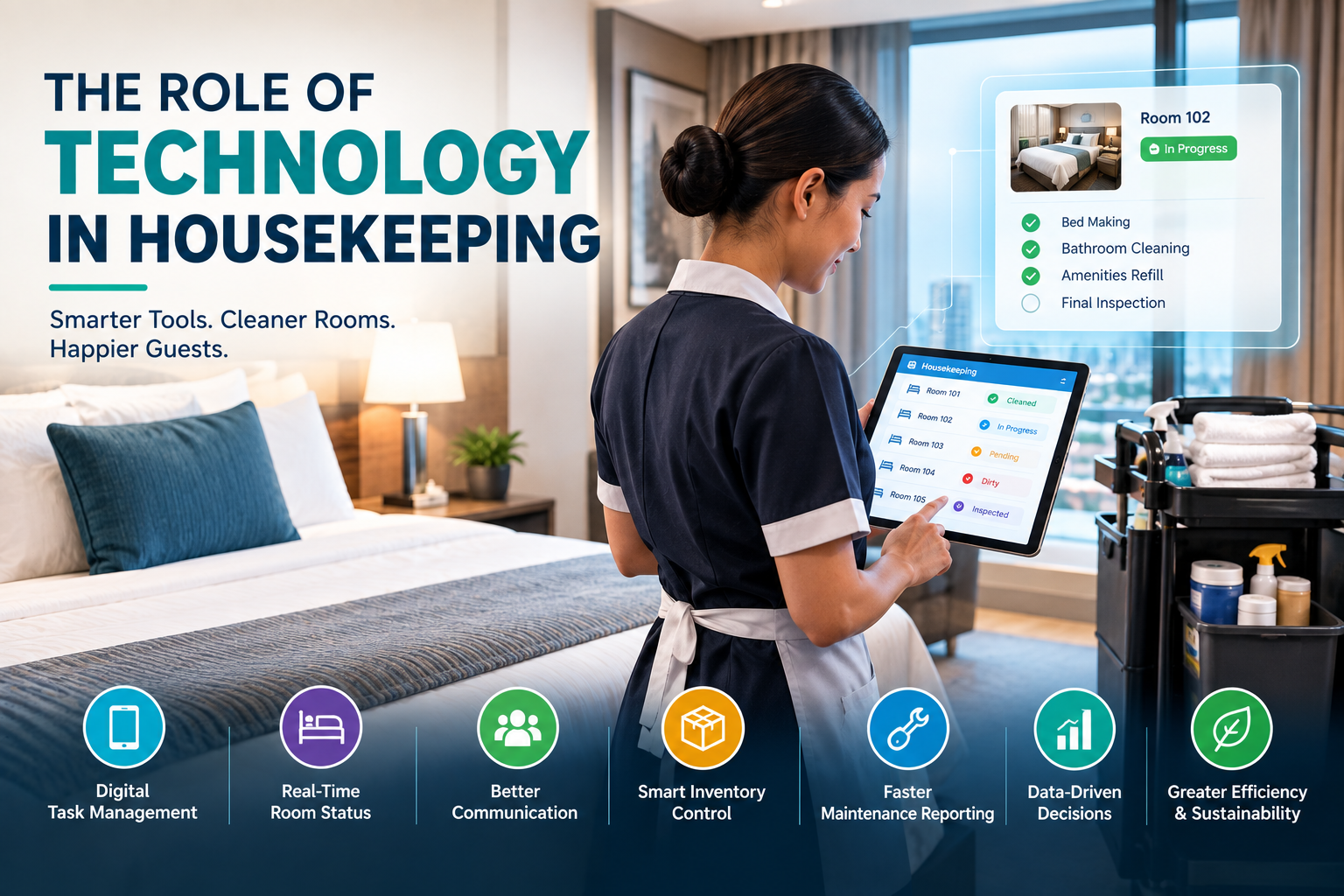
    Housekeeping is one of the most essential—and challenging—hotel functions. AI helps optimize these operations by analyzing occupancy patterns and guest habits.

    AI tools can:

    • Predict room readiness times
    • Assign tasks more efficiently
    • Prioritize rooms based on check-in/out schedules
    • Reduce unnecessary housekeeping visits

    For guests, this means clean rooms, timely service, and a more peaceful stay.

    7. Better Guest Feedback Management

    Hotels receive feedback from multiple platforms—social media, review sites, surveys. Sorting and responding manually can be overwhelming. AI makes this process effortless.

    AI-powered sentiment analysis tools can:

    • Evaluate guest reviews instantly
    • Identify service issues
    • Highlight areas for improvement
    • Track overall brand reputation

    Hotels can quickly address concerns, understand guest sentiment, and enhance service quality.

    The Benefits of AI for Hotels and Guests

    1. Improved Operational Efficiency

    AI automates repetitive tasks, reduces human error, and helps manage resources efficiently. This results in smoother operations and happier guests.

    2. Higher Guest Satisfaction

    Fast support, personalized services, and convenient self-service options lead to superior guest experience.

    3. Increased Revenue

    AI-driven insights help hotels optimize pricing, upsell services, and identify new revenue opportunities.

    4. Enhanced Employee Productivity

    AI supports hotel staff by handling routine tasks, allowing employees to focus on meaningful, guest-facing interactions.

    AI Is Enhancing, Not Replacing Hospitality

    While some fear that AI will reduce the human touch in hospitality, the reality is quite the opposite. AI enhances human-led service by taking over time-consuming tasks and providing staff with better tools to assist guests.

    AI doesn’t replace warmth, empathy, or hospitality—it supports the people who deliver it.

    How BookSmart Helps Hotels Leverage AI Effectively

    At BookSmart, we help hotels embrace AI strategically to enhance guest services and operational efficiency. Our solutions are designed to help hotels:

    • Automate guest communication
    • Deliver personalized experiences
    • Enable frictionless check-in and check-out
    • Use data insights for smarter decision-making
    • Improve guest engagement through modern tools
    • Integrate AI into existing hotel systems seamlessly

    We ensure that hotels of all sizes can adopt AI in a way that is simple, affordable, and impactful.

    Conclusion: AI Is the Future of Guest Services

    AI is revolutionizing hospitality by making guest services faster, smarter, and more personalized. Hotels that adopt AI gain a competitive advantage—enhanced guest satisfaction, improved operational efficiency, and higher revenue potential.

    With the right strategy and technology partner like BookSmart, hotels can turn AI into a powerful asset that elevates the entire guest journey. The future of hospitality is not just automated—it’s intelligent, intuitive, and deeply customer-centric.

  • How Hotels Can Attract Millennial Travelers

    How Hotels Can Attract Millennial Travelers

    Millennials—now the largest group of global travelers—are transforming the hospitality landscape. Born between 1981 and 1996, this generation values experiences over possessions, convenience over tradition, and authenticity over perfection. Hotels that want to stay relevant and competitive must understand what millennials look for and how to create memorable, meaningful stays.

    At BookSmart, we believe that travel is no longer just about a room—it’s about connection, personalization, community, and seamless digital experiences. Today’s hotels must adapt to these evolving expectations to attract and retain millennial guests.

    What Millennial Travelers Really Want

    Unlike previous generations, millennials prioritize experiences, not just accommodations. They are driven by curiosity, cultural discovery, and a desire for unique moments they can share—on social media or in real life.

    Here are some key expectations that define millennial travel behavior:

    1. Authentic and Local Experiences

    Millennials crave authenticity. They prefer hotels that help them explore local culture—through food, art, tours, and community-driven activities.

    2. Digital Convenience

    Fast Wi-Fi, mobile check-in, online bookings, smart room controls—millennials expect convenience at their fingertips.

    3. Social Spaces

    They love social lounges, co-working areas, rooftop cafes, and vibrant common areas where they can connect with others.

    4. Eco-friendly Practices

    Sustainability matters. Millennials are more likely to choose hotels that reduce waste, support local communities, and operate responsibly.

    5. Personalization

    They appreciate services tailored to their interests—whether it’s a curated travel guide, local recommendations, or amenities that match their lifestyle.

    Key Strategies Hotels Should Use to Attract Millennials

    1. Build a Strong Digital Presence

    Millennials research, book, and review online. Your hotel’s digital presence needs to be compelling, user-friendly, and consistent across platforms.

    How to do it:

    • Maintain a visually appealing website optimized for mobile
    • Use high-quality photos and videos
    • Implement instant booking and secure digital payment options
    • Stay active on social media with engaging content

    A strong digital presence not only builds credibility but also turns your hotel into an aspirational brand.

    2. Offer Seamless Technology Integration

    Millennials expect technology to enhance—not complicate—their stay.

    Essential tech features include:

    • Fast, free Wi-Fi
    • Mobile key access
    • App-based room service
    • Smart lighting and climate controls
    • Self-service check-in kiosks

    Hotels embracing digital automation can significantly improve guest satisfaction and reduce operational inefficiencies.

    3. Create Instagram-Worthy Spaces

    For millennials, travel memories are often shared visually. Aesthetic, photogenic environments boost online visibility and inspire bookings.

    Hotels can incorporate:

    • Modern interior design
    • Art installations
    • Rooftop lounges
    • Beautiful lighting setups
    • Cozy, thoughtfully designed rooms

    An “Instagram-friendly” environment allows guests to organically promote the property to their social networks—free marketing at its best.

    4. Highlight Sustainability Initiatives

    Millennials reward brands that care about the planet. Eco-conscious hospitality practices can be a major differentiator.

    Hotels can focus on:

    • Reducing single-use plastics
    • Installing energy-efficient lighting
    • Offering water-saving bathrooms
    • Sourcing local and organic produce
    • Implementing recycling programs

    Transparent communication about sustainability efforts helps build trust and loyalty.

    5. Provide Localized Experiences

    Millennials want more than a room—they want a story to tell. Hotels that curate unique local experiences stand out.

    Ideas include:

    • Local food tasting events
    • Guided cultural tours
    • Adventure packages
    • Partnerships with local artisans
    • Workshops or classes (yoga, pottery, cooking, etc.)

    Offering a taste of local life enriches the guest experience and sets your property apart.

    6. Build Community Spaces

    Millennials value connection. Hotels that provide vibrant, multi-purpose common areas encourage social interaction and enhance the overall stay.

    Popular community spaces include:

    • Co-working lounges
    • Coffee bars
    • Social gaming rooms
    • Rooftop mixers
    • Outdoor chill zones

    These spaces transform hotels into lifestyle hubs rather than just places to sleep.

    7. Personalize the Guest Experience

    Personalization creates emotional connections. Millennials appreciate when hotels go the extra mile to understand their needs.

    Ways to personalize:

    • Customized welcome messages
    • Tailored local guides
    • Preferred room ambiance (lighting, music, temperature)
    • Special discounts based on past stays
    • Personalized dining recommendations

    The more connected guests feel, the more likely they are to return.

    8. Prioritize Wellness and Work-Life Balance

    Millennials balance productivity with relaxation and prefer hotels that support their lifestyle.

    Add value with:

    • Modern gyms
    • Wellness programs
    • Spa services
    • Healthy food menus
    • Yoga and meditation sessions
    • Remote-friendly workspaces

    A hotel that supports mental and physical well-being becomes a preferred choice.

    How BookSmart Helps Hotels Win Millennial Travelers

    At BookSmart, we help hotels create next-generation hospitality experiences tailored to the expectations of millennial travelers. Our solutions are designed to improve visibility, enhance guest satisfaction, and increase revenue.

    We support hotels with:

    • Intelligent digital booking experiences
    • Personalized guest engagement tools
    • Data-driven insights into traveler behavior
    • Automated communication and loyalty programs
    • Seamless mobile-first experiences
    • Smart integration with hotel management systems

    We empower hotels to stay competitive in a market where millennial travelers dominate bookings and influence trends.

    Conclusion: Catering to Millennials Is the Future of Hospitality

    Millennials are shaping the future of travel, and hotels that understand their behavior will gain a significant competitive advantage. It’s not just about having a room available—it’s about creating unforgettable, authentic, and meaningful experiences.

    By embracing technology, personalization, sustainability, and community-driven design, hotels can attract millennial guests and build long-term loyalty.

    With the right strategy—and expert support from BookSmart—any hotel can transform into a millennial-friendly destination that stands out in the modern hospitality landscape.

  • Sustainability Practices in Hospitality

    Sustainability Practices in Hospitality

    Sustainability is no longer just a buzzword—it has become a defining factor in how businesses operate, especially within the hospitality industry. As travelers grow more conscious of their environmental impact and communities emphasize responsible resource management, hotels, resorts, and restaurants must rethink traditional practices. Today, sustainability is not only a moral responsibility but a powerful brand differentiator.

    At Booksmart, we’ve worked closely with hospitality leaders who are transforming their operations to align with global sustainability standards. Their success stories prove one thing: when sustainability is integrated into daily operations, it strengthens the business, enhances guest satisfaction, and creates long-term value.

    This article explores the most effective sustainability practices in hospitality, explains why they matter, and provides insights into how businesses can adopt them with ease.

    Why Sustainability Matters in Hospitality

    The hospitality industry is resource-intensive. From energy-heavy operations and daily laundry cycles to food consumption and waste, the sector leaves a significant environmental footprint. With millions of guests served each year, the impact multiplies quickly.

    Key reasons sustainability is now a priority:

    • Customer Demand: Modern travelers, especially millennials and Gen Z, prefer eco-friendly hotels and are willing to pay more for sustainable experiences.
    • Operational Efficiency: Sustainable practices often lead to cost savings in energy, water, and waste management.
    • Regulatory Compliance: Governments and tourism boards are implementing stricter environmental regulations.
    • Brand Reputation: Sustainability is now a core element of hospitality branding and guest loyalty.

    Hotels and resorts adopting sustainability are not just helping the planet—they’re future-proofing their businesses.

    1. Energy Efficiency: Reducing Impact Through Smarter Consumption

    Energy consumption is one of the most significant costs in hospitality. From HVAC systems to lighting and kitchen equipment, energy use can be overwhelming. Fortunately, energy-efficient technologies offer substantial savings.

    Common energy-efficient practices include:

    ✔ Smart Lighting Systems

    Switching to LED lights and installing motion-sensor lighting in hallways, restrooms, and meeting rooms can drastically reduce energy usage.

    ✔ Automated Climate Control

    Smart thermostats ensure rooms are cooled or heated only when occupied. Many hotels now use key-card systems to control power in guest rooms.

    ✔ Renewable Energy Sources

    Solar panels, wind power, and geothermal energy are becoming mainstream in resorts, especially those located in sunny or coastal areas.

    ✔ Energy-Efficient Appliances

    Kitchens, laundries, and central operations benefit from equipment rated for low energy consumption.

    Hotels that prioritize energy efficiency often notice a significant drop in electricity bills while boosting their reputation as eco-conscious brands.

    2. Water Conservation: Every Drop Counts

    Water is a precious resource—and in hospitality, it is used extensively for cleaning, cooking, landscaping, and guest use.

    Effective water management solutions include:

    ✔ Low-Flow Fixtures

    Showerheads, faucets, and toilets with low-flow technology reduce consumption without compromising guest comfort.

    ✔ Linen and Towel Reuse Programs

    Encouraging guests to reuse towels and request housekeeping only when needed saves thousands of liters of water monthly.

    ✔ Water-Efficient Laundry Systems

    Modern commercial laundry equipment requires far less water and detergent compared to traditional machines.

    ✔ Rainwater Harvesting

    Many eco-resorts have implemented rainwater collection systems for irrigation and cleaning purposes.

    By implementing such practices, hotels not only reduce environmental pressure but also cut down water-related operational costs.

    3. Waste Management: Minimizing Landfill Contribution

    The hospitality industry produces a tremendous amount of waste—from food leftovers and plastics to packaging and disposable amenities.

    Sustainable waste practices include:

    ✔ Recycling Programs

    Hotels can segregate waste into recyclables, organics, and general waste. Training staff and placing labeled bins in public areas encourages responsible disposal.

    ✔ Food Waste Reduction

    Restaurants and buffets often generate large portions of food waste. Solutions include:

    • Reducing portion sizes
    • Real-time inventory tracking
    • Donating surplus edible food to local charities

    ✔ Composting

    Organic waste from kitchens can be composted and used for on-site gardens or landscaping.

    ✔ Eliminating Single-Use Plastics

    Replacing plastic water bottles with refill stations, offering bamboo toothbrushes, and using biodegradable packaging significantly reduce environmental impact.

    Booksmart encourages hospitality brands to document these efforts transparently—guests appreciate and trust businesses that showcase their dedication to sustainability.

    4. Sustainable Sourcing: Ethical Choices with Global Impact

    Today’s conscious travelers want more than comfort—they want to know that the products they interact with are responsibly sourced.

    Key areas of sustainable sourcing include:

    ✔ Food and Beverages

    Farm-to-table sourcing supports local farmers, reduces transportation emissions, and provides fresher meals.

    ✔ Eco-Friendly Amenities

    Organic toiletries, biodegradable packaging, and refillable dispensers reduce landfill waste.

    ✔ Fair-Trade and Ethical Products

    Using ethically produced coffee, tea, linens, and décor enhances brand authenticity.

    ✔ Supporting Local Artisans

    Hotels can promote local culture by featuring handmade crafts, furnishings, and artworks.

    Sustainable sourcing strengthens local economies and provides unique guest experiences that global chains often can’t replicate.

    5. Green Building Design: Eco-Friendly Infrastructure

    For new properties or renovations, green building practices are a powerful long-term investment.

    Examples include:

    ✔ Energy-Efficient Architecture

    Buildings designed to maximize natural light and airflow reduce HVAC dependency.

    ✔ Sustainable Materials

    Using recycled wood, reclaimed stone, or zero-VOC paints lowers the carbon footprint.

    ✔ LEED Certification

    Many hotels pursue LEED certification to validate their environmentally responsible infrastructure.

    Green buildings not only perform better financially but also attract eco-conscious guests and corporate clients.

    6. Community Engagement: Sustainability Beyond the Property

    Hospitality businesses play a central role in local communities. When they participate in sustainability initiatives, the benefits extend far beyond the property line.

    Examples of community-focused actions:

    • Partnering with local environmental organizations
    • Hosting beach cleanups or tree-planting events
    • Offering training programs for local youth
    • Supporting wildlife conservation efforts
    • Purchasing directly from local farmers and artisans

    For Booksmart, community engagement is a core pillar of sustainable hospitality—because true sustainability requires collaboration.

    7. Digital Transformation: Reducing Waste Through Technology

    Technology has become an essential component of sustainable operations.

    Digital solutions that support sustainability include:

    ✔ Contactless Check-In and Digital Keys

    Reduced paper use and faster guest processing.

    ✔ Smart Inventory Management

    Helps reduce food waste and avoid over-ordering.

    ✔ Mobile Communications

    Instead of printed brochures, hotels offer digital guides, QR-code menus, and app-based information.

    ✔ Cloud Solutions

    Paperless storage, improved efficiency, and reduced IT resource consumption.

    Digital transformation makes sustainability scalable and improves the overall guest experience.

    8. Training Staff for Sustainable Operations

    No sustainability initiative succeeds without strong team involvement.

    Effective staff training includes:

    • Teaching energy and water-saving protocols
    • Conducting regular environmental workshops
    • Encouraging participation in sustainability campaigns
    • Recognizing and rewarding responsible behavior

    Staff play a crucial role in ensuring daily practices are followed consistently.

    Conclusion: The Future of Hospitality is Sustainable

    Sustainability is not an optional or temporary trend—it is the foundation of the future hospitality industry. Guests expect it, communities benefit from it, and businesses profit from it in the long run.

    At Booksmart, we believe in empowering hospitality brands with knowledge, tools, and strategies that support sustainable growth. Whether it’s improving energy efficiency, reducing waste, sourcing ethically, or engaging communities, each step brings the industry closer to a cleaner, more responsible future.

    Sustainable hospitality is not just about reducing impact—it’s about creating meaningful, memorable experiences that respect both the planet and the people who inhabit it.

  • Hotel Revenue Management Strategies

    Hotel Revenue Management Strategies

    In the hospitality world, revenue doesn’t just happen—it’s carefully created. Every booking, every room rate, every guest interaction contributes to the hotel’s bottom line. Yet, many hoteliers find themselves juggling unpredictable demand, seasonal shifts, online competition, and the never-ending pressure to optimize pricing.

    This is where effective hotel revenue management becomes a game-changer.

    At Booksmart, we work closely with hotels, resorts, homestays, and hospitality brands to help them maximize revenue through smarter strategies, deeper insights, and technology-driven decision-making. Over the years, we’ve learned that revenue management isn’t about complicated formulas—it’s about understanding people, predicting demand, and creating value for guests.

    In this article, we break down essential hotel revenue management strategies in a simple, human-centric way, so every hotel—whether small or large—can implement them successfully.

    1. Understanding Revenue Management: More Than Just “Room Pricing”

    Most people assume revenue management is all about changing room prices. But the truth is, it’s a complete strategy.

    It includes:

    • Forecasting demand
    • Optimizing rates
    • Managing distribution channels
    • Understanding customer behavior
    • Enhancing guest value
    • Increasing profitability per available room

    At Booksmart, we often describe it this way:
    Revenue management is the art of selling the right room, to the right guest, at the right price, at the right time, through the right channel—with the right value.

    Once a hotel adopts this mindset, smart revenue decisions become effortless and consistent.

    2. The Power of Dynamic Pricing

    Static pricing is outdated. Today’s traveler compares prices instantly on OTAs, metasearch platforms, and competitor sites. That means your hotel needs to adapt rates based on:

    • Market demand
    • Events and local happenings
    • Seasonality
    • Competitor pricing
    • Occupancy levels
    • Day of the week

    Dynamic pricing ensures your rates rise during peak periods and drop during slow seasons to attract bookings.

    At Booksmart, we help hotels set automated pricing rules that work 24/7—so you’re never leaving money on the table or scaring away potential guests.

    3. Forecasting Demand: Predicting the Future with Data

    Imagine knowing exactly when bookings will rise and when they’ll slow down. That’s what forecasting does.

    Hotels should analyze:

    • Historical data
    • Current booking pace
    • Market trends
    • Events, holidays, and festivals
    • Travel patterns
    • Economic indicators

    Forecasting helps you plan:

    • Room pricing
    • Staffing requirements
    • Inventory allocation
    • Marketing campaigns

    With Booksmart’s analytics support, hotels can make accurate predictions instead of relying on guesswork—leading to smarter decisions and higher profitability.

    4. Enhancing Direct Bookings: Your Most Profitable Channel

    While OTAs bring reach, they also charge commissions. Direct bookings, however, give hotels:

    • Higher profit margins
    • More control over guest experience
    • Opportunities for upselling
    • Stronger guest relationships

    To increase direct bookings, hotels should:

    ✔ Optimize their website for speed and mobile use
    ✔ Offer exclusive direct-booking discounts
    ✔ Provide loyalty rewards
    ✔ Simplify the booking process (1–2 clicks)
    ✔ Use retargeting ads for abandoned carts

    Booksmart helps hotels design user-friendly booking experiences that convert more website visitors into paying guests.

    5. Effective Channel Management: Being Everywhere Without Chaos

    Guests book rooms from many places:

    • OTAs (Booking.com, Expedia, etc.)
    • Hotel website
    • Travel agents
    • Corporate platforms
    • Metasearch sites (Google, Trivago)

    Managing all these manually is inefficient and increases the risk of double bookings.

    A strong channel manager, like the one Booksmart supports, ensures:

    • Real-time inventory updates
    • Synchronized rates
    • Zero overbooking
    • Wider visibility
    • Faster distribution
    • Better OTA rankings

    When your distribution is clean and efficient, your revenue grows naturally.

    6. Segmentation: Knowing Your Guests to Serve Them Better

    Not all guests are the same. A family looking for a weekend getaway is not the same as a solo business traveler.

    Hotel revenue skyrockets when you understand and target different guest segments:

    • Corporate travelers
    • Families
    • Couples
    • Backpackers
    • Group bookings
    • Long-stay guests
    • Luxury and premium travelers

    Each segment needs different pricing, packages, and communication.

    Booksmart helps hotels create personalized offers that speak directly to each type of guest—boosting both conversion and satisfaction.

    7. Upselling and Cross-Selling: Increasing Revenue Per Guest

    If your guest is already planning to stay with you, why not enhance their experience?

    Smart upselling might include:

    • Room upgrades
    • Early check-in / late checkout
    • Breakfast packages
    • Spa services
    • Airport transfers
    • Romantic room decorations
    • Activity packages

    Cross-selling includes:

    • Restaurant meal plans
    • Local tours
    • Laundry packages
    • Transportation services

    These small add-ons significantly increase revenue—and guests appreciate added comfort and convenience.

    At Booksmart, we help hotels design irresistible upsell flows that feel natural, not pushy.

    8. Using Technology for Smarter Decisions

    Modern revenue management relies heavily on technology. With real-time data, automated pricing, and forecasting tools, hotels can operate with greater confidence and accuracy.

    Technology helps with:

    • Rate parity checks
    • Competitor rate comparison
    • Automated pricing
    • Demand forecasting
    • Inventory management
    • Guest behavior tracking

    Booksmart integrates smart hotel tech solutions tailored for properties of all sizes—making advanced revenue management accessible, affordable, and easy to use.

    9. Optimizing OTA Performance

    OTAs may cost commission, but they also provide massive visibility. Instead of avoiding them, the smartest approach is leveraging them.

    Strategies to improve OTA success:

    • Maintaining high-quality listings
    • Responding to reviews
    • Ensuring rate parity
    • Using high-resolution photos
    • Updating availability regularly
    • Joining OTA promotional programs

    A well-optimized OTA profile can significantly increase occupancy, especially during low-demand periods.

    Booksmart helps hotels create polished OTA listings that stand out and rank higher in search results.

    10. Monitoring Competitor Rates (Rate Intelligence)

    Hotels don’t operate in isolation. Competitor pricing directly affects guest booking decisions.

    By regularly monitoring competitor rates, you can:

    • Adjust prices in real-time
    • Stay aligned with market expectations
    • Offer unique promotions
    • Avoid underselling or overselling

    With Booksmart’s tools, hotels get instant competitor insights so they can react quickly and stay competitive.

    11. Creating Value-Driven Packages

    Instead of discounting your rooms, create value-rich packages such as:

    • Stay + breakfast
    • Weekend getaway
    • Honeymoon packages
    • Family bundles
    • Long-stay offers
    • Business traveler packages

    These help differentiate your hotel and attract guests who are willing to pay slightly more for a better experience.

    12. Measuring Performance: What Gets Measured Gets Improved

    Revenue management is an ongoing process. Hotels need to continuously track:

    • Occupancy rate (OCC)
    • Average Daily Rate (ADR)
    • Revenue per Available Room (RevPAR)
    • Gross Operating Profit per Available Room (GOPPAR)
    • Cancellation rates
    • Booking window patterns
    • Channel performance

    These insights tell you what’s working and what needs improvement.

    Booksmart provides clear, actionable reports that help hotels refine their strategy month after month.

    Final Thoughts: Revenue Management = Smarter Business + Happier Guests

    Hotel revenue management is not about squeezing every rupee from guests. It’s about understanding demand, maximizing opportunities, and delivering value.

    At Booksmart, we believe that a successful hotel:

    • Understands its guests
    • Prices its rooms intelligently
    • Uses technology wisely
    • Creates memorable experiences
    • Makes decisions based on data, not guesswork

    With the right strategies, any hotel—small, mid-scale, or luxury—can increase revenue, enhance guest satisfaction, and build a thriving hospitality business.

  • The Future of Hospitality: Key Trends in 2025

    The Future of Hospitality: Key Trends in 2025

    The hospitality industry has always been about one thing — creating memorable experiences. But in 2025, this mission is being reshaped by technology, sustainability, personalization, and changing traveler expectations. As digital innovation meets human connection, the future of hospitality looks smarter, greener, and more guest-centric than ever before.

    At BookSmart, we believe the heart of hospitality remains in human warmth — but the way we deliver it is evolving. From AI-driven personalization to sustainable travel and immersive experiences, let’s explore the key trends redefining hospitality in 2025.

    1. Hyper-Personalization: From Service to Anticipation

    In 2025, personalization is no longer a luxury — it’s a baseline expectation. Travelers want experiences designed just for them, and data-driven insights are making it possible.

    Hotels and booking platforms now use AI and predictive analytics to understand guest preferences, from favorite room temperatures to preferred cuisines. Imagine checking into a hotel where the lighting adjusts to your mood, your favorite playlist starts playing, and your itinerary is customized automatically.

    At BookSmart, we see personalization as the bridge between technology and emotion. By understanding travelers’ behavior and intent, hospitality brands can deliver experiences that feel personal, effortless, and unforgettable.

    2. Smart Technology: The Rise of Connected Hospitality

    The Internet of Things (IoT) and automation are revolutionizing how hotels operate and how guests experience comfort. Smart rooms equipped with voice assistants, contactless check-ins, and digital room keys are becoming the new norm.

    Guests can now:

    • Control lighting, temperature, and entertainment via mobile apps or voice commands.
    • Request services instantly using chatbots or smart devices.
    • Access seamless check-in and checkout through facial recognition or QR codes.

    For hotels, these technologies reduce operational costs while improving efficiency and guest satisfaction. The future of hospitality is undeniably connected — where convenience and personalization coexist seamlessly.

    3. Sustainability Takes Center Stage

    In 2025, eco-conscious travel isn’t a niche trend — it’s a global standard. Guests are increasingly choosing hotels and travel brands that prioritize sustainability, transparency, and ethical operations.

    Key sustainability trends include:

    • Zero-waste initiatives in food and beverage services.
    • Energy-efficient systems and smart thermostats.
    • Eco-friendly materials and minimal plastic use in rooms.
    • Carbon offset programs and local community partnerships.

    At BookSmart, we recognize that sustainability isn’t just about saving resources — it’s about building trust. Guests feel better when they know their stay contributes to a positive environmental and social impact.

    4. Wellness and Well-Being Travel

    After the pandemic, wellness has become a cornerstone of hospitality. In 2025, travelers seek holistic experiences that rejuvenate the body and mind. Hotels and resorts are evolving into wellness sanctuaries, offering everything from meditation rooms to AI-guided fitness programs.

    Wellness-focused trends include:

    • Personalized nutrition and fitness plans powered by data analytics.
    • Sleep-optimization technologies in hotel rooms.
    • Wellness retreats combining digital detox and mindfulness practices.

    For BookSmart’s partners, integrating wellness experiences creates not just a stay — but a transformative journey that guests remember and revisit.

    5. The Rise of Bleisure and Workcations

    The line between business and leisure continues to blur in 2025. The rise of remote and hybrid work has given birth to the “bleisure” traveler — individuals combining business trips with leisure experiences.

    Hotels and resorts are adapting by offering:

    • Flexible workspaces and co-working zones.
    • High-speed connectivity and ergonomic setups.
    • Packages that blend professional needs with relaxation activities.

    For travelers, workcations mean freedom and flexibility. For hospitality providers, it means catering to a growing demographic that values productivity and pleasure in equal measure.

    6. AI and Automation Redefine Guest Interaction

    Artificial Intelligence is transforming every touchpoint of the hospitality experience. From AI-driven customer support to predictive maintenance, automation ensures smooth operations and personalized guest engagement.

    Examples include:

    • Chatbots that handle 24/7 inquiries in multiple languages.
    • AI concierges suggesting local attractions or dining options.
    • Predictive maintenance that prevents technical issues before they occur.

    But even with automation, the key remains balance. The most successful hospitality brands in 2025 are those that combine technological efficiency with the human warmth that defines true hospitality.

    7. Immersive Experiences with AR and VR

    Augmented Reality (AR) and Virtual Reality (VR) are creating new possibilities for immersive travel. Guests can now explore hotel rooms virtually before booking, participate in destination tours through VR headsets, or enjoy AR-enhanced entertainment during their stay.

    Hotels use AR-powered apps to:

    • Offer virtual tours of facilities.
    • Provide interactive guides to nearby attractions.
    • Enhance in-room entertainment and gaming.

    For BookSmart, these innovations make booking and travel more engaging, transparent, and exciting — allowing guests to experience destinations before they even arrive.

    8. Data Security and Digital Trust

    With greater digitalization comes a greater responsibility to protect guest data. In 2025, cybersecurity and data privacy are top priorities across the hospitality industry.

    Hotels are investing in:

    • Encrypted data systems for bookings and payments.
    • Privacy-by-design platforms to ensure transparency.
    • AI-driven fraud detection for enhanced safety.

    At BookSmart, we believe trust is the foundation of hospitality. By ensuring digital security and responsible data usage, brands can build long-term loyalty and peace of mind for every traveler.

    9. Local and Cultural Immersion

    Modern travelers crave authenticity. They want to experience destinations through the lens of local culture, cuisine, and community. The best hospitality brands in 2025 are those that connect global travelers with local stories.

    Hotels are collaborating with local artisans, chefs, and guides to create immersive, meaningful experiences. Whether it’s a local food workshop, a cultural event, or a guided heritage tour, travelers are choosing stays that feel personal and enriching.

    BookSmart supports hospitality brands that bring local flavor to global experiences — ensuring every journey feels unique and unforgettable.

    The Road Ahead

    The future of hospitality in 2025 is dynamic, data-driven, and deeply human. Technology will continue to transform how we travel, but the essence of hospitality — empathy, care, and connection — will always remain at its core.

    At BookSmart, we help hospitality businesses embrace innovation while staying true to their purpose: delivering exceptional guest experiences. The brands that thrive in 2025 will be those that blend smart technology with genuine hospitality, sustainability with style, and efficiency with empathy.

    The future isn’t just about serving guests — it’s about understanding, anticipating, and inspiring them. And that’s the true art of modern hospitality.

  • Hotel Digital Transformation: Challenges and Opportunities

    Hotel Digital Transformation: Challenges and Opportunities

    The hospitality industry is undergoing a remarkable shift. With technology shaping how guests search, book, and experience their stays, digital transformation in hotels is no longer optional—it’s essential. From smart rooms and AI chatbots to data-driven personalization, the digital wave is redefining what it means to deliver exceptional guest experiences.

    At Booksmart, we believe that hotels embracing digital innovation can unlock new levels of efficiency, revenue, and guest satisfaction. However, this transformation doesn’t come without challenges. Let’s explore the key challenges and opportunities that digital transformation presents for the hotel industry.

    1. The Changing Face of Hospitality

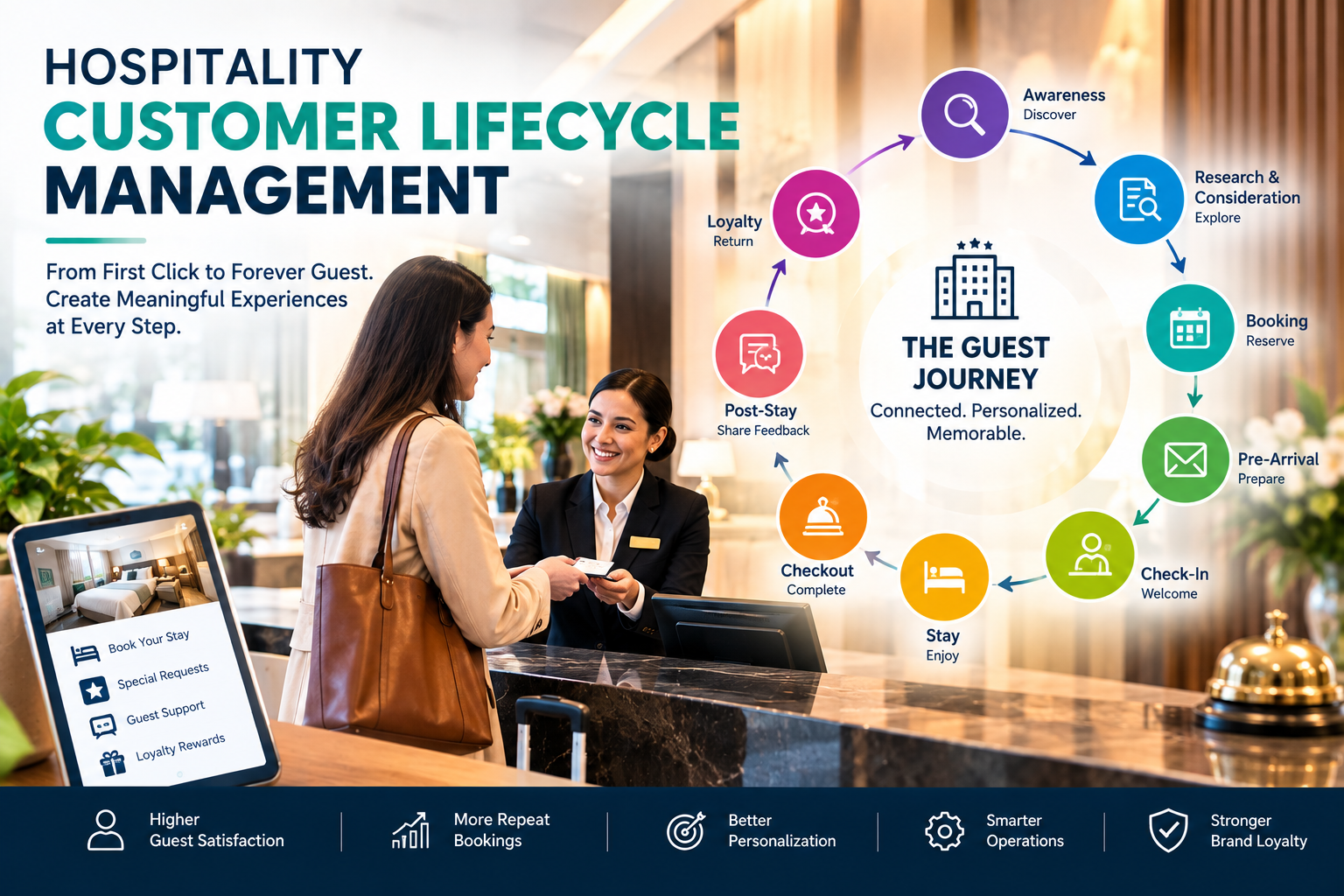
    Today’s travelers expect seamless, technology-driven experiences. They want to check in with their phones, unlock rooms with digital keys, and receive personalized recommendations based on their preferences. This shift means hotels must evolve from traditional service models to tech-enabled ecosystems that blend comfort with convenience.

    Digital transformation in hospitality isn’t just about upgrading systems—it’s about reimagining the entire guest journey. From pre-booking engagement to post-stay feedback, every touchpoint matters. Yet, many hotels struggle to make this transition smoothly.

    2. The Challenges in Hotel Digital Transformation

    While the benefits are immense, the path to digital transformation can be complex. Let’s look at the major challenges hotels face:

    a. Legacy Systems and Integration Issues

    Many hotels still rely on outdated Property Management Systems (PMS) or fragmented software solutions. These legacy systems often don’t communicate with newer platforms, creating data silos and inefficiencies.

    Without integration between booking engines, CRM, and guest management tools, hotels miss valuable insights that could drive personalization and operational efficiency.

    b. High Implementation Costs

    Upgrading to smart systems, IoT devices, or AI-based tools requires significant investment. Smaller or independent hotels may hesitate due to budget constraints, fearing long payback periods.

    However, the cost of inaction—lost bookings, poor guest satisfaction, and inefficiency—can be much higher in the long run.

    c. Data Privacy and Security Concerns

    With digitalization comes the responsibility of handling sensitive guest data. Any security breach can damage reputation and trust. Ensuring compliance with regulations like GDPR and implementing strong cybersecurity measures is a must—but it also adds complexity.

    d. Resistance to Change

    In many hotels, employees and management are accustomed to traditional ways of working. Introducing automation or digital tools can meet resistance from staff, who fear redundancy or struggle to adapt to new technologies.

    Without proper training and change management, digital adoption often falls short of expectations.

    e. Connectivity and Infrastructure Limitations

    For hotels in remote or developing regions, poor internet connectivity and outdated hardware can hinder digital adoption. Technology is only as effective as the infrastructure that supports it.

    3. Opportunities Created by Digital Transformation

    Despite these challenges, digital transformation offers a wealth of opportunities for hotels willing to embrace innovation. Here’s how forward-thinking hospitality businesses are leveraging technology to gain a competitive edge:

    a. Enhanced Guest Experience

    Personalization is at the heart of modern hospitality. With digital tools, hotels can track guest preferences, anticipate needs, and tailor experiences.

    Imagine a guest receiving a personalized room setup, custom dining recommendations, or a “welcome back” message—all driven by intelligent data analytics.

    At Booksmart, we help hotels harness data to create guest experiences that feel personal, seamless, and memorable.

    b. Streamlined Operations and Efficiency

    Automation is transforming how hotels manage check-ins, housekeeping, and customer service. Self-service kiosks, AI chatbots, and digital payment systems reduce manual work while speeding up operations.

    This not only saves time and labor costs but also allows hotel staff to focus on what they do best—delivering exceptional hospitality.

    c. Revenue Growth Through Smart Insights

    Data analytics enables hotels to make data-backed decisions—from dynamic pricing to demand forecasting. Using AI-driven insights, hotels can optimize room rates, predict seasonal trends, and boost occupancy rates.

    Digital marketing tools also empower hotels to target potential guests more effectively through social media, SEO, and retargeting campaigns.

    d. Sustainability and Smart Energy Management

    Sustainability is no longer a trend—it’s a necessity. Smart energy systems allow hotels to monitor and reduce electricity and water usage. Automated lighting, temperature control, and waste management systems not only cut costs but also attract eco-conscious travelers.

    e. Greater Flexibility and Scalability

    Cloud-based systems have made it easier for hotels to scale operations across multiple locations. Real-time data sharing ensures consistency in service, pricing, and guest management.

    For chains and boutique hotels alike, this flexibility makes it easier to expand while maintaining operational control and quality standards.

    4. The Role of Booksmart in Hotel Digital Transformation

    At Booksmart, we understand that digital transformation isn’t just about adopting technology—it’s about adopting the right technology strategically. We work with hotels to analyze existing systems, identify gaps, and develop a custom digital roadmap aligned with their business goals.

    Our expertise includes:

    • Integrating modern PMS and CRM systems
    • Developing seamless booking platforms and mobile apps
    • Enhancing online visibility through digital marketing and SEO
    • Implementing data security and privacy compliance measures
    • Training hotel teams for smooth digital adoption

    By combining innovation with hospitality insight, Booksmart helps hotels create smarter operations, happier guests, and stronger bottom lines.

    5. The Future of Digital Hospitality

    The future of hotels is hyperconnected, personalized, and data-driven. Emerging technologies like artificial intelligence (AI), Internet of Things (IoT), and augmented reality (AR) will soon redefine guest engagement.

    Imagine virtual room tours before booking, AI-driven concierge services, or voice-activated controls that make every guest feel at home. These aren’t distant dreams—they’re the next steps in hospitality’s evolution.

    Hotels that act today will be tomorrow’s leaders.

    Conclusion

    Digital transformation in the hotel industry is both a challenge and an opportunity. While integration, cost, and cultural resistance can slow progress, the rewards—improved guest satisfaction, operational excellence, and increased profitability—are too significant to ignore.

    At Booksmart, we believe that technology should enhance hospitality, not replace it. The most successful hotels will be those that combine human warmth with digital intelligence—offering experiences that are not only efficient but unforgettable.

  • Strategies to Increase Occupancy Rates

    Strategies to Increase Occupancy Rates

    In the competitive real estate and hospitality markets, maintaining a high occupancy rate is key to profitability and long-term stability. Whether it’s a rental property, co-living space, or hotel, every vacant room represents a missed opportunity for revenue.

    At BookSmart, we understand that increasing occupancy rates isn’t just about filling spaces—it’s about building sustainable relationships with tenants and guests through data-driven strategies, personalized experiences, and smart management solutions.

    In this article, we’ll explore proven, practical strategies that property owners and managers can use to maximize occupancy, improve retention, and boost profitability.

    1. Understand Your Target Market

    The foundation of any successful occupancy strategy begins with a deep understanding of your target audience. Knowing who your ideal tenants or guests are—and what they value—allows you to tailor your offerings accordingly.

    For instance, professionals may prioritize convenience and connectivity, while students look for affordability and proximity to universities. Similarly, families may prefer amenities such as safety, schools, and green spaces.

    BookSmart’s Insight:
    Our analytics-driven tools help property owners identify tenant preferences and market trends. By understanding who you’re catering to, you can position your property more effectively and attract the right audience.

    2. Optimize Online Visibility

    In today’s digital-first world, most tenants and travelers search for properties online. A well-optimized online presence can dramatically improve your visibility and occupancy rate.

    Here’s how to do it effectively:

    • Build a professional website with high-quality photos, 3D tours, and clear property descriptions.
    • Optimize your listings on popular platforms using relevant keywords (e.g., “affordable student housing in Delhi” or “premium co-living spaces in Bangalore”).
    • Encourage positive online reviews, as social proof strongly influences potential renters or guests.
    • Use local SEO techniques to appear in nearby searches (like “flats near me” or “short-term rentals in [city name]”).

    BookSmart Advantage:
    We help property owners manage their online listings, enhance SEO visibility, and create impactful digital marketing campaigns to ensure their properties reach the right audience at the right time.

    3. Leverage Data and Technology

    Technology is transforming property management, and data analytics play a vital role in improving occupancy rates.

    Smart platforms like BookSmart allow property managers to track key metrics such as booking trends, seasonal demand, and tenant preferences. This data helps in:

    • Adjusting pricing strategies dynamically.
    • Identifying low-performing units or time periods.
    • Creating targeted marketing campaigns based on tenant behavior.

    By integrating data-driven insights, property owners can make informed decisions that lead to higher occupancy and better financial performance.

    4. Offer Flexible Leasing and Pricing Options

    Flexibility is one of the most sought-after features among modern tenants. Traditional long-term leases no longer appeal to everyone—especially students, digital nomads, and young professionals.

    Consider offering:

    • Short-term rental options for added convenience.
    • Flexible payment plans (monthly or bi-weekly).
    • Discounts for long-term stays or early renewals.
    • Dynamic pricing models that adjust rates based on demand, season, or market trends.

    BookSmart’s Smart Pricing Tool helps property owners automatically optimize rental rates using AI-driven analytics, ensuring the right balance between affordability and profitability.

    5. Improve Tenant and Guest Experience

    Occupancy is not just about attracting people—it’s about retaining them. A great tenant experience leads to positive word-of-mouth, higher satisfaction, and longer stays.

    Ways to improve experience include:

    • Maintaining clean, well-equipped spaces.
    • Offering fast and reliable maintenance services.
    • Providing high-speed Wi-Fi, security, and modern amenities.
    • Personalizing tenant communication and feedback systems.

    BookSmart’s Property Management System helps automate tenant communication, maintenance scheduling, and service requests—creating a seamless experience that encourages renewals and referrals.

    6. Strengthen Marketing and Branding

    In a saturated market, strong branding helps your property stand out. A clear brand identity reflects your values, personality, and the experience you offer.

    Use consistent branding elements—logo, color schemes, tone of voice—across all digital and offline channels. Pair that with targeted marketing strategies, such as:

    • Social media ads targeting potential renters based on location and interests.
    • Email campaigns to re-engage past tenants or prospects.
    • Collaborations with local businesses, colleges, or travel agencies.

    At BookSmart, we specialize in digital marketing strategies that not only increase visibility but also enhance your property’s reputation as a trusted, desirable choice.

    7. Focus on Retention and Loyalty

    It’s more cost-effective to retain existing tenants than to acquire new ones. Building loyalty through incentives and engagement can significantly reduce turnover rates.

    Effective retention strategies include:

    • Offering renewal discounts or rewards.
    • Hosting community events for residents.
    • Providing referral programs that benefit both current and new tenants.
    • Regularly checking in with tenants to address concerns proactively.

    By building a sense of community and trust, you create a loyal base that contributes to long-term occupancy stability.

    8. Maintain Property Appeal

    First impressions matter. The physical condition of your property can make or break a potential tenant’s decision.

    Simple upgrades can go a long way:

    • Regular maintenance and cleanliness checks.
    • Updated interiors, lighting, and common spaces.
    • Green spaces and eco-friendly initiatives.
    • Smart home features for convenience and sustainability.

    BookSmart’s Facility Management Solutions ensure your property remains in top condition, appealing to both new and existing tenants.

    9. Monitor Market Trends and Competitors

    Keeping an eye on local market trends and competitors helps you stay ahead. Track what similar properties are offering—be it pricing, amenities, or promotions—and adjust your strategy accordingly.

    BookSmart’s Market Intelligence Dashboard provides real-time data on competitive rates, demand fluctuations, and tenant demographics, empowering you to make strategic decisions that boost occupancy.

    Conclusion

    Increasing occupancy rates requires more than just listing your property—it demands a strategic, data-driven approach that combines marketing, technology, and exceptional tenant experience.

    At BookSmart, we empower property owners and managers with smart tools and insights to optimize performance, enhance visibility, and maximize occupancy across every season.

    By embracing flexibility, personalization, and technology, your property can stay ahead of the competition and ensure consistent, long-term success.

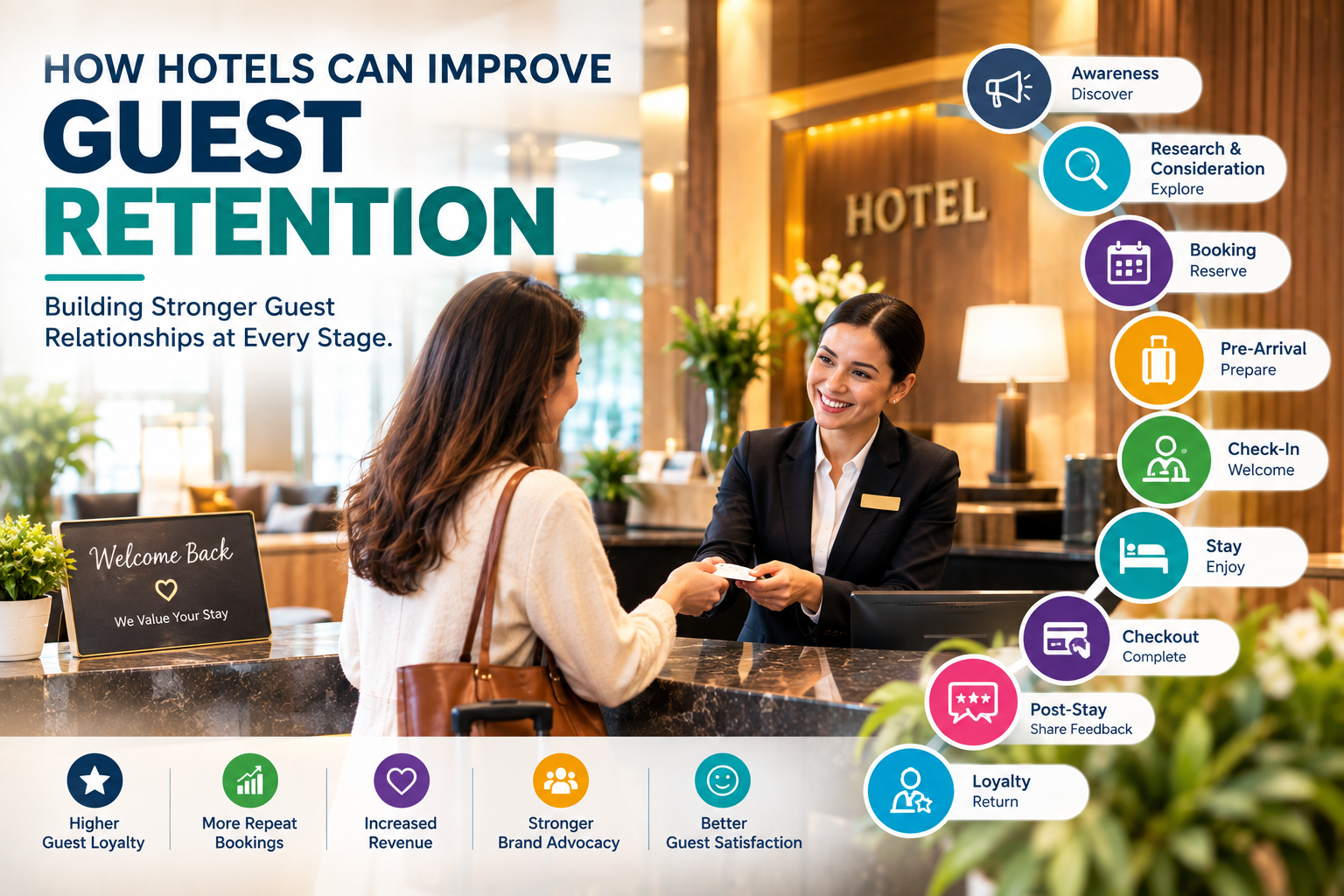
  • How Hotels Can Build Long-Term Customer Loyalty

    In today’s fast-paced hospitality industry, customer expectations are evolving faster than ever. Travelers don’t just seek a comfortable stay—they look for memorable experiences, personalized services, and genuine connections. For hotels, this means that building long-term customer loyalty is no longer optional—it’s the cornerstone of sustainable success.

    At BookSmart, we understand that loyalty isn’t built overnight. It’s cultivated through consistency, trust, and meaningful engagement. In a competitive market where online reviews and social media can make or break a brand, hotels that invest in loyalty strategies stand out—and thrive.

    Why Customer Loyalty Matters in Hospitality

    Customer loyalty is the lifeline of the hotel industry. Loyal guests are not only more likely to return, but they also become brand advocates—recommending your property to friends, family, and online communities. According to recent studies, increasing customer retention by just 5% can boost profits by 25% to 95%.

    That’s why focusing on long-term relationships rather than one-time bookings is key. With the right approach, hotels can turn guests into loyal supporters who return year after year.

    1. Deliver Personalized Guest Experiences

    In the digital age, personalization is everything. Guests want to feel recognized and valued—not just treated as another booking ID. Using data insights from previous stays, hotels can tailor experiences based on individual preferences.

    For instance:

    • Offering a favorite welcome drink upon arrival.
    • Providing room preferences (view, temperature, pillows).
    • Sending personalized offers for birthdays or anniversaries.

    At BookSmart, we’ve seen that personalization strengthens emotional connections and keeps guests coming back. Investing in smart CRM systems and guest analytics helps hotels anticipate needs before they’re even expressed.

    2. Leverage Technology to Enhance Engagement

    Technology plays a pivotal role in driving loyalty today. Guests expect seamless digital experiences—from easy online booking to quick check-ins and mobile room keys.

    Hotels can integrate BookSmart’s smart booking solutions to streamline reservations, automate communications, and simplify the guest journey. Additionally, mobile apps and chatbots can enhance convenience, while AI-driven recommendations can suggest relevant upgrades or services.

    A tech-enabled, hassle-free experience doesn’t just impress guests—it creates loyalty through convenience and trust.

    3. Build a Rewarding Loyalty Program

    A well-designed loyalty program encourages repeat bookings and helps guests feel appreciated. The key is to make the program simple, transparent, and genuinely rewarding.

    Effective hotel loyalty programs go beyond points—they offer personalized benefits such as:

    • Room upgrades or late checkouts for returning guests.
    • Exclusive discounts or early access to promotions.
    • Free stays or dining experiences after a certain number of visits.

    When loyalty feels like a two-way relationship, customers are more inclined to stay loyal. With BookSmart’s loyalty management tools, hotels can easily track guest activity, tailor rewards, and measure engagement effectively.

    4. Maintain Consistent Quality and Service

    No amount of marketing can compensate for poor service. Consistency is the backbone of loyalty. Guests expect the same high standards every time they visit. Whether it’s a five-star luxury resort or a cozy boutique hotel, maintaining quality across every touchpoint—from cleanliness and comfort to customer service—is crucial.

    Hotels can ensure consistency by:

    • Conducting regular staff training.
    • Gathering guest feedback through surveys and online reviews.
    • Monitoring performance metrics and guest satisfaction scores.

    Delivering excellence consistently builds trust—and trust builds loyalty.

    5. Engage Guests Beyond Their Stay

    The guest relationship shouldn’t end at checkout. Staying connected after the visit reinforces emotional bonds. Through thoughtful follow-ups and digital engagement, hotels can remain top of mind.

    A few effective strategies include:

    • Sending personalized thank-you emails.
    • Sharing travel tips, local events, or exclusive offers via newsletters.
    • Encouraging guests to share experiences on social media.

    At BookSmart, we encourage hotels to use email automation and CRM tools to maintain meaningful communication. This not only increases return bookings but also nurtures a long-term relationship with guests.

    6. Use Feedback to Continuously Improve

    Guest feedback is one of the most valuable resources for any hotel. Encouraging guests to share reviews—whether positive or constructive—provides insights into areas that need improvement.

    Actively listening and responding to feedback shows that the hotel values its guests’ opinions. It also signals a commitment to continuous growth, which strengthens customer confidence.

    By integrating BookSmart’s review management tools, hotels can collect, analyze, and act on guest feedback in real time, ensuring that every stay is better than the last.

    7. Create Memorable Brand Experiences

    Guests remember how a hotel makes them feel. A warm greeting, a thoughtful gesture, or a unique local touch can transform a good stay into an unforgettable one. Hotels that focus on creating memorable experiences foster deeper emotional connections—turning one-time guests into lifelong patrons.

    For instance:

    • Hosting cultural or culinary experiences.
    • Partnering with local businesses for authentic excursions.
    • Adding personal touches like handwritten notes or surprise treats.

    These small yet meaningful gestures go a long way in building a brand that people genuinely love.

    Conclusion: Loyalty Is Earned, Not Bought

    In hospitality, loyalty is not just about discounts or points—it’s about trust, consistency, and emotional connection. Guests stay loyal to hotels that make them feel valued, understood, and cared for.

    At BookSmart, we help hotels leverage technology, data, and human touch to create long-term guest relationships that go beyond the booking. By focusing on personalization, engagement, and continuous improvement, hotels can build loyalty that lasts a lifetime.

  • Guest Feedback Management Strategies: How BookSmart Helps Hotels Turn Insights into Excellence

    Guest Feedback Management Strategies: How BookSmart Helps Hotels Turn Insights into Excellence

    In the hospitality industry, guest feedback is more than just an opinion — it’s a roadmap to improvement. Whether it’s a glowing review or constructive criticism, every piece of feedback offers valuable insight into how guests perceive your service, ambiance, and overall brand experience. In today’s digital-first world, where travelers rely heavily on online reviews before booking, managing guest feedback efficiently can make or break a hotel’s reputation.

    At BookSmart, we believe that understanding and acting on guest feedback is not just about solving issues — it’s about creating experiences that guests remember, appreciate, and share. In this article, we’ll explore effective guest feedback management strategies and how BookSmart helps hotels harness feedback to enhance guest satisfaction and drive growth.

    1. The Power of Guest Feedback in the Hospitality Industry

    Before diving into strategies, it’s important to understand why guest feedback is so powerful.

    Feedback provides direct insight into how well your hotel meets customer expectations. It highlights strengths to build on and weaknesses to address. More importantly, it builds trust. Guests who see their opinions valued are more likely to become loyal advocates for your brand.

    According to surveys, 90% of travelers read online reviews before making a booking decision. A single negative review can discourage potential guests, while a well-handled complaint can showcase professionalism and care. Hence, managing feedback proactively is essential for long-term success.

    At BookSmart, we help hotels turn feedback into actionable insights through advanced analytics and real-time monitoring — ensuring that guest voices translate into measurable improvement.

    2. Types of Guest Feedback You Should Monitor

    Not all feedback comes through the same channels. To create an effective management system, hotels must monitor feedback across all platforms.

    a. Direct Feedback

    Collected through on-site comment cards, guest surveys, or front-desk conversations. This is often the most genuine form of feedback as it comes straight from guests during their stay.

    b. Online Reviews

    Guests share their experiences on platforms like Google, TripAdvisor, Booking.com, or Expedia. These reviews are public and heavily influence potential customers.

    c. Social Media Feedback

    Social media has become a key feedback platform where guests express their opinions through posts, stories, and tweets. Tracking brand mentions is essential for real-time reputation management.

    d. Post-Stay Surveys

    After checkout, follow-up emails or SMS messages requesting feedback help identify areas for improvement and keep engagement active even after the guest has left.

    BookSmart’s integrated feedback management system collects and centralizes feedback from all these sources, making it easier for hotel teams to analyze data and take timely actions.

    3. Core Strategies for Effective Guest Feedback Management

    Managing guest feedback requires more than just reading reviews — it’s about listening, analyzing, and responding in ways that build stronger guest relationships. Below are the best strategies that BookSmart recommends and implements with partner hotels.

    a. Encourage Feedback at Every Touchpoint

    Many hotels make the mistake of waiting for guests to leave feedback on external sites. Instead, encourage guests to share their experiences during their stay.

    For example:

    • Ask short, friendly questions like, “How’s your room so far?” or “Is there anything we can do to make your stay better?”
    • Provide easy ways to give feedback, such as QR codes on tables or digital forms in rooms.

    This approach helps identify and fix problems before they reach public platforms, improving both satisfaction and ratings.

    BookSmart helps hotels design customized digital feedback forms that integrate seamlessly into mobile check-in/check-out processes — making it easy for guests to share feedback instantly.

    b. Listen and Respond Promptly

    Speed matters. A delayed response to feedback can make guests feel ignored, especially online. Whether it’s a complaint or a compliment, timely responses show that you value your guests.

    For negative reviews:

    • Acknowledge the issue sincerely.
    • Avoid defensive language.
    • Offer a clear solution or apology.

    For positive reviews:

    • Thank the guest warmly.
    • Reinforce the positive experience with personalized comments.

    BookSmart’s AI-assisted response templates allow hotel managers to respond quickly while maintaining a personal touch — saving time and improving consistency across platforms.

    c. Analyze Feedback Trends

    One review might highlight an isolated issue, but dozens mentioning the same concern indicate a pattern. That’s where data analytics becomes crucial.

    BookSmart’s analytics dashboard helps hotels:

    • Identify recurring themes (e.g., “slow room service” or “excellent staff hospitality”).
    • Track guest sentiment using AI-powered emotion analysis.
    • Measure improvement after implementing changes.

    This turns feedback into a continuous improvement tool, not just a reaction mechanism.

    d. Train Staff to Value Feedback

    Guest feedback isn’t just for managers — it’s a learning opportunity for the entire team. Training staff to handle guest comments professionally and empathetically is vital.

    A well-trained front-desk or housekeeping team can turn potential complaints into opportunities for loyalty. Encourage them to:

    • Ask open-ended questions.
    • Note guest preferences for future stays.
    • Resolve small issues on the spot.

    BookSmart offers training workshops and e-learning modules that help hotel staff understand the psychology behind guest feedback and use it to improve service quality.

    e. Leverage Technology for Feedback Automation

    Manual tracking of feedback across multiple platforms can be overwhelming. That’s where automation simplifies things.

    BookSmart provides hotels with a centralized feedback management platform that:

    • Collects reviews from all sources.
    • Sends automated follow-up emails post-stay.
    • Alerts teams in real-time for urgent complaints.
    • Generates performance reports for management review.

    Automation ensures no feedback goes unnoticed — every voice is heard, analyzed, and acted upon efficiently.

    f. Use Feedback to Personalize Guest Experience

    Feedback helps you understand what your guests love and what they expect. By integrating guest data with CRM systems, hotels can personalize services for repeat visitors.

    For instance:

    • If a guest previously mentioned enjoying a specific cuisine, offer a personalized dining suggestion on their next visit.
    • Remember special occasions like anniversaries or birthdays and surprise guests with small gestures.

    BookSmart’s guest preference tracking tools make personalization effortless — creating memorable experiences that lead to glowing reviews and repeat bookings.

    4. Turning Negative Feedback into Opportunity

    No matter how excellent your service, negative feedback is inevitable. But it doesn’t have to harm your reputation — it can become your biggest growth opportunity.

    Here’s how to handle it strategically:

    1. Acknowledge Quickly: Thank the guest for bringing the issue to attention.
    2. Investigate Internally: Find out what went wrong.
    3. Take Corrective Action: Fix the issue immediately and communicate what has been done.
    4. Follow Up: Reach out personally to ensure satisfaction post-resolution.

    At BookSmart, we guide hotels on crisis communication — transforming dissatisfied guests into loyal advocates through empathy, transparency, and prompt action.

    5. Measuring Success in Feedback Management

    To ensure continuous improvement, hotels must track key performance indicators (KPIs) related to guest satisfaction. Common metrics include:

    • Net Promoter Score (NPS): Measures overall guest loyalty and likelihood to recommend.
    • Review Ratings: Tracks performance across review platforms.
    • Response Rate and Time: Evaluates how quickly and effectively the hotel engages with guests.
    • Repeat Guest Ratio: Indicates if feedback-based improvements are increasing loyalty.

    BookSmart’s reporting tools consolidate all these KPIs into easy-to-understand visual dashboards, helping hotels make informed decisions backed by data.

    6. The BookSmart Advantage

    At BookSmart, we don’t just help hotels collect feedback — we help them transform it into a strategic advantage. Our technology and expertise empower hospitality brands to:

    • Improve operational efficiency.
    • Enhance guest satisfaction and loyalty.
    • Strengthen online reputation.
    • Boost direct bookings through trust and credibility.

    We believe that every guest interaction is an opportunity to learn, grow, and deliver better experiences. With BookSmart’s intelligent feedback solutions, hotels can listen smarter, act faster, and evolve continuously.

    7. Conclusion: Listening Is the New Leadership

    In the hospitality business, success begins with listening. Guest feedback isn’t a burden — it’s a gift that helps you refine your services, align with guest expectations, and strengthen your brand.

    By implementing structured feedback management strategies and leveraging tools like those offered by BookSmart, hotels can turn every review into a stepping stone toward excellence. After all, in the world of hospitality, the most successful hotels aren’t those with no complaints — they’re the ones that listen, learn, and lead.