Blog

  • Hospitality Industry AI Personalization: Creating Smarter and More Personalized Guest Experiences

    Hospitality Industry AI Personalization: Creating Smarter and More Personalized Guest Experiences

    The hospitality industry is built around understanding people, anticipating their needs, and creating memorable experiences. However, modern travelers increasingly expect more than comfortable rooms and quality service. They want hotels to understand their preferences, provide relevant recommendations, and make every stage of their stay convenient and meaningful. Artificial intelligence (AI) is helping hotels meet these expectations by transforming how guest information is analyzed and how personalized services are delivered. Hospitality industry AI personalization is becoming an important strategy for hotels seeking to improve guest satisfaction, strengthen loyalty, and remain competitive in a rapidly evolving market.

    Traditionally, hotel personalization depended heavily on employees remembering guest preferences, reviewing previous visits, and responding to individual requests. Although this human approach remains valuable, it can be difficult to maintain consistently across large properties and multiple locations. AI-powered systems can analyze relevant information, identify patterns, predict potential needs, and help hotels deliver more suitable experiences at scale. From personalized room recommendations and customized dining suggestions to intelligent communication and tailored loyalty offers, AI is creating new opportunities to make hospitality more responsive without losing its human touch.

    What Is AI Personalization in Hospitality?

    AI personalization in hospitality refers to the use of artificial intelligence technologies to understand guest preferences and provide more relevant services, recommendations, and communications. These technologies can analyze appropriate data from reservations, loyalty programs, previous stays, service requests, guest feedback, and other authorized interactions.

    Using machine learning, predictive analytics, natural language processing, and recommendation systems, hotels can identify patterns that help them understand what different guests may value.

    For example, a returning guest who regularly requests a quiet room may be offered a similar room preference when available. A family traveling with children may receive information about family-friendly facilities, while a business traveler may be shown details about meeting rooms, workspace amenities, and transportation.

    AI does not need to make every decision independently. In many cases, it supports hotel employees by providing useful insights so they can deliver more relevant and timely service.

    Why AI Personalization Matters for Hotels

    Guest expectations have changed significantly as digital services across other industries have become more personalized. Travelers increasingly appreciate relevant recommendations, convenient communication, and services that reflect their individual needs.

    AI personalization helps hotels respond to these expectations while managing the complexity of serving different guest segments. Instead of providing identical offers and messages to everyone, hotels can tailor selected interactions to different preferences and travel purposes.

    Personalization can also improve operational efficiency. Employees may spend less time searching through records or manually identifying preferences when relevant information is presented through integrated hotel systems.

    When implemented thoughtfully, these improvements can contribute to stronger guest satisfaction, more relevant service recommendations, increased repeat bookings, and better use of hotel resources.

    Personalized Booking Experiences

    The booking stage provides an important opportunity for AI-driven personalization. Intelligent recommendation systems can help travelers identify suitable room categories, facilities, packages, and services based on their stated preferences and available booking information.

    For example, a guest searching for a relaxing weekend stay may receive suggestions for rooms with scenic views, spa facilities, or dining experiences. A business traveler may be shown rooms with suitable workspaces and convenient access to meeting facilities.

    AI can also support conversational booking assistants that answer routine questions about room availability, amenities, policies, and reservation procedures.

    However, recommendations should remain transparent and useful. Hotels should clearly communicate prices, availability, and conditions rather than allowing automated suggestions to create unrealistic expectations.

    Personalized Room Preferences

    Room selection is another area where AI can improve the guest experience. Hotels can use authorized preference records to help accommodate requests involving room location, bed type, accessibility, temperature preferences, or other relevant features.

    If a returning guest consistently requests a room away from elevators, a hotel system could highlight that preference for staff before arrival. Where inventory and operational conditions allow, the hotel may be able to assign a suitable room in advance.

    AI can also help hotels forecast room preferences across guest segments, supporting better inventory planning.

    These systems should assist employees rather than promise that every preference can always be fulfilled. Availability, maintenance, accessibility requirements, and other operational factors must still be considered.

    AI-Powered Personalized Communication

    Communication is a major part of the guest journey, and AI can help hotels make it more relevant. Automated systems can deliver information according to the guest’s booking stage, preferred communication channel, language, or service needs.

    Before arrival, guests may receive check-in instructions and transportation information. During their stay, they may receive relevant updates about facilities, restaurant reservations, or requested services. After departure, they may receive a digital invoice or an invitation to provide feedback.

    Natural language processing can also help virtual assistants understand common guest questions and provide timely responses.

    Hotels should ensure that automated communication remains accurate, respectful, and easy to opt out of where appropriate. Guests should also be able to contact a human employee when their requests require personal attention.

    Personalized Dining and Experience Recommendations

    AI can help hotels recommend dining options, activities, and additional services that match guest interests. Recommendations may be informed by stated preferences, previous purchases, travel purpose, or other appropriately collected information.

    A guest interested in wellness might appreciate information about spa treatments and fitness facilities. A family may find value in recommendations for suitable dining options or local activities. A guest attending a business conference may prefer convenient meal options and transportation information.

    These recommendations can introduce guests to services they might otherwise overlook while helping hotels increase revenue from restaurants, wellness facilities, tours, and other experiences.

    The key is relevance. Repeated or poorly timed promotions can frustrate guests, so hotels should focus on providing useful suggestions at appropriate moments.

    AI Personalization Throughout the Guest Journey

    AI can connect personalization across multiple stages of a hotel stay.

    Before arrival: Hotels can provide relevant booking information, arrival guidance, room preferences, and optional services.

    During the stay: AI-powered tools can help guests discover facilities, request assistance, obtain answers to routine questions, and receive relevant recommendations.

    At departure: Systems can simplify check-out, identify outstanding service requests, and help prepare accurate billing information.

    After departure: Hotels can analyze feedback, support appropriate follow-up communication, and use lessons from previous stays to improve future experiences.

    A connected approach makes personalization more consistent. However, hotels should avoid using every available piece of information simply because it exists. Only relevant and appropriately obtained data should inform the guest experience.

    AI Chatbots and Virtual Concierge Services

    AI chatbots and virtual concierge tools can provide assistance around the clock, depending on the hotel’s technology and staffing arrangements. Guests can ask about restaurant hours, hotel facilities, booking policies, transportation, or available services through a website, app, or supported messaging channel.

    Multilingual capabilities can be especially useful for international travelers who prefer communicating in their own language.

    These tools can reduce the workload associated with repetitive questions and allow employees to focus on more complex requests.

    Nevertheless, chatbots need reliable information and clear escalation procedures. If an AI assistant cannot answer a question confidently, it should acknowledge the limitation and direct the guest to an appropriate employee instead of inventing an answer.

    AI and Hotel Loyalty Programs

    Loyalty programs can become more relevant when supported by AI-driven insights. Instead of sending identical promotions to every member, hotels can identify offers that better match individual preferences and booking patterns.

    A guest who frequently books wellness packages might receive information about relevant spa experiences, while another who often travels for business may value flexible booking options or suitable work facilities.

    AI can also help hotels identify guests who may be disengaging from a loyalty program and evaluate opportunities to improve their experience.

    These insights should be used responsibly. Hotels must avoid making unfair assumptions about guests and should ensure that loyalty benefits, eligibility rules, and pricing remain clear.

    Improving Hotel Operations Through Predictive Insights

    AI personalization is not limited to guest-facing services. It can also help hotel teams anticipate demand and allocate resources more effectively.

    For example, demand forecasting can help managers prepare staffing levels for busy periods. Analysis of service requests can reveal recurring guest needs, while operational data can help housekeeping teams plan work more efficiently.

    When guest preferences are combined appropriately with operational information, hotels may be able to prepare selected services before guests request them.

    However, predictive insights should be treated as decision-support tools rather than guarantees. Human oversight remains important, particularly when forecasts affect room assignments, staffing, or individual guest treatment.

    Data Privacy and Ethical AI Personalization

    Personalization depends on data, making privacy and security essential. Guests may be uncomfortable if a hotel appears to know personal details they never intentionally shared or uses information in unexpected ways.

    Hotels should explain how guest information is collected and used, obtain consent where required, and provide appropriate choices regarding personalized communication. Sensitive information should not be collected or used without a legitimate and lawful basis.

    Security measures should include access controls, encryption where appropriate, vendor assessments, data-retention policies, and regular reviews of systems and processes.

    Hotels should also evaluate AI systems for bias, inaccurate assumptions, and inconsistent recommendations. Personalization should improve service quality without discriminating against guests or reducing their access to essential services.

    Challenges of Implementing AI Personalization

    Despite its potential, AI personalization can be difficult to implement successfully. Integrating data from booking engines, property management systems, customer relationship management platforms, and loyalty systems may require significant technical effort.

    Data quality is another challenge. Incomplete, outdated, or duplicated records can lead to irrelevant recommendations and incorrect assumptions.

    Implementation costs, employee training, technology maintenance, and cybersecurity also require careful planning. Smaller hotels may benefit from starting with established tools that address a specific problem instead of investing in a large, complex AI platform immediately.

    Employee acceptance is equally important. Hotel teams need to understand how AI-generated recommendations work, when they should be reviewed, and how to correct inaccurate information.

    Measuring the Success of AI Personalization

    Hotels should measure whether AI personalization creates meaningful improvements rather than evaluating success only by the number of automated interactions.

    Useful performance indicators include guest satisfaction scores, repeat booking rates, loyalty engagement, response times, service-request completion, relevant offer conversion, and guest complaints about communication or recommendations.

    Hotels can also compare results before and after implementation, conduct controlled tests where appropriate, and gather direct feedback from guests and employees.

    Revenue-related metrics should be evaluated alongside service quality and customer trust. A recommendation system that increases short-term purchases but damages guest satisfaction may not deliver sustainable value.

    The Future of AI Personalization in Hospitality

    The future of AI personalization will likely involve more connected hotel platforms, conversational assistants, predictive services, and intelligent recommendations. AI may increasingly help coordinate preferences across booking, room access, dining, payments, concierge services, and loyalty programs.

    Advances in language technology could also make digital assistance more natural and accessible to international travelers. Meanwhile, smart-room systems may support personalized environmental settings where guests have given appropriate permission and the technology is available.

    The most successful hotels will be those that combine automation with thoughtful human service. AI can identify patterns and support decisions, but empathy, judgment, and genuine hospitality remain essential to creating memorable stays.

    Conclusion

    Hospitality industry AI personalization is changing how hotels understand guest needs and deliver tailored experiences. From intelligent booking recommendations and personalized communication to virtual concierge services, loyalty programs, and predictive operational insights, AI can help hotels make guest interactions more relevant and efficient.

    However, effective personalization requires more than advanced technology. Hotels need reliable data, secure systems, transparent practices, employee training, and a clear understanding of what guests actually value.

    When used responsibly, AI can help hotels deliver convenience without sacrificing the personal attention that defines hospitality. BookSmart believes that the future of personalized hospitality lies in combining intelligent technology with genuine human care, creating experiences that make every guest feel understood, respected, and welcome.

  • Hospitality Industry Chatbot Use Cases: Improving Guest Service and Hotel Operations

    Hospitality Industry Chatbot Use Cases: Improving Guest Service and Hotel Operations

    The hospitality industry is increasingly adopting digital technologies to improve guest experiences, simplify daily operations, and remain competitive in a rapidly changing market. Among these technologies, chatbots have become useful tools for hotels, resorts, restaurants, and other hospitality businesses. Guests often need quick answers about room availability, booking policies, hotel facilities, dining options, transportation, and check-in procedures. Managing every inquiry manually can place considerable pressure on hotel employees, especially during busy periods. Hospitality chatbots help address this challenge by providing timely information, handling routine requests, and connecting guests with the right services.

    Hospitality industry chatbot use cases extend far beyond answering basic questions. Modern chatbots powered by artificial intelligence can assist with reservations, recommend services, support multilingual communication, collect guest feedback, and help employees manage service requests. When integrated with hotel management systems, they can also provide more relevant information based on reservation details and service availability. However, chatbots are most effective when they complement human hospitality rather than attempt to replace it. Their purpose is to make guest interactions more convenient while allowing employees to focus on situations that require personal attention, empathy, and judgment.

    What Are Hospitality Chatbots?

    Hospitality chatbots are digital assistants that communicate with guests through websites, mobile applications, messaging platforms, and other digital channels. They use predefined rules, conversational workflows, or artificial intelligence to understand questions and provide relevant responses.

    Basic chatbots handle specific questions using predefined answers. AI-powered chatbots can interpret natural language, understand different ways of asking the same question, and support more flexible conversations. Depending on their integrations and permissions, advanced systems can also help users complete actions such as requesting a service or checking booking information.

    For example, a guest might ask whether breakfast is included in a reservation, what time the pool closes, or how to arrange airport transportation. A chatbot can provide the relevant information without requiring the guest to call reception. If a request is complicated or requires a decision, the chatbot should be able to transfer the conversation to a hotel employee.

    1. Answering Frequently Asked Questions

    One of the most common hospitality chatbot use cases is answering frequently asked questions. Guests regularly ask about check-in and check-out times, parking, Wi-Fi access, breakfast schedules, pet policies, cancellation conditions, room amenities, and available facilities.

    A chatbot can provide these answers at any time, reducing the need for employees to respond repeatedly to the same basic inquiries. This is particularly useful for hotels that receive a high volume of website visits or guest messages.

    To make this feature effective, hotels should maintain accurate and updated information. If restaurant hours change or a facility temporarily closes, the chatbot must reflect the change. Incorrect information can create confusion and undermine guest trust.

    2. Managing Hotel Reservations

    Chatbots can simplify the hotel booking process by helping travelers explore room options, understand available amenities, and navigate reservation procedures.

    A booking chatbot may ask guests for their travel dates, number of visitors, preferred room type, and other relevant requirements. It can then guide them toward suitable options when connected to a reliable booking system.

    Some chatbots can also direct guests to a secure booking engine or support reservation changes, depending on their technical capabilities.

    This use case can help hotels answer questions before travelers abandon the booking process. However, room availability, prices, taxes, and booking conditions should come from current, verified systems rather than being generated by the chatbot.

    3. Providing Pre-Arrival Assistance

    Guest communication often begins before arrival. Chatbots can help hotels share practical information and answer questions that arise during the planning stage.

    For example, a guest may ask about directions, airport transfers, parking arrangements, early check-in requests, luggage storage, or nearby attractions. The chatbot can provide relevant details and explain which services require advance booking.

    Automated pre-arrival assistance can also help guests understand the hotel’s policies and prepare for their stay. Where appropriate, the system can direct guests to complete required registration steps or review their reservation details through a secure channel.

    This reduces uncertainty and allows hotel employees to concentrate on requests that need individual attention.

    4. Supporting Digital Check-In and Check-Out

    Chatbots can guide guests through digital check-in and check-out procedures. They may explain how to submit required information, access digital keys where supported, review billing instructions, or obtain an electronic invoice.

    During departure, a chatbot can explain the check-out process, provide information about luggage storage, and direct guests to secure payment options.

    The extent of automation depends on integration with the hotel’s property management and payment systems. A chatbot should never claim that a payment has been completed, a room has been assigned, or a check-out has been finalized unless the connected system confirms the action.

    By providing clear instructions and answering routine questions, chatbots can help make arrival and departure more convenient.

    5. Handling Guest Service Requests

    Guests frequently contact hotel staff for additional towels, housekeeping, room cleaning, maintenance assistance, toiletries, or other amenities. A chatbot can make these requests easier to submit.

    Instead of calling multiple departments, guests can describe what they need through a supported messaging channel. The chatbot can collect essential information, create a service ticket, and route it to the appropriate team when integrated with the hotel’s operational systems.

    Guests may also receive updates about the status of their requests. This improves communication and helps reduce the likelihood of requests being forgotten.

    Hotels should establish clear procedures for urgent requests. Issues involving safety, medical emergencies, security, or serious maintenance problems should be directed promptly to appropriate human staff or emergency services rather than handled solely through automated conversation.

    6. Offering Personalized Recommendations

    AI-powered chatbots can help guests discover services and experiences that match their interests. Depending on the information available and the permissions granted, a chatbot may recommend dining options, spa treatments, hotel facilities, sightseeing opportunities, or suitable local activities.

    For example, a guest looking for a relaxing afternoon might receive information about the hotel’s wellness facilities. A family may ask about child-friendly activities, while a business traveler may want details about meeting rooms or transportation.

    Personalized recommendations can help guests make better use of available services while creating opportunities for hotels to increase ancillary revenue.

    Recommendations should remain relevant, transparent, and respectful of guest privacy. Hotels should avoid excessive promotions or assumptions based on sensitive personal information.

    7. Managing Restaurant and Room Service Inquiries

    Chatbots can assist with restaurant reservations, dining schedules, menu questions, dietary information, and room service procedures. Guests can ask about available dining outlets, opening hours, menu items, and reservation requirements without contacting the restaurant directly.

    Where supported by integrated ordering systems, chatbots can help guests browse menus and submit orders. They may also provide updates on reservation confirmations or order progress.

    Accuracy is especially important when answering questions about allergens, food ingredients, and dietary restrictions. If the chatbot cannot verify the information, it should connect the guest with the restaurant team instead of guessing.

    This approach improves convenience while helping hospitality businesses manage dining-related inquiries more efficiently.

    8. Providing Multilingual Guest Support

    Hotels often serve travelers from different countries who speak different languages. Multilingual chatbots can help bridge communication gaps by responding in supported languages and explaining essential hotel information.

    Guests may use chatbots to ask about transportation, facilities, booking procedures, or local services in a language they are comfortable with. This can make digital assistance more accessible to international visitors.

    However, machine-generated translations may not always be accurate, particularly when dealing with complex policies, cultural nuances, or sensitive situations. Hotels should review important translated information and offer human assistance when a conversation requires precision or empathy.

    9. Supporting Concierge and Local Travel Services

    A hospitality chatbot can act as a digital concierge by helping guests explore nearby attractions, restaurants, transport options, shopping areas, and cultural experiences.

    For example, guests may ask how to reach a popular attraction, where to find nearby dining options, or what activities are available during their stay. The chatbot can provide verified information or direct guests to reliable resources.

    When connected to suitable booking services, it may also help guests explore tours, transportation, and other activities.

    Hotels should ensure that recommendations are current and that opening hours, prices, travel details, and availability are not presented as confirmed unless verified. This is especially important when guests rely on the information to plan their schedules.

    10. Collecting Guest Feedback

    Chatbots can make it easier for hotels to gather feedback during and after a stay. A guest may be invited to rate a service, report a problem, or answer a short question about their experience.

    Collecting feedback during the stay gives hotels an opportunity to resolve issues before departure. For example, if a guest reports that the room is not sufficiently clean, the chatbot can direct the concern to housekeeping or the relevant manager.

    After departure, chatbots can guide guests to a feedback form or review platform. Hotels should keep these interactions brief and avoid repeatedly contacting guests who do not wish to participate.

    Feedback data can help management identify recurring problems and prioritize improvements.

    11. Assisting Hotel Employees

    Hospitality chatbots can support employees as well as guests. Internal assistants can help staff find operational procedures, review service guidelines, locate relevant training materials, or understand escalation processes.

    For example, a new employee may use an internal chatbot to locate the procedure for handling a billing dispute or submitting a maintenance request. Managers may also use internal knowledge assistants to retrieve approved policy information more quickly.

    These systems can improve access to operational knowledge, particularly in large hotels with multiple departments.

    However, internal chatbots should rely on approved, current documentation and respect employee access permissions. Sensitive financial, guest, and personnel information must remain appropriately protected.

    12. Supporting Loyalty Programs and Repeat Bookings

    Chatbots can help guests understand hotel loyalty programs by explaining membership benefits, reward redemption procedures, and relevant booking conditions.

    When integrated with authorized loyalty systems, they may help members check their points or find information about eligible benefits. They can also guide returning guests toward booking options or relevant offers.

    A well-designed chatbot can maintain a consistent communication channel between visits, making it easier for guests to obtain information and interact with the hotel.

    Hotels should ensure that loyalty information is accurate and that personalized offers follow the program’s actual rules. A chatbot should not promise a benefit or reward that the guest is not eligible to receive.

    13. Improving Hotel Operations Through Data and Analytics

    Chatbot interactions can reveal the questions guests ask most frequently, the services they request, and the points at which they experience difficulty.

    For example, repeated questions about parking may indicate that the hotel’s website needs clearer information. Frequent complaints about check-out could reveal an operational bottleneck that requires attention.

    Hotels can analyze these patterns to improve website content, staff training, service procedures, and resource allocation.

    Data collection should be limited to legitimate business purposes, handled securely, and governed by appropriate privacy policies. Hotels should also distinguish between chatbot conversation volume and actual service quality; a high number of interactions does not necessarily mean guests are more satisfied.

    Benefits of Hospitality Chatbots

    When implemented effectively, chatbots can create several benefits for hotels:

    • Faster responses: Guests can obtain routine information without waiting for an employee to become available.
    • Greater convenience: Guests can ask questions and submit requests through familiar digital channels.
    • Reduced repetitive work: Employees can spend less time answering common questions and more time delivering personalized service.
    • Consistent information: Approved answers can help reduce conflicting explanations across different communication channels.
    • Additional revenue opportunities: Relevant recommendations can introduce guests to dining, wellness, activities, and other services.
    • Operational insights: Conversation data can help identify recurring questions, service gaps, and opportunities for improvement.

    These benefits depend on the quality of the chatbot, the accuracy of its information, and how well it is integrated into hotel operations.

    Challenges Hotels Should Consider

    Chatbots can create problems when they are poorly designed or deployed without sufficient oversight. Incorrect answers, confusing conversations, limited language support, and difficulty reaching a human employee can frustrate guests.

    Integration with booking engines, property management systems, restaurant platforms, and customer relationship management tools may also require investment and technical expertise.

    Privacy and cybersecurity are important considerations because chatbot conversations may contain booking details, contact information, payment-related questions, or other personal data. Hotels should use appropriate access controls, secure integrations, retention policies, and vendor assessments.

    Most importantly, hotels should not automate every interaction. Guests dealing with complaints, accessibility concerns, unusual requests, or emotionally sensitive situations may need direct human assistance.

    Best Practices for Implementing Hospitality Chatbots

    Hotels should begin by identifying the guest problems they want to solve. A property that receives many repetitive booking questions may benefit from a reservation chatbot, while a large resort may prioritize service requests and concierge assistance.

    The chatbot should be easy to access, simple to use, and trained on accurate hotel information. It should clearly explain its capabilities, avoid making unsupported promises, and provide an easy way to contact an employee.

    Hotels should also test the chatbot before launch, train staff on escalation procedures, monitor conversation quality, and update the system whenever policies or facilities change.

    Useful performance measures include response time, successful query resolution, service-request completion, guest satisfaction, escalation rates, and the frequency of incorrect answers. Reviewing these metrics helps hotels improve the system over time.

    The Future of Chatbots in Hospitality

    The future of hospitality chatbots is likely to involve more capable conversational AI, multilingual assistance, better system integration, and increasingly personalized support. Chatbots may help coordinate booking information, room services, restaurant reservations, digital payments, and local experiences through a single conversation.

    Voice-based assistants and AI agents may also support more natural interactions, provided that they have appropriate permissions and reliable access to hotel systems.

    Nevertheless, the goal should not be to eliminate human contact. The strongest hospitality strategies will combine automated convenience with responsive, empathetic employees who can handle complex situations and create memorable moments.

    Conclusion

    Hospitality industry chatbot use cases demonstrate how conversational technology can improve guest communication and simplify hotel operations. From answering frequently asked questions and managing reservations to handling service requests, supporting dining, collecting feedback, and assisting employees, chatbots can contribute value throughout the guest journey.

    Successful implementation requires accurate information, thoughtful integration, privacy protection, clear escalation procedures, and continuous performance monitoring. Hotels should select chatbot features according to genuine guest needs rather than adopting technology simply because it is available.

    For modern hospitality businesses, chatbots work best as digital assistants that make routine interactions easier while allowing employees to focus on personal service. BookSmart believes that the future of hospitality technology lies in combining intelligent automation with genuine human care, creating guest experiences that are more convenient, responsive, and memorable.

  • Hospitality Industry Data Security: Protecting Guest Information and Building Trust

    Hospitality Industry Data Security: Protecting Guest Information and Building Trust

    The hospitality industry relies on trust, personalized service, and seamless guest experiences. From making reservations and checking in to paying bills and accessing hotel facilities, guests share a considerable amount of personal information with hotels throughout their stay. This information may include names, contact details, identification documents, payment information, booking records, loyalty program details, and personal preferences. As hotels increasingly adopt digital booking platforms, cloud-based management systems, mobile applications, and connected devices, protecting this information has become a critical business responsibility. Hospitality industry data security is no longer simply an IT concern; it is an essential part of guest satisfaction, operational stability, and brand reputation.

    A data security incident can expose sensitive information, interrupt hotel operations, create financial losses, and damage relationships with guests. Cybercriminals may target hotel reservation systems, employee accounts, payment platforms, and third-party service providers to gain unauthorized access to valuable data. For this reason, hotels need a comprehensive approach that combines secure technology, employee awareness, clear policies, and continuous monitoring. Effective data security helps hospitality businesses protect their guests while creating a safer and more reliable digital environment.

    What Is Data Security in the Hospitality Industry?

    Data security in hospitality refers to the policies, technologies, and procedures used to protect guest information, employee records, financial data, and business systems from unauthorized access, misuse, alteration, loss, or disclosure.

    Hotels collect and process data through several channels, including booking websites, property management systems, customer relationship management platforms, restaurant point-of-sale systems, payment gateways, loyalty applications, and third-party travel platforms.

    Each system creates potential security risks if information is not handled appropriately. A strong data security strategy identifies where sensitive information is stored, who can access it, how it is transferred, and how long it needs to be retained.

    The objective is to maintain the confidentiality, integrity, and availability of information while allowing authorized employees to deliver efficient hospitality services.

    Why Data Security Matters for Hotels

    Guest information is a valuable asset, but it also creates significant responsibility. Travelers expect hotels to handle their personal details carefully and provide secure payment and booking experiences.

    A data breach can result in fraudulent transactions, identity theft, operational disruption, regulatory consequences, and reputational damage. Guests who lose confidence in a hotel may avoid future bookings or share negative experiences publicly.

    Data security also supports business continuity. If attackers disrupt reservation systems, digital payments, or front-desk operations, a hotel may struggle to manage bookings and deliver essential services.

    By investing in security, hotels can reduce avoidable risks, improve customer confidence, and protect the systems that support daily operations.

    Protecting Guest Personal Information

    Hotels should begin by identifying the personal information they collect and determining why each category is needed. Names, contact details, identification records, booking histories, and preferences should be handled according to clearly defined business purposes and applicable privacy requirements.

    A key principle is data minimization: collect only the information necessary to provide the service or meet a legitimate legal obligation. Storing unnecessary information increases the potential impact of a security incident.

    Hotels should also restrict access to guest records. Employees should only be able to view the information required for their responsibilities. For example, a housekeeping employee may need room status and service instructions but may not need access to payment details.

    Clear retention and deletion policies can further reduce risk by ensuring that information is not kept indefinitely without a valid reason.

    Securing Payment Information

    Payment security is particularly important because hotels process transactions for reservations, deposits, restaurant purchases, spa services, events, and other facilities.

    Hotels should use reputable payment providers, secure payment gateways, and properly configured point-of-sale systems. Sensitive payment information should not be stored or transmitted unnecessarily, and staff should never record card details in unsecured documents or informal communication channels.

    Where applicable, hotels and their payment partners should follow the Payment Card Industry Data Security Standard (PCI DSS). Using tokenization and suitable encryption can also help reduce exposure of sensitive payment data.

    Employees should be trained to recognize suspicious transactions, phishing attempts, and social engineering tactics. Payment procedures should be designed to prevent unauthorized refunds, fraudulent changes, and inappropriate access to financial systems.

    Strengthening Access Controls

    Access control determines who can use a hotel’s systems and what actions they are allowed to perform. Weak or excessive permissions can allow an attacker or unauthorized employee to access information beyond their legitimate responsibilities.

    Hotels should implement role-based access controls, unique employee accounts, strong authentication, and prompt removal of access when an employee changes roles or leaves the organization.

    Multi-factor authentication is particularly important for email accounts, remote access, administrative systems, and other sensitive services. It adds another layer of protection if a password is stolen.

    Hotels should also review access permissions regularly. Shared accounts should be avoided wherever possible because they make it difficult to determine who performed a particular action.

    Protecting Hotel Networks and Connected Devices

    Modern hotels operate many connected systems, including office computers, guest Wi-Fi, smart televisions, digital locks, security cameras, environmental controls, and building management equipment.

    If these devices share poorly protected networks, a vulnerability in one system may create risks for others. Hotels should separate guest networks from business-critical systems and use appropriate network segmentation, firewalls, secure configurations, and access restrictions.

    Routers, servers, computers, and connected devices should receive security updates regularly. Unused services and default passwords should be removed or changed, and unsupported devices should be replaced or isolated when necessary.

    Guest Wi-Fi should also be configured securely. Hotels should avoid exposing internal systems or sensitive management interfaces through networks intended for visitors.

    Preventing Phishing and Social Engineering

    Cyberattacks do not always begin with sophisticated technical exploits. Many start with a deceptive email, fraudulent phone call, or message that persuades an employee to reveal information or approve an unauthorized action.

    Hotel employees may receive fake supplier invoices, reservation inquiries containing malicious links, requests to change payment details, or messages pretending to come from senior managers.

    Regular awareness training can help employees identify suspicious requests and verify unusual instructions through trusted channels. Hotels should establish clear procedures for confirming changes to bank accounts, processing refunds, sharing guest information, and responding to urgent financial requests.

    Employees should feel comfortable reporting suspicious activity without fear of blame. Early reporting can help security teams investigate a potential incident before it becomes more serious.

    Securing Cloud-Based Hotel Systems

    Cloud technology allows hotels to manage reservations, customer information, employee workflows, and financial records across different locations. However, cloud adoption requires careful security planning.

    Hotels should evaluate cloud providers based on their security controls, reliability, data-handling practices, contractual responsibilities, and incident-response capabilities.

    Access permissions must be configured correctly, sensitive data should be protected in transit and at rest where appropriate, and administrative accounts should receive additional safeguards.

    Hotels should also understand which security responsibilities belong to the provider and which remain with the hotel. Using a cloud service does not automatically make every configuration or stored record secure.

    Managing Third-Party Vendor Risks

    Hotels depend on external providers for booking engines, payment processing, customer relationship management, property management systems, marketing services, and maintenance technology.

    These relationships can create additional security risks if a vendor has excessive access to hotel systems or does not maintain appropriate safeguards.

    Before engaging a vendor, hotels should assess its security practices, data access requirements, incident reporting procedures, and relevant contractual commitments. Access should be limited to what the vendor genuinely needs.

    Contracts should clarify responsibilities for protecting information, responding to security incidents, and notifying the hotel of relevant breaches. Vendor access should also be reviewed periodically and removed when the relationship ends.

    Data Backups and Disaster Recovery

    Security is not only about preventing attacks. Hotels must also be able to recover important information and resume operations when systems fail or data becomes unavailable.

    Regular backups can help protect reservation records, financial information, operational documents, and other essential business data. Backups should be protected from unauthorized modification or deletion and, where feasible, maintained separately from primary systems.

    Hotels should test restoration procedures instead of assuming that backups will work during an emergency. Recovery plans should identify critical systems, responsible employees, communication procedures, and acceptable recovery targets.

    These measures can help hotels respond more effectively to ransomware incidents, hardware failures, accidental deletion, and other disruptive events.

    Creating a Data Security Incident Response Plan

    Even well-protected hotels can experience security incidents. A documented incident response plan helps employees understand what to do when suspicious activity or a potential breach is discovered.

    The plan should identify the team responsible for coordinating the response, the procedures for containing the incident, the method for preserving relevant evidence, and the process for restoring affected systems.

    Hotels should also establish communication procedures for management, technology providers, payment partners, legal advisers, and relevant authorities. Notification obligations and deadlines vary by jurisdiction and incident type, so the hotel should obtain appropriate legal guidance.

    Regular exercises can help employees understand their roles and identify weaknesses before an actual incident occurs.

    Employee Training and Security Awareness

    Technology alone cannot protect hotel data. Employees need to understand how security policies apply to their daily work.

    Training should cover password security, multi-factor authentication, phishing awareness, secure handling of guest records, payment procedures, device security, and reporting suspicious behavior.

    Different departments may require different guidance. Front-desk employees need to understand identity verification and secure handling of booking details, while finance teams need procedures for verifying payments and supplier changes.

    Training should be practical and repeated periodically. Short exercises, simulated phishing campaigns, and clear reference materials can help reinforce safe habits.

    Privacy Compliance and Responsible Data Handling

    Hotels may operate across several regions and serve international travelers, making privacy compliance an important consideration. Requirements depend on the locations involved, the type of data collected, and the applicable laws.

    Hotels should understand relevant privacy obligations, communicate their data practices clearly, and provide appropriate mechanisms for consent, access, correction, deletion, or other rights where required.

    Sensitive information should be shared only with authorized parties and for legitimate purposes. Hotels should also avoid collecting unnecessary details through mobile applications, online forms, or loyalty programs.

    Responsible data handling strengthens guest confidence while helping businesses manage legal and operational risks.

    The Role of Artificial Intelligence in Data Security

    Artificial intelligence can help hotels identify unusual login activity, detect suspicious transactions, analyze system logs, and prioritize potential security alerts. Automated monitoring may help security teams identify patterns that would be difficult to spot manually.

    However, AI tools are not a complete security solution. They can generate false alarms, overlook threats, or produce misleading results. Human review remains important when investigating alerts and deciding how to respond.

    Hotels should also secure the AI systems they use. Guest information should not be entered into unapproved AI tools, and access to sensitive data must follow established privacy and security policies.

    Measuring Data Security Performance

    Hotels should regularly evaluate whether their security measures are effective. Useful indicators include the time required to apply critical security updates, the percentage of employees completing training, the number of unresolved vulnerabilities, backup restoration test results, and the time taken to detect and respond to incidents.

    Access reviews, vendor assessments, network audits, and security exercises can reveal weaknesses that routine monitoring may miss.

    Metrics should support practical improvement rather than simply demonstrate compliance. Management should use the results to prioritize investments, assign responsibility, and strengthen the hotel’s overall security posture.

    Conclusion

    Hospitality industry data security is essential for protecting guest information, maintaining reliable operations, and preserving the trust on which successful hospitality businesses depend. As hotels become more digitally connected, they must secure everything from booking platforms and payment systems to employee accounts, cloud services, and connected devices.

    Effective protection requires a combination of secure technology, limited access, employee training, vendor oversight, reliable backups, incident response planning, and responsible data handling. Hotels should review these measures regularly as their systems, threats, and legal obligations evolve.

    Strong data security does more than reduce cyber risks. It demonstrates that a hotel takes its responsibility toward guests seriously. BookSmart believes that modern hospitality must combine convenient digital experiences with dependable information protection, ensuring that guests can enjoy their stays with greater confidence and peace of mind.

  • Hospitality Apps for Guest Engagement: Enhancing Guest Relationships Through Technology

    Hospitality Apps for Guest Engagement: Enhancing Guest Relationships Through Technology

    The hospitality industry is constantly evolving as guests expect more convenience, personalization, and meaningful interactions throughout their stays. Traditional hospitality services remain important, but digital technology is creating new opportunities for hotels to connect with guests before, during, and after their visits. Hospitality apps for guest engagement have become valuable tools for improving communication, simplifying services, promoting hotel facilities, and building lasting relationships with travelers. By bringing essential services and information together in one digital platform, hotels can create smoother experiences while encouraging guests to interact more actively with their brands.

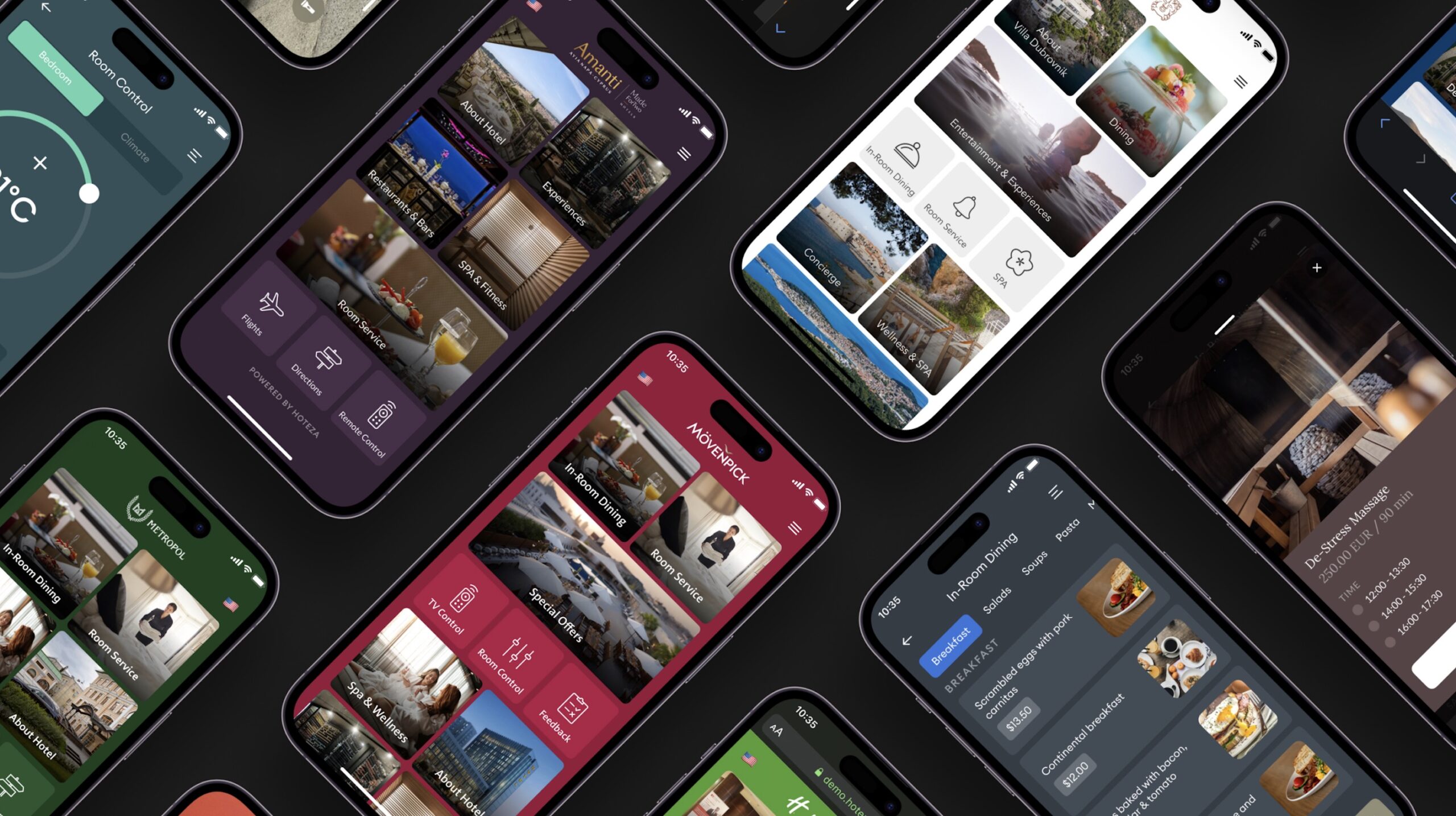
    Guest engagement is no longer limited to conversations at the front desk or interactions with hotel employees. Guests can now explore hotel facilities, request room services, receive personalized recommendations, access loyalty benefits, and share feedback through mobile applications. When designed around genuine guest needs, these apps help hotels deliver timely information and convenient services without making hospitality feel impersonal. For hotel businesses, the goal is not simply to launch an app but to create a useful digital experience that strengthens guest satisfaction, loyalty, and long-term business performance.

    What Are Hospitality Apps for Guest Engagement?

    Hospitality apps for guest engagement are digital applications that help hotels communicate with guests, provide services, collect feedback, and maintain relationships across the guest journey. These applications may be developed specifically for a hotel brand or provided through hospitality technology platforms.

    Common features include mobile check-in and check-out, digital concierge services, in-app messaging, room service ordering, restaurant reservations, loyalty programs, local recommendations, service requests, and personalized notifications.

    Some hotels use a dedicated mobile application, while others rely on mobile-friendly websites, messaging platforms, or integrated guest-service applications. The right approach depends on the hotel’s size, target audience, budget, and service model.

    Why Guest Engagement Apps Matter in Hospitality

    Guest engagement apps allow hotels to maintain communication beyond traditional face-to-face interactions. Guests can access important information whenever they need it, while hotel teams can provide updates and respond to requests more efficiently.

    These applications can also help reduce common sources of frustration. Instead of calling reception to ask about restaurant hours or visiting the front desk to request extra towels, guests may be able to find information or submit requests directly through their devices.

    For hotels, better engagement can lead to stronger guest relationships, improved service coordination, more opportunities to promote facilities, and a clearer understanding of guest preferences.

    Mobile Check-In and Check-Out Features

    One of the most practical features of a hospitality app is mobile check-in and check-out. Guests can complete eligible registration steps before arrival, review essential information, and receive instructions for reaching their rooms.

    Mobile check-out can allow guests to review bills, complete payments, and receive digital invoices without waiting in a reception queue.

    These features are particularly useful for business travelers, frequent guests, and travelers arriving during busy periods. However, hotels should maintain traditional check-in and check-out options for guests who prefer personal assistance or need help completing digital procedures.

    Personalized Guest Communication

    Personalized communication is a major advantage of guest engagement apps. Rather than sending the same message to every traveler, hotels can provide information that is relevant to a guest’s booking, preferences, or current stage of the stay.

    Before arrival, an app might share directions, check-in details, and information about available facilities. During the stay, it could provide restaurant hours, event schedules, or updates about requested services. After departure, it might deliver a thank-you message and an invitation to share feedback.

    Personalization should be useful rather than intrusive. Hotels need to respect communication preferences, limit unnecessary notifications, and handle personal information responsibly.

    In-App Service Requests

    Hospitality apps can make it easier for guests to request services without contacting several departments individually. Guests may be able to request housekeeping, additional amenities, maintenance assistance, laundry services, or transportation through a single interface.

    These requests can be routed to the appropriate hotel team, helping employees prioritize tasks and track completion. Guests can also receive updates so they know their requests have been acknowledged.

    For management, digital service requests provide useful operational information. Repeated requests for particular amenities or recurring maintenance issues can help identify opportunities to improve service quality and resource planning.

    Digital Concierge and Local Recommendations

    A digital concierge feature can help guests discover hotel facilities and nearby attractions. Through an app, guests may explore restaurants, sightseeing opportunities, cultural activities, transportation options, shopping areas, and local events.

    Hotels can use this feature to make recommendations based on the guest’s interests, available time, and travel purpose. A family may appreciate information about child-friendly activities, while a business traveler may be more interested in transportation, meeting facilities, and nearby dining options.

    Digital concierge tools can also create partnerships with local businesses. Carefully selected recommendations can improve the guest experience while introducing additional booking or referral opportunities for the hotel.

    Loyalty Programs and Rewards

    Guest engagement apps can make hotel loyalty programs easier to understand and use. Guests may be able to view their points, check membership benefits, access eligible rewards, and receive information about special offers through their smartphones.

    A convenient digital loyalty experience can encourage guests to interact with the brand between visits. Hotels can also use their apps to communicate relevant benefits to returning guests and make it easier to recognize their loyalty.

    Rewards should be transparent and straightforward. Guests need to understand how points are earned, which benefits are available, and whether any conditions apply. A complicated loyalty system can reduce participation rather than strengthen engagement.

    In-App Dining and Additional Services

    Hospitality apps can bring hotel restaurants, room service, spa facilities, fitness services, and other amenities closer to guests. Guests can browse menus, view service information, make reservations, and place orders without visiting multiple departments.

    For hotels, this creates opportunities to increase awareness of services that guests might otherwise overlook. A guest using the app to book a restaurant table could also discover a special dining experience or a wellness package.

    Recommendations should remain relevant and appropriately timed. Excessive promotions can make the application feel like an advertising channel instead of a useful hospitality service.

    Collecting Feedback Through Apps

    Guest engagement apps can help hotels collect feedback while the guest is still on the property. Short surveys or simple rating options allow travelers to share their experiences without completing lengthy forms.

    This gives hotels an opportunity to address problems before departure. If a guest reports that room service was delayed or an amenity is missing, the relevant team can respond while there is still time to improve the stay.

    Post-stay feedback can also reveal recurring issues involving cleanliness, staff interactions, facilities, or communication. Hotels should regularly review this information and use it to guide operational improvements.

    Integrating Apps With Hotel Management Systems

    An engagement app becomes more useful when it works with the hotel’s existing technology. Integration with property management systems, customer relationship management platforms, booking engines, restaurant systems, and payment gateways can create a more connected experience.

    For example, an app connected to the property management system may display relevant stay information, while integration with service-management tools can route guest requests to the correct team.

    Integration can also reduce duplicate data entry and manual coordination. However, hotels should evaluate compatibility, implementation costs, system reliability, and data-security requirements before selecting a platform.

    Using Data to Improve Guest Engagement

    Guest engagement apps can provide insights into how travelers interact with hotel services. Hotels may analyze application usage, service requests, offer engagement, loyalty participation, and guest feedback to identify areas for improvement.

    If many guests repeatedly search for the same information, the hotel could make that information easier to find. If a particular service receives strong interest through the app, management might consider improving its availability or presentation.

    Data should be collected and used responsibly. Hotels must follow applicable privacy requirements, limit access to sensitive information, and avoid using guest data in ways that feel intrusive or unexpected.

    Common Challenges in Implementing Hospitality Apps

    Despite their benefits, hospitality apps can create challenges if they are poorly designed or implemented. A complicated interface, slow performance, frequent technical errors, or an excessive number of notifications can discourage guests from using an application.

    Development and maintenance costs can also be significant. Hotels need to account for software updates, system integration, security, staff training, and ongoing technical support.

    Another challenge is adoption. Not every guest wants to download a dedicated app for a short stay. Hotels should make essential services accessible through convenient alternatives, such as mobile websites, QR codes, messaging, or traditional staff assistance.

    The most effective approach is to focus on features that solve real problems instead of adding functionality simply to make the app appear more advanced.

    Best Practices for Successful Guest Engagement Apps

    Hotels should begin by identifying the needs of their guests and the operational challenges they want to address. The application should be easy to navigate, fast to load, accessible to different users, and compatible with common mobile devices.

    Essential functions should be easy to locate. Guests should not have to navigate several menus to request a service, contact reception, or find check-out information.

    Hotel employees should also be trained to respond to digital requests consistently. If a guest submits a request through the app but receives no response, the technology can damage trust rather than improve the experience.

    Hotels should monitor adoption, gather user feedback, and update the application regularly. Guest engagement apps should evolve as customer expectations and hotel operations change.

    Measuring the Success of Guest Engagement Apps

    Hotels should measure whether their apps are improving guest experiences and supporting business goals. Useful performance indicators include app adoption, active usage, response times, service-request completion, guest satisfaction scores, feedback participation, repeat bookings, and loyalty program engagement.

    Hotels can also monitor app-related complaints, abandoned transactions, and the use of specific features to identify friction points.

    These measurements should be considered alongside guest feedback and operational results. A high number of downloads does not automatically mean that an app is useful. The most meaningful indicator is whether guests use it to complete tasks successfully and enjoy a better stay.

    The Future of Hospitality Guest Engagement Apps

    The future of hospitality apps is likely to involve greater integration, personalization, and automation. Artificial intelligence may help answer routine questions, recommend relevant experiences, and guide guests through hotel services. Smart-room technology and digital keys may further connect mobile applications with the physical hotel environment.

    Voice interfaces, multilingual support, and more accessible designs may also make digital services easier for a wider range of travelers to use.

    Even as these technologies advance, the human side of hospitality will remain essential. Apps can handle routine interactions, but employees are still needed to resolve complex problems, show empathy, and deliver thoughtful personal service.

    Conclusion

    Hospitality apps for guest engagement are changing how hotels communicate with travelers and deliver services. From mobile check-in and personalized messaging to digital concierge services, loyalty rewards, in-app dining, and real-time feedback, these applications can make guest interactions more convenient and connected.

    For hotels, the greatest value comes from using technology to strengthen relationships rather than replace human hospitality. A successful app should make information easy to access, requests simple to submit, and services convenient to use while respecting guest privacy and preferences.

    As digital expectations continue to grow, hotels that invest in useful, reliable, and guest-focused mobile experiences can improve satisfaction, encourage repeat visits, and create stronger relationships with their customers. BookSmart believes that effective guest engagement combines smart technology with genuine hospitality, ensuring that every digital interaction adds value to the guest’s overall experience.

  • Hospitality Industry Mobile Experiences: Transforming Guest Engagement and Hotel Services

    Hospitality Industry Mobile Experiences: Transforming Guest Engagement and Hotel Services

    Mobile technology has become an important part of everyday life, and the hospitality industry is increasingly adapting to this change. Guests now use smartphones for everything from discovering hotels and making reservations to checking in, ordering food, making payments, requesting services, and sharing feedback. As a result, hotels are moving beyond traditional websites and basic mobile applications to create complete mobile experiences that support guests throughout their journey. Hospitality industry mobile experiences are no longer simply an additional digital feature. They are becoming an important part of how hotels communicate with guests, deliver services, and build long-term relationships.

    A well-designed mobile experience can make a hotel stay more convenient while also improving operational efficiency. Instead of waiting at the front desk, calling room service, or searching for information, guests can complete many activities directly from their smartphones. At the same time, hotels can use mobile platforms to understand guest preferences, communicate more effectively, promote relevant services, and respond quickly to requests. The key is to use mobile technology to make hospitality more seamless without removing the human element that makes a hotel stay memorable.

    What Are Mobile Experiences in Hospitality?

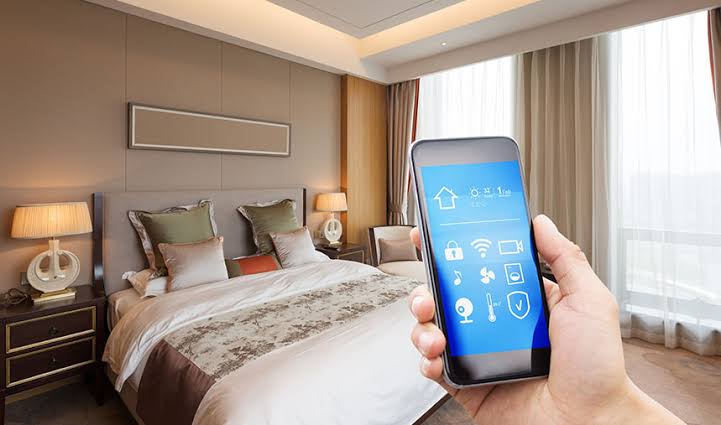
    Hospitality mobile experiences include all the ways guests interact with a hotel through smartphones and other mobile devices. This can include mobile hotel websites, applications, digital booking platforms, mobile check-in and check-out, digital room keys, mobile payments, in-app service requests, messaging, digital concierge services, and personalized offers.

    The experience can begin before the guest arrives and continue after departure. A traveler may discover a hotel through a mobile search, complete a reservation on a smartphone, receive pre-arrival information through a mobile message, check in digitally, use a phone as a room key, order room service through an app, and receive a digital invoice after leaving. This creates a connected guest journey rather than a collection of separate interactions.

    Mobile Booking and Reservation Experiences

    The booking process is often the first major mobile interaction between a guest and a hotel. Mobile-friendly booking platforms allow travelers to search rooms, compare rates, view facilities, select dates, and complete reservations without switching to a desktop computer.

    Hotels should ensure that their mobile booking experience is fast, simple, and easy to navigate. Complicated forms, slow-loading pages, unclear pricing, or excessive steps can cause potential guests to abandon their reservations.

    A strong mobile booking experience should clearly communicate room types, amenities, policies, pricing, availability, and cancellation conditions. Secure mobile payment options can further simplify the reservation process.

    Mobile Check-In and Check-Out

    Mobile check-in and check-out can significantly reduce friction at the beginning and end of a hotel stay. Guests can provide required information before arrival and receive instructions about their room, property, or arrival process through a mobile platform.

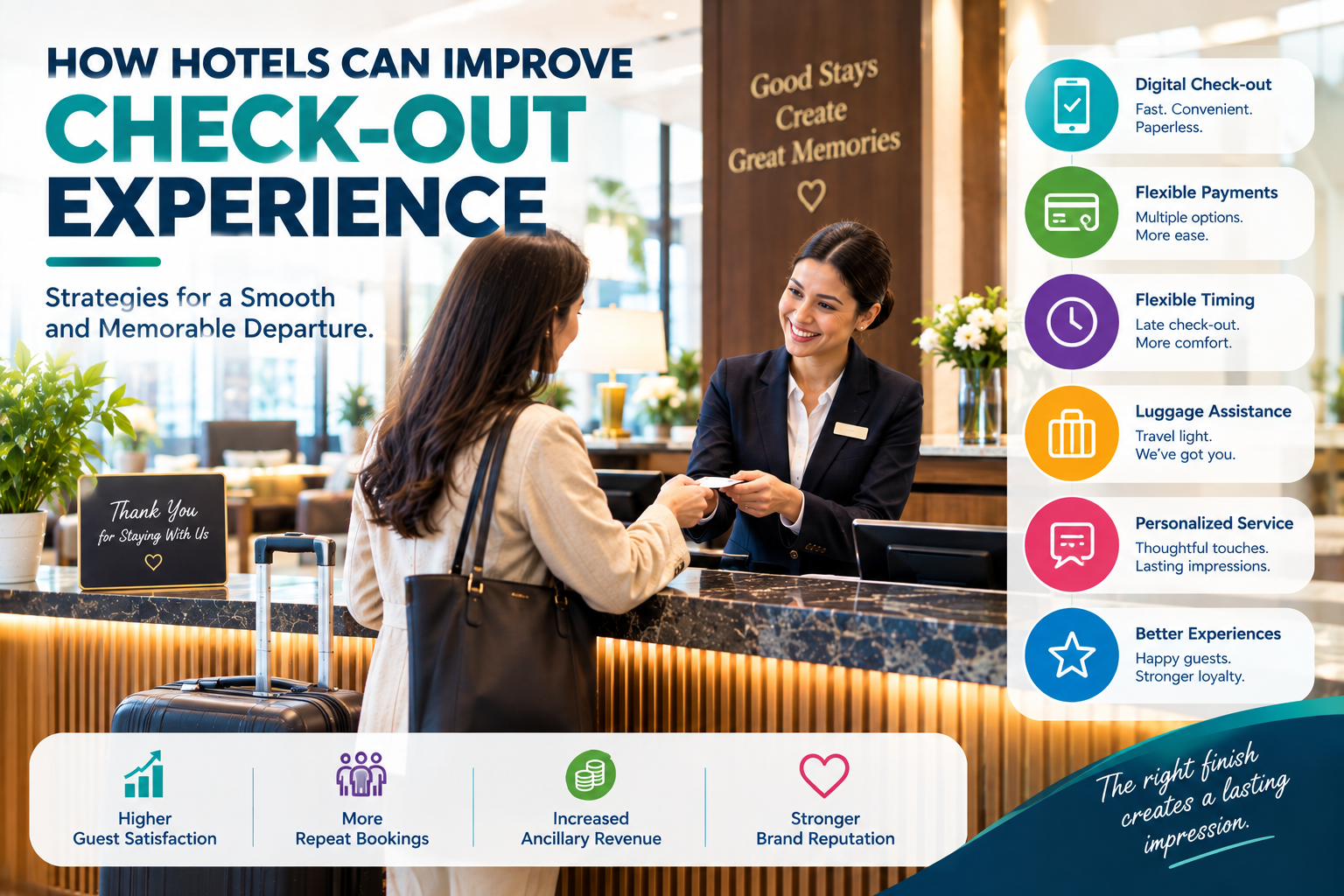
    At departure, guests can review their bill, settle outstanding charges, and receive a digital invoice without necessarily waiting at the front desk.

    However, mobile processes should not eliminate personal service. Guests who prefer face-to-face interaction or need assistance should still have easy access to hotel employees. The best mobile experience provides convenience while keeping human support available.

    Digital Room Keys

    Digital keys are another important mobile hospitality experience. Compatible hotel systems can allow guests to access rooms and selected areas using a smartphone rather than a traditional physical key card.

    Digital keys can make arrival more convenient and reduce the need to visit reception solely to collect a key. They can also help hotels manage access more efficiently.

    Security is essential when implementing digital keys. Hotels need appropriate authentication, access controls, device compatibility, and contingency procedures to ensure that guests can access their rooms safely and reliably.

    Mobile Communication With Guests

    Mobile communication can transform the way hotels interact with guests. Instead of relying exclusively on phone calls or printed notices, hotels can communicate through approved messaging channels, mobile applications, SMS, or other digital platforms.

    Guests can receive information about check-in times, hotel facilities, restaurant hours, events, transportation, and important stay updates. They can also send questions or requests without having to physically visit the front desk.

    For hotel employees, centralized mobile communication can make it easier to track requests and ensure that important guest needs are not overlooked.

    Mobile Room Service and Hotel Services

    Mobile platforms can simplify access to hotel services. Guests can browse menus, order food and beverages, request housekeeping, book spa appointments, arrange transportation, or ask for additional amenities directly from their devices.

    This can reduce the need for repeated phone calls and make service requests easier to manage. Guests can also receive status updates, helping them understand when their request is being processed.

    For hotels, mobile service ordering can create additional revenue opportunities. Guests who can easily discover available dining, wellness, entertainment, and other services may be more likely to purchase them during their stay.

    Mobile Payments

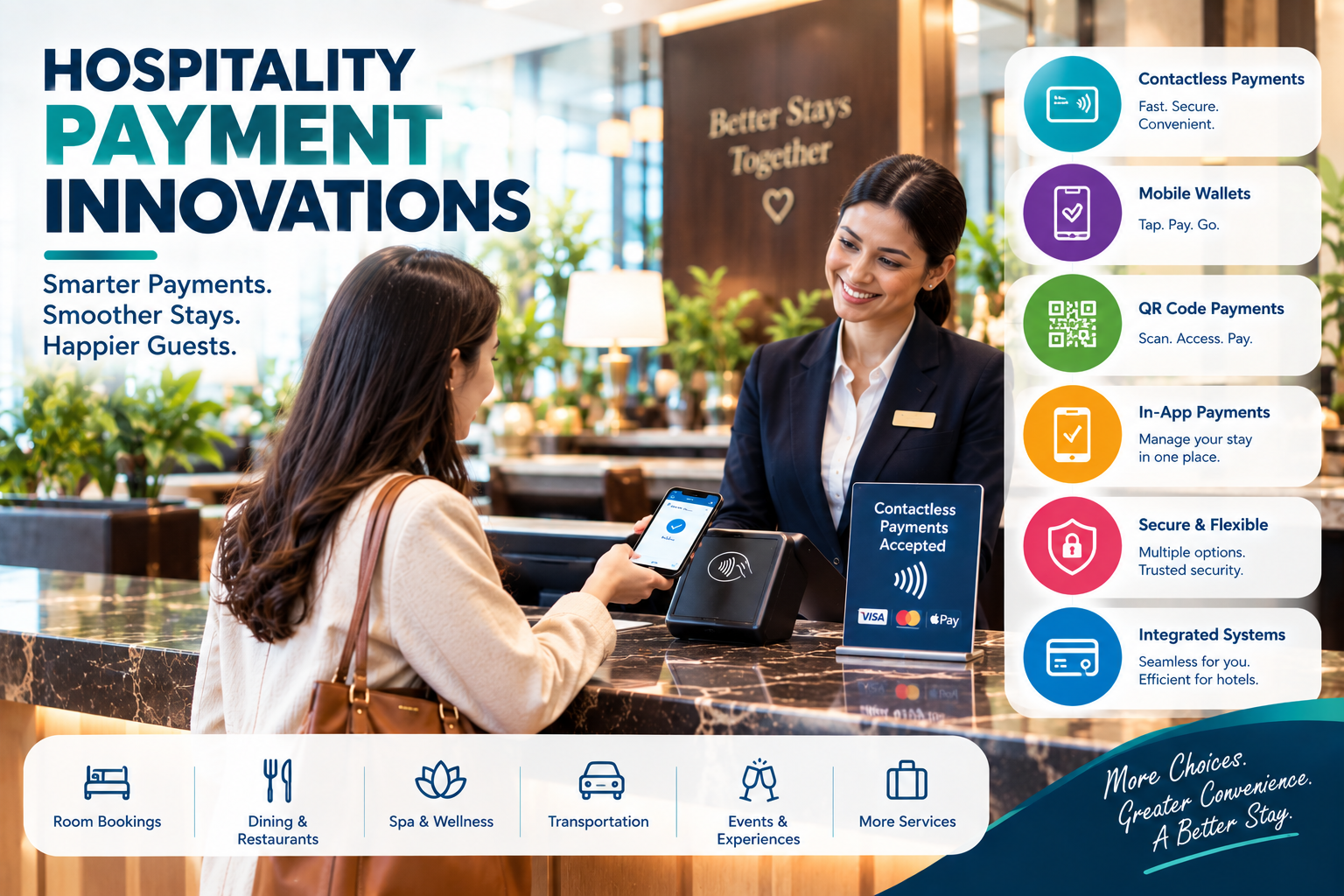
    Mobile payment technology is becoming increasingly important in hospitality. Guests can use digital wallets, contactless payments, QR codes, or in-app payment systems to complete transactions.

    Mobile payments can be useful for room bookings, restaurant purchases, spa services, transportation, activities, and other hotel-related expenses. Faster payment processing can reduce queues and improve convenience.

    When integrated with hotel management and financial systems, mobile payments can also reduce manual processes and improve transaction visibility.

    Personalized Mobile Experiences

    One of the biggest advantages of mobile technology is the ability to deliver personalized experiences. Hotels can use appropriate guest preferences and stay information to provide more relevant communication and services.

    For example, a returning guest may receive information about familiar facilities or preferred services. A business traveler may receive convenient information about meeting facilities and transportation, while a family may be shown relevant dining or activity options.

    Personalization should always be responsible and transparent. Hotels need to respect privacy and use guest information appropriately rather than overwhelming travelers with unnecessary notifications.

    Mobile Concierge Services

    Mobile concierge services can make it easier for guests to discover what a hotel and its surrounding destination have to offer. A mobile platform can provide information about restaurants, attractions, transportation, events, wellness facilities, and hotel activities.

    Instead of requiring guests to call reception for every question, they can access useful information whenever they need it.

    Mobile concierge services can also strengthen the hotel’s relationship with the local destination. Hotels can recommend relevant experiences and help guests plan activities while potentially creating partnerships with local businesses and service providers.

    Mobile Loyalty and Guest Engagement

    Mobile platforms can strengthen hotel loyalty programs by making rewards easier to access and use. Guests can check loyalty points, view available benefits, receive personalized offers, and manage their profiles through a mobile application.

    Hotels can also use mobile communication to maintain relationships between stays. Rather than communicating only when a guest makes a reservation, the hotel can provide relevant updates, loyalty information, and useful content throughout the customer lifecycle.

    The objective should be meaningful engagement rather than excessive messaging. Too many notifications can quickly become frustrating.

    Using Mobile Technology to Improve Hotel Operations

    Mobile experiences can benefit hotel employees as well as guests. Staff members can use mobile devices to receive housekeeping requests, maintenance alerts, guest service requests, and operational updates.

    For example, if a guest reports a maintenance issue through a mobile platform, the request can be routed to the appropriate department. Employees can update the status once the issue has been addressed.

    This improves coordination between departments and can reduce response times. Mobile technology therefore becomes not only a guest-facing tool but also an operational platform.

    Mobile Experiences and Guest Feedback

    Hotels can use mobile platforms to collect feedback during and after a guest’s stay. Instead of waiting for an online review after departure, hotels can provide guests with an opportunity to report concerns while they are still on the property.

    This creates an opportunity for service recovery. If a guest reports an issue during their stay, hotel employees can respond before the problem affects the overall experience.

    Short and simple feedback forms are generally more practical than lengthy surveys. Hotels can focus on important areas such as room quality, cleanliness, service, dining, check-in, and overall satisfaction.

    Mobile Technology and Sustainability

    Mobile experiences can also support more sustainable hotel operations. Digital menus, electronic invoices, mobile information guides, and digital confirmations can reduce reliance on printed materials.

    Mobile service requests can also help hotels understand demand and allocate resources more efficiently. For example, digital housekeeping preferences can help hotels coordinate room servicing according to guest requirements.

    Technology alone does not guarantee sustainability, but thoughtful mobile implementation can contribute to reducing unnecessary paper use and improving resource management.

    Challenges of Mobile Hospitality Experiences

    Despite their advantages, mobile experiences also present challenges. Developing and maintaining mobile applications and integrated platforms can require considerable investment. Hotels must ensure that systems remain reliable, secure, and easy to use.

    Not every guest will want to use a mobile application. Some travelers may prefer traditional communication methods or may not have compatible devices. Hotels therefore need to provide alternatives rather than making digital interaction mandatory for every service.

    Data privacy and cybersecurity are also critical concerns. Mobile platforms may process personal information, booking details, payment information, and other sensitive data. Hotels must implement appropriate security measures and communicate clearly about how guest information is handled.

    Another challenge is avoiding excessive digitalization. Hospitality is fundamentally about people, and technology should support employees rather than make the guest experience feel impersonal.

    The Future of Hospitality Mobile Experiences

    The future of mobile hospitality is likely to become more connected and personalized. Artificial intelligence, digital identity, mobile payments, digital keys, location-aware services, smart-room technology, and integrated hotel applications can create increasingly seamless guest journeys.

    Guests may be able to manage much of their stay through one connected mobile platform, from booking and arrival to services, payments, experiences, and departure.

    Artificial intelligence can further support mobile experiences by helping guests find information, answer routine questions, discover relevant services, and receive personalized recommendations. However, human assistance will remain important for complex requests and situations requiring empathy or judgment.

    Conclusion

    Hospitality industry mobile experiences are changing the way guests interact with hotels. From mobile bookings and digital check-in to room keys, payments, room service, concierge functions, loyalty programs, and feedback, smartphones can support almost every stage of the guest journey.

    For hotels, the value of mobile technology extends beyond convenience. A well-designed mobile experience can improve communication, increase service efficiency, support personalization, create additional revenue opportunities, and strengthen guest engagement.

    The most successful hotels will not simply add more mobile features. They will focus on creating experiences that are genuinely useful, easy to navigate, secure, and connected with human hospitality. BookSmart believes that the future of mobile hospitality lies in combining smart technology with thoughtful service—using digital tools to make every guest interaction simpler, faster, and more meaningful.

  • Hospitality Payment Innovations: Transforming Hotel Transactions and Guest Experiences

    Hospitality Payment Innovations: Transforming Hotel Transactions and Guest Experiences

    Payment is one of the most important parts of the hospitality journey, yet it is often treated as a purely transactional activity. From booking a room to paying for dining, spa services, transportation, and other hotel facilities, guests interact with payment systems multiple times during their stay. As customer expectations continue to evolve, traditional payment methods are no longer enough. Travelers increasingly expect transactions to be fast, secure, flexible, and convenient across different devices and channels. This has made payment innovation an important part of modern hospitality operations.

    Hospitality payment innovations are helping hotels simplify transactions while improving guest satisfaction, operational efficiency, and revenue opportunities. Digital wallets, contactless payments, mobile applications, QR codes, virtual cards, automated billing, and integrated payment platforms are changing how hotels collect and manage payments. For hotel businesses, adopting the right payment technologies is no longer simply about offering more payment options. It is about creating a connected and frictionless financial experience throughout the guest journey.

    What Are Hospitality Payment Innovations?

    Hospitality payment innovations refer to new technologies, systems, and processes that make hotel payments faster, safer, more flexible, and easier to manage. These innovations can be used across reservations, check-in, in-house purchases, room service, restaurants, events, spa services, and check-out.

    Modern payment systems can connect directly with property management systems, booking platforms, point-of-sale systems, customer relationship management platforms, and accounting software. This integration reduces manual work and helps hotels maintain accurate transaction records.

    The objective is not simply to replace cash or traditional card payments. Instead, hospitality payment innovation focuses on giving guests more convenient choices while giving hotel operators greater control, visibility, and efficiency.

    Contactless Payments Are Becoming Essential

    Contactless payments have become an important part of the modern hotel experience. Guests can use contactless cards, smartphones, smartwatches, and other compatible devices to complete transactions without physically handling cash or inserting a card into a terminal.

    For hotels, contactless payments can reduce transaction time at busy reception desks, restaurants, cafés, and other service points. They are particularly useful during peak periods when long queues can negatively affect guest satisfaction.

    Contactless payment technology also fits naturally into the broader movement toward low-friction hospitality. Guests can pay quickly and continue their experience without unnecessary delays.

    Mobile Wallets and Digital Payments

    Mobile wallets are another major innovation transforming hospitality payments. Guests increasingly use digital wallets stored on smartphones or wearable devices for everyday purchases, making them a natural option for hotel transactions.

    Hotels can support mobile wallets for room bookings, deposits, dining purchases, spa treatments, and other services. Providing familiar digital payment options can be particularly valuable for international travelers who may prefer not to carry large amounts of cash.

    Digital payments also make it easier to maintain electronic transaction records, helping hotels reduce manual reconciliation and improve financial visibility.

    QR Code-Based Payments

    QR codes provide a simple way for hotels to connect physical guest touchpoints with digital payment systems. Hotels can place QR codes in restaurants, rooms, reception areas, spa facilities, and other service locations.

    A guest may scan a QR code to view a menu, place an order, access a payment page, or settle a bill. This can reduce dependency on printed materials while making transactions more convenient.

    QR-based payments can also support additional hotel services. For example, a guest could scan a code to purchase an activity, request a service, or pay for an add-on without having to visit the front desk.

    In-App Hotel Payments

    Hotel mobile applications can bring multiple payment activities into one digital environment. Guests can use an app to pay for their reservation, add services, settle restaurant bills, request room upgrades where available, or complete check-out.

    The biggest advantage is convenience. Instead of interacting with multiple systems, guests can manage their hotel-related transactions through a single platform.

    When integrated with a hotel’s customer data and service systems, mobile payments can also support personalization. For example, guests could receive relevant service recommendations based on their stay while having the option to purchase those services directly through the application.

    Virtual Cards and Corporate Payments

    Business travel creates unique payment requirements for hotels. Corporate travelers may need expenses to be charged to company accounts, while travel management companies and corporate booking platforms may use virtual cards.

    Virtual cards can help hotels process authorized payments without requiring the physical presence of the cardholder. They can also improve payment control by setting specific transaction limits or usage conditions.

    For hotels serving large numbers of corporate guests, efficient virtual-card processing can reduce administrative work and simplify reconciliation.

    Automated Billing and Digital Invoices

    Payment innovation extends beyond the moment a guest pays. Automated billing systems can improve the entire process of creating, reviewing, and delivering invoices.

    Hotels can automatically generate itemized bills and send digital invoices through email or other approved communication channels. Guests can review charges without waiting at the front desk, while hotel teams spend less time handling repetitive billing tasks.

    Digital invoicing can also reduce paperwork and improve record management. For business travelers, receiving a clear electronic invoice immediately after departure can make expense reporting easier.

    Payment Integration With Hotel Systems

    One of the most important developments in hospitality payment technology is system integration. Payment platforms can connect with property management systems, point-of-sale systems, booking engines, accounting software, and customer relationship management platforms.

    Integration helps ensure that payments and guest charges are recorded consistently across the hotel. When a guest purchases dinner, for example, the charge can be automatically associated with the appropriate room account rather than requiring employees to manually enter information.

    Integrated systems can reduce errors, improve reconciliation, and provide management with a more complete view of hotel revenue.

    Buy Now, Pay Later and Flexible Payment Options

    Flexible payment models are also becoming relevant in travel and hospitality. Depending on the hotel’s market, guests may be offered options to split payments or pay for bookings over time through supported financial services.

    These options can make higher-value travel purchases more accessible to some customers. Hotels can potentially benefit from increased booking flexibility and reduced barriers to purchase.

    However, flexible payment options should be implemented carefully. Hotels need to understand transaction fees, settlement processes, customer eligibility, and applicable regulations before introducing such services.

    Biometric and Tokenized Payments

    Emerging payment technologies are also exploring ways to make transactions more seamless. Tokenization can replace sensitive card information with secure digital tokens, reducing the need to repeatedly handle raw payment details.

    Biometric authentication may also support future hospitality payment experiences, allowing authorized guests to verify transactions through technologies such as fingerprint or facial recognition where legally permitted and appropriately implemented.

    These technologies could eventually support highly personalized and frictionless hotel experiences, but privacy, consent, security, and regulatory compliance must remain central to implementation.

    Payment Security Is a Critical Priority

    Greater payment convenience must never come at the expense of security. Hotels process valuable financial and personal information, making them attractive targets for fraud and cyberattacks.

    Hotels should use secure payment gateways, encryption, tokenization, strong authentication, access controls, transaction monitoring, and appropriate compliance practices. Employees should also receive regular training on payment security and fraud awareness.

    Guests need confidence that their payment information is protected. Clear communication about secure payment processes can therefore contribute to both trust and brand reputation.

    Personalizing the Payment Experience

    Payment technology can also contribute to personalization. Different guests may prefer different payment methods depending on their location, travel purpose, age group, or booking channel.

    Hotels can offer relevant payment choices rather than forcing every guest through the same process. A business traveler may prefer a corporate virtual card, while another guest may prefer a mobile wallet or traditional card.

    Personalization should make payments easier without becoming intrusive. Hotels should use customer information responsibly and maintain appropriate privacy standards.

    Benefits of Hospitality Payment Innovations

    Modern payment solutions can create benefits across multiple areas of hotel operations. Faster transactions can reduce queues and improve guest satisfaction. Automated processes can reduce manual workloads and administrative costs. Integrated systems can improve financial accuracy and revenue visibility.

    Payment innovation can also support additional revenue opportunities. When guests can easily purchase room services, dining experiences, wellness treatments, transportation, or activities through digital channels, hotels can make it easier for guests to spend during their stay.

    For management teams, payment data can provide useful insights into purchasing behavior, preferred payment methods, transaction timing, and revenue patterns.

    Challenges Hotels Need to Consider

    Despite their advantages, payment innovations also create challenges. Technology implementation can require significant investment, staff training, system integration, and ongoing maintenance.

    Hotels must also consider interoperability between different platforms. A payment solution that does not integrate properly with existing property management or accounting systems can create additional work rather than reducing it.

    Security and privacy are equally important. Hotels must carefully evaluate technology providers and ensure that payment systems comply with applicable regulations and industry requirements.

    Another challenge is maintaining alternatives for guests who prefer traditional payment methods. Innovation should increase choice rather than exclude customers who are less comfortable with digital technology.

    The Future of Hospitality Payments

    The future of hospitality payments is likely to become increasingly connected, invisible, and personalized. Guests may be able to complete many transactions without physically visiting a reception desk or handling a payment card.

    Mobile applications, digital wallets, tokenized transactions, connected hotel rooms, artificial intelligence, and integrated payment platforms could create a more seamless financial journey from booking to departure.

    Hotels may also increasingly use payment data alongside operational and guest data to understand demand, improve service offerings, and identify new revenue opportunities. The focus will shift from simply processing payments to creating a connected payment experience across the entire guest journey.

    Conclusion

    Hospitality payment innovations are transforming the way hotels manage transactions and interact with guests. Contactless payments, mobile wallets, QR codes, in-app payments, virtual cards, automated billing, integrated platforms, and emerging technologies are making transactions faster and more convenient.

    For hotels, the real value of payment innovation goes beyond replacing cash or traditional card terminals. The right technology can reduce operational friction, improve financial visibility, strengthen security, support personalization, and create additional opportunities for revenue generation.

    As guest expectations continue to evolve, hotels that treat payments as an important part of the overall guest experience will be better positioned to deliver convenient and modern hospitality. BookSmart believes that the future of hotel payments is not simply about paying faster—it is about creating a smoother, safer, and more connected guest journey from booking to check-out.

  • How Hotels Can Improve Check-Out Experience: Strategies for a Smooth and Memorable Departure

    How Hotels Can Improve Check-Out Experience: Strategies for a Smooth and Memorable Departure

    The check-out experience is one of the final interactions a guest has with a hotel, making it an important part of the overall stay. While hotels invest significant effort in creating a positive arrival experience, the departure process can sometimes be overlooked. Long queues, confusing bills, payment issues, delayed luggage assistance, or poor communication can leave guests frustrated even after an otherwise excellent stay. A smooth and efficient check-out, on the other hand, can reinforce guest satisfaction and encourage positive reviews, repeat bookings, and stronger brand loyalty. For modern hotels, improving the check-out experience is therefore not simply about making departure faster. It is about making the final stage of the guest journey convenient, personalized, transparent, and memorable.

    Why the Check-Out Experience Matters

    The last impression often has a strong influence on how guests remember their overall hotel experience. A guest may have enjoyed comfortable rooms, excellent dining, and attentive service, but a frustrating departure can negatively affect that perception. Hotels need to recognize check-out as an important touchpoint within the complete guest journey rather than treating it as a purely administrative process. A well-designed check-out experience reduces friction while giving staff another opportunity to demonstrate hospitality.

    A smooth departure can also contribute to operational efficiency. When hotels reduce manual processes and unnecessary waiting, front-desk employees can spend more time assisting guests who need personalized support. Faster billing, digital payments, automated notifications, and pre-check-out communication can reduce pressure during busy departure periods. At the same time, guests receive greater control over when and how they complete the process.

    Offer Flexible Check-Out Options

    One of the simplest ways hotels can improve the check-out experience is by offering multiple departure options. Not every guest wants to stand at the front desk at the same time in the morning. Hotels can provide traditional front-desk check-out alongside express check-out, mobile check-out, self-service kiosks, or in-room check-out where appropriate.

    Express check-out can be particularly useful for guests whose bills are already settled or whose payment information has been securely stored. Instead of completing a lengthy process at reception, guests can simply confirm their departure and leave. This is especially valuable for business travelers, families with children, and guests catching early flights or trains.

    Introduce Mobile and Digital Check-Out

    Digital technology can make check-out significantly more convenient. Hotels can allow guests to review their bill, verify charges, make payments, provide feedback, and confirm departure through a mobile application or secure digital platform.

    A digital check-out system can send a notification when the bill is ready for review. Guests can check room charges, restaurant expenses, minibar usage, and other services before leaving. If everything is correct, they can complete payment digitally and receive an electronic invoice.

    This approach reduces dependence on the front desk while providing greater transparency. However, digital check-out should complement rather than completely replace human assistance. Guests should always have access to staff when they have questions, disputes, special requests, or payment concerns.

    Make Billing Clear and Transparent

    Billing problems are among the easiest ways to create frustration during departure. Hotels should make sure guests understand their final charges before they reach the check-out stage. Providing an itemized bill gives guests the opportunity to identify any discrepancies early.

    Hotels can send a preliminary statement through email, SMS, or their mobile platform before departure. Guests can then review charges and contact the hotel if something appears incorrect. Resolving issues before the guest arrives at the front desk makes the final departure much smoother.

    Clear billing also builds trust. Charges should be described accurately, additional fees should be communicated appropriately, and unexpected costs should be avoided wherever possible.

    Communicate Before the Guest Checks Out

    Effective communication can prevent many check-out problems. Hotels can send a friendly pre-departure message explaining the check-out time, available check-out methods, transportation options, luggage assistance, and any outstanding payment information.

    For example, a hotel might notify guests the evening before departure and ask whether they require airport transportation, luggage storage, or a late check-out. This allows the hotel to prepare services in advance rather than handling everything at the last minute.

    Pre-departure communication can also create opportunities for personalization. A guest who has mentioned an early flight may receive information about breakfast-to-go options or transportation arrangements. A business traveler may appreciate a quick digital invoice for expense reporting.

    Provide Convenient Payment Methods

    Modern guests expect flexible payment options. Hotels can improve the check-out experience by supporting multiple secure payment methods, including cards, digital wallets, online payments, and other locally preferred options.

    Payment technology should be reliable and easy to understand. Staff should also be prepared to assist guests if a transaction fails or if they need to use an alternative payment method.

    For international travelers, clear information about currency conversion and payment amounts can prevent misunderstandings. Security is equally important, as payment systems must protect guest information and follow appropriate data-security practices.

    Make Late Check-Out More Flexible

    Travel schedules do not always match standard hotel departure times. Guests with late flights, evening trains, business meetings, or unexpected changes may need additional time.

    Hotels can improve guest satisfaction by offering flexible late check-out options whenever operationally possible. Availability can be communicated through the hotel’s app, website, front desk, or pre-departure message. Where additional fees apply, they should be clearly communicated before the guest accepts the option.

    Even when late check-out is unavailable, hotels can provide alternatives such as luggage storage, access to selected facilities, or a comfortable waiting area. These small conveniences can make a significant difference.

    Improve Luggage Assistance

    The check-out experience does not necessarily end when the guest hands over the room key. Luggage handling is another important part of departure.

    Hotels should make it easy for guests to request luggage assistance. Staff can help collect bags from rooms, provide luggage storage after check-out, and clearly explain where stored luggage can be collected. Digital requests can make this process more efficient in larger properties.

    For guests traveling with children, elderly travelers, or multiple pieces of luggage, proactive assistance can create a particularly positive final impression.

    Train Employees for Efficient and Friendly Service

    Technology can simplify the check-out process, but employees remain essential to hospitality. Front-desk teams should be trained to handle departures efficiently while maintaining a warm and professional attitude.

    Employees should know how to manage common issues such as disputed charges, payment failures, lost items, transportation requests, late check-out requests, and billing corrections. They should also understand when an issue needs to be escalated to a supervisor.

    Most importantly, employees should avoid making guests feel rushed or ignored. Efficiency should not come at the expense of genuine hospitality.

    Personalize the Departure Experience

    Personalization does not have to be complicated. Hotels can use guest information responsibly to make the final interaction more relevant.

    For a returning guest, an employee might acknowledge their previous visit. A business traveler might receive a digital invoice immediately after payment. A family may appreciate assistance with luggage and transportation. A guest celebrating a special occasion may receive a warm farewell message.

    Small personalized touches can make the departure feel less transactional and more like the conclusion of a relationship.

    Use Technology to Reduce Waiting Times

    Technology can help hotels identify and eliminate bottlenecks in the check-out process. Property management systems, mobile platforms, digital payment solutions, CRM systems, and automated messaging can work together to reduce repetitive manual tasks.

    Hotels can also monitor peak check-out periods and allocate additional staff when demand is high. Data can reveal when queues are longest, which payment methods create delays, and which types of requests require the most staff time.

    Artificial intelligence can further support operations by helping predict departure patterns, identifying common guest requests, and automating routine communications. However, technology should be implemented with a clear focus on guest convenience rather than technology for its own sake.

    Make Feedback Part of the Departure Journey

    Check-out provides an excellent opportunity to collect guest feedback. Hotels can invite guests to share their experience through a short digital survey, QR code, mobile application, or follow-up message.

    The feedback process should be simple. Long questionnaires can discourage participation. Hotels can focus on key areas such as room quality, service, cleanliness, dining, check-in, and check-out.

    More importantly, hotels should use feedback to improve operations. If guests repeatedly complain about billing delays or morning queues, management should investigate the underlying cause and make appropriate changes.

    Avoid Common Check-Out Mistakes

    Hotels can improve their departure experience by avoiding several common problems. These include unexpected charges, unclear invoices, long queues, insufficient staffing during peak hours, poor communication about check-out times, slow payment processing, and lack of luggage assistance.

    Another common mistake is treating every guest in exactly the same way. A standardized process is useful for operational consistency, but flexibility is essential when guests have different needs.

    Hotels should also avoid making the check-out process unnecessarily complicated. The goal should be to complete essential administrative tasks quickly while maintaining an opportunity for human interaction when guests want it.

    Measure Check-Out Performance

    Hotels should track measurable indicators to understand whether their improvements are working. Useful metrics can include average check-out time, front-desk waiting time, digital check-out adoption, billing-related complaints, payment failures, guest satisfaction scores, and check-out-related review comments.

    Hotels can also compare these metrics across different days, seasons, property types, and guest segments. This data can help management identify patterns and make better staffing and technology decisions.

    For example, if check-out queues consistently increase between 8:00 and 10:00 a.m., the hotel can increase front-desk staffing during that period or encourage guests to use digital check-out in advance.

    The Future of Hotel Check-Out

    The future of hotel check-out will increasingly focus on flexibility, personalization, and low-friction experiences. Mobile check-out, digital keys, contactless payments, automated billing, smart-room technology, and integrated guest platforms will continue to reduce the amount of time guests need to spend at reception.

    At the same time, human service will remain important. Technology can handle routine transactions, but hospitality employees provide empathy, problem-solving, and personalized assistance. The most successful hotels will combine both approaches rather than choosing one over the other.

    Conclusion

    A great hotel experience should not end with a long queue or a confusing bill. Improving the check-out experience requires hotels to look at the entire departure journey, from pre-departure communication and billing transparency to payment, luggage assistance, transportation, and post-stay feedback. Flexible check-out options, digital tools, efficient employees, personalized service, and data-driven improvements can make departures faster without making them impersonal.

    For hotels, the check-out experience represents one final opportunity to demonstrate their commitment to guest satisfaction. When that final interaction is smooth, convenient, and welcoming, guests are more likely to leave with a positive impression of the property. BookSmart believes that a successful hospitality experience is not only about how guests are welcomed, but also about how thoughtfully they are sent on their way.

  • Hospitality Cross-Selling Techniques: How Hotels Can Increase Revenue and Enhance Guest Experiences

    Hospitality Cross-Selling Techniques: How Hotels Can Increase Revenue and Enhance Guest Experiences

    The hospitality industry offers much more than accommodation. A hotel may provide restaurants, room service, spa facilities, transportation, meeting spaces, recreational activities, laundry, local experiences, and many other services. While guests may initially book a room, their overall stay can include several additional purchases.

    This creates an important opportunity for hotels through cross-selling. Hospitality cross-selling involves recommending complementary products or services that can add value to a guest’s existing purchase. Unlike upselling, which encourages a guest to choose a higher-value version of a product, cross-selling focuses on related services that complement what the guest has already selected.

    For example, a guest booking a hotel room may also be interested in breakfast, airport transportation, a spa treatment, parking, a restaurant reservation, or a local sightseeing experience. When these suggestions are relevant and presented appropriately, cross-selling can benefit both the guest and the hotel.

    At BookSmart, we believe successful hospitality cross-selling should be based on understanding guest needs rather than simply trying to increase the size of every transaction. The right recommendation can make a stay more convenient while creating additional revenue opportunities for the hotel.

    What Is Cross-Selling in Hospitality?

    Hospitality cross-selling is the practice of offering guests additional products or services that complement their primary purchase.

    For a hotel, the primary purchase may be accommodation. Complementary services can include:

    • Breakfast
    • Airport transfers
    • Parking
    • Restaurant reservations
    • Spa treatments
    • Room service
    • Laundry
    • Local tours
    • Event tickets
    • Meeting facilities
    • Recreational activities

    The goal is to make relevant services easier for guests to discover and purchase.

    For example, a guest traveling for business may benefit from airport transportation and meeting-room facilities, while a family on vacation may be more interested in dining, activities, or local attractions.

    Cross-Selling vs. Upselling

    Cross-selling and upselling are closely related but serve different purposes.

    Upselling encourages a guest to purchase a higher-value version of an existing product. For example, a hotel may offer a guest an upgrade from a standard room to a suite.

    Cross-selling encourages the guest to purchase a complementary product or service. For example, the same guest may be offered breakfast or airport transportation.

    Both strategies can increase revenue, but cross-selling focuses on expanding the guest’s use of different hotel services.

    Understanding the difference helps hotels design more focused sales and guest-experience strategies.

    Why Cross-Selling Matters for Hotels

    Hotels have many revenue opportunities beyond room bookings.

    A guest who books accommodation may spend additional money on food and beverages, wellness services, transportation, activities, events, and other facilities.

    Effective cross-selling can help hotels:

    • Increase ancillary revenue
    • Improve revenue per guest
    • Promote underused facilities
    • Improve guest convenience
    • Increase awareness of hotel services
    • Strengthen guest engagement
    • Create more complete guest experiences

    However, cross-selling should not become excessive. Guests should receive relevant recommendations that genuinely match their needs.

    Start With Understanding Guest Needs

    The foundation of effective cross-selling is understanding the guest.

    Hotels can consider information such as:

    • Travel purpose
    • Length of stay
    • Booking dates
    • Number of guests
    • Previous purchases
    • Stated preferences
    • Loyalty status
    • Available hotel services

    For example, a guest staying for one night may have different needs from a guest staying for a week.

    Similarly, a business traveler may be interested in workspace and transportation, while a leisure traveler may prefer dining and recreational experiences.

    The better the hotel understands the context of the stay, the more relevant its recommendations can become.

    Cross-Selling During the Booking Process

    The booking process provides one of the earliest opportunities for cross-selling.

    Once guests select their accommodation, hotels can present relevant additional services.

    These may include:

    • Breakfast packages
    • Airport transfers
    • Parking
    • Dining reservations
    • Spa appointments
    • Special occasion arrangements

    The options should be presented clearly without making the booking process complicated.

    Hotels should also make prices and conditions transparent so guests understand exactly what they are purchasing.

    Pre-Arrival Cross-Selling

    The period between booking and arrival can be particularly useful for cross-selling.

    After confirming a reservation, hotels can provide guests with an opportunity to customize their stay.

    A pre-arrival message may include information about available services and allow guests to make arrangements before reaching the property.

    For example, a guest arriving late at night may appreciate the option to arrange transportation from the airport.

    Another guest celebrating a special occasion may be interested in dining arrangements or other appropriate services.

    Pre-arrival cross-selling works best when recommendations are based on the actual context of the reservation.

    Food and Beverage Cross-Selling

    Food and beverage services are among the most natural cross-selling opportunities in hospitality.

    Hotels can introduce guests to:

    • Breakfast
    • Restaurants
    • Cafés
    • Room service
    • Special dining experiences
    • Banquet services
    • Local cuisine experiences

    For example, a guest booking a room without breakfast may be shown a convenient breakfast option.

    During the stay, restaurant staff can also make relevant recommendations based on the guest’s dining preferences.

    The emphasis should be on helping guests discover available options rather than pressuring them to spend more.

    Spa and Wellness Services

    Hotels with wellness facilities can use cross-selling to introduce guests to spa and fitness services.

    Potential offerings include:

    • Massages
    • Facial treatments
    • Wellness packages
    • Fitness sessions
    • Sauna or relaxation facilities
    • Beauty services

    These services can be promoted during booking, through pre-arrival communication, mobile applications, or appropriate in-person interactions.

    Hotels should clearly communicate appointment availability, pricing, duration, and booking requirements.

    Transportation Cross-Selling

    Transportation is another practical cross-selling opportunity.

    Hotels can offer services such as:

    • Airport transfers
    • Shuttle services
    • Local transportation
    • Car rental assistance
    • Private transfers

    Transportation can be particularly relevant for guests unfamiliar with the destination.

    Offering the service before arrival can also make the guest journey more convenient because transportation arrangements are handled in advance.

    Local Experiences and Activities

    Hotels can expand their cross-selling strategy beyond their own facilities by helping guests discover relevant local experiences.

    Depending on the destination, hotels may provide information about:

    • Guided tours
    • Cultural attractions
    • Museums
    • Adventure activities
    • Culinary experiences
    • Local events
    • Shopping areas

    Where appropriate, hotels can work with trusted local partners to provide guests with additional experiences.

    The hotel should clearly communicate whether the service is provided directly by the property or by an external provider.

    Cross-Selling for Business Travelers

    Business travelers can have specific needs that create several cross-selling opportunities.

    Hotels can offer:

    • Meeting rooms
    • Business centers
    • Printing services
    • Airport transfers
    • Breakfast
    • Workspace facilities
    • Catering
    • Laundry services

    Corporate guests may also require meeting or event services during their stay.

    Understanding the purpose of the trip can therefore help hotels identify relevant services without relying on generic offers.

    Cross-Selling for Families

    Families may have different priorities from individual travelers.

    Hotels can promote relevant services such as:

    • Family dining options
    • Connecting rooms
    • Child-friendly activities
    • Recreational facilities
    • Transportation
    • Special meal arrangements
    • Local family attractions

    The objective should be to make the family stay easier and more enjoyable.

    Hotels should avoid assuming that every family wants the same services. Guest preferences and stated requirements should remain the primary guide.

    Using CRM Systems for Cross-Selling

    Customer Relationship Management systems can support hotel cross-selling by organizing relevant guest information.

    A CRM can help hotels understand previous bookings, service usage, preferences, loyalty activity, and interactions.

    For example, if a returning guest has previously booked a spa treatment, the hotel may be able to provide information about relevant wellness services during a future stay, where appropriate.

    CRM systems should be managed responsibly, with appropriate privacy and access controls.

    Technology-Enabled Cross-Selling

    Digital hotel platforms can make cross-selling easier.

    Hotels can use:

    • Booking engines
    • Mobile applications
    • Guest messaging platforms
    • CRM systems
    • Digital concierge tools
    • Email communication
    • In-room technology

    These platforms can present services at appropriate stages of the guest journey.

    Technology can also reduce the workload for employees by automating basic information and allowing guests to explore services independently.

    Artificial Intelligence and Cross-Selling

    Artificial Intelligence can help hotels analyze guest behavior and identify potential cross-selling opportunities.

    AI-powered systems can analyze factors such as booking history, length of stay, preferences, service usage, and other relevant information.

    Potential applications include:

    • Personalized recommendations
    • Automated offer selection
    • Guest segmentation
    • Predictive purchase analysis
    • Recommendation engines
    • Timing optimization

    For example, an AI system may identify that certain guest segments frequently purchase breakfast or transportation services and help the hotel determine when relevant information could be presented.

    AI should support hotel teams rather than operate without appropriate human oversight.

    Timing Is Critical

    A relevant offer can become ineffective if it is presented at the wrong time.

    For example, transportation may be most useful before arrival, while restaurant recommendations may be more relevant during the stay.

    Hotels can map cross-selling opportunities across the customer journey:

    Booking: Breakfast, parking, transfers, room-related services

    Pre-arrival: Transportation, dining, spa, experiences

    Check-in: Facilities, dining, activities

    During stay: Restaurants, wellness, room service, local experiences

    Before checkout: Additional services, future booking information, loyalty opportunities

    Timing should always consider the guest’s needs and communication preferences.

    Personalized Cross-Selling

    Generic offers may have limited effectiveness because different guests have different needs.

    Personalization allows hotels to provide more relevant recommendations.

    For example:

    A business traveler may receive information about meeting facilities.

    A family may receive information about suitable dining and activities.

    A couple may be interested in a dining or wellness experience.

    A long-stay guest may value laundry or transportation services.

    Personalization should be useful rather than intrusive.

    Using Data Analytics to Improve Cross-Selling

    Data analytics can help hotels understand which cross-selling strategies are working.

    Hotels can monitor:

    • Offer conversion rate
    • Ancillary revenue
    • Revenue per guest
    • Service usage
    • Offer performance by guest segment
    • Booking-stage performance
    • Mobile offer engagement
    • Repeat purchases

    These insights can help hotels improve their recommendations.

    If a particular service receives very little interest, management can investigate whether the issue is related to pricing, presentation, timing, availability, or guest demand.

    Training Employees for Cross-Selling

    Employees play an important role in successful cross-selling.

    Training should focus on helping employees understand guest needs rather than simply encouraging them to sell more.

    Employees should learn how to:

    • Ask appropriate questions
    • Recognize genuine opportunities
    • Explain services clearly
    • Communicate prices transparently
    • Respect guest decisions
    • Avoid aggressive sales behavior
    • Use hotel technology

    A recommendation should feel like helpful hospitality, not a sales script.

    Common Cross-Selling Mistakes

    Hotels can reduce negative guest reactions by avoiding common mistakes such as:

    • Offering irrelevant services
    • Making too many recommendations
    • Hiding additional charges
    • Repeating declined offers
    • Using aggressive language
    • Making assumptions about guests
    • Providing unclear service information

    Transparency and relevance are essential.

    Guests should always know what they are being offered, what it costs, and whether there are any additional conditions.

    Measuring Cross-Selling Performance

    Hotels should establish clear performance indicators.

    Important metrics can include:

    1. Cross-sell conversion rate
    2. Ancillary revenue per guest
    3. Average transaction value
    4. Service utilization
    5. Offer acceptance rate
    6. Revenue by guest segment
    7. Revenue by communication channel
    8. Guest satisfaction
    9. Repeat purchase behavior
    10. Return on cross-selling campaigns

    Revenue should not be the only measure of success. Hotels should also evaluate whether cross-selling contributes positively to the guest experience.

    The Future of Hospitality Cross-Selling

    The future of hospitality cross-selling will likely become increasingly personalized and technology-driven.

    AI, CRM systems, mobile applications, predictive analytics, and integrated hotel platforms can help properties understand guest needs and present relevant services at appropriate moments.

    Cross-selling may increasingly become part of the overall guest experience rather than a separate sales activity.

    Hotels will be able to recommend services based on context, availability, guest preferences, and previous interactions.

    However, human hospitality will remain essential. Technology can identify opportunities, but employees still play an important role in understanding emotions, answering questions, and providing genuine recommendations.

    Conclusion

    Hospitality cross-selling techniques provide hotels with opportunities to increase ancillary revenue while helping guests discover services that can improve their stay. From breakfast and transportation to dining, spa services, local experiences, and business facilities, hotels can create additional value beyond accommodation.

    Successful cross-selling depends on relevance, timing, personalization, transparency, and employee training. Technology and data analytics can make the process more efficient, while CRM systems and AI can help hotels understand guest preferences and identify appropriate opportunities.

    At BookSmart, we believe that effective cross-selling should never be about simply selling more. It should be about understanding what guests may genuinely need and making those services easy to discover and access.

    When hotels combine thoughtful hospitality with smart technology and responsible data use, cross-selling can become a natural part of the guest journey—creating additional revenue for the property while delivering greater convenience and value to guests.

  • Hospitality Upselling Strategies: How Hotels Can Increase Revenue While Improving Guest Experiences

    Hospitality Upselling Strategies: How Hotels Can Increase Revenue While Improving Guest Experiences

    In the hospitality industry, increasing revenue does not always require attracting more guests. Hotels can also generate additional revenue by offering relevant products, services, and experiences to guests who have already chosen to stay with them. This approach is known as upselling.

    Hospitality upselling involves encouraging guests to consider a higher-value room, additional service, premium facility, dining option, or experience that may better suit their needs. When done thoughtfully, upselling can benefit both the hotel and the guest. The hotel increases its revenue, while the guest receives an opportunity to enhance their stay.

    However, successful hotel upselling is not simply about selling more. Guests are more likely to respond positively when an offer is relevant, clearly explained, convenient, and presented at the right time. At BookSmart, we believe that effective hospitality upselling should focus on creating additional value rather than putting unnecessary pressure on guests.

    What Is Hospitality Upselling?

    Hospitality upselling is a sales strategy in which hotels encourage guests to purchase a higher-value version of an existing product or add relevant services to their booking.

    Examples include upgrading from a standard room to a premium room, adding breakfast to a reservation, booking a spa treatment, selecting airport transportation, or choosing a package with additional benefits.

    Upselling can happen at different stages of the guest journey, including:

    • During the initial booking
    • Before arrival
    • During online check-in
    • At the front desk
    • Through mobile applications
    • During the guest’s stay
    • Before checkout

    The most effective strategy depends on the guest, the service being offered, and the timing of the communication.

    Why Upselling Matters in Hospitality

    Hotels have multiple opportunities to increase the value of each guest relationship.

    A guest who books a room may also need breakfast, transportation, dining, laundry, parking, spa services, meeting facilities, or local experiences.

    If these services are presented appropriately, guests may appreciate the convenience of arranging everything through the hotel.

    Upselling can help hotels:

    • Increase average revenue per guest
    • Improve ancillary revenue
    • Promote premium services
    • Utilize available inventory
    • Improve guest convenience
    • Create personalized experiences
    • Strengthen the overall value of a booking

    The objective should be to identify services that genuinely match guest requirements.

    Room Upgrade Strategies

    Room upgrades are among the most common hotel upselling opportunities.

    A guest who books a standard room may be interested in a larger room, better view, additional amenities, suite, or premium category.

    Hotels can present upgrades through their booking engine, confirmation emails, pre-arrival communication, mobile applications, or front-desk interactions.

    The offer should clearly explain what the guest receives in exchange for the additional cost.

    For example, instead of simply saying “Upgrade your room,” a hotel can explain the relevant benefits, such as additional space, a better view, lounge access, or other included amenities.

    Upselling During the Booking Process

    The booking stage is an important opportunity for upselling because guests are already making purchasing decisions.

    Hotels can offer relevant additions alongside the selected room.

    These may include:

    • Breakfast
    • Airport transfers
    • Parking
    • Room upgrades
    • Dining packages
    • Spa appointments
    • Early check-in
    • Late checkout
    • Special occasion arrangements

    The booking process should remain simple. Too many options can overwhelm guests and make the booking experience more complicated.

    Pre-Arrival Upselling

    The period between booking and arrival provides another opportunity for hotels to offer relevant services.

    After receiving a reservation, the hotel may send a pre-arrival communication that allows guests to customize their stay.

    Guests may be offered options such as:

    • Room upgrades
    • Breakfast packages
    • Transportation
    • Special meals
    • Spa services
    • Local experiences
    • Celebration arrangements

    Pre-arrival upselling can be particularly useful because guests have time to consider additional services before reaching the property.

    Front Desk Upselling

    Front-desk employees often have direct interaction with guests and may identify suitable upselling opportunities.

    For example, if a guest is traveling for a special occasion, the employee may explain relevant room or dining options.

    However, front-desk upselling should be handled carefully.

    Employees should avoid making assumptions or creating pressure. The conversation should focus on available options and their benefits.

    Effective staff training can help employees recognize appropriate opportunities while maintaining a welcoming guest experience.

    Personalized Upselling

    Personalization can make upselling more relevant.

    Hotels can use appropriate guest information to understand preferences and travel patterns.

    For example, a returning guest who previously booked breakfast may be interested in adding breakfast again. A guest traveling for a celebration may be interested in relevant dining or room options.

    Personalization should be based on useful information and handled in accordance with applicable privacy requirements.

    The objective is to make relevant suggestions rather than make guests feel that their personal information is being used excessively.

    Using Technology for Upselling

    Technology has made hotel upselling more efficient.

    Hotels can use booking engines, CRM platforms, mobile applications, guest messaging systems, and property management systems to present relevant offers.

    Automated systems can display offers based on factors such as:

    • Room type
    • Length of stay
    • Booking date
    • Guest preferences
    • Travel purpose
    • Availability
    • Previous purchases

    Technology can also help employees track whether an offer has already been presented, reducing unnecessary repetition.

    AI-Powered Upselling

    Artificial Intelligence can provide additional opportunities for hotel upselling.

    AI systems can analyze booking patterns, guest behavior, demand, and available services to identify potential opportunities.

    Possible applications include:

    • Personalized room recommendations
    • Offer recommendations
    • Guest segmentation
    • Predictive purchasing analysis
    • Automated messaging
    • Dynamic offer selection

    For example, an AI system could identify guests whose booking patterns indicate an interest in premium room categories.

    AI should be used as a decision-support tool, with appropriate human oversight and responsible data practices.

    Upselling Through Mobile Apps

    Hotel mobile applications can provide guests with convenient ways to explore additional services.

    A guest may use an app to request:

    • Room service
    • Spa appointments
    • Restaurant reservations
    • Late checkout
    • Additional amenities
    • Transportation
    • Room upgrades

    Because the guest initiates the interaction, mobile upselling can feel more convenient than unsolicited sales communication.

    Hotels should make sure the interface clearly explains prices and benefits before guests confirm a purchase.

    Food and Beverage Upselling

    Food and beverage operations provide significant opportunities for upselling.

    Restaurants can suggest premium dishes, beverages, desserts, meal packages, or special dining experiences.

    Room-service menus can also present complementary options.

    For example, a guest ordering a meal may be shown relevant side dishes or dessert options.

    Staff should be trained to make recommendations naturally rather than mechanically pushing the highest-priced items.

    Spa and Wellness Upselling

    Hotels with wellness facilities can use upselling to introduce guests to spa and wellness services.

    Possible offers include:

    • Massage treatments
    • Facial treatments
    • Wellness packages
    • Fitness sessions
    • Couples treatments
    • Relaxation packages

    These services can be promoted during booking, pre-arrival communication, or the guest’s stay.

    The offer should clearly communicate availability, duration, pricing, and any booking requirements.

    Experience-Based Upselling

    Modern travelers increasingly value experiences in addition to accommodation.

    Hotels can offer relevant local experiences such as:

    • Guided tours
    • Cultural activities
    • Culinary experiences
    • Adventure activities
    • Local transportation
    • Special events

    Experience-based upselling can also help hotels differentiate their guest offering.

    The key is to ensure that recommendations are relevant to the destination and the guest’s interests.

    Upselling Through Packages

    Packages can combine multiple services into a single offering.

    For example, a hotel might create a weekend package that includes accommodation, breakfast, dining benefits, and a selected experience.

    Packages can simplify the purchasing process because guests do not need to arrange every component separately.

    Hotels should clearly communicate what is included, the total price, applicable conditions, and any limitations.

    Seasonal Upselling Strategies

    Upselling opportunities can change throughout the year.

    Hotels can create relevant offers around:

    • Holidays
    • Festivals
    • School vacations
    • Business events
    • Local attractions
    • Seasonal activities

    For example, a resort may promote relevant leisure experiences during a peak holiday period, while a city hotel may promote business-oriented services during major conferences.

    Seasonal upselling should be based on actual guest demand and available inventory.

    Loyalty-Based Upselling

    Loyalty members can receive relevant opportunities based on their relationship with the hotel.

    Hotels may offer members access to premium services, room upgrades, experiences, or personalized packages.

    However, loyalty-based offers should provide genuine value rather than simply encouraging additional spending.

    A strong loyalty strategy focuses on the overall guest relationship.

    Using Data to Improve Upselling

    Data analytics can help hotels understand which offers perform well.

    Hotels can measure:

    • Offer acceptance rate
    • Average upsell value
    • Revenue per guest
    • Conversion rate
    • Most popular upgrades
    • Most popular services
    • Revenue by guest segment
    • Offer performance by channel

    This information can help management refine its upselling strategy.

    For example, if guests consistently ignore a particular offer, the hotel can investigate whether the pricing, timing, presentation, or service itself needs adjustment.

    Training Employees for Effective Upselling

    Employees are an important part of successful hotel upselling.

    Training should focus on understanding guest needs rather than simply memorizing sales scripts.

    Employees should learn how to:

    • Identify appropriate opportunities
    • Explain benefits clearly
    • Communicate pricing transparently
    • Avoid pressure
    • Handle guest questions
    • Respect guest decisions
    • Use hotel technology effectively

    The best upselling conversations feel like helpful recommendations rather than aggressive sales pitches.

    Avoiding Common Upselling Mistakes

    Hotels can reduce negative guest reactions by avoiding several common mistakes.

    These include:

    • Offering irrelevant services
    • Making too many offers
    • Hiding additional costs
    • Using aggressive sales language
    • Repeating declined offers
    • Making assumptions about guests
    • Complicating the booking process

    Transparency is especially important.

    Guests should always understand the price and conditions associated with an additional service before purchasing it.

    Measuring the Success of Hotel Upselling

    Hotels should establish clear KPIs to evaluate their upselling activities.

    Useful metrics include:

    1. Upsell conversion rate
    2. Average upsell revenue
    3. Revenue per available guest
    4. Room upgrade conversion
    5. Ancillary revenue
    6. Offer acceptance rate
    7. Revenue by sales channel
    8. Guest satisfaction after upselling
    9. Repeat purchase behavior
    10. Cancellation or complaint patterns

    Revenue should not be the only measurement. Hotels should also consider whether upselling improves or negatively affects the guest experience.

    The Future of Hospitality Upselling

    The future of hotel upselling will likely become increasingly personalized and technology-driven.

    AI, CRM platforms, mobile applications, predictive analytics, and integrated booking systems can help hotels identify opportunities at different stages of the guest journey.

    Instead of showing the same offer to everyone, hotels may increasingly provide recommendations based on context, availability, preferences, and booking behavior.

    At the same time, human interaction will remain important. Guests still appreciate genuine recommendations and personal assistance.

    Conclusion

    Hospitality upselling strategies can help hotels increase revenue while giving guests opportunities to enhance their stay. From room upgrades and breakfast packages to spa treatments, dining, transportation, and local experiences, hotels have many ways to provide additional value.

    Successful upselling depends on relevance, timing, transparency, personalization, and service quality. Technology can help hotels identify and present opportunities, while trained employees can ensure that recommendations remain natural and guest-focused.

    At BookSmart, we believe that the best hospitality upselling strategy is not about selling the most expensive option. It is about understanding what the guest may genuinely find useful and presenting that option at the right moment.

    When hotels combine thoughtful service with data, technology, and responsible personalization, upselling can become more than a revenue-generation technique. It can become a way to create more convenient, memorable, and valuable guest experiences while supporting sustainable hotel growth.

  • Hospitality Industry Customer Segmentation: Understanding Guests for Better Hotel Experiences

    Hospitality Industry Customer Segmentation: Understanding Guests for Better Hotel Experiences

    The hospitality industry serves a wide variety of guests, and each traveler can have different expectations, budgets, preferences, and reasons for choosing a hotel. A business traveler may prioritize convenience and reliable connectivity, while a family may look for spacious rooms and child-friendly facilities. A leisure traveler may focus on experiences and location, whereas a long-stay guest may value practical amenities and flexible services.

    Treating every guest in exactly the same way can make it difficult for hotels to address these different expectations effectively. This is where hospitality industry customer segmentation becomes valuable. Customer segmentation allows hotels to divide their guest base into meaningful groups based on shared characteristics, behaviors, preferences, or booking patterns.

    At BookSmart, we believe that understanding different guest segments can help hotels create more relevant experiences, improve communication, optimize marketing efforts, and build stronger long-term relationships with their customers.

    What Is Customer Segmentation in Hospitality?

    Hospitality customer segmentation is the process of grouping hotel guests or potential guests into categories based on characteristics they have in common.

    Hotels can segment customers using information such as:

    • Age group
    • Travel purpose
    • Location
    • Booking behavior
    • Spending patterns
    • Length of stay
    • Preferred room type
    • Booking channel
    • Loyalty status
    • Guest preferences
    • Frequency of visits

    The objective is not to treat guests differently without reason. Instead, segmentation helps hotels understand that different groups may have different needs and may respond differently to services, communication, and offers.

    Why Customer Segmentation Matters for Hotels

    Hotels operate in highly competitive markets where travelers have many accommodation options. Understanding customer segments can help properties make better decisions about marketing, pricing, services, and guest experience.

    Effective segmentation can help hotels:

    • Create more relevant marketing campaigns
    • Improve guest personalization
    • Increase booking conversions
    • Develop appropriate packages
    • Improve customer retention
    • Understand guest spending patterns
    • Allocate marketing resources more effectively
    • Identify new business opportunities

    For example, a hotel located near a business district may serve corporate travelers during weekdays and leisure guests during weekends. Understanding these groups can help the property adapt its communication and services accordingly.

    Demographic Segmentation

    Demographic segmentation groups guests according to characteristics such as age, household composition, or other relevant demographic factors.

    For hospitality businesses, demographic information can provide useful context about potential guest needs.

    For example, families may look for connecting rooms, breakfast options, recreational facilities, or convenient transportation. Younger travelers may place greater importance on mobile services, social experiences, or flexible accommodation options.

    However, demographic information should not be used to make assumptions about individual guests. Hotels should combine demographic information with actual booking behavior and stated preferences wherever possible.

    Geographic Customer Segmentation

    Geographic segmentation groups guests according to their location or market.

    Hotels may distinguish between:

    • Domestic travelers
    • International travelers
    • Regional visitors
    • Nearby residents
    • Guests from specific cities
    • Guests from specific countries or markets

    Geographic information can help hotels understand travel patterns and develop relevant communication.

    For example, a hotel may create destination information for international travelers while promoting short weekend packages to guests living within driving distance.

    Geographic segmentation can also help hotels understand seasonal demand from different markets.

    Behavioral Segmentation

    Behavioral segmentation focuses on what guests actually do rather than simply who they are.

    Hotels can analyze behaviors such as:

    • Booking frequency
    • Booking lead time
    • Cancellation patterns
    • Average stay duration
    • Spending behavior
    • Preferred booking channel
    • Service usage
    • Loyalty engagement

    This type of segmentation can be particularly useful because actual behavior provides valuable insight into guest preferences.

    For example, a guest who regularly books short weekday stays may have different needs from someone who books longer holiday stays several months in advance.

    Travel-Purpose Segmentation

    One of the most important hospitality customer segments is based on the reason for travel.

    Common categories include:

    • Business travelers
    • Leisure travelers
    • Families
    • Couples
    • Group travelers
    • Event attendees
    • Long-stay guests
    • Bleisure travelers

    Business travelers may value fast Wi-Fi, convenient locations, workspaces, breakfast, and efficient check-in.

    Families may prioritize room size, safety, dining options, and nearby attractions.

    Understanding travel purpose can help hotels design services that are more relevant to the guest’s actual journey.

    Value-Based Customer Segmentation

    Hotels can also segment customers based on their financial contribution or overall customer value.

    Metrics may include:

    • Total spending
    • Average booking value
    • Booking frequency
    • Length of relationship
    • Ancillary spending
    • Customer lifetime value

    A guest who spends on accommodation, dining, spa services, events, and other facilities may have a different overall value from a guest who only books a room occasionally.

    Value-based segmentation can help hotels understand where long-term opportunities exist.

    However, every guest should continue to receive appropriate service regardless of their spending level.

    Loyalty-Based Segmentation

    Hotels can divide guests according to their relationship with a loyalty program or brand.

    Possible groups include:

    • New members
    • Active members
    • Frequent guests
    • Inactive members
    • Returning guests
    • Non-members

    Each group may require different communication.

    For example, a new loyalty member may need information about program benefits, while an inactive member may receive relevant communication designed to reintroduce the program.

    Loyalty segmentation can therefore support customer retention strategies.

    Booking Channel Segmentation

    Guests may book through different channels, including:

    • Hotel websites
    • Mobile applications
    • Online travel agencies
    • Travel agents
    • Corporate travel platforms
    • Direct phone bookings
    • Walk-in reservations

    Understanding booking-channel behavior can help hotels evaluate the effectiveness and cost of different distribution channels.

    Hotels may also identify guests who frequently use direct booking channels and develop appropriate strategies to strengthen those relationships.

    Customer Segmentation and Personalization

    Personalization is one of the major benefits of effective customer segmentation.

    Once hotels understand different guest groups, they can provide more relevant communication and experiences.

    For example, a hotel could provide business travelers with information about workspace facilities, while families receive information about suitable room types and local attractions.

    Personalization should not mean sending a different message to every guest manually. Technology can help automate relevant communication based on carefully defined segments.

    Using CRM Systems for Customer Segmentation

    Customer Relationship Management systems can help hotels organize and analyze guest information.

    A hospitality CRM can bring together relevant data from bookings, interactions, preferences, loyalty activity, and guest feedback.

    Hotels can use this information to create customer segments and develop appropriate communication strategies.

    For example, CRM data may help identify guests who have stayed multiple times but have not booked recently.

    The hotel can then decide whether appropriate re-engagement communication could be useful.

    CRM systems should be managed with appropriate security and privacy controls.

    The Role of Data Analytics

    Customer segmentation becomes more effective when hotels use data analytics to identify meaningful patterns.

    Hotels can analyze:

    • Booking trends
    • Guest spending
    • Stay duration
    • Room preferences
    • Cancellation behavior
    • Service usage
    • Feedback
    • Loyalty activity

    Analytics can reveal patterns that may not be obvious through individual guest interactions.

    For example, data may show that certain guest groups frequently book particular room types or use specific hotel facilities.

    These insights can support decisions across marketing, operations, and guest experience management.

    Artificial Intelligence and Customer Segmentation

    Artificial Intelligence can make segmentation more dynamic.

    Traditional segmentation may rely on predefined categories, while AI-powered analytics can analyze larger datasets and identify patterns across multiple variables.

    Potential applications include:

    • Predictive guest segmentation
    • Personalized recommendations
    • Churn-risk identification
    • Behavioral pattern analysis
    • Automated campaign targeting
    • Guest preference prediction

    AI can help hotels update segments as guest behavior changes.

    However, AI-generated insights should be reviewed appropriately, particularly when decisions affect individual guests.

    Customer Segmentation for Marketing

    Segmentation can significantly improve hotel marketing.

    Instead of promoting the same offer to every potential guest, hotels can develop campaigns around specific customer needs.

    For example:

    Business Travelers: Promote convenient locations, workspaces, connectivity, breakfast, and flexible services.

    Families: Highlight family rooms, dining, activities, and nearby attractions.

    Couples: Promote suitable room options, dining experiences, and destination activities.

    Long-Stay Guests: Highlight practical amenities, extended-stay benefits, and flexible arrangements.

    The goal is to make marketing more relevant and useful.

    Customer Segmentation and Revenue Management

    Segmentation can also support hotel revenue management.

    Different guest groups may have different booking patterns, price sensitivities, and travel schedules.

    For example, corporate demand may be stronger during weekdays, while leisure demand may increase during weekends or holiday periods.

    Understanding these patterns can help revenue managers evaluate demand across customer segments alongside other market information.

    Segmentation should support pricing decisions rather than become the sole basis for them.

    Improving Guest Experience Through Segmentation

    Customer segmentation can influence more than marketing.

    Hotels can use segment insights to improve operational planning.

    For example, understanding the number of families expected during a particular period can help departments prepare appropriate services and resources.

    Similarly, a high volume of business travelers may influence decisions related to breakfast timing, workspace facilities, meeting rooms, and connectivity.

    This demonstrates how customer segmentation can connect marketing insights with actual hotel operations.

    Avoiding Over-Segmentation

    Although segmentation provides many benefits, hotels should avoid creating too many small categories.

    If every guest becomes a separate segment, it becomes difficult to manage campaigns and operational processes effectively.

    Good segmentation should create groups that are:

    • Meaningful
    • Measurable
    • Relevant
    • Actionable
    • Large enough to manage effectively

    The objective is to identify useful differences rather than create complexity.

    Protecting Guest Privacy

    Customer segmentation depends on guest information, making data privacy an important consideration.

    Hotels should collect and use information responsibly and follow applicable privacy and data-protection requirements.

    They should also establish appropriate controls for:

    • Data access
    • Data storage
    • Information sharing
    • Marketing permissions
    • Data retention

    Trust is essential in hospitality. Guests should feel confident that their information is handled responsibly.

    Measuring Segmentation Success

    Hotels should measure whether customer segmentation is producing meaningful results.

    Useful metrics include:

    1. Booking conversion rate
    2. Repeat booking rate
    3. Customer lifetime value
    4. Campaign engagement
    5. Direct booking percentage
    6. Average booking value
    7. Guest satisfaction
    8. Loyalty participation
    9. Ancillary spending
    10. Customer retention

    These metrics can help hotels determine whether their segmentation strategy is actually improving business performance.

    Building an Effective Customer Segmentation Strategy

    Hotels can develop a structured segmentation process by following several steps:

    1. Define clear business objectives.
    2. Identify relevant guest data.
    3. Clean and organize customer information.
    4. Identify meaningful behavioral patterns.
    5. Create practical guest segments.
    6. Develop relevant communication strategies.
    7. Personalize appropriate services and offers.
    8. Measure performance.
    9. Review segments regularly.
    10. Adjust the strategy as guest behavior changes.

    Customer segmentation should be treated as an ongoing process rather than a one-time project.

    The Future of Hospitality Customer Segmentation

    The future of hospitality customer segmentation will become increasingly data-driven.

    AI, CRM platforms, predictive analytics, mobile applications, and integrated hotel systems will provide hotels with more opportunities to understand guest behavior.

    Segments may become more dynamic, changing according to real-time interactions and evolving preferences.

    At the same time, hotels will need to balance personalization with privacy and avoid making guests feel overly monitored.

    The most effective strategies will combine technology with human understanding.

    Conclusion

    Hospitality industry customer segmentation allows hotels to understand that their guests are not one uniform group. Travelers have different motivations, preferences, spending patterns, booking behaviors, and expectations.

    By using demographic, geographic, behavioral, value-based, loyalty-based, travel-purpose, and booking-channel segmentation, hotels can develop a more detailed understanding of their customer base.

    Technology, CRM systems, data analytics, and AI can make segmentation more efficient and actionable. However, successful segmentation depends on using relevant data responsibly and translating insights into meaningful improvements in guest experiences.

    At BookSmart, we believe that understanding guests is the foundation of better hospitality. When hotels use customer segmentation thoughtfully, they can create more relevant experiences, improve marketing efficiency, strengthen guest relationships, and make smarter operational decisions.

    The future of hospitality will not simply be about serving more guests. It will be about understanding different guests better and creating experiences that are relevant to the people hotels welcome through their doors.