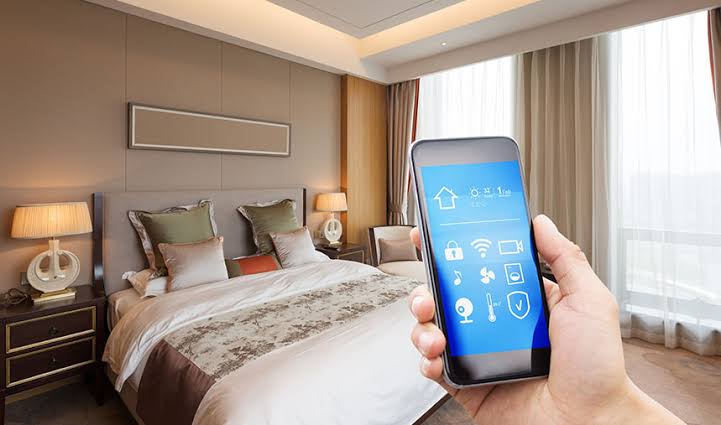
Mobile technology has become an important part of everyday life, and the hospitality industry is increasingly adapting to this change. Guests now use smartphones for everything from discovering hotels and making reservations to checking in, ordering food, making payments, requesting services, and sharing feedback. As a result, hotels are moving beyond traditional websites and basic mobile applications to create complete mobile experiences that support guests throughout their journey. Hospitality industry mobile experiences are no longer simply an additional digital feature. They are becoming an important part of how hotels communicate with guests, deliver services, and build long-term relationships.
A well-designed mobile experience can make a hotel stay more convenient while also improving operational efficiency. Instead of waiting at the front desk, calling room service, or searching for information, guests can complete many activities directly from their smartphones. At the same time, hotels can use mobile platforms to understand guest preferences, communicate more effectively, promote relevant services, and respond quickly to requests. The key is to use mobile technology to make hospitality more seamless without removing the human element that makes a hotel stay memorable.
What Are Mobile Experiences in Hospitality?
Hospitality mobile experiences include all the ways guests interact with a hotel through smartphones and other mobile devices. This can include mobile hotel websites, applications, digital booking platforms, mobile check-in and check-out, digital room keys, mobile payments, in-app service requests, messaging, digital concierge services, and personalized offers.
The experience can begin before the guest arrives and continue after departure. A traveler may discover a hotel through a mobile search, complete a reservation on a smartphone, receive pre-arrival information through a mobile message, check in digitally, use a phone as a room key, order room service through an app, and receive a digital invoice after leaving. This creates a connected guest journey rather than a collection of separate interactions.
Mobile Booking and Reservation Experiences
The booking process is often the first major mobile interaction between a guest and a hotel. Mobile-friendly booking platforms allow travelers to search rooms, compare rates, view facilities, select dates, and complete reservations without switching to a desktop computer.
Hotels should ensure that their mobile booking experience is fast, simple, and easy to navigate. Complicated forms, slow-loading pages, unclear pricing, or excessive steps can cause potential guests to abandon their reservations.
A strong mobile booking experience should clearly communicate room types, amenities, policies, pricing, availability, and cancellation conditions. Secure mobile payment options can further simplify the reservation process.
Mobile Check-In and Check-Out
Mobile check-in and check-out can significantly reduce friction at the beginning and end of a hotel stay. Guests can provide required information before arrival and receive instructions about their room, property, or arrival process through a mobile platform.
At departure, guests can review their bill, settle outstanding charges, and receive a digital invoice without necessarily waiting at the front desk.
However, mobile processes should not eliminate personal service. Guests who prefer face-to-face interaction or need assistance should still have easy access to hotel employees. The best mobile experience provides convenience while keeping human support available.
Digital Room Keys
Digital keys are another important mobile hospitality experience. Compatible hotel systems can allow guests to access rooms and selected areas using a smartphone rather than a traditional physical key card.
Digital keys can make arrival more convenient and reduce the need to visit reception solely to collect a key. They can also help hotels manage access more efficiently.
Security is essential when implementing digital keys. Hotels need appropriate authentication, access controls, device compatibility, and contingency procedures to ensure that guests can access their rooms safely and reliably.
Mobile Communication With Guests
Mobile communication can transform the way hotels interact with guests. Instead of relying exclusively on phone calls or printed notices, hotels can communicate through approved messaging channels, mobile applications, SMS, or other digital platforms.
Guests can receive information about check-in times, hotel facilities, restaurant hours, events, transportation, and important stay updates. They can also send questions or requests without having to physically visit the front desk.
For hotel employees, centralized mobile communication can make it easier to track requests and ensure that important guest needs are not overlooked.
Mobile Room Service and Hotel Services
Mobile platforms can simplify access to hotel services. Guests can browse menus, order food and beverages, request housekeeping, book spa appointments, arrange transportation, or ask for additional amenities directly from their devices.
This can reduce the need for repeated phone calls and make service requests easier to manage. Guests can also receive status updates, helping them understand when their request is being processed.
For hotels, mobile service ordering can create additional revenue opportunities. Guests who can easily discover available dining, wellness, entertainment, and other services may be more likely to purchase them during their stay.
Mobile Payments
Mobile payment technology is becoming increasingly important in hospitality. Guests can use digital wallets, contactless payments, QR codes, or in-app payment systems to complete transactions.
Mobile payments can be useful for room bookings, restaurant purchases, spa services, transportation, activities, and other hotel-related expenses. Faster payment processing can reduce queues and improve convenience.
When integrated with hotel management and financial systems, mobile payments can also reduce manual processes and improve transaction visibility.
Personalized Mobile Experiences
One of the biggest advantages of mobile technology is the ability to deliver personalized experiences. Hotels can use appropriate guest preferences and stay information to provide more relevant communication and services.
For example, a returning guest may receive information about familiar facilities or preferred services. A business traveler may receive convenient information about meeting facilities and transportation, while a family may be shown relevant dining or activity options.
Personalization should always be responsible and transparent. Hotels need to respect privacy and use guest information appropriately rather than overwhelming travelers with unnecessary notifications.
Mobile Concierge Services
Mobile concierge services can make it easier for guests to discover what a hotel and its surrounding destination have to offer. A mobile platform can provide information about restaurants, attractions, transportation, events, wellness facilities, and hotel activities.
Instead of requiring guests to call reception for every question, they can access useful information whenever they need it.
Mobile concierge services can also strengthen the hotel’s relationship with the local destination. Hotels can recommend relevant experiences and help guests plan activities while potentially creating partnerships with local businesses and service providers.
Mobile Loyalty and Guest Engagement
Mobile platforms can strengthen hotel loyalty programs by making rewards easier to access and use. Guests can check loyalty points, view available benefits, receive personalized offers, and manage their profiles through a mobile application.
Hotels can also use mobile communication to maintain relationships between stays. Rather than communicating only when a guest makes a reservation, the hotel can provide relevant updates, loyalty information, and useful content throughout the customer lifecycle.
The objective should be meaningful engagement rather than excessive messaging. Too many notifications can quickly become frustrating.
Using Mobile Technology to Improve Hotel Operations
Mobile experiences can benefit hotel employees as well as guests. Staff members can use mobile devices to receive housekeeping requests, maintenance alerts, guest service requests, and operational updates.
For example, if a guest reports a maintenance issue through a mobile platform, the request can be routed to the appropriate department. Employees can update the status once the issue has been addressed.
This improves coordination between departments and can reduce response times. Mobile technology therefore becomes not only a guest-facing tool but also an operational platform.
Mobile Experiences and Guest Feedback
Hotels can use mobile platforms to collect feedback during and after a guest’s stay. Instead of waiting for an online review after departure, hotels can provide guests with an opportunity to report concerns while they are still on the property.
This creates an opportunity for service recovery. If a guest reports an issue during their stay, hotel employees can respond before the problem affects the overall experience.
Short and simple feedback forms are generally more practical than lengthy surveys. Hotels can focus on important areas such as room quality, cleanliness, service, dining, check-in, and overall satisfaction.
Mobile Technology and Sustainability
Mobile experiences can also support more sustainable hotel operations. Digital menus, electronic invoices, mobile information guides, and digital confirmations can reduce reliance on printed materials.
Mobile service requests can also help hotels understand demand and allocate resources more efficiently. For example, digital housekeeping preferences can help hotels coordinate room servicing according to guest requirements.
Technology alone does not guarantee sustainability, but thoughtful mobile implementation can contribute to reducing unnecessary paper use and improving resource management.
Challenges of Mobile Hospitality Experiences
Despite their advantages, mobile experiences also present challenges. Developing and maintaining mobile applications and integrated platforms can require considerable investment. Hotels must ensure that systems remain reliable, secure, and easy to use.
Not every guest will want to use a mobile application. Some travelers may prefer traditional communication methods or may not have compatible devices. Hotels therefore need to provide alternatives rather than making digital interaction mandatory for every service.
Data privacy and cybersecurity are also critical concerns. Mobile platforms may process personal information, booking details, payment information, and other sensitive data. Hotels must implement appropriate security measures and communicate clearly about how guest information is handled.
Another challenge is avoiding excessive digitalization. Hospitality is fundamentally about people, and technology should support employees rather than make the guest experience feel impersonal.
The Future of Hospitality Mobile Experiences
The future of mobile hospitality is likely to become more connected and personalized. Artificial intelligence, digital identity, mobile payments, digital keys, location-aware services, smart-room technology, and integrated hotel applications can create increasingly seamless guest journeys.
Guests may be able to manage much of their stay through one connected mobile platform, from booking and arrival to services, payments, experiences, and departure.
Artificial intelligence can further support mobile experiences by helping guests find information, answer routine questions, discover relevant services, and receive personalized recommendations. However, human assistance will remain important for complex requests and situations requiring empathy or judgment.
Conclusion
Hospitality industry mobile experiences are changing the way guests interact with hotels. From mobile bookings and digital check-in to room keys, payments, room service, concierge functions, loyalty programs, and feedback, smartphones can support almost every stage of the guest journey.
For hotels, the value of mobile technology extends beyond convenience. A well-designed mobile experience can improve communication, increase service efficiency, support personalization, create additional revenue opportunities, and strengthen guest engagement.
The most successful hotels will not simply add more mobile features. They will focus on creating experiences that are genuinely useful, easy to navigate, secure, and connected with human hospitality. BookSmart believes that the future of mobile hospitality lies in combining smart technology with thoughtful service—using digital tools to make every guest interaction simpler, faster, and more meaningful.
Leave a Reply