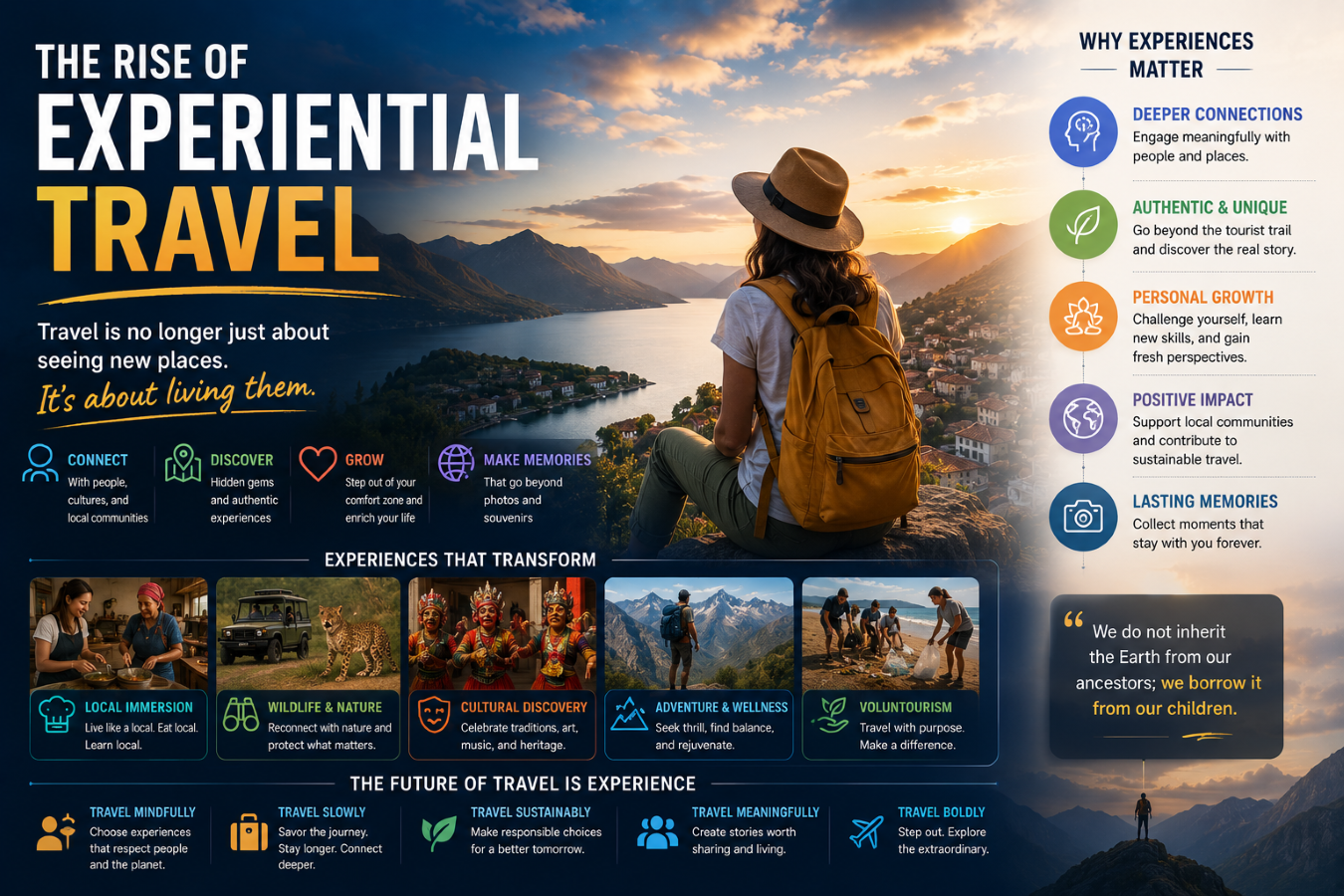
Travel is no longer just about reaching a destination or checking famous landmarks off a list. Modern travelers increasingly seek meaningful, authentic, and memorable experiences that go beyond traditional tourism. Instead of simply booking a room and exploring attractions, people now want deeper connections with local culture, communities, food, and lifestyles. This shift has led to the rapid growth of experiential travel, one of the most influential trends reshaping the hospitality industry.
Experiential travel focuses on creating immersive and personalized experiences that allow travelers to engage with destinations in a more meaningful way. Travelers today are looking for stories to tell, emotions to remember, and experiences that create lasting value.
For BookSmart, understanding experiential travel is essential because the future of hospitality is increasingly centered around creating moments rather than simply providing accommodation.
What Is Experiential Travel?
Experiential travel refers to a form of travel where the primary goal is active participation and meaningful engagement with a destination.
Instead of focusing solely on sightseeing, experiential travelers seek activities such as:
- cultural immersion
- local food experiences
- adventure activities
- wellness retreats
- community interactions
- skill-based workshops
The emphasis shifts from “where people stay” to “what they experience.”
Travel becomes more personal and emotionally driven.
Why Experiential Travel Is Growing
Several factors are driving the rise of experiential travel.
Modern travelers increasingly value:
- authenticity
- personalization
- emotional connection
- social sharing opportunities
- unique memories
Many travelers, especially younger generations, prioritize experiences over material possessions.
People increasingly prefer spending money on memorable journeys rather than physical products.
For BookSmart, this changing consumer mindset is transforming hospitality strategies.
Travelers Want Authenticity
Traditional tourism often focused on popular landmarks and packaged itineraries.
Today’s travelers increasingly seek authentic experiences such as:
- local cooking classes
- village tours
- artisan workshops
- cultural performances
- regional food exploration
For example, visitors traveling to Jaipur may prefer participating in local craft experiences or heritage walks rather than simply visiting tourist attractions.
Authenticity creates stronger emotional connections.
Social Media Influence
Social media has played a major role in accelerating experiential travel.
Platforms such as:
- YouTube
- TikTok
have changed how people discover and share travel experiences.
Travelers increasingly seek:
- visually unique moments
- hidden destinations
- interactive activities
- memorable experiences worth sharing
Experiences have become social currency.
Personalization Drives Experience Demand
Travelers no longer want identical experiences.
They expect journeys tailored to:
- personal interests
- travel goals
- lifestyle preferences
- wellness needs
Hotels and travel providers increasingly use guest data to personalize recommendations and activities.
For example, a wellness-focused traveler visiting Rishikesh may receive yoga retreat suggestions, while adventure travelers might prefer trekking activities.
Personalization makes experiences more meaningful.
Hotels Are Becoming Experience Providers
Hotels are evolving beyond accommodation providers.
Many properties now create curated experiences including:
- local tours
- culinary events
- cultural workshops
- wellness programs
- adventure activities
Hospitality businesses increasingly view experiences as part of their value proposition.
For BookSmart, hotels are becoming facilitators of memorable journeys.
Rise of Local and Community-Based Tourism
Experiential travel often supports local communities.
Travelers increasingly prefer:
- locally guided tours
- family-owned businesses
- community-based activities
- regional food experiences
This trend benefits local economies while offering more authentic experiences.
Community engagement also supports sustainable tourism development.
Wellness and Mindful Travel Experiences
Wellness has become an important part of experiential travel.
Travelers increasingly seek:
- yoga retreats
- meditation programs
- spa experiences
- nature immersion
- digital detox journeys
Destinations associated with wellness continue experiencing strong demand.
Experiences that improve emotional and physical well-being have become increasingly popular.
Adventure and Learning Experiences
Modern travelers increasingly combine travel with personal growth.
Examples include:
- photography workshops
- cooking classes
- language experiences
- wildlife exploration
- skill-based activities
Travel increasingly serves educational and transformational purposes.
People want journeys that enrich them personally.
Technology Supporting Experiential Travel
Technology helps hotels and travel providers create better experiences.
Modern tools include:
- AI-powered recommendations
- mobile travel apps
- virtual tours
- digital concierge services
- personalized itineraries
Technology enables more customized and convenient experiences.
For BookSmart, technology supports scalable personalization.
Challenges of Experiential Travel
Despite its growth, experiential travel presents challenges.
Hospitality businesses may face:
- maintaining authenticity
- operational complexity
- higher customization demands
- managing local partnerships
- ensuring consistent quality
Creating unique experiences requires thoughtful planning.
Business Benefits for Hospitality Brands
Experiential travel offers several advantages:
- stronger guest loyalty
- higher guest spending
- positive reviews
- brand differentiation
- increased direct bookings
Unique experiences help hotels stand out in competitive markets.
Future of Experiential Travel
The future of travel is likely to become even more experience-driven.
Emerging trends include:
- AI-powered travel personalization
- immersive digital experiences
- sustainable experience tourism
- hyper-local travel activities
- transformational travel journeys
Travelers will increasingly prioritize meaningful and memorable experiences over traditional tourism models.
Conclusion
Experiential travel is reshaping how people explore the world.
Modern travelers no longer seek only destinations—they seek stories, emotions, and authentic moments.
For BookSmart, the key takeaway is clear: hospitality success increasingly depends on creating memorable experiences rather than simply offering accommodation.
Hotels that embrace experiential travel will strengthen guest engagement, build emotional connections, and create lasting value in the evolving hospitality landscape.
Leave a Reply