Category: Articles

  • Customer Journey in Hospitality: From Discovery to Loyalty

    Customer Journey in Hospitality: From Discovery to Loyalty

    In the hospitality industry, success is not defined by a single interaction but by the entire sequence of experiences a guest goes through. This sequence is known as the customer journey—a comprehensive path that begins long before a booking is made and continues even after the guest checks out.

    Understanding and optimizing the customer journey allows hotels to deliver seamless, personalized, and memorable experiences at every touchpoint. For BookSmart, mapping this journey is essential to improving guest satisfaction, increasing conversions, and building long-term loyalty.

    What is the Customer Journey?

    The customer journey in hospitality refers to every interaction a guest has with a hotel, from the first moment of awareness to post-stay engagement.

    It typically includes the following stages:

    • Discovery
    • Consideration
    • Booking
    • Pre-Arrival
    • Stay Experience
    • Post-Stay Engagement

    Each stage presents an opportunity to influence guest perception and decision-making.

    Stage 1: Discovery

    The journey begins when a traveler becomes aware of a hotel.

    This can happen through:

    • search engines
    • social media
    • travel blogs
    • online travel agencies
    • recommendations

    At this stage, visibility is key. A strong online presence, engaging content, and positive reviews help attract potential guests.

    First impressions are formed here, even before the guest visits the hotel website.

    Stage 2: Consideration

    Once aware, the guest begins evaluating options.

    They compare:

    • room types
    • pricing
    • amenities
    • location
    • reviews

    This is where trust and clarity matter.

    High-quality images, transparent pricing, and detailed information help build confidence.

    For example, a traveler planning a visit to Mumbai may compare multiple hotels before making a decision.

    Stage 3: Booking

    This is the conversion stage.

    The guest selects dates, chooses a room, and completes the reservation.

    A smooth booking experience is crucial.

    Key elements include:

    • fast loading pages
    • simple navigation
    • secure payment options
    • instant confirmation

    Any friction at this stage can lead to abandonment.

    For BookSmart, optimizing the booking experience directly impacts revenue.

    Stage 4: Pre-Arrival

    After booking, the focus shifts to preparation and anticipation.

    Hotels can enhance this stage through:

    • confirmation emails
    • check-in instructions
    • personalized offers
    • local recommendations

    For example, a hotel in Goa might suggest beach activities or local dining options.

    Engaging guests before arrival builds excitement and strengthens connection.

    Stage 5: Stay Experience

    This is the core of the customer journey.

    Every interaction during the stay influences satisfaction.

    Key factors include:

    • check-in experience
    • room quality and cleanliness
    • staff behavior
    • amenities and services
    • dining experience

    Personalization plays a major role here.

    Small gestures, such as remembering guest preferences or offering tailored recommendations, can significantly enhance the experience.

    Stage 6: Post-Stay Engagement

    The journey does not end at check-out.

    Post-stay engagement helps build long-term relationships.

    Hotels can:

    • send thank-you messages
    • request feedback
    • respond to reviews
    • offer loyalty rewards
    • provide future booking discounts

    For example, a guest who had a great stay in Jaipur may be encouraged to return through personalized offers.

    This stage is crucial for repeat business.

    Importance of Customer Journey Mapping

    Mapping the customer journey helps hotels understand:

    • guest expectations at each stage
    • pain points and drop-offs
    • opportunities for improvement
    • areas for personalization

    By analyzing each touchpoint, hotels can create a smoother and more satisfying experience.

    Role of Technology

    Technology plays a major role in managing the customer journey.

    Hotels use:

    • CRM systems
    • booking engines
    • mobile apps
    • AI chatbots
    • automation tools

    These tools help track guest behavior, personalize interactions, and streamline processes.

    For BookSmart, technology enables smarter and more efficient journey management.

    Personalization Across the Journey

    Personalization enhances every stage of the journey.

    Examples include:

    • targeted ads during discovery
    • tailored offers during booking
    • customized services during the stay
    • personalized communication post-stay

    This approach makes guests feel valued and understood.

    Common Pain Points

    Hotels often face challenges such as:

    • slow booking process
    • lack of communication
    • inconsistent service
    • hidden charges
    • poor post-stay follow-up

    Identifying and addressing these issues improves the overall journey.

    Measuring Customer Journey Success

    Hotels can measure performance using:

    • conversion rates
    • guest satisfaction scores
    • online reviews
    • repeat booking rates
    • Net Promoter Score (NPS)

    These metrics provide insights into how well the journey is performing.

    Future of Customer Journey in Hospitality

    The future is focused on:

    • AI-driven personalization
    • predictive guest behavior
    • seamless omnichannel experiences
    • contactless services
    • real-time engagement

    Hotels that adapt to these trends will deliver more efficient and memorable journeys.

    Conclusion

    The customer journey is the foundation of modern hospitality.

    It connects every interaction a guest has with a hotel, from discovery to loyalty.

    For BookSmart, the key takeaway is clear: every stage of the journey matters.

    Hotels that understand and optimize this journey will not only increase bookings but also create meaningful experiences that drive long-term success in an increasingly competitive market.
  • Personalized Experience: Redefining Modern Hospitality

    In today’s competitive hospitality landscape, offering a comfortable room is no longer enough. Guests expect more—they want experiences tailored to their preferences, needs, and lifestyles. This shift has made personalized experience one of the most powerful drivers of guest satisfaction, loyalty, and revenue.

    Personalization in hospitality means delivering services, recommendations, and interactions that are uniquely suited to each guest. From booking to post-stay engagement, every touchpoint becomes an opportunity to create a meaningful and memorable experience.

    For BookSmart, personalization is not just a trend—it is the future of guest-centric hospitality.

    What is a Personalized Experience?

    A personalized experience is when a hotel customizes its services based on individual guest data, preferences, and behavior.

    This can include:

    • preferred room type
    • dietary preferences
    • travel purpose (business or leisure)
    • past booking history
    • special occasions

    Instead of offering the same experience to every guest, hotels adapt their services to match individual expectations.

    Why Personalization Matters

    Modern travelers value relevance and convenience.

    They expect brands to:

    • understand their preferences
    • anticipate their needs
    • provide tailored recommendations

    Personalization enhances:

    • guest satisfaction
    • booking conversion
    • repeat visits
    • brand loyalty

    For BookSmart, it creates a deeper emotional connection between the guest and the hotel.

    Personalization in the Booking Stage

    The journey begins even before the guest arrives.

    Hotels can personalize the booking experience by:

    • recommending suitable room types
    • offering customized packages
    • suggesting add-ons like meals or transfers
    • remembering previous searches

    For example, a returning guest may see their preferred room category highlighted first.

    This simplifies decision-making and improves conversion rates.

    Pre-Arrival Personalization

    Before check-in, hotels can engage guests with personalized communication.

    This may include:

    • welcome emails with tailored offers
    • room upgrade suggestions
    • itinerary planning assistance
    • local experience recommendations

    This proactive approach builds excitement and sets expectations.

    In-Room Personalization

    The guest room is one of the most important areas for personalization.

    Hotels can enhance comfort by:

    • adjusting room temperature preferences
    • offering customized minibar options
    • providing preferred pillow types
    • setting lighting and music preferences

    Smart room technology allows guests to control these settings easily.

    This creates a home-like environment.

    Personalized Guest Services

    During the stay, staff interactions play a key role.

    Personalized service can include:

    • greeting guests by name
    • remembering past preferences
    • recommending activities based on interests
    • offering tailored dining suggestions

    For example, a guest interested in local culture might be recommended heritage tours in Udaipur, while a wellness-focused traveler may prefer yoga retreats in Rishikesh.

    These thoughtful recommendations enhance the overall experience.

    Role of Data in Personalization

    Data is the foundation of personalization.

    Hotels collect data from:

    • booking history
    • website interactions
    • guest feedback
    • loyalty programs

    This data helps create detailed guest profiles.

    Using this information responsibly allows hotels to deliver more relevant and meaningful experiences.

    Technology Enabling Personalization

    Technology plays a crucial role in modern personalization.

    Key tools include:

    • CRM (Customer Relationship Management) systems
    • AI-powered recommendation engines
    • mobile apps
    • smart room devices

    These technologies help automate and scale personalization efforts.

    For example, AI can suggest room upgrades or special offers based on past behavior.

    Personalization in Dining

    Food and dining experiences can also be personalized.

    Hotels can:

    • offer customized menus
    • cater to dietary restrictions
    • remember guest preferences
    • provide chef recommendations

    For example, a guest who prefers vegetarian meals can automatically receive relevant options.

    This attention to detail enhances satisfaction.

    Post-Stay Personalization

    Personalization does not end at check-out.

    Hotels can maintain relationships by:

    • sending personalized thank-you messages
    • offering special discounts for future stays
    • recommending similar destinations
    • requesting tailored feedback

    This keeps the brand connected with the guest.

    Benefits of Personalized Experiences

    Personalization offers multiple advantages:

    Higher Guest Satisfaction
    Guests feel valued and understood

    Increased Revenue
    Personalized upselling improves spending

    Stronger Loyalty
    Guests are more likely to return

    Better Reviews
    Positive experiences lead to higher ratings

    For BookSmart, personalization directly contributes to long-term growth.

    Challenges in Personalization

    Despite its benefits, personalization comes with challenges:

    • data privacy concerns
    • maintaining accuracy of guest data
    • avoiding over-personalization
    • ensuring consistency across touchpoints

    Hotels must balance personalization with respect for privacy and transparency.

    Future of Personalized Hospitality

    The future of personalization is becoming more advanced.

    Emerging trends include:

    • predictive personalization using AI
    • voice-controlled room settings
    • hyper-personalized booking journeys
    • real-time guest preference tracking

    Hotels will increasingly anticipate guest needs before they are expressed.

    Conclusion

    Personalized experience is transforming the way hotels interact with their guests.

    It turns standard stays into meaningful journeys by focusing on individual preferences and emotional connections.

    For BookSmart, the key takeaway is clear: personalization is the foundation of modern hospitality success.

    Hotels that invest in understanding and serving each guest uniquely will not only enhance satisfaction but also build lasting relationships in an increasingly competitive market.
  • Guest Satisfaction: The Heart of Hospitality Success

    In the hospitality industry, success is not measured only by occupancy rates or revenue—it is defined by how guests feel about their experience. Guest satisfaction is the foundation upon which strong hotel brands are built. It influences reviews, repeat bookings, word-of-mouth, and long-term profitability.

    For BookSmart, guest satisfaction is more than a goal—it is a continuous process of understanding, delivering, and exceeding expectations at every stage of the guest journey.

    What is Guest Satisfaction?

    Guest satisfaction refers to how well a hotel meets or exceeds the expectations of its guests.

    It is shaped by multiple touchpoints, including:

    • booking experience
    • check-in process
    • room quality
    • service interactions
    • amenities
    • food and dining
    • check-out experience

    Every interaction contributes to the overall perception of the stay.

    Why Guest Satisfaction Matters

    Satisfied guests are more likely to:

    • leave positive reviews
    • recommend the hotel to others
    • return for future stays
    • spend more on services

    On the other hand, poor experiences can quickly damage a hotel’s reputation, especially in the age of online reviews.

    For BookSmart, guest satisfaction directly impacts both brand value and revenue growth.

    First Impressions Matter

    The guest journey begins even before arrival.

    A smooth booking process, clear communication, and quick confirmations set the tone for a positive experience.

    At arrival, the check-in experience is critical. A warm welcome, efficient service, and minimal waiting time create a strong first impression.

    Small gestures, such as offering a welcome drink or personalized greeting, can make a big difference.

    The Role of Personalization

    Modern travelers expect personalized experiences.

    Hotels can enhance satisfaction by:

    • remembering guest preferences
    • offering customized room settings
    • providing tailored recommendations
    • celebrating special occasions

    For example, a returning guest may appreciate their preferred room type or a personalized welcome note.

    Personalization creates emotional connection and loyalty.

    Quality of Service

    Service quality is one of the most important drivers of guest satisfaction.

    This includes:

    • staff friendliness
    • responsiveness
    • professionalism
    • problem-solving ability

    Well-trained staff who anticipate guest needs and handle issues efficiently can turn an average stay into an exceptional one.

    Comfort and Cleanliness

    Comfort and hygiene are non-negotiable.

    Guests expect:

    • clean rooms
    • comfortable beds
    • well-maintained facilities
    • functional amenities

    Any compromise in cleanliness can lead to dissatisfaction and negative reviews.

    Maintaining high standards in housekeeping is essential.

    Technology and Convenience

    Technology plays a growing role in guest satisfaction.

    Features such as:

    • mobile check-in
    • digital room keys
    • fast Wi-Fi
    • smart room controls
    • automated booking systems

    make the stay more convenient and enjoyable.

    Guests value efficiency and ease of use.

    Handling Guest Feedback

    Feedback is a valuable source of improvement.

    Hotels should:

    • actively collect feedback
    • respond to reviews
    • address complaints quickly
    • implement improvements

    A quick and empathetic response to issues can turn dissatisfied guests into loyal customers.

    Emotional Connection and Experience

    Beyond physical comfort, emotional experience matters.

    Guests remember how they felt during their stay.

    Creating moments of delight—such as surprise upgrades, personalized services, or thoughtful gestures—can leave a lasting impression.

    These emotional connections often drive repeat visits.

    Measuring Guest Satisfaction

    Hotels can measure satisfaction through:

    • online reviews and ratings
    • feedback forms
    • Net Promoter Score (NPS)
    • direct guest surveys

    Tracking these metrics helps identify strengths and areas for improvement.

    Common Causes of Dissatisfaction

    Some common issues that affect guest satisfaction include:

    • slow service
    • poor communication
    • hidden charges
    • uncomfortable rooms
    • lack of personalization
    • unresolved complaints

    Identifying and addressing these issues is crucial for maintaining high satisfaction levels.

    Role of Staff Training

    Employees are the face of the hotel.

    Regular training helps staff:

    • understand guest expectations
    • improve communication skills
    • handle difficult situations
    • deliver consistent service

    A motivated and well-trained team is key to delivering excellent guest experiences.

    Building Long-Term Loyalty

    Guest satisfaction is closely linked to loyalty.

    Satisfied guests are more likely to:

    • join loyalty programs
    • book directly in the future
    • recommend the hotel to others

    Building long-term relationships reduces reliance on expensive customer acquisition strategies.

    Future of Guest Satisfaction

    The future of guest satisfaction is driven by innovation and personalization.

    Emerging trends include:

    • AI-powered guest insights
    • predictive service delivery
    • hyper-personalized experiences
    • contactless hospitality
    • real-time feedback systems

    Hotels that embrace these trends will be better equipped to meet evolving guest expectations.

    Conclusion

    Guest satisfaction is the cornerstone of success in the hospitality industry.

    It goes beyond providing a place to stay—it is about creating seamless, comfortable, and memorable experiences for every guest.

    For BookSmart, the key takeaway is clear: every interaction matters.

    Hotels that consistently prioritize guest satisfaction will not only achieve higher occupancy and revenue but also build strong, lasting relationships with their guests in an increasingly competitive market.
  • How Hotels Can Partner with Local Businesses

    How Hotels Can Partner with Local Businesses

    In today’s experience-driven hospitality landscape, hotels are no longer operating in isolation. Guests expect more than just a place to stay—they want access to authentic local experiences, convenience, and personalized services. This shift has created a powerful opportunity for hotels to collaborate with nearby businesses and build mutually beneficial partnerships.

    For BookSmart, partnering with local businesses is not just a growth strategy—it’s a way to enhance guest experience, strengthen community ties, and unlock new revenue streams.

    Why Local Partnerships Matter

    Local partnerships allow hotels to extend their offerings beyond their physical property.

    Instead of building everything in-house, hotels can collaborate with:

    • restaurants
    • tour operators
    • transport providers
    • wellness centers
    • retail shops
    • cultural organizations

    These partnerships create a richer ecosystem around the guest experience while reducing operational costs.

    For guests, it means convenience and curated experiences. For hotels, it means additional revenue and differentiation.

    Enhancing Guest Experience

    One of the biggest advantages of local partnerships is improved guest satisfaction.

    For example:

    • a hotel in Kolkata can partner with local sweet shops for authentic dessert experiences
    • a resort in Goa can collaborate with water sports providers
    • a property in Manali can offer trekking or adventure packages

    These partnerships help guests explore the destination more deeply without the hassle of planning everything themselves.

    Creating New Revenue Streams

    Partnerships are also a strong source of additional income.

    Hotels can earn through:

    • commission-based referrals
    • bundled packages
    • co-branded experiences
    • exclusive deals

    For instance, a hotel can offer a “Stay + Dining” package in collaboration with a popular local restaurant, increasing the overall booking value.

    This approach boosts both occupancy and average revenue per guest.

    Strengthening Local Identity

    Hotels that actively collaborate with local businesses become more connected to the destination.

    Instead of offering generic experiences, they provide authentic, location-specific offerings.

    For example, a heritage hotel in Jaipur can partner with artisans for craft workshops, while a property in Varanasi can collaborate with local guides for cultural tours.

    This not only enhances guest experience but also strengthens the hotel’s brand identity.

    Types of Local Partnerships

    Hotels can explore different kinds of partnerships depending on their location and target audience.

    Food & Beverage Partnerships
    Tie-ups with local restaurants, cafes, and food vendors

    Tour & Activity Providers
    City tours, adventure sports, cultural experiences

    Transport Services
    Airport transfers, car rentals, local taxis

    Wellness & Fitness
    Spas, yoga studios, fitness centers

    Retail & Souvenirs
    Local handicrafts, boutique stores

    Each partnership adds value to the guest journey.

    Co-Marketing Opportunities

    Partnerships also open doors for joint marketing efforts.

    Hotels and local businesses can:

    • promote each other on social media
    • create joint campaigns
    • offer cross-discounts
    • feature each other on websites

    For example, a hotel and a nearby restaurant can run a combined promotion targeting tourists.

    This expands reach without increasing marketing costs.

    Digital Integration of Partnerships

    Technology makes it easier to integrate local services into the booking journey.

    Hotels can:

    • list partner services on their website
    • offer add-ons during booking
    • enable one-click experience booking
    • use mobile apps for recommendations

    This creates a seamless experience where guests can book everything in one place.

    Platforms like Airbnb have already demonstrated how integrated experiences can drive engagement and revenue.

    Training Staff for Effective Partnerships

    Hotel staff play a key role in promoting local partnerships.

    They should:

    • understand partner offerings
    • recommend relevant services
    • provide accurate information
    • assist with bookings

    A well-informed front desk or concierge team can significantly increase uptake of partner services.

    Building Strong Relationships

    Successful partnerships require trust and collaboration.

    Hotels should:

    • choose reliable partners
    • ensure quality standards
    • maintain clear communication
    • review performance regularly

    Long-term relationships create consistency and better guest experiences.

    Challenges to Consider

    While partnerships offer many benefits, they also come with challenges.

    Hotels must manage:

    • service quality control
    • brand alignment
    • pricing transparency
    • customer complaints related to partners

    A poor partner experience can reflect negatively on the hotel, so careful selection is essential.

    Supporting the Local Economy

    Partnering with local businesses also contributes to community development.

    It helps:

    • support small businesses
    • promote local culture
    • create employment opportunities
    • encourage sustainable tourism

    This social impact strengthens the hotel’s reputation and aligns with responsible tourism practices.

    Future of Local Partnerships

    The future of hospitality lies in connected ecosystems.

    Emerging trends include:

    • AI-driven partner recommendations
    • hyper-local experience marketplaces
    • integrated booking systems
    • sustainable and community-focused collaborations

    Hotels that build strong local networks will have a competitive advantage.

    Conclusion

    Partnering with local businesses is one of the most effective ways for hotels to enhance guest experience, increase revenue, and build a strong brand identity.

    It allows hotels to offer more value without heavy investment while supporting the local community.

    For BookSmart, the key takeaway is clear: collaboration is the future of hospitality.

    Hotels that embrace local partnerships will not only stand out in a competitive market but also create richer, more meaningful experiences that guests truly remember.

  • How Lighting Impacts Guest Mood

    In the hospitality industry, guest experience is shaped by more than just service and amenities. Subtle environmental elements—often unnoticed at first glance—play a powerful role in influencing how guests feel. Among these, lighting is one of the most impactful. It affects mood, perception, comfort, and even behavior, making it a critical component of hotel design and ambience.

    For hotels aiming to create memorable and emotionally engaging stays, lighting is not just functional—it is strategic. For BookSmart, understanding how lighting impacts guest mood is essential for designing experiences that resonate on a deeper psychological level.

    The Psychology of Lighting

    Lighting directly affects human emotions and biological responses. Brightness, color temperature, and intensity all influence how the brain perceives a space.

    Warm lighting tends to create feelings of comfort, relaxation, and intimacy, while cool lighting promotes alertness, focus, and energy. This is closely linked to the body’s natural circadian rhythm, which responds to light cues throughout the day.

    In hospitality, aligning lighting with these natural patterns helps guests feel more at ease and connected to their environment.

    First Impressions and Atmosphere

    Lighting plays a major role in shaping first impressions.

    When guests enter a hotel lobby, lighting immediately influences their perception of the space. A well-lit lobby with balanced brightness and warm tones can feel inviting and luxurious. On the other hand, harsh or poorly planned lighting can make even a well-designed space feel uncomfortable or unwelcoming.

    Lighting works in harmony with interior design, colors, and textures to create a cohesive atmosphere.

    Warm vs Cool Lighting

    Different types of lighting evoke different emotional responses.

    Warm Lighting (Yellow/Soft Tones):

    • creates a cozy and welcoming environment
    • ideal for lobbies, lounges, and guest rooms
    • promotes relaxation and comfort

    Cool Lighting (White/Blue Tones):

    • enhances alertness and focus
    • suitable for workspaces, conference rooms, and bathrooms
    • gives a modern and clean appearance

    Hotels often use a combination of both to balance mood and functionality.

    Lighting and Guest Comfort

    Comfort is a key factor in guest satisfaction, and lighting plays a direct role in it.

    Soft, diffused lighting reduces eye strain and creates a calming environment. Adjustable lighting options allow guests to control brightness according to their preference, enhancing their sense of control and personalization.

    In guest rooms, layered lighting—combining ambient, task, and accent lighting—ensures both functionality and comfort.

    For example:

    • bedside lamps for reading
    • ambient ceiling lights for general illumination
    • accent lighting for aesthetic appeal

    This flexibility improves overall comfort and satisfaction.

    Influencing Mood in Different Hotel Areas

    Lighting should be tailored to the purpose of each space within a hotel.

    Lobby:
    Warm, inviting lighting to create a positive first impression

    Restaurant:
    Dim, ambient lighting for a relaxed dining experience

    Spa:
    Low, soft lighting to promote calmness and relaxation

    Gym:
    Bright, energizing lighting to encourage activity

    Conference Rooms:
    Cool, focused lighting to enhance productivity

    Each space requires a different lighting strategy to support its function and desired mood.

    The Role of Natural Light

    Natural light is one of the most powerful mood enhancers.

    Sunlight improves mood, boosts energy levels, and creates a sense of openness. Hotels that maximize natural light through large windows, skylights, and open layouts often feel more welcoming and refreshing.

    Guests tend to prefer spaces with natural light, as it enhances well-being and creates a connection to the outside environment.

    For BookSmart, incorporating natural light is a simple yet highly effective way to elevate guest experience.

    Lighting and Perception of Space

    Lighting can influence how guests perceive space.

    Bright lighting can make small areas feel larger and more open, while dim lighting can create intimacy in larger spaces.

    Accent lighting can highlight architectural features, artwork, or decor elements, enhancing the visual appeal of the space.

    This strategic use of lighting helps hotels create visually engaging environments.

    Personalization and Smart Lighting

    Modern hotels are increasingly adopting smart lighting systems.

    These systems allow guests to:

    • adjust brightness levels
    • change color temperature
    • set mood lighting scenes
    • control lighting via mobile apps or voice commands

    Personalized lighting enhances comfort and gives guests greater control over their environment.

    Some luxury hotels even offer preset modes such as “Relax,” “Work,” or “Sleep,” each designed to support a specific mood.

    Lighting and Sleep Quality

    Lighting has a direct impact on sleep quality.

    Exposure to bright or blue-toned light at night can disrupt the body’s natural sleep cycle. Hotels that use warm, dim lighting in the evening help guests relax and prepare for rest.

    Blackout curtains, bedside dimmers, and low-intensity night lighting further enhance sleep comfort.

    A good night’s sleep is one of the most important factors in guest satisfaction, making lighting a critical element.

    Common Lighting Mistakes in Hotels

    Despite its importance, lighting is often overlooked or poorly executed.

    Common mistakes include:

    • overly harsh or bright lighting
    • insufficient lighting in functional areas
    • lack of adjustable lighting options
    • inconsistent lighting design across spaces
    • ignoring natural light opportunities

    These issues can negatively impact guest mood and overall experience.

    Future Trends in Hotel Lighting

    The future of lighting in hospitality is becoming more intelligent and personalized.

    Emerging trends include:

    • AI-controlled lighting systems
    • circadian lighting that mimics natural daylight cycles
    • energy-efficient LED solutions
    • integration with smart room technology

    These innovations aim to enhance both guest comfort and sustainability.

    Conclusion

    Lighting is one of the most powerful tools in shaping guest mood and experience in hotels.

    It influences emotions, comfort, perception, and even sleep quality. When used strategically, lighting can transform a space into a welcoming, relaxing, and memorable environment.

    For BookSmart, the key takeaway is clear: lighting is not just about visibility—it is about creating the right feeling.

    Hotels that invest in thoughtful lighting design will not only improve guest satisfaction but also create lasting impressions that keep guests coming back.

  • The Role of Music in Hotel Ambience

    The Role of Music in Hotel Ambience

    In the hospitality industry, ambience is everything. From lighting and scent to design and service, every detail contributes to how a guest perceives a hotel. Among these elements, music plays a uniquely powerful yet often underestimated role. It is invisible, yet deeply influential—shaping emotions, behavior, and overall guest experience without being consciously noticed.

    For hotels aiming to create memorable stays, music is not just background noise; it is a strategic tool that enhances atmosphere, reinforces brand identity, and influences guest satisfaction. For BookSmart, understanding the role of music in hotel ambience is essential for crafting immersive and emotionally engaging hospitality experiences.

    Music as an Emotional Trigger

    Music has a direct connection to human emotions. It can calm, energize, uplift, or even evoke nostalgia within seconds.

    In a hotel setting:

    • soft instrumental music can create relaxation
    • upbeat tunes can energize social spaces
    • ambient sounds can reduce stress and anxiety

    When guests enter a lobby or lounge, music immediately sets the emotional tone. A well-chosen soundtrack can make a space feel welcoming, luxurious, or vibrant.

    This emotional connection often shapes how guests remember their stay.

    First Impressions and Atmosphere

    The first few minutes of a guest’s arrival are crucial.

    As guests step into the lobby, they begin forming impressions—not just visually, but audibly. Music works alongside lighting, scent, and decor to create a cohesive atmosphere.

    For example:

    • a luxury hotel may use classical or soft jazz
    • a boutique hotel may play indie or cultural music
    • a beach resort may use tropical or acoustic sounds

    This alignment between music and brand identity enhances the overall ambience and creates a consistent sensory experience.

    Reinforcing Brand Identity

    Music can act as a subtle branding element.

    Just like logos and interior design, sound contributes to brand perception. Hotels can use music to communicate their personality:

    • premium hotels → calm, elegant, slow-tempo music
    • business hotels → neutral, focus-friendly background music
    • lifestyle hotels → trendy, upbeat playlists

    Some global hotel brands even curate signature playlists to create a recognizable identity across properties.

    For BookSmart, this highlights how music can strengthen brand recall and differentiation.

    Enhancing Guest Comfort

    Music can make spaces feel more comfortable and less intimidating.

    Silence in large hotel lobbies or corridors can feel awkward or cold. Background music fills this gap and creates a sense of warmth and liveliness.

    In waiting areas, music reduces perceived waiting time. Guests feel more relaxed and less impatient when pleasant music is playing.

    This psychological effect improves overall guest satisfaction.

    Influencing Guest Behavior

    Music can subtly influence how guests behave.

    Research in environmental psychology shows that tempo and volume can affect:

    • how long guests stay in a space
    • how much they spend
    • how they interact with the environment

    For example:

    • slower music encourages guests to linger longer
    • faster music increases turnover in busy areas
    • soft music promotes calm and relaxed behavior

    Restaurants and hotel cafes often use this strategy to manage guest flow and enhance dining experiences.

    Zoning Music for Different Spaces

    A hotel is made up of multiple environments, each with its own purpose.

    Music should be tailored to each zone:

    Lobby:
    Welcoming, neutral, brand-aligned music

    Restaurant:
    Depends on cuisine and time of day

    Spa:
    Calm, slow, meditative sounds

    Bar or Lounge:
    Energetic, social, mood-lifting tracks

    Corridors:
    Minimal or very subtle ambient music

    This zoning approach ensures that music supports the function of each space.

    Cultural and Local Influence

    Music can also reflect local culture and enhance authenticity.

    Hotels can incorporate regional music styles to connect guests with the destination.

    For example:

    • traditional Indian instrumental music in heritage hotels
    • folk or regional sounds in cultural destinations
    • local language songs in boutique properties

    This adds depth to the guest experience and creates a stronger sense of place.

    Technology and Smart Music Systems

    Modern hotels are using technology to manage music more effectively.

    Smart audio systems allow hotels to:

    • schedule playlists by time of day
    • adjust volume automatically
    • customize music for different zones
    • adapt music based on guest demographics

    Some advanced systems even use AI to match music with occupancy levels or guest mood.

    This ensures consistency and enhances operational efficiency.

    Music and Memory

    One of the most powerful aspects of music is its link to memory.

    Guests often associate specific songs or sounds with places and experiences. A well-curated soundtrack can make a stay more memorable.

    When guests hear similar music later, it can trigger positive memories of their hotel experience.

    This emotional recall strengthens brand connection and loyalty.

    Avoiding Common Mistakes

    While music is powerful, poor execution can have negative effects.

    Common mistakes include:

    • playing music too loud
    • using inappropriate genres
    • repeating the same playlist frequently
    • not aligning music with brand identity
    • ignoring cultural sensitivity

    Hotels must ensure that music enhances rather than disrupts the guest experience.

    The Future of Music in Hospitality

    The role of music in hospitality is becoming more sophisticated.

    Future trends include:

    • personalized in-room music experiences
    • voice-controlled music systems
    • AI-curated playlists
    • integration with smart room technology

    Hotels may soon allow guests to customize music settings according to their preferences, creating a more personalized stay.

    Conclusion

    Music is a powerful yet subtle element that shapes hotel ambience in profound ways.

    It influences emotions, enhances comfort, reinforces branding, and creates memorable experiences for guests.

    For BookSmart, the key takeaway is clear: music is not just background sound—it is a strategic tool that can elevate the entire guest experience.

    Hotels that thoughtfully design their sound environment will not only improve guest satisfaction but also create lasting impressions that go beyond the physical space.

  • How Hotels Can Monetize Local Experiences

    How Hotels Can Monetize Local Experiences

    In today’s experience-driven travel economy, guests are no longer satisfied with just a comfortable room—they want meaningful, authentic, and memorable experiences. This shift has opened a powerful revenue opportunity for hotels: monetizing local experiences.

    From cultural tours and food trails to adventure activities and wellness retreats, hotels can go beyond accommodation and become curators of destination experiences. For BookSmart, this strategy is not just about increasing revenue—it’s about enhancing guest satisfaction, differentiation, and brand value.

    The Rise of Experience-Based Travel

    Modern travelers, especially millennials and Gen Z, prioritize experiences over material luxury. They seek:

    • local culture
    • authentic interactions
    • unique activities
    • personalized journeys

    This trend is part of the broader experience economy, where memories matter more than amenities.

    Hotels that tap into this mindset can transform themselves from service providers into experience enablers.

    What Are Local Experiences?

    Local experiences are activities that connect guests with the destination’s culture, people, and environment.

    These can include:

    • guided city tours
    • street food walks
    • heritage site visits
    • cooking classes
    • art and craft workshops
    • nature treks
    • wellness sessions (yoga, Ayurveda)
    • cultural performances

    Instead of outsourcing these entirely, hotels can package, promote, and monetize them.

    Why Monetizing Experiences Matters

    There are three major benefits:

    1. Additional Revenue Streams
    Hotels earn commissions or direct income from experiences.

    2. Higher Guest Satisfaction
    Guests value convenience and curated recommendations.

    3. Competitive Differentiation
    Hotels stand out by offering more than just rooms.

    For BookSmart, this creates a win-win model—more revenue for hotels and richer experiences for guests.

    Partnering with Local Businesses

    The easiest way to monetize experiences is through partnerships.

    Hotels can collaborate with:

    • local tour operators
    • travel guides
    • restaurants
    • artisans
    • wellness practitioners

    For example:

    • a hotel in Jaipur can partner with local craftsmen for block printing workshops
    • a property in Rishikesh can offer yoga and meditation sessions

    Hotels can earn commissions or bundle these services into packages.

    Creating In-House Experiences

    Hotels can also design their own experiences.

    Examples include:

    • chef-led cooking classes
    • wine tasting evenings
    • cultural nights with local music
    • storytelling sessions about local history
    • rooftop dining experiences

    These in-house offerings have higher profit margins since the hotel controls pricing and delivery.

    Bundling Experiences with Room Packages

    One of the most effective monetization strategies is bundling.

    Instead of selling rooms alone, hotels can create packages such as:

    • “Stay + Food Tour”
    • “Weekend Getaway + Adventure Activity”
    • “Wellness Retreat Package”

    Bundled packages simplify decision-making for guests and increase average booking value.

    They also improve booking conversion by offering more perceived value.

    Leveraging Digital Platforms

    Technology plays a major role in experience monetization.

    Hotels can:

    • integrate experiences into their booking engine
    • promote them on mobile apps
    • showcase them on websites and social media
    • enable one-click add-ons during booking

    Online travel platforms like Airbnb have already popularized the concept of “Experiences”, proving strong demand in this space.

    Hotels can adopt similar models to stay competitive.

    Personalization for Higher Revenue

    Personalized experiences can significantly increase upselling opportunities.

    For example:

    • couples → romantic dinners, sunset cruises
    • families → theme parks, kid-friendly activities
    • solo travelers → walking tours, local meetups

    Using guest data, hotels can recommend relevant experiences during booking or check-in.

    This targeted approach improves both satisfaction and revenue.

    Promoting Experiences Through Storytelling

    Guests don’t just buy activities—they buy stories.

    Hotels should use storytelling to promote experiences:

    • highlight local culture
    • showcase real guest experiences
    • use videos and visuals
    • feature local personalities

    For example, instead of saying “city tour available,” describe:
    “Explore hidden streets, taste authentic street food, and discover the untold stories of the city with our guided experience.”

    This emotional appeal increases conversions.

    Training Staff to Upsell Experiences

    Front desk staff and concierge teams play a key role.

    They should be trained to:

    • recommend experiences confidently
    • understand guest preferences
    • suggest relevant activities
    • upsell naturally during conversations

    A well-informed staff can significantly boost experience bookings.

    Pricing Strategies for Experiences

    Hotels can monetize experiences in different ways:

    • Commission Model → earn a percentage from partners
    • Fixed Pricing → buy low, sell at higher margin
    • Premium Packaging → bundle luxury experiences
    • Dynamic Pricing → adjust based on demand

    The right pricing strategy depends on the hotel’s positioning and target audience.

    Building Local Brand Identity

    Experiences also strengthen brand positioning.

    A hotel that promotes:

    • local culture
    • authentic food
    • community engagement

    becomes more than just a place to stay—it becomes part of the destination.

    This builds stronger emotional connections and long-term loyalty.

    Challenges to Consider

    While monetizing experiences offers great potential, hotels must manage:

    • quality control of partner services
    • guest safety and liability
    • consistent service standards
    • pricing transparency
    • operational coordination

    Poorly managed experiences can harm brand reputation.

    Future of Experience Monetization

    The future lies in:

    • AI-based experience recommendations
    • immersive digital previews
    • hyper-local curated activities
    • sustainable tourism experiences
    • community-driven travel

    Hotels that invest early in this space will gain a strong competitive edge.

    Conclusion

    Monetizing local experiences is one of the most powerful growth opportunities in modern hospitality.

    It allows hotels to increase revenue, enhance guest satisfaction, and differentiate themselves in a crowded market.

    For BookSmart, the key takeaway is clear: the future of hospitality is not just about where guests stay—but what they experience.

    Hotels that successfully integrate local experiences into their offerings will not only earn more but also create unforgettable journeys that guests will remember long after checkout.

  • Booking Trends: Shaping the Future of Hospitality

    The hospitality industry is evolving rapidly, and booking trends are at the center of this transformation. From AI-powered reservations to mobile-first behavior and changing traveler expectations, how people discover and book hotels today is very different from just a few years ago.

    For hotels, understanding these trends is essential—not just to stay competitive, but to increase conversions, improve guest experience, and maximize revenue. For BookSmart, booking trends are a roadmap to smarter hospitality strategies.

    Rise of AI-Powered Booking

    Artificial Intelligence is no longer optional—it is becoming the backbone of booking systems.

    Modern travelers are increasingly using conversational tools and AI platforms to search and book hotels. Instead of typing keywords, users now ask detailed questions and expect curated results.

    AI is also enabling:

    • personalized room recommendations
    • automated customer support
    • dynamic pricing
    • predictive demand forecasting

    In fact, industry data shows that over half of hotels are already using AI in some capacity, with strong impacts on revenue and efficiency.

    Mobile Booking Dominance

    Mobile booking is no longer just growing—it is dominating.

    Recent trends indicate that mobile booking revenue is now catching up with and even surpassing desktop bookings.

    Travelers are:

    • booking on the go
    • making last-minute reservations
    • using digital wallets for payments

    This shift means hotels must adopt a mobile-first strategy, focusing on speed, simplicity, and one-click booking experiences.

    Direct Booking Renaissance

    Despite the strong presence of OTAs, direct booking is making a comeback.

    Hotels are investing more in:

    • loyalty programs
    • better website UX
    • exclusive offers
    • personalized booking experiences

    Reports show that direct booking share has remained stable across most markets, even with the rise of AI and third-party platforms.

    At the same time, there is a clear strategic push toward reducing OTA dependency while maintaining visibility.

    Shift Toward “Frictionless Booking”

    One of the biggest behavioral trends is the demand for ease and simplicity.

    Modern guests prefer:

    • fewer booking steps
    • instant confirmations
    • transparent pricing
    • fast-loading pages

    Community insights reflect this shift clearly:

    “Frictionless experience is the new premium.”

    Even small friction points—like hidden fees or slow pages—can lead to abandoned bookings.

    AI-Driven Discovery & Agentic Booking

    A major emerging trend is agentic booking, where AI systems not only suggest hotels but also complete bookings.

    Travelers are increasingly comfortable letting AI:

    • compare options
    • suggest personalized stays
    • handle bookings automatically

    Industry experts note that this shift is accelerating rapidly as AI becomes a primary discovery channel.

    This could redefine how booking platforms operate in the near future.

    Hyper-Personalization

    Personalization is becoming a key differentiator in booking.

    Hotels are using guest data to offer:

    • tailored room suggestions
    • custom packages
    • targeted discounts
    • personalized communication

    AI and CRM systems are enabling hyper-personalized booking journeys, improving both conversion and guest satisfaction.

    Dynamic Pricing & Revenue Optimization

    Pricing is becoming smarter and more dynamic.

    AI-powered systems now adjust rates based on:

    • demand patterns
    • competitor pricing
    • seasonality
    • local events

    Hotels using advanced revenue systems are seeing measurable gains in revenue performance.

    This trend ensures that pricing is always optimized in real time.

    Changing Search Behavior

    Search behavior is evolving from traditional keyword-based queries to intent-based and conversational search.

    Travelers are:

    • asking questions instead of searching keywords
    • expecting instant answers
    • relying on AI recommendations

    This shift is forcing hotels to rethink SEO and digital visibility strategies.

    Multi-Channel Booking Strategy

    The booking ecosystem is becoming more complex.

    Hotels now operate across:

    • OTAs
    • direct websites
    • meta-search platforms
    • AI booking tools
    • mobile apps

    At the same time, platforms like Google are expanding their role from search engines to booking facilitators.

    Success now depends on managing multiple channels efficiently.

    Sustainability & Experience-Based Booking

    Travelers are increasingly choosing hotels based on values and experiences.

    Recent travel trends show rising demand for:

    • eco-friendly stays
    • rural tourism
    • cultural experiences
    • meaningful travel

    Sustainability and experiential travel are becoming strong booking drivers, influencing how hotels position themselves.

    Shorter Booking Windows

    Another major trend is the shift toward last-minute bookings.

    Travelers are:

    • researching early
    • booking late
    • looking for flexibility

    This requires hotels to adapt pricing and availability strategies in real time.

    The “Experience Economy” in Booking

    Booking is no longer just about rooms.

    Hotels are now selling:

    • experiences
    • packages
    • local activities
    • wellness services

    This trend extends the booking journey beyond accommodation into full travel experiences.

    Conclusion

    Booking trends are reshaping the hospitality industry at every level.

    From AI-driven discovery and mobile dominance to personalization and frictionless experiences, the booking journey is becoming smarter, faster, and more guest-centric.

    For BookSmart, the key takeaway is clear: success in modern hospitality depends on adapting to these trends and continuously optimizing the booking experience.

    Hotels that embrace these changes will not only attract more guests but also convert more bookings and build stronger, long-term customer relationships.

  • Booking Platforms

    In today’s hospitality industry, booking platforms have become the primary bridge between hotels and travelers. Whether someone is planning a business trip, a family vacation, or a last-minute stay, the first interaction often begins on a digital platform. From hotel websites and mobile apps to global online travel agencies (OTAs), booking platforms now shape how guests discover, compare, and reserve accommodations.

    For hotels, these platforms are no longer just sales channels—they are essential tools for visibility, conversion, revenue management, and guest engagement. For BookSmart, understanding booking platforms is crucial to building a smarter hospitality strategy.

    What Are Booking Platforms?

    Booking platforms are digital systems that allow travelers to search, compare, and reserve hotel rooms online.

    These may include:

    • hotel direct websites
    • mobile booking apps
    • OTA platforms
    • meta-search travel sites
    • corporate booking portals
    • channel management systems

    They help users check room availability, compare prices, view guest reviews, and complete secure payments in real time.

    In simple terms, booking platforms make the hotel reservation process fast, transparent, and convenient.

    Types of Booking Platforms

    The hospitality industry uses several types of booking platforms.

    1. Direct Hotel Booking Platforms

    These are the hotel’s own digital channels, such as its official website or mobile app.

    This is where direct bookings happen.

    Benefits include:

    • zero OTA commission
    • stronger brand control
    • direct customer relationship
    • personalized offers
    • loyalty integration

    Industry reports show that direct booking is growing as hotels focus more on ownership of guest data and margins.

    2. Online Travel Agencies (OTAs)

    OTAs are third-party platforms that aggregate hotel listings from multiple brands.

    Common examples include:

    • Booking.com
    • Expedia
    • MakeMyTrip
    • Goibibo
    • Airbnb

    These platforms offer massive visibility and simplified price comparison.

    For many travelers, OTAs are the starting point of their hotel search journey. Recent travel data indicates a significant share of users now begin hotel discovery directly on OTAs.

    3. Meta-Search Platforms

    Meta-search platforms do not always process the booking themselves. Instead, they compare prices across multiple booking platforms.

    Examples include:

    • Google Hotels
    • Tripadvisor
    • Trivago

    These platforms help users find the best available rates.

    Why Booking Platforms Matter

    Booking platforms are central to hotel revenue.

    They help properties:

    • increase room occupancy
    • expand digital reach
    • manage inventory
    • improve customer acquisition
    • enable instant booking

    The global online booking market continues to grow strongly, driven by mobile adoption and digital-first travel behavior.

    For BookSmart, booking platforms represent both visibility and conversion opportunities.

    Key Features of Modern Booking Platforms

    Modern platforms offer much more than room search.

    Key features include:

    • real-time availability
    • dynamic pricing
    • secure payment gateways
    • guest reviews
    • cancellation flexibility
    • AI recommendations
    • loyalty rewards
    • mobile-first UX

    These features help improve both booking conversion and customer trust.

    Mobile-First Booking Platforms

    Mobile booking is now one of the biggest drivers of hospitality growth.

    Travelers increasingly use smartphones for:

    • hotel search
    • price comparison
    • last-minute bookings
    • mobile payments

    This is why leading booking platforms are designed mobile-first.

    Market reports continue to show smartphone-led growth in accommodation booking.

    Benefits for Hotels

    Hotels benefit from booking platforms in multiple ways.

    Higher Visibility
    Hotels reach wider audiences.

    Better Occupancy
    More channels mean more reservation opportunities.

    Automation
    Inventory and rates update instantly.

    Revenue Optimization
    Dynamic pricing tools maximize room yield.

    Guest Insights
    Platforms collect valuable booking data.

    This data can be used for future remarketing and personalization.

    Challenges with Booking Platforms

    Despite the benefits, there are challenges.

    High OTA Commissions
    Third-party platforms often charge commissions.

    Price Competition
    Users compare rates instantly.

    Brand Dilution
    Hotels compete alongside multiple alternatives.

    Customer Ownership
    OTAs may retain customer relationship control.

    This is why many hotels aim to balance OTA presence with strong direct booking strategies.

    Role of AI and Automation

    AI is rapidly reshaping booking platforms.

    Recent industry developments show AI is being used for:

    • smart pricing
    • personalized offers
    • customer service chatbots
    • demand forecasting
    • fraud prevention

    This makes booking journeys faster and more intelligent.

    Future of Booking Platforms

    The future of booking platforms is moving toward:

    • AI-driven personalization
    • one-click booking
    • voice search
    • predictive offers
    • contactless guest journeys
    • loyalty ecosystem integration

    Hotels that embrace smarter digital platforms will have a major competitive advantage.

    Conclusion

    Booking platforms are now the digital backbone of the hospitality industry.

    They influence how guests discover, compare, trust, and finally reserve a stay.

    For BookSmart, the key takeaway is clear: booking platforms are not just technology tools—they are strategic growth engines that directly impact occupancy, revenue, and guest experience.

    In today’s hospitality market, the right booking platform can turn visibility into profitability.

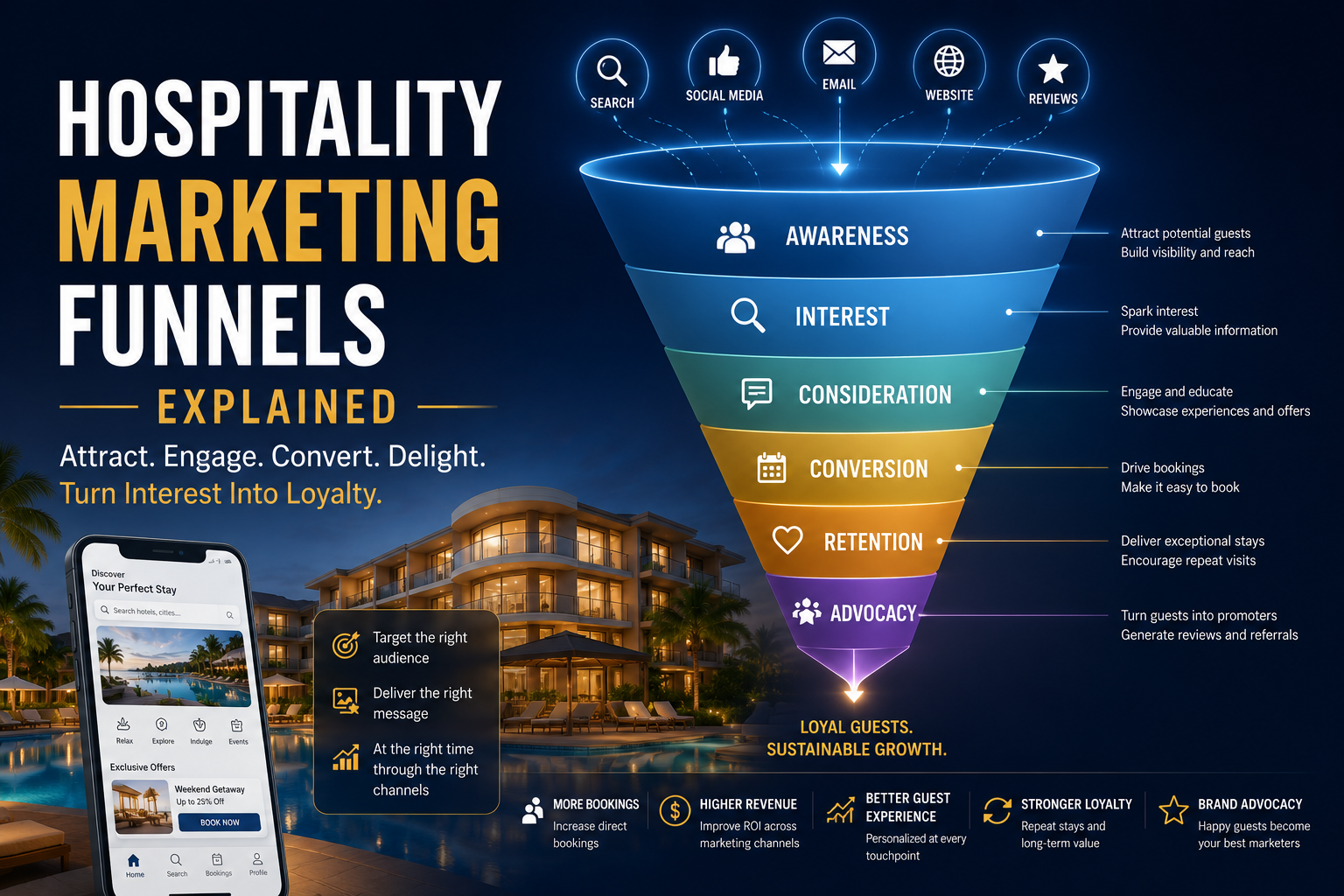
  • Booking Conversion

    In the hospitality industry, generating traffic to your website or booking platform is only the first step. The real success lies in transforming that traffic into actual reservations. This is where booking conversion becomes one of the most important performance metrics for hotels, resorts, and hospitality brands.

    Booking conversion refers to the percentage of website visitors or app users who complete a reservation after visiting a booking page. In simple terms, it measures how effectively your platform turns potential guests into confirmed bookings.

    For BookSmart, booking conversion is not just a metric—it is a direct indicator of revenue performance, user experience quality, and customer trust.

    What is Booking Conversion?

    Booking conversion is the rate at which visitors complete a booking action.

    The formula is:

    Booking Conversion Rate = (Total Confirmed Bookings ÷ Total Website Visitors) × 100

    For example, if 1,000 people visit your hotel website and 50 complete a reservation, your booking conversion rate is 5%.

    This percentage helps hotels evaluate the effectiveness of their website, booking engine, and digital marketing efforts.

    Why Booking Conversion Matters

    A high number of visitors does not always mean high revenue.

    If guests visit your site but leave without booking, it signals a conversion problem.

    Low booking conversion can lead to:

    • lost revenue
    • higher customer acquisition cost
    • increased OTA dependency
    • poor return on marketing spend

    Improving conversion directly increases profitability without necessarily increasing traffic.

    This makes it one of the most cost-effective growth strategies.

    Key Factors Affecting Booking Conversion

    Several factors influence booking conversion in hospitality.

    1. Website Speed

    Slow-loading websites are one of the biggest conversion killers.

    Guests expect fast access to room availability, pricing, and booking forms.

    Even a delay of a few seconds can increase abandonment rates significantly.

    Fast-loading pages improve trust and reduce bounce rates.

    2. Mobile Optimization

    Most modern travelers now browse and book through smartphones.

    If your website is not mobile-friendly, conversion rates can drop sharply.

    Important mobile UX elements include:

    • large buttons
    • fast checkout
    • touch-friendly date selectors
    • autofill guest details
    • mobile payments

    For BookSmart, mobile-first booking design is essential for higher conversion.

    3. Transparent Pricing

    Hidden costs are one of the top reasons users abandon bookings.

    Guests want full pricing clarity from the start.

    This includes:

    • room price
    • taxes
    • service fees
    • cancellation charges

    Transparent pricing builds trust and reduces last-minute exits.

    4. Strong Call-to-Action

    The booking button must be highly visible and action-driven.

    Examples include:

    • Book Now
    • Reserve Your Stay
    • Check Availability

    Clear CTAs guide users toward the next step.

    Weak or hidden CTAs reduce conversion potential.

    5. High-Quality Visuals

    Travel is an emotional purchase.

    Guests want to visualize their experience before booking.

    Professional room images, lobby views, amenities, and location highlights increase confidence and interest.

    Better visuals often lead to higher booking intent.

    6. Trust Signals

    Booking involves financial commitment.

    Guests need reassurance before entering payment details.

    Trust signals include:

    • secure payment badges
    • guest reviews
    • star ratings
    • best price guarantee
    • flexible cancellation

    These elements reduce hesitation and improve conversion.

    Common Reasons for Low Booking Conversion

    Some of the most common reasons include:

    • slow website performance
    • complicated booking forms
    • forced account creation
    • confusing navigation
    • hidden fees
    • payment failures
    • poor mobile experience

    Each friction point increases drop-off rates.

    Booking Engine Optimization

    A strong booking engine is critical for higher conversions.

    The ideal booking flow should be:

    Search Dates → Select Room → Guest Details → Payment → Confirmation

    The fewer steps involved, the better the conversion rate.

    Long forms and repeated data entry should be avoided.

    Simple UX drives faster decision-making.

    Role of Personalization

    Personalization can significantly improve booking conversion.

    Smart systems can recommend:

    • preferred room types
    • special packages
    • breakfast add-ons
    • loyalty discounts
    • early check-in options

    When guests feel the offer is relevant to them, they are more likely to book.

    Retargeting for Better Conversion

    Not every visitor books on the first visit.

    Retargeting campaigns help bring users back.

    This includes:

    • abandoned cart emails
    • reminder notifications
    • retargeting ads
    • discount codes

    These strategies can recover lost conversions.

    Measuring Booking Conversion

    Hotels should continuously track:

    • website visits
    • room page views
    • checkout starts
    • payment completion
    • booking abandonment rate

    This data helps identify weak points in the funnel.

    For example, if many users reach checkout but do not pay, the issue may be related to payment UX or pricing transparency.

    Strategies to Improve Booking Conversion

    Some highly effective strategies include:

    1. Faster Loading Speed
    Optimize images and scripts.

    2. Simplified Forms
    Ask only necessary details.

    3. Better Mobile UX
    Focus on one-click flow.

    4. Direct Booking Offers
    Exclusive discounts improve conversion.

    5. Social Proof
    Use testimonials and ratings.

    6. Live Chat Support
    Instant answers reduce hesitation.

    Future of Booking Conversion

    The future of booking conversion is increasingly driven by AI and automation.

    Emerging trends include:

    • predictive pricing
    • AI chat assistants
    • personalized booking journeys
    • one-click rebooking
    • voice-enabled reservations

    These technologies will continue to improve direct booking rates.

    Conclusion

    Booking conversion is one of the most important success metrics in hospitality.

    It reflects how effectively a hotel converts digital traffic into revenue.

    For BookSmart, the key takeaway is clear: increasing booking conversion is not about attracting more visitors alone—it is about creating a faster, smarter, and more trustworthy booking experience.

    In today’s competitive hospitality market, better conversion means better growth.