Category: Uncategorized

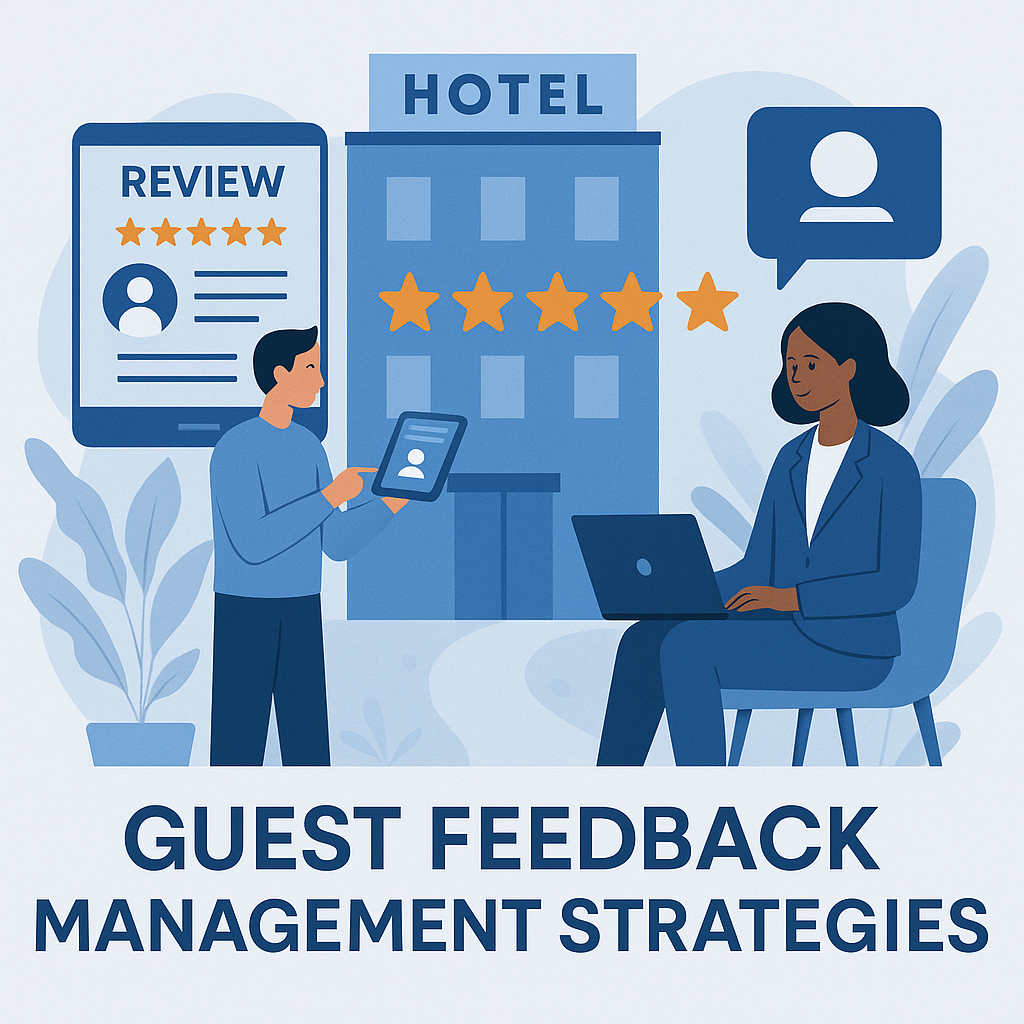
  • Guest Feedback Management Strategies: How BookSmart Helps Hotels Turn Insights into Excellence

    Guest Feedback Management Strategies: How BookSmart Helps Hotels Turn Insights into Excellence

    In the hospitality industry, guest feedback is more than just an opinion — it’s a roadmap to improvement. Whether it’s a glowing review or constructive criticism, every piece of feedback offers valuable insight into how guests perceive your service, ambiance, and overall brand experience. In today’s digital-first world, where travelers rely heavily on online reviews before booking, managing guest feedback efficiently can make or break a hotel’s reputation.

    At BookSmart, we believe that understanding and acting on guest feedback is not just about solving issues — it’s about creating experiences that guests remember, appreciate, and share. In this article, we’ll explore effective guest feedback management strategies and how BookSmart helps hotels harness feedback to enhance guest satisfaction and drive growth.

    1. The Power of Guest Feedback in the Hospitality Industry

    Before diving into strategies, it’s important to understand why guest feedback is so powerful.

    Feedback provides direct insight into how well your hotel meets customer expectations. It highlights strengths to build on and weaknesses to address. More importantly, it builds trust. Guests who see their opinions valued are more likely to become loyal advocates for your brand.

    According to surveys, 90% of travelers read online reviews before making a booking decision. A single negative review can discourage potential guests, while a well-handled complaint can showcase professionalism and care. Hence, managing feedback proactively is essential for long-term success.

    At BookSmart, we help hotels turn feedback into actionable insights through advanced analytics and real-time monitoring — ensuring that guest voices translate into measurable improvement.

    2. Types of Guest Feedback You Should Monitor

    Not all feedback comes through the same channels. To create an effective management system, hotels must monitor feedback across all platforms.

    a. Direct Feedback

    Collected through on-site comment cards, guest surveys, or front-desk conversations. This is often the most genuine form of feedback as it comes straight from guests during their stay.

    b. Online Reviews

    Guests share their experiences on platforms like Google, TripAdvisor, Booking.com, or Expedia. These reviews are public and heavily influence potential customers.

    c. Social Media Feedback

    Social media has become a key feedback platform where guests express their opinions through posts, stories, and tweets. Tracking brand mentions is essential for real-time reputation management.

    d. Post-Stay Surveys

    After checkout, follow-up emails or SMS messages requesting feedback help identify areas for improvement and keep engagement active even after the guest has left.

    BookSmart’s integrated feedback management system collects and centralizes feedback from all these sources, making it easier for hotel teams to analyze data and take timely actions.

    3. Core Strategies for Effective Guest Feedback Management

    Managing guest feedback requires more than just reading reviews — it’s about listening, analyzing, and responding in ways that build stronger guest relationships. Below are the best strategies that BookSmart recommends and implements with partner hotels.

    a. Encourage Feedback at Every Touchpoint

    Many hotels make the mistake of waiting for guests to leave feedback on external sites. Instead, encourage guests to share their experiences during their stay.

    For example:

    • Ask short, friendly questions like, “How’s your room so far?” or “Is there anything we can do to make your stay better?”
    • Provide easy ways to give feedback, such as QR codes on tables or digital forms in rooms.

    This approach helps identify and fix problems before they reach public platforms, improving both satisfaction and ratings.

    BookSmart helps hotels design customized digital feedback forms that integrate seamlessly into mobile check-in/check-out processes — making it easy for guests to share feedback instantly.

    b. Listen and Respond Promptly

    Speed matters. A delayed response to feedback can make guests feel ignored, especially online. Whether it’s a complaint or a compliment, timely responses show that you value your guests.

    For negative reviews:

    • Acknowledge the issue sincerely.
    • Avoid defensive language.
    • Offer a clear solution or apology.

    For positive reviews:

    • Thank the guest warmly.
    • Reinforce the positive experience with personalized comments.

    BookSmart’s AI-assisted response templates allow hotel managers to respond quickly while maintaining a personal touch — saving time and improving consistency across platforms.

    c. Analyze Feedback Trends

    One review might highlight an isolated issue, but dozens mentioning the same concern indicate a pattern. That’s where data analytics becomes crucial.

    BookSmart’s analytics dashboard helps hotels:

    • Identify recurring themes (e.g., “slow room service” or “excellent staff hospitality”).
    • Track guest sentiment using AI-powered emotion analysis.
    • Measure improvement after implementing changes.

    This turns feedback into a continuous improvement tool, not just a reaction mechanism.

    d. Train Staff to Value Feedback

    Guest feedback isn’t just for managers — it’s a learning opportunity for the entire team. Training staff to handle guest comments professionally and empathetically is vital.

    A well-trained front-desk or housekeeping team can turn potential complaints into opportunities for loyalty. Encourage them to:

    • Ask open-ended questions.
    • Note guest preferences for future stays.
    • Resolve small issues on the spot.

    BookSmart offers training workshops and e-learning modules that help hotel staff understand the psychology behind guest feedback and use it to improve service quality.

    e. Leverage Technology for Feedback Automation

    Manual tracking of feedback across multiple platforms can be overwhelming. That’s where automation simplifies things.

    BookSmart provides hotels with a centralized feedback management platform that:

    • Collects reviews from all sources.
    • Sends automated follow-up emails post-stay.
    • Alerts teams in real-time for urgent complaints.
    • Generates performance reports for management review.

    Automation ensures no feedback goes unnoticed — every voice is heard, analyzed, and acted upon efficiently.

    f. Use Feedback to Personalize Guest Experience

    Feedback helps you understand what your guests love and what they expect. By integrating guest data with CRM systems, hotels can personalize services for repeat visitors.

    For instance:

    • If a guest previously mentioned enjoying a specific cuisine, offer a personalized dining suggestion on their next visit.
    • Remember special occasions like anniversaries or birthdays and surprise guests with small gestures.

    BookSmart’s guest preference tracking tools make personalization effortless — creating memorable experiences that lead to glowing reviews and repeat bookings.

    4. Turning Negative Feedback into Opportunity

    No matter how excellent your service, negative feedback is inevitable. But it doesn’t have to harm your reputation — it can become your biggest growth opportunity.

    Here’s how to handle it strategically:

    1. Acknowledge Quickly: Thank the guest for bringing the issue to attention.
    2. Investigate Internally: Find out what went wrong.
    3. Take Corrective Action: Fix the issue immediately and communicate what has been done.
    4. Follow Up: Reach out personally to ensure satisfaction post-resolution.

    At BookSmart, we guide hotels on crisis communication — transforming dissatisfied guests into loyal advocates through empathy, transparency, and prompt action.

    5. Measuring Success in Feedback Management

    To ensure continuous improvement, hotels must track key performance indicators (KPIs) related to guest satisfaction. Common metrics include:

    • Net Promoter Score (NPS): Measures overall guest loyalty and likelihood to recommend.
    • Review Ratings: Tracks performance across review platforms.
    • Response Rate and Time: Evaluates how quickly and effectively the hotel engages with guests.
    • Repeat Guest Ratio: Indicates if feedback-based improvements are increasing loyalty.

    BookSmart’s reporting tools consolidate all these KPIs into easy-to-understand visual dashboards, helping hotels make informed decisions backed by data.

    6. The BookSmart Advantage

    At BookSmart, we don’t just help hotels collect feedback — we help them transform it into a strategic advantage. Our technology and expertise empower hospitality brands to:

    • Improve operational efficiency.
    • Enhance guest satisfaction and loyalty.
    • Strengthen online reputation.
    • Boost direct bookings through trust and credibility.

    We believe that every guest interaction is an opportunity to learn, grow, and deliver better experiences. With BookSmart’s intelligent feedback solutions, hotels can listen smarter, act faster, and evolve continuously.

    7. Conclusion: Listening Is the New Leadership

    In the hospitality business, success begins with listening. Guest feedback isn’t a burden — it’s a gift that helps you refine your services, align with guest expectations, and strengthen your brand.

    By implementing structured feedback management strategies and leveraging tools like those offered by BookSmart, hotels can turn every review into a stepping stone toward excellence. After all, in the world of hospitality, the most successful hotels aren’t those with no complaints — they’re the ones that listen, learn, and lead.

  • How Hotels Can Optimize Social Media Presence

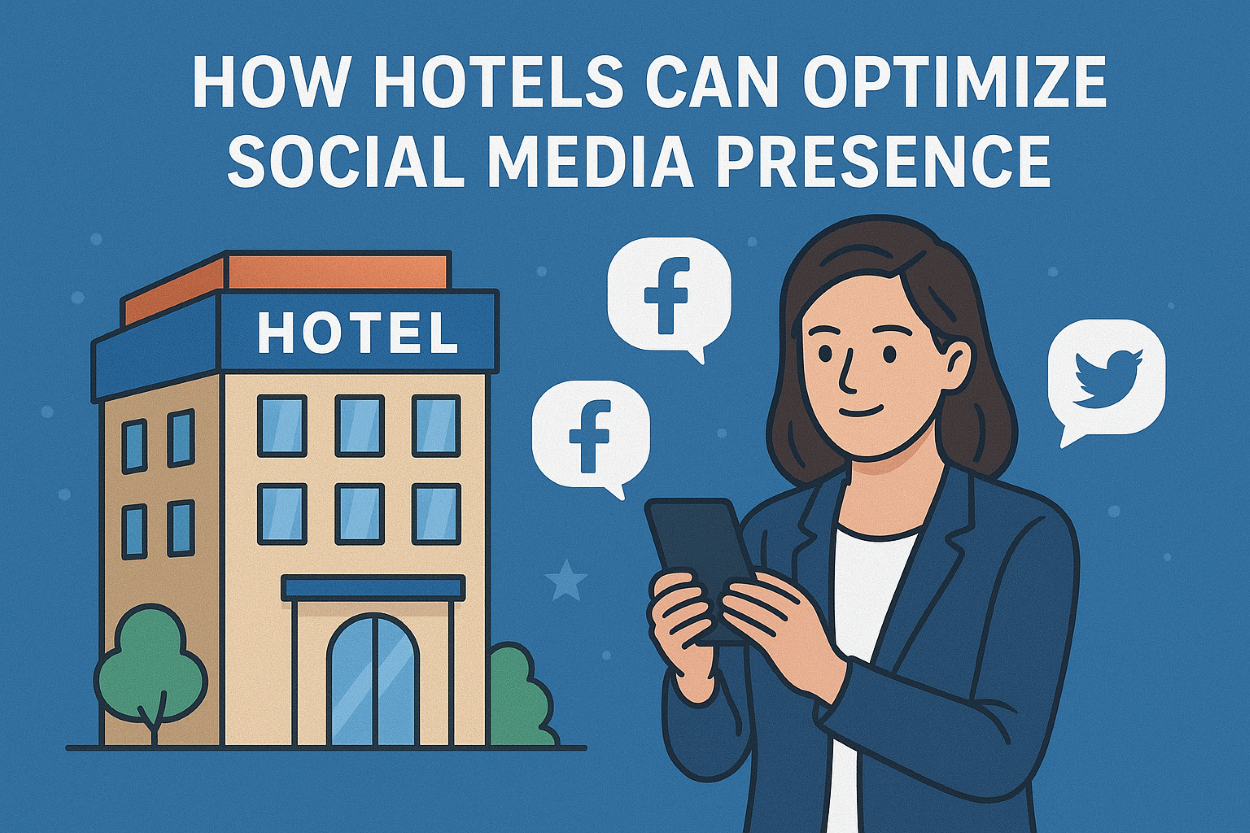
    How Hotels Can Optimize Social Media Presence

    In today’s digital-first world, social media has become the heartbeat of the hospitality industry. Whether travelers are searching for inspiration, planning a vacation, or writing reviews after a stay, they rely on platforms like Instagram, Facebook, and TikTok to connect with hotels. For hotel brands, a strong social media presence is no longer optional — it’s essential.

    At BookSmart, we understand that building a powerful online identity isn’t just about posting pretty pictures. It’s about telling your story, engaging your audience, and creating memorable digital experiences that translate into real-world bookings.

    Let’s explore how hotels can optimize their social media presence to attract, engage, and retain guests in an increasingly competitive landscape.

    🌍 1. Define Your Brand Identity Clearly

    Before a single post goes live, hotels must define who they are online. Are you a luxury retreat that exudes calm and elegance, or a family-friendly resort full of adventure and joy? A clear brand personality sets the tone for your visuals, captions, and even hashtags.

    Tips to strengthen your brand identity:

    • Choose a consistent color palette and typography that mirrors your property’s aesthetics.
    • Maintain a brand voice — warm and welcoming, sophisticated and elegant, or fun and vibrant.
    • Ensure your logo and tagline are consistent across all platforms.

    A strong identity makes your hotel instantly recognizable and helps build trust among potential guests.

    📸 2. Showcase Visual Storytelling

    In the hospitality industry, visuals do the talking. People don’t just book rooms — they book experiences. Use high-quality photography and short-form videos to showcase your property’s ambiance, food, events, and the emotions that come with staying there.

    Ideas for visually engaging posts:

    • Sunrise views from your rooftop or beach.
    • Behind-the-scenes clips of your chef preparing a dish.
    • Guest testimonials captured candidly.
    • Time-lapse videos of day-to-night transitions at your property.

    Pro Tip: Invest in user-generated content (UGC). Encourage guests to tag your hotel in their posts — authentic experiences from real guests are far more persuasive than staged ads.

    💬 3. Engage, Don’t Just Post

    Posting regularly is important, but engagement is what turns followers into loyal customers. Respond to comments, thank guests for reviews, and address concerns promptly. Social media is a two-way conversation — not a billboard.

    Ways to boost engagement:

    • Ask questions in captions (e.g., “Which spa treatment would you choose?”).
    • Run polls and quizzes on Instagram Stories.
    • Repost stories from guests with personalized thank-you messages.
    • Host live Q&A sessions with your staff or manager.

    Being responsive and human builds authenticity, which is the foundation of online reputation in hospitality.

    🗓️ 4. Plan a Strategic Content Calendar

    Hotels often struggle with consistency. A content calendar helps organize posting schedules, align campaigns with seasons, and ensure timely promotions.

    Content calendar ideas:

    • January–March: New year wellness packages.
    • April–June: Summer getaways and family vacation themes.
    • July–September: Monsoon experiences or indoor events.
    • October–December: Festive dining, Christmas décor, New Year’s countdowns.

    Use scheduling tools like Buffer, Later, or Meta Business Suite to maintain regularity and post at optimal engagement times.

    🔍 5. Use SEO and Hashtags Strategically

    Just like websites, social media profiles need optimization to reach the right audience. Every post should be crafted with a balance of creativity and discoverability.

    Best practices for social media SEO:

    • Include location tags (e.g., “#HotelsInGoa”, “#LuxuryResortKolkata”).
    • Use 5–10 relevant hashtags, mixing popular and niche ones.
    • Optimize bio descriptions with keywords like “boutique hotel,” “family resort,” or “beachfront stay.”
    • Add links to your booking page or website in every profile.

    By appearing in search results and travel-related hashtags, your hotel gets more organic visibility without heavy advertising.

    🎯 6. Leverage Influencer Partnerships

    In the age of social media, influencer marketing is one of the most effective tools for hotels. Partnering with travel influencers or lifestyle creators can help you reach new audiences and build credibility.

    How to collaborate effectively:

    • Choose influencers whose audience matches your target demographic.
    • Offer a free stay or experience in exchange for content.
    • Encourage honest storytelling rather than scripted promotion.
    • Reuse influencer content on your own pages with proper credit.

    When guests see real people enjoying your property, it builds emotional connection and trust — the two biggest drivers of booking decisions.

    🧠 7. Embrace Data and Analytics

    Every platform provides analytics — use them wisely. Track which posts perform best, what times your audience is most active, and which campaigns drive actual bookings.

    Key metrics to monitor:

    • Engagement rate (likes, comments, shares).
    • Click-through rate (CTR) on booking links.
    • Conversion rate (bookings via social media).
    • Follower growth and reach.

    By analyzing data, hotels can refine their strategy — focusing more on what works and cutting down what doesn’t.

    🧳 8. Offer Exclusive Social Media Deals

    Everyone loves a good deal — and social media is the perfect place to share them. Offer exclusive discounts for followers to encourage both engagement and bookings.

    Examples:

    • “Book through our Instagram link and get 15% off your weekend stay!”
    • “Tag your travel buddy and win a 2-night getaway!”
    • “Flash sale alert: 24 hours only on Facebook!”

    This creates excitement, drives traffic to your website, and encourages followers to keep an eye on your updates.

    🧩 9. Incorporate Video Marketing

    Video content dominates social media, especially short-form videos on platforms like Reels, TikTok, and YouTube Shorts.

    Types of videos hotels can post:

    • Property tours showcasing rooms, pool, and dining areas.
    • Event highlights such as weddings or conferences.
    • Staff introduction videos to add a personal touch.
    • Guest experience vlogs.

    At BookSmart, we encourage hotels to keep videos authentic, visually rich, and emotionally engaging — because people remember stories, not advertisements.

    🌟 10. Encourage Reviews and Reputation Management

    Social media isn’t just for promotion — it’s also for trust-building. Encourage guests to share reviews and tag your property. Address both positive and negative feedback professionally and quickly.

    How to manage reputation effectively:

    • Thank guests for positive mentions publicly.
    • Apologize sincerely for negative reviews and offer a resolution.
    • Highlight improvements made from guest feedback.
    • Showcase testimonials in creative formats like carousels or short clips.

    A transparent and caring approach makes potential guests feel secure choosing your property.

    💼 How BookSmart Helps Hotels Build a Strong Digital Identity

    At BookSmart, we specialize in helping hotels amplify their digital presence with personalized strategies. Our services include:

    • Social media management and content creation.
    • Influencer and campaign collaborations.
    • SEO-driven digital marketing.
    • Brand storytelling and visual identity design.

    We help hotels connect with their audience authentically — transforming social engagement into real guest relationships and repeat bookings.

    Our approach blends creativity, data, and empathy, ensuring your brand doesn’t just appear on social media — it thrives there.

    ✨ The Future of Hotel Social Media

    As AI, AR filters, and immersive experiences evolve, hotels will move toward interactive storytelling — where guests can explore virtual room tours or chat directly via social platforms. The future of social media marketing for hotels is personalization: right message, right moment, right audience.

    Hotels that embrace this transformation today will enjoy higher visibility, stronger loyalty, and greater direct bookings tomorrow.

    🏆 Final Thought

    Your hotel’s social media presence is your digital front desk — it’s where first impressions are made. A smart, consistent, and engaging strategy can turn casual scrollers into loyal guests.

    With the right blend of creativity, authenticity, and analytics, your hotel can transform social media from a marketing tool into a powerful business growth engine.

    At BookSmart, we don’t just help hotels post — we help them connect, inspire, and grow.

  • The Role of CRM in Hotel Business Growth

    The Role of CRM in Hotel Business Growth

    In today’s competitive hospitality landscape, hotels are no longer competing only on price or location—they’re competing on experience. From the moment a guest makes an inquiry to the time they check out, every interaction shapes their perception of the brand. This is where Customer Relationship Management (CRM) systems have become a game changer.

    For hotels aiming to deliver personalized experiences, drive repeat bookings, and foster long-term loyalty, CRM is not just software—it’s the strategic heart of guest engagement. At BookSmart, we believe that the intelligent use of CRM can transform how hotels connect with their guests and unlock sustainable business growth.

    What is CRM and Why It Matters in Hospitality

    A Customer Relationship Management (CRM) system is a tool designed to store, analyze, and manage customer data to improve interactions, enhance satisfaction, and boost sales. In the hospitality industry, it acts as a centralized hub for guest information—tracking preferences, booking history, and communication patterns.

    Unlike generic business tools, a hotel CRM is tailored for the guest journey. It goes beyond managing contacts—it helps you understand guest behavior, predict their needs, and tailor every experience, from room selection to post-stay follow-ups.

    In essence, CRM helps hotels move from transactional relationships to emotional connections, turning one-time guests into lifelong advocates.

    1. Personalization: Turning Data into Memorable Experiences

    Guests today expect more than a comfortable stay—they expect personalization. A CRM enables hotels to capture and utilize guest data to curate individualized experiences.

    For example:

    • Remembering a returning guest’s room preference or dietary restriction.
    • Offering special birthday discounts or anniversary upgrades.
    • Sending personalized recommendations based on previous stays or interests.

    Such small yet meaningful gestures can turn a casual guest into a loyal one. According to recent hospitality studies, 80% of travelers prefer hotels that personalize their experience, and CRM is the engine that makes it possible.

    At BookSmart, we help hotels harness CRM insights to deliver personalized marketing and guest services that create memorable stays and emotional brand connections.

    2. Enhancing Guest Communication Across Channels

    In the age of digital convenience, communication is everything. Guests interact with hotels across multiple platforms—email, WhatsApp, social media, and booking sites. A CRM system unifies all these touchpoints, ensuring consistent and timely communication at every stage.

    CRM improves guest communication by:

    • Sending automated booking confirmations, pre-arrival checklists, and post-stay thank-you emails.
    • Offering real-time responses to inquiries or complaints through integrated chat systems.
    • Providing marketing automation tools for promotional messages or loyalty updates.

    This kind of unified communication builds trust and transparency. When guests feel heard and valued at every step, their likelihood to return increases exponentially.

    3. Driving Direct Bookings and Reducing Dependency on OTAs

    Online Travel Agencies (OTAs) are important for visibility, but they often eat into hotel profits with hefty commissions. A well-implemented CRM helps hotels drive direct bookings by nurturing relationships and offering tailored promotions directly to guests.

    CRM tools can:

    • Capture leads from your website or social media and convert them into direct bookings.
    • Automate email campaigns highlighting special offers for past or potential guests.
    • Build loyalty programs that encourage guests to book directly next time.

    By shifting focus toward direct engagement, hotels can reduce OTA dependency, increase profit margins, and own their customer relationships—a key growth lever for modern hospitality brands.

    4. Empowering Sales and Marketing Teams with Data

    CRM systems provide a 360-degree view of guests, empowering your sales and marketing teams to make data-driven decisions. By analyzing booking patterns, demographics, and feedback, teams can craft highly targeted campaigns.

    For example:

    • Segmenting business travelers vs. leisure travelers for tailored promotions.
    • Identifying high-value repeat customers for VIP programs.
    • Tracking campaign performance and optimizing marketing spend.

    Data-driven insights allow hotels to allocate budgets efficiently, identify untapped opportunities, and measure ROI effectively.

    At BookSmart, we emphasize CRM-driven marketing strategies that prioritize personalization, timing, and relevance—resulting in higher engagement and conversion rates.

    5. Strengthening Guest Loyalty and Retention

    It’s far cheaper to retain an existing guest than to acquire a new one. A CRM plays a crucial role in nurturing guest loyalty by enabling hotels to maintain continuous engagement.

    Through loyalty programs integrated into CRM, hotels can:

    • Reward repeat stays with points, discounts, or free upgrades.
    • Send reminders about expiring offers or unused points.
    • Track guest satisfaction through surveys and feedback loops.

    Loyalty doesn’t happen by accident—it’s built through consistent, personalized follow-ups. CRM ensures that no guest is forgotten and every guest feels recognized. Over time, this leads to repeat bookings and positive word-of-mouth, both critical for long-term growth.

    6. Improving Operational Efficiency

    Beyond marketing, CRM improves operational workflows across departments. With centralized guest data, teams such as front office, housekeeping, and food & beverage can collaborate seamlessly.

    Here’s how CRM enhances internal efficiency:

    • Real-time access to guest profiles for better service delivery.
    • Automated task assignment and reminders for staff.
    • Insightful reports for forecasting occupancy and managing inventory.

    By automating manual tasks and reducing miscommunication, CRM helps staff focus on what truly matters—enhancing guest satisfaction.

    7. Turning Feedback into Business Intelligence

    Guest feedback is gold—but only if it’s captured and analyzed effectively. A CRM system collects and categorizes feedback from multiple sources—emails, online reviews, and surveys—helping hotels identify patterns and areas for improvement.

    For instance:

    • Tracking recurring complaints to address operational gaps.
    • Highlighting positive mentions to reinforce what’s working.
    • Measuring satisfaction scores to predict guest retention.

    At BookSmart, we encourage hotels to use CRM analytics to transform feedback into strategy—shaping better experiences and smarter business decisions.

    8. CRM and the Power of Predictive Analytics

    Modern CRM systems leverage AI and machine learning to predict guest behavior. By analyzing data trends, hotels can forecast demand, anticipate cancellations, and personalize offers in advance.

    Predictive analytics allows hotels to:

    • Optimize pricing and inventory based on seasonal demand.
    • Anticipate high-value guests for tailored upselling.
    • Identify churn risk and proactively engage with those guests.

    In short, CRM transforms data into foresight—helping hotels stay one step ahead in an ever-evolving market.

    The BookSmart Approach: CRM for the Modern Hotel

    At BookSmart, we believe technology should simplify—not complicate—guest management. Our CRM consulting approach focuses on integration, personalization, and insight-driven decision-making.

    We help hotels:

    • Choose the right CRM platform suited to their size and goals.
    • Integrate CRM with existing property management and booking systems.
    • Train staff to make the most of automation and analytics features.

    With BookSmart’s expertise, hotels can convert data into loyalty, relationships into revenue, and stays into stories.

    Conclusion: CRM as the Engine of Hotel Growth

    In 2025 and beyond, the success of a hotel lies in its relationships—not just its rooms. CRM is the bridge that connects technology with hospitality, enabling hotels to understand guests deeply, anticipate their needs, and deliver unforgettable experiences.

    By adopting a CRM-driven strategy, hotels can:

    • Strengthen guest relationships.
    • Drive direct revenue.
    • Streamline operations.
    • Build long-term loyalty.

    As the hospitality world becomes more data-driven and customer-centric, investing in CRM is not an option—it’s a necessity for growth.

    At BookSmart, we’re passionate about helping hotels embrace this transformation—empowering them to build smarter, more connected, and more profitable guest journeys.

  • The Importance of Cleanliness in Guest Satisfaction

    The Importance of Cleanliness in Guest Satisfaction

    When guests walk into a hotel, homestay, or vacation rental, what’s the first thing they notice? It’s not the thread count of the sheets, the décor, or even the amenities — it’s cleanliness. A spotless environment immediately sets the tone for comfort, trust, and satisfaction. In the hospitality world, cleanliness isn’t just a checkbox — it’s a core pillar of guest experience and a key driver of repeat bookings, reviews, and brand reputation.

    At BookSmart, we understand that in the age of online reviews and instant feedback, cleanliness can make or break a property’s success. This article explores why cleanliness is so essential to guest satisfaction, how it impacts your ratings and revenue, and what best practices can help you maintain the highest standards every single day.

    1. Cleanliness: The Foundation of First Impressions

    You never get a second chance to make a first impression — and in hospitality, that impression is often formed within seconds of check-in. Guests who encounter dusty surfaces, stained linens, or unkempt bathrooms instantly begin questioning the quality and care of the establishment.

    According to a survey by TripAdvisor, more than 80% of travelers consider cleanliness the most important factor when choosing accommodation. Even the most luxurious property can lose credibility if it falls short on hygiene.

    A spotless lobby, sparkling bathroom, and fresh-smelling room instantly communicate professionalism and attention to detail. It tells your guests, “We care about your comfort and well-being.” That emotional reassurance lays the foundation for satisfaction — long before they interact with your staff or amenities.

    2. The Psychological Connection Between Cleanliness and Comfort

    Cleanliness is not just physical — it’s psychological. Guests subconsciously associate cleanliness with safety, comfort, and trust. When they feel confident that their surroundings are hygienic, they relax and enjoy the experience.

    On the other hand, even minor lapses — like hair in the sink, smudged mirrors, or an unvacuumed carpet — can trigger discomfort or anxiety. This sense of unease lingers and colors their entire stay.

    In the post-pandemic era, hygiene awareness has reached new heights. Travelers now expect not just visual cleanliness but deep sanitization and transparency about cleaning practices. A visibly well-maintained property provides peace of mind — especially for families and business travelers who prioritize health and safety.

    3. How Cleanliness Drives Guest Satisfaction and Loyalty

    Guest satisfaction isn’t just about the bed or the breakfast — it’s the cumulative result of every interaction and detail. But among all factors, cleanliness consistently ranks at the top.

    Here’s why it directly drives satisfaction and loyalty:

    • Trust and Comfort – Guests feel at home in clean environments. When rooms, bathrooms, and public areas are spotless, they perceive the brand as reliable and caring.
    • Better Reviews and Ratings – Cleanliness is one of the most commonly mentioned factors in online reviews. High cleanliness scores often lead to better overall ratings on platforms like Booking.com, Google, and Airbnb.
    • Repeat Bookings – Satisfied guests become loyal customers. A guest who feels confident about your property’s hygiene is far more likely to return and recommend it to others.
    • Reduced Complaints – Cleanliness issues are among the top reasons for guest complaints and refund requests. Preventing them saves time, money, and reputation.

    At BookSmart, we’ve observed that properties maintaining strict cleanliness protocols often see a 25–30% improvement in review scores and a noticeable rise in repeat bookings. Cleanliness, quite literally, pays off.

    4. Cleanliness and Online Reputation Management

    In today’s digital age, your reputation lives online — and it’s built through guest feedback. One negative comment about a dirty bathroom or unwashed bedsheet can spread across platforms and hurt your brand.

    Travelers are more discerning than ever. They scroll through reviews and pay close attention to cleanliness scores before booking. According to Booking.com’s traveler insights, cleanliness is the single most-reviewed aspect of hospitality experiences, often influencing whether a property even makes it to the “shortlist.”

    That’s why proactive cleanliness management is essential. A visibly clean space reduces the risk of negative reviews and amplifies positive feedback. Guests rarely mention cleanliness when it’s good — but they always do when it’s bad. By maintaining impeccable hygiene, you ensure that your brand narrative online stays positive and trustworthy.

    5. Cleanliness as a Reflection of Brand Values

    Cleanliness isn’t just about scrubbing floors — it’s about showing respect for your guests and pride in your brand. It reflects how much you value the people who choose to stay with you.

    A clean environment signals professionalism, care, and attention to detail — qualities that define a brand’s culture. When cleanliness is prioritized, it builds a sense of integrity that extends to every part of your operation: staff behavior, communication, and service quality.

    In many ways, maintaining spotless surroundings is an act of hospitality itself — a quiet but powerful way of saying, “You matter to us.”

    6. Operational Excellence Through Smart Cleaning Practices

    At BookSmart, we believe that cleanliness is both an art and a science. Modern technology and systematic management can make the process more efficient and consistent.

    Here are some best practices for maintaining top-tier cleanliness standards:

    • Create Detailed Checklists: Break down cleaning tasks by area — rooms, bathrooms, lobbies, kitchens — with specific daily, weekly, and monthly schedules.
    • Train and Empower Staff: Proper training ensures consistency. Educate housekeeping teams on hygiene protocols, safe chemical use, and attention to detail.
    • Use Smart Scheduling: Digital tools and property-management systems (PMS) can help assign, track, and verify cleaning tasks in real time.
    • Leverage Guest Feedback: Encourage guests to share feedback about cleanliness. Actively monitor and address suggestions to continually improve.
    • Go Beyond Clean — Sanitize: Disinfect high-touch surfaces like switches, remotes, and doorknobs frequently to maintain health safety.
    • Audit and Inspect Regularly: Supervisory inspections ensure accountability and consistency. Use data to identify trends and areas for improvement.

    Implementing these practices creates a cycle of operational excellence — where cleanliness becomes ingrained in your brand DNA, not just a task on a checklist.

    7. The Financial Impact of Cleanliness

    Cleanliness isn’t a cost — it’s an investment with measurable ROI. Let’s look at the business benefits:

    • Higher Occupancy Rates: Clean, well-reviewed properties attract more bookings and command better prices.
    • Reduced Maintenance Costs: Regular cleaning prevents wear, damage, and the need for major repairs.
    • Improved Staff Morale: Employees take pride in working in a clean environment, which boosts productivity and service quality.
    • Lower Refunds and Discounts: Clean properties face fewer complaints, refunds, and compensation requests.

    In short, cleanliness drives revenue both directly (through higher bookings) and indirectly (through reputation and efficiency).

    8. Sustainability and Eco-Friendly Cleaning

    Modern guests value sustainability as much as comfort. Eco-friendly cleaning practices not only protect the planet but also enhance your brand’s image.

    Use biodegradable products, minimize water waste, and switch to reusable cleaning materials. These small steps demonstrate social responsibility and appeal to environmentally conscious travelers — a growing segment in today’s market.

    At BookSmart, we encourage all our partner properties to adopt green cleaning initiatives that balance hygiene with sustainability — because clean shouldn’t come at the cost of the environment.

    9. How BookSmart Helps You Maintain Unmatched Cleanliness

    BookSmart partners with hospitality businesses to streamline operations and elevate guest experience — with cleanliness at the heart of it all. Our technology and consulting solutions help you:

    • Automate housekeeping schedules and quality checks
    • Track cleanliness performance through analytics and feedback dashboards
    • Integrate cleaning standards with guest management systems
    • Provide real-time alerts for inspections and maintenance
    • Empower staff with mobile tools for accountability

    With BookSmart’s digital ecosystem, you can maintain consistent hygiene standards, reduce human error, and deliver an exceptional guest experience — every time, for every stay.

    10. Conclusion: Cleanliness Is Guest Satisfaction

    In hospitality, details matter — and cleanliness is the most visible, powerful detail of all. It’s the difference between a forgettable stay and a five-star review. A clean room tells guests you care; a spotless facility earns their trust; and a hygienic experience keeps them coming back.

    At BookSmart, we see cleanliness as more than a housekeeping metric — it’s a promise to every guest. A promise of safety, comfort, and respect.

    So, as you focus on modernizing your operations, never underestimate the simplest yet most impactful factor in guest satisfaction: a clean, welcoming environment. Because when guests feel at ease, they don’t just stay — they return, they recommend, and they remember.

    BookSmart – Making Every Stay Smarter, Cleaner, and Happier.

  • How Hotels Can Cater to Business Travelers

    How Hotels Can Cater to Business Travelers

    The world of travel has transformed dramatically in recent years. While leisure tourism continues to grow, business travel remains a cornerstone of the global hospitality industry. From entrepreneurs attending client meetings to executives managing multinational teams, business travelers expect more than just a comfortable bed—they need efficiency, connectivity, and a seamless experience that supports productivity.

    At BookSmart, we understand that catering to business travelers isn’t just about offering Wi-Fi and a desk. It’s about curating an environment that blends convenience, comfort, and technology to meet the dynamic needs of today’s professionals. In this article, we’ll explore how hotels can elevate their offerings and truly stand out as the preferred choice for business travelers.

    Understanding the Modern Business Traveler

    Before hotels can design meaningful experiences, they need to understand who the modern business traveler is.

    Unlike in the past—when business travel meant rigid schedules and short stays—today’s professionals often blend work and leisure. This new trend, often called “bleisure travel,” reflects a shift in traveler priorities: productivity meets exploration.

    Business travelers today want:

    • Fast, reliable connectivity
    • Efficient check-ins and check-outs
    • Comfortable, ergonomic spaces to work and rest
    • Wellness amenities to reduce stress
    • Flexible booking options
    • Proximity to business hubs, airports, and dining options

    Hotels that align their services around these needs can significantly improve guest satisfaction and loyalty among corporate clients.

    1. High-Speed Connectivity Is Non-Negotiable

    Let’s start with the obvious—reliable internet.

    For business travelers, connectivity is the backbone of productivity. Dropped calls or slow Wi-Fi can disrupt meetings, delay deadlines, and cause immense frustration.

    Hotels should invest in:

    • High-speed fiber internet with dedicated business bandwidth.
    • Seamless coverage throughout the property (not just in rooms).
    • Secure connections to protect sensitive business data.

    At BookSmart, we’ve found that hotels offering tiered Wi-Fi options—free for basic use and premium for high-speed business needs—strike the right balance between guest satisfaction and operational efficiency.

    2. Streamlined Check-In and Check-Out Processes

    Time is a business traveler’s most valuable asset. No one wants to stand in line after a long flight or rush through check-out before an early meeting.

    Hotels can simplify the process by adopting:

    • Mobile check-in/check-out through apps or kiosks.
    • Digital room keys for contactless access.
    • Express billing and email receipts to minimize paperwork.

    An example? Many business travelers prefer self-service options that let them manage their stay independently—while still having human support available when needed. A smart balance of automation and hospitality goes a long way.

    3. Thoughtful Room Design for Work and Rest

    The modern business traveler’s room should be more than a place to sleep—it should function as a mini office.

    Key room features that enhance productivity include:

    • Ergonomic workstations with comfortable seating.
    • Ample charging ports and universal adapters.
    • Good lighting (both natural and task-specific).
    • Soundproofing to minimize distractions.

    Beyond work, business travelers also value relaxation after long meetings or flights. Hotels that provide premium bedding, blackout curtains, air purifiers, and even small touches like coffee machines or smart TVs create an environment that supports both work and wellbeing.

    4. Meeting and Co-Working Spaces

    Many professionals travel in teams or need venues to meet clients. Offering flexible meeting spaces is a huge value-add.

    Hotels can cater to this by:

    • Providing fully equipped conference rooms with AV technology.
    • Creating co-working lounges or “business hubs” within the property.
    • Offering hourly booking options for small meeting pods or private calls.

    These spaces should combine comfort with functionality—good lighting, ergonomic furniture, and reliable connectivity. Some hotels even offer on-demand meeting concierge services, providing refreshments, tech support, or printing facilities.

    5. Dining Options That Fit Tight Schedules

    When time is limited, convenience is key.

    Business travelers often prefer hotels that provide flexible dining options, such as:

    • 24-hour room service or grab-and-go breakfasts.
    • Healthy menu options for guests conscious about nutrition.
    • Express lunch menus for quick meals between meetings.

    A growing trend is in-room dining powered by mobile apps—allowing guests to order meals with just a few taps. Hotels can also partner with local restaurants for curated dining experiences that let business travelers enjoy local flavors without long waits.

    6. Wellness Amenities Matter More Than Ever

    The lines between business and wellness travel are blurring. Corporate guests increasingly value hotels that support mental and physical wellbeing.

    This includes:

    • 24/7 gyms with quality equipment.
    • Yoga or meditation areas.
    • Spa services or massage-on-demand partnerships.
    • Healthy food and beverage options.

    Even small wellness touches—like aromatherapy, blackout curtains, or a “sleep better” kit—can significantly improve guest satisfaction and brand perception.

    At BookSmart, we encourage hotels to design holistic experiences, helping guests recharge between their professional commitments.

    7. Flexible Booking and Corporate Packages

    Business travel often involves last-minute changes. That’s why flexible booking policies are essential.

    Hotels should consider:

    • Free cancellations or easy modifications.
    • Corporate loyalty programs offering special rates.
    • Group booking options for company teams.
    • Direct booking incentives for business travelers through the hotel’s website or BookSmart’s platform.

    By making flexibility part of the experience, hotels show they understand the unpredictable nature of corporate life.

    8. Seamless Transportation and Location Advantage

    Location remains one of the top decision factors for business travelers. Properties near airports, business districts, or convention centers have a natural advantage.

    However, accessibility doesn’t stop at geography. Hotels can enhance convenience by offering:

    • Airport shuttle services.
    • On-demand taxi or ride-share integration.
    • Private car rentals or driver-on-call options.
    • Local transport guidance via the hotel app.

    These additions save guests valuable time and position the hotel as a one-stop solution for all travel needs.

    9. Personalized Guest Experiences Through Technology

    Technology is no longer just an amenity—it’s the foundation of modern hospitality.

    Hotels can use smart data and AI to deliver personalized experiences, such as:

    • Remembering a guest’s room preferences or meal choices.
    • Suggesting nearby cafes or coworking spaces.
    • Offering tailored upgrade options or meeting room availability.

    Integration with platforms like BookSmart allows hotels to track guest preferences securely, analyze feedback, and deliver experiences that feel intuitive and personal—without being intrusive.

    10. Sustainability: The New Corporate Standard

    Sustainability has become a top priority for many companies. Business travelers increasingly prefer hotels that align with eco-friendly values.

    Hotels can demonstrate commitment to sustainability by:

    • Reducing plastic use and offering refillable water stations.
    • Installing energy-efficient lighting and smart thermostats.
    • Partnering with local suppliers for organic produce.
    • Encouraging digital receipts and paperless check-ins.

    Not only do these initiatives reduce environmental impact, but they also attract eco-conscious corporate clients who value responsible travel.

    11. Dedicated Business Traveler Support

    Lastly, a truly business-friendly hotel needs dedicated support services. This could include:

    • A 24/7 concierge desk for logistics assistance.
    • Business travel managers to coordinate group stays.
    • Priority room servicing for guests on tight schedules.
    • A quiet zone or “executive floor” for uninterrupted stays.

    At BookSmart, we’ve noticed that hotels offering a “business travel concierge” see higher guest satisfaction rates. It’s a small investment that goes a long way in building loyalty.

    The BookSmart Advantage

    BookSmart connects hotels and business travelers through intelligent booking solutions designed for convenience, efficiency, and personalization.

    We help properties:

    • Showcase their business-friendly amenities.
    • Offer flexible booking options to corporate clients.
    • Gain visibility among frequent travelers.
    • Use analytics to improve guest satisfaction and repeat visits.

    By partnering with BookSmart, hotels don’t just fill rooms—they build long-term relationships with a growing base of professional travelers.

    Final Thoughts

    Catering to business travelers is no longer about ticking boxes—it’s about crafting experiences that balance efficiency, comfort, and care.

    Hotels that truly understand the needs of corporate guests can differentiate themselves in a crowded market, driving loyalty, referrals, and repeat stays.

    At BookSmart, we believe that the future of business travel is smart, connected, and human-centered—where technology supports hospitality, and every detail enhances the traveler’s journey.

  • How to Build a Memorable Hotel Brand

    How to Build a Memorable Hotel Brand

    In the hospitality industry, where experiences matter more than transactions, your brand is your story — it’s the feeling guests take home long after checkout. From boutique stays tucked away in hilltops to global hotel chains in bustling cities, every property has a soul. But in a market overflowing with choices, how do you make yours unforgettable?

    At BookSmart, we believe that a hotel’s brand isn’t just a logo, a tagline, or a color scheme — it’s the emotional connection you create with your guests. Whether you’re launching a new property or reinventing an established one, building a memorable brand is about blending authentic storytelling, exceptional experiences, and digital intelligence.

    Let’s explore how to turn your hotel into a brand guests love, remember, and return to.

    1. Define What Makes You Unique

    Every memorable hotel brand starts with a simple but powerful question:
    “What makes us different?”

    It could be your location, your history, your design, or your philosophy. Maybe your hotel is built around eco-conscious living, maybe it celebrates local art, or maybe it offers personalized guest experiences unlike anyone else.

    At BookSmart, we help hoteliers uncover their unique value proposition (UVP) — the essence of what sets them apart. This clarity is the foundation of every brand decision that follows — from design to guest engagement to digital marketing.

    🧠 Tip: Write down three adjectives that best describe your hotel. That’s your starting point for brand identity.

    2. Craft a Story That Guests Want to Be Part Of

    People don’t connect with rooms — they connect with stories.
    A compelling brand story gives your hotel personality and purpose. It invites guests to be part of something bigger than just an overnight stay.

    For example:

    • A coastal resort might tell a story about reconnecting with nature.
    • A city boutique hotel might focus on creativity and culture.
    • A luxury chain might center on timeless elegance and impeccable service.

    Your story should be authentic, not just marketing jargon. Guests can sense when something is genuine — and authenticity builds trust.

    At BookSmart, we help hotels translate their vision into a narrative that resonates with both guests and staff. Because when your team believes in your story, your guests will feel it too.

    3. Design a Visual Identity That Speaks Volumes

    Your visual branding — logo, color palette, typography, photography — is often the first touchpoint guests have with your brand. It’s what they see before they ever step inside.

    A strong visual identity should capture your hotel’s character at a glance.

    • A minimalist design might reflect sophistication.
    • Earthy tones and organic shapes might evoke calm and sustainability.
    • Bold colors and dynamic fonts might showcase creativity and energy.

    At BookSmart, we encourage consistency — from your website and social media to your keycards and in-room signage. When everything looks and feels cohesive, it creates an impression of quality and attention to detail.

    🎨 Remember: Simplicity stands out. The most iconic hotel brands in the world are instantly recognizable because they stay true to a consistent visual story.

    4. Deliver an Experience That Aligns with Your Brand

    Your brand promise means nothing if the experience doesn’t live up to it.
    Every guest interaction — from check-in to checkout — should reflect your brand’s values.

    If your brand is about comfort and warmth, your staff should greet every guest like family.
    If it’s about innovation, your technology and amenities should impress at every touchpoint.
    If it’s about luxury, attention to detail must be second nature.

    BookSmart helps hotels create experience blueprints — mapping out how your brand comes alive in service, decor, communication, and even problem resolution. Because true branding is lived, not just seen.

    5. Empower Your People — They Are the Brand

    Your employees are your most powerful brand ambassadors. They don’t just represent your hotel; they are your hotel in the eyes of guests.

    Train them not only in hospitality skills but also in brand culture — what your brand stands for and how to express it through service.

    A well-trained, brand-aligned team transforms guests into loyal fans.
    At BookSmart, we often say: “Branding starts at the front desk.
    Because a single genuine smile can say more about your hotel than a thousand advertisements.

    6. Create Consistency Across All Touchpoints

    Guests interact with your brand through multiple channels — your website, booking platforms, social media, emails, and in-person experiences.

    Consistency builds recognition and trust.
    Your tone, visuals, and messaging should feel the same whether someone sees you on Instagram or walks into your lobby.

    For instance, if your online tone is friendly and conversational, the same warmth should carry through in your emails and staff communication.

    BookSmart’s integrated branding solutions help hotels maintain a unified brand voice across digital and physical spaces, ensuring a seamless experience for guests.

    7. Leverage Digital Platforms to Amplify Your Brand

    In today’s world, a hotel brand isn’t built only inside the property — it’s built online.

    Your website should reflect your brand identity — clean, mobile-friendly, and storytelling-driven.
    Social media should be used not just to promote rooms but to share experiences, highlight guests, and celebrate your team.

    At BookSmart, we integrate digital branding with booking intelligence, ensuring your online presence drives both engagement and reservations.

    We also help hotels use data analytics and customer insights to understand guest preferences, helping you personalize offers and build stronger loyalty.

    🌐 Digital rule: Don’t sell rooms — sell experiences. Guests buy memories, not mattresses.

    8. Encourage Guest Participation

    Memorable brands don’t just speak — they listen.
    Encourage your guests to be part of your brand story through:

    • Social media hashtags and guest photo walls
    • Loyalty programs that reward meaningful engagement
    • Personalized thank-you messages after checkout

    User-generated content builds credibility far more effectively than advertising. When a guest posts about their stay, it becomes social proof — a genuine endorsement money can’t buy.

    BookSmart helps hotels create guest engagement campaigns that turn one-time visitors into brand advocates.

    9. Evolve Without Losing Your Essence

    The most powerful brands evolve with time — but never lose sight of who they are.

    As travel trends change, guest expectations rise, and new technologies emerge, your hotel must adapt — whether that means updating amenities, introducing sustainability initiatives, or rebranding for a younger audience.

    At BookSmart, we help hotels modernize strategically — retaining their core identity while staying fresh and relevant.
    Your brand should grow, but it should always feel familiar to returning guests.

    10. Measure, Learn, and Refine

    Finally, great branding isn’t a one-time project — it’s a continuous journey.
    Track guest feedback, online reviews, and brand sentiment. Identify what resonates and where the gaps lie.

    Ask yourself:

    • Do guests describe our hotel the way we want them to?
    • Is our story coming through in their experience?
    • What emotions are we leaving them with?

    BookSmart provides analytics and brand performance dashboards that help you measure these outcomes — because in the hospitality industry, data-driven creativity wins.

    Building a Hotel Brand That Lasts

    A memorable hotel brand is one that stays in people’s hearts. It’s not just about aesthetics — it’s about emotion, authenticity, and connection.

    At BookSmart, we help hotels transform from being just another name in the market to becoming a symbol of trust, comfort, and inspiration.

    Whether you’re a luxury chain, a boutique property, or a heritage retreat, your brand deserves to shine in its own way — and we’re here to make that happen.

    Because in the end, great hotels aren’t remembered just for their rooms — they’re remembered for how they made people feel.

  • Hotel Pricing Strategies for Competitive Advantage

    Hotel Pricing Strategies for Competitive Advantage

    In the ever-evolving world of hospitality, pricing plays a defining role in determining a hotel’s success. Setting the right price is not just about covering costs—it’s about positioning, perception, and profit. In a market where travelers have endless choices, strategic hotel pricing can be the difference between full occupancy and empty rooms.

    At BookSmart, we understand that pricing is more than just numbers—it’s a dynamic art that blends psychology, market demand, and data analytics. Whether you manage a boutique property or a luxury chain, mastering hotel pricing strategies is essential for staying ahead of the competition.

    Why Hotel Pricing Strategy Matters

    Pricing directly influences how guests perceive your brand. A well-crafted strategy balances value, demand, and brand positioning, ensuring that guests feel they’re getting the best experience for their money.

    A hotel that charges too high risks losing potential guests to competitors, while one that prices too low may struggle to maintain profitability and brand prestige. The key lies in adopting flexible, data-driven pricing strategies that adapt to changing market conditions, seasonality, and customer preferences.

    Core Objectives of Hotel Pricing Strategies

    1. Maximize Revenue: The ultimate goal is to sell the right room, to the right guest, at the right time, for the right price.
    2. Increase Occupancy: A smart strategy ensures rooms are filled even during off-peak seasons.
    3. Enhance Brand Positioning: Pricing reflects the perceived quality and exclusivity of your brand.
    4. Maintain Competitive Edge: Dynamic pricing helps you respond quickly to market changes and competitor rates.
    5. Build Customer Loyalty: Consistent, transparent pricing fosters trust and long-term relationships with guests.

    Types of Hotel Pricing Strategies

    1. Dynamic Pricing

    Dynamic pricing is the most widely used approach in modern hospitality. Prices fluctuate based on real-time factors such as demand, seasonality, local events, and competitor pricing.

    For example, room rates may increase during festive seasons, major conferences, or weekends, while dropping during weekdays or off-season periods. Tools like revenue management systems (RMS) and AI-driven analytics help automate this process for accuracy and efficiency.

    Why it works:

    • Maximizes revenue during high-demand periods.
    • Keeps pricing competitive when demand is low.

    2. Value-Based Pricing

    This strategy focuses on what the customer perceives as the value of your service rather than just market averages or costs. Hotels that offer superior experiences—like personalized service, luxury amenities, or prime locations—can command higher prices because of the value they deliver.

    Example: A beachfront resort can charge a premium over a city hotel, even with similar facilities, because of its unique experience.

    Why it works:

    • Builds premium brand image.
    • Encourages loyalty among value-conscious guests.

    3. Length of Stay (LOS) Pricing

    LOS pricing offers discounts or deals to guests who stay longer. For instance, a hotel might provide a 10% discount for a 3-night stay or one free night after booking for 5 nights.

    Why it works:

    • Boosts occupancy and reduces turnover.
    • Attracts long-term guests who provide consistent revenue.

    4. Segmented Pricing

    Different customers have different willingness to pay. Segmented pricing customizes rates for specific groups like corporate clients, families, students, or early-bookers.

    Example: Offering lower rates for business travelers during weekdays and higher rates for leisure travelers on weekends.

    Why it works:

    • Maximizes profitability across multiple market segments.
    • Helps maintain year-round occupancy.

    5. Psychological Pricing

    This strategy uses the psychology of perception to make prices more appealing. For instance, setting the price at ₹4,999 instead of ₹5,000 creates a subconscious impression of a better deal.

    Why it works:

    • Influences purchasing behavior.
    • Enhances perceived affordability without lowering value.

    6. Package Pricing

    Hotels often bundle rooms with other services like meals, spa sessions, or local tours at a combined rate. This adds value and convenience for guests while boosting the hotel’s ancillary revenue.

    Example: “Romantic Weekend Package” or “Family Stay + Breakfast + City Tour.”

    Why it works:

    • Increases average spend per guest.
    • Enhances guest experience through personalization.

    7. Seasonal and Event-Based Pricing

    Hotels adjust prices according to seasons or special events. For instance, during holidays or festivals like Christmas, Diwali, or city marathons, rates can be increased to reflect higher demand.

    Why it works:

    • Captures higher profits during peak times.
    • Keeps rooms filled during slower months through promotions.

    8. Competitor-Based Pricing

    This involves monitoring competitors’ pricing and aligning your own rates accordingly. Online tools and OTA (Online Travel Agency) dashboards can help track pricing trends in real time.

    Why it works:

    • Prevents overpricing or underpricing.
    • Keeps your hotel competitive in the local market.

    The Role of Technology in Hotel Pricing

    Modern pricing strategies rely heavily on data analytics, AI, and automation. Revenue management systems analyze booking trends, market data, and competitor rates to recommend optimal prices.

    Tools like RateGain, Duetto, and Cloudbeds enable hoteliers to dynamically adjust prices and forecast demand more accurately.

    Additionally, integrating PMS (Property Management Systems) with CRM platforms helps personalize offers and track customer preferences for future pricing optimization.

    Best Practices for Effective Hotel Pricing

    1. Monitor Market Trends: Stay informed about local events, competitor strategies, and changing travel behaviors.
    2. Leverage Data Analytics: Use historical data and predictive insights to set accurate pricing.
    3. Update Prices Frequently: Adjust prices daily or even hourly based on demand.
    4. Offer Exclusive Discounts on Direct Bookings: Encourage guests to book through your website instead of OTAs.
    5. Train Staff on Pricing Communication: Ensure your team understands pricing strategies to handle guest queries confidently.
    6. Test and Analyze: Experiment with promotions and offers, then measure their impact on revenue and occupancy.

    Case Example: Dynamic Pricing in Action

    A mid-range hotel in Jaipur partnered with BookSmart to optimize its pricing during the tourist season. By applying a data-driven dynamic pricing strategy, the hotel increased its average room rate by 18% and occupancy by 22% over three months.

    By using real-time analytics, the hotel adjusted rates based on demand surges during local festivals and reduced prices during weekdays to attract business travelers—achieving a strong competitive edge without compromising guest satisfaction.

    Challenges in Implementing Hotel Pricing Strategies

    • Rate Parity Conflicts: Maintaining consistent rates across OTAs and direct bookings can be difficult.
    • Data Overload: Without proper tools, managing real-time data can be overwhelming.
    • Price Wars: Excessive undercutting can hurt long-term profitability.
    • Guest Perception: Sudden or frequent price changes may confuse loyal customers.

    To overcome these challenges, hotels must rely on transparent communication, balanced pricing models, and advanced analytics tools.

    Future of Hotel Pricing

    The future of hotel pricing lies in AI-driven personalization and real-time demand forecasting. As technologies like machine learning and big data evolve, hotels will be able to set individualized prices for each customer based on their booking history, preferences, and travel behavior.

    Sustainability-based pricing is also gaining traction—where eco-conscious hotels price rooms to reflect their commitment to green practices, appealing to environmentally aware travelers.

    Conclusion

    In the competitive world of hospitality, effective hotel pricing strategies are key to achieving both profitability and customer satisfaction. By combining market intelligence, technology, and human insight, hotels can create flexible and transparent pricing systems that adapt to ever-changing market dynamics.

    At BookSmart, we believe smart pricing is not about being the cheapest—it’s about delivering maximum value at the right price. When pricing is done strategically, it transforms from a simple business function into a powerful tool for long-term success and brand growth.

  • The Future of Luxury Hotels: Redefining Opulence in the Modern Era

    The Future of Luxury Hotels: Redefining Opulence in the Modern Era

    The hospitality industry is undergoing a remarkable transformation, and at the forefront of this evolution lies the world of luxury hotels. Once defined solely by grandeur, exclusivity, and extravagance, modern luxury has taken on a new meaning—one that blends technology, personalization, sustainability, and authentic experiences. The future of luxury hotels is not merely about lavish décor or five-star dining; it’s about crafting experiences that resonate emotionally, socially, and digitally with the modern traveler.

    In this article, we explore how luxury hotels are redefining their identity and what trends will shape the future of this vibrant industry.

    1. Personalized Experiences: The Heart of Modern Luxury

    In the era of digital transformation, personalization has become the cornerstone of luxury hospitality. Travelers no longer want standardized experiences—they expect tailor-made stays that reflect their preferences, personalities, and purposes.

    Luxury hotels are leveraging AI-driven guest analytics, CRM systems, and mobile apps to anticipate guest needs even before arrival. From personalized welcome notes to curated dining recommendations and customized room settings (temperature, lighting, fragrance), every detail is being designed to create a sense of belonging.

    For instance, a returning guest may find their favorite wine waiting in the minibar, or their preferred pillow type already placed in the suite—thanks to intelligent data tracking. This hyper-personalization transforms a stay into a story that feels uniquely crafted for the guest.

    2. Sustainability as the New Luxury

    Gone are the days when opulence meant excess. Today’s affluent travelers are more eco-conscious and value sustainable luxury over wasteful extravagance. Luxury hotels are embracing green innovations that combine comfort with conscience.

    Future luxury establishments will emphasize:

    • Eco-friendly architecture using renewable materials.
    • Energy-efficient operations with solar and smart-grid systems.
    • Plastic-free initiatives and waste management programs.
    • Locally sourced ingredients supporting regional farmers and artisans.

    Brands like Six Senses and The Ritz-Carlton Reserve are already leading the way by integrating environmental responsibility into their core identity. For modern travelers, sustainability is not an option—it’s a symbol of ethical sophistication.

    3. The Rise of Smart Luxury Hotels

    Technology is revolutionizing every aspect of hospitality, and luxury hotels are at the cutting edge of this transformation. The future of luxury stays will be seamlessly connected, contactless, and immersive.

    Key innovations include:

    • AI-powered virtual concierges for instant assistance.
    • Voice-activated room controls for lighting, entertainment, and temperature.
    • Smart mirrors and augmented reality experiences for personalized styling or sightseeing previews.
    • IoT-based predictive maintenance ensuring uninterrupted guest comfort.

    Moreover, with blockchain-based payment systems and AI-driven booking platforms, luxury hotels are also enhancing transparency, convenience, and security—three factors that define the next era of travel confidence.

    4. Wellness and Mindful Travel

    Luxury travelers today prioritize mental well-being and holistic health as much as material comfort. The post-pandemic world has reshaped priorities, with wellness tourism emerging as one of the fastest-growing sectors.

    Future luxury hotels will feature integrated wellness ecosystems that go beyond traditional spas:

    • Sleep optimization programs with AI-driven relaxation systems.
    • Nutritional menus curated by health experts.
    • Meditation pods, yoga terraces, and biophilic designs that reconnect guests with nature.
    • Digital detox zones encouraging mindful relaxation.

    The concept of “restorative luxury” will redefine how hotels engage guests—focusing on mental clarity, emotional balance, and physical rejuvenation rather than superficial indulgence.

    5. The Return of Authenticity and Local Culture

    Today’s discerning traveler seeks more than just a luxurious setting—they crave authentic connections. The luxury hotels of the future will serve as cultural gateways, blending global standards with local charm.

    Expect to see:

    • Collaborations with local artisans to design interiors and experiences.
    • Regionally inspired culinary experiences that celebrate native flavors.
    • Curated cultural immersions like art walks, heritage tours, and storytelling evenings.

    This fusion of global sophistication and local authenticity creates a rich narrative that resonates deeply with modern travelers, offering them both luxury and a sense of place.

    6. Experiential Luxury: Beyond the Stay

    The luxury experience no longer ends within the walls of the hotel. Guests now seek memorable journeys that extend beyond their rooms—immersive adventures that engage the senses and emotions.

    Future luxury hotels are investing in:

    • Private curated experiences, such as underwater dining, hot-air balloon safaris, or private island picnics.
    • Bespoke itineraries tailored to individual passions, whether art, gastronomy, or adventure.
    • Luxury brand collaborations, where guests can experience high-end fashion, automobiles, or tech within the hotel environment.

    This shift from material luxury to experiential richness ensures that the modern traveler leaves with stories, not souvenirs.

    7. The Role of Artificial Intelligence and Data Analytics

    AI is becoming a silent but powerful partner in enhancing luxury hospitality. With predictive analytics, hotels can understand guest preferences in real time and offer anticipatory services.

    For example, AI can:

    • Suggest spa treatments based on recent booking patterns.
    • Optimize staffing levels for peak hours.
    • Analyze feedback to improve service quality continuously.

    This data-driven approach ensures that luxury hotels deliver efficiency without compromising on personal touch—a balance that defines the future of elite hospitality.

    8. Privacy, Security, and Digital Trust

    As digital transformation deepens, data privacy and cybersecurity are emerging as top priorities. Luxury guests expect seamless tech experiences—but not at the cost of personal security.

    Next-generation luxury hotels are investing in blockchain security systems, encrypted guest data platforms, and biometric authentication to ensure safety and confidentiality.

    The luxury of the future will be secure luxury—where guests can indulge freely, knowing their data, identity, and privacy are fully protected.

    9. Hybrid Luxury: Blending Leisure and Business

    The boundary between business and leisure travel is fading. The rise of “bleisure” (business + leisure) has inspired luxury hotels to create flexible spaces where productivity and relaxation coexist.

    Tomorrow’s luxury hotels will feature:

    • Workation suites equipped with advanced video conferencing tools.
    • Private lounges for executives and digital nomads.
    • Wellness-inspired work environments that blend focus with comfort.

    This integration ensures that guests enjoy high-end comfort without compromising professional needs—a defining trait of next-gen luxury accommodations.

    Conclusion

    The future of luxury hotels lies at the intersection of technology, sustainability, and human connection. As expectations evolve, so must the definition of luxury itself—from material indulgence to meaningful experience, from excess to ethics, from exclusivity to personalization.

    Luxury is no longer about what you own—it’s about how you feel. The hotels that understand this shift and invest in innovation, wellness, and authenticity will lead the new era of global hospitality.

    At BookSmart, we believe that the future of luxury travel belongs to those who dare to innovate responsibly—where elegance meets empathy, and comfort meets conscience.

  • The Rise of Smart Hotels: What It Means for Guests

    The Rise of Smart Hotels: What It Means for Guests

    In the age of technology-driven transformation, the hospitality industry is undergoing a digital revolution. The modern traveler no longer seeks just a comfortable bed and room service—they desire convenience, personalization, and seamless experiences powered by technology. This evolution has given birth to smart hotels — properties that leverage automation, artificial intelligence, the Internet of Things (IoT), and data analytics to redefine guest experiences.

    At BookSmart, we believe that the future of hospitality lies in smart, connected, and personalized travel experiences. The rise of smart hotels is not just a passing trend; it’s a paradigm shift reshaping how hotels operate, interact with guests, and deliver value.

    Let’s explore what smart hotels mean, how they benefit guests, and why they represent the future of travel and accommodation.

    What Are Smart Hotels?

    A smart hotel integrates advanced technologies such as IoT devices, AI-driven systems, cloud computing, and mobile applications to provide intelligent, automated, and personalized services to guests. Everything from room lighting and temperature control to check-in, entertainment, and security can be managed through digital platforms or even voice commands.

    In simple terms, smart hotels are designed to anticipate and fulfill guests’ needs automatically, reducing manual effort while enhancing comfort and efficiency.

    Imagine checking into your room without standing in a queue, adjusting the lighting through your smartphone, or having an AI-powered concierge recommend dining options based on your preferences—all from the comfort of your bed. That’s the promise of smart hospitality.

    1. Seamless and Contactless Check-In Experience

    Gone are the days when guests had to wait at the front desk to check in or fill out lengthy forms. Smart hotels enable digital check-in and check-out experiences through mobile apps or self-service kiosks.

    Using facial recognition or QR codes, guests can instantly access their rooms upon arrival. This not only saves time but also aligns perfectly with the post-pandemic preference for contactless services.

    For frequent travelers, this feature eliminates repetitive registration steps, making every stay smoother and more personalized. At BookSmart, we’ve seen that hotels adopting digital check-in technologies have significantly improved guest satisfaction scores.

    2. Voice-Activated Rooms and AI Assistants

    Smart hotels are redefining convenience with voice-controlled technologies. Guests can now control room functions—such as lighting, curtains, television, and temperature—simply by speaking.

    AI assistants like Alexa for Hospitality or custom in-room bots are becoming the new concierge, helping guests order room service, book a spa appointment, or request housekeeping without lifting a finger.

    This not only enhances accessibility but also provides a futuristic experience that delights tech-savvy travelers. It’s comfort reimagined through innovation.

    3. Personalized Guest Experiences through Data

    Data is the backbone of every smart hotel. By analyzing guest behavior, preferences, and feedback, hotels can tailor services to each visitor.

    For example, if a guest prefers a specific room temperature, favorite cuisine, or a particular pillow type, the system automatically adjusts these before check-in. Returning guests enjoy a sense of familiarity as their preferences are remembered and replicated—creating a truly personalized stay.

    This level of customization strengthens brand loyalty. Guests feel valued when hotels understand and anticipate their needs—something BookSmart helps partner hotels achieve through intelligent data analytics.

    4. IoT-Enabled Comfort and Convenience

    The Internet of Things (IoT) connects devices within the hotel ecosystem to deliver a smarter environment. Smart thermostats, lighting systems, and motion sensors automatically adjust based on guest presence and preferences.

    For instance:

    • The lights dim automatically when a guest settles in for the night.
    • The air conditioner turns off when the guest leaves the room, saving energy.
    • The TV greets the guest by name and suggests entertainment options.

    These small yet meaningful touches create a blend of luxury and sustainability, enhancing comfort while optimizing energy use—a win-win for both guests and hoteliers.

    5. Enhanced Security and Privacy

    Modern travelers value security as much as comfort. Smart hotels incorporate biometric systems, digital key cards, and AI-powered surveillance to ensure safety without intrusion.

    Guests can unlock their rooms via smartphone apps, eliminating the risk of lost keys or unauthorized access. Meanwhile, advanced monitoring systems ensure that guest data and privacy remain fully protected.

    Security protocols are designed to be discreet yet highly effective, ensuring guests feel safe at all times. At BookSmart, we work with hotels that use encryption and cloud-based monitoring to maintain the highest data protection standards.

    6. Smart Energy Management and Sustainability

    Sustainability is no longer optional—it’s a global responsibility. Smart hotels are leading the way by adopting eco-friendly technologies.

    Automated systems control electricity, water usage, and air conditioning to reduce waste. Solar energy panels, smart sensors, and water-recycling mechanisms contribute to greener operations.

    For guests, this means staying in environmentally conscious hotels without compromising on comfort. The knowledge that their stay supports sustainability adds emotional value to the experience—especially among millennial and Gen Z travelers who prefer eco-conscious brands.

    7. Smart Entertainment and Connectivity

    With the rise of digital lifestyles, guests expect hotels to provide high-speed internet, streaming options, and seamless connectivity. Smart hotels go beyond this by integrating smart TVs, casting features, and personalized media libraries.

    Guests can stream Netflix or YouTube from their devices, enjoy curated playlists, or even explore virtual concierge services. Some hotels offer AR/VR-based local tours that enhance the travel experience even before guests step out.

    This hyper-connected environment ensures guests are always entertained, informed, and connected—exactly what today’s traveler demands.

    8. Predictive Maintenance for Hassle-Free Stays

    One of the lesser-known benefits of smart hotels is predictive maintenance. IoT devices can detect issues before they become problems—whether it’s a malfunctioning AC unit, leaking faucet, or failing Wi-Fi router.

    By alerting staff proactively, hotels can fix problems quickly, ensuring uninterrupted comfort for guests. This not only improves operational efficiency but also minimizes guest complaints.

    When guests experience seamless service without disruption, it builds trust and enhances the brand reputation—something BookSmart continually promotes through its hotel technology partners.

    9. Integration with Mobile Apps for Total Control

    Smart hotels offer guests the power of control through mobile applications. With a single app, guests can manage bookings, unlock doors, order food, adjust lighting, or even contact staff.

    This mobile-first experience aligns perfectly with modern travelers’ expectations. Everything they need is just a tap away—simplifying interactions and empowering guests with autonomy during their stay.

    Furthermore, hotels use these apps to share promotions, upsell services, and gather instant feedback, creating a two-way communication channel that strengthens relationships.

    10. AI Chatbots and 24/7 Virtual Support

    AI chatbots have become an integral part of smart hospitality. Available 24/7, they handle common queries like booking requests, directions, and amenity information—instantly and efficiently.

    Guests no longer need to wait for a front desk response. Chatbots provide immediate answers while freeing up staff for personalized guest interactions.

    This blend of automation and human touch ensures every guest feels heard, supported, and valued throughout their journey.

    11. The Human Element: Technology with a Heart

    While smart technologies dominate the hospitality landscape, the human touch remains irreplaceable. The goal is not to replace hospitality professionals but to empower them to deliver higher-quality service.

    Automation handles repetitive tasks, while hotel staff focus on creating memorable moments—greeting guests, resolving unique concerns, or adding personal touches. The combination of smart systems and empathetic service creates a holistic, memorable experience that defines the future of hospitality.

    12. The Future Outlook of Smart Hotels

    The concept of smart hotels is still evolving. In the coming years, we can expect even greater integration of AI, robotics, and augmented reality (AR).

    • Robots may deliver food or luggage to rooms.
    • AI will predict guest preferences even before arrival.
    • Virtual reality could offer immersive previews of hotel amenities or local attractions.

    As these innovations mature, hotels that embrace smart technologies early will gain a significant competitive edge. Guests, in turn, will benefit from hyper-personalized, efficient, and sustainable stays.

    At BookSmart, we are helping partner hotels adapt to this transformation by offering digital marketing, AI integration, and tech-driven guest engagement strategies that attract the modern traveler.

    Conclusion: A Smarter Future for Hospitality

    The rise of smart hotels marks the beginning of a new era—one where technology and hospitality merge to create unforgettable guest experiences. For travelers, it means convenience, personalization, safety, and sustainability. For hoteliers, it means efficiency, loyalty, and long-term growth.

    At BookSmart, we believe that the future of travel lies in embracing innovation with purpose. Smart hotels aren’t just redefining comfort; they’re reshaping the very essence of hospitality—making every stay smarter, smoother, and more meaningful.

  • Revenue Growth Strategies for Boutique Hotels

    Revenue Growth Strategies for Boutique Hotels

    In an increasingly competitive hospitality landscape, boutique hotels face a unique challenge—how to sustain revenue growth while maintaining their signature charm, exclusivity, and personalized experiences. Unlike large hotel chains with deep pockets and standardized offerings, boutique hotels thrive on individuality, storytelling, and guest connection. However, with evolving traveler expectations and rapid digitalization, even boutique hotels must embrace smart strategies to maximize profitability.

    At BookSmart, we empower boutique hotels to grow smarter, not just bigger. Through data-driven insights, technology integration, and strategic marketing, we help hospitality brands elevate their revenue potential while preserving their authentic guest experiences. In this article, we explore effective revenue growth strategies tailored specifically for boutique hotels.

    1. Understanding the Boutique Hotel Advantage

    Before diving into strategies, it’s essential to understand what sets boutique hotels apart. Boutique hotels offer more than just accommodation—they deliver immersive, personalized experiences that resonate emotionally with guests. Their smaller size allows them to adapt quickly, customize offerings, and foster loyalty in ways larger hotels often can’t.

    However, these advantages must be leveraged strategically. Boutique hotels need to position themselves as premium lifestyle experiences, supported by innovative marketing, efficient pricing models, and digital transformation.

    2. Dynamic Pricing and Revenue Management

    One of the most impactful ways to grow revenue is through smart pricing strategies. Traditional fixed-rate pricing is outdated; instead, boutique hotels should embrace dynamic pricing, where room rates fluctuate based on demand, seasonality, competitor pricing, and booking patterns.

    How to Implement It:

    • Use Revenue Management Systems (RMS) or platforms like BookSmart that analyze real-time data to optimize room rates.
    • Identify peak demand periods and increase rates strategically.
    • Offer discounts during low seasons to maintain occupancy without diluting brand value.
    • Leverage length-of-stay and advance purchase discounts to secure consistent revenue flow.

    Dynamic pricing not only maximizes occupancy but also ensures you’re not leaving money on the table during high-demand periods.

    3. Optimize Direct Bookings

    While OTAs (Online Travel Agencies) like Booking.com and Expedia drive visibility, they charge hefty commissions—often up to 20%. Increasing direct bookings through your hotel website significantly boosts profit margins.

    Actionable Strategies:

    • Invest in a mobile-friendly, SEO-optimized website that highlights your property’s unique story and amenities.
    • Integrate a simple, secure booking engine (like BookSmart’s solution) to make reservations seamless.
    • Offer exclusive perks for direct bookers, such as complimentary breakfast, free upgrades, or flexible check-in options.
    • Use retargeting ads and email marketing to bring visitors back to your site.
    • Encourage return guests through personalized offers or loyalty discounts.

    By strengthening direct channels, boutique hotels can reduce dependency on OTAs while maintaining brand control.

    4. Leverage Data-Driven Insights

    Data is the new fuel for business growth. Boutique hotels can use data analytics to understand guest behavior, forecast demand, and improve operational efficiency.

    Data-Driven Opportunities:

    • Analyze guest demographics to personalize marketing campaigns.
    • Track booking sources and patterns to allocate marketing budgets effectively.
    • Use predictive analytics to anticipate low occupancy and launch promotions in advance.
    • Monitor guest feedback and sentiment to identify areas for improvement.

    Platforms like BookSmart provide integrated dashboards that turn raw data into actionable insights, empowering hotels to make smarter decisions.

    5. Build Strong Brand Storytelling

    Boutique hotels are built on stories—the architecture, local culture, and the people behind them. Storytelling is your most powerful tool for connecting emotionally with guests and standing out in a crowded marketplace.

    Ways to Amplify Your Brand Story:

    • Showcase your property’s unique design, history, or local inspiration through videos and blog content.
    • Use social media storytelling—Instagram Reels, travel influencers, or guest testimonials—to humanize your brand.
    • Encourage guests to share their experiences online using branded hashtags.
    • Collaborate with local artists, chefs, or brands to enhance authenticity and visibility.

    A compelling narrative transforms your hotel from a place to stay into an experience to remember—and share.

    6. Personalize the Guest Experience

    Modern travelers crave personalized service. A one-size-fits-all approach no longer works, especially for boutique hotels known for warmth and individuality.

    Personalization Tips:

    • Collect guest preferences through pre-arrival forms and past stay records.
    • Offer customized amenities—like welcome notes, preferred beverages, or curated local guides.
    • Use CRM tools (like those integrated into BookSmart) to tailor marketing campaigns to each guest’s profile.
    • Segment your guest list—corporate travelers, couples, families, or solo adventurers—and personalize communication accordingly.

    When guests feel recognized and valued, they’re more likely to return—and spend more.

    7. Enhance Your Digital Presence

    In the digital-first era, your online reputation directly impacts bookings. Boutique hotels must maintain a strong digital identity across multiple platforms.

    Essential Digital Strategies:

    • Optimize your Google Business Profile with high-quality images, accurate information, and timely updates.
    • Encourage satisfied guests to leave positive reviews on TripAdvisor and Google.
    • Maintain consistent social media activity, showcasing experiences, local attractions, and guest stories.
    • Partner with travel influencers or lifestyle bloggers to expand your reach.
    • Invest in SEO and content marketing to rank higher for location-based searches like “boutique hotel near me” or “luxury stay in [city].”

    A strong digital footprint ensures visibility and trust—key factors that influence booking decisions.

    8. Expand Revenue Beyond Rooms

    Room sales are your core revenue source—but not the only one. Boutique hotels can diversify income streams by offering value-added experiences that resonate with their target audience.

    Creative Revenue Channels:

    • Host wellness retreats, workshops, or local tours.
    • Introduce signature dining experiences or wine tastings featuring local cuisine.
    • Create membership programs for frequent guests offering exclusive privileges.
    • Monetize common areas by hosting events, photoshoots, or pop-up stores.
    • Offer paid early check-in or late check-out options for flexibility.

    These initiatives increase average revenue per guest and elevate the overall guest experience.

    9. Focus on Sustainability

    Sustainability is not just an ethical choice—it’s a business differentiator. Travelers today prefer eco-conscious brands, and boutique hotels can leverage this trend to enhance brand appeal and attract new segments.

    Sustainability Practices:

    • Use eco-friendly amenities and reduce plastic waste.
    • Partner with local suppliers for food and décor.
    • Implement energy-efficient lighting and water systems.
    • Promote your green initiatives in marketing materials and on booking platforms.

    Eco-friendly operations not only reduce costs but also build long-term guest loyalty.

    10. Leverage Technology and Automation

    Technology streamlines operations and enhances guest satisfaction. From automated check-ins to AI-powered chatbots, boutique hotels can use digital tools to improve efficiency without losing their personal touch.

    Tech-Driven Solutions:

    • Use cloud-based Property Management Systems (PMS) for seamless operations.
    • Implement smart room technologies like keyless entry and digital concierge services.
    • Use automated upselling tools to suggest add-ons during the booking process.
    • Integrate BookSmart’s analytics and booking tools for unified management and decision-making.

    Technology frees up your staff to focus on what truly matters—creating memorable guest experiences.

    Conclusion

    Revenue growth for boutique hotels is not about cutting corners—it’s about working smarter, understanding guest expectations, and leveraging technology effectively. By combining personalization, data-driven strategy, and innovative digital tools, boutique hotels can achieve consistent growth while preserving their signature identity.

    At BookSmart, we believe every boutique hotel has the potential to thrive in a digital-first world. Our intelligent booking, analytics, and revenue management solutions help hotels unlock new revenue opportunities, enhance guest satisfaction, and future-proof their business.

    Grow smarter with BookSmart—your trusted partner in boutique hospitality success.